The Drive Over
Plainville sits about 4 miles from our shop in Bristol, close enough that a truck can be at your driveway without burning half the morning in traffic. We don't keep a counter or a depot in Plainville itself - every job rolls out from Bristol - but at 4 miles it's one of the shorter runs on our route, not one of the long ones we have to plan around.
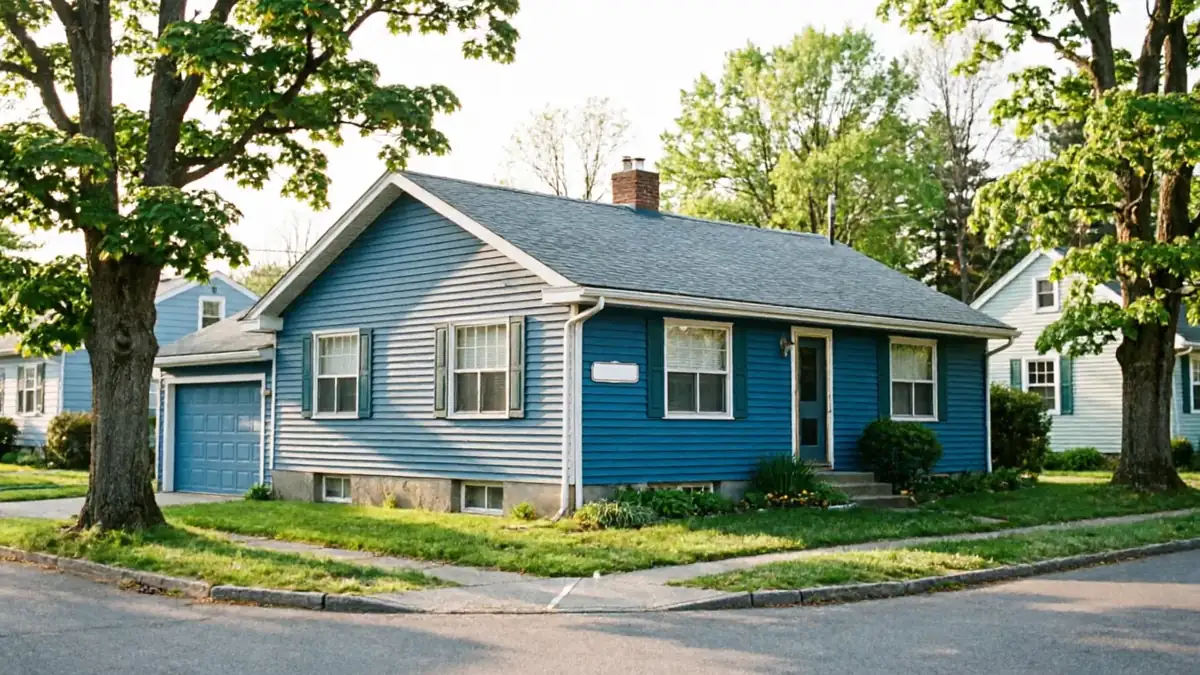
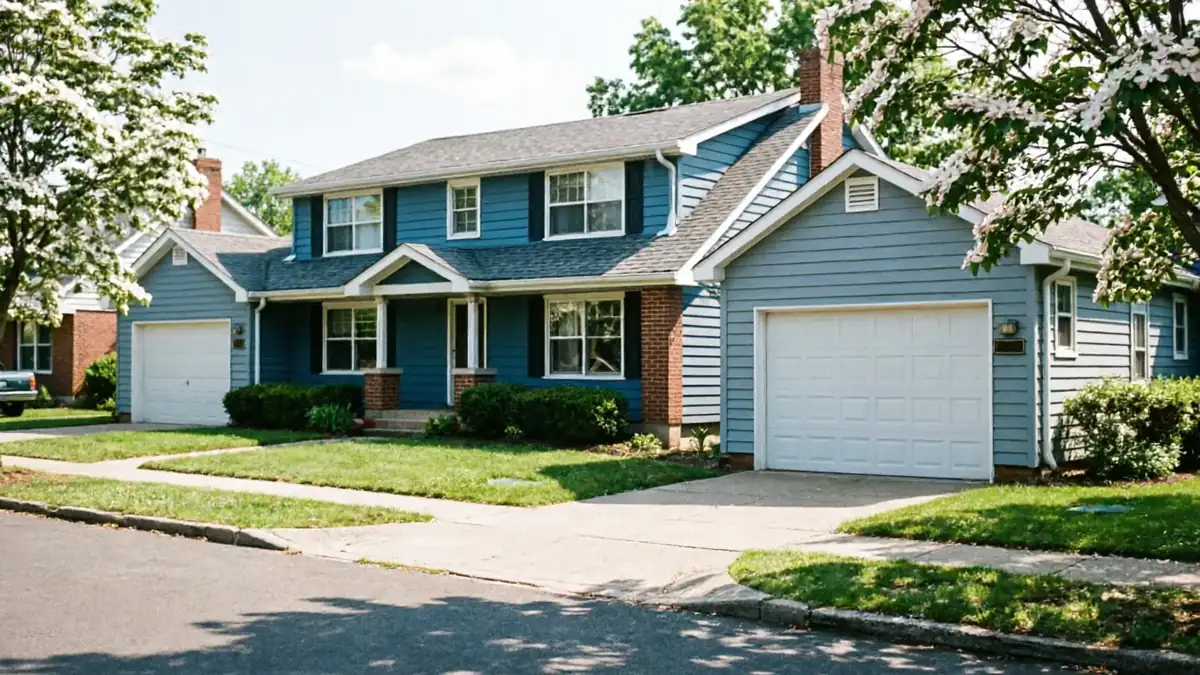
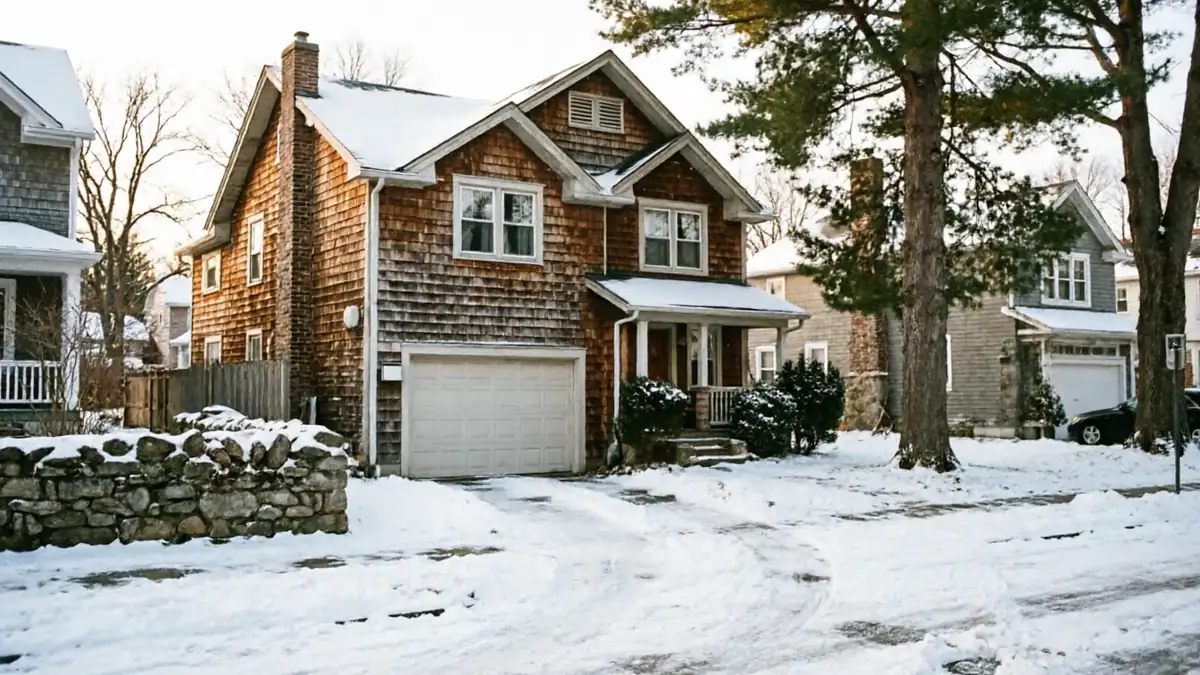
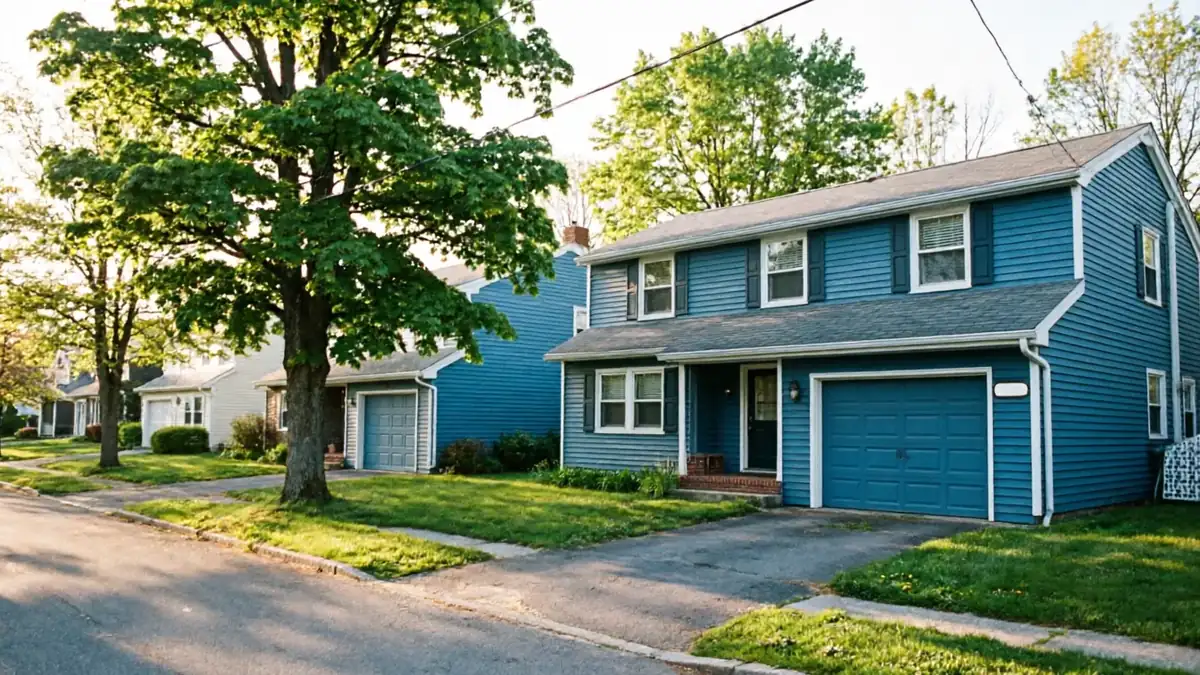
We're not going to pretend we have a storefront on your street. What we do have is a short drive and a decent read on what's behind most of these doors before we even knock, because the housing stock here runs a pretty tight band of ages and that tells us a lot about the hardware waiting on the other side.
This Area's Housing
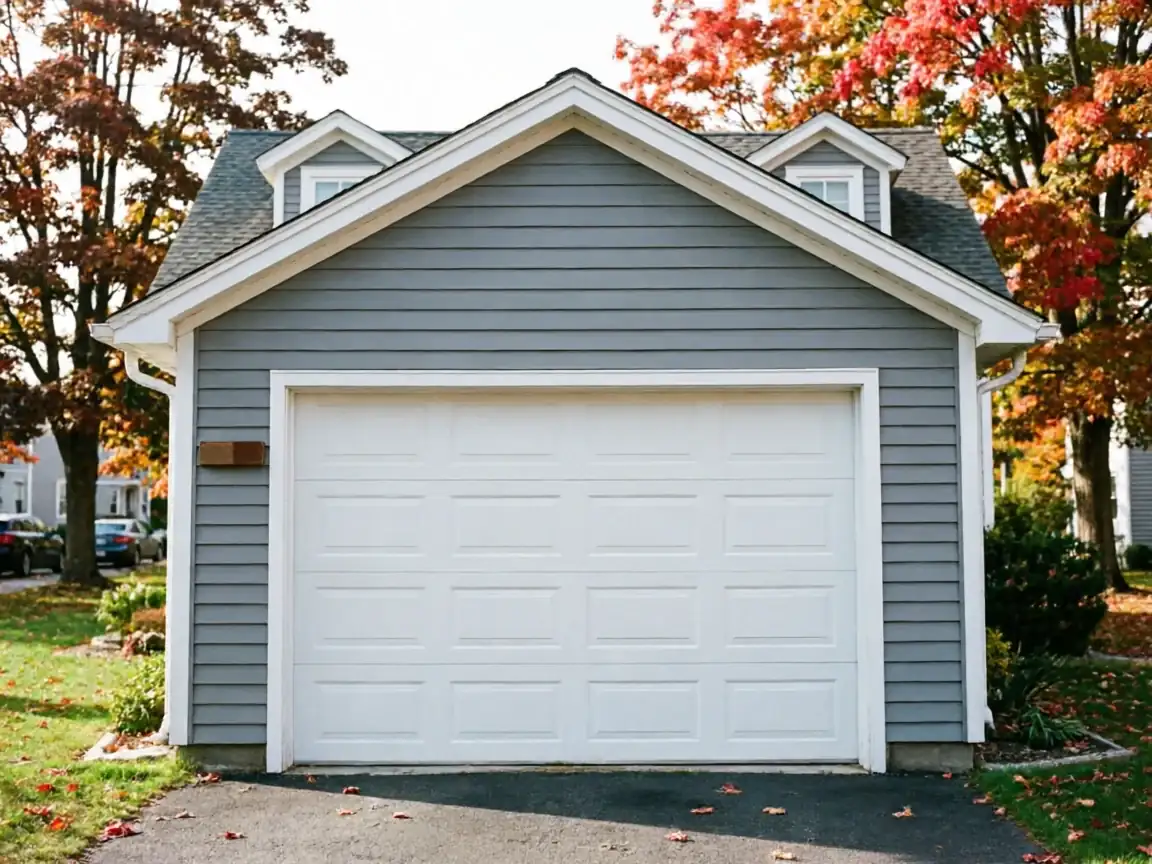
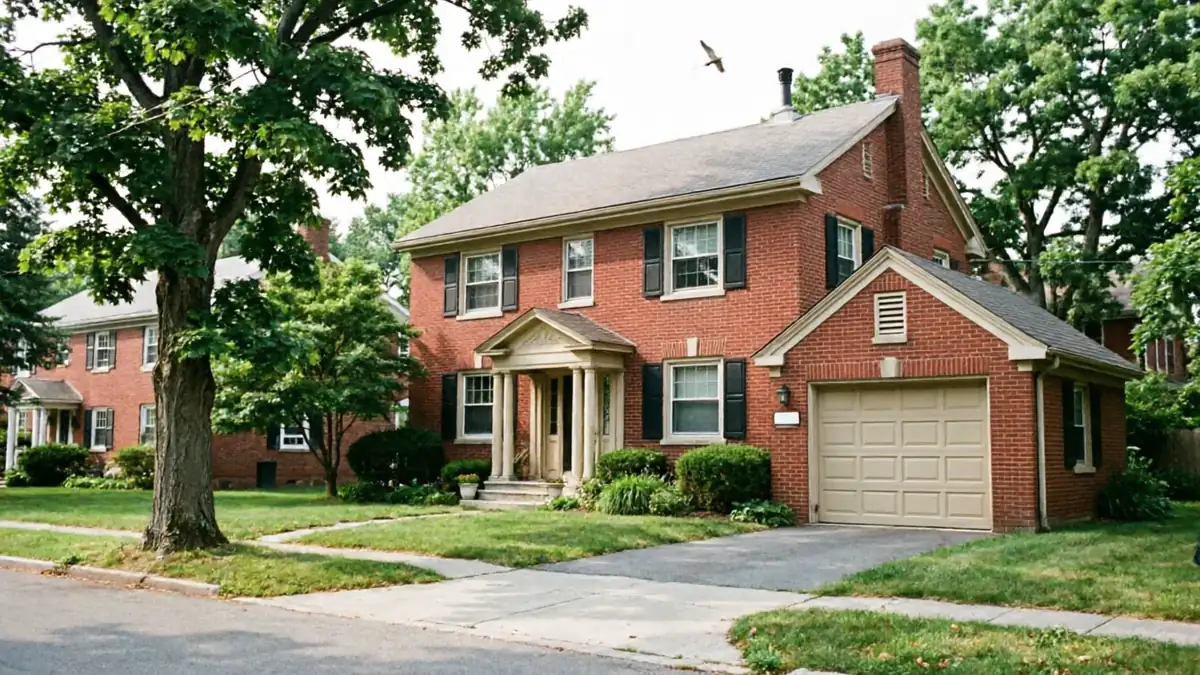
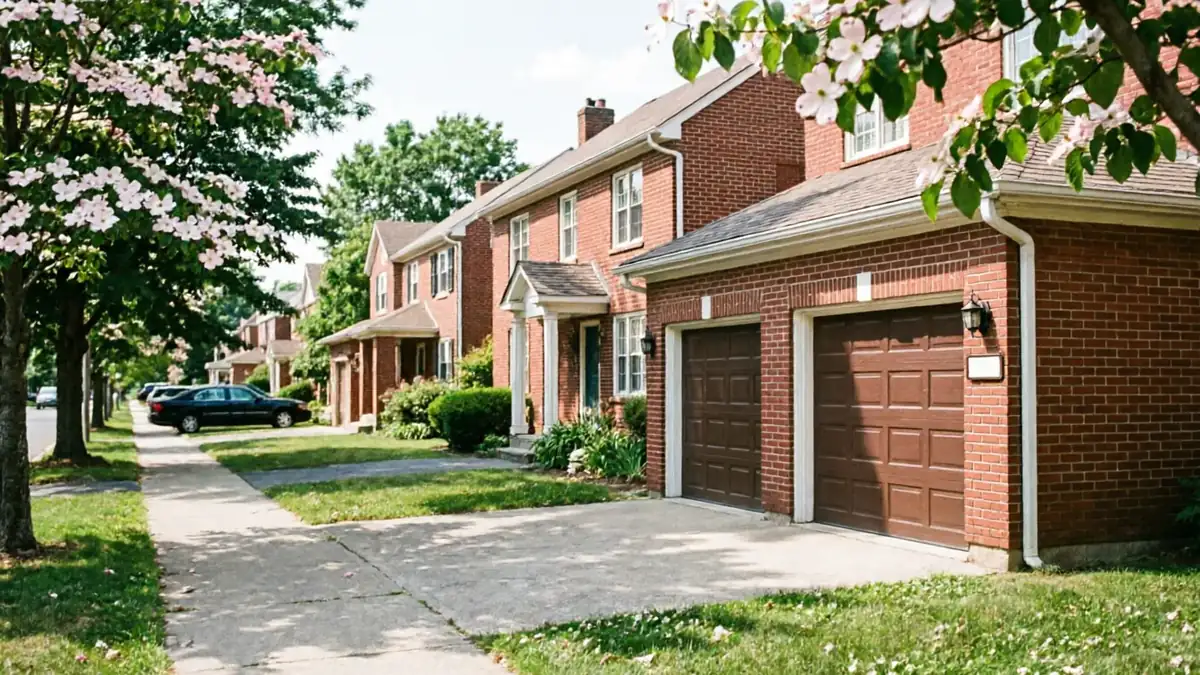
The median home in Plainville was built around 1970, which puts it right in the middle of the broader 1938-1986 range we see across this whole service area, and squarely in the 1960s-70s building wave that produced most of the garage doors we work on. There are about 8,096 households here, and the median income runs around $81,920 - lower than the $107,435 median across the wider 64-town area we cover, which matters more than people think when it comes time to choose between a repair and a full replacement.
A house built in 1970 is pushing 55 years old. If the garage door is original, or even the second door on that opening, it was engineered to a building code and a set of hardware standards that have been superseded twice over. That's not a knock on the house - it's just the math of a town that filled in mostly during one era rather than being built out slowly over a century.
How That Shows Up in the Door
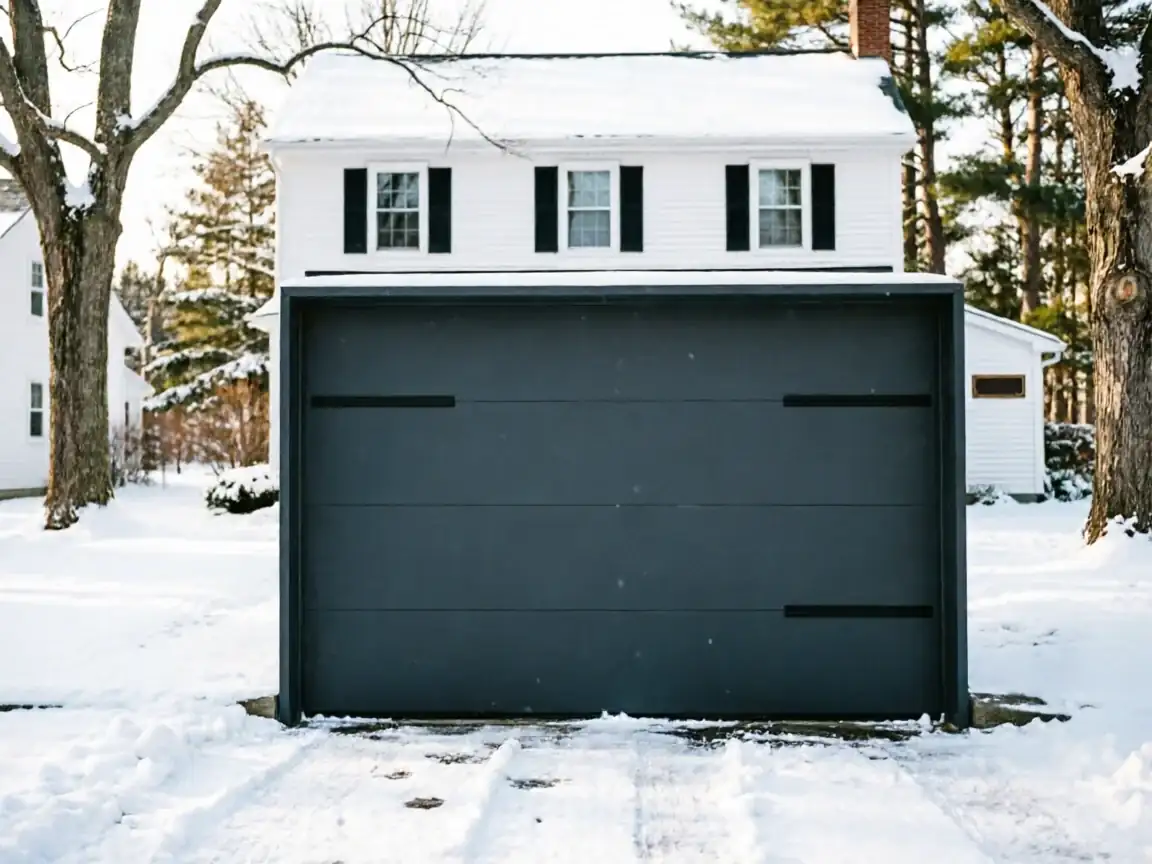
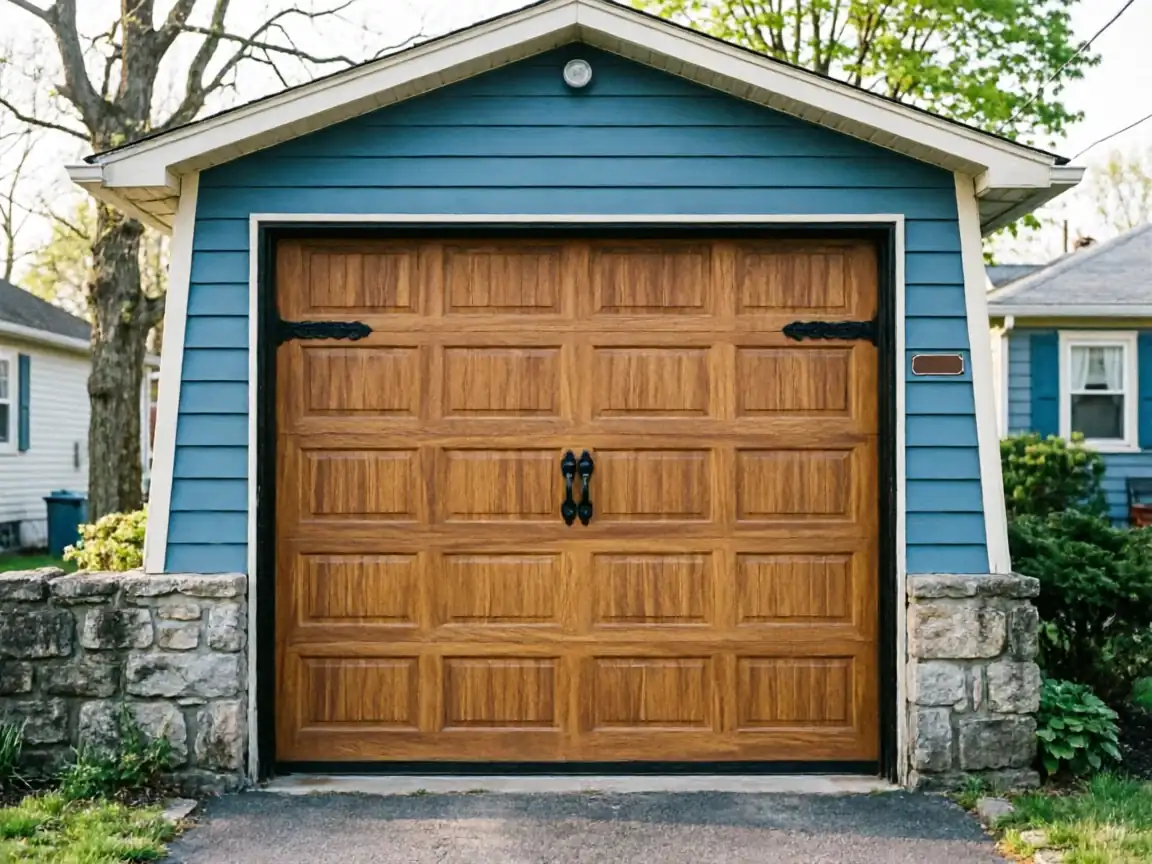
A 1970-built house in a cold-winter climate like this one typically shipped with a single-layer steel door
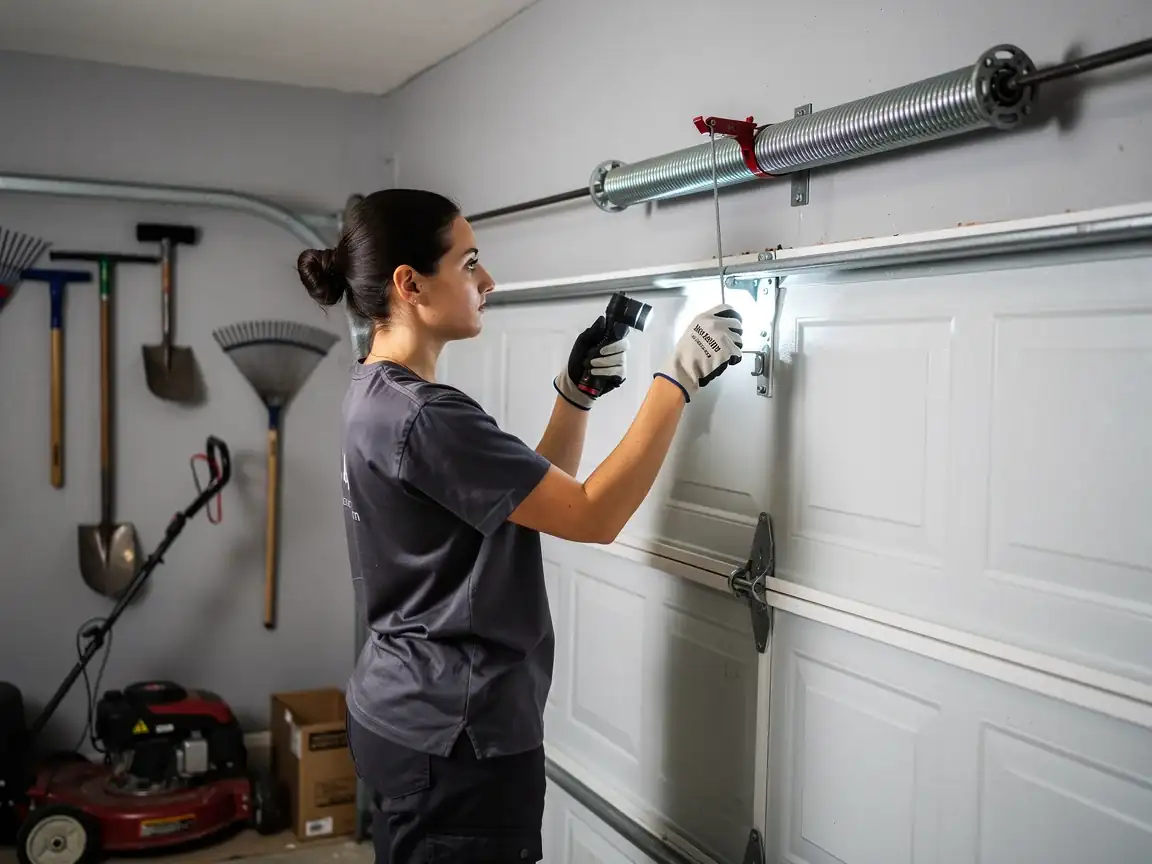
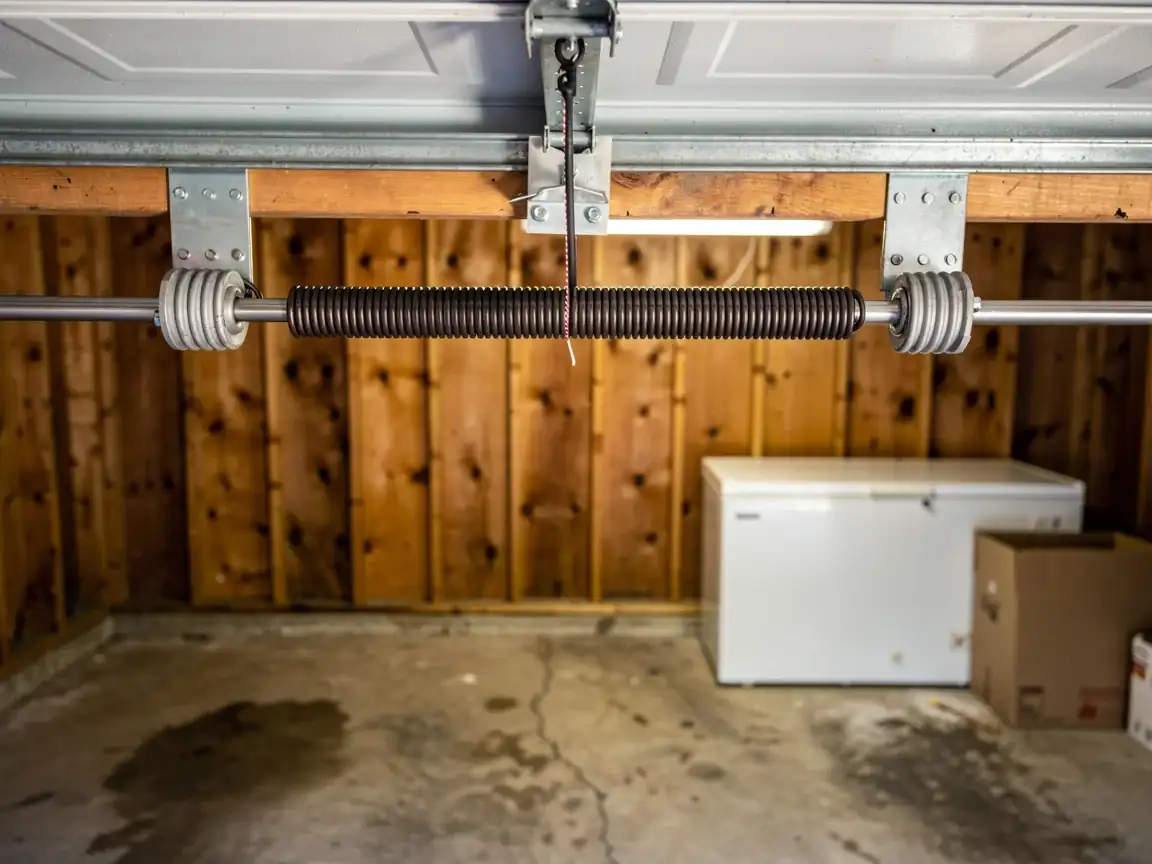
A single torsion spring or a pair of extension springs mounted on either side of the track, and no weatherseal worth mentioning. None of that was wrong for 1970 - it was standard. It just doesn't hold up well against decades of freeze-thaw cycling, which this area gets a severe dose of every winter.
What we actually find on these calls
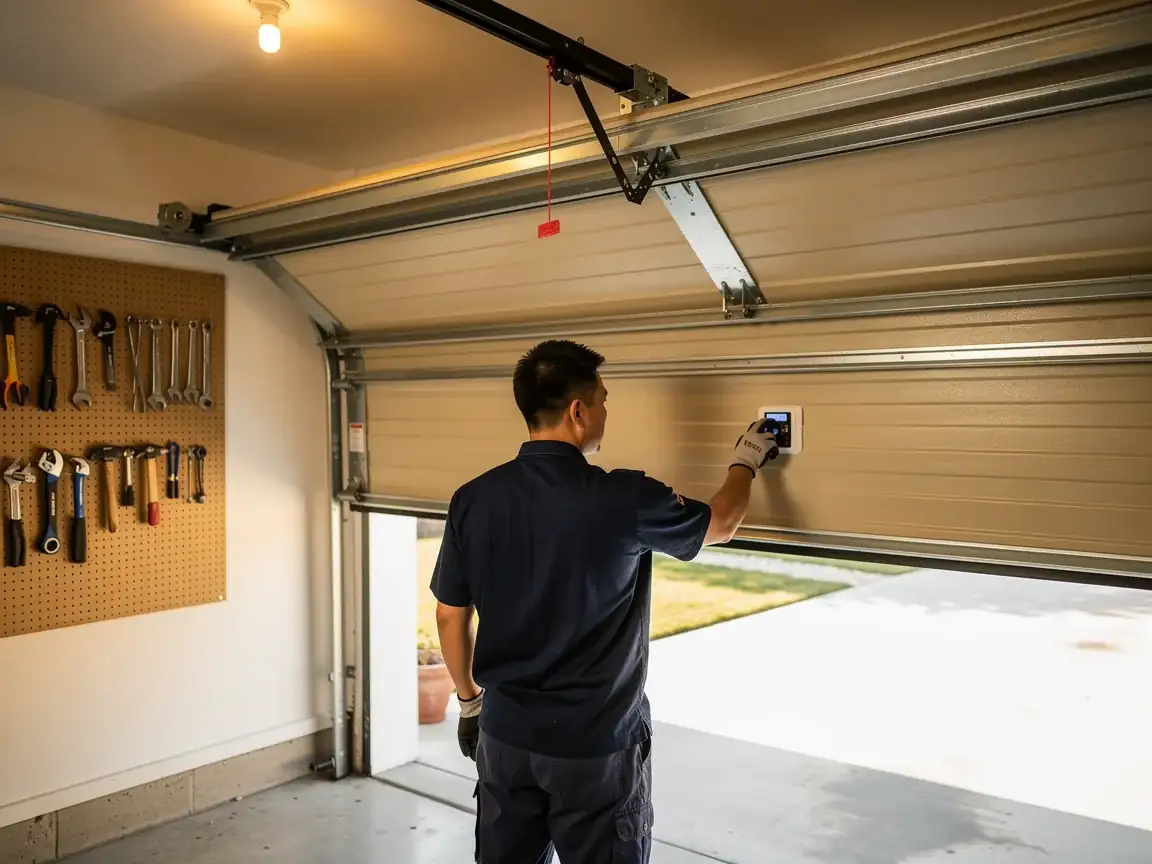
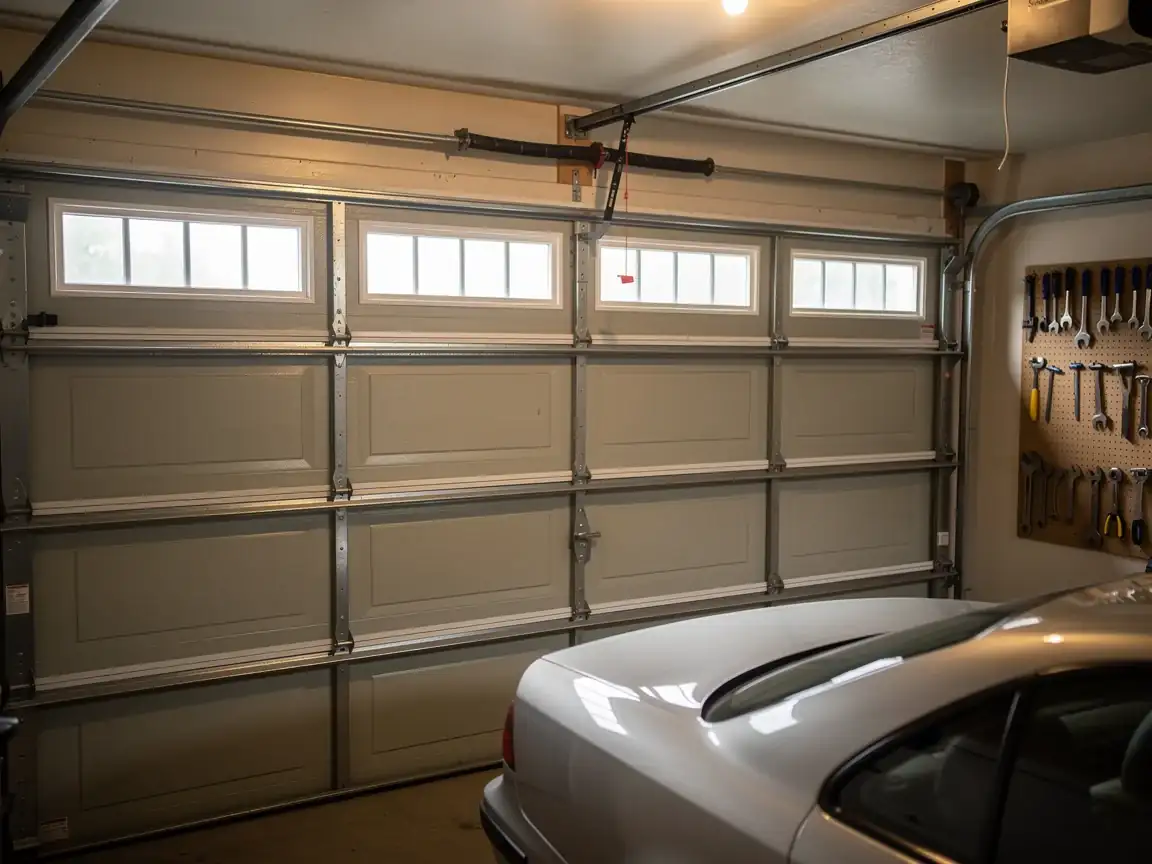
Torsion springs sized for a door that's since been reskinned or had an opener added, rollers that were never upgraded from steel to nylon, and bottom seals that have hardened and cracked from forty-plus winters of cold. The track alignment on these older sections also tends to have been