Serving Bristol, CT & nearby
(860) 217-5232
Bristol, CT

Should You Repair or Replace That Old Bristol Garage Door?

Bristol homes built mostly in the 1960s and 70s hide original hardware behind newer paint. Here's how to tell if your garage door still has life left.

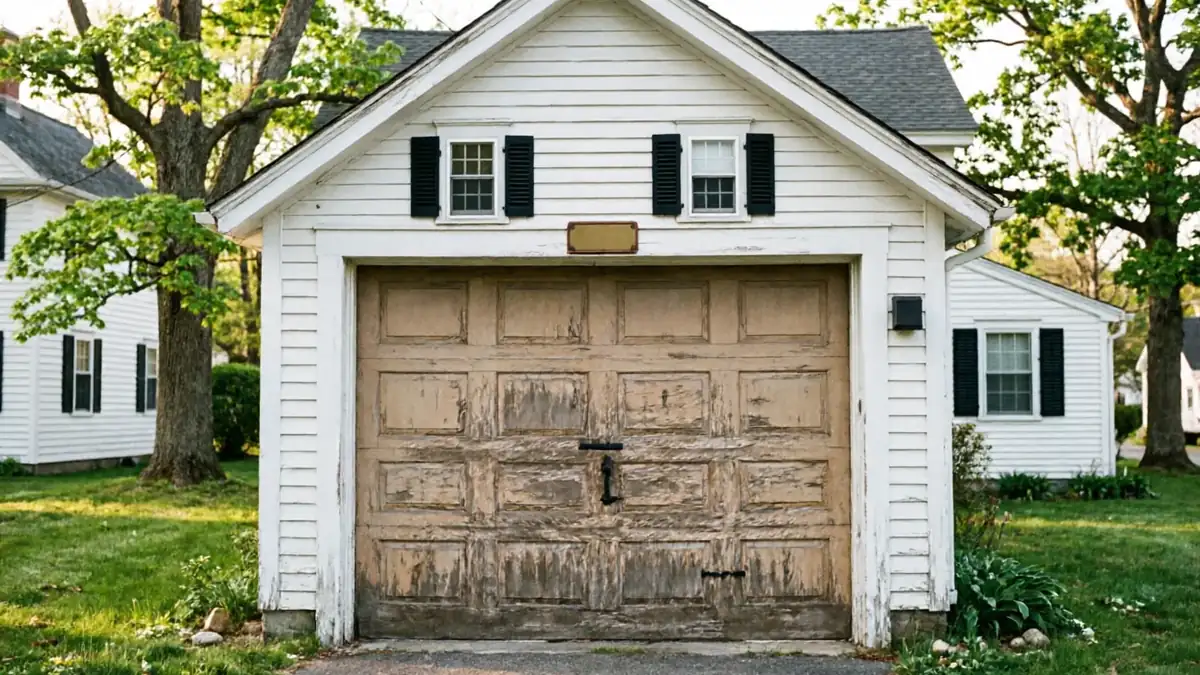
A white garage with a peeling wooden garage door and black shutters.

Doing Nothing For Now

A lot of the doors we look at in Bristol aren't broken yet, they're just getting loud, or the opener strains a half second longer than it used to. That's the point where most people decide to wait. Sometimes waiting is fine. If the door still seats flush and the spring cycles smoothly, you're not in danger of a sudden failure.

But Bristol's housing stock skews old - most of it went up between 1938 and 1986, with the typical build landing around 1971. A door and track system that's been in a 1971 opening for fifty-plus years has usually been adjusted, re-shimmed, or had a track bent back into place more than once. Each of those fixes buys time, not permanence. Waiting on a door like that isn't the same as waiting on one installed in 2015.

The honest answer is: doing nothing costs you nothing until the day a cable snaps or a spring lets go under tension, and on a door this old that day arrives with no warning. If you're going to wait, at least know which part is most likely to go first, which is what the next section is for.

What to Check

Start with the spring. On a double door from the 1960s or 70s era that makes up so much of Bristol's stock, it's almost always a torsion spring mounted above the opening, and you can usually see rust pitting or gaps between coils before it fails outright. Don't touch it under tension, just look.

Next, the tracks. Decades of Connecticut winters mean the metal has expanded and contracted thousands of times. Check for flat spots, rust at the seams, or a track that's pulled away from its mounting bracket by even a quarter inch.

Check the weatherstripping at the bottom panel. On older doors this is usually the first thing that's been replaced, sometimes more than once, and a brittle or flattened seal lets cold air straight into the garage all winter.

Last, run the door by hand with the opener disconnected. If it doesn't move smoothly on its own, the spring is doing more work than it should, which is usually the first sign something's about to go.

The Problem

  1. The real issue with a lot of Bristol garage doors isn't the door itself

    It's the mismatch between original hardware and anything you'd buy today. A house built in that 1938-to-1986 window, especially the 1960s and 70s construction that dominates neighborhoods often still has its original rail spacing, drum size, or jamb bracket layout. Replacement panels are standardized now. Original hardware isn't.

  2. That means a repair that should take an hour sometimes takes longer because a part has to be matched or modified rather than swapped straight across

    We won't pretend every part for a fifty-year-old door is sitting on the truck - some of it isn't made anymore, and sourcing an exact match can add a day or two to a job.

  3. The other half of the problem is that owners often replace the opener over the years without ever touching the track or spring system underneath it

    You end up with a modern motor straining against 1970s hardware it was never engineered to match, which shortens the life of both.

What Local Conditions Do

Bristol sits in a severe cold climate band, and that matters more for garage doors than most people think. Steel contracts in deep cold, which changes spring tension slightly every winter whether or not the door is used. A spring rated for a certain number of cycles at room temperature doesn't hit that number in a Connecticut January - it gets there faster.

Across the wider area, 181,634 owner-occupied houses sit on roughly the same building-year curve as Bristol itself, so the cold isn't doing anything unique to one block, but it is doing the same thing to every original torsion spring and every uninsulated panel still in service from that era.

Condensation is the other piece. A cold garage with a warm house on the other side of the wall means moisture collects on hardware, and rust on a track bracket or hinge pin happens quieter and earlier than most owners expect. None of this means every old door needs replacing. It means the parts most exposed to temperature swing - springs, hinges, the bottom seal - wear out first, and on a budget repair those are usually where the money should go before anything cosmetic.

How it works

From “it’s stuck” to “it’s fixed”

A man stands in a driveway looking at his phone in front of a blue house.

Tell us what’s wrong

Describe the symptom - won’t open, loud bang, opener runs but the door won’t move.

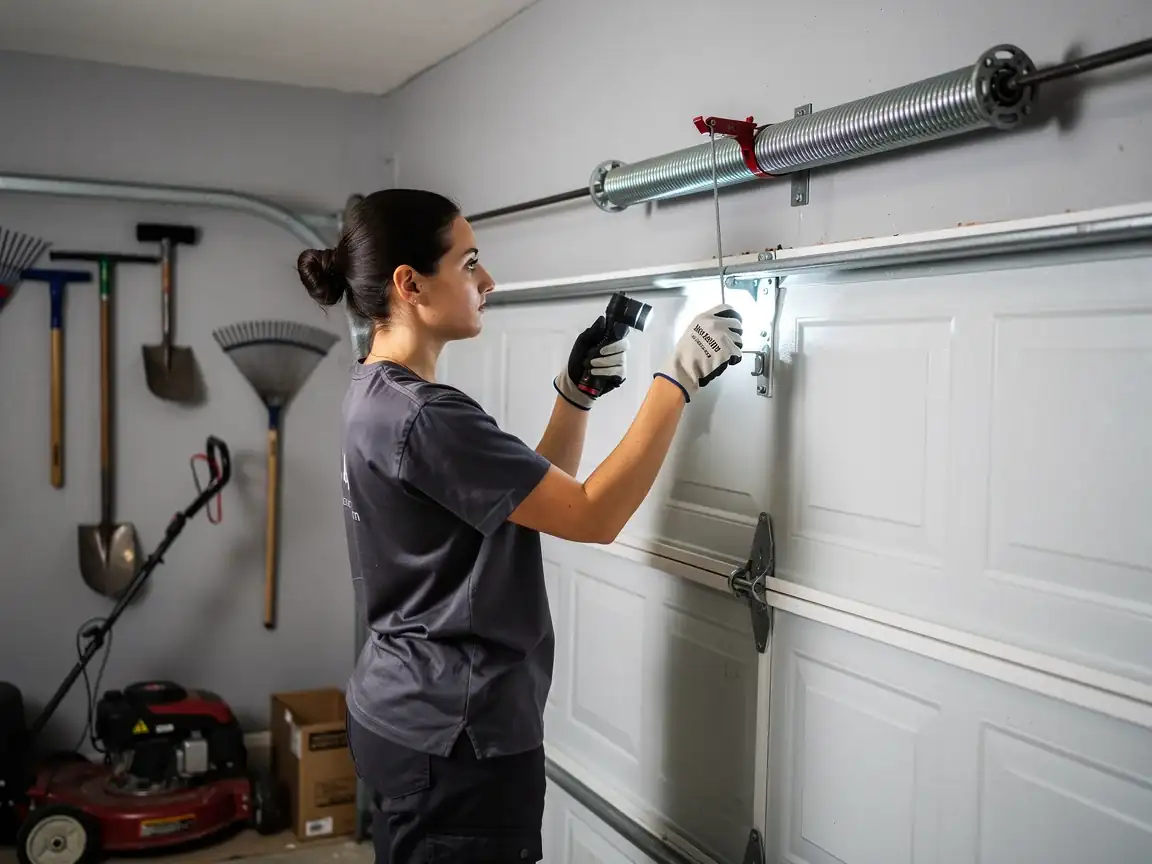
A technician shines a flashlight on a white garage door's top panel and roller.

On-site diagnosis

A technician tests the door under power and by hand and finds what actually failed.

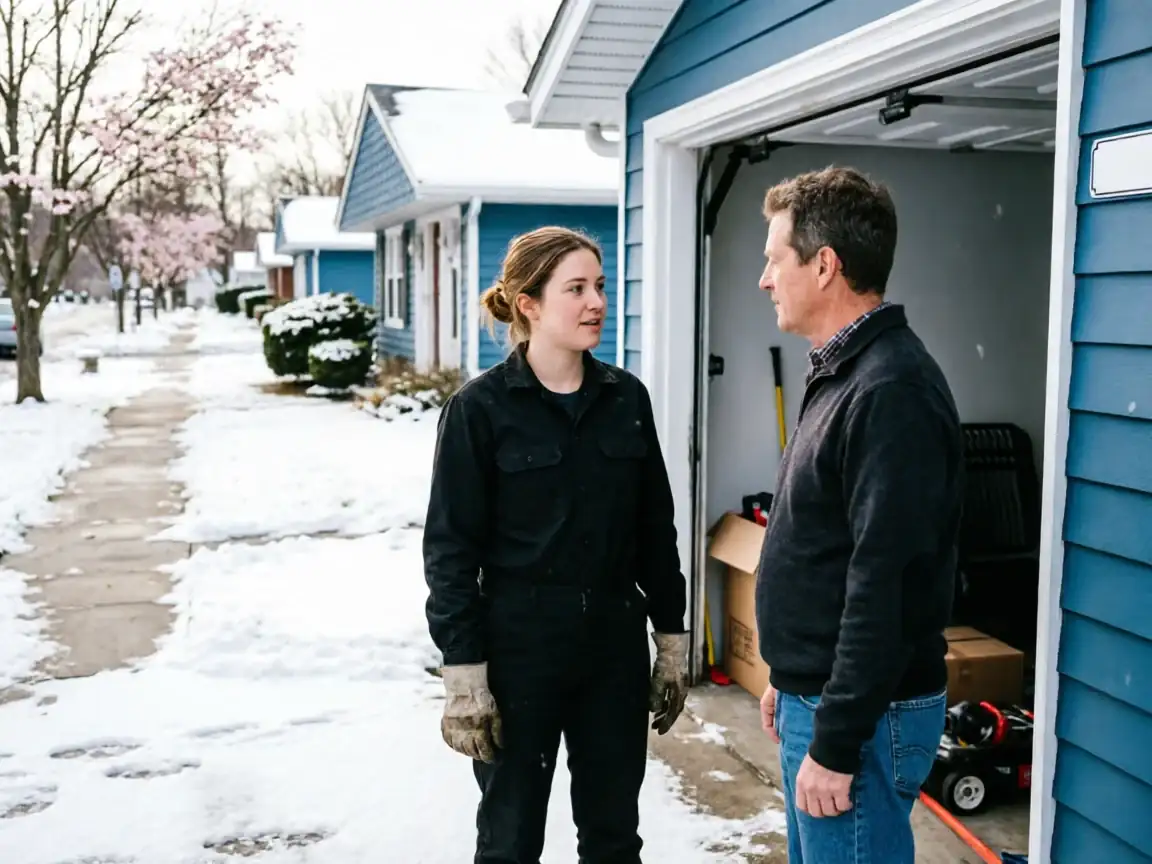
A technician in work clothes talks to a man in front of a blue house with an open garage.

Clear, up-front plan

You get the fix that’s needed and what drives the cost - before any work starts.

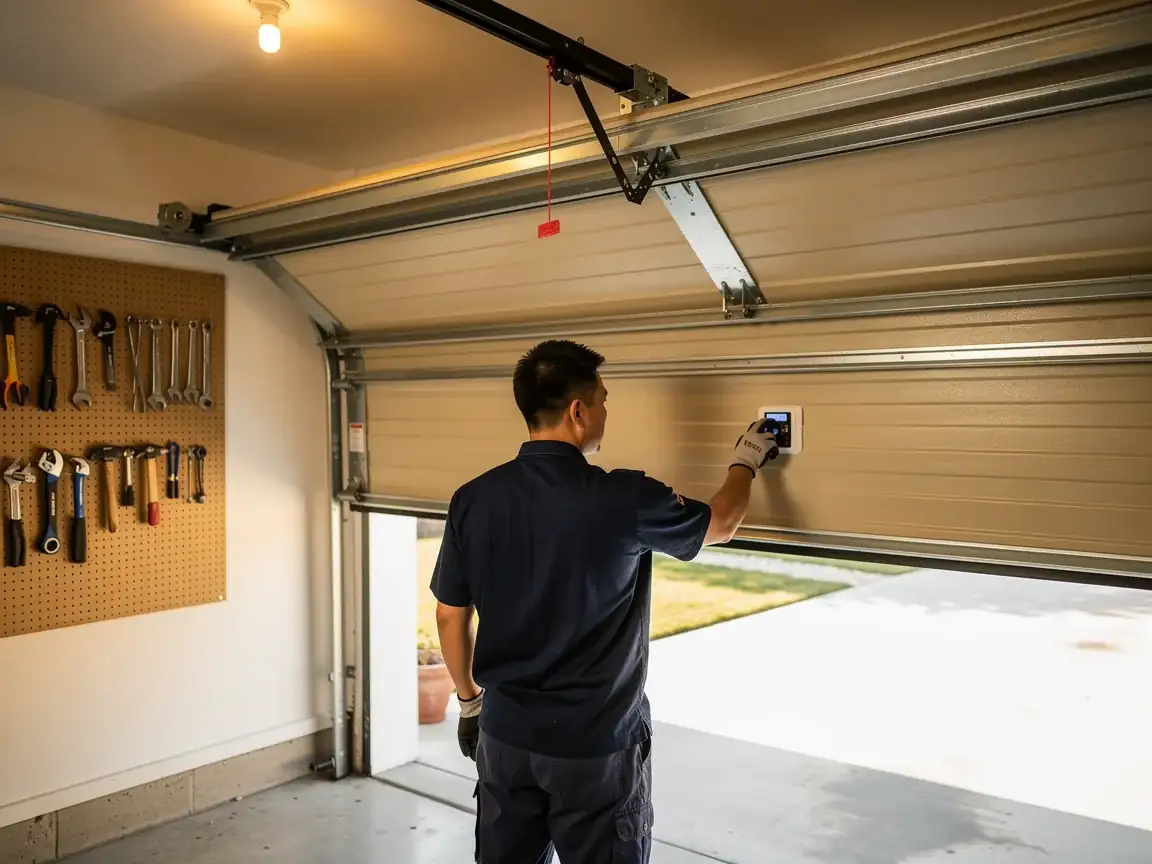
A technician adjusts a wall-mounted control panel on an open garage door.

Repaired & tested

The repair is done, the door is set true and tested, and the work area left clean.

Next step

Not sure which repair your door needs in Bristol, CT? Describe what it’s doing - every job starts with a diagnosis.

How we work

What to expect

Diagnosis firstEvery visit starts by finding what actually failed - not a pre-written parts list.
The right part for the doorSprings and openers matched to the door’s weight and age, so the fix holds up.
Straight answersWhen a repair makes more sense than a replacement - or the reverse - you hear it plainly.
Clean, careful workTension released safely, hardware set true, the door tested under power before we leave.
What we do

Garage Door Services

Repair and installation work for Bristol homes and businesses.

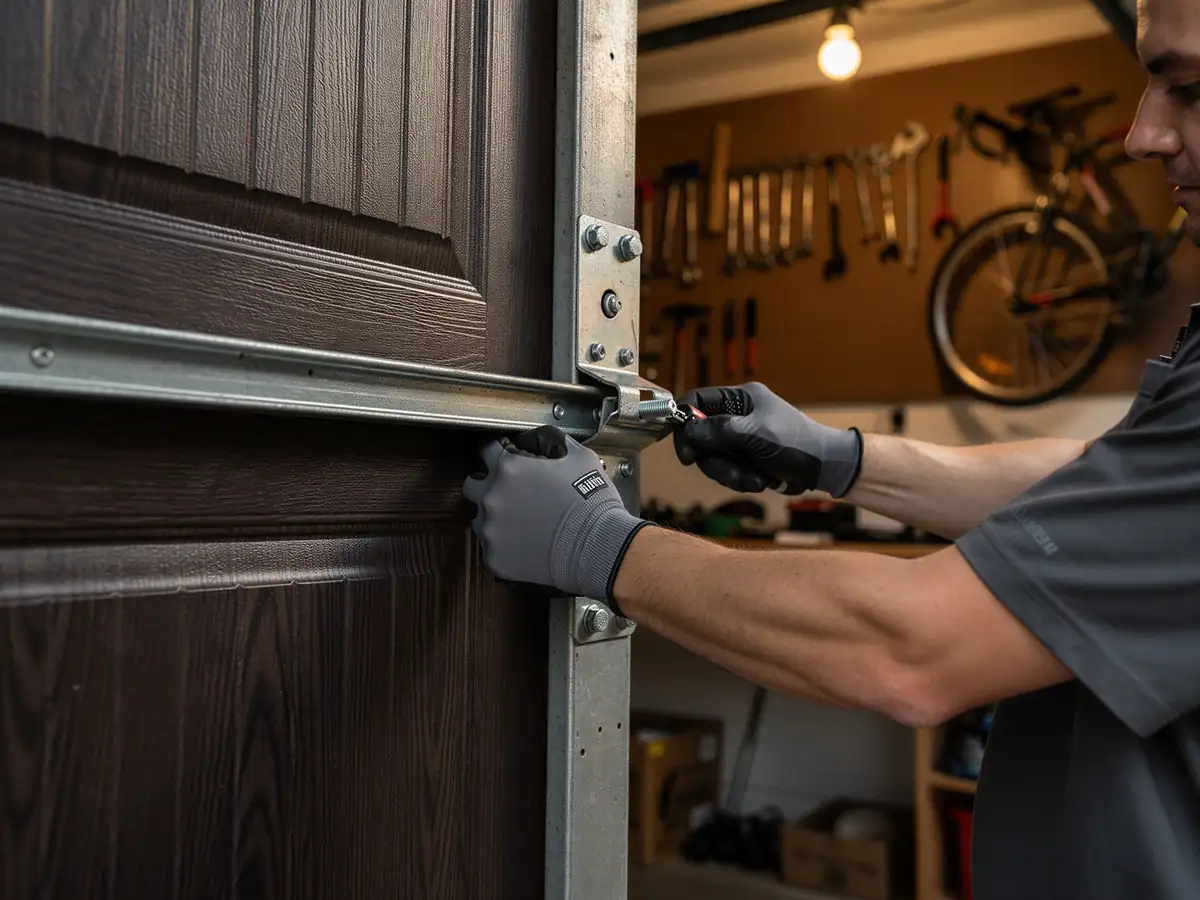
A technician in grey gloves works on a brown garage door track.

Garage Door Repair

Garage door repair for Bristol, CT homes built mostly 1938-1986. We work on the torsion springs and track hardware that cold winters and original 1960s-70s doors wear out.

Learn more
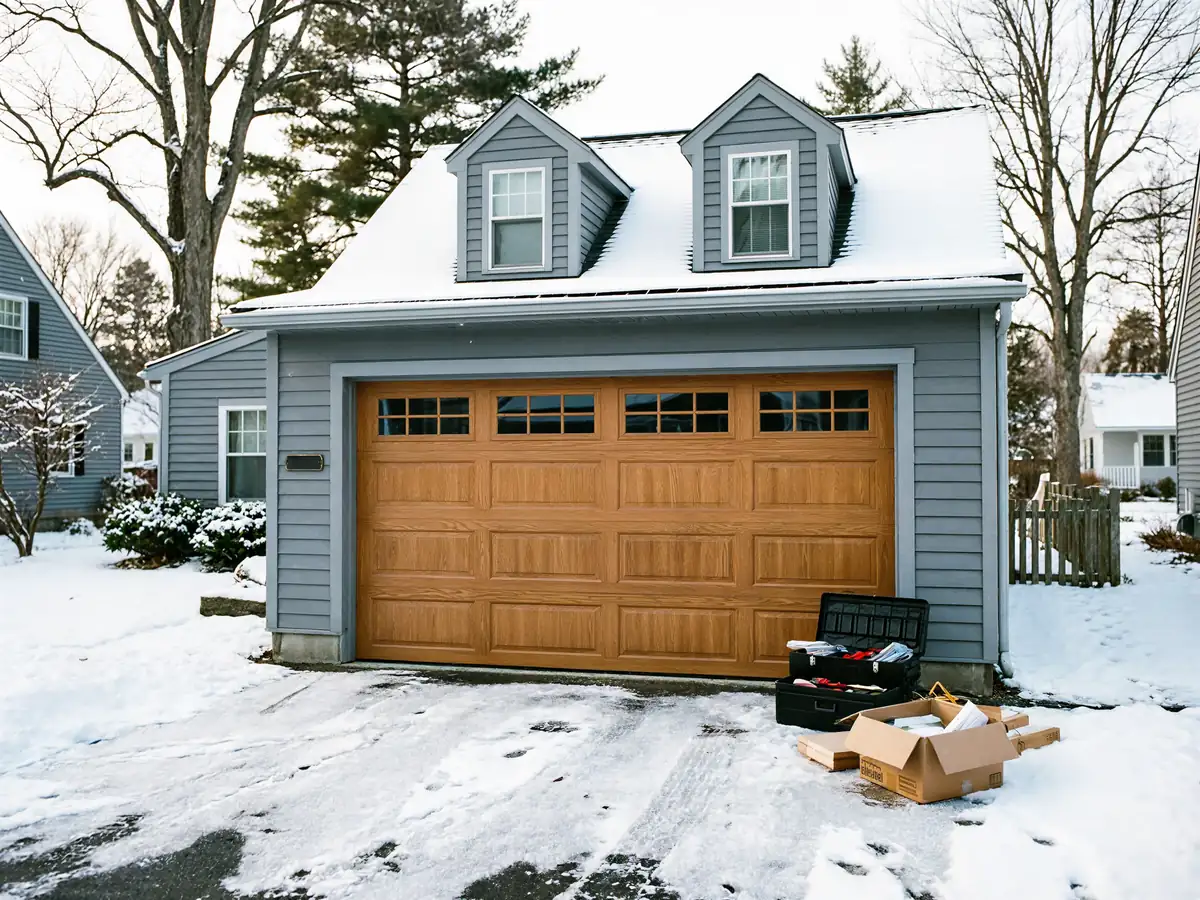
A wooden garage door on a gray house with snow on the roof and ground.

Garage Door Installation

Bristol Garage Door Pros installs new garage doors matched to Bristol, CT's 1960s-70s housing stock and severe cold climate. We measure, order, and install.

Learn more
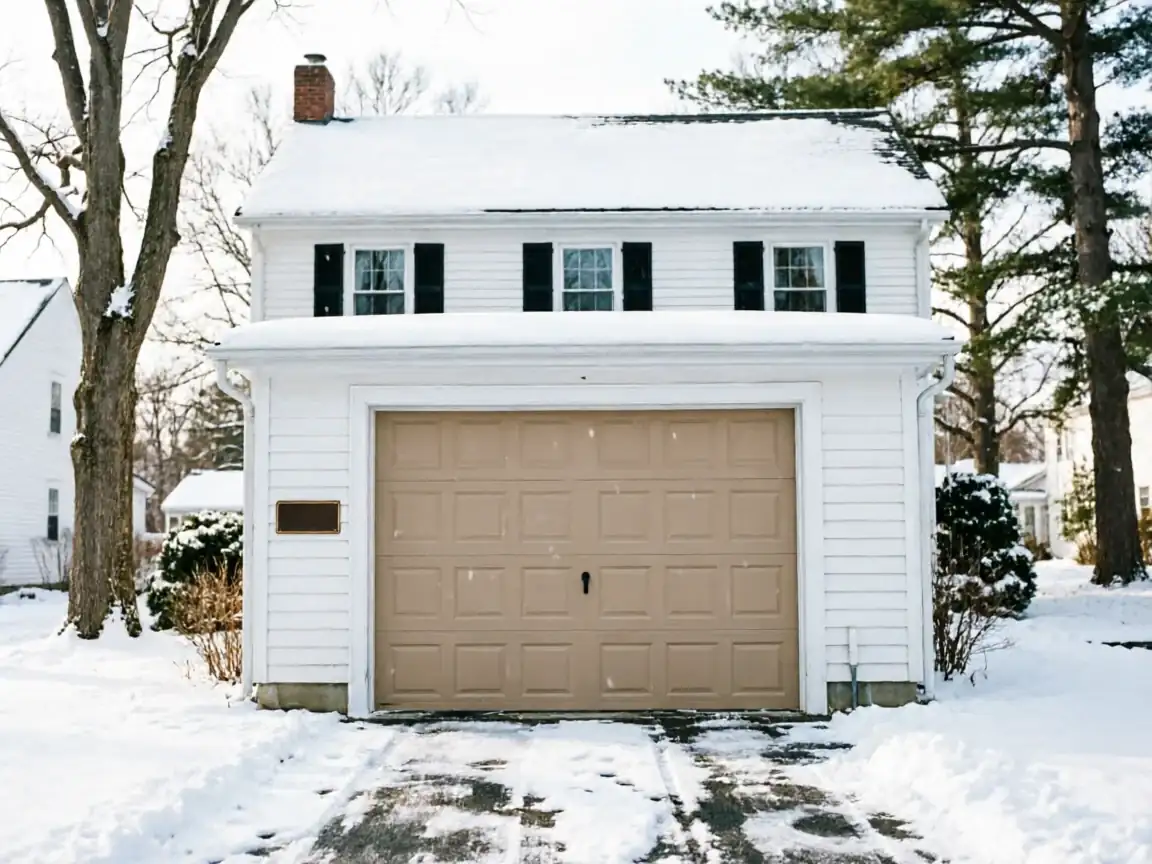
A white house with a tan garage door and black shutters is covered in snow.

Garage Door Service

Garage door service for Bristol, CT homes built 1938-1986. We fix the cold-weather binding and spring failures common to this housing stock. Call today.

Learn more
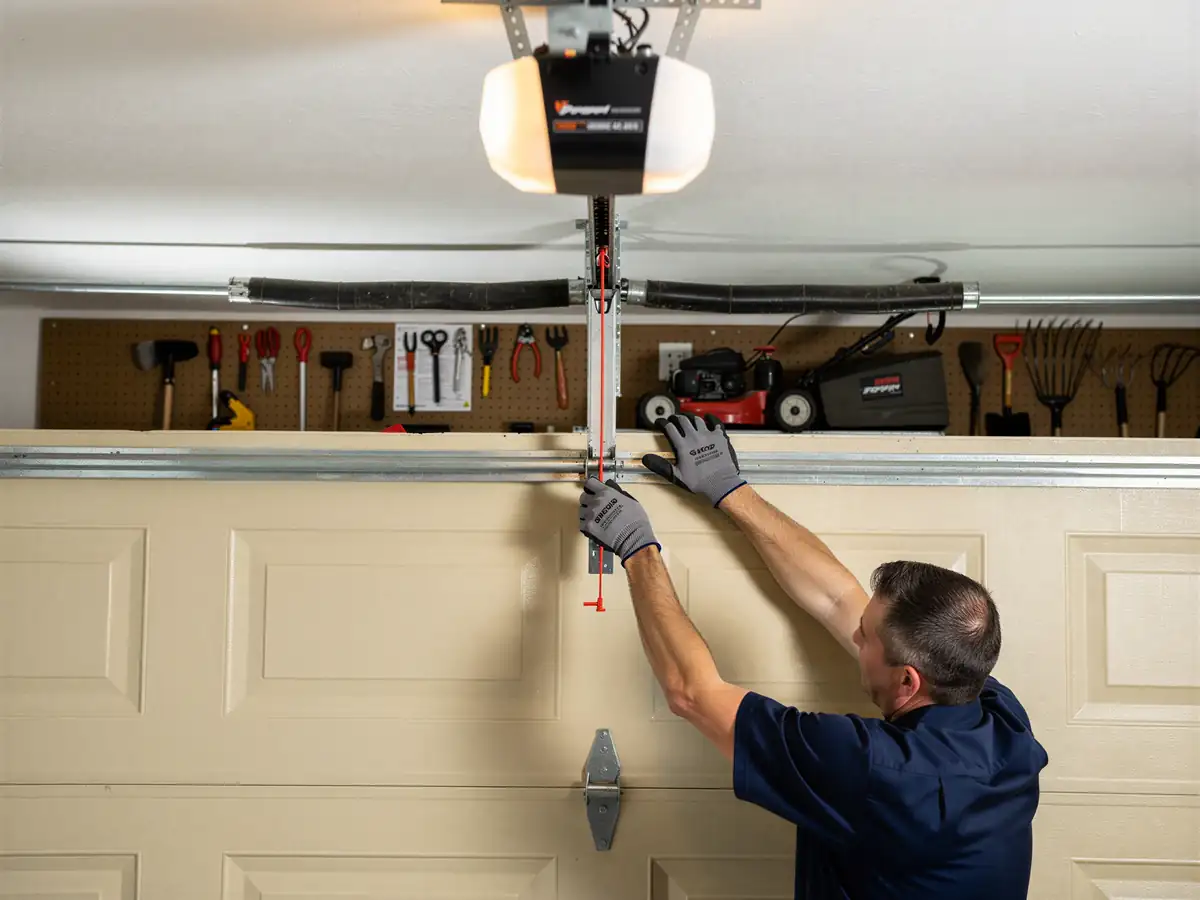
A technician in a blue shirt and gloves works on a garage door opener.

Opener Installation

Opener installs for Bristol, CT homes built between 1938 and 1986, sized to heavier original doors and the track wear Connecticut's cold winters bring on.

Learn more
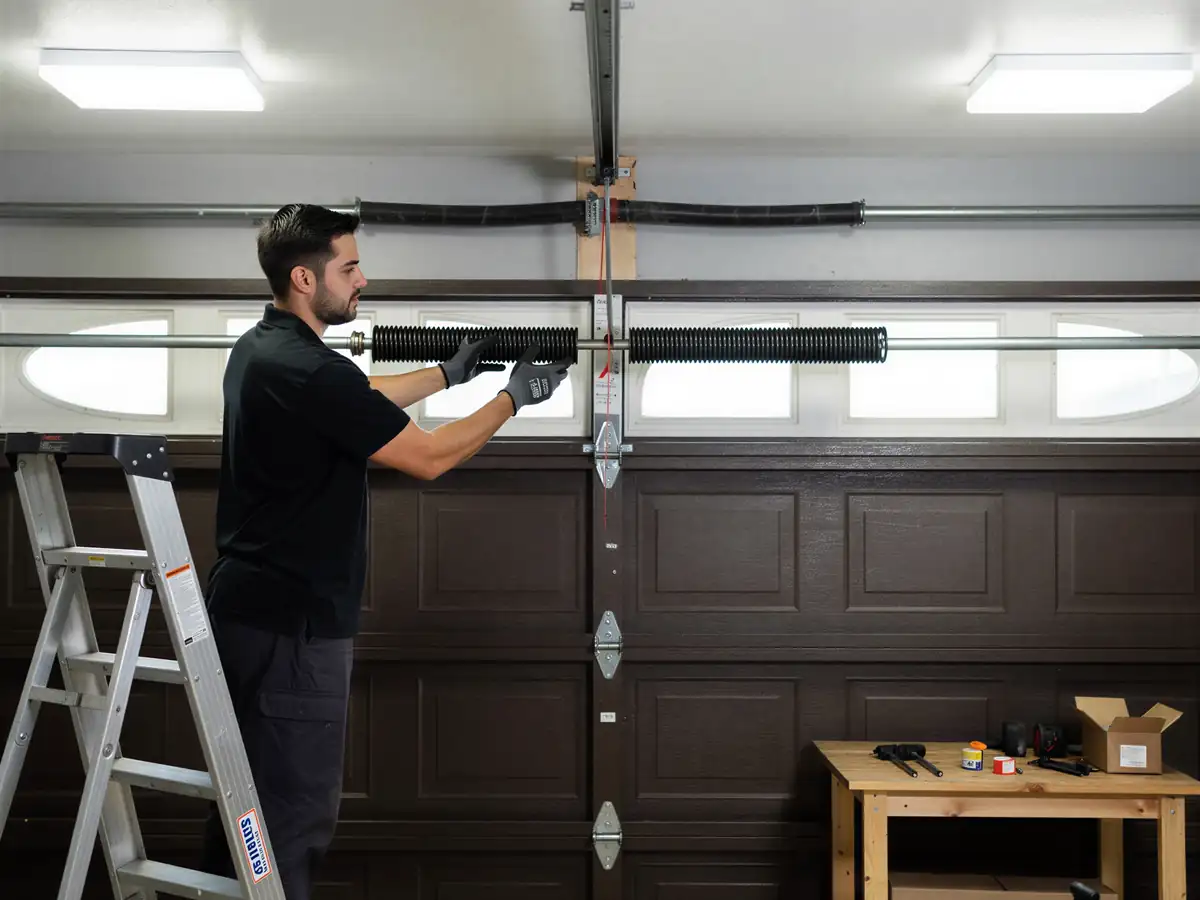
A technician installs a torsion spring on a brown garage door.

Spring Repair

Broken torsion spring on a Bristol house built between 1938 and 1986? We fix the snap, re-tension the door, and explain why this area's cold winters wear springs faster.

Learn more
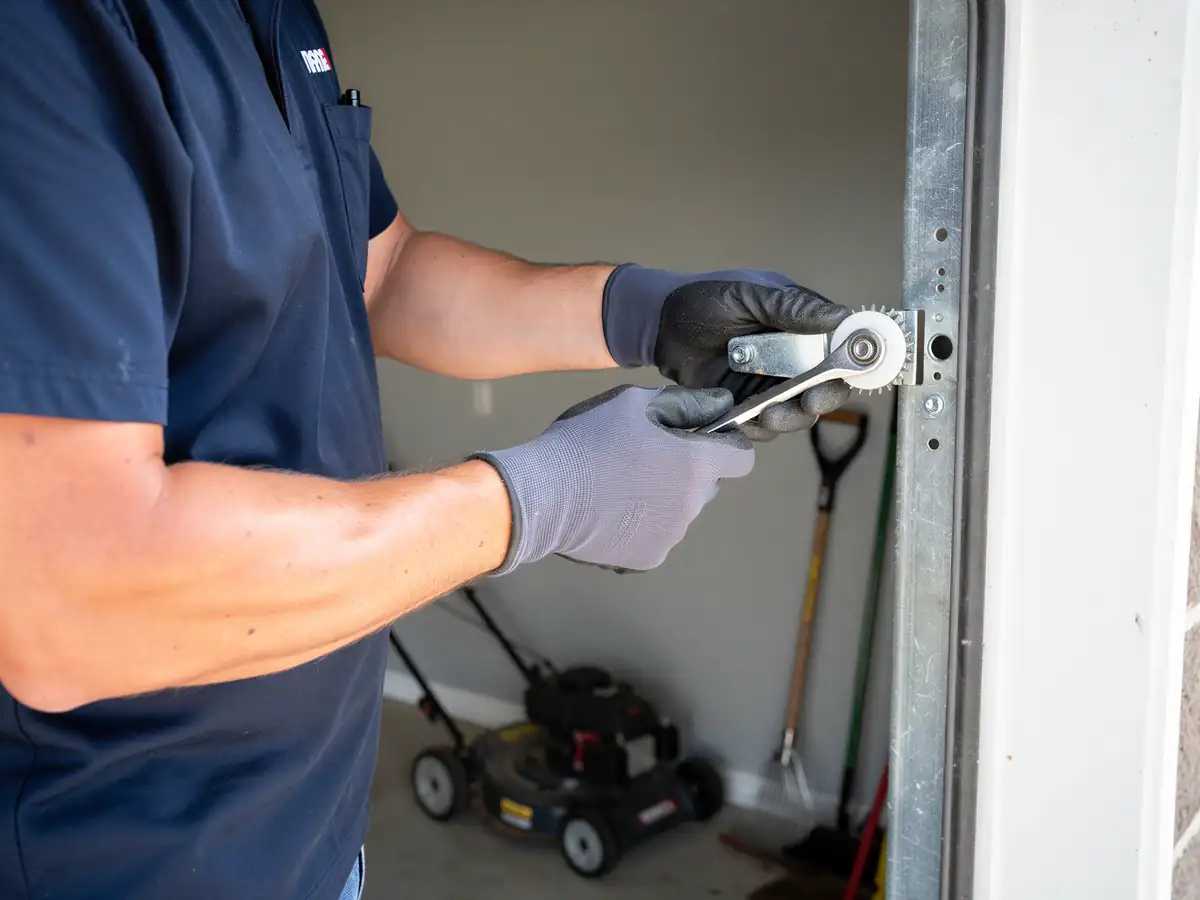
A technician in gloves adjusts a garage door roller with a wrench.

Off-Track Repair

Door jumped the track in Bristol, CT? We fix bent track, dropped rollers, and misaligned doors on the 1960s-70s housing stock common across this part of Connecticut.

Learn more
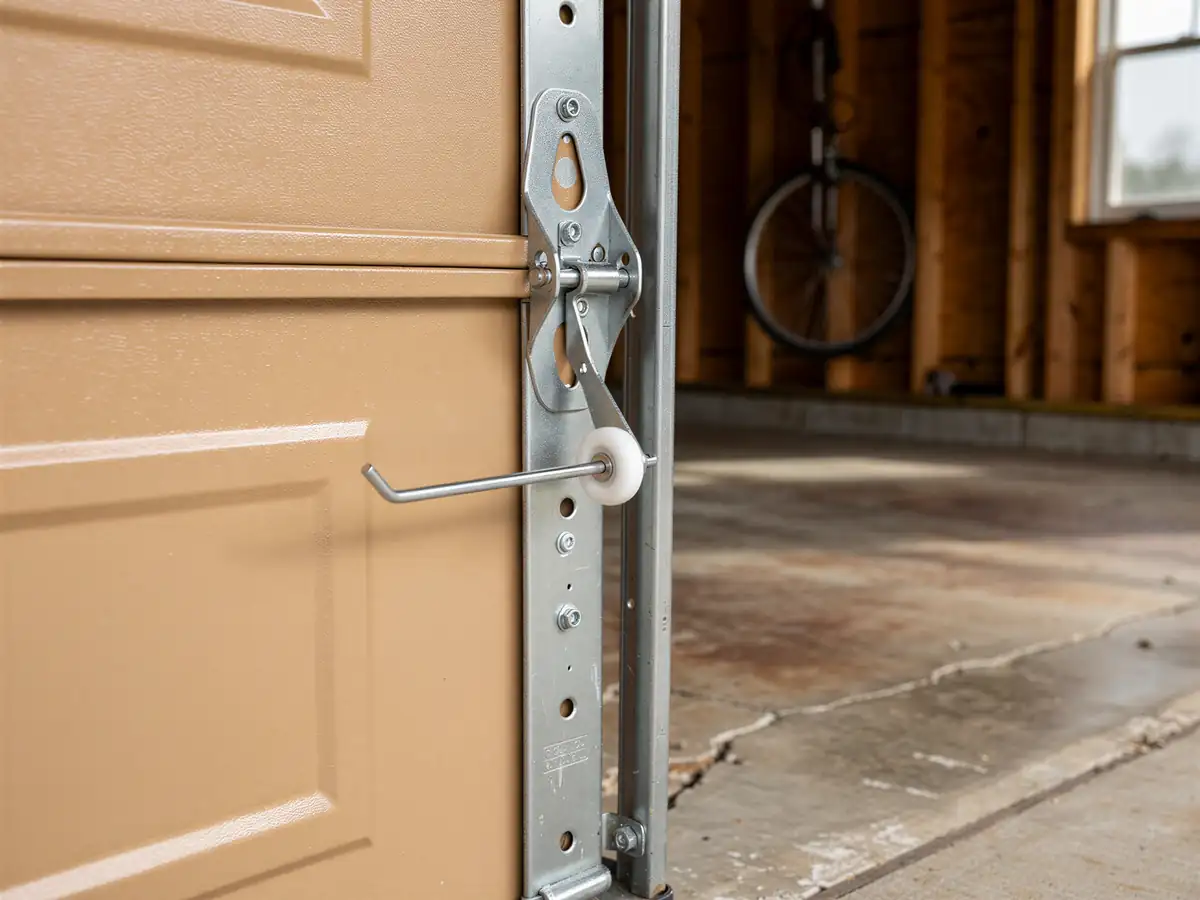
A tan garage door is open, showing a roller and track with a concrete floor.

Roller Replacement

Worn or jumping garage door rollers are common in Bristol, CT's 1960s-70s housing stock, especially through hard winters. Here's why, and how we fix it.

Learn more
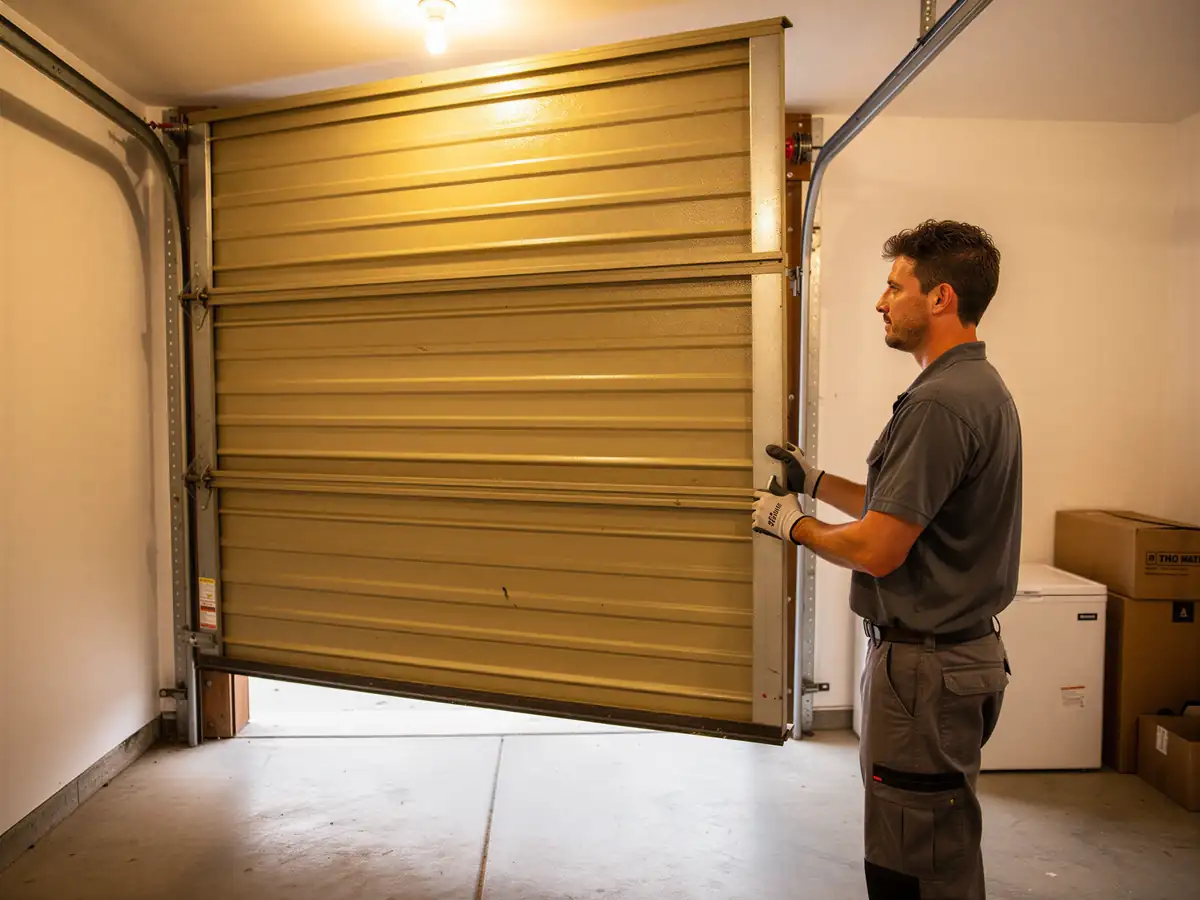
A technician in gloves is working on a partially open tan garage door.

Maintenance

Garage door maintenance built for Bristol's 1938-1986 housing stock and cold winters. We service original hardware, worn rollers, and torsion springs that age fast here.

Learn more
Questions

Frequently asked

Straight answers about garage door repair in Bristol. Still unsure? Ask us directly.

01How old does a garage door have to be before repair stops making sense?

There's no fixed age cutoff. What matters more is whether the frame has racked or the track has pulled away from the jamb. A door from the 1960s or 70s with a sound frame can often take a new spring and still run fine for years. One with a warped jamb usually can't be fixed by replacing parts alone.

02Why does my opener strain more in winter?

Cold steel loses a bit of flex, and torsion springs tighten slightly as temperatures drop. On an older spring that's already near the end of its cycle count, that extra resistance is often what pushes it to fail in January rather than July.

03Is it worth replacing just the weatherstripping on an old door?

Usually yes, and it's one of the cheaper fixes available. A flattened or cracked seal on a decades-old panel lets in more cold air than most owners realize, and swapping it doesn't require touching the spring or track system at all.

Ready to get your garage door sorted?

Tell us what it’s doing and where you are in Bristol - we’ll take it from there.

Request a QuoteCall