Serving Bristol, CT & nearby
(860) 217-5232
Bristol, CT

Garage Door Service for Southington Homeowners

Garage door repair and spring service for Southington homes built mostly in the early 1970s, out of our Bristol shop six miles away. Call for a quote.

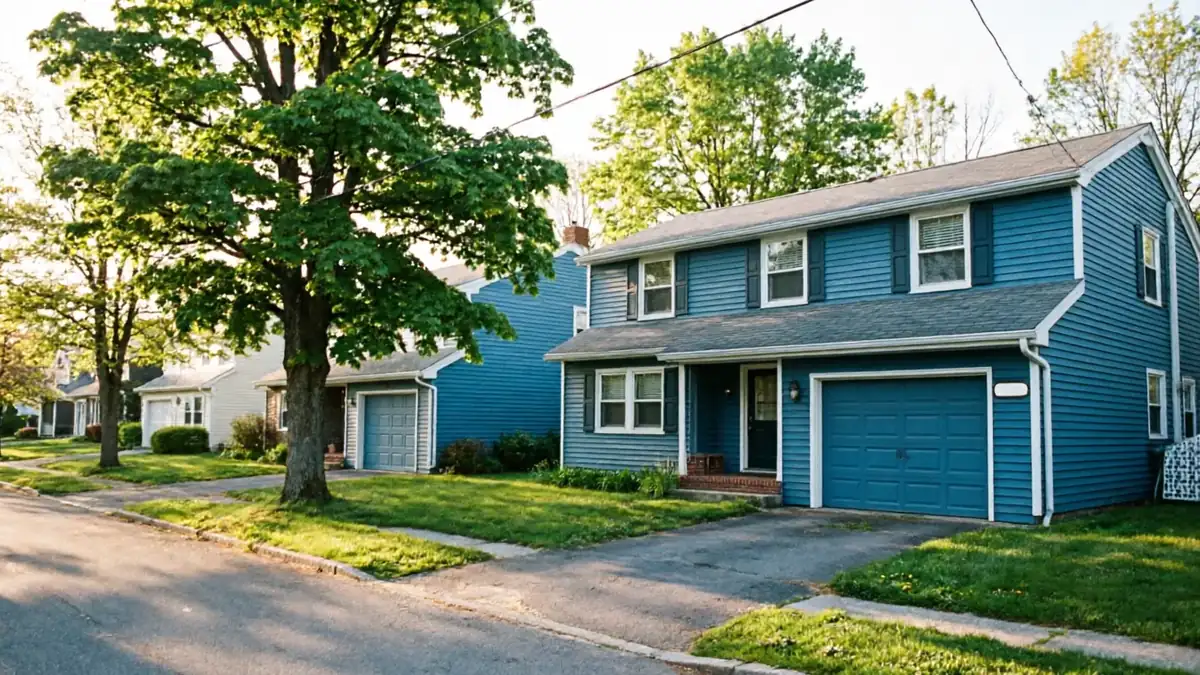
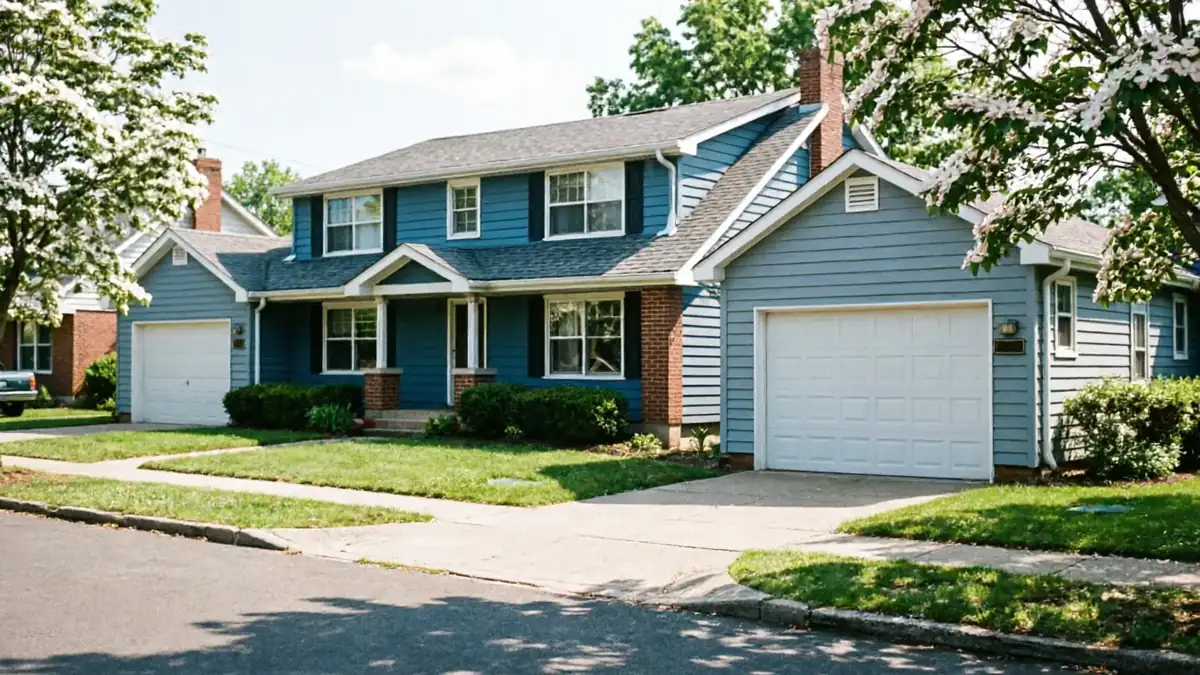
A blue house with a blue garage door sits on a residential street.
Bristol, CT
8 services
7 service areas
Diagnosis first, then the fix
In this area

What we do in Southington

Each of these covers what the work involves for Southington specifically - the housing stock, the common failures, and what drives the cost.

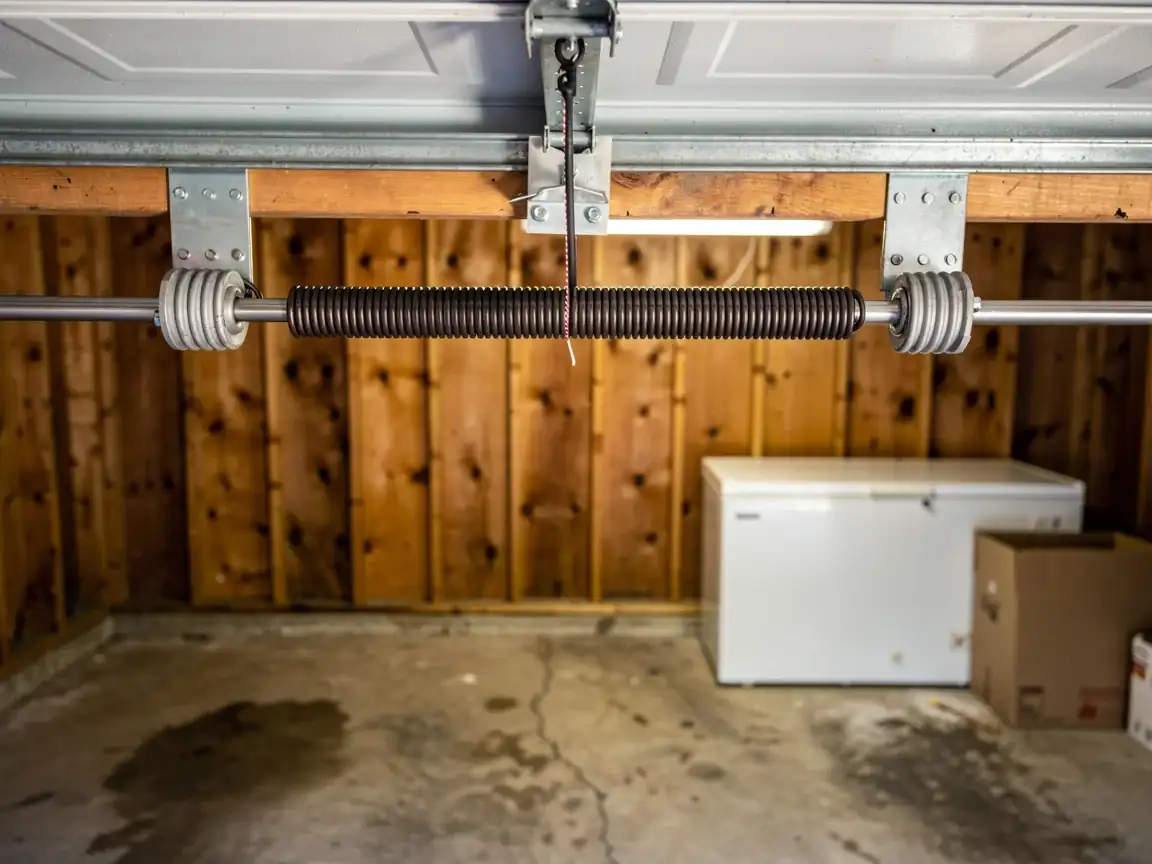
A torsion spring is mounted above a garage door, with a freezer below.

Garage Door Repair

Southington homes average a 1973 build year and a $121,584 median income - both shape whether your door gets fixed or replaced. We cover Southington from our Bristol shop, 6 miles out.

Learn more
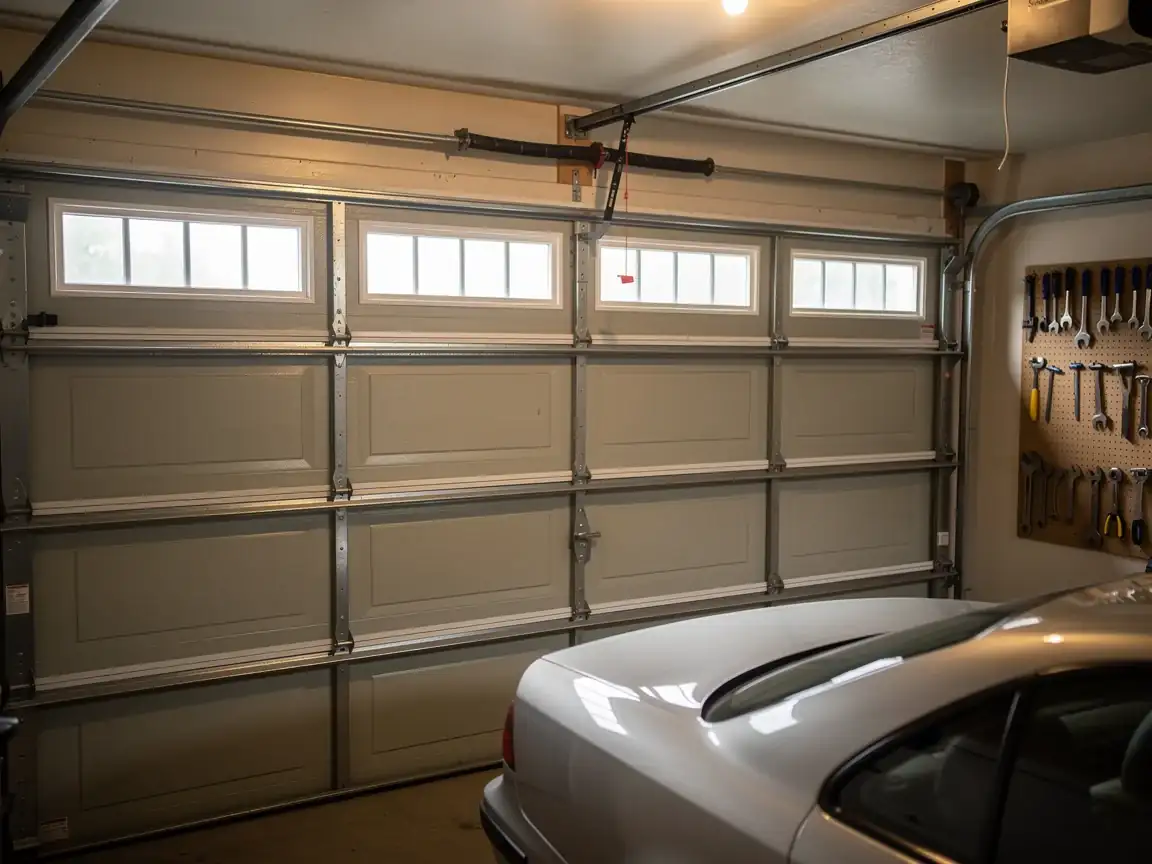
A closed garage door with windows and a white car parked inside.

Garage Door Installation

Southington homes built around 1973 often carry the original single-layer door on an undersized spring. Our Bristol crew installs replacements built for Connecticut cold, 6 miles from the shop.

Learn more
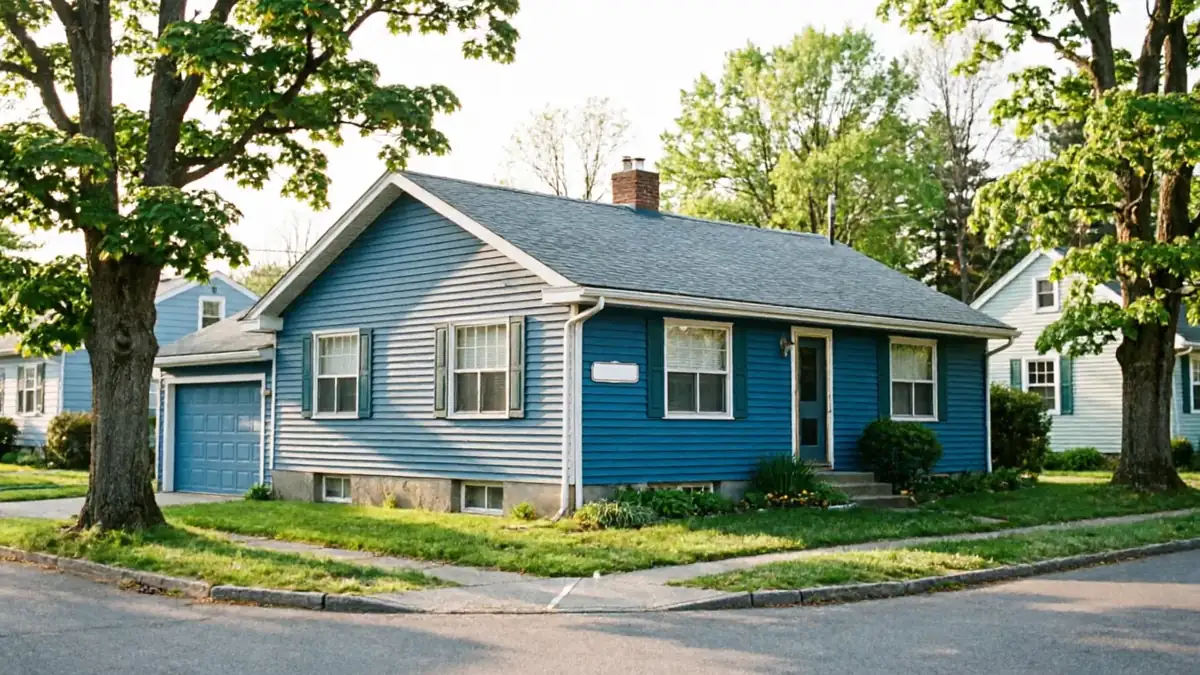
A blue house with a matching garage door sits on a corner lot.

Garage Door Service

Southington homes run newer than most of our service area, built around 1973. We bring torsion-spring and opener repair out from Bristol, 6 miles east, matched to that stock.

Learn more
A blue house with two white garage doors and a green lawn.

Opener Installation

Southington homes mostly date to 1973, built before battery backup or rolling-code openers existed. We install from our Bristol shop, 6 miles out, matched to that hardware.

Learn more
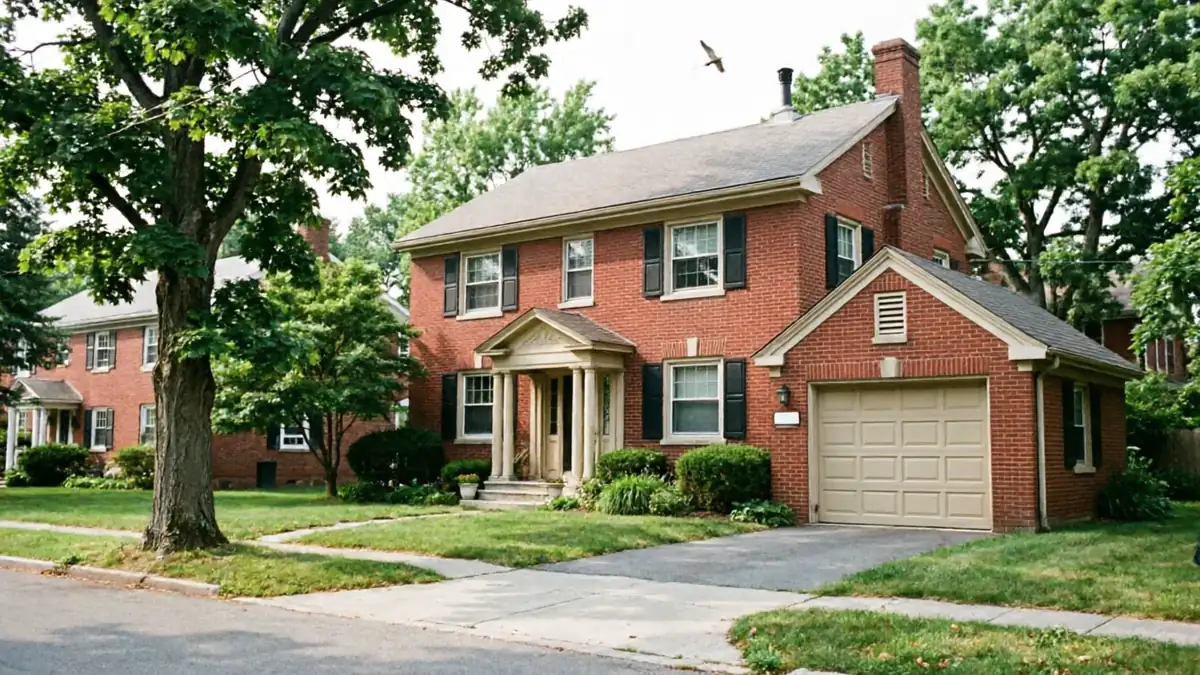
A red brick house with a beige garage door and black shutters.

Spring Repair

Broken torsion spring in Southington? We know the 1970s-era doors this town is full of and drive the 6 miles from Bristol with the right size spring on the truck.

Learn more
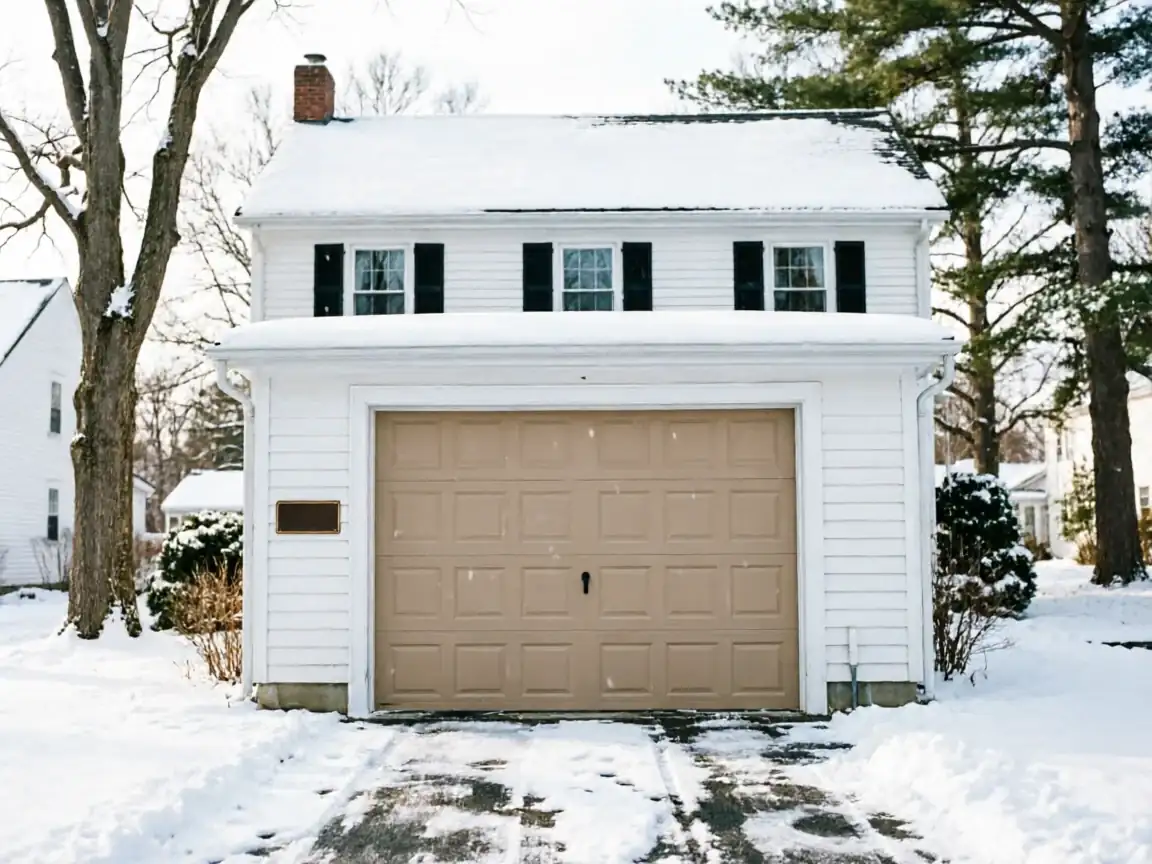
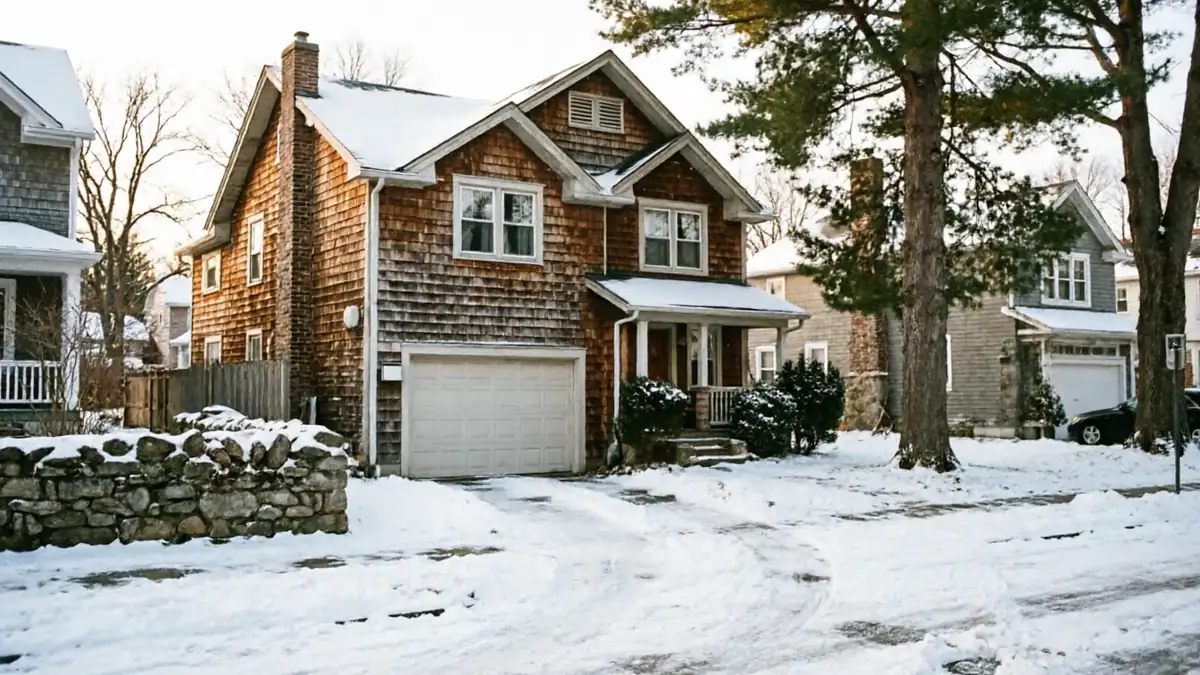
A two-story house with a white garage door and snow on the ground.

Off-Track Repair

Southington's garage doors mostly date to the early 1970s. See why that era of door jumps track more often, what the fix involves, and how to book a visit from our Bristol crew.

Learn more
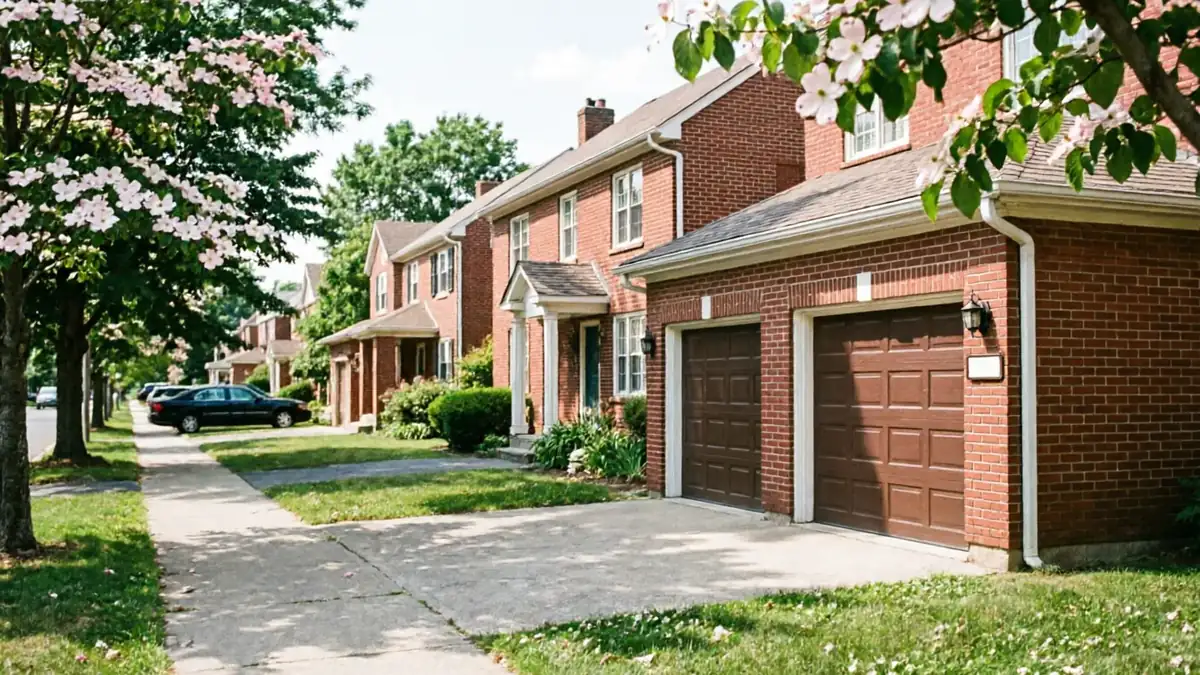
Two brown garage doors on a brick house with a sidewalk and trees.

Roller Replacement

Worn or cracked rollers on a Southington garage door, 6 miles from our Bristol shop. We explain the fix, the time it takes, and why 1970s-era doors here wear rollers fast.

Learn more
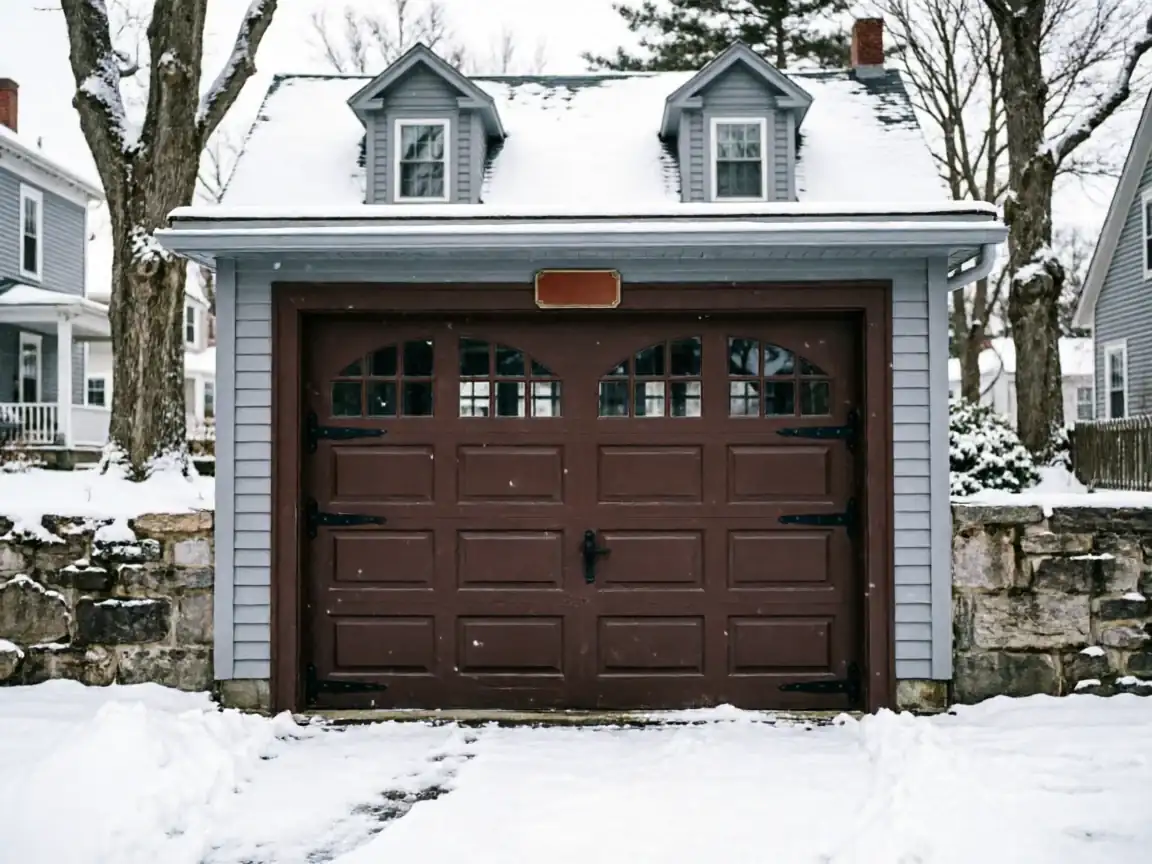
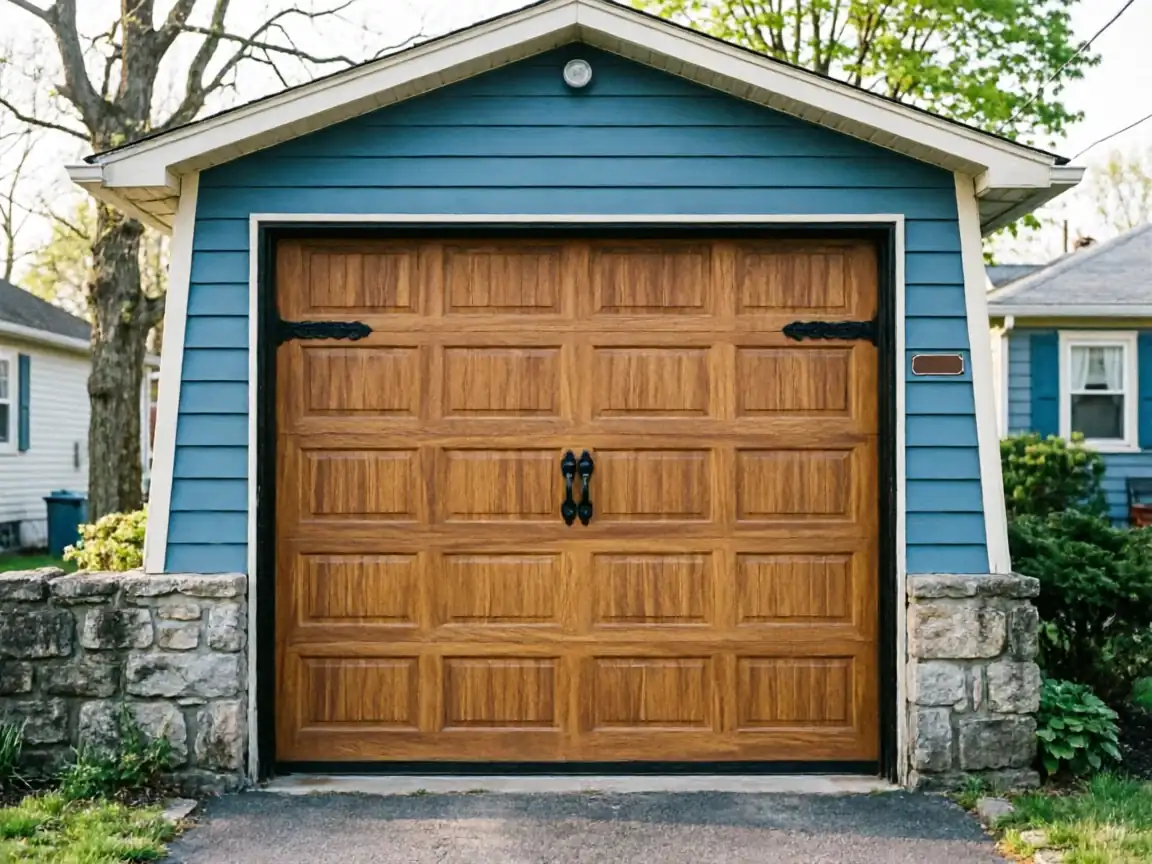
A wooden garage door with decorative hardware is set in a blue garage.

Maintenance

Southington homes built around 1973 often still run original torsion springs and track hardware. Here's what a tune-up from Bristol Garage Door Pros actually checks.

Learn more

The Drive Over

We run out of Bristol, about 6 miles from most Southington addresses, so a service call here isn't a special trip - it's a short one down the same roads our trucks already use most days. We don't keep a depot or a drop box in Southington, and we won't tell you otherwise. What we will tell you is that the drive doesn't add much to the job, and it means we're not stretched thin when something breaks on a Saturday morning.

Southington sits inside the wider Bristol service area, which spans dozens of named neighborhoods Berlin. That area overall runs older housing stock, built mostly between 1938 and 1986 with a median around 1971. Southington's own numbers skew a touch newer, which matters more than it sounds like once you look at what's actually installed behind the door.

This Area's Housing

The typical Southington house went up around 1973, a couple years past the wider service area's median of 1971. That gap is small on paper but it shows up in the garage: 1973 construction usually means the builder had already shifted to torsion spring setups instead of the older extension-spring, loose-rail systems you still find in the 1950s pockets closer to Bristol's core.

Southington also runs a higher household income than the broader service area - $121,584 versus the area's $107,435 median - and that tracks with what we see on calls: more owners who replaced an original door at some point in the last 20 years rather than patching the one that came with the house. You still find original hardware in older corners of town, but it's less of the default than it is a few miles over.

How That Shows Up in the Door

  1. A 1973-era opening was usually framed for a single steel panel door on a torsion spring over the header

    Not the side-mounted extension springs common in older stock nearby. When that original torsion spring finally gives out - and at this age, most of the first-generation ones already have - it's a straightforward swap, not a hunt for obsolete side-mount parts.

  2. Connecticut's winters are a real factor regardless of the house's age

    This whole service area sits in a cold, severe climate band, and that means steel panels and nylon rollers that spent 50 winters cycling through freeze and thaw. Cold stiffens lubricant and shrinks metal tolerances, so a track that's slightly out of alignment in July starts binding hard in January. On Southington's early-70s doors, we see worn rollers and tired torsion springs more than we see rotted wood jambs or rusted-through extension coils, which is more of an older-stock problem.

What People Here Ring About

Most calls from Southington are torsion spring failures on single or double steel doors from that early-1970s building wave - the spring that's been cycling for decades finally snaps, usually in cold weather when the steel is least forgiving. Opener issues come in second: aging chain-drive units that were likely a retrofit addition rather than original equipment, since garage door openers weren't standard in every new build at that point.

We don't do cosmetic panel touch-ups or sell doors we haven't measured in person first - if a door's worth replacing rather than fixing, we'll say so instead of running up a repair bill on hardware that's going to fail again in a year. With roughly 17,349 households in Southington, there's a real range of door ages here, so we ask a few questions about the house's age before we quote anything over the phone.
How it works

From “it’s stuck” to “it’s fixed”

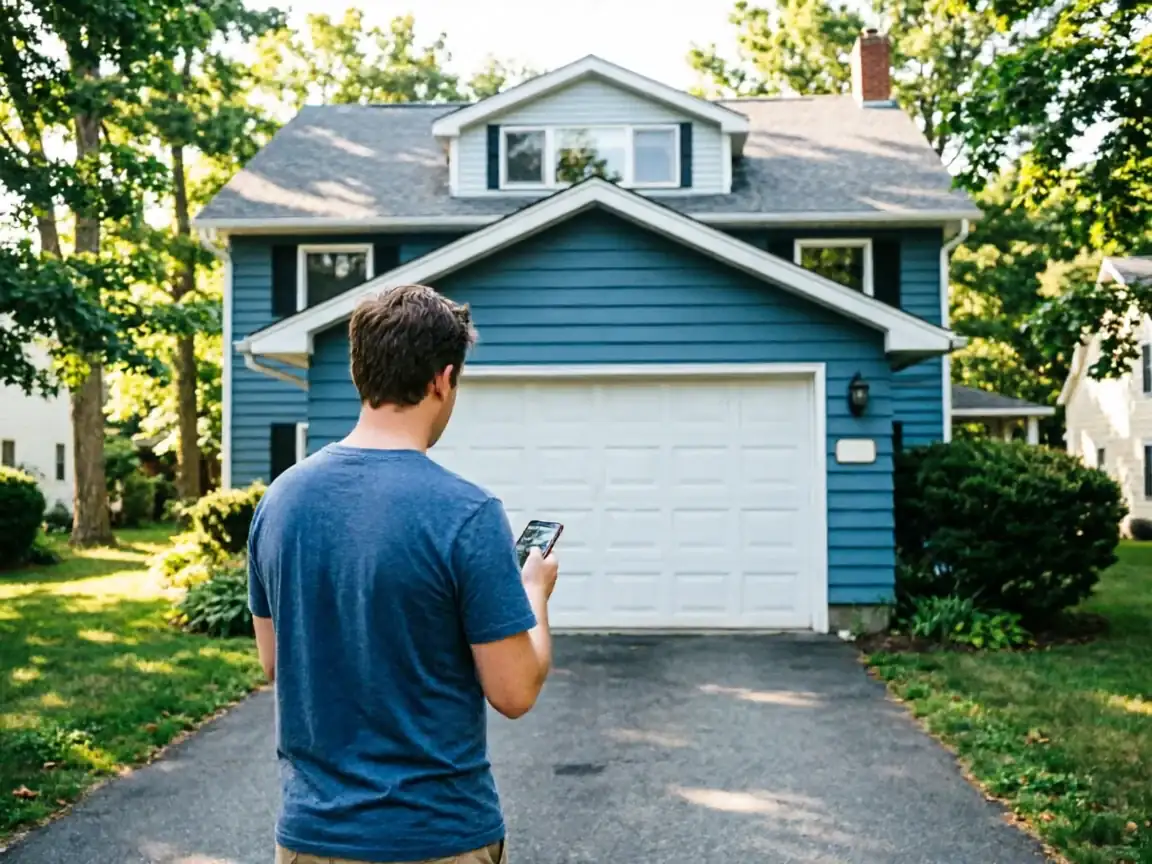
A man stands in a driveway looking at his phone in front of a blue house.

Tell us what’s wrong

Describe the symptom - won’t open, loud bang, opener runs but the door won’t move.

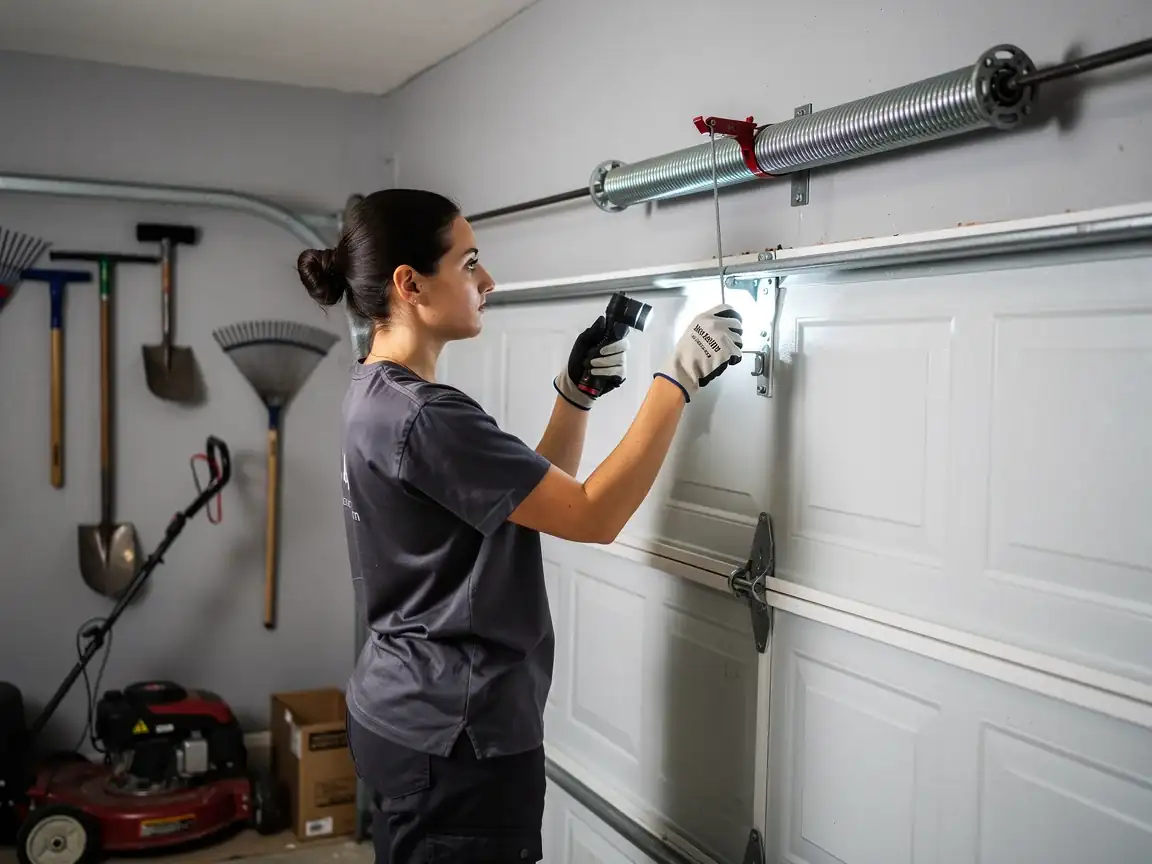
A technician shines a flashlight on a white garage door's top panel and roller.

On-site diagnosis

A technician tests the door under power and by hand and finds what actually failed.

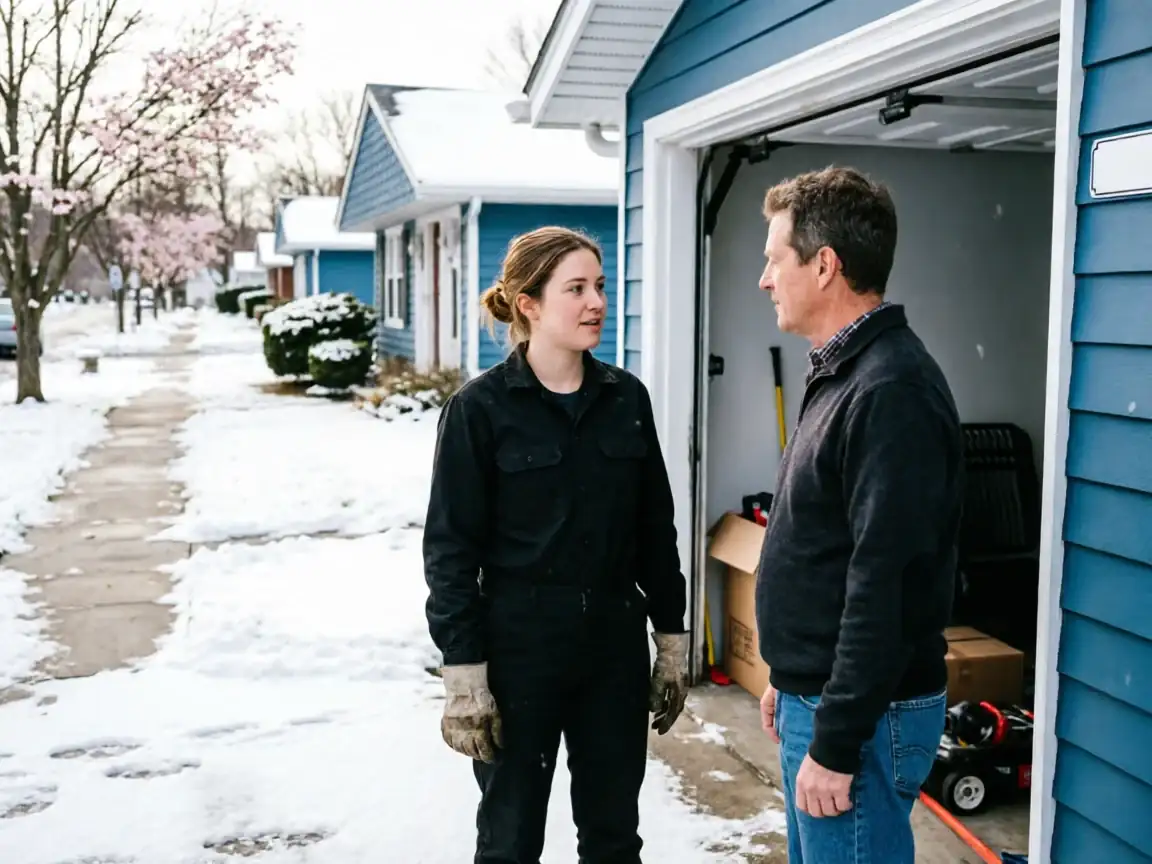
A technician in work clothes talks to a man in front of a blue house with an open garage.

Clear, up-front plan

You get the fix that’s needed and what drives the cost - before any work starts.

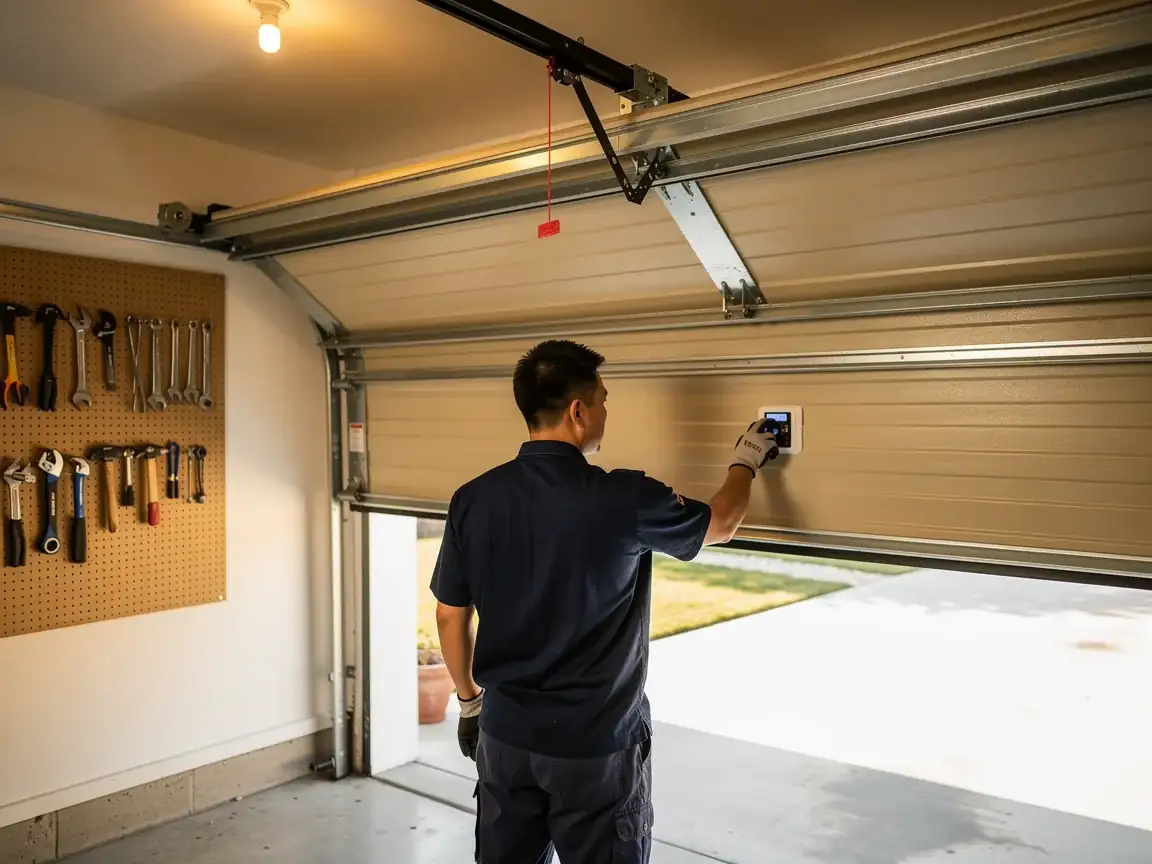
A technician adjusts a wall-mounted control panel on an open garage door.

Repaired & tested

The repair is done, the door is set true and tested, and the work area left clean.

Next step

Not sure which repair your door needs in Bristol, CT? Describe what it’s doing - every job starts with a diagnosis.

How we work

What to expect

Diagnosis firstEvery visit starts by finding what actually failed - not a pre-written parts list.
The right part for the doorSprings and openers matched to the door’s weight and age, so the fix holds up.
Straight answersWhen a repair makes more sense than a replacement - or the reverse - you hear it plainly.
Clean, careful workTension released safely, hardware set true, the door tested under power before we leave.
60,452
Residents in Bristol
8
Garage door services
7
Neighborhoods & suburbs
CT
Serving Bristol, CT
Questions

Frequently asked

Straight answers about garage door repair in Bristol. Still unsure? Ask us directly.

01How far out is Southington from your shop in Bristol?

About 6 miles. We don't have a location in Southington itself, but it's a short, regular drive for us, and most jobs here don't take any longer to get to than ones closer to Bristol's center.

02Do Southington garage doors need different parts than older Bristol homes?

Often, yes. Southington's typical house dates to around 1973, which usually means a torsion spring over the header rather than the side-mounted extension springs common in 1950s-era homes elsewhere in the service area. Torsion parts are generally easier to source and service.

03Why does my torsion spring keep failing in winter?

This area sits in a cold, severe climate band, and steel springs and tracks tighten up and bind more in freezing temperatures. A spring near the end of its cycle life is far more likely to snap on a cold morning than in summer heat.

04Is it worth replacing a 1970s door instead of repairing it?

Depends on the door. If the panels are sound and it's just a spring or roller issue, repair makes sense. If the steel is dented through or the track is badly warped, we'll tell you honestly when replacement is the better money.

Ready to get your garage door sorted?

Tell us what it’s doing and where you are in Bristol - we’ll take it from there.

Request a QuoteCall