The Symptom
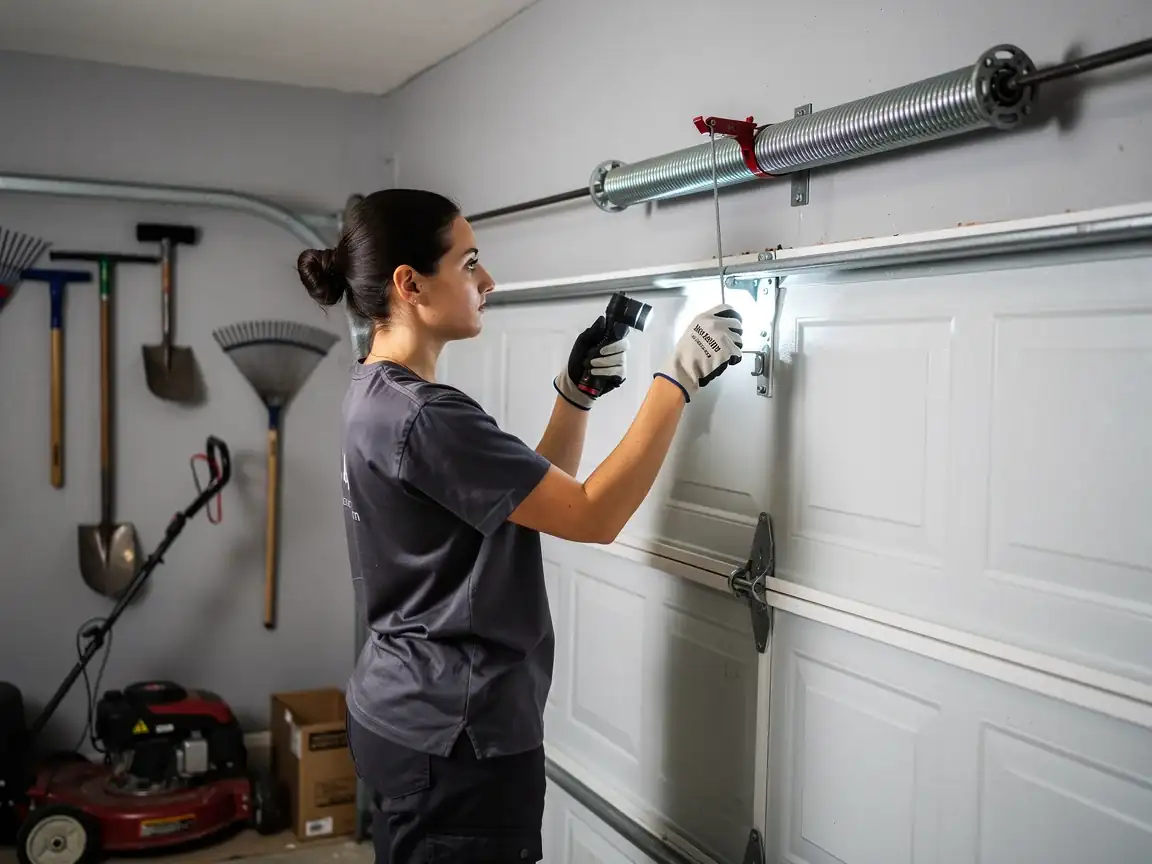
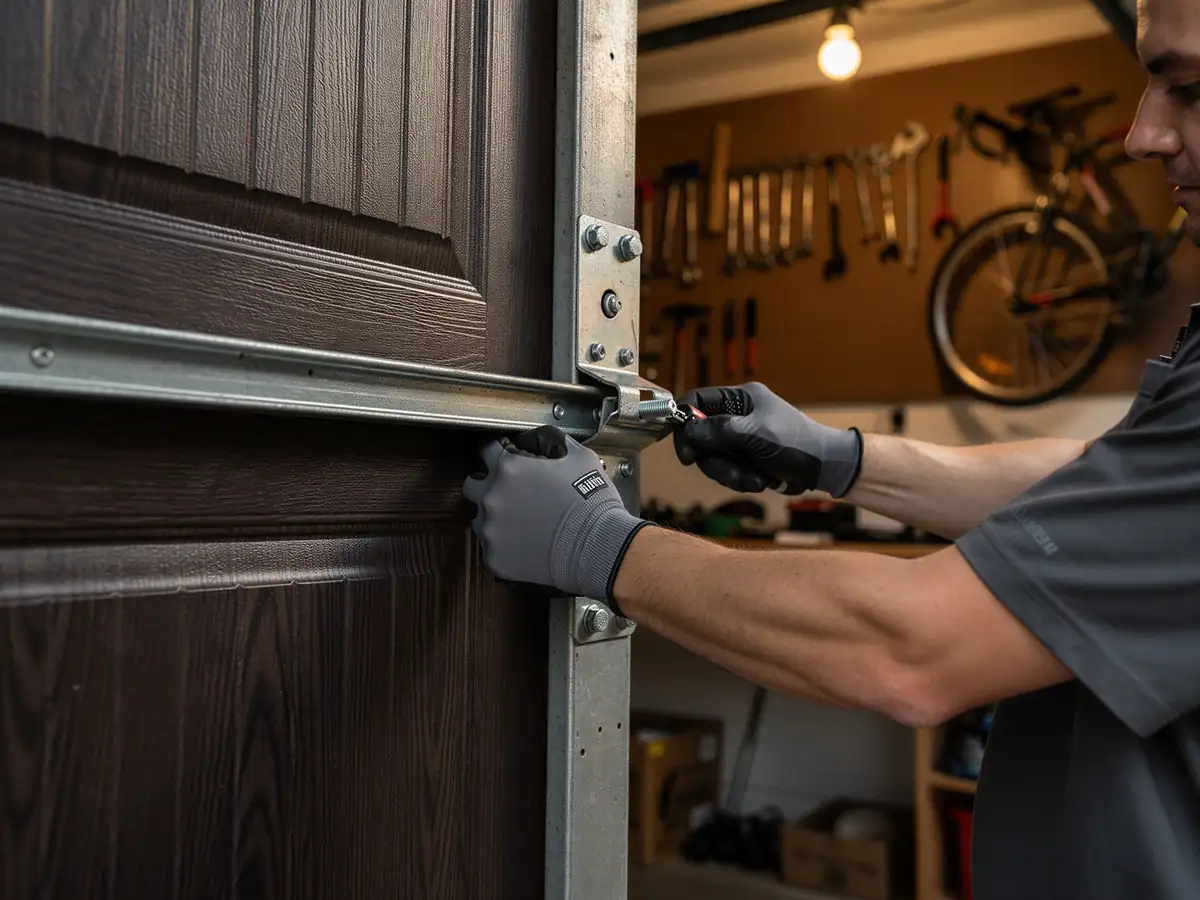
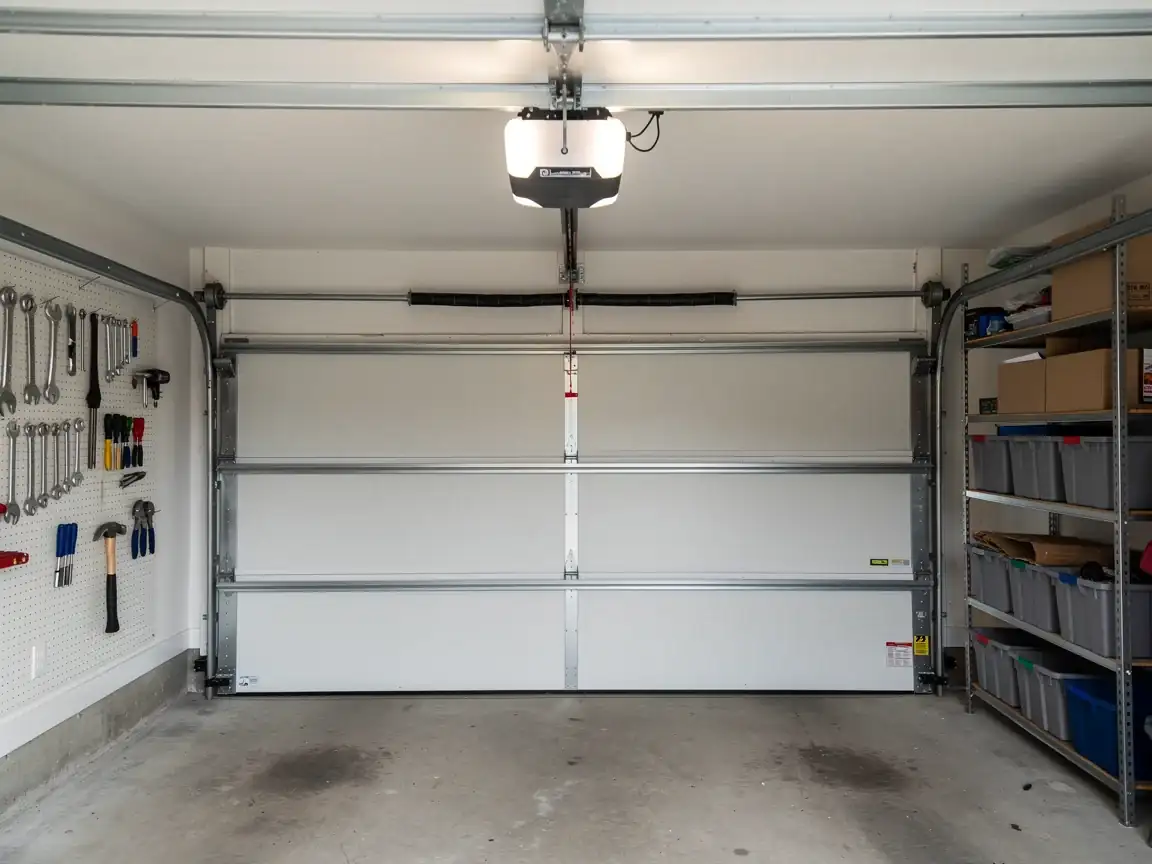
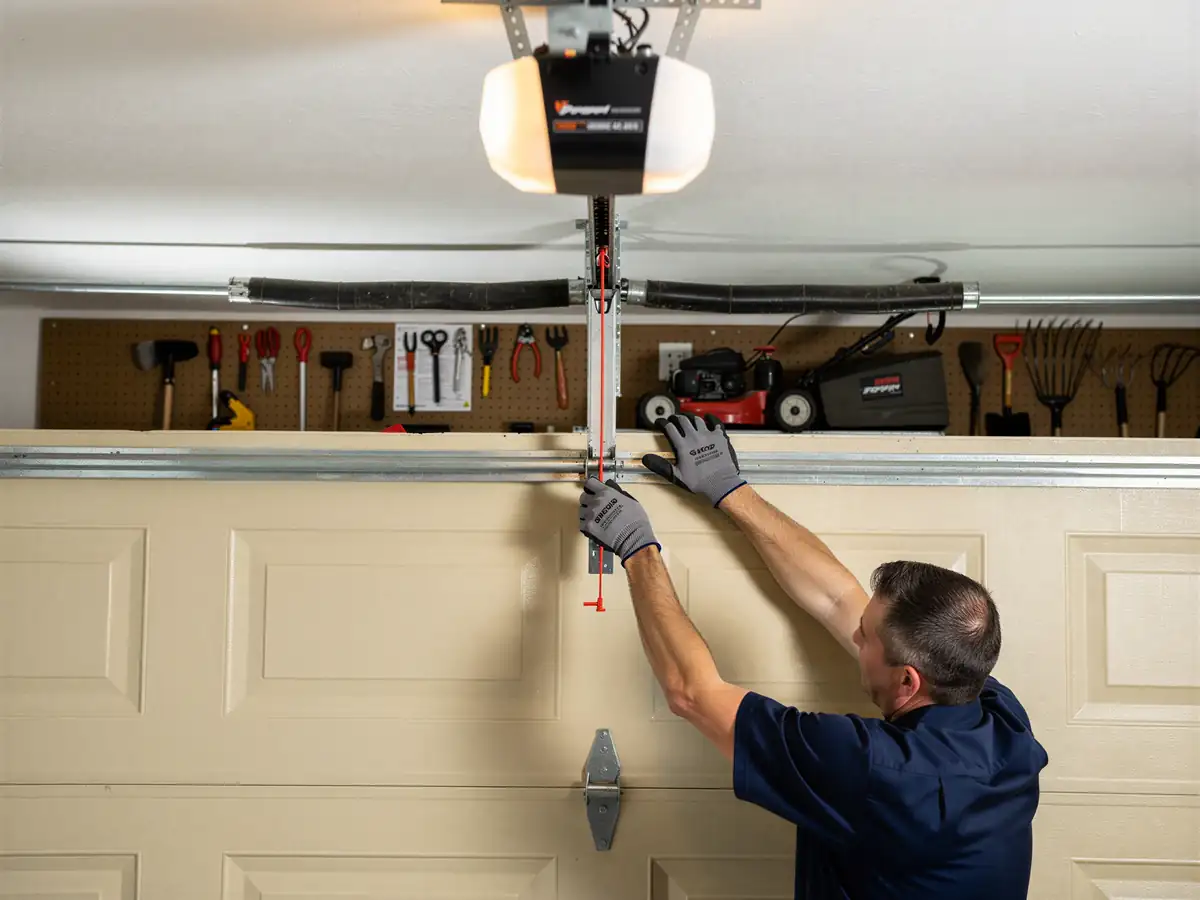
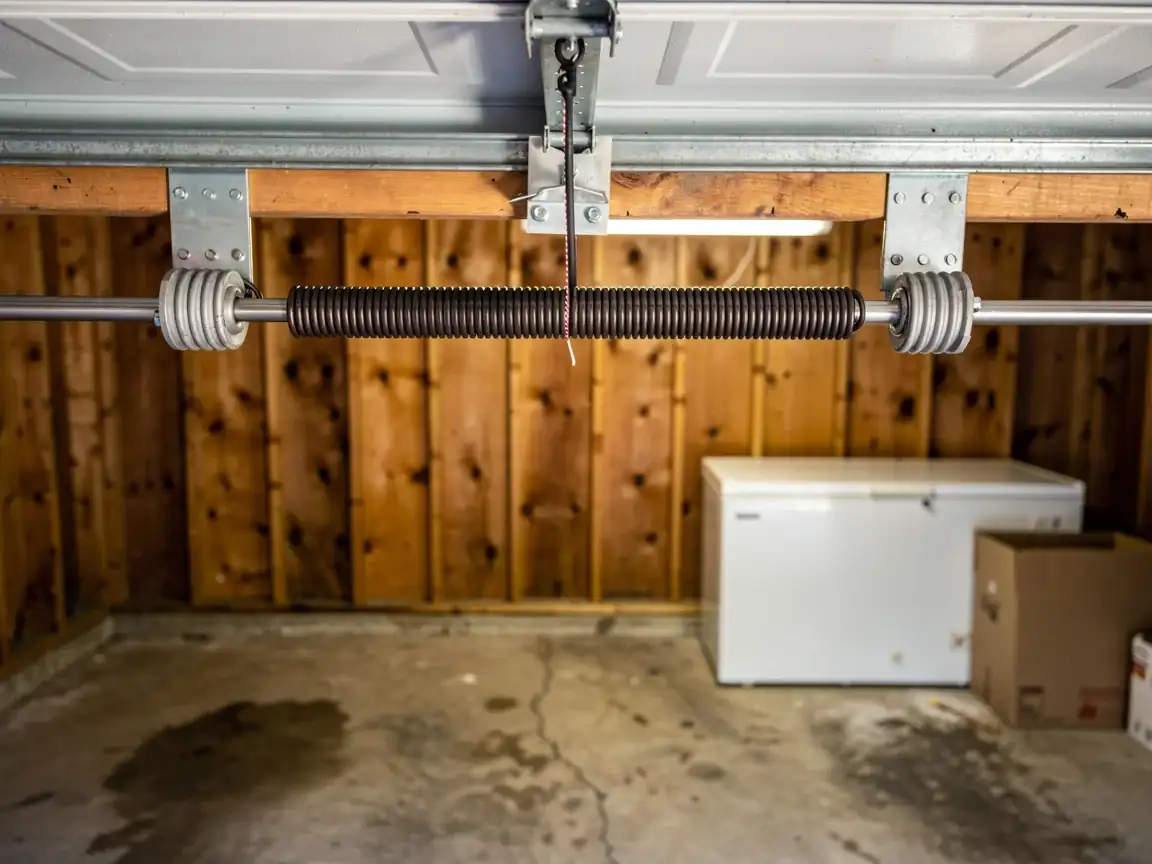
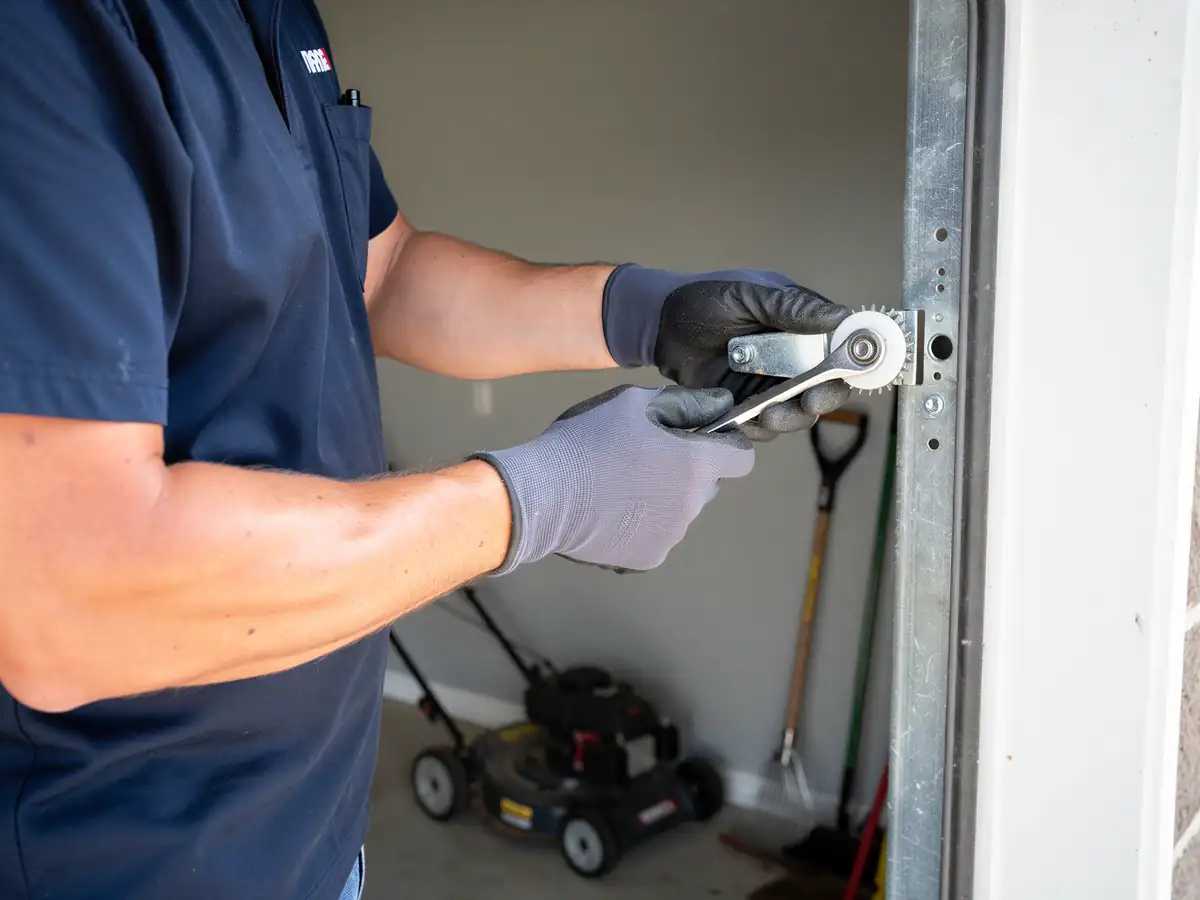
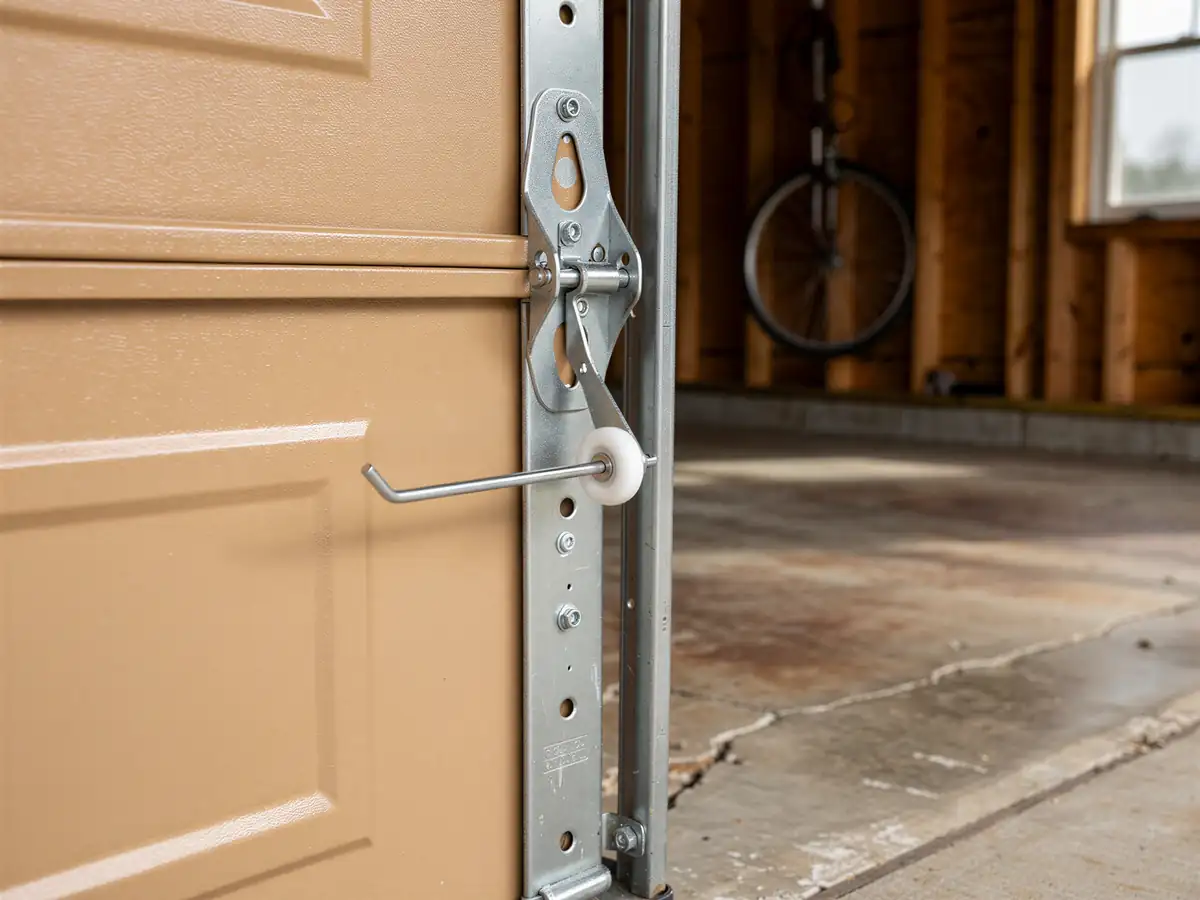
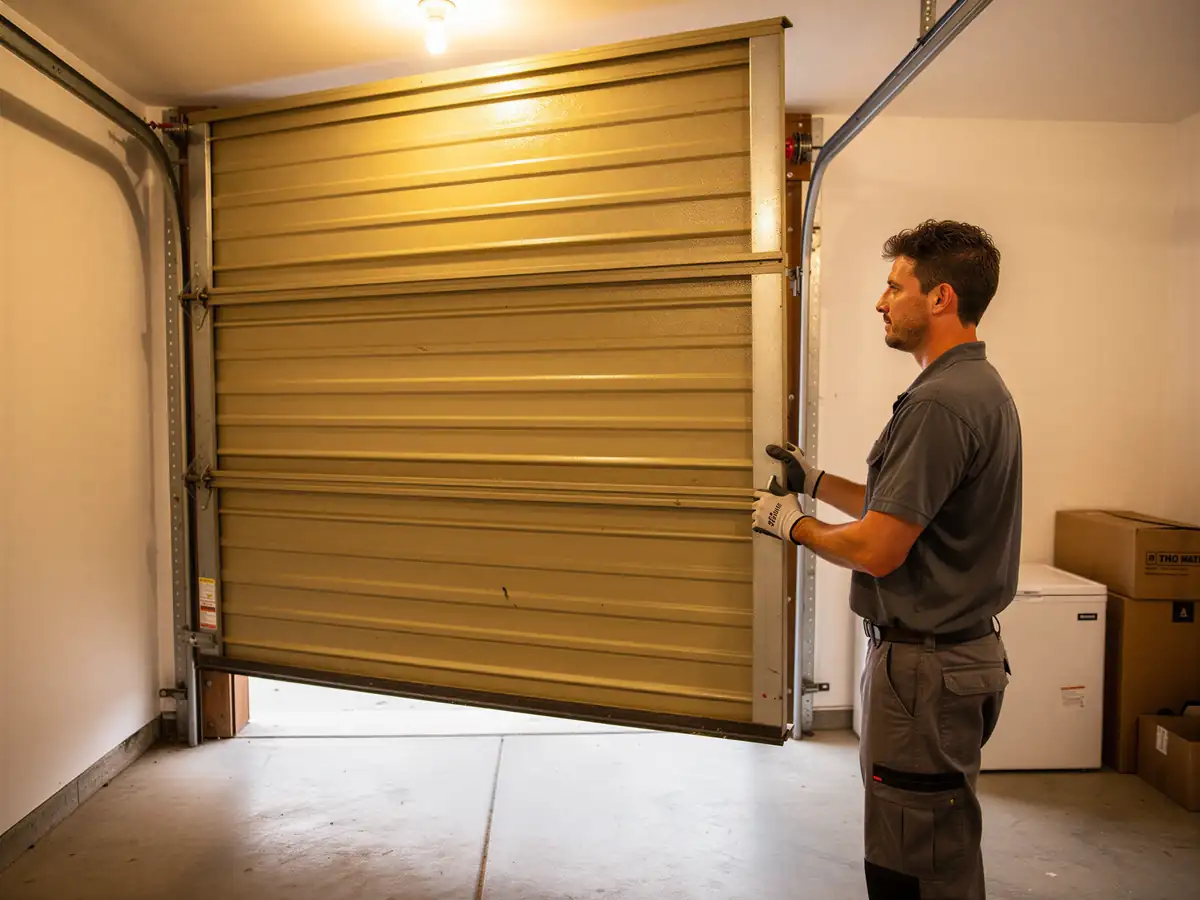
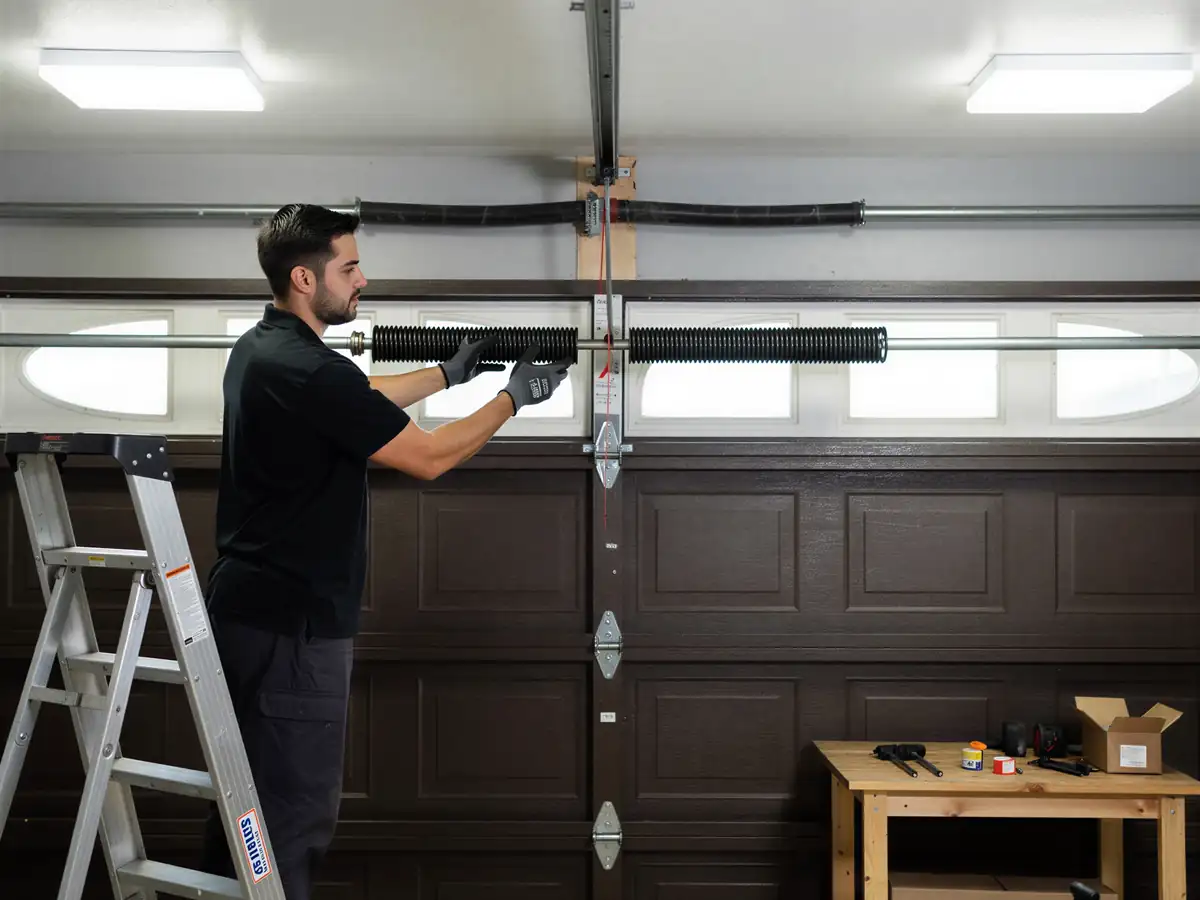
The door won't budge, or it budges about six inches and stalls. You hear a bang from the garage sometime overnight or on a cold morning, and after that the opener strains, the door feels twice as heavy, or one side sags lower than the other. That bang is a torsion spring letting go. On a double door, the spring usually fails on one side first, which is why the door looks crooked when it's partway open. Sometimes there's no bang at all - the spring just loses tension slowly over a few winters, and you only notice because the opener motor is working harder and the remote clicks but the door barely lifts. Either way, this isn't a job to push through by hand. A torsion spring under tension holding up a 130-150 lb door section is not something to loosen or remove yourself; the few serious garage injuries we see every year come from exactly that. If the door is still partially moving and the cable looks frayed or the drum is visibly off-track, stop using the opener until someone looks at it. Running the motor against a dead spring burns out gears and belts that otherwise have years left in them.
Why It Happens Here
Most of the houses we work on in this part of Connecticut went up between 1938 and 1986, with the bulk from the 1960s and '70s across the 64 named areas we cover. That generation of garage door came with a torsion spring sized for the door and climate standards of its day, and a lot of those original springs - or their first replacements from decades back - are still in service, rated for a wear cycle that's long since passed. Springs in this region also work through a cold climate zone that federal data rates as severe: real freeze-thaw winters where steel contracts, lubricant stiffens, and the spring sees sharper load swings every time the temperature drops overnight. That's harder on coil steel than a mild climate ever is, and it's why spring failure here tends to cluster in the cold months rather than spread evenly across the year. Add in sixty-plus years of daily cycles on hardware that was never meant to last forever, and a spring failure on a house from that era isn't bad luck - it's closer to schedule. A garage door opener from the same vintage, meanwhile, often wasn't built with the safety sensors or force limits required on anything sold today, which matters once you're also replacing the spring it depends on.
How to Book
Call us and describe what you're seeing - a loud bang, a door that won't lift, one side sagging - and we can usually tell from that alone whether it's a spring, a cable, or something else before we even arrive. Have the door's rough age or the last time it was serviced handy if you know it; on houses from the 1960s and '70s stock common in this area, that one detail often tells us which spring size to bring on the truck. If the door is stuck part-open, leave it alone and keep the opener off until we get there. You can reach us through the contact page at / to set up a time.