The Drive Over
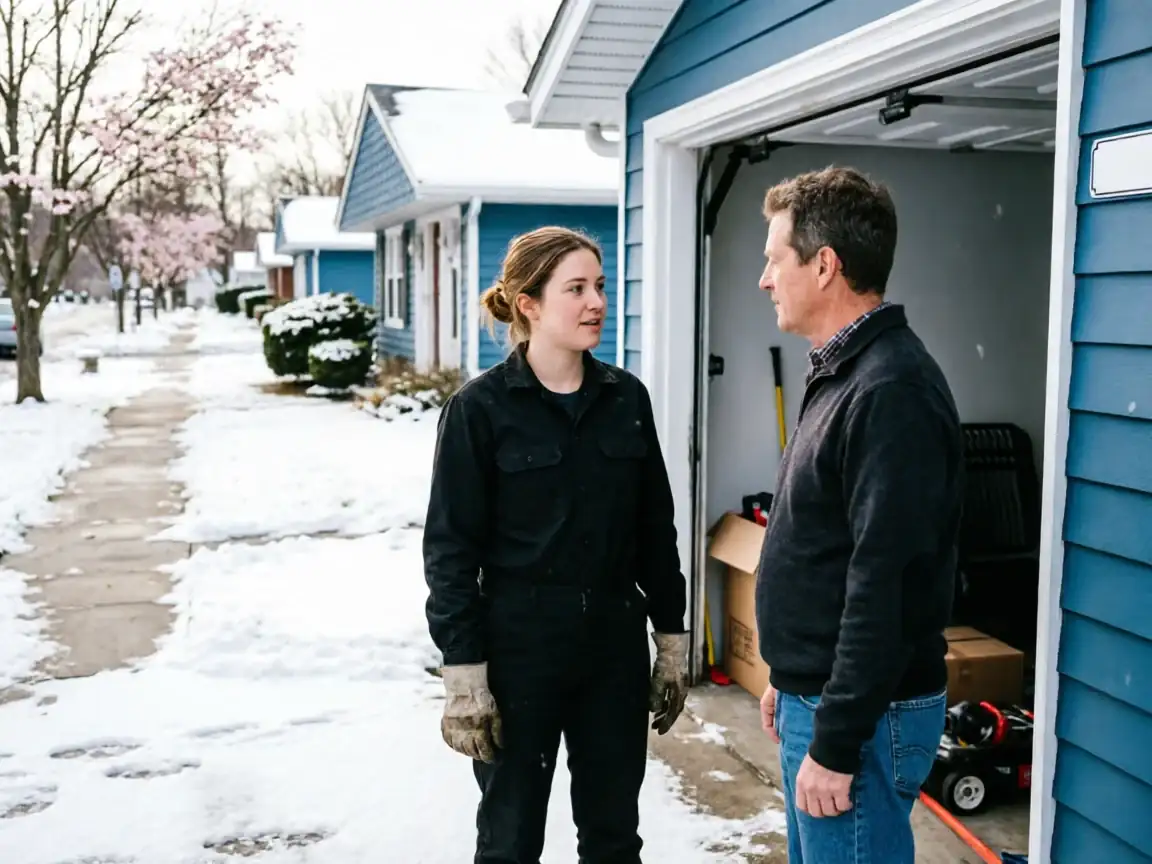
Oakville sits about 10 miles southwest of our shop in Bristol, which puts it on the far edge of where we run calls. We don't keep a crew or a depot in Oakville - every truck that shows up here started in Bristol and drove out, same as it would for any stop that distance away. That matters for scheduling more than anything else: we group Oakville jobs with other calls heading the same direction when we can, so don't be surprised if the time window we give you is a little wider than it would be for a job five minutes from the shop. It's an honest tradeoff for not padding our coverage claims with a presence we don't have. Once we're there, the work is the same work - we just budget the drive into the day.
This Area's Housing
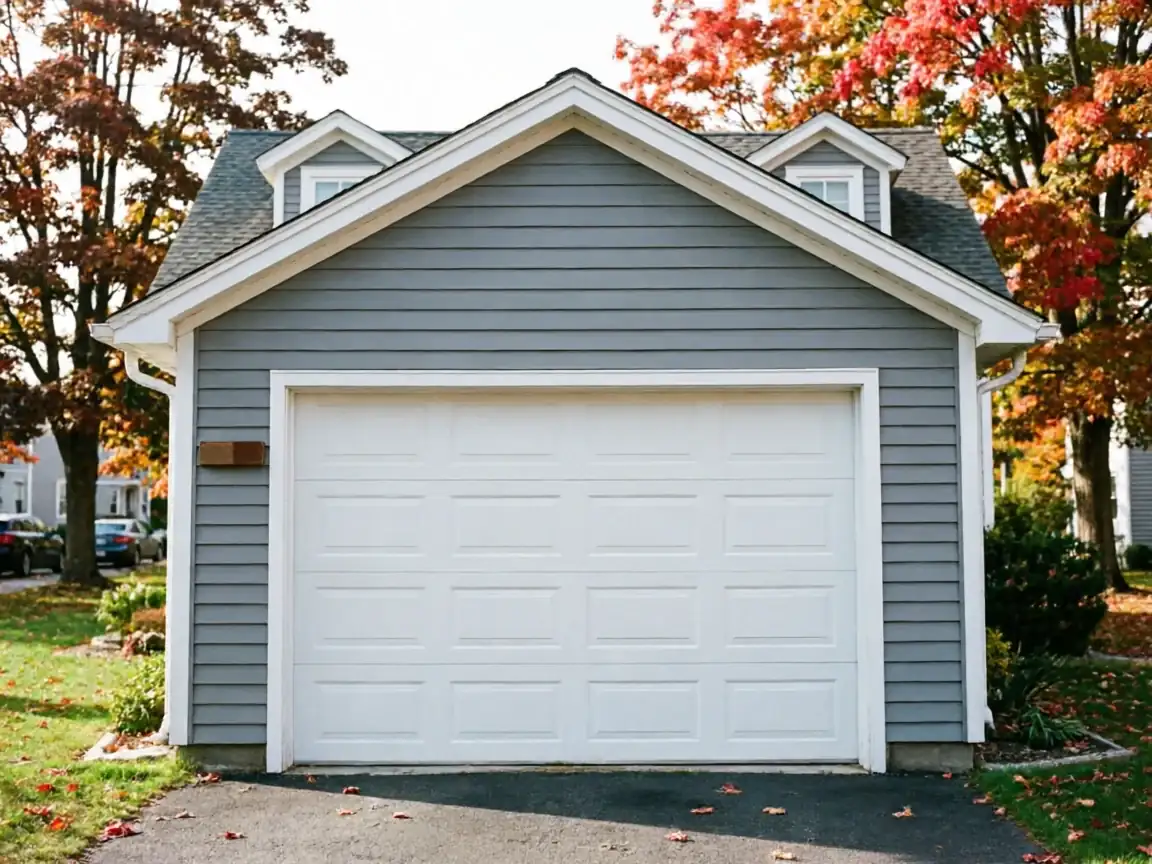
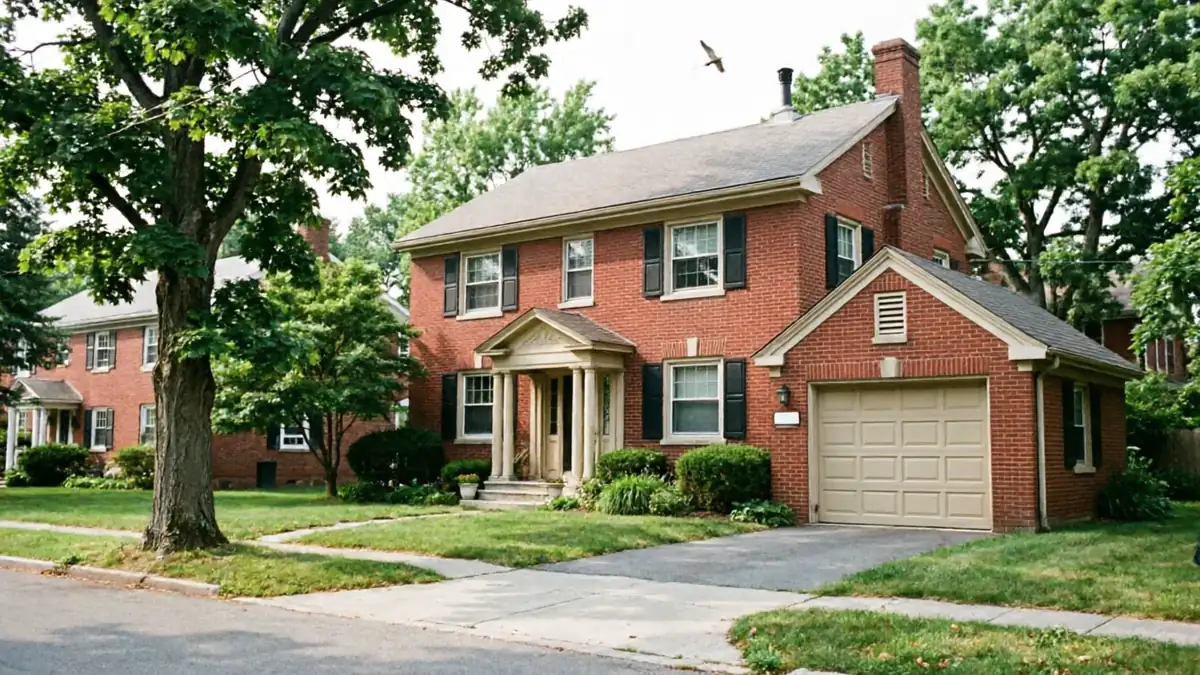
The typical house in Oakville went up around 1963, which lines up with the broader stretch of homes built between 1938 and 1986 across this part of Connecticut, but it's worth being specific about Oakville itself rather than lumping it in with newer or older pockets nearby. A 1963 build usually means the garage was framed for a single-car or narrow two-car door, often with a header that was never sized for heavier insulated panels added later. With roughly 3,738 households in the area and a median income near $89,330, we see a lot of owners who've put money into the house in pieces over the decades - a new roof one year, a kitchen another - and the garage door sits on the list behind things people see every day. That's normal. It just means the door and opener are often older than the rest of what's been touched.
What People Here Ring About
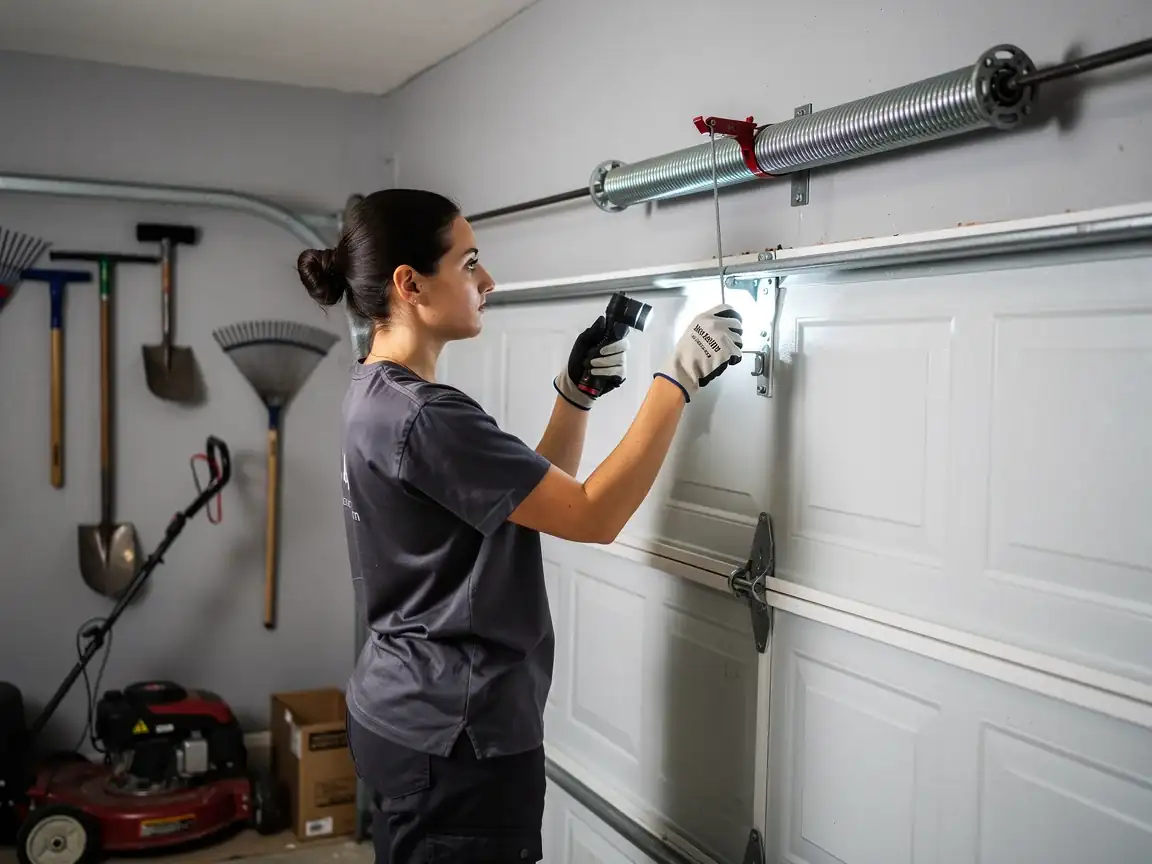
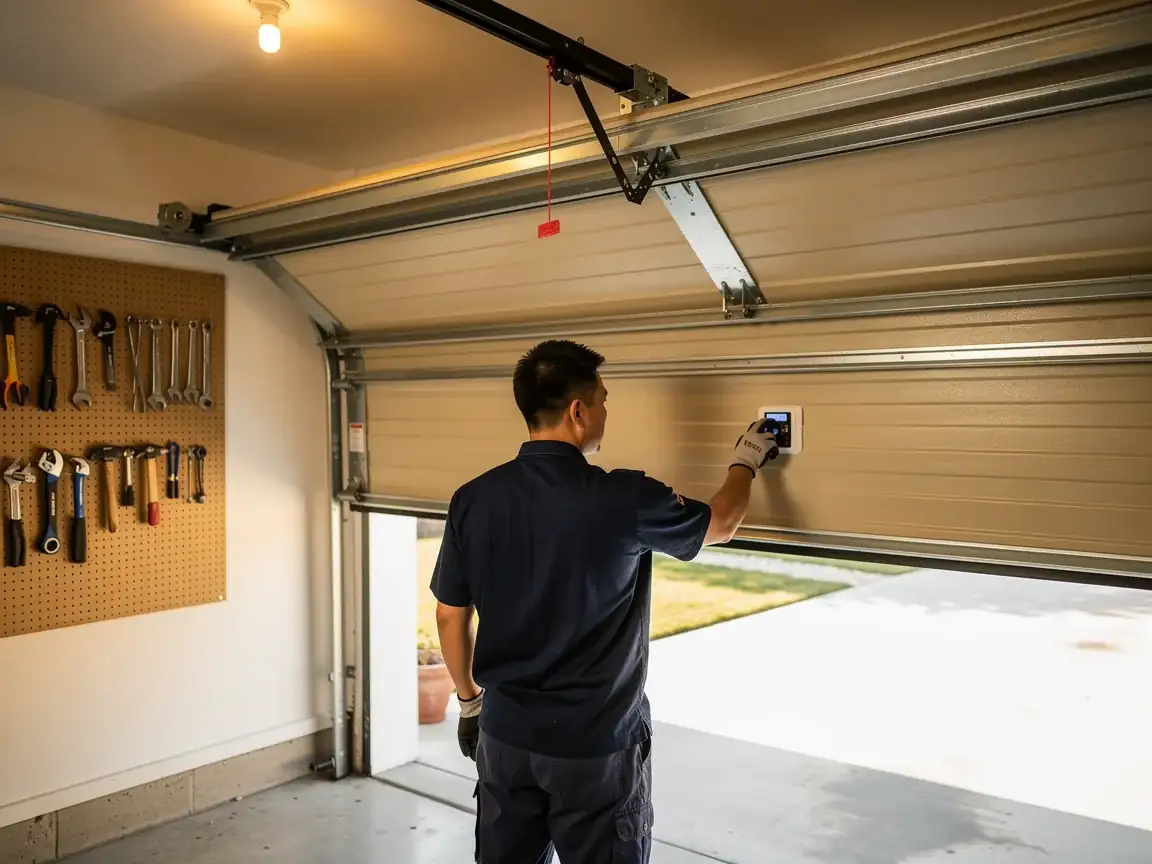
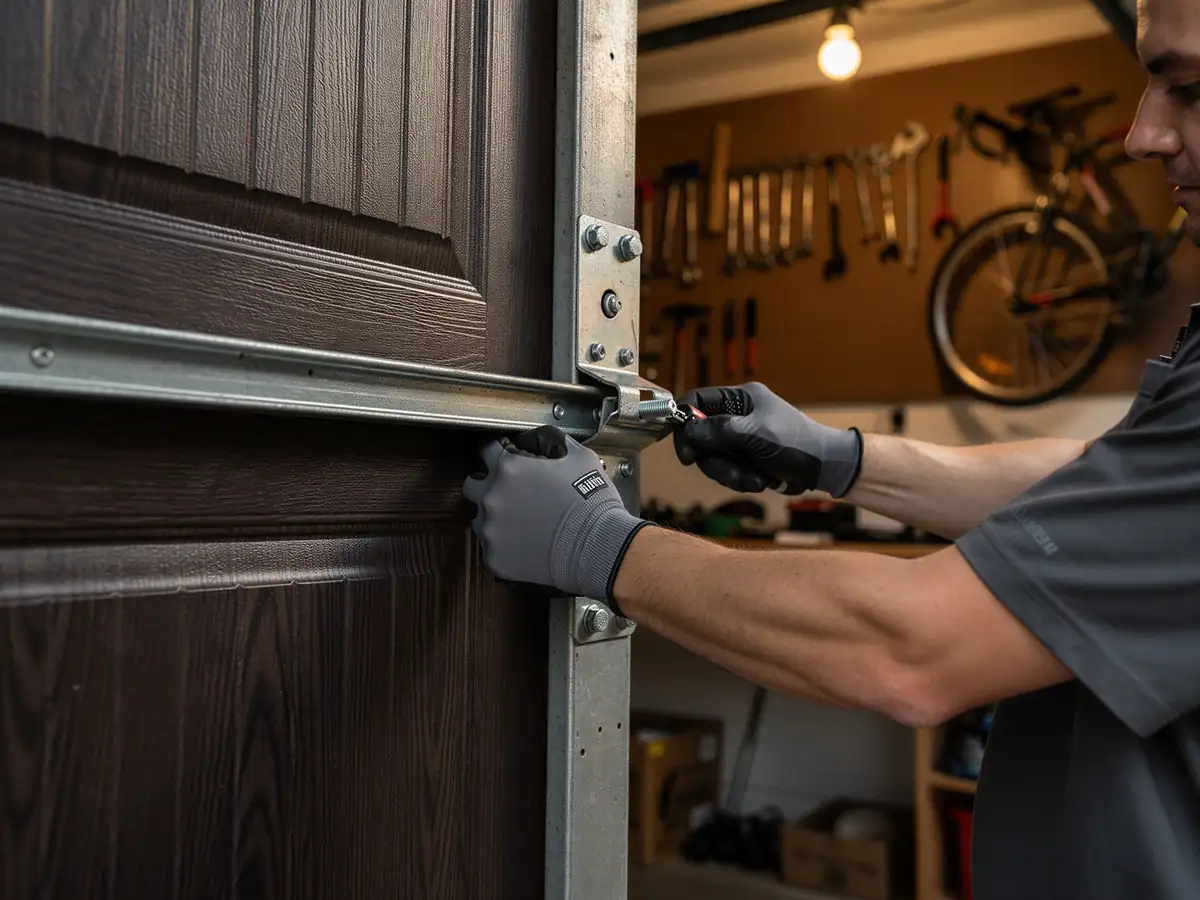
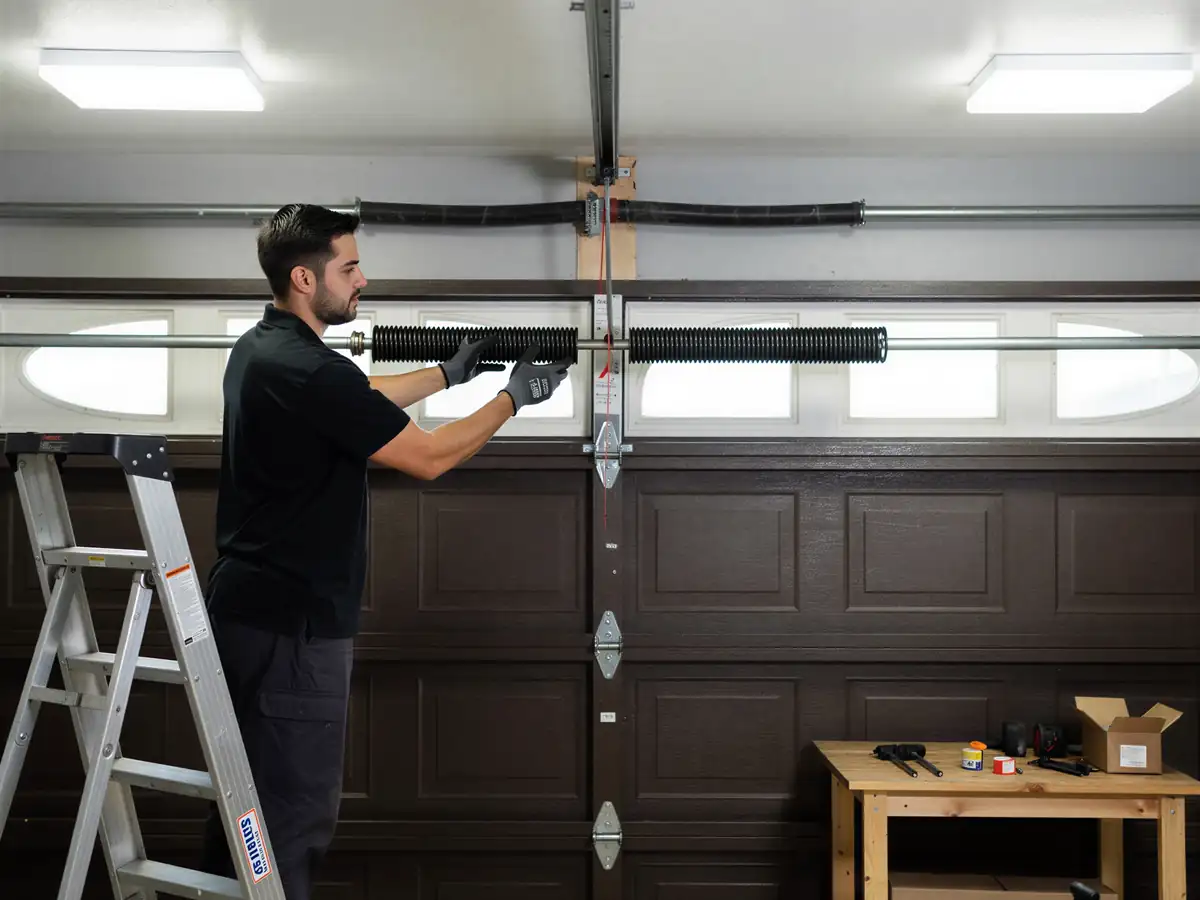
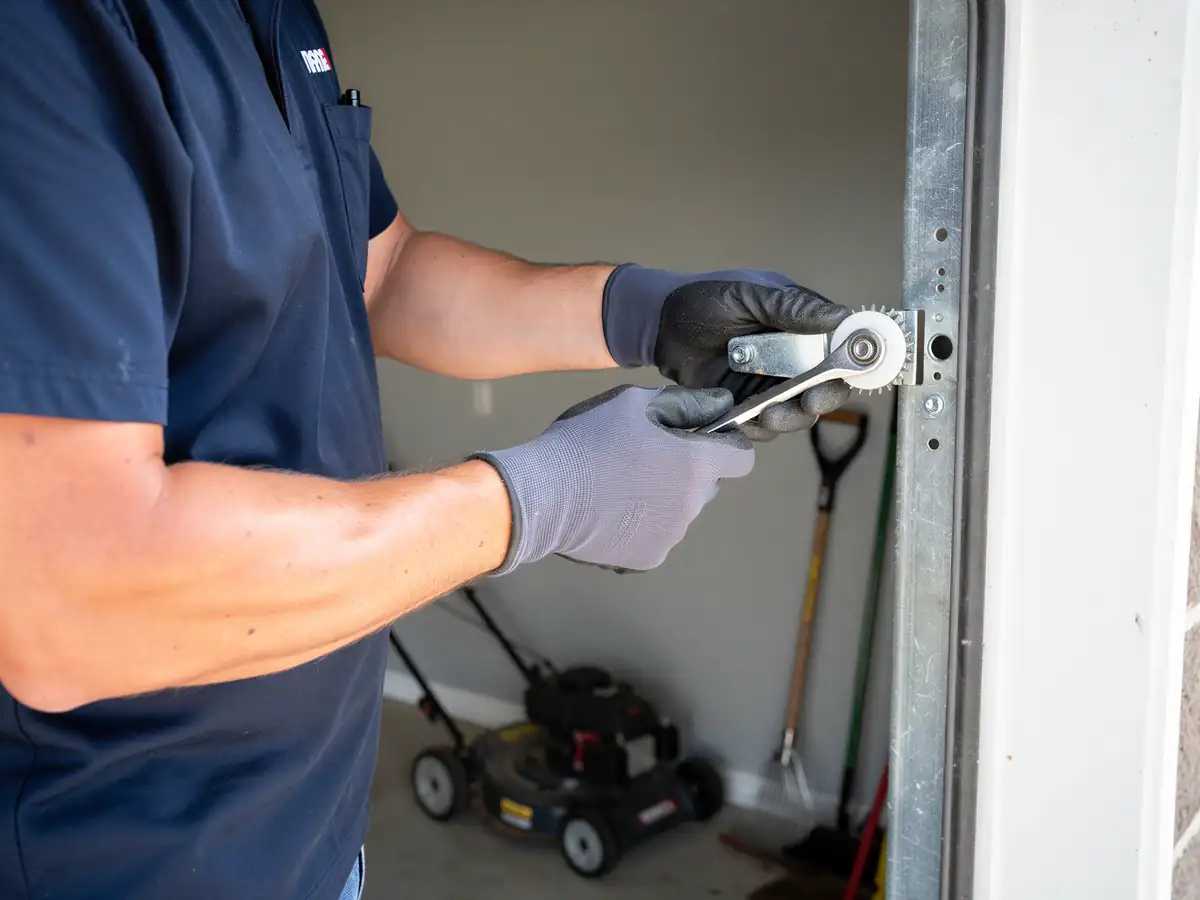
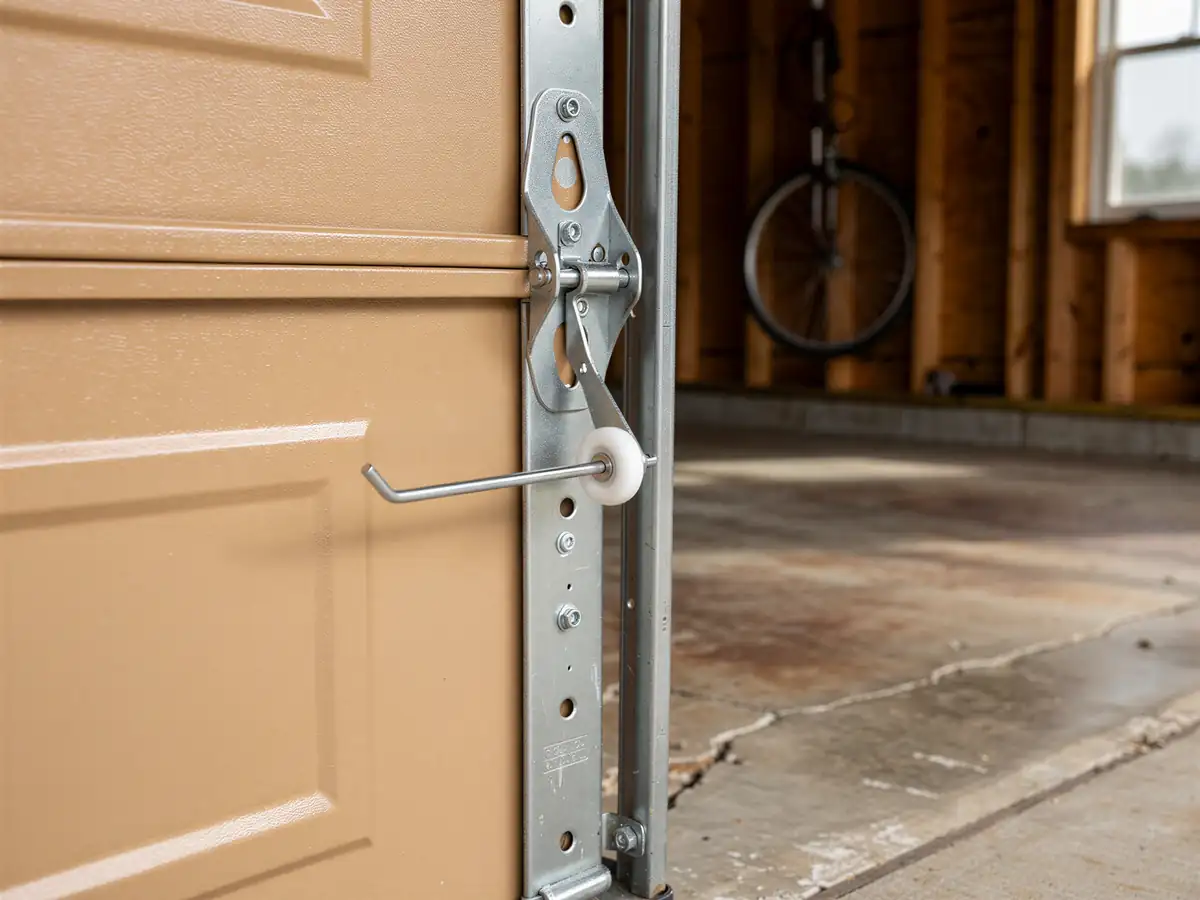
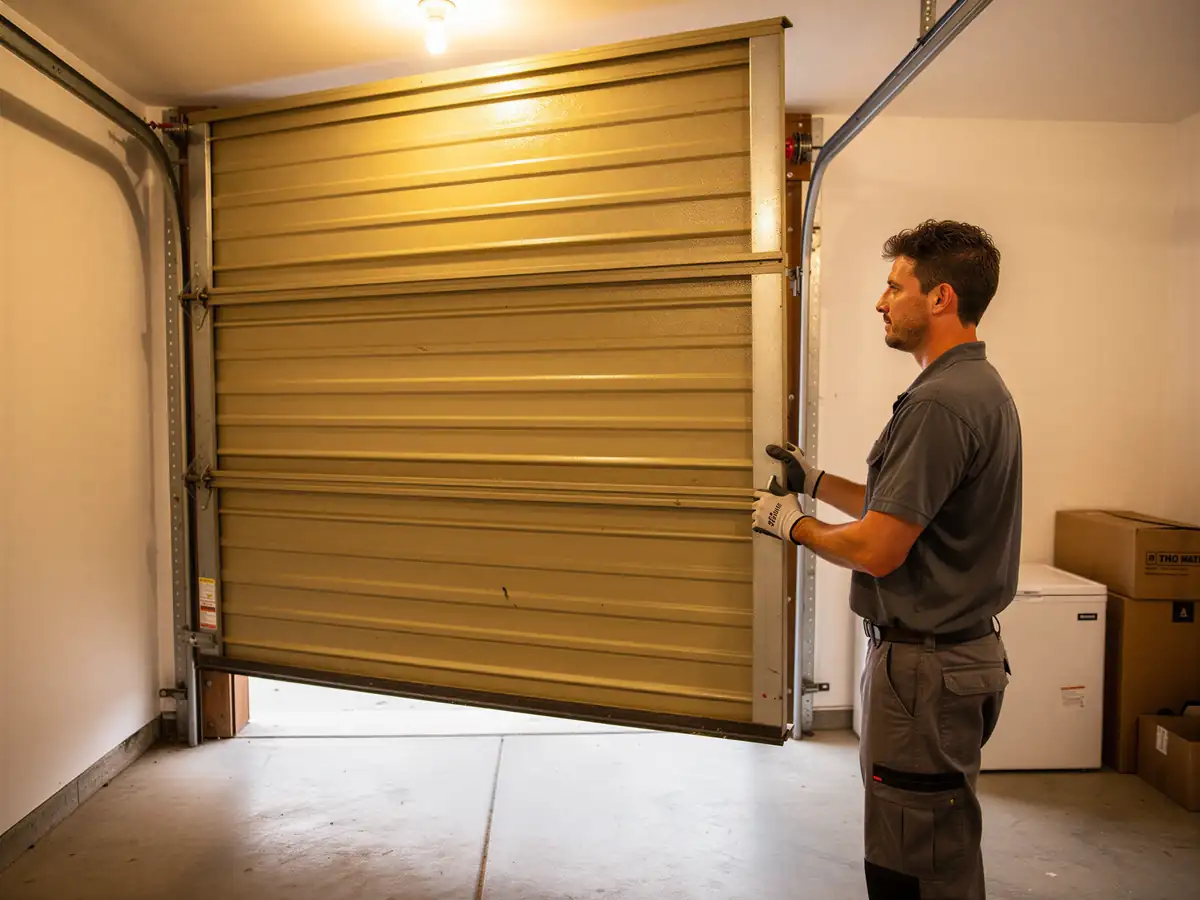
Most calls out this way are springs - specifically torsion springs that have gone past their cycle life on a door that's been doing the same work since the early '60s housing push. Second most common is a noisy or jerky door where the rollers are the original steel type, worn down enough to bind in the track, especially once the cold sets in and the grease stiffens. We also get calls on openers that are clearly newer than the door itself, installed as a quick fix at some point without anyone checking whether the door's hardware could handle it. One thing we're upfront about: if your door is original to a 1963-era house and the track or hinges are badly rusted, we'll often recommend replacement over another patch repair, because by that point the labor to keep rebuilding old hardware costs more over time than a new door would.