The Symptom
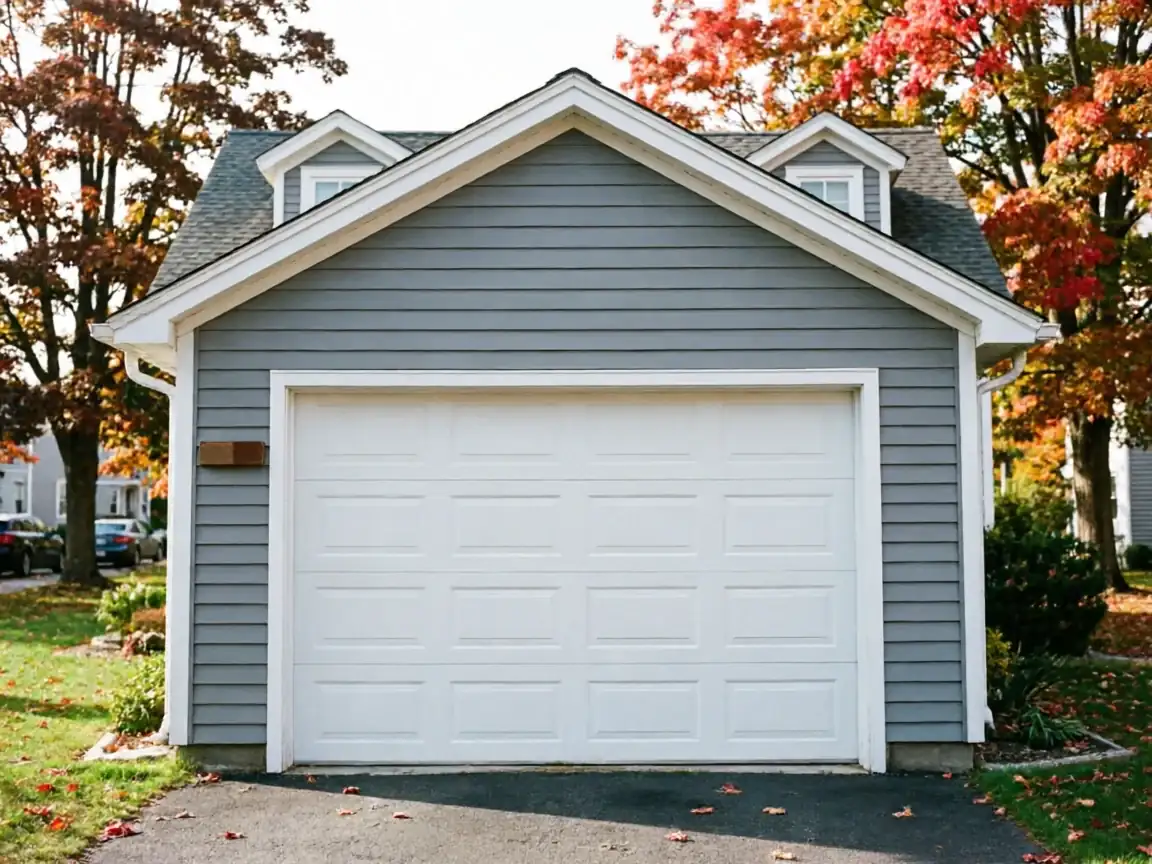
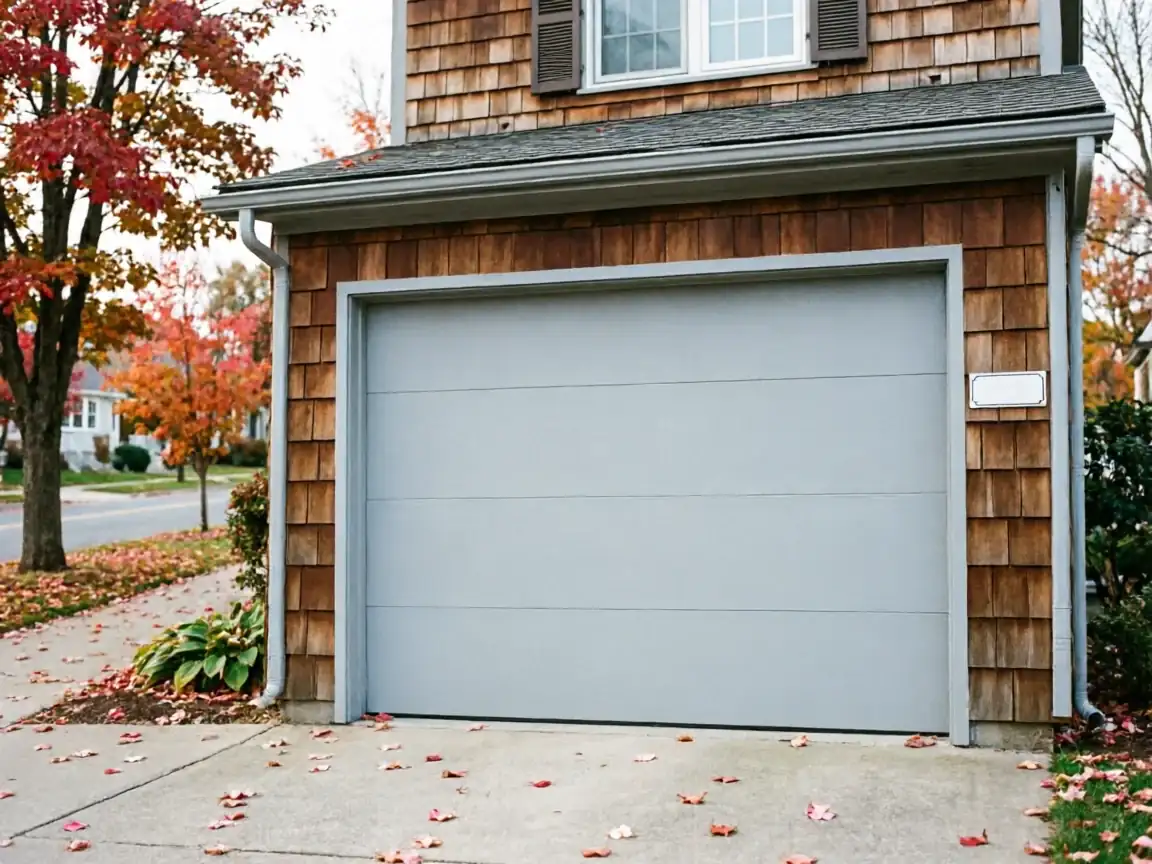
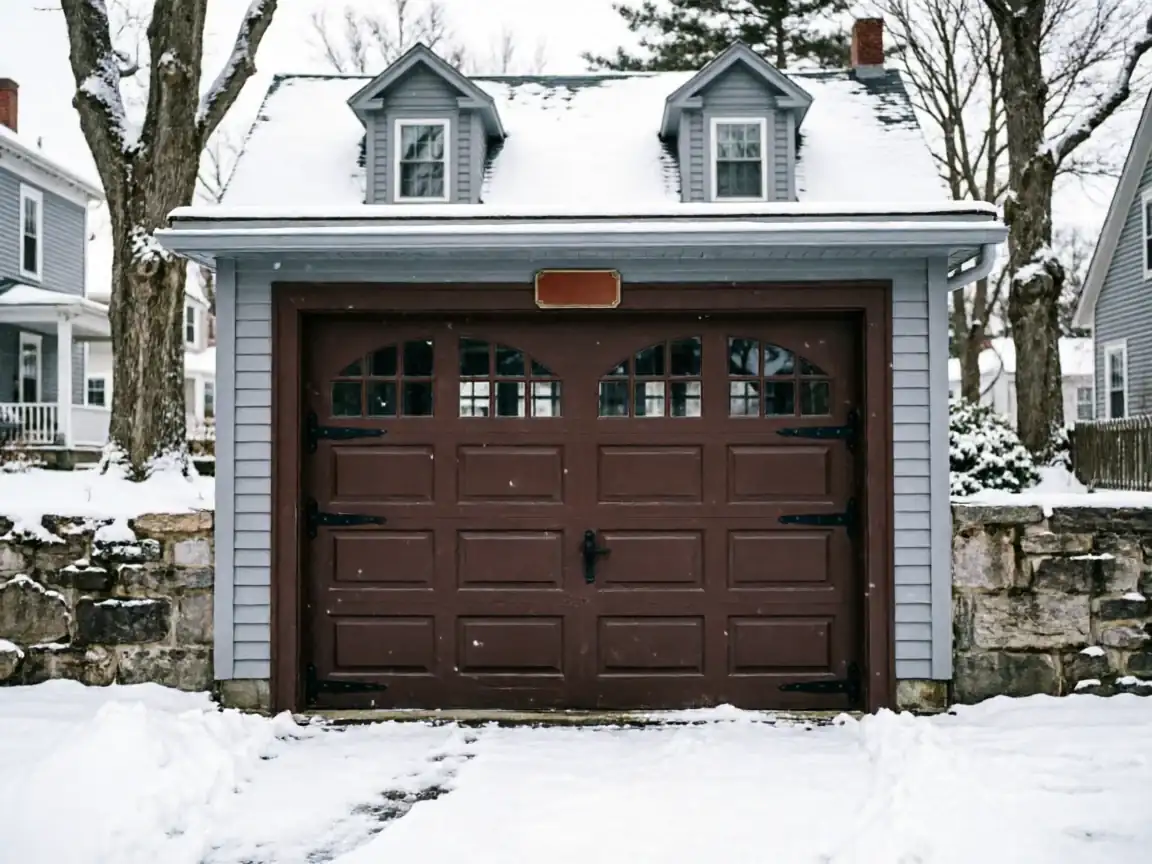
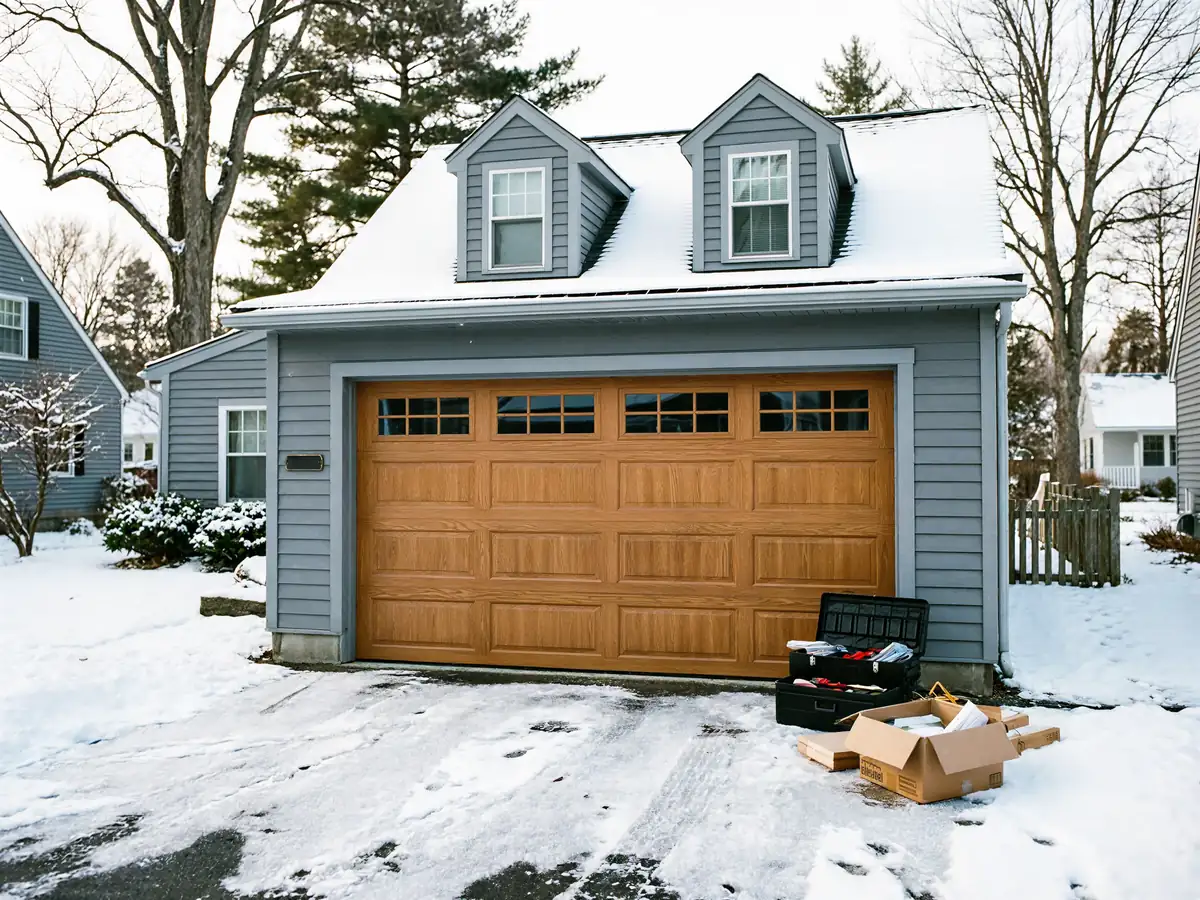
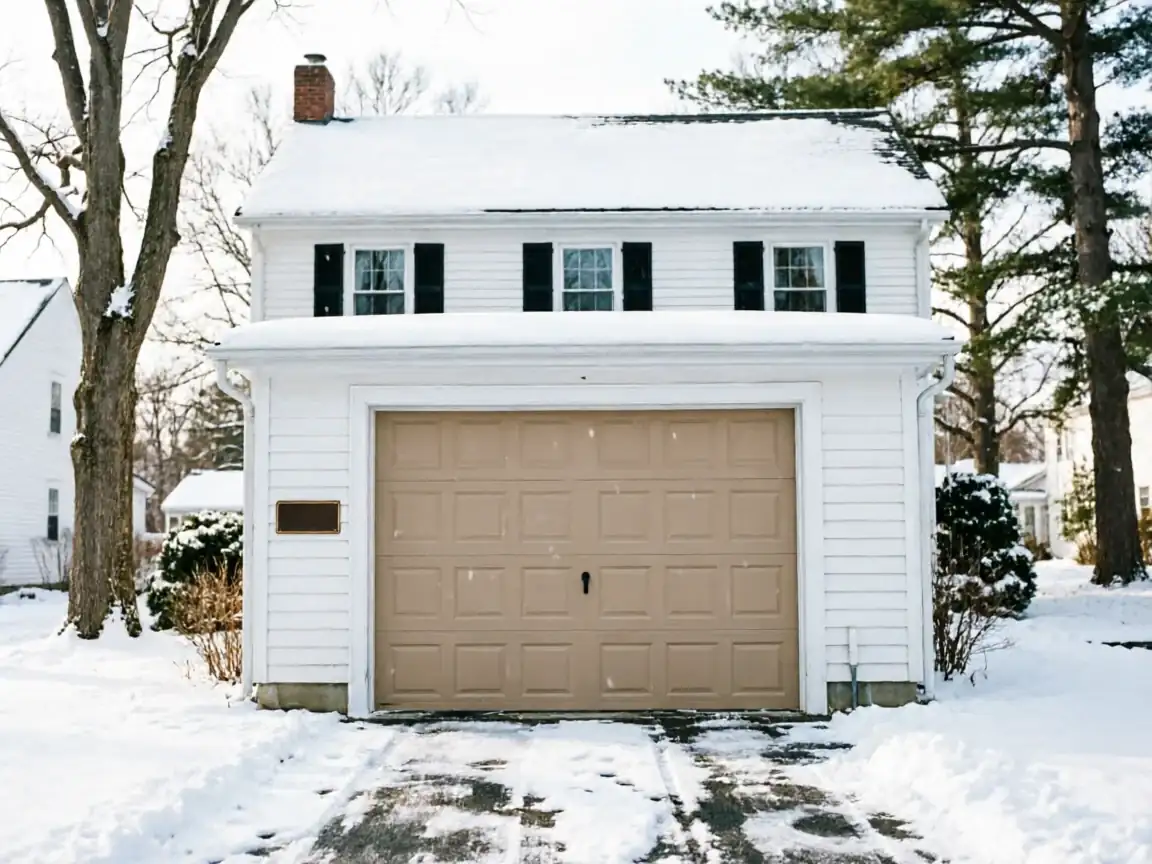
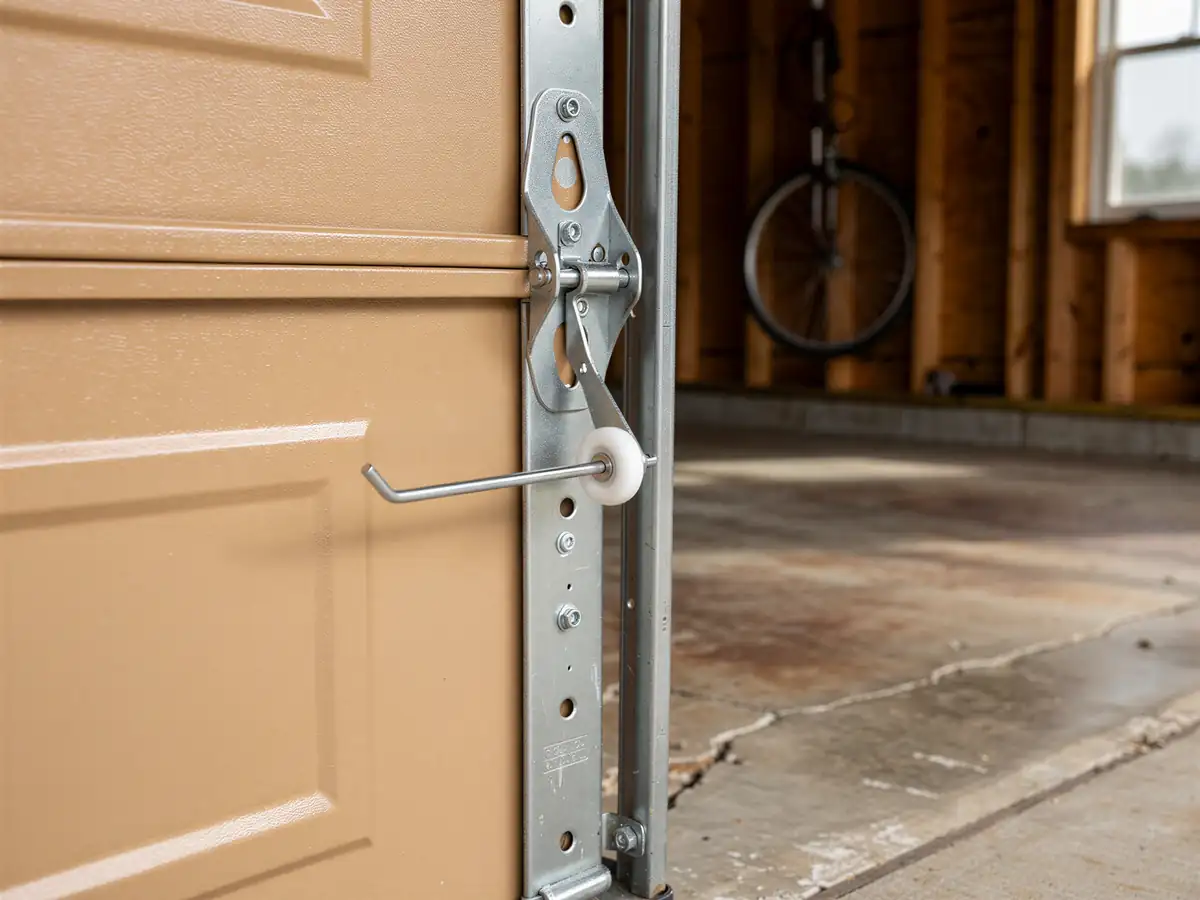
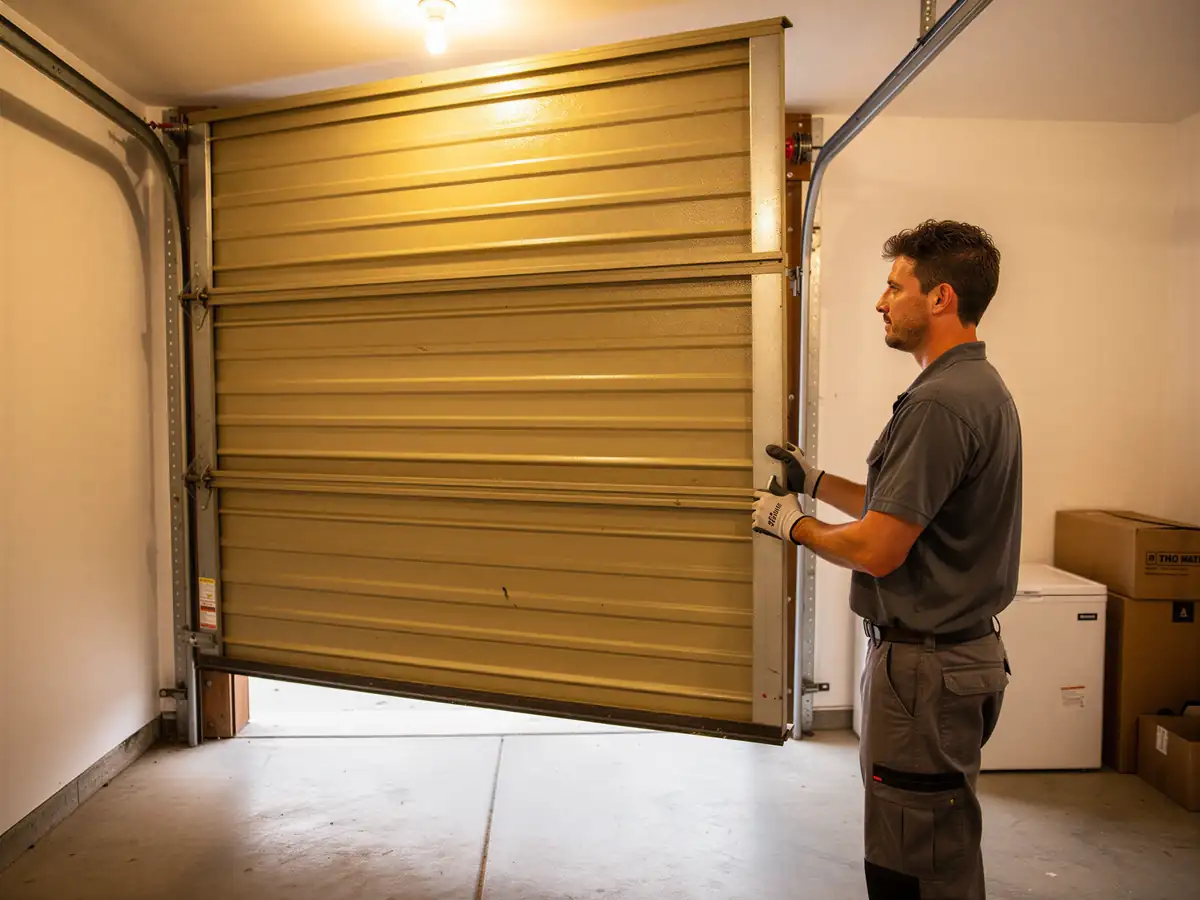
Most of Bristol's service area was built across a long stretch, 1938 to 1986, with the median landing around 1971. Oakville's homes skew earlier than that median - the bulk went up around 1963. Eight years doesn't sound like much until you're standing in front of the door. A door and track system installed in 1963 has usually been replaced once already, sometimes twice, but the framing and header behind it is original. That means the opening itself can be slightly out of square in ways a newer Bristol install never developed, and a track that looks fine on one side can be riding a hair off-plumb on the other. The symptom shows up as a door that binds partway through its travel, or rollers that wear unevenly because they're fighting a frame that settled sixty years ago. Add Connecticut's severe cold-climate swings and the steel contracts and expands against hardware that's already working at an angle. Owners usually notice it first as a grinding noise in January that wasn't there in August - that's the track and the frame disagreeing with each other, and cold makes the disagreement louder.
How We Fix It
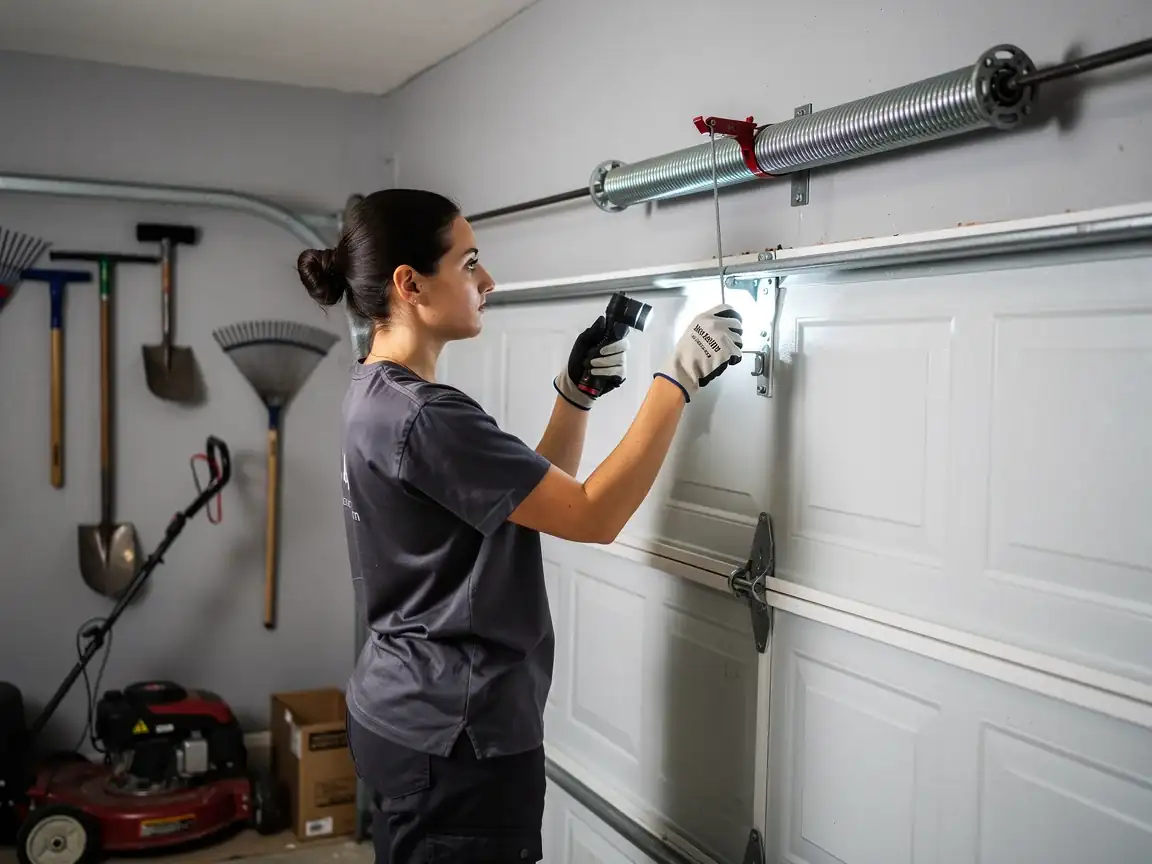
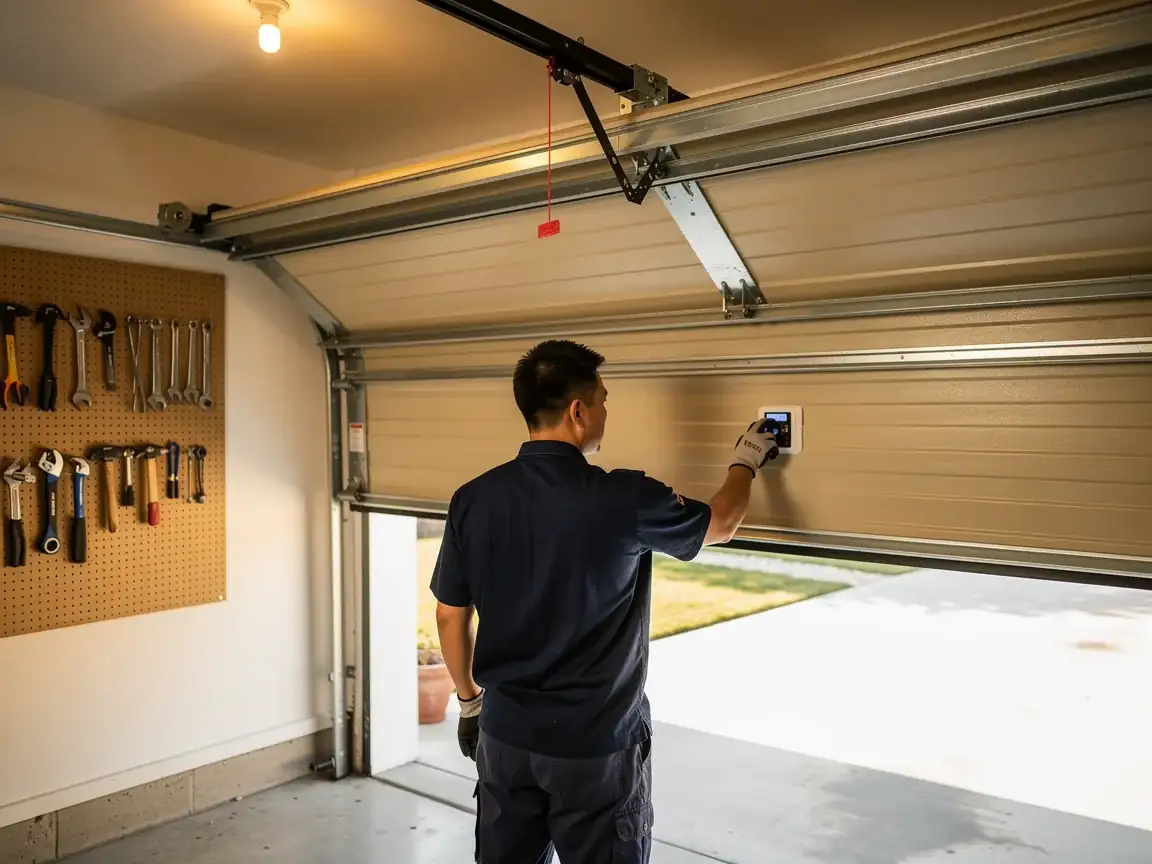
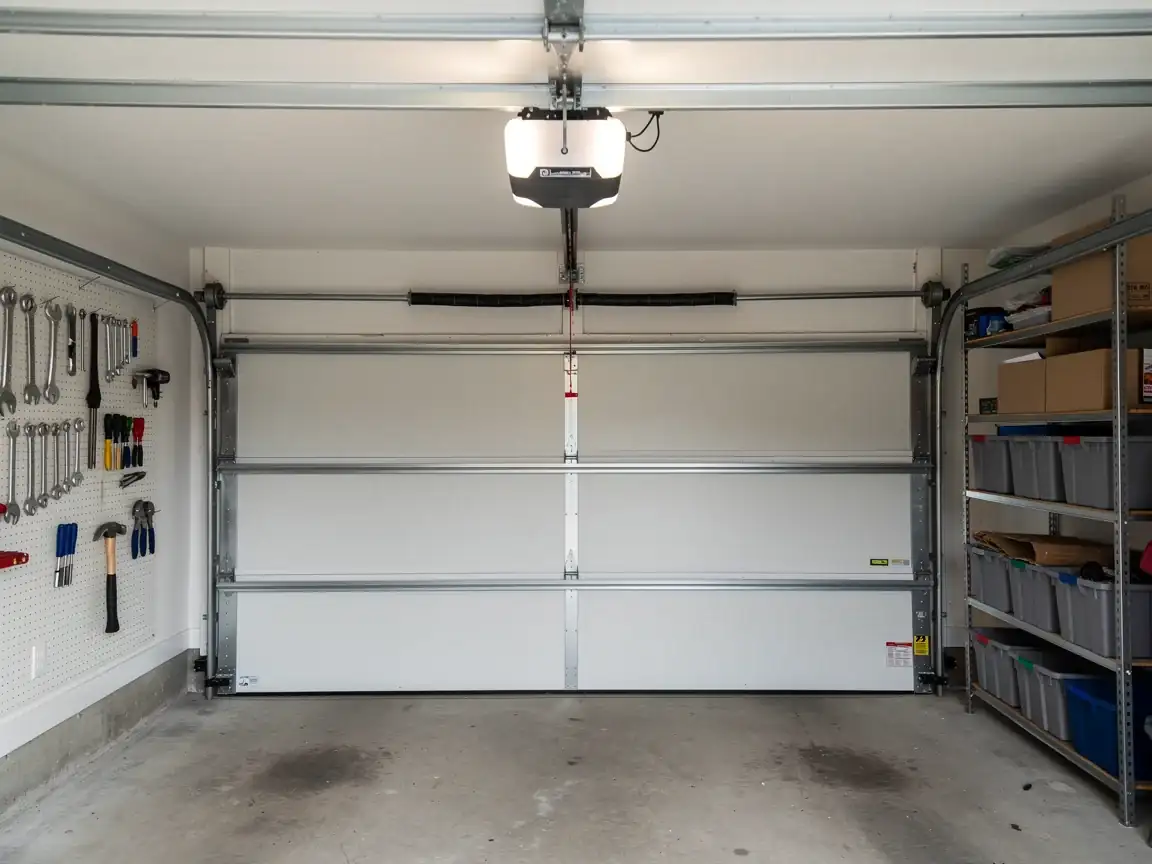
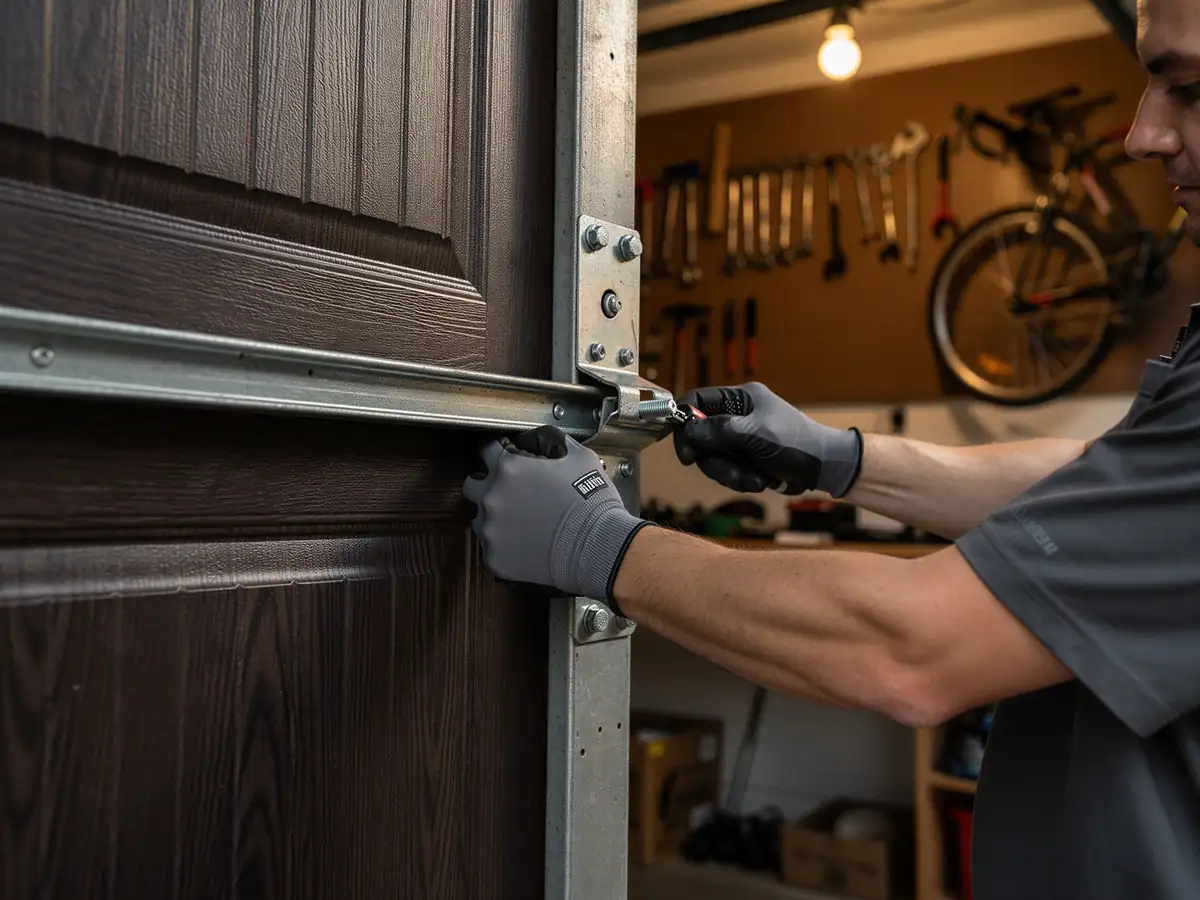
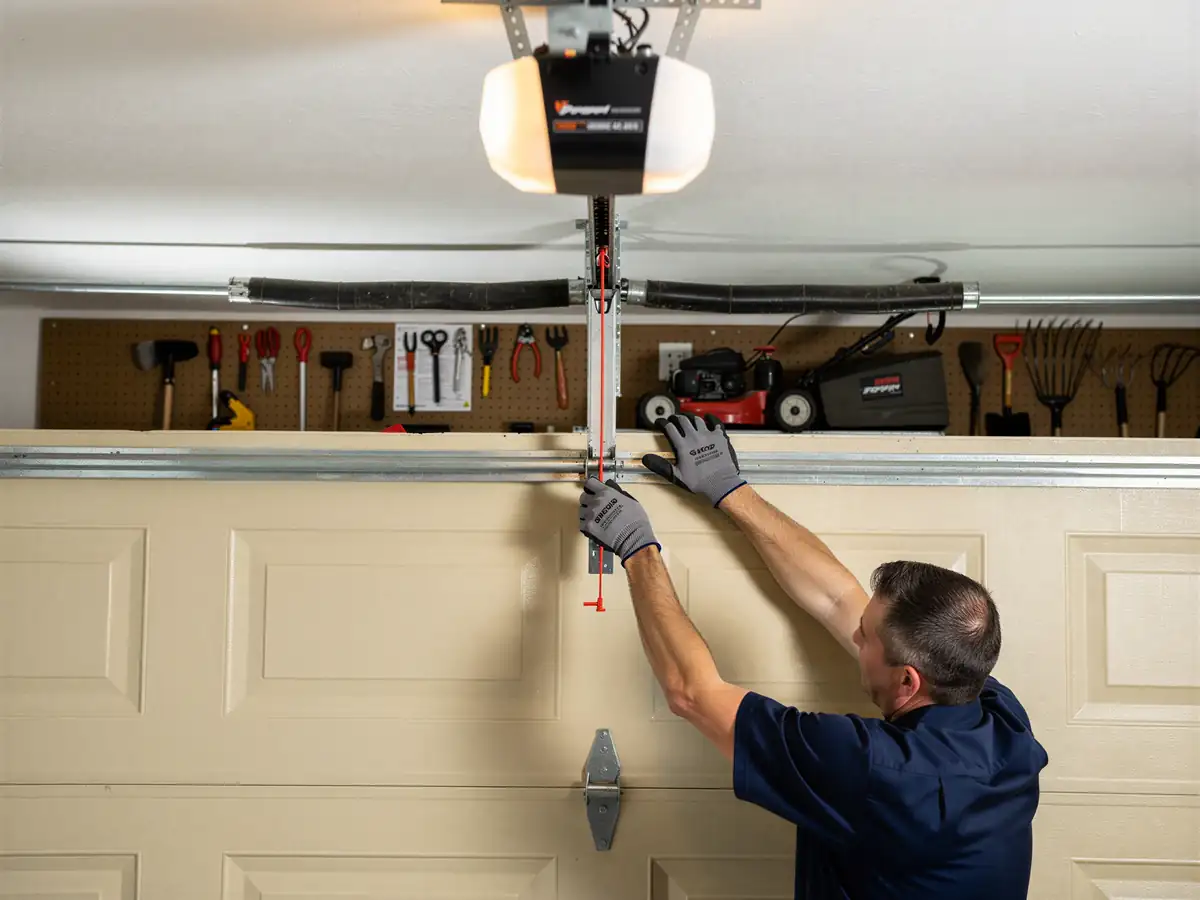
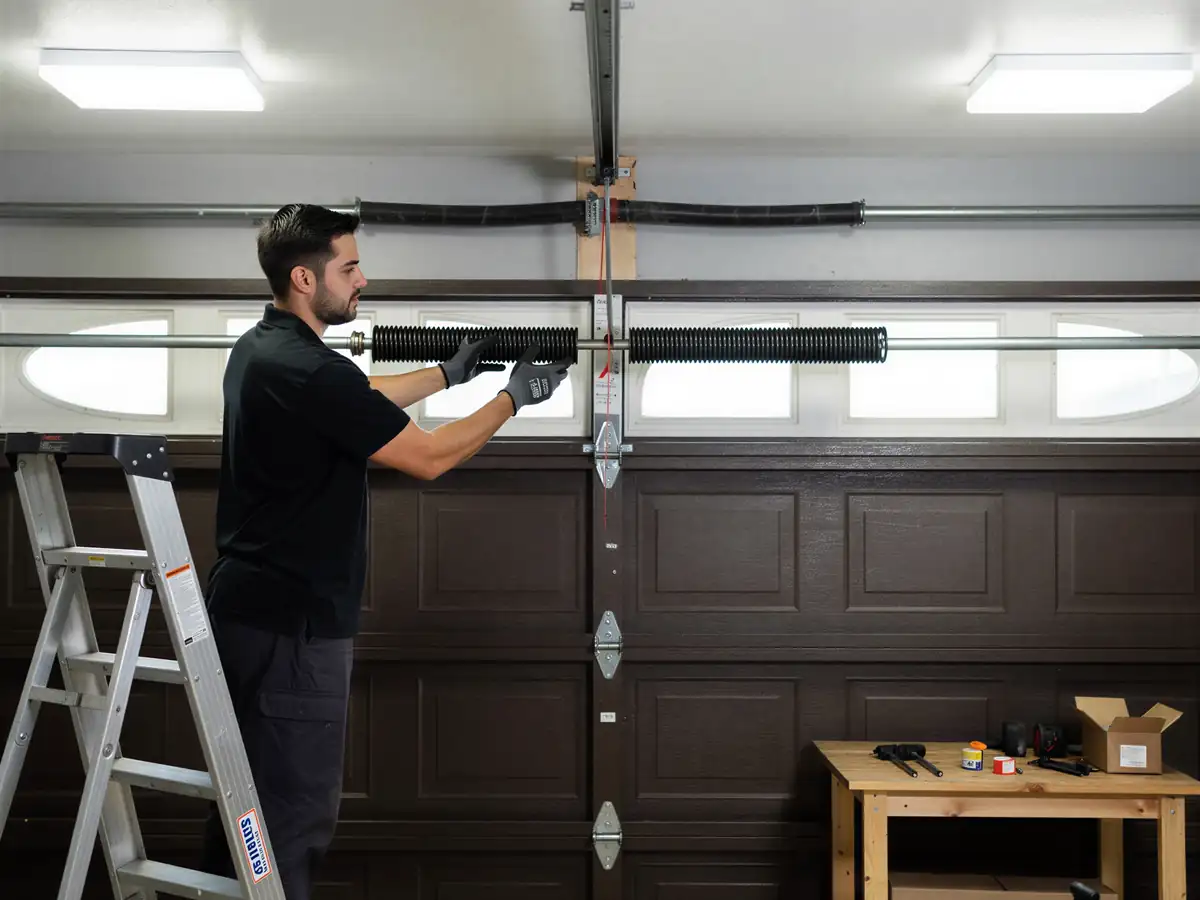
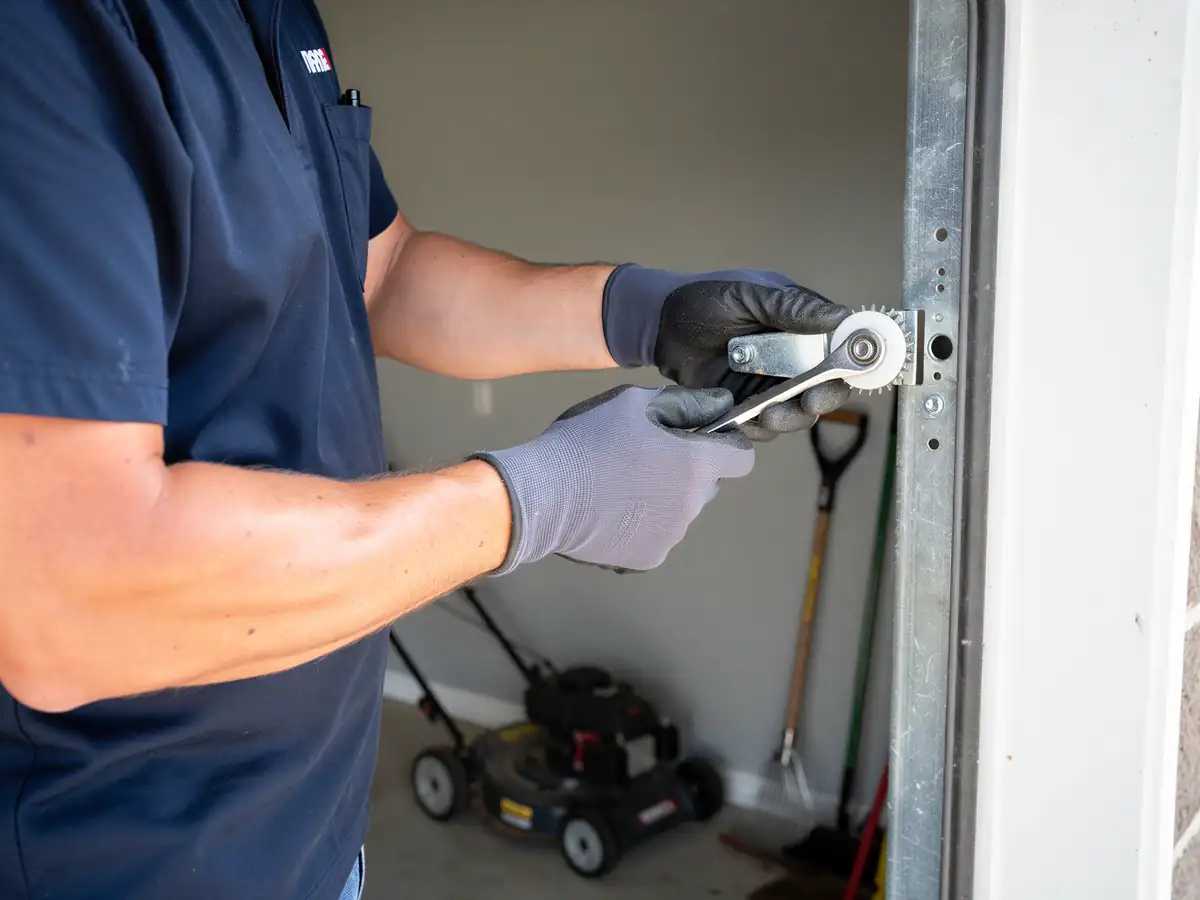
We start at the jambs, not the door. On a house from the early 1960s, we check plumb and square on both tracks before we touch springs or rollers, because adjusting hardware on an out-of-square frame just moves the bind somewhere else. Once the tracks are set right, we go through the torsion spring and check cycle wear - older frames put more lateral load on the springs than a plumb opening does, so springs here can show fatigue earlier than the cable or roller wear would suggest. We lubricate hinges and rollers, tighten the fasteners that hold the track to the jamb, and check the opener's force settings, since a door fighting a slightly skewed track often has the opener compensating by pushing harder than it should. We don't re-square a frame - that's carpentry, not garage door work, and we'll tell you plainly if that's what's needed before we do anything else.
Doing It Yourself
You can do some of this yourself between visits. Once a season, run a level against each track and check it's still plumb - frames this age move slowly but they do move, and catching a quarter-inch shift early is cheaper than catching it after a roller wears out. Lubricate hinges and rollers with a garage-door-specific lubricant, not WD-40, which washes out and attracts grit. Listen for grinding on cold mornings - that's worth a call before it becomes a stuck door at 6 a.m. What you shouldn't touch is the torsion spring itself. It's under enough tension to cause real injury, and on an older frame where the spring may already be compensating for an out-of-square opening, that tension can be unpredictable.
How to Book
We cover Oakville from Bristol, about 10 miles away. Maintenance visits go on the schedule the same way any service call does - tell us the door's age and whether it's been serviced before, and we'll bring the right hardware for a house from that era rather than guessing on-site. See our Oakville garage door page for the full range of work we do in the area, or check garage door maintenance in Bristol for how the same service runs closer to the shop.