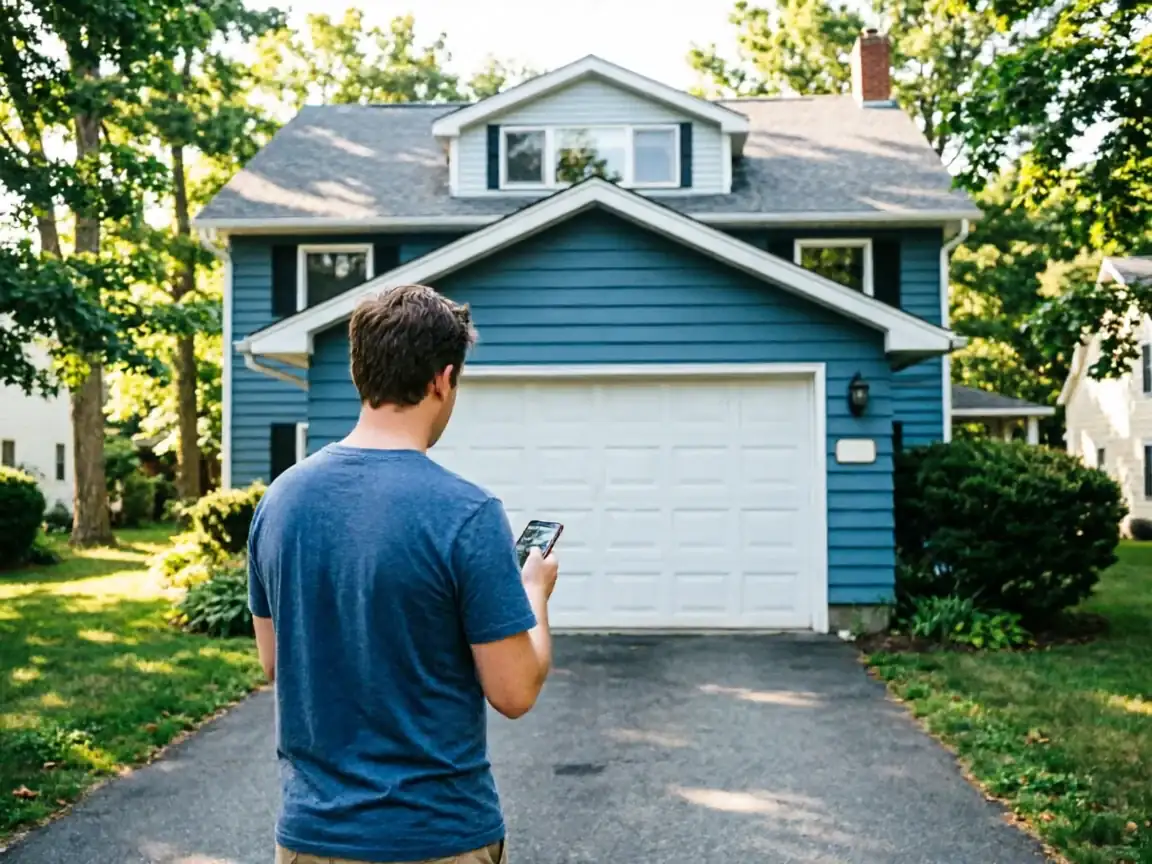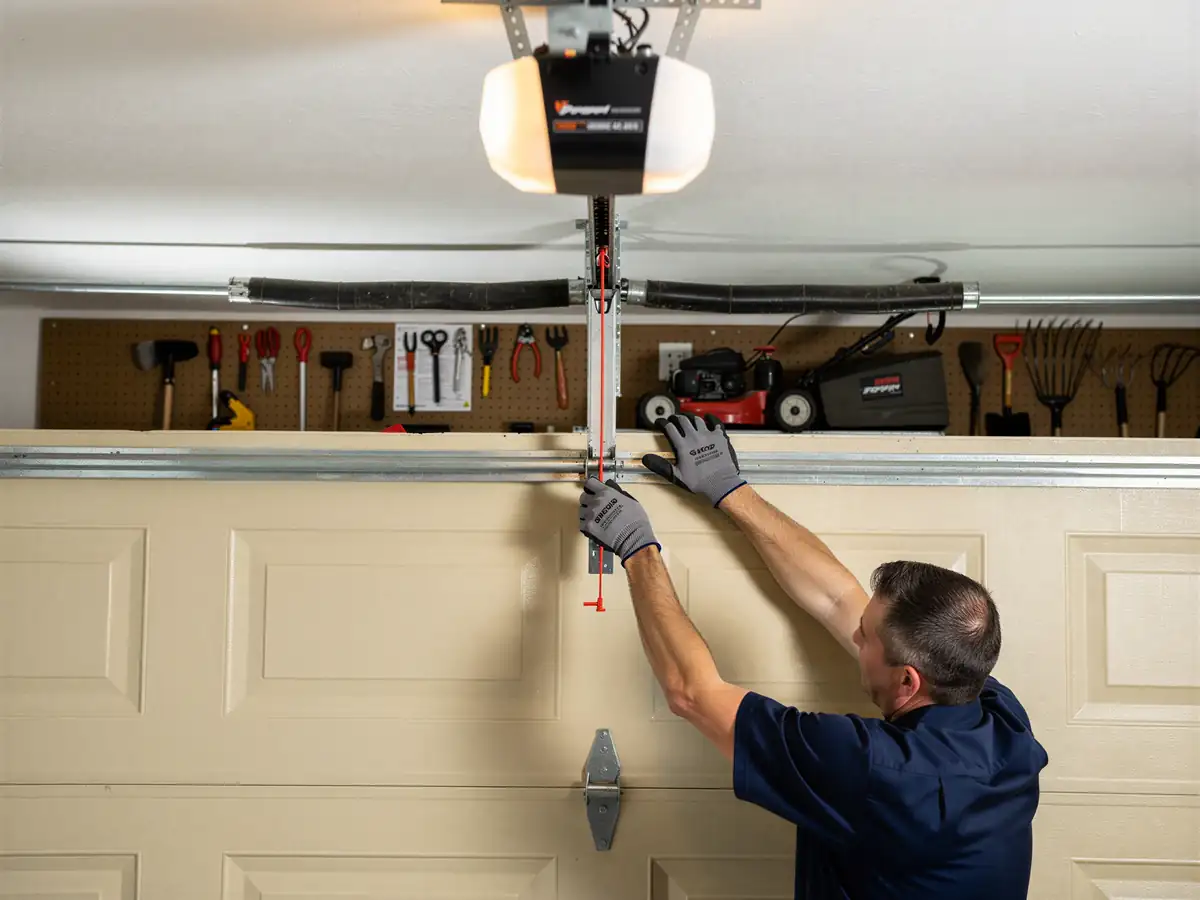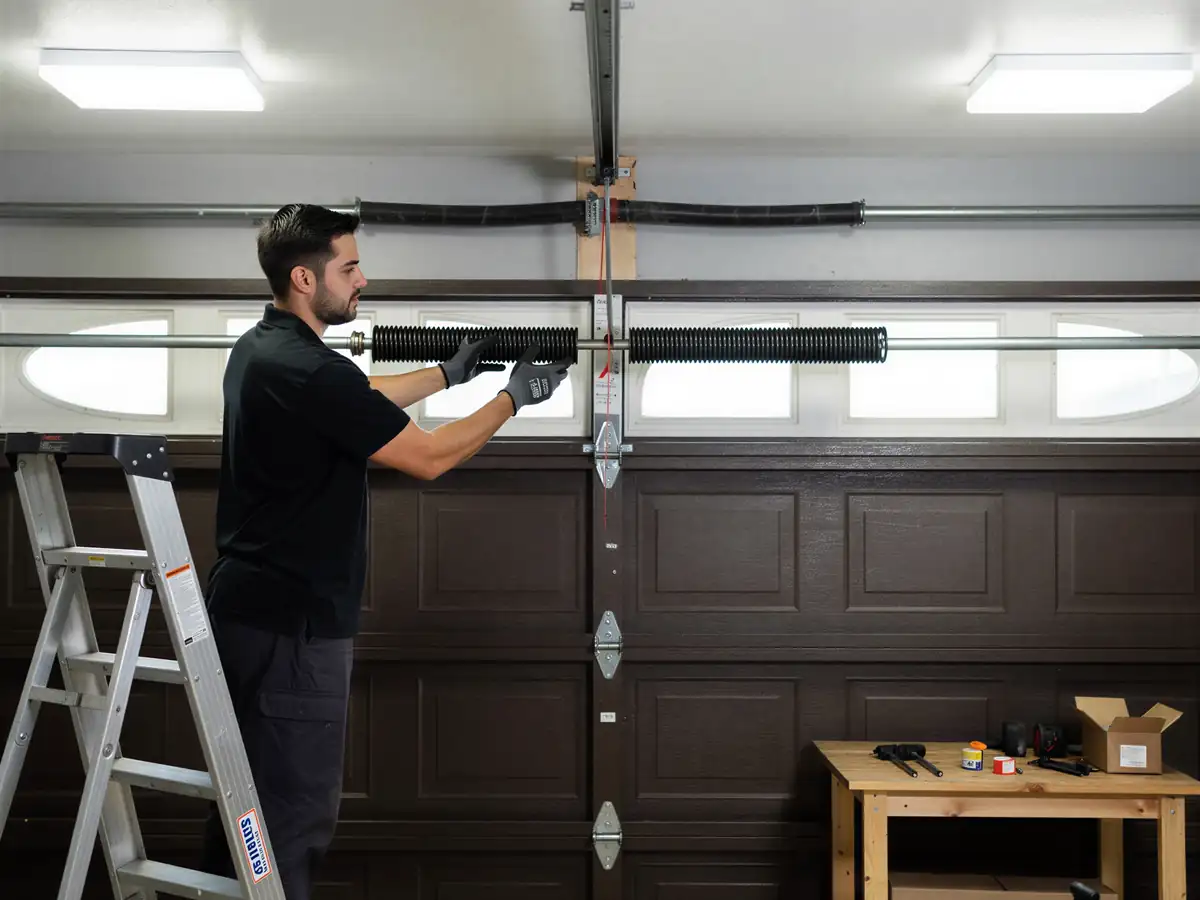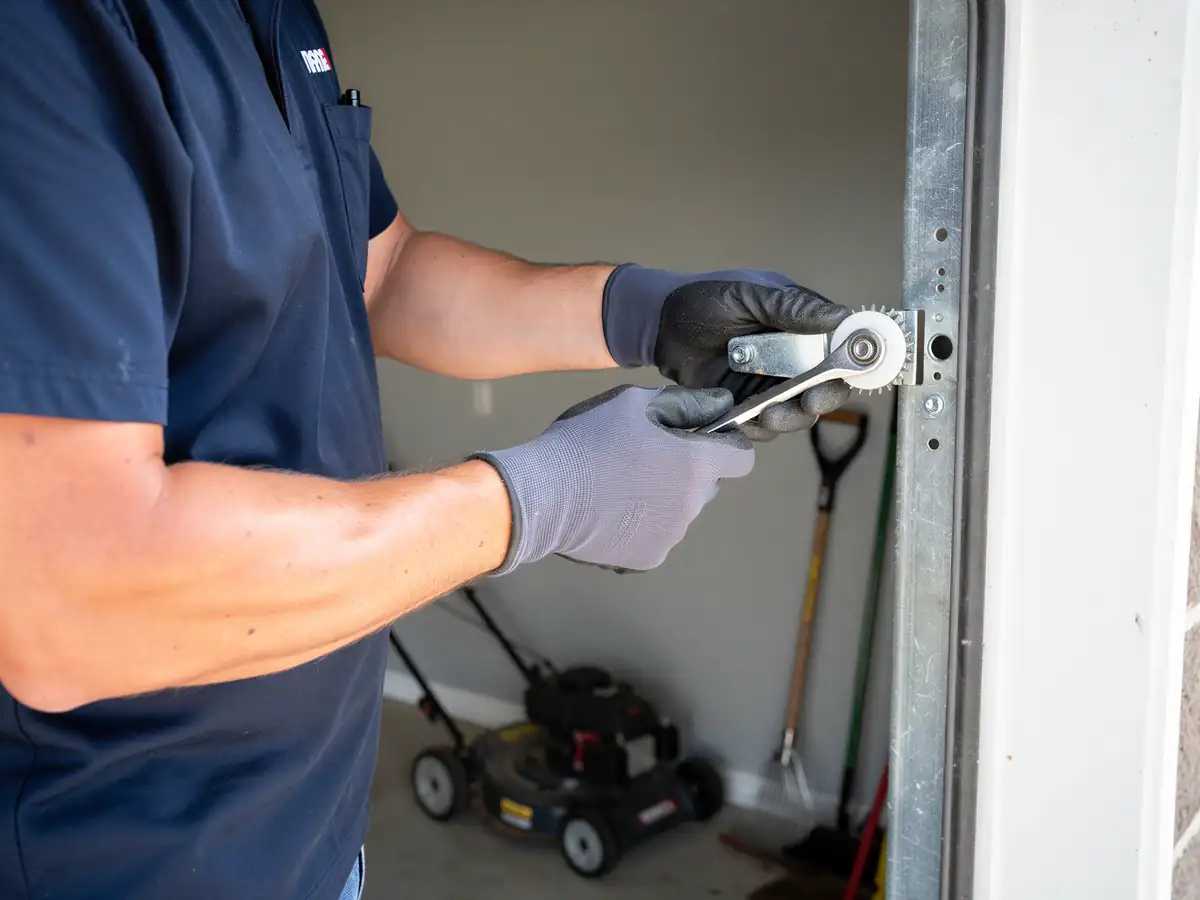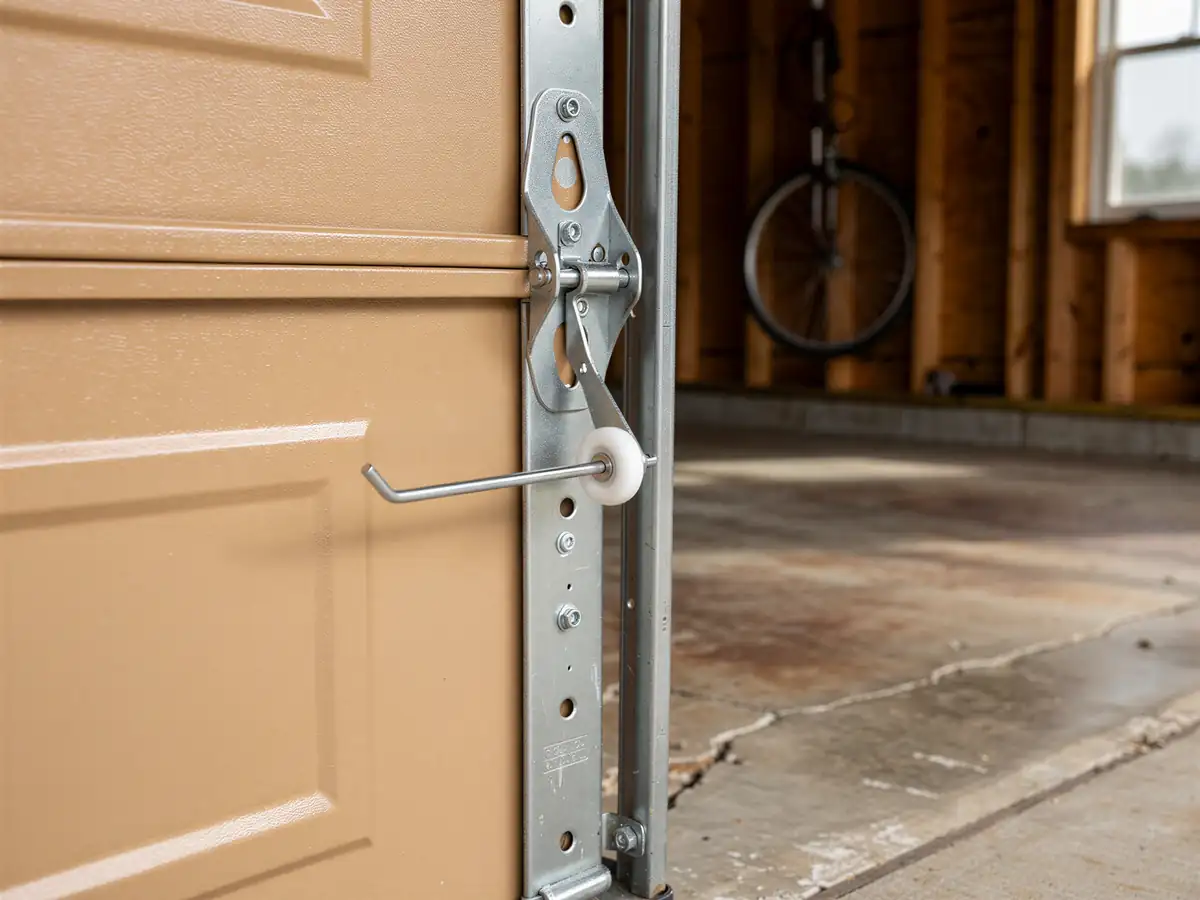
The Symptom
Oakville sits about 10 miles southwest of our shop in Bristol, which means a call here isn't a five-minute hop - it's a real drive, and it shapes how we schedule the day. We try to batch Oakville calls with other stops along the way out, so the truck isn't making the trip twice for one spring.
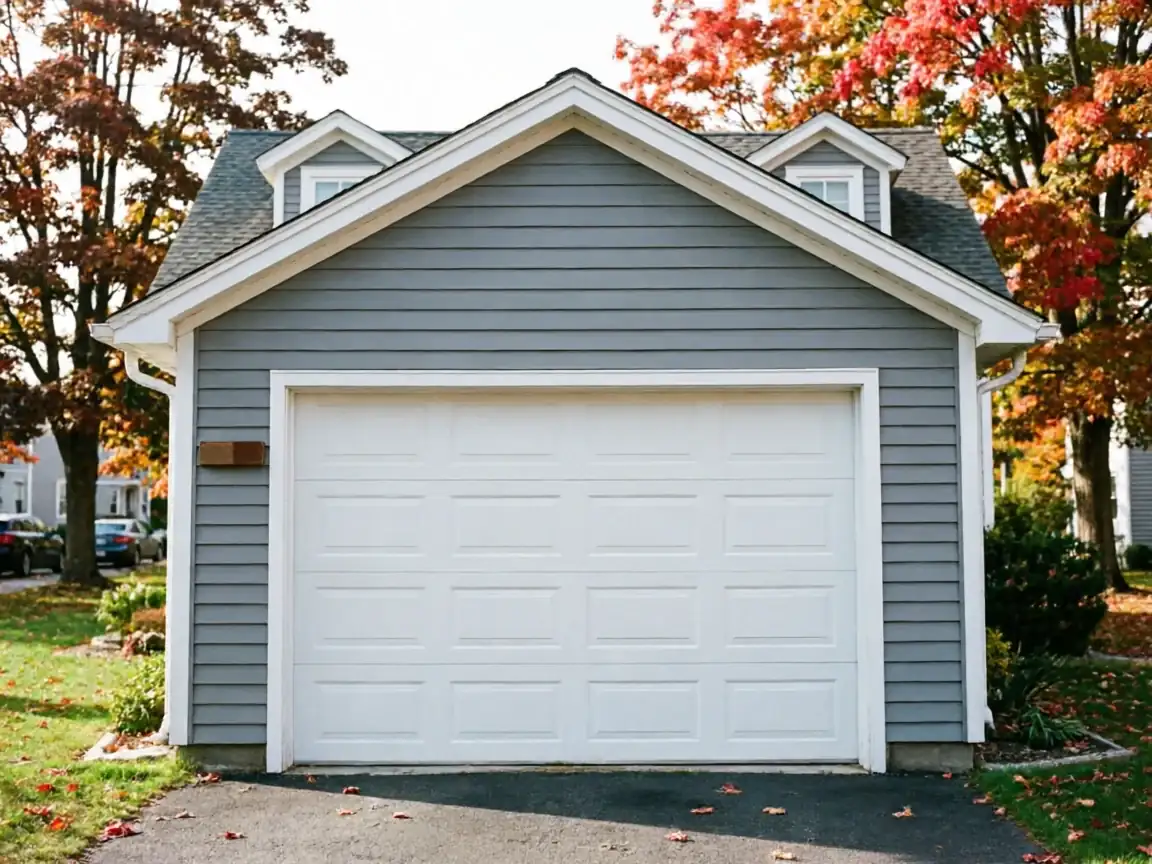
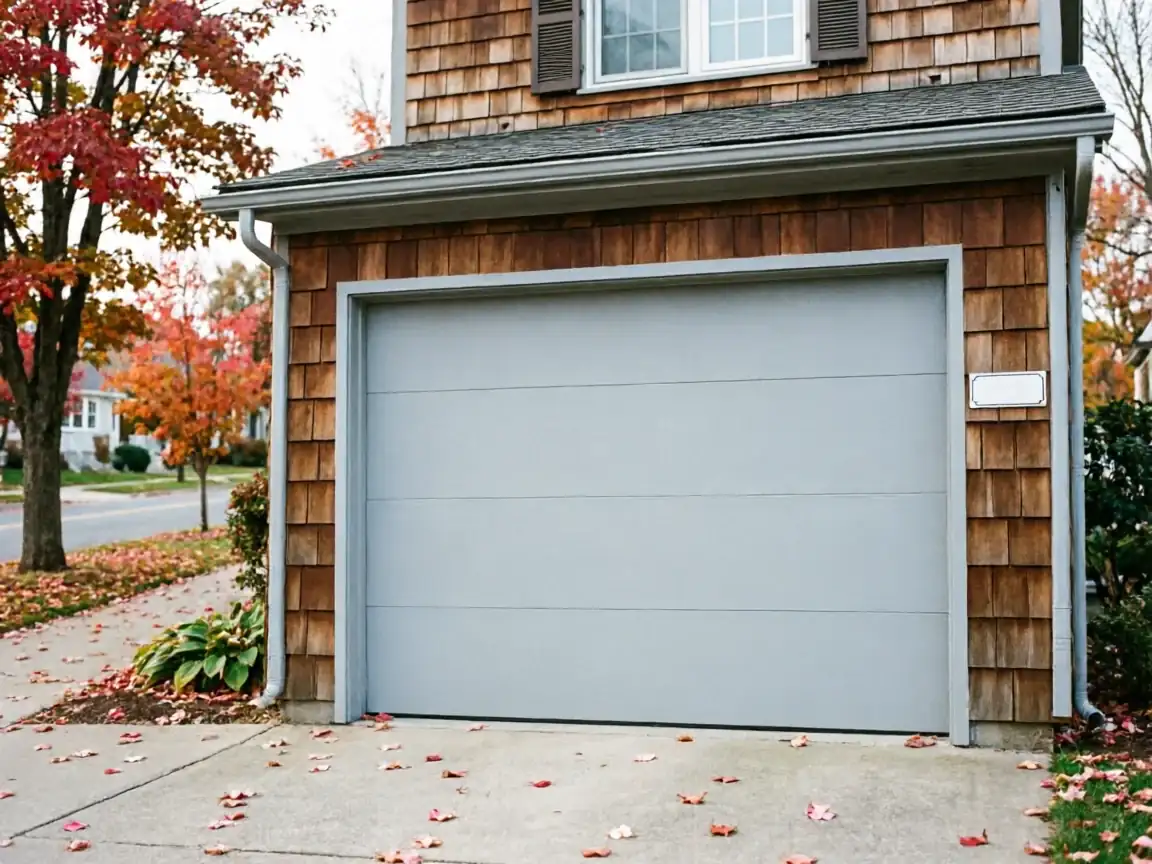
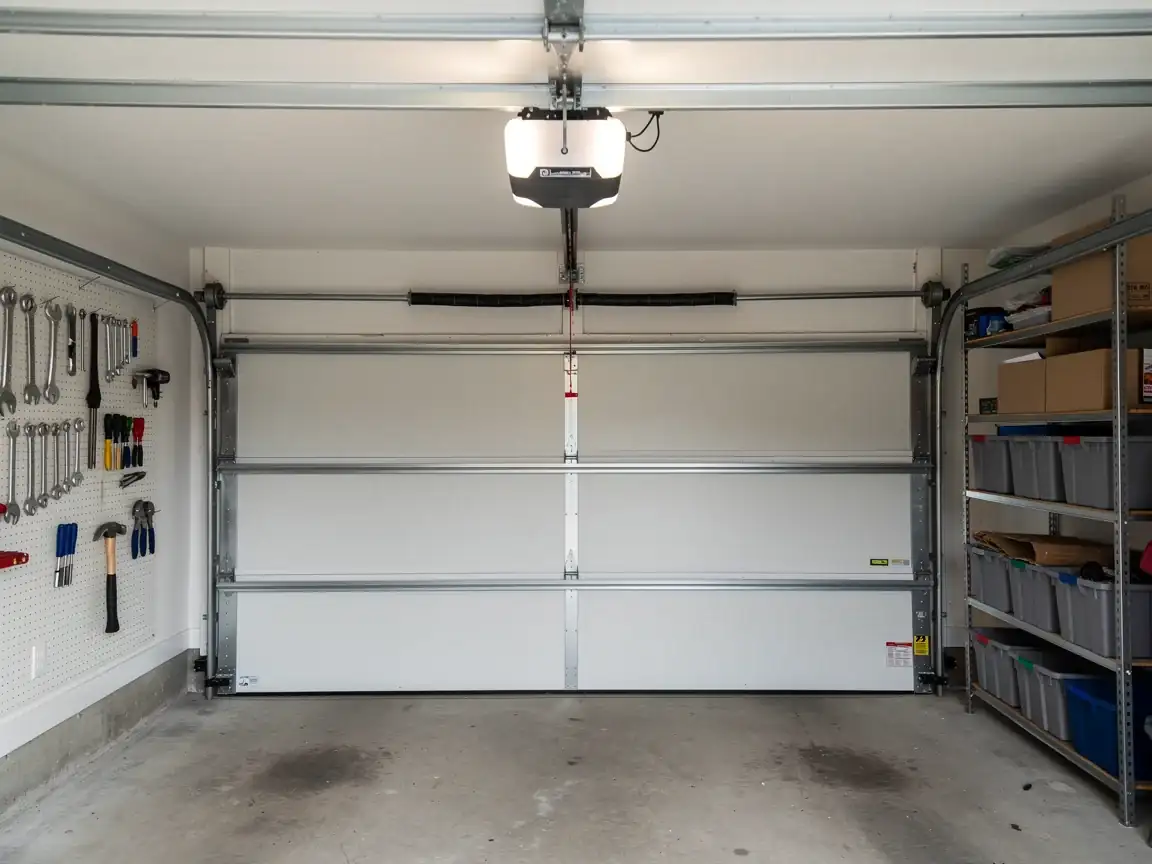
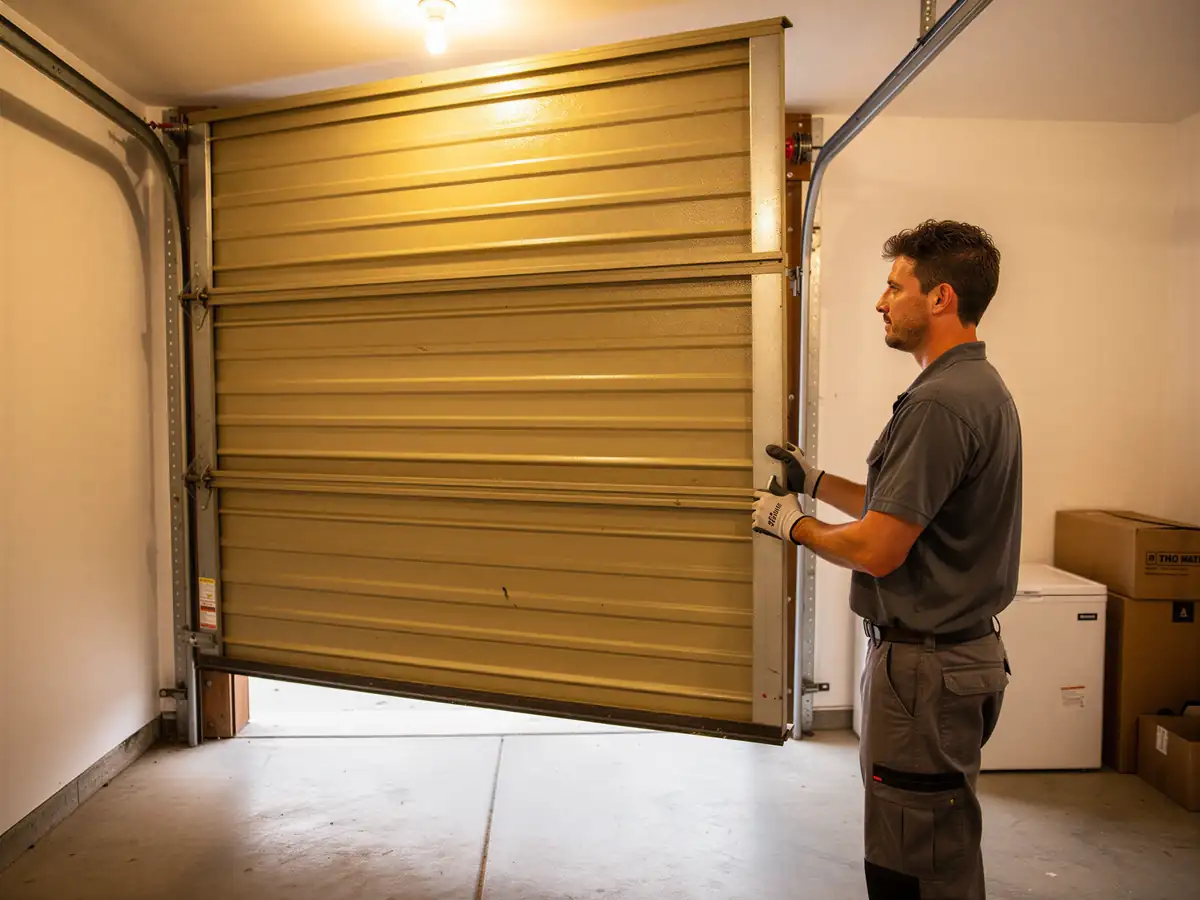
What we see on arrival tends to match the neighborhood's age. Oakville's housing mostly went up around 1963, a few years ahead of the wider service area's 1971 median, so you're looking at some of the older stock we touch. Doors from that era are often original or on their second opener, with torsion springs sized for hardware nobody stocks on a shelf anymore. The common complaint: a door that won't budge, or one that slams the last six inches because the spring has lost its wind. Cable fraying at the drum is another one we hear a lot from this stretch - thirty-plus-year-old cable doesn't give much warning before it lets go.
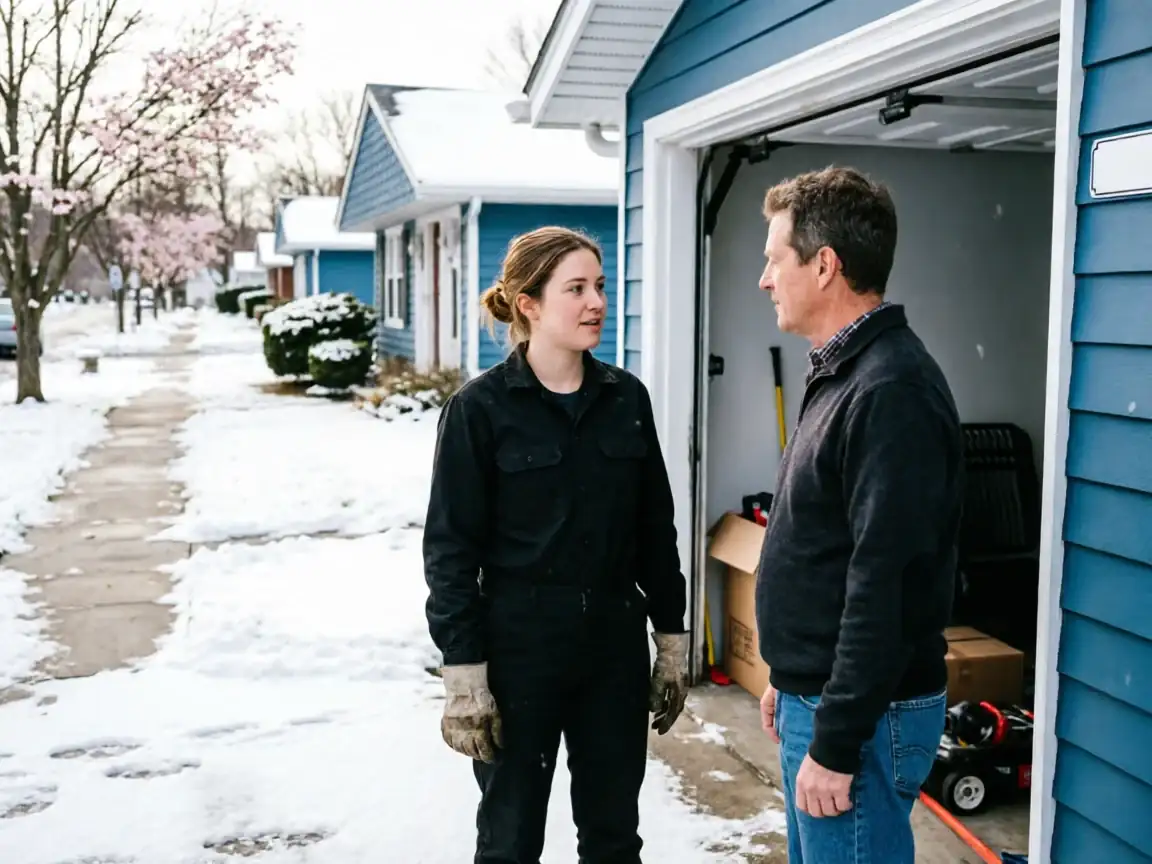
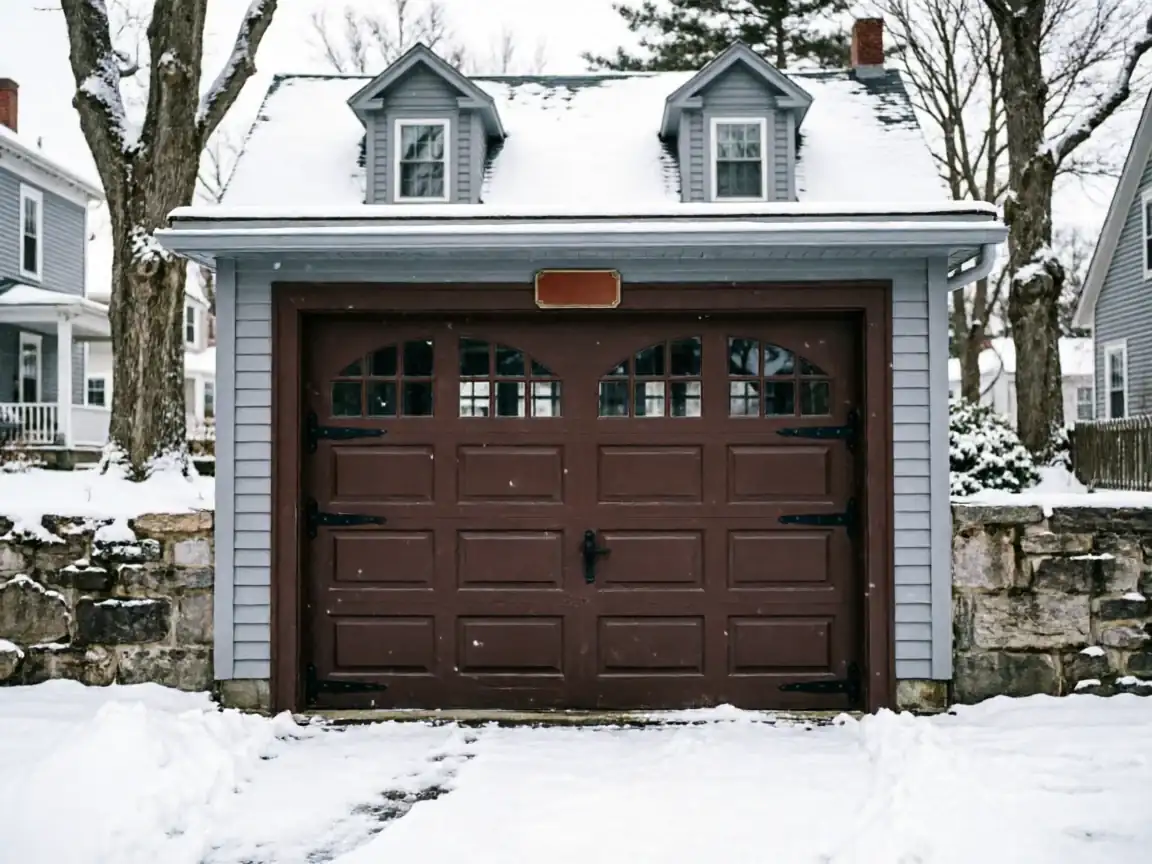
Cold is part of the story too. This whole area sits in a severe cold climate band, and a door that was already tired tends to show it first on the coldest morning of the year, when the grease in an old roller track seizes and the opener just hums.
How We Fix It
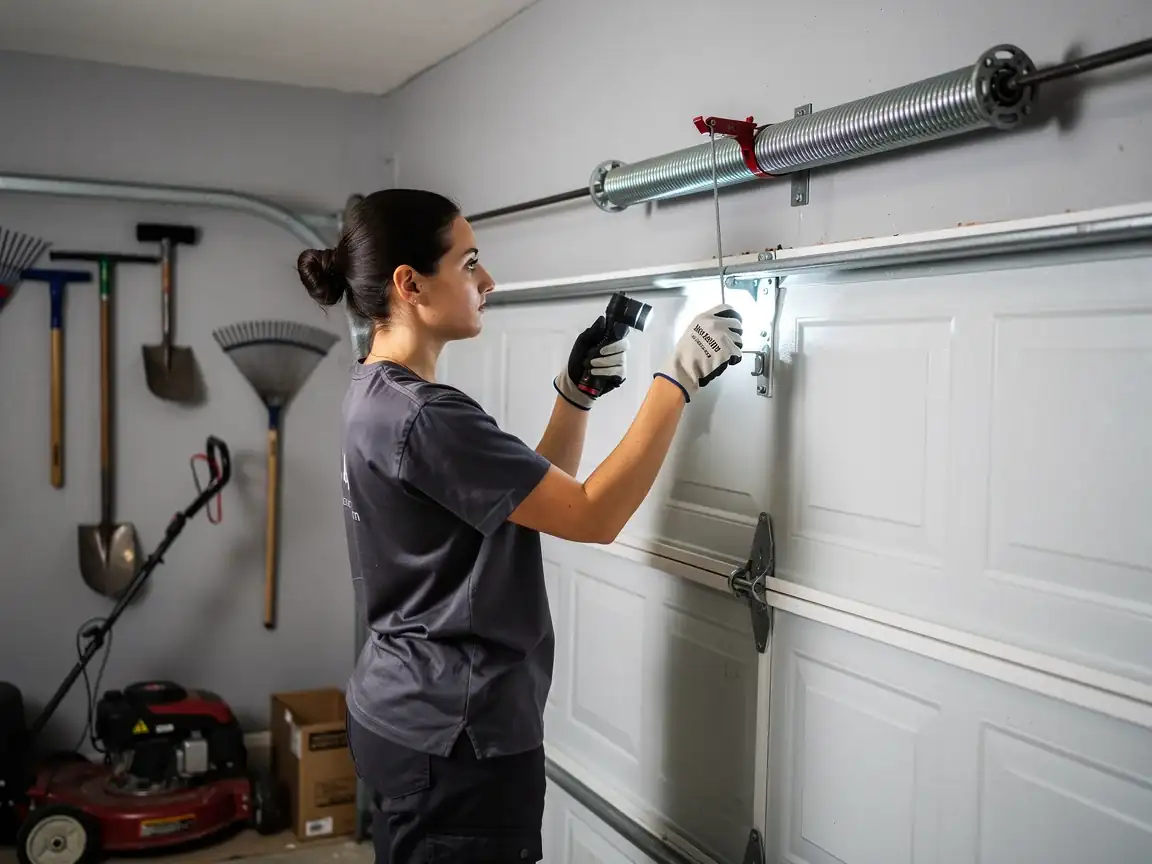
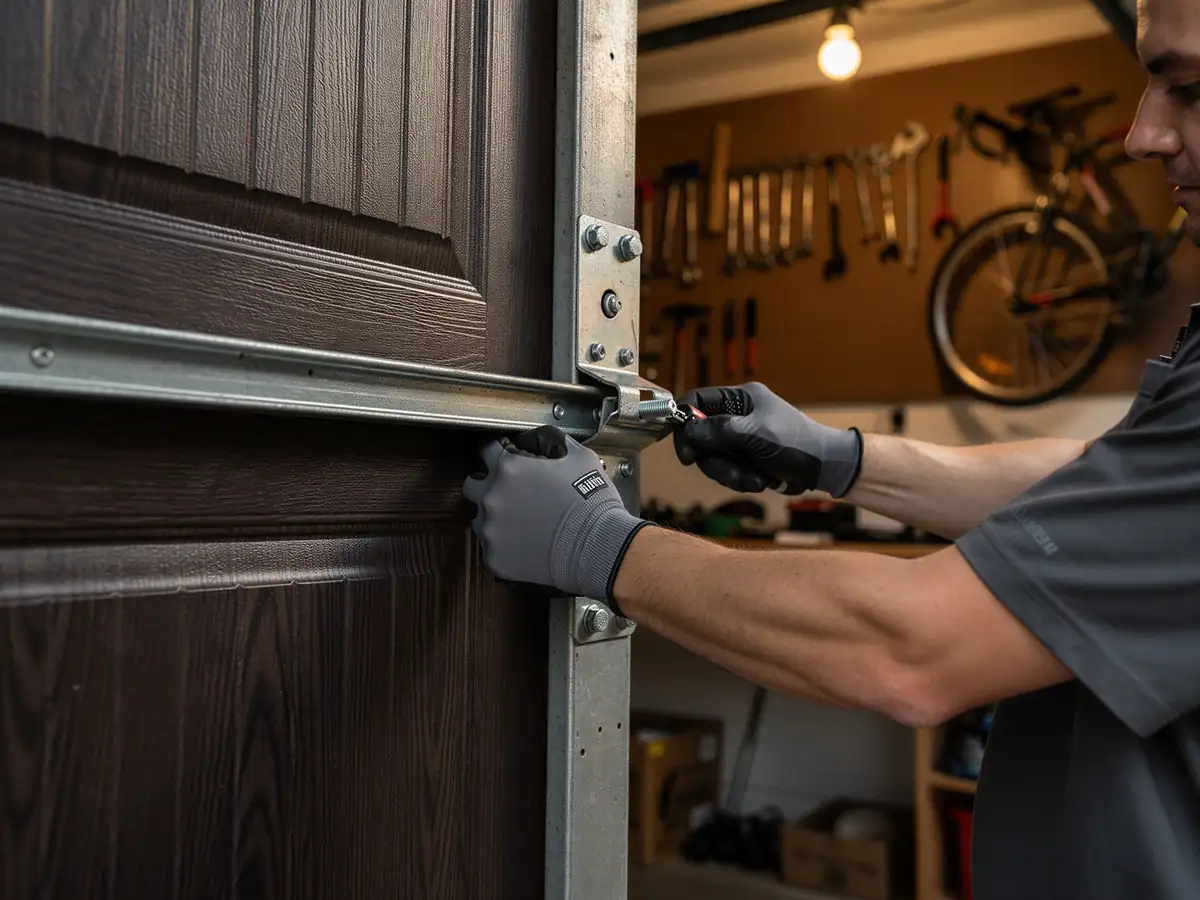
We start the same way every time, no matter the town: cycle the door by hand first, before touching the opener, so we know whether we're chasing a spring problem, a track problem, or both. On Oakville's older houses, we're paying close attention to the torsion tube and the end bearing plates - on a house built around 1963, those brackets have usually never been replaced, and the mounting lumber behind them can be softer than it looks.
If it's a broken spring, we match the wire size and wind to what's already on the shaft rather than guessing off a size chart. Guessing wrong on an older door means the opener fights the spring for years before something else breaks. If the cable's frayed, we replace both cables as a pair, even if only one has let go, because the other one is the same age and the same amount of wear.
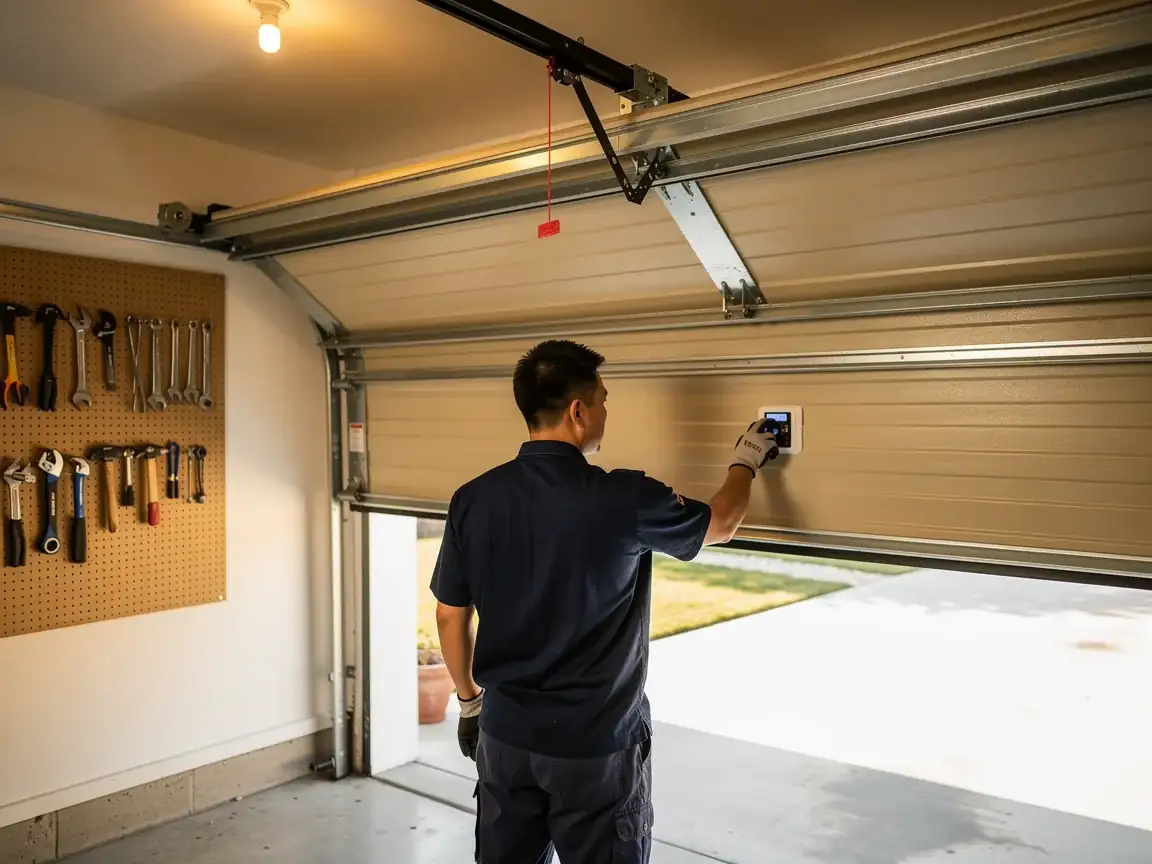
We test the door under full load before we leave - open, close, reverse, and a manual lift check - not just a visual look. On a long drive out like this one, we'd rather spend an extra ten minutes on site than get a callback.
What Is on the Truck
The truck carries a range of torsion spring sizes and standard galvanized cable
Enough to cover most residential doors without a special order. Rollers, hinges, and end bearings in the common sizes are stocked as well, along with safety cables and bottom brackets.
Where Oakville's older housing stock gets us is in non-standard track width and some of the discontinued opener models still bolted to the ceiling in a house from the 1960s
If your door needs a part that was phased out years ago, we may need to order it rather than carry it - we'll tell you straight if that's the case rather than jury-rig something that won't last.
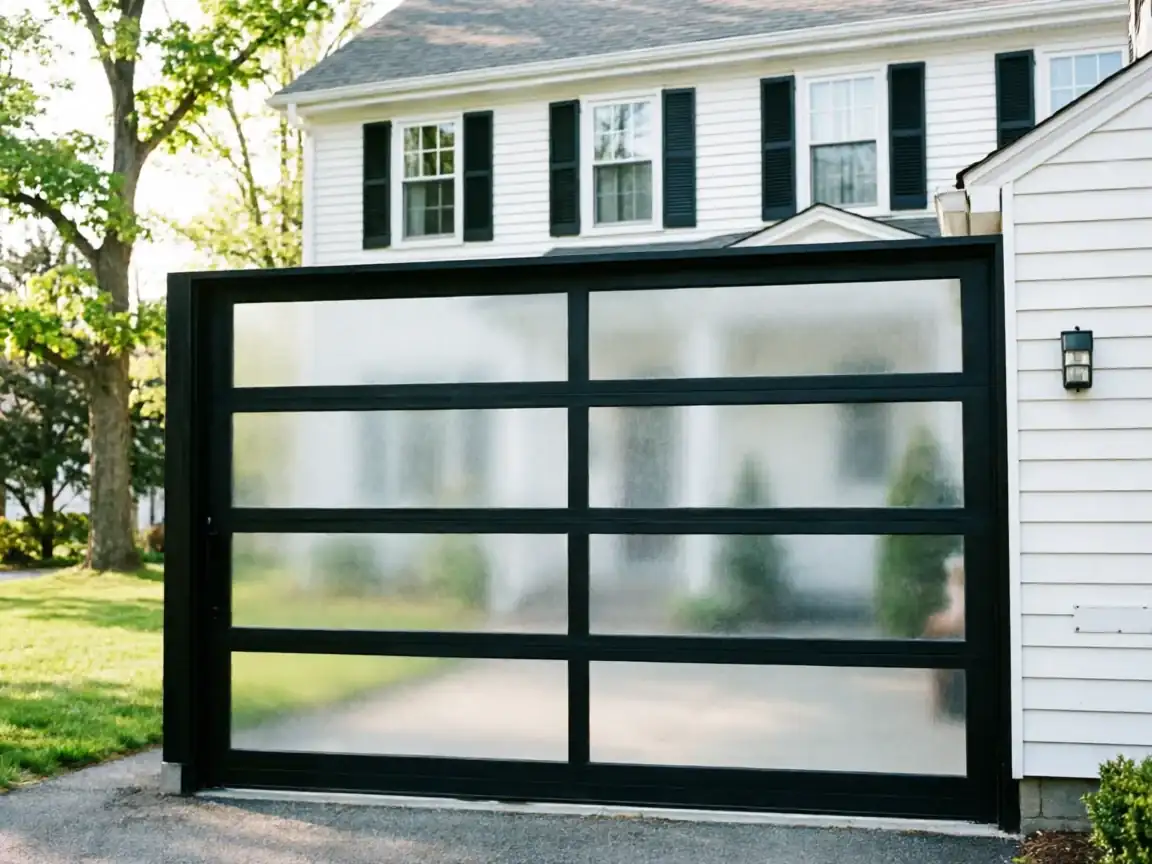
We don't stock full glass-panel replacement sections or custom-width doors
Those get ordered to the job, not carried on the truck. For anything in the standard range - most springs, most cable, most hardware - we're set up to fix it in one visit.
Doing It Yourself
A torsion spring under tension can put someone in the hospital. We don't walk homeowners through winding or unwinding one over the phone, and we won't start a job if someone's already tried and the spring is loaded wrong on the shaft. That's not a sales pitch - it's just the one repair on a garage door that isn't a DIY job, full stop.
There's plenty you can check yourself first, though. Look at the cables for fraying near the bottom bracket. Pull the emergency release and see if the door moves freely by hand when disconnected from the opener - if it's heavy or uneven, that's spring wear, not an opener problem, and no amount of opener adjustment will fix it. Clean and lubricate the rollers and track with a garage-door-specific lubricant, not WD-40, which washes grease out rather than replacing it.
If the door is original to a house built around 1963, replacing like-for-like hardware instead of patching it usually costs less over five years than repeated spring and cable repairs on a track that's reaching the end of its service life.
How to Book
Call or book through the site and tell us you're in Oakville - that's enough for us to plan the drive from Bristol into the day's route. We'll ask what the door is doing (won't open, makes noise, opener runs but door doesn't move) so the truck is loaded with the right spring size and cable before it leaves.
Same-day service depends on where Oakville falls in that day's route, since every call here is a real trip out and back. We'll give you a window when you book rather than promise an exact hour we can't guarantee from across town.
What It Costs
We don't quote a flat number for Oakville over the phone
Because spring size, cable length, and whether hardware needs to be special-ordered all change the bill - and on a house from the early 1960s, that hardware question comes up more often than it does on a newer build. What we can tell you is that a diagnostic visit and a straight spring or cable swap is a different job than one where we're also replacing bent track or an end bearing plate that's seized to the shaft.
Household income in this part of the service area runs a bit under the wider area's median
And we price the job the same way we would anywhere else - by what the door needs, not by the ZIP code. We'll give you the number on site, before any work starts, so there's no surprise on the invoice. For the broader service area's general service page and pricing approach, see our main Bristol repair page.