Doing Nothing For Now
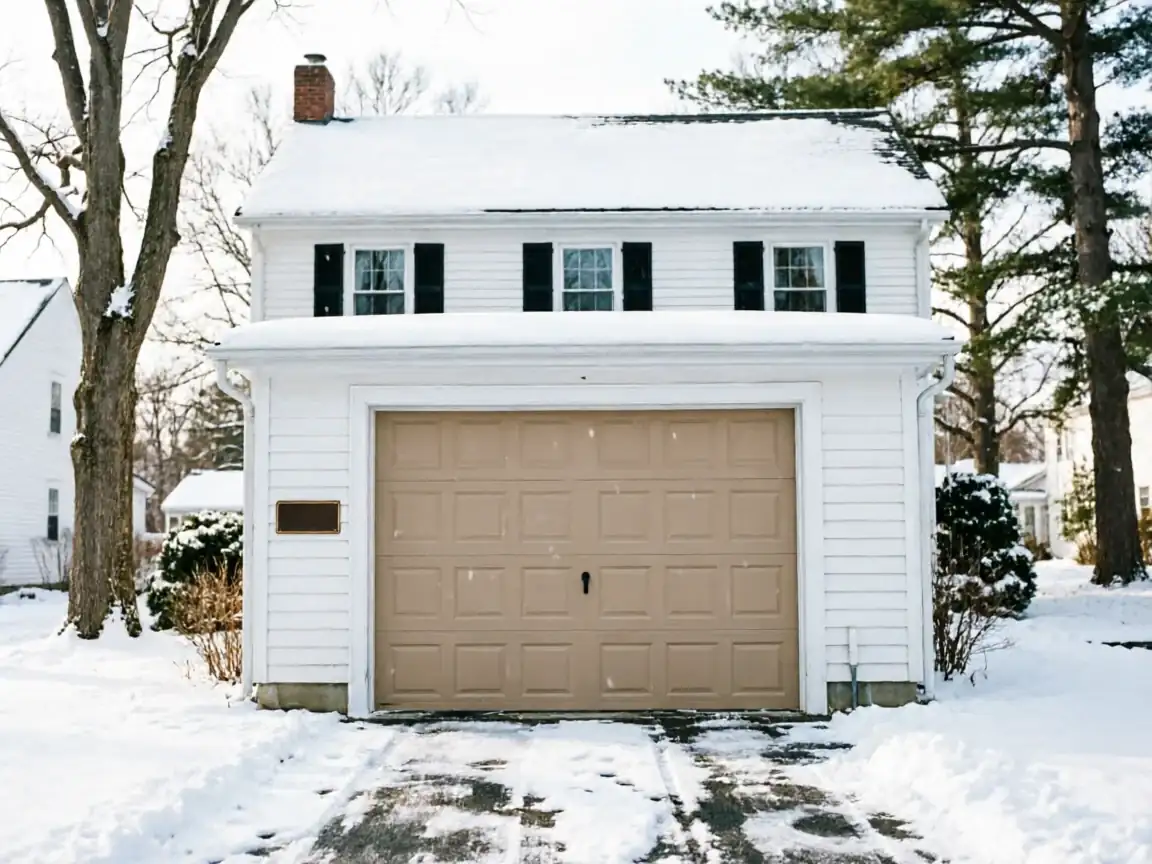
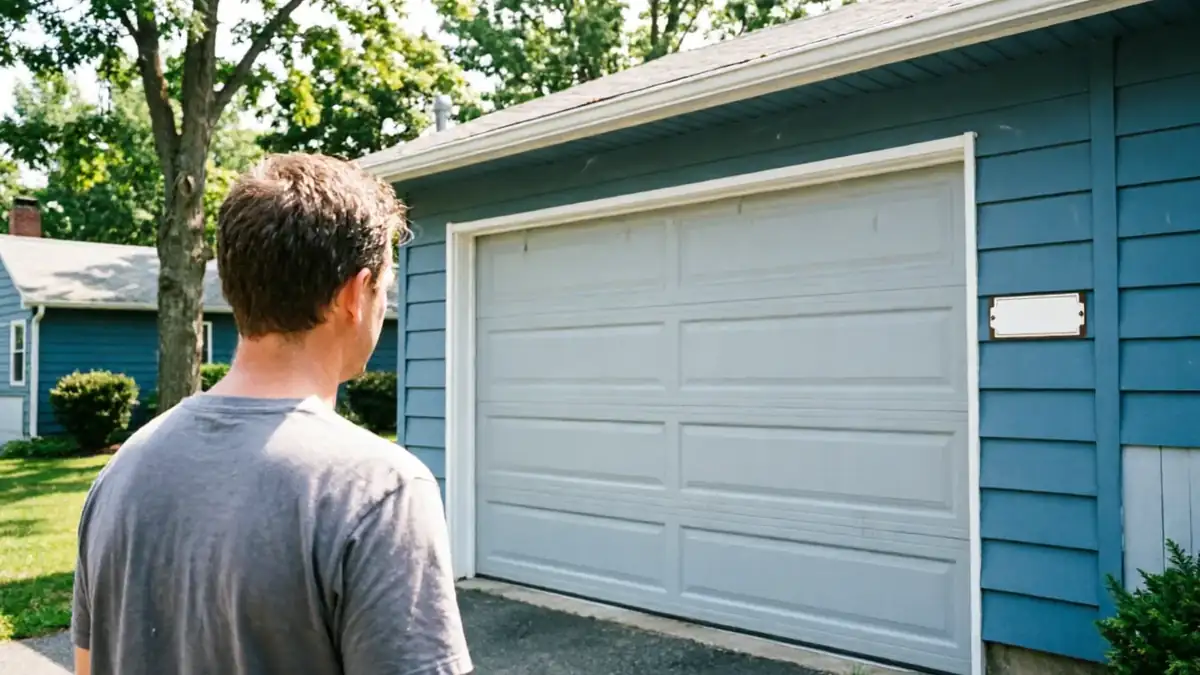
If the door still opens, closes, and seals at the bottom, you don't need to act just because it's old. A lot of Bristol houses - in and the older blocks near the center - carry doors that date back to the original build, somewhere in that 1938 to 1986 window with the median landing around 1971. Steel and wood from that era can still be sound if it was maintained.
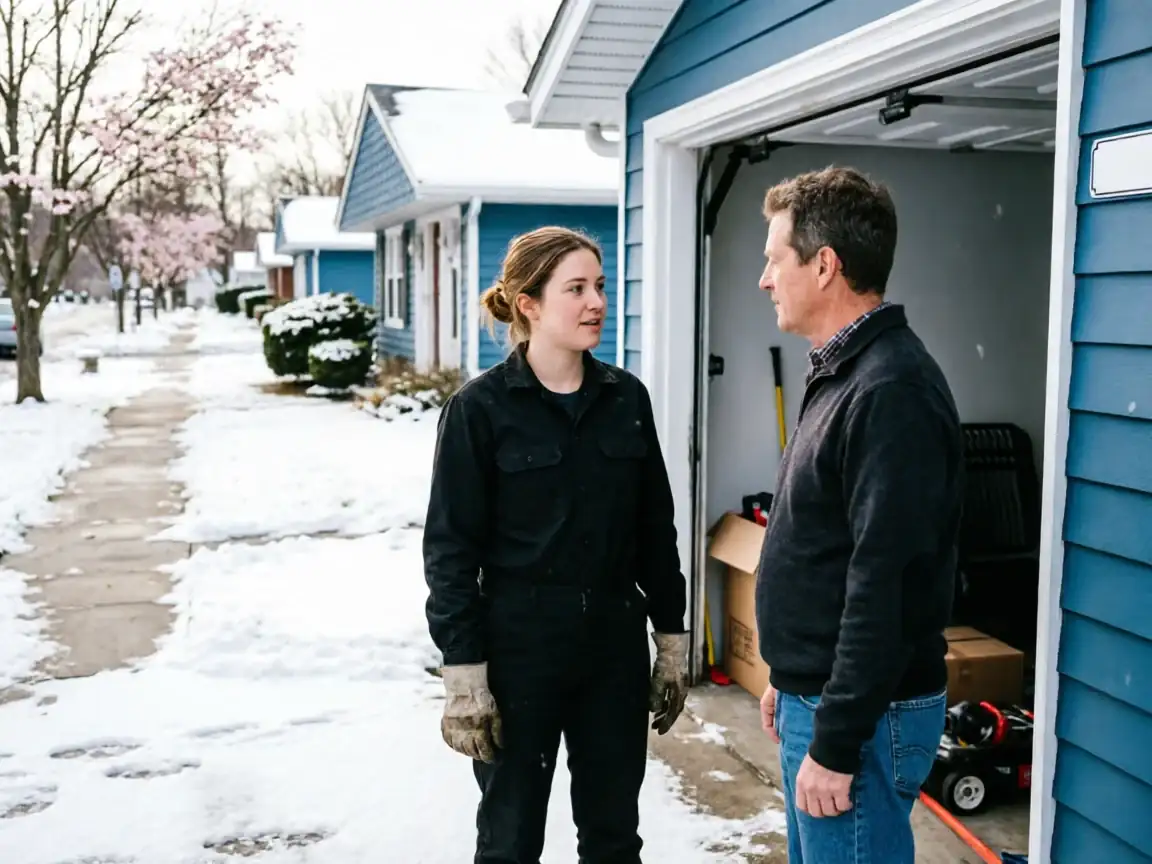
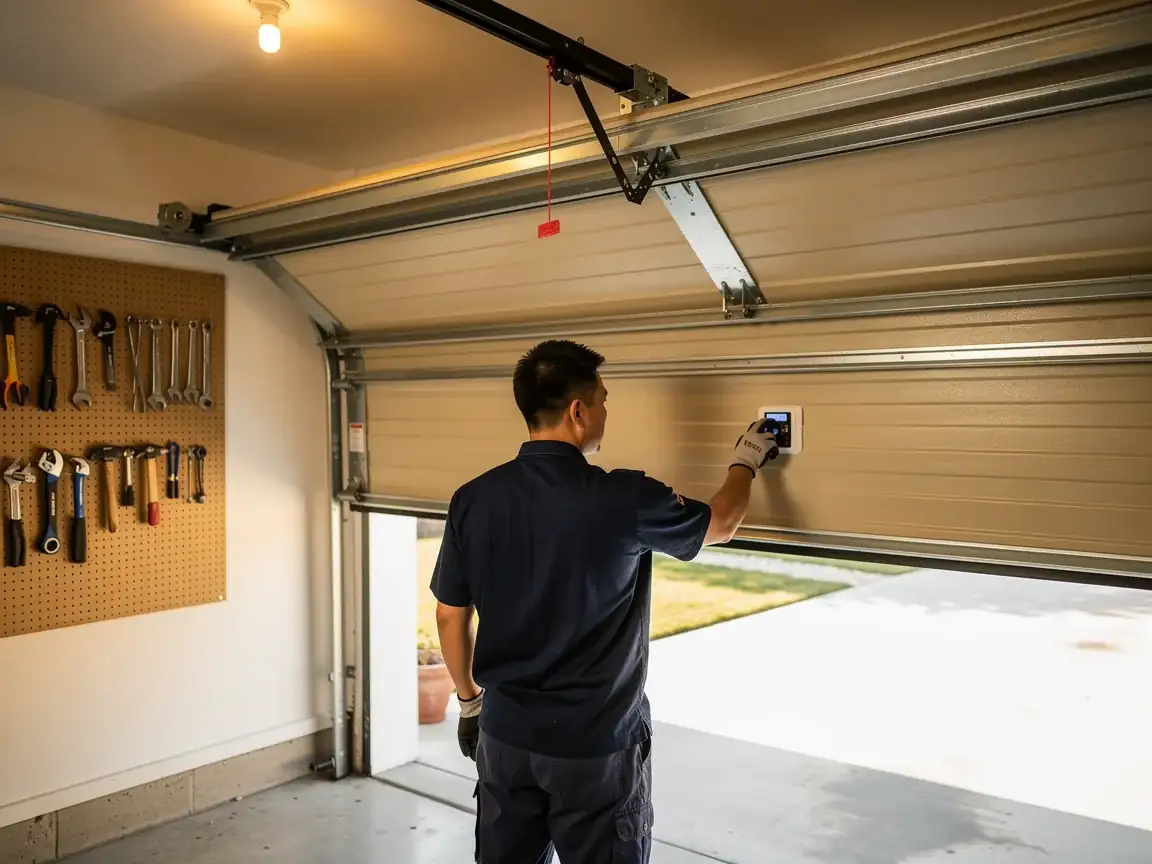
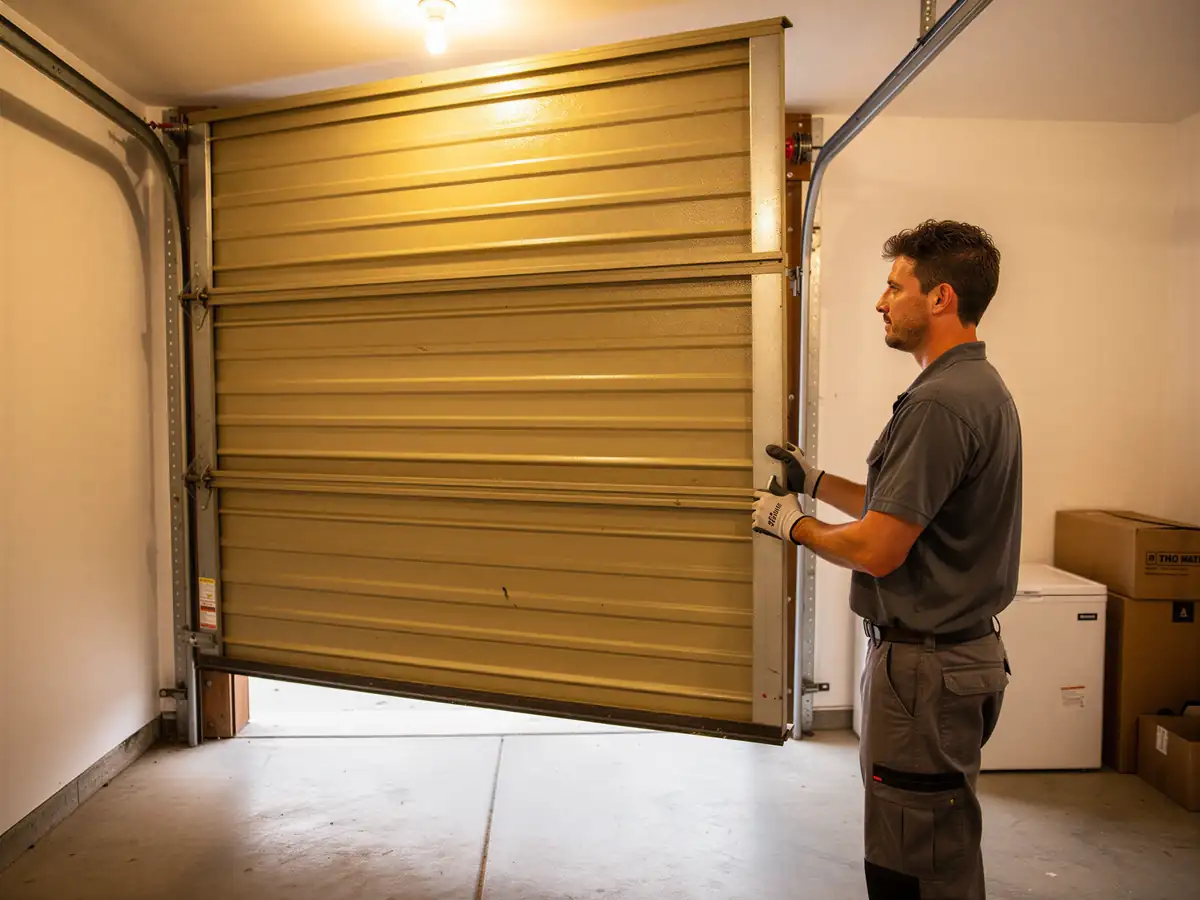
The honest answer is that waiting costs you nothing extra as long as the spring isn't visibly stretched or rusted through and the panels aren't warping at the seams. What waiting does cost you is predictability. A door that's been running on its original torsion spring for 50-plus winters in a cold, severe climate band doesn't fail gently - it usually fails on the coldest morning of the year, when the steel has contracted and the lift load is at its highest. If you're not ready to replace, at least know what a failure looks like before it happens, so you're not guessing at 6 a.m. in January.
What to Check
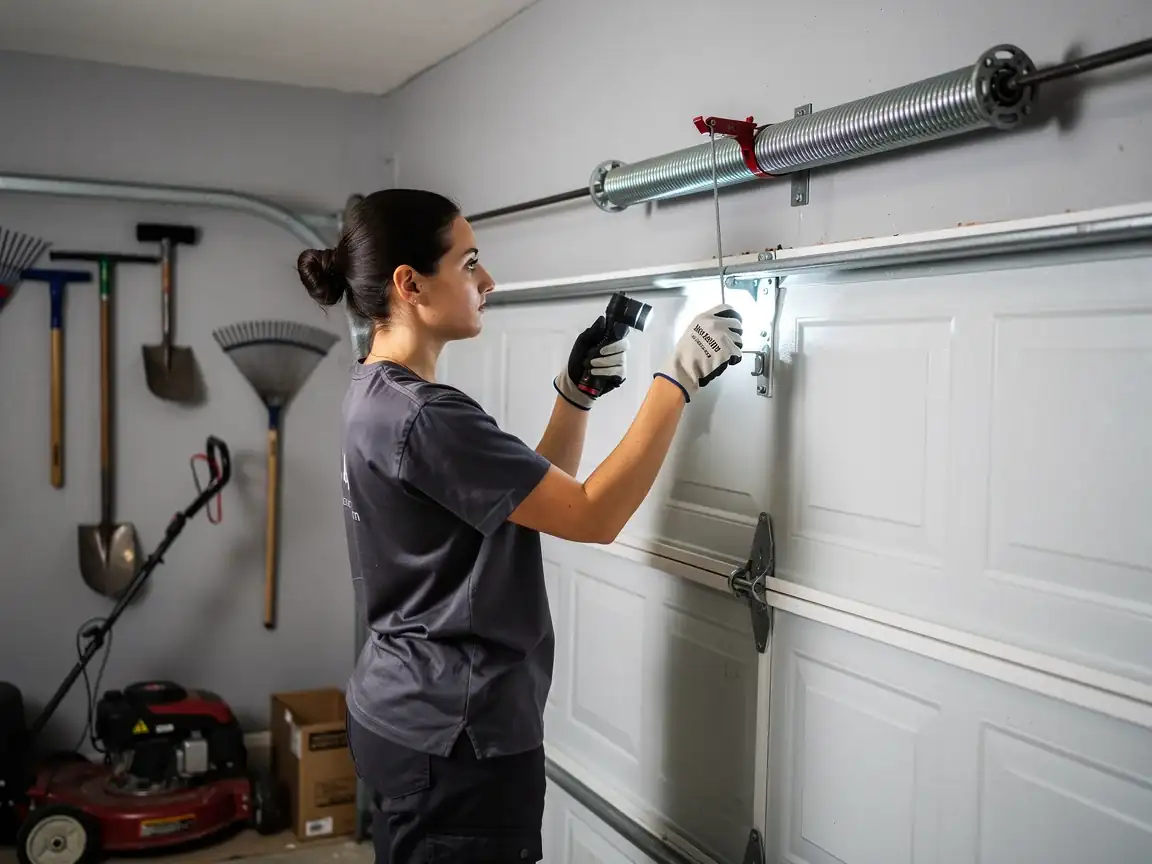
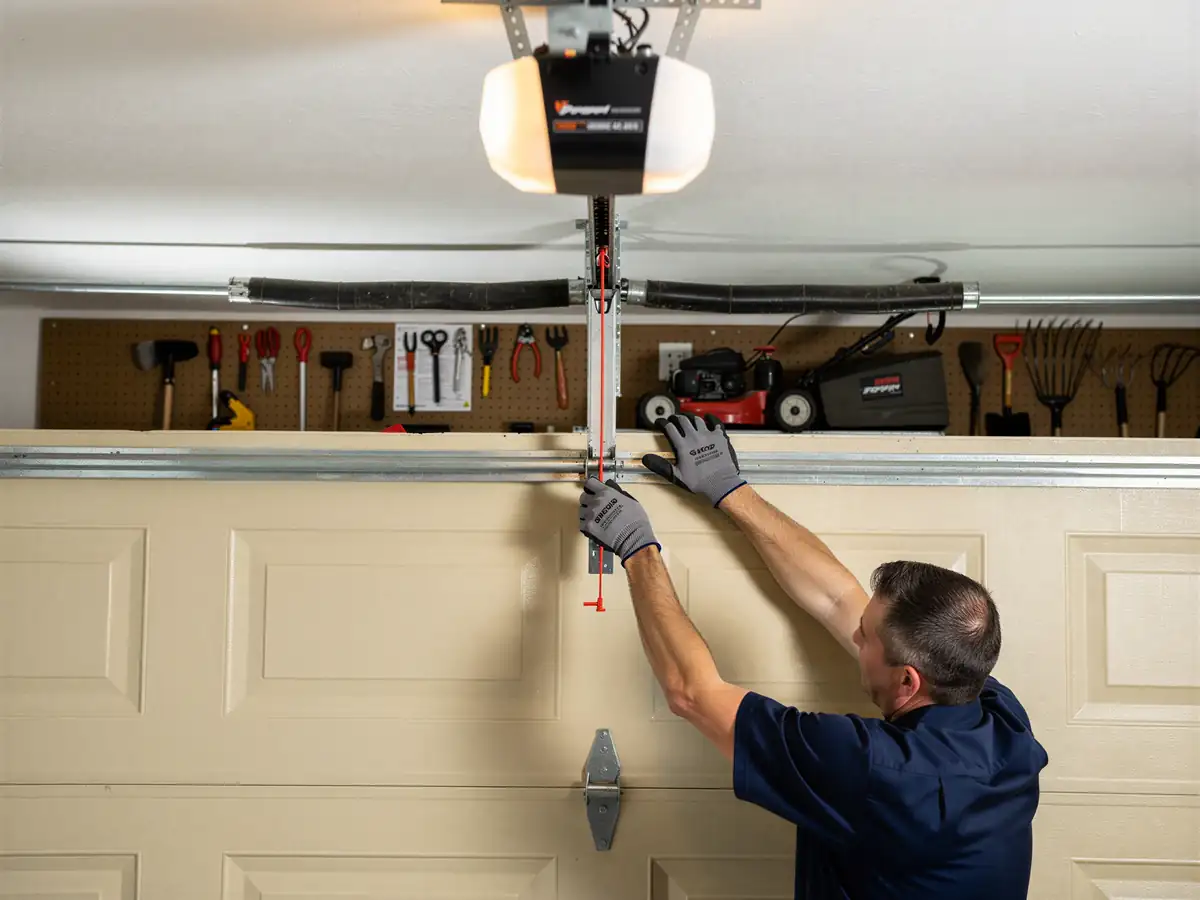
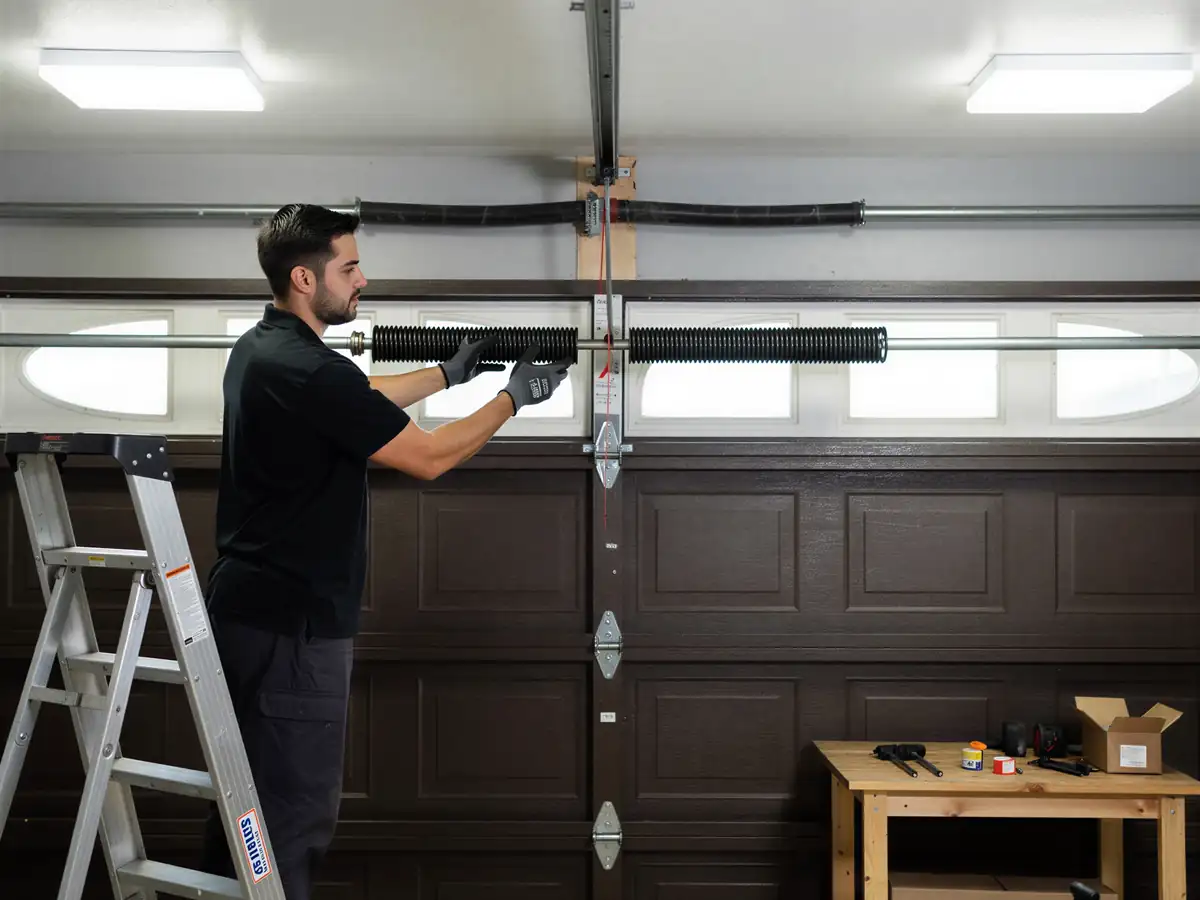
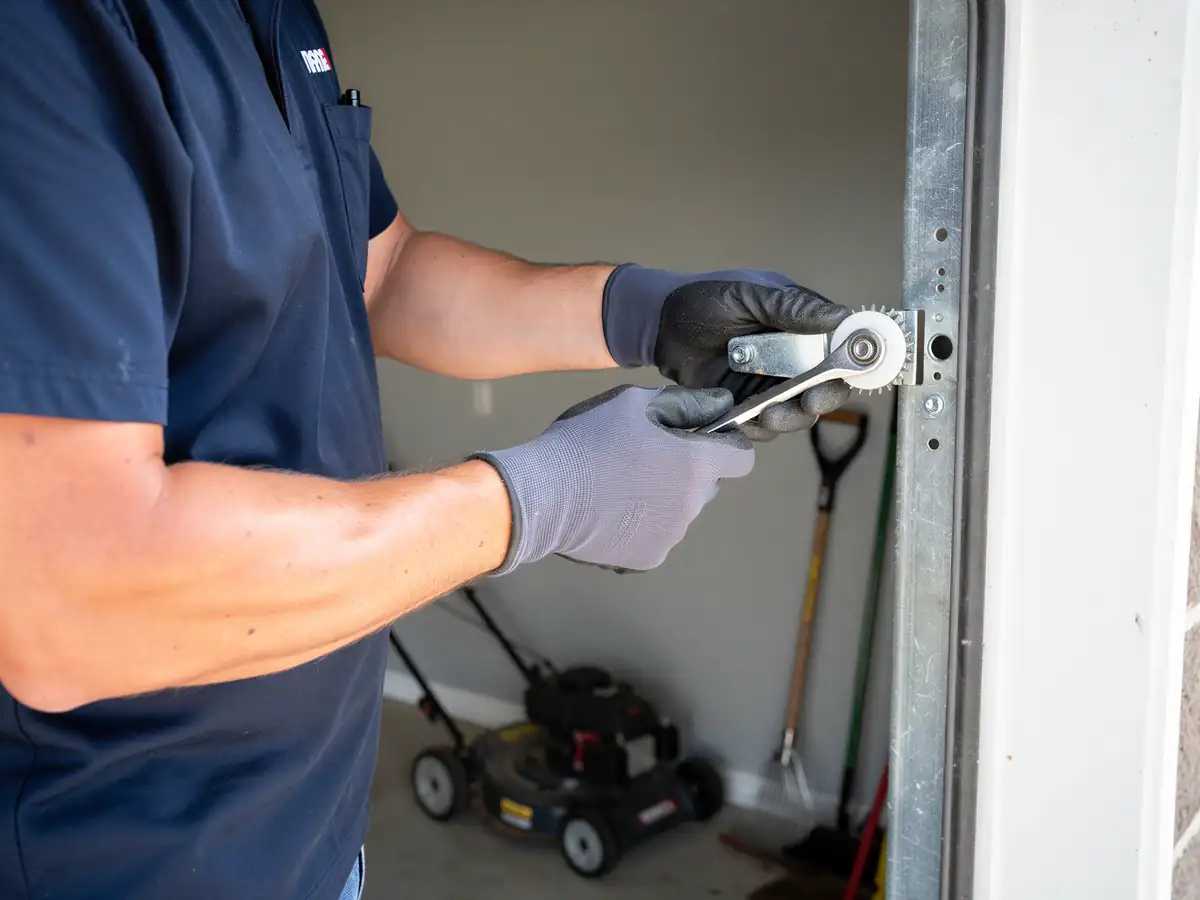
Start with the spring. On a house built in the 1960s or 70s, you're likely looking at a single torsion spring rated for a lighter steel door than what's probably been hung on it since - check for flat spots, gaps between coils, or a spring that looks stretched compared to its neighbor coils.
Next, the bottom seal. In a cold, severe climate, the rubber astragal hardens and cracks faster than people expect, usually within a handful of winters, and once it's hard it stops sealing against snowmelt and wind. Press it with a thumb - if it doesn't flex, it's done.
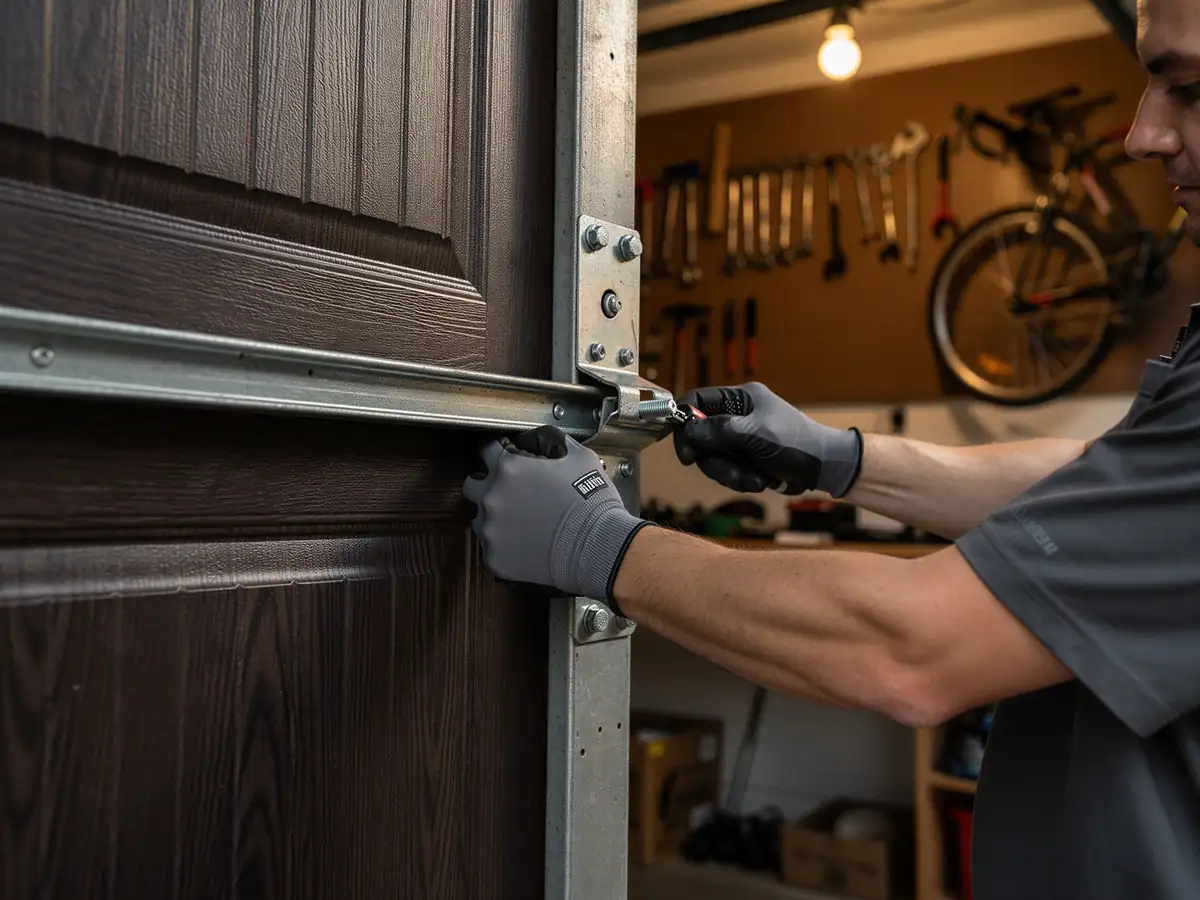
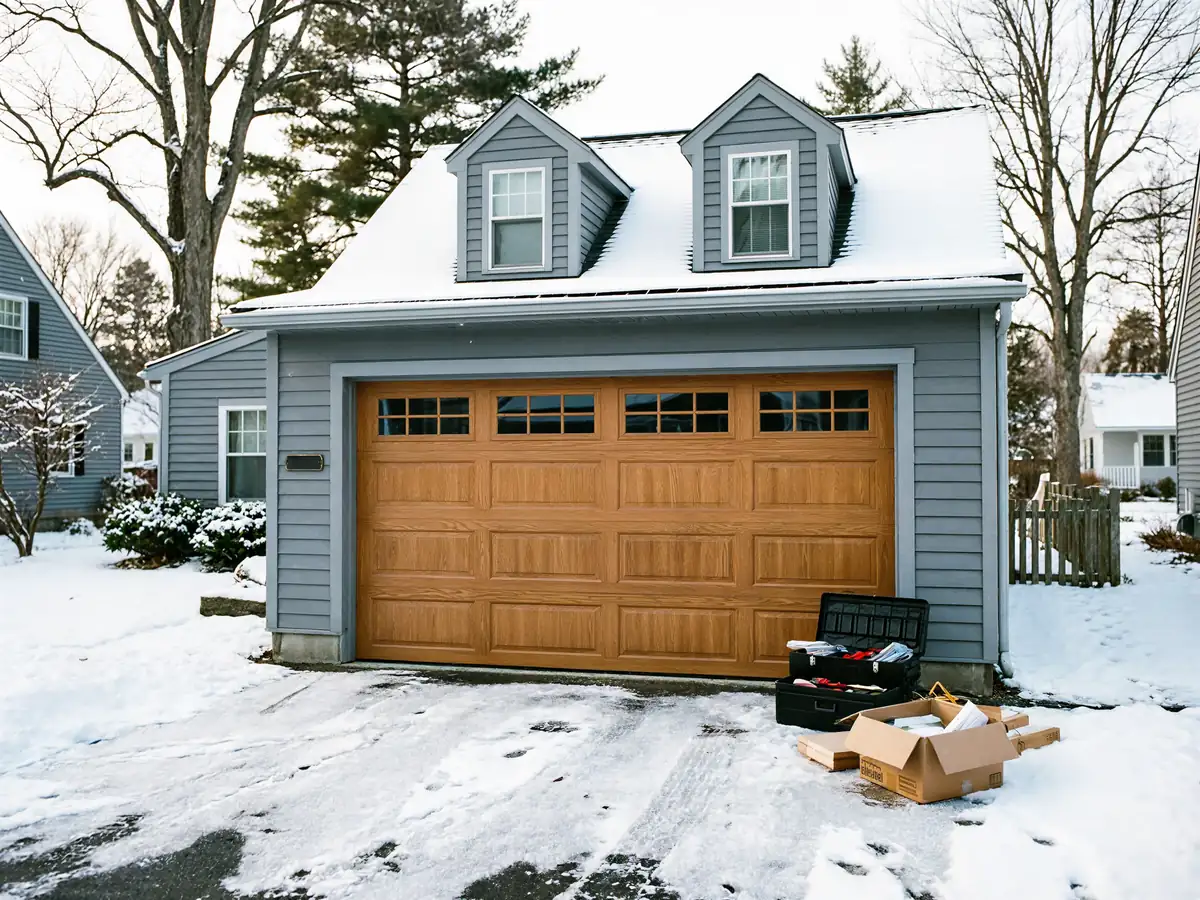
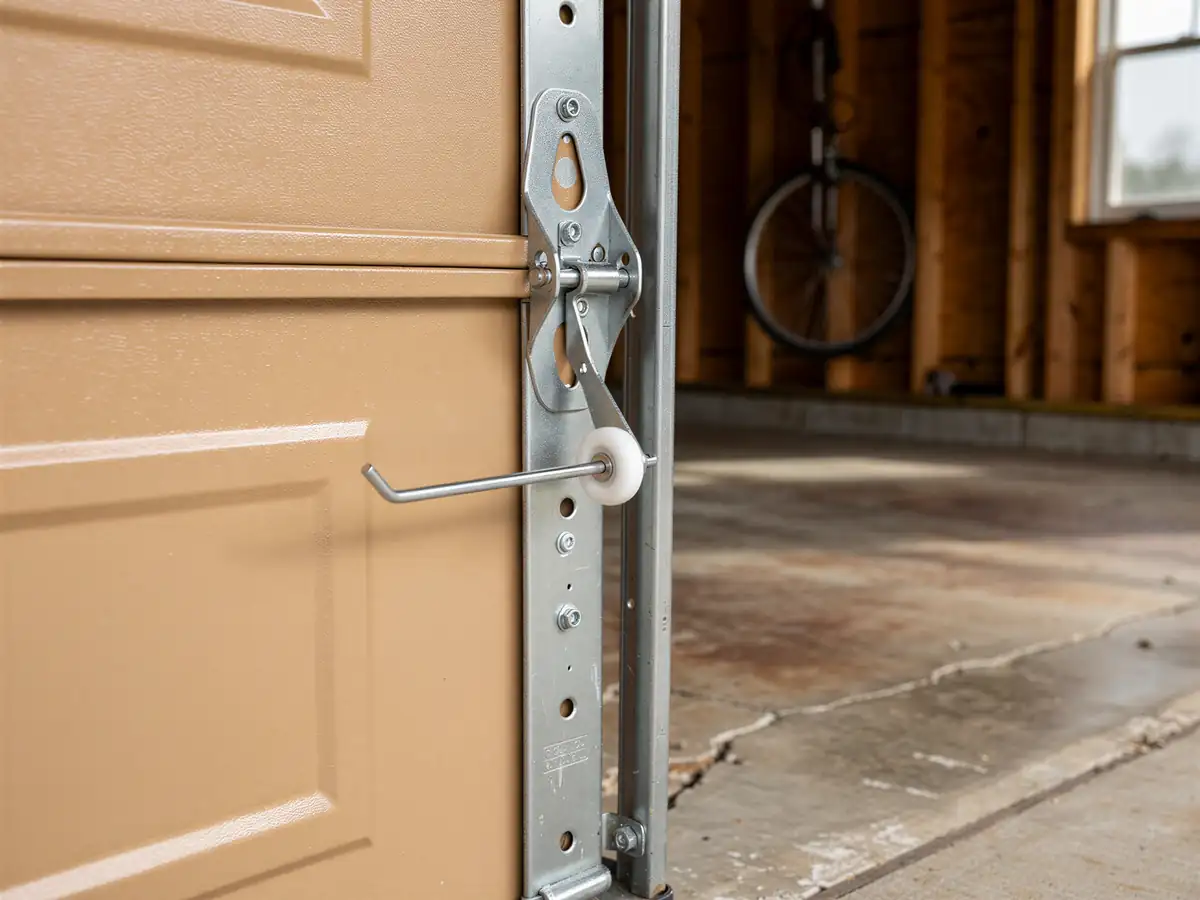
Check the track bolts for rust streaks running down the jamb, a sign that older doors with minimal insulation have been sweating against cold drywall or framing for years. Last, look at the panels themselves for ripple or bow along the bottom two sections, which is where moisture and road salt splash sit the longest on a Bristol driveway through winter.
The Problem
The core issue across Bristol and the nearby neighborhoods
Plainville, Plymouth - is that so much of the housing stock is the same age. When 347,716 households and 181,634 owner-occupied houses across the wider service area were mostly built in one 1960s-70s wave, a lot of garage doors are reaching the end of their working life on the same timeline, not spread out randomly.
- 347,716 households
- 181,634 owner-occupied
That means parts scarcity is a real problem, not a theoretical one
A single torsion spring sized for an original one-piece or early sectional door isn't always something a supplier keeps on the shelf anymore, and matching an obsolete track profile can mean a longer wait than you'd want in the middle of a cold snap.
With a median household income of $107,435 across the area
Most owners here can reasonably choose full replacement over a patch when the math says so - but that's a decision worth making with eyes open, not one to make by default just because a part is hard to source.
- $107,435 median household income
What Local Conditions Do
Bristol sits in a cold, severe climate band, and that shapes what actually breaks here versus somewhere milder. Steel contracts in deep cold, which raises spring tension right when the opener is working hardest - that's why torsion springs on older, barely-insulated doors tend to let go in January, not July.
Moisture matters too. Snowmelt and road salt splash sit on the bottom panel and track through a long cold season, and on doors built before better-sealed bottom sections were standard, that means rust starting from the bottom up rather than failing all at once.
If your house is further out toward the same mid-century housing stock and the same climate exposure apply - there's no part of Bristol where the cold lets an aging door off easy. None of this means every old door needs to come out this year. It means the failure pattern here is predictable enough that you can plan around it instead of being surprised by it.