Doing Nothing For Now
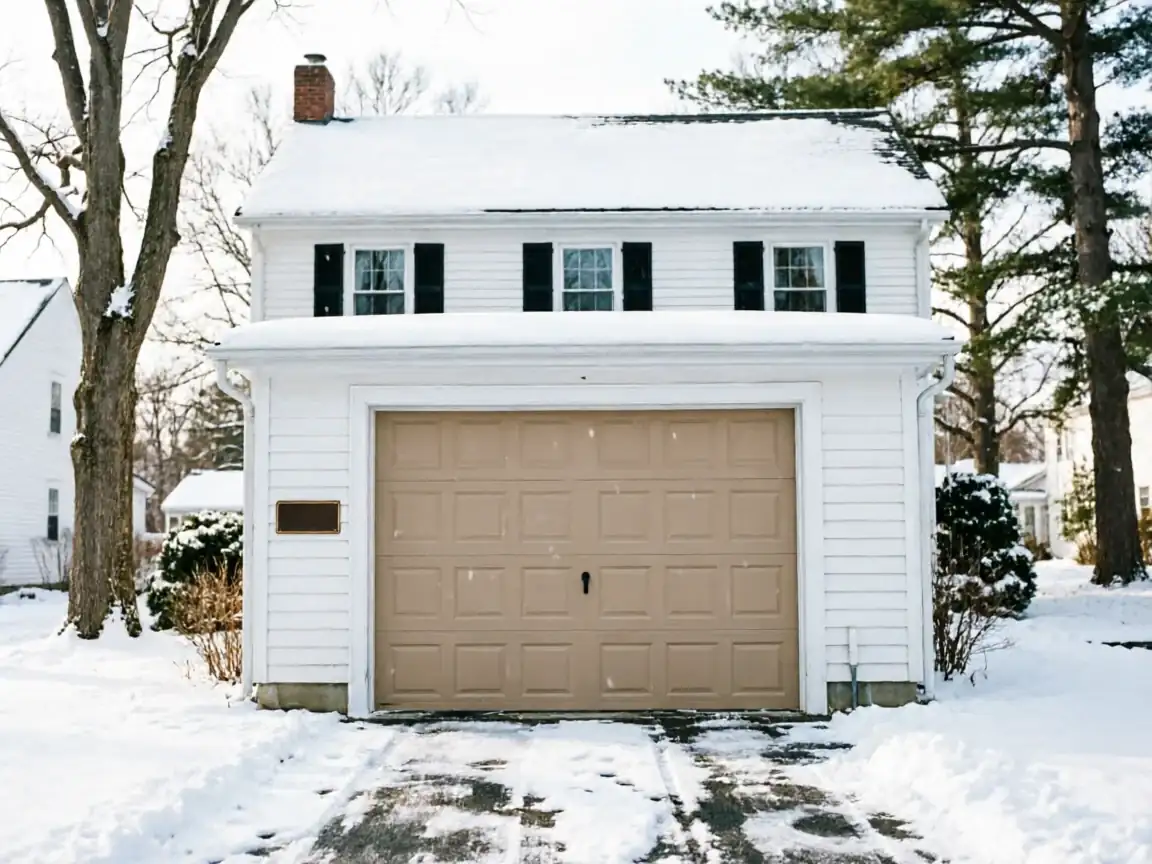
If your opener still runs and the door still goes up and down, you don't need to touch it. Most houses in Bristol and the areas around it went up between 1938 and 1986, median right around 1971, and plenty of those original garage setups are still doing their job. There's no reason to replace a working opener just because it's old. What matters is knowing what it can't do. An opener from that era, or even one bought ten or fifteen years ago as a straight swap, almost never has a battery backup built in. That's fine on a clear day. It's not fine when the power drops and you're staring at a closed door with your car on the wrong side of it. Doing nothing is a reasonable choice right up until the first winter outage, and then it's a scramble. The fix isn't urgent. The awareness should be.
What to Check
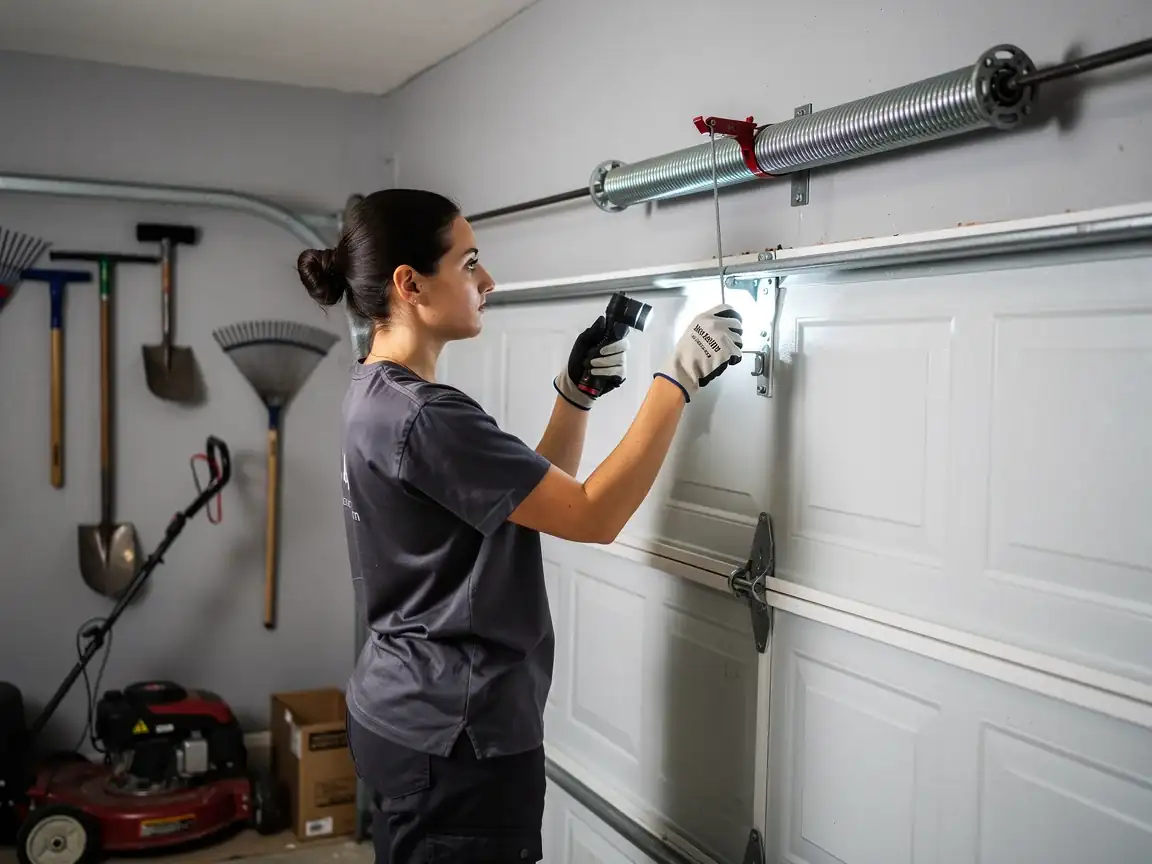
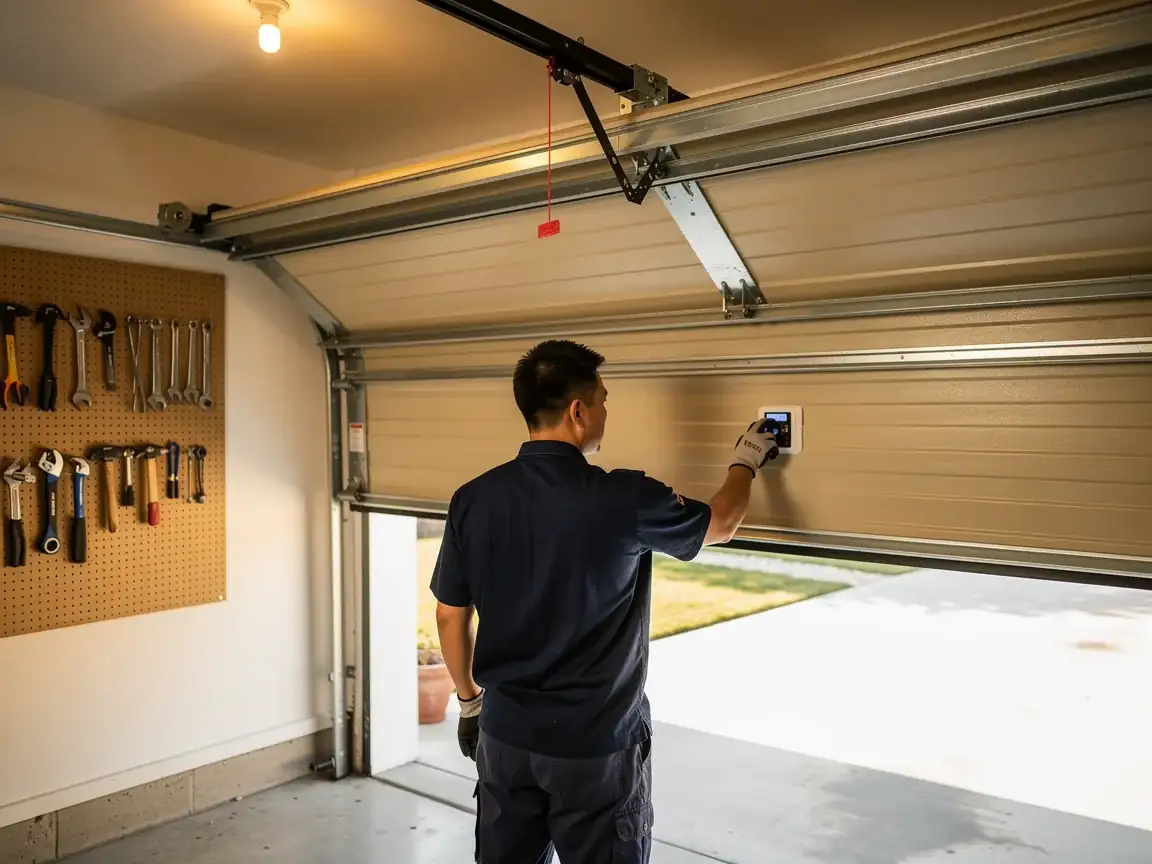
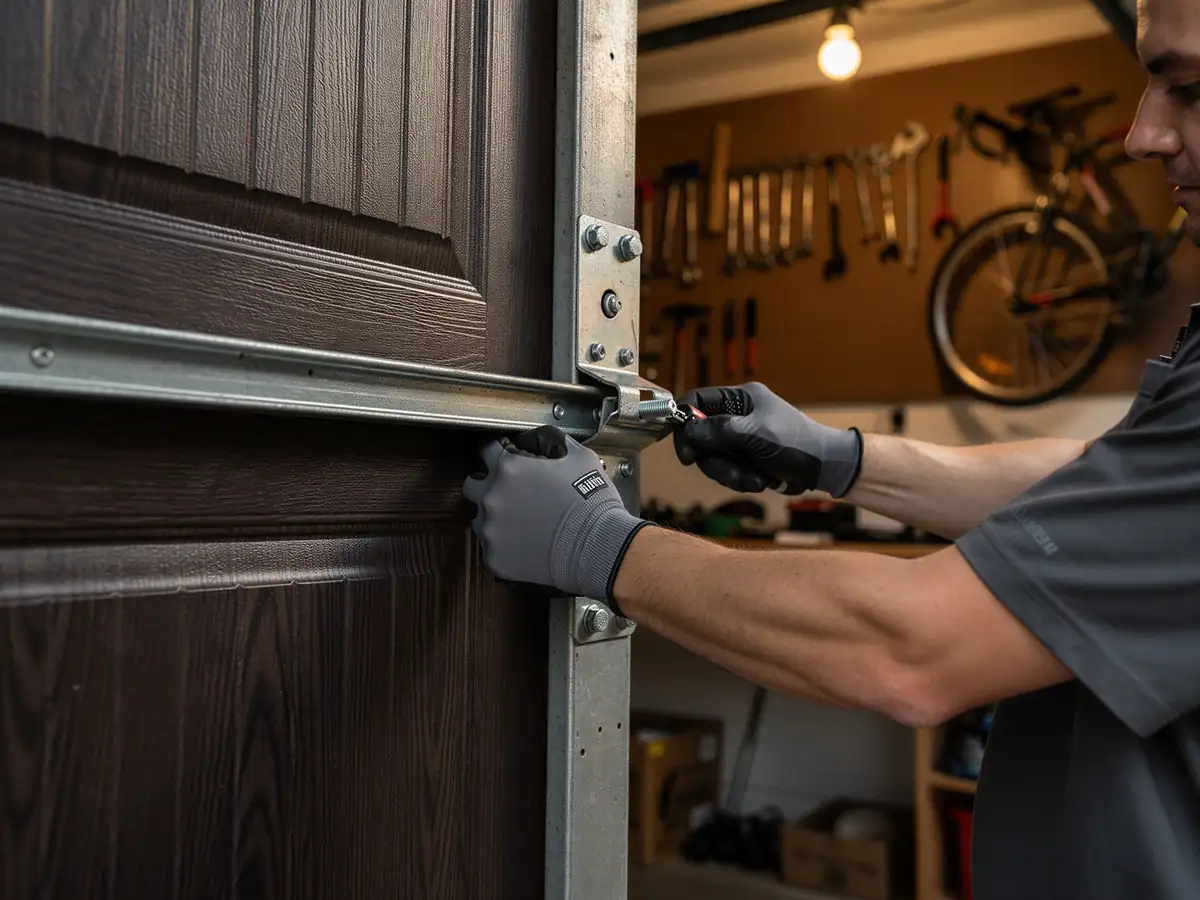
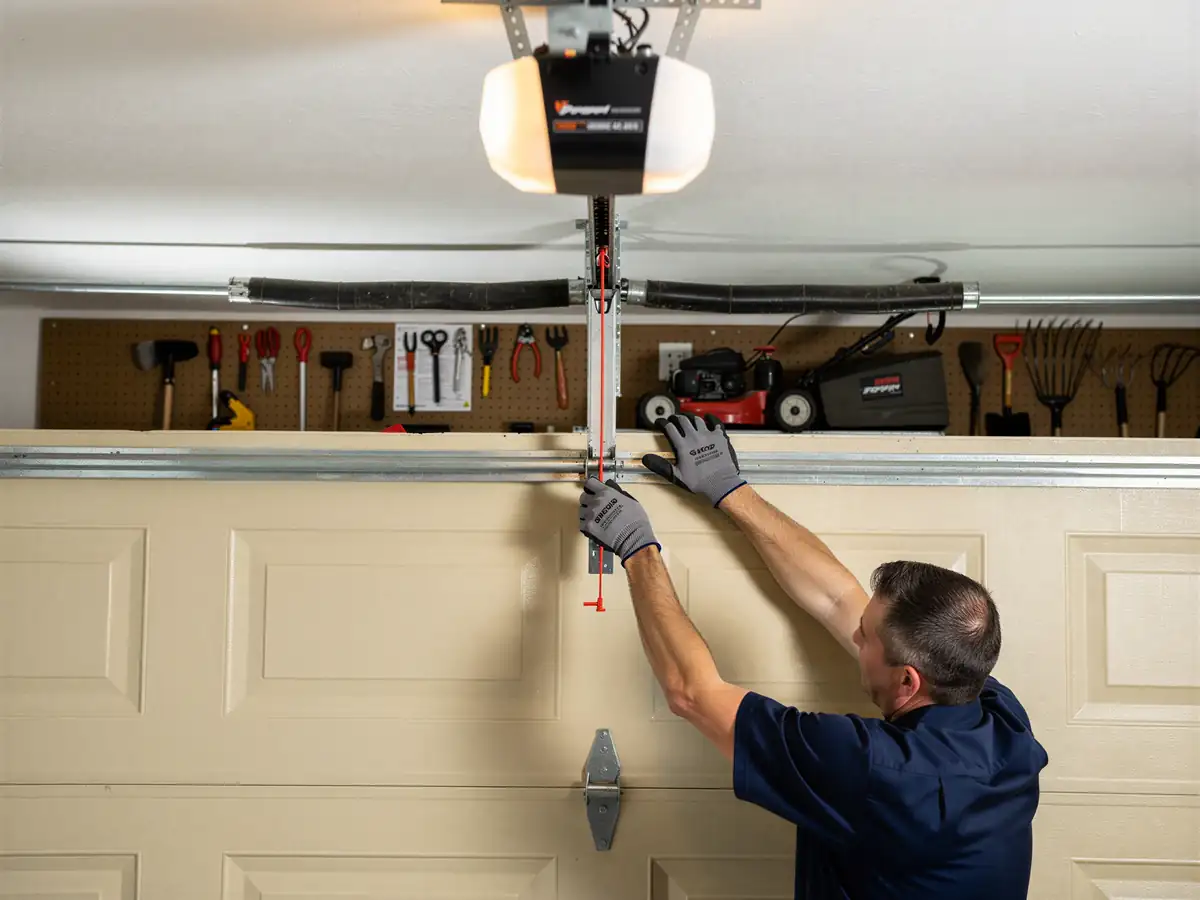
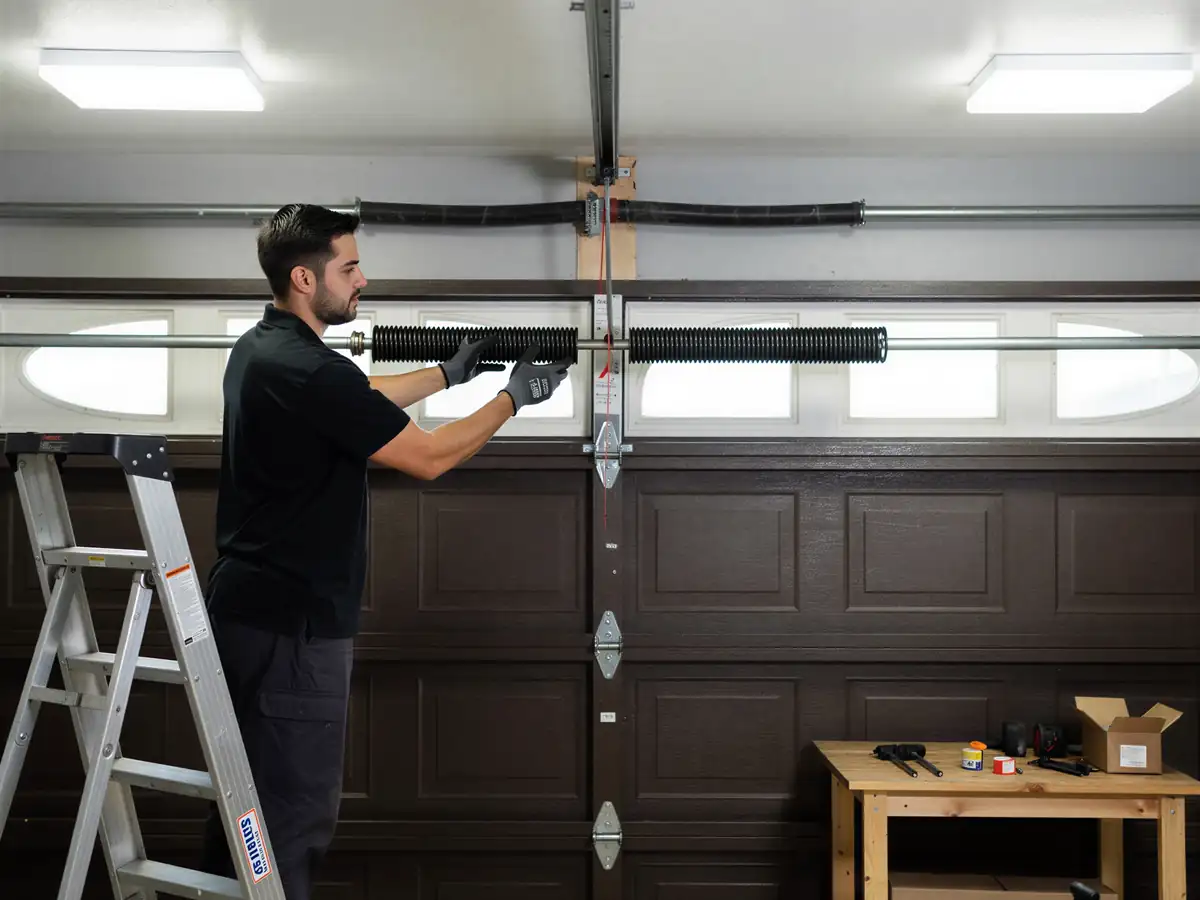
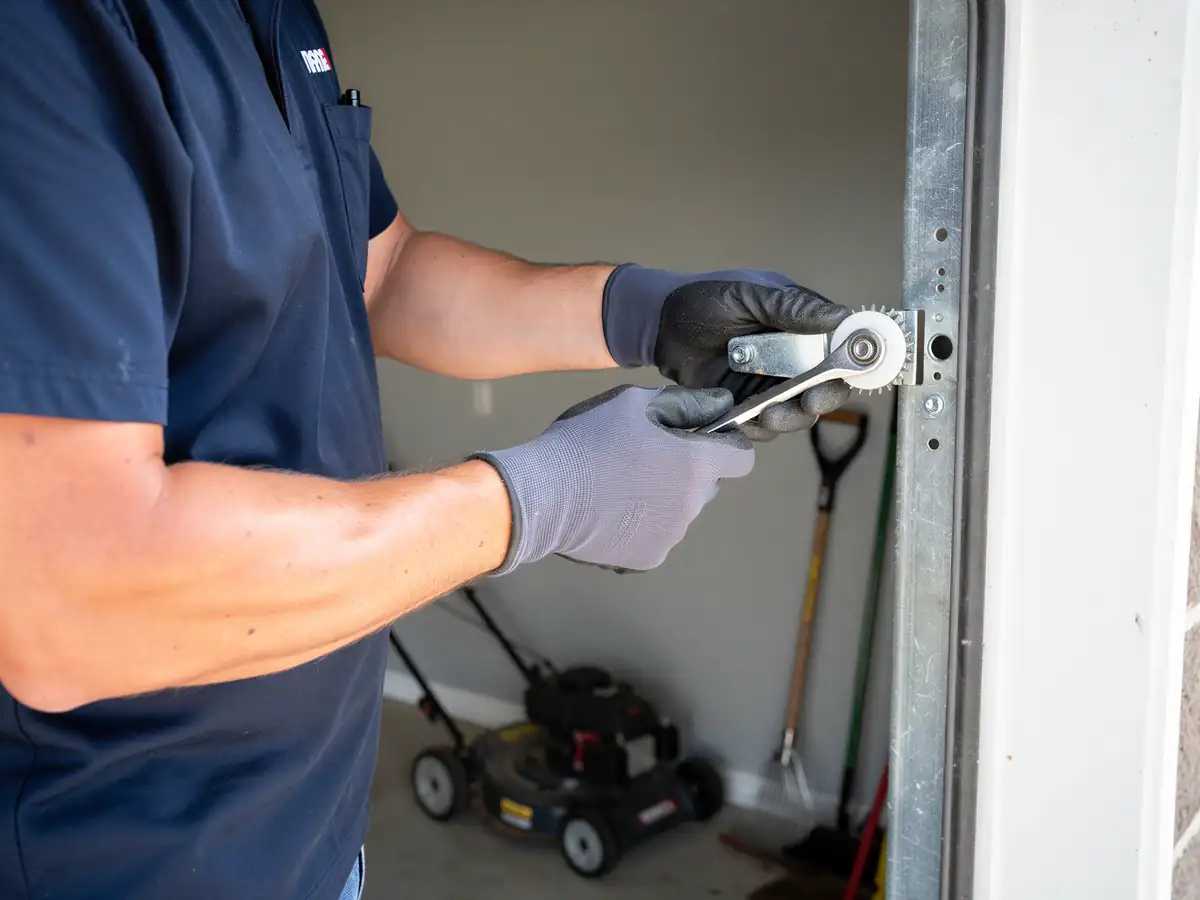
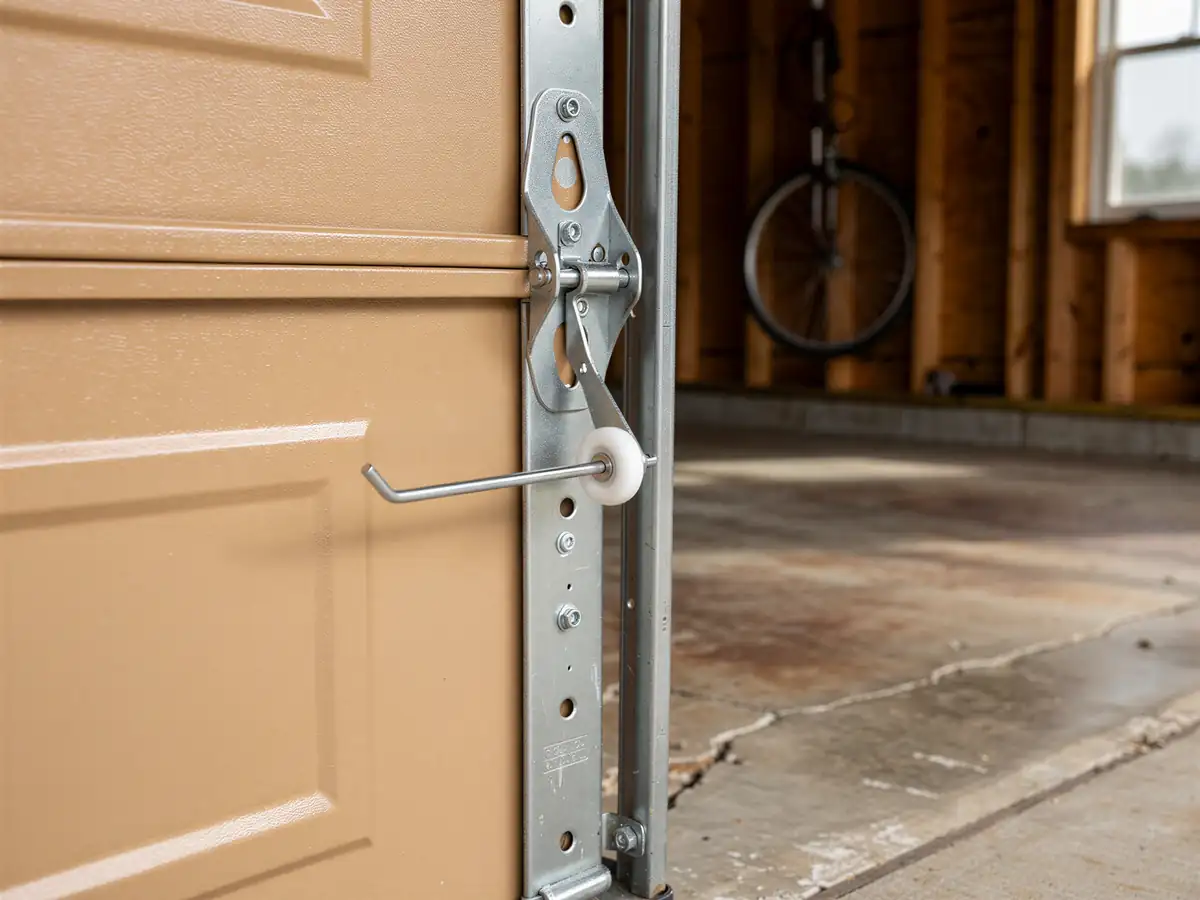
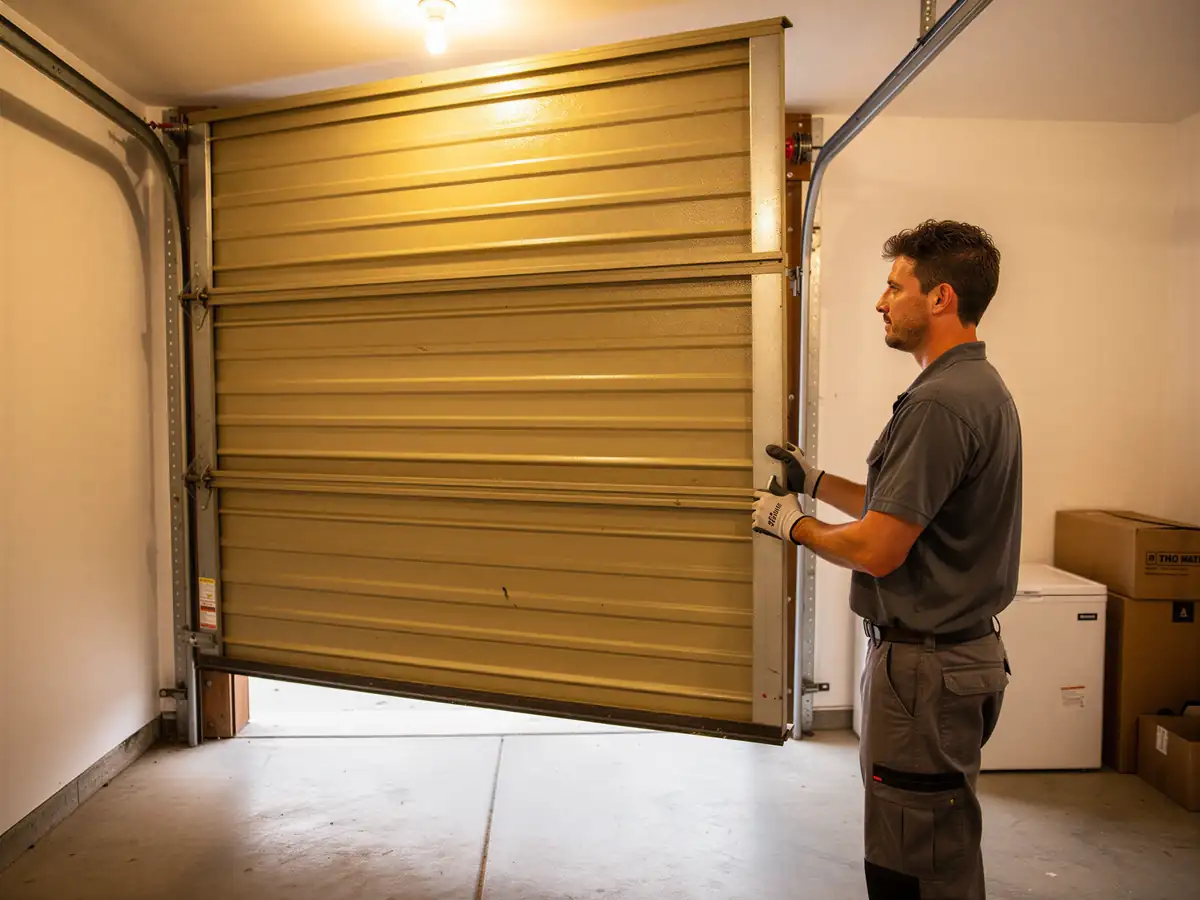
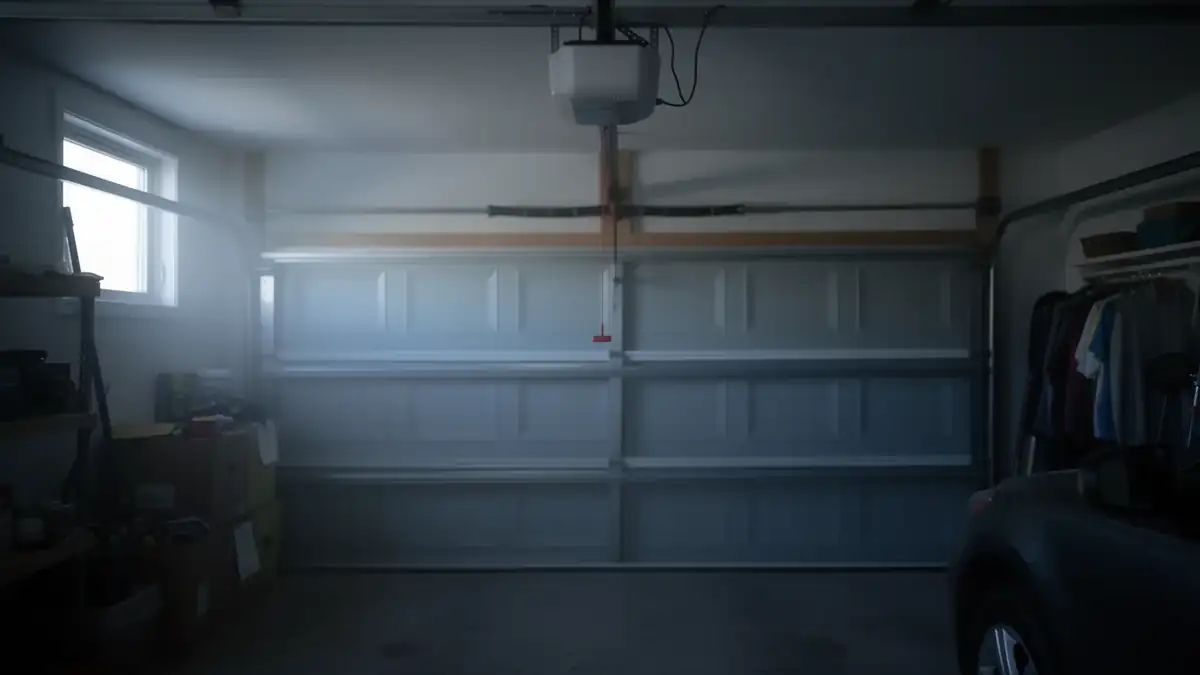
Start with the manual release cord - the red handle hanging from the trolley on the track. Pull it and the door should move freely by hand, disconnected from the opener motor. If it's stiff, painted over, or you can't find it, that's worth fixing before you need it in the dark. Next, look at the opener head unit itself for a small battery compartment or backup indicator light; most units built before the last decade simply don't have one, which is typical for houses from the 1960s and 70s wave that makes up so much of this area's stock. Check whether your garage outlet is on a circuit that would support an aftermarket battery backup unit if you added one later. Last, check the door itself - springs and rollers don't care about power, but a door that's already dragging on its tracks will fight the manual release twice as hard when you need it most.
What Local Conditions Do
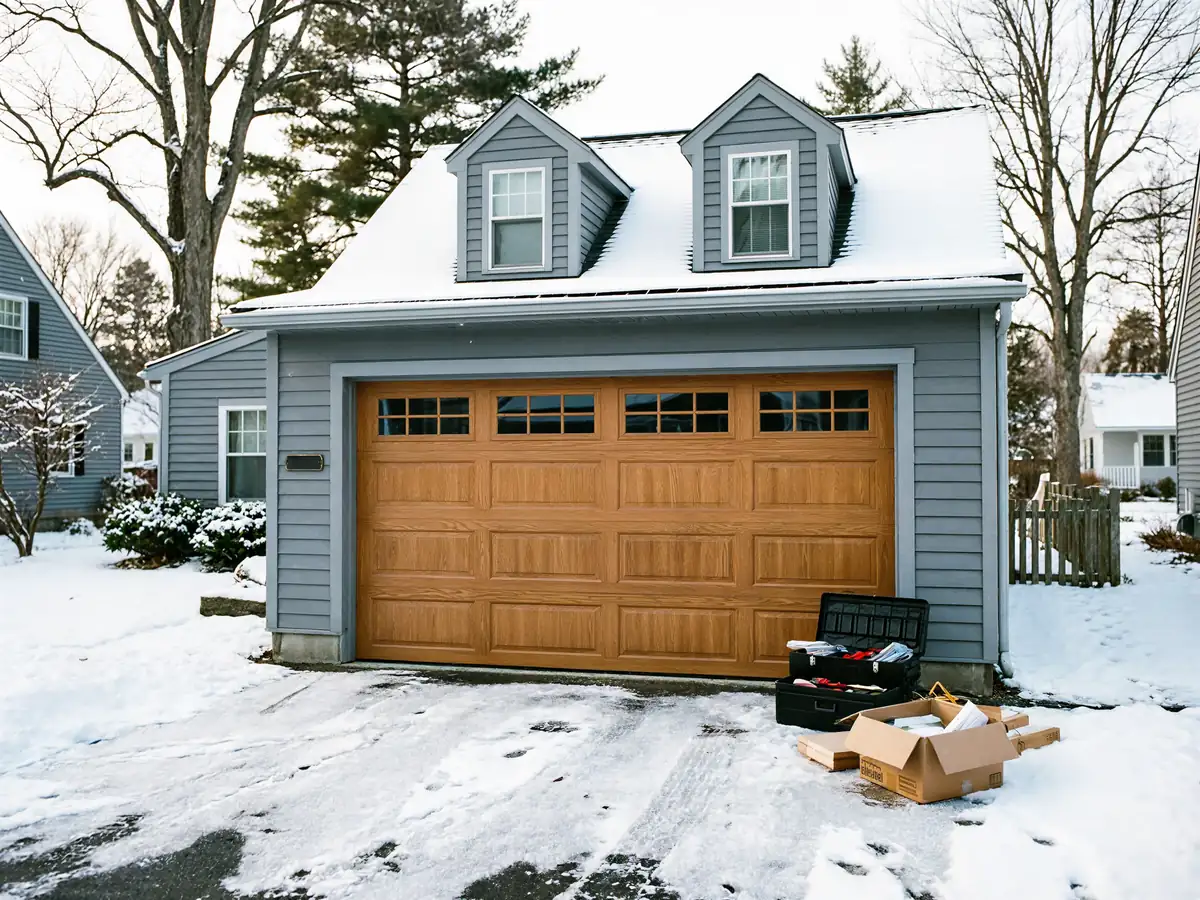
Cold-severe winters do two things to a garage door system at once. First, metal contracts - tracks tighten, rollers bind, lubricant thickens, and anything already marginal gets worse exactly when you need it least. Second, that same cold is what causes the ice loading and line damage that knocks out power across the area in the first place. Put those together on a house from the 1960s or 70s stock that dominates here, and you get a door that's harder to move by hand right when the opener that would normally move it for you has quit. We don't run new electrical circuits to add a battery-backup unit if your garage wasn't wired for one originally, and a lot of houses from this era weren't - that's an electrician's job, not ours. What we can do is make sure the manual release and the door's physical hardware are in shape to handle a cold-weather outage, so the backup isn't your only backup.