The Symptom
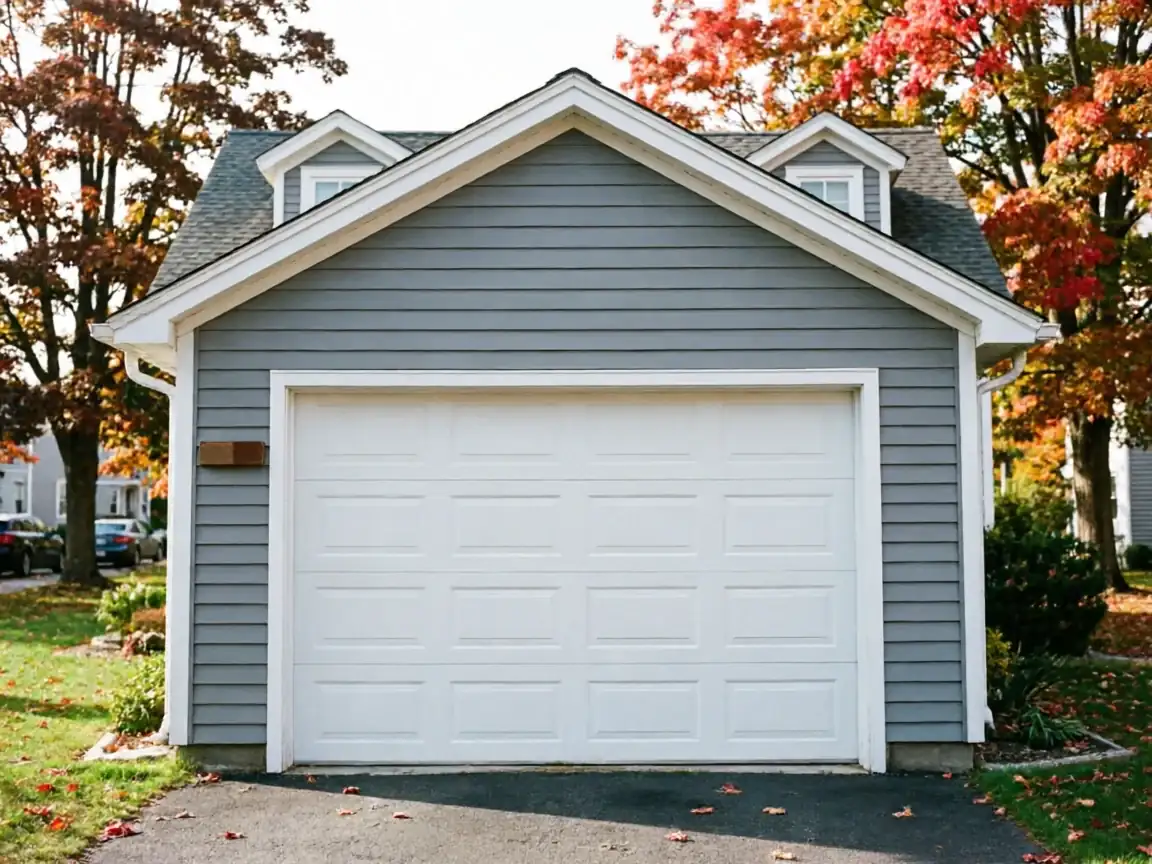
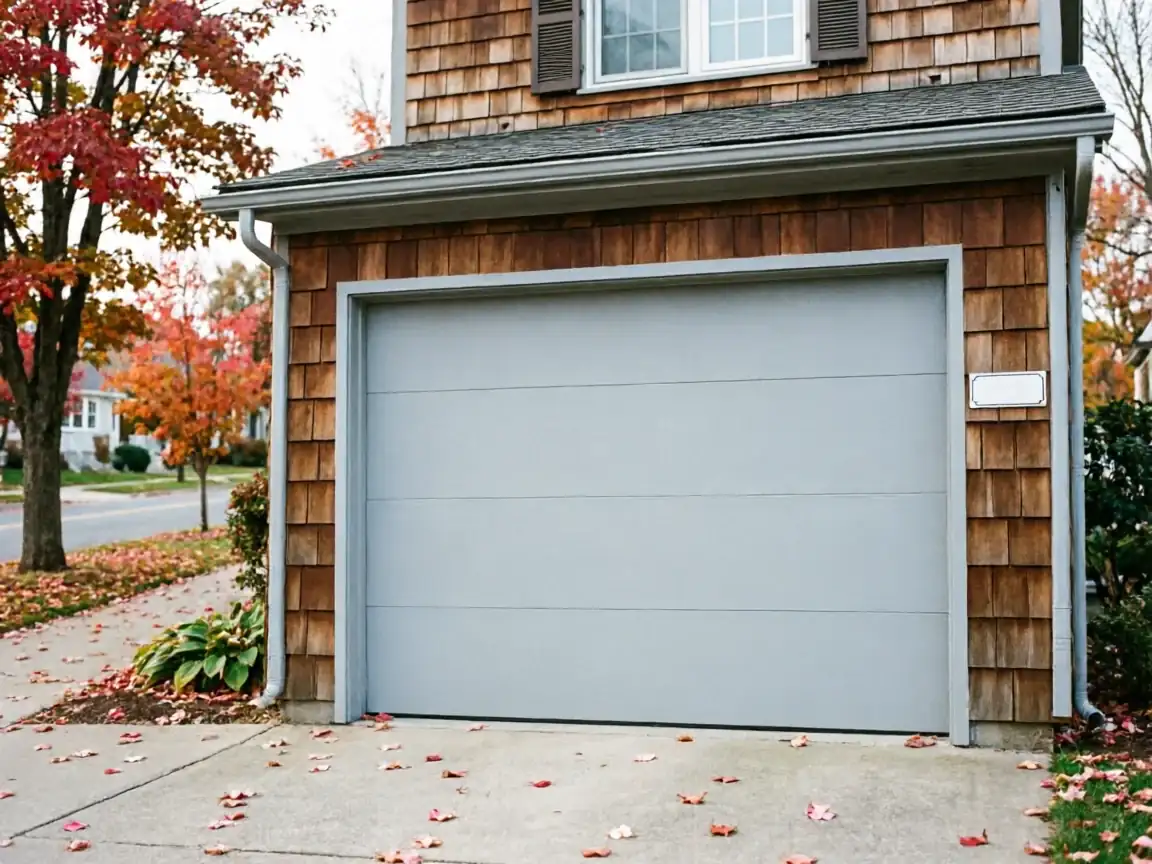
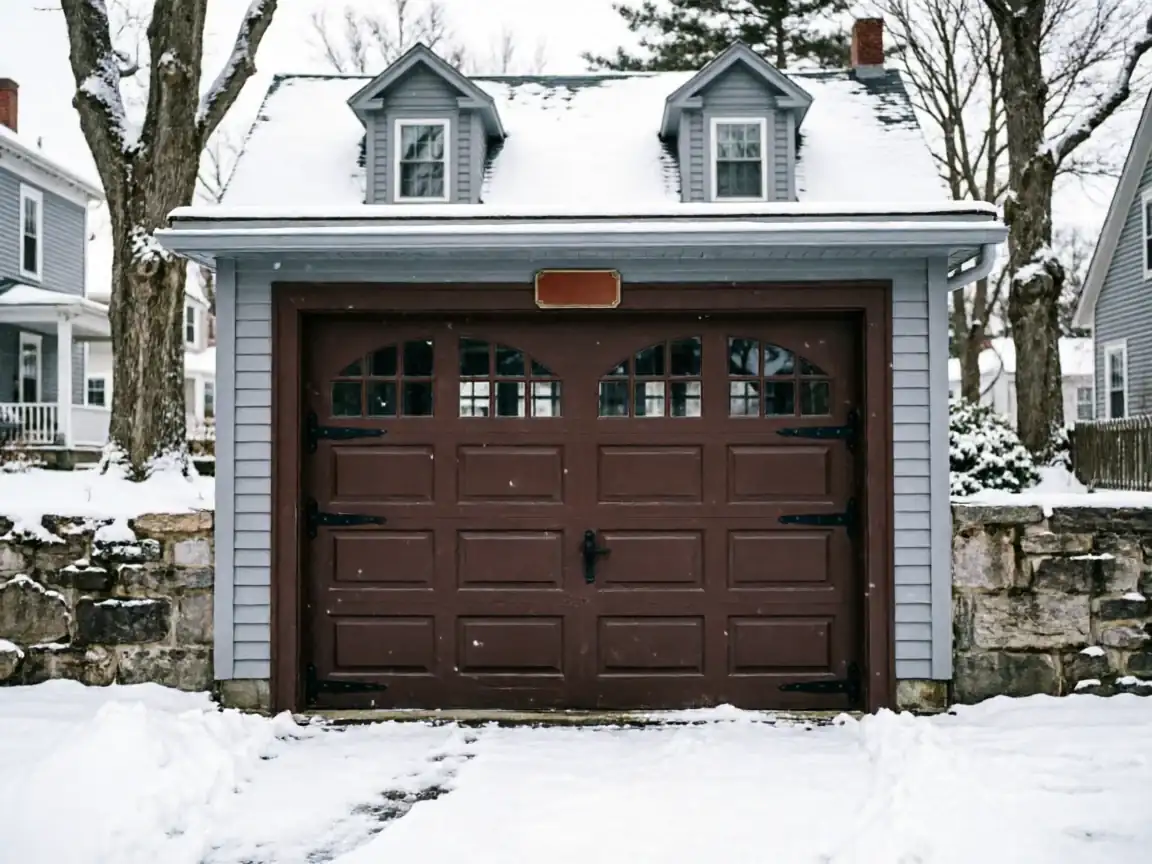
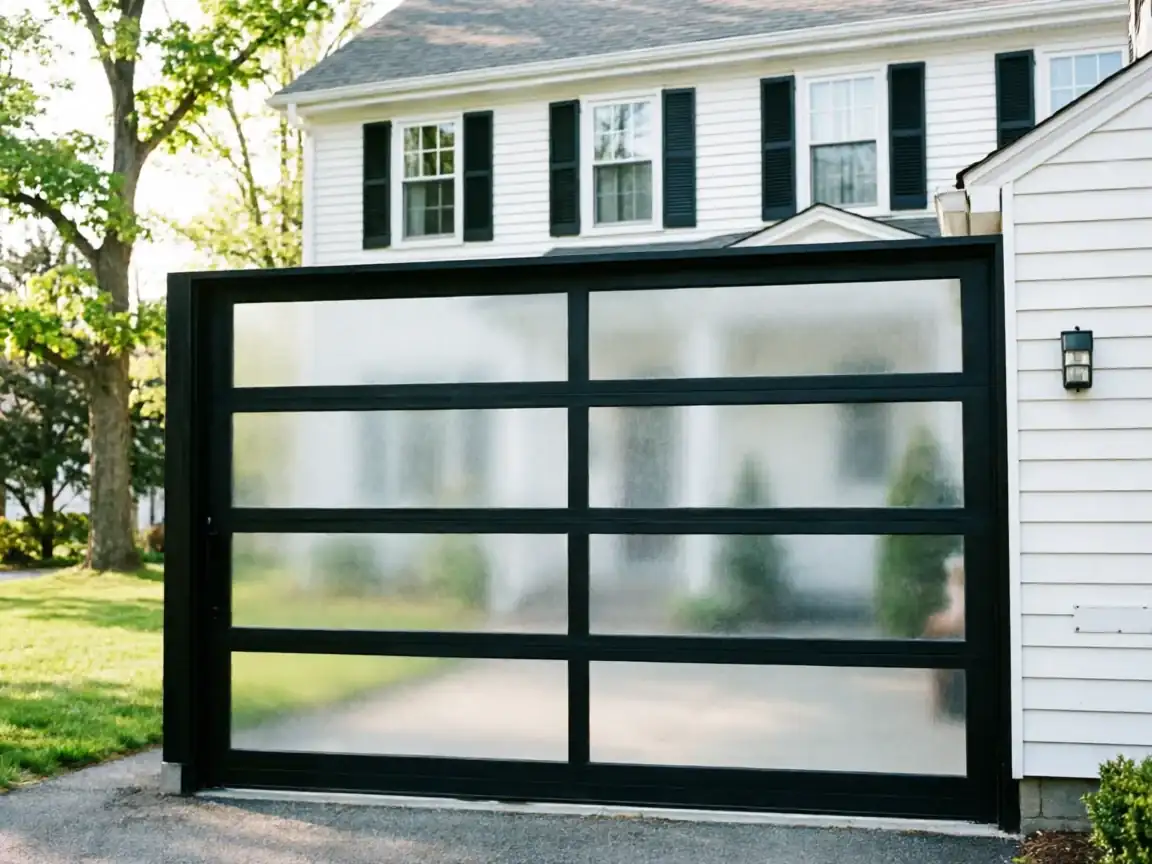
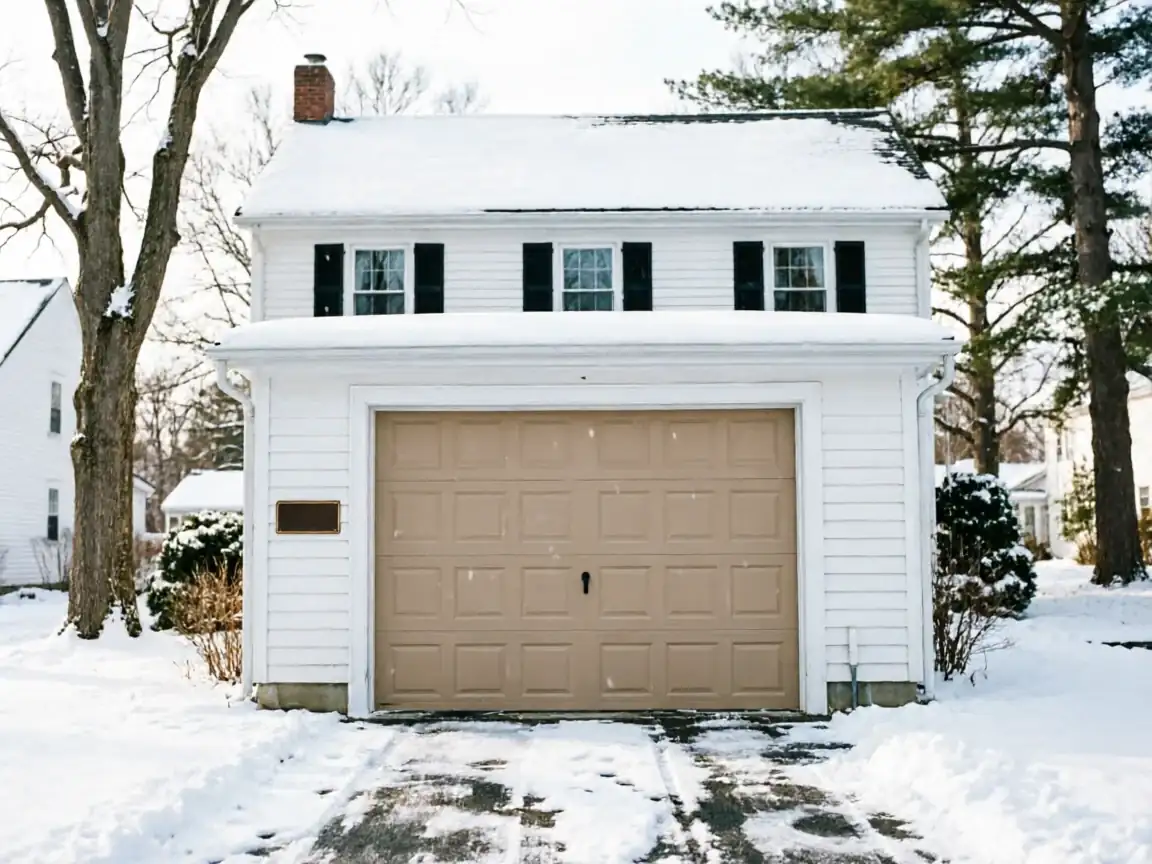
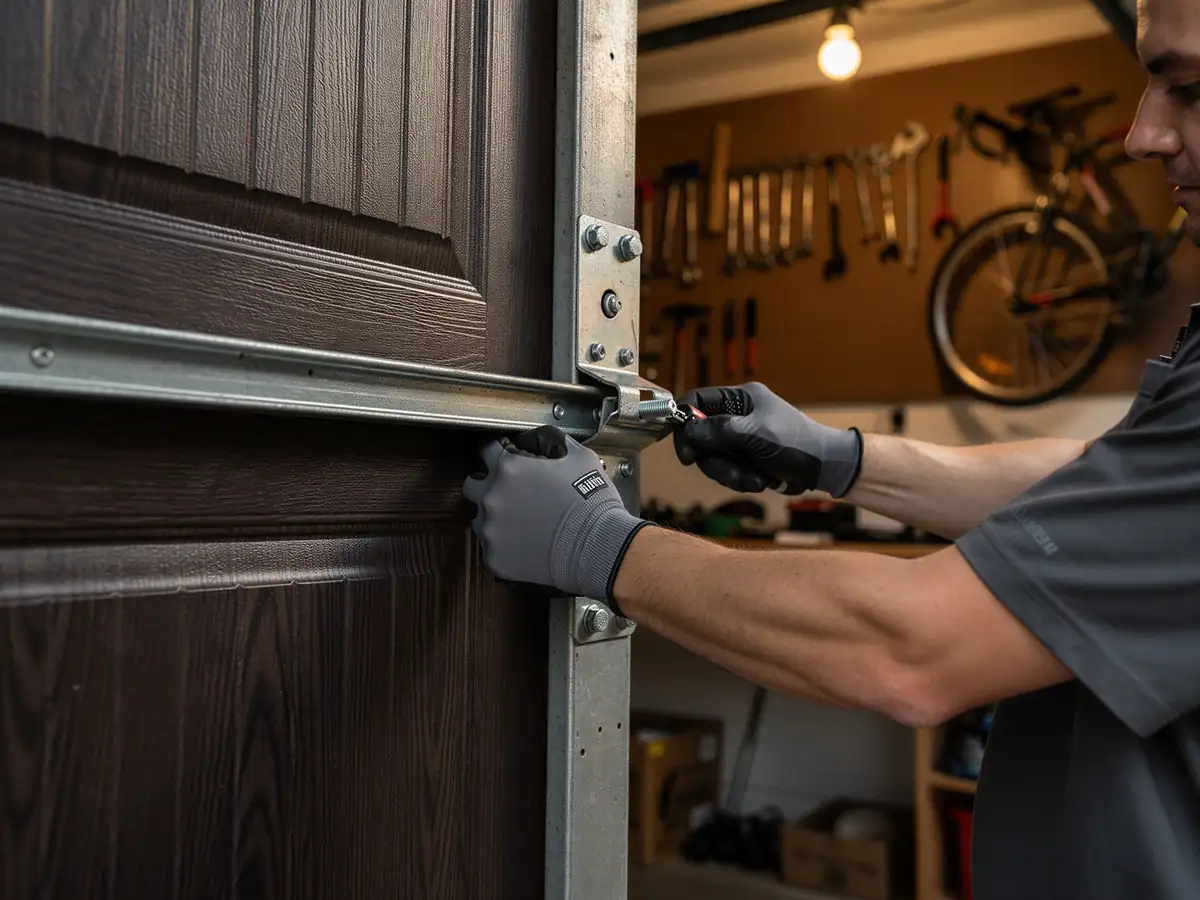
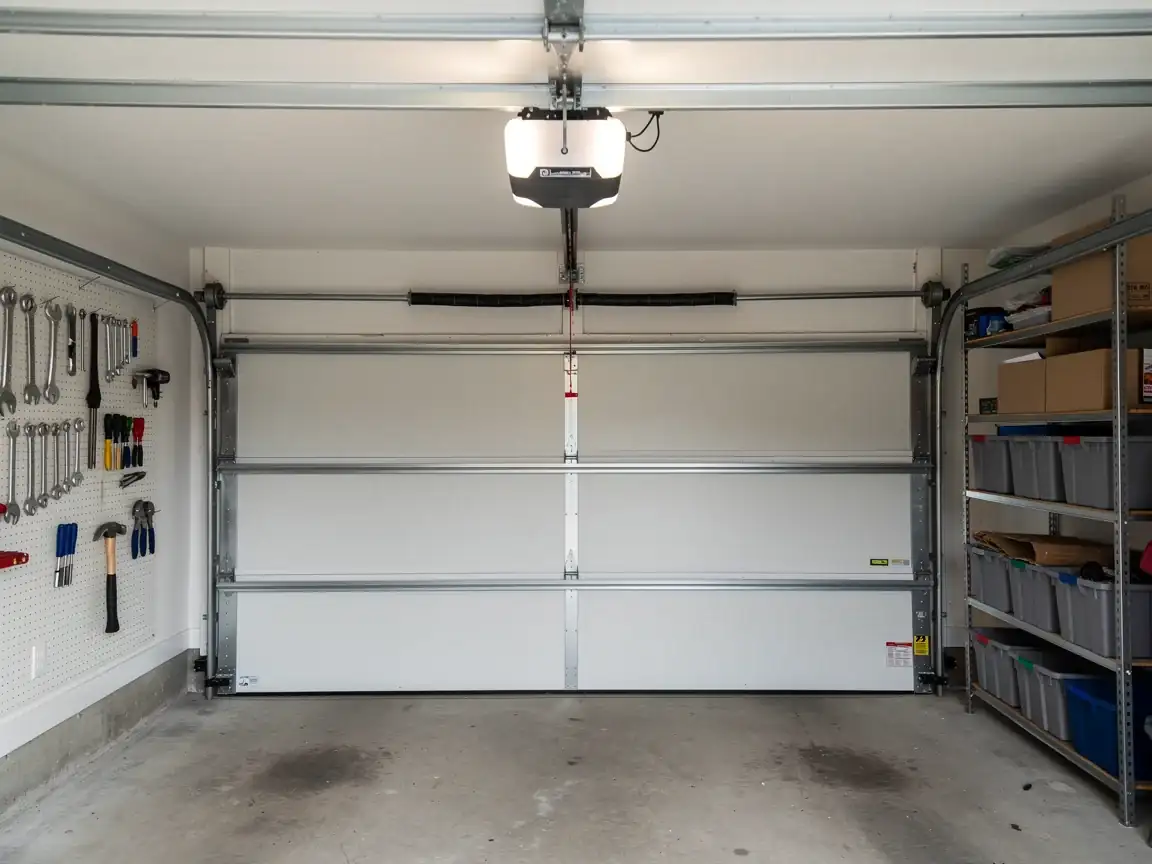
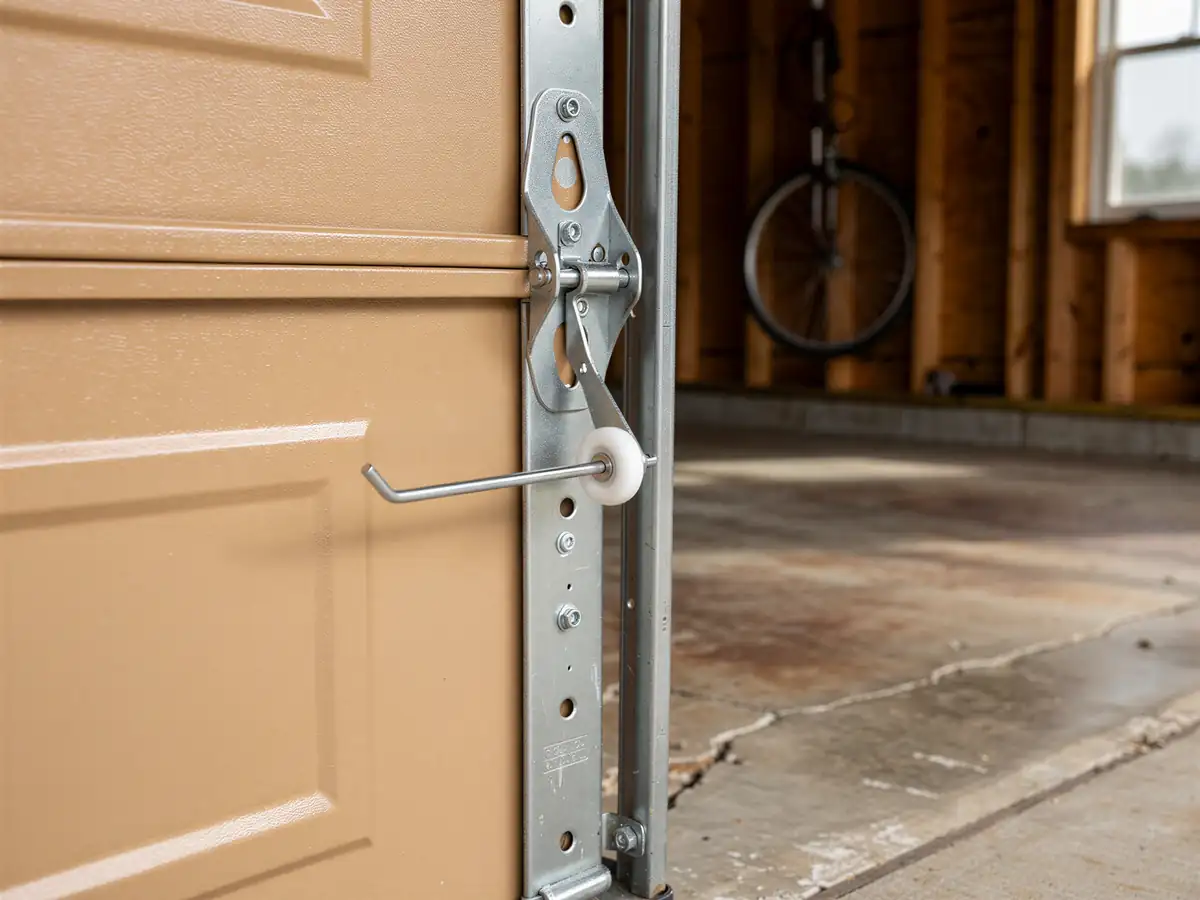
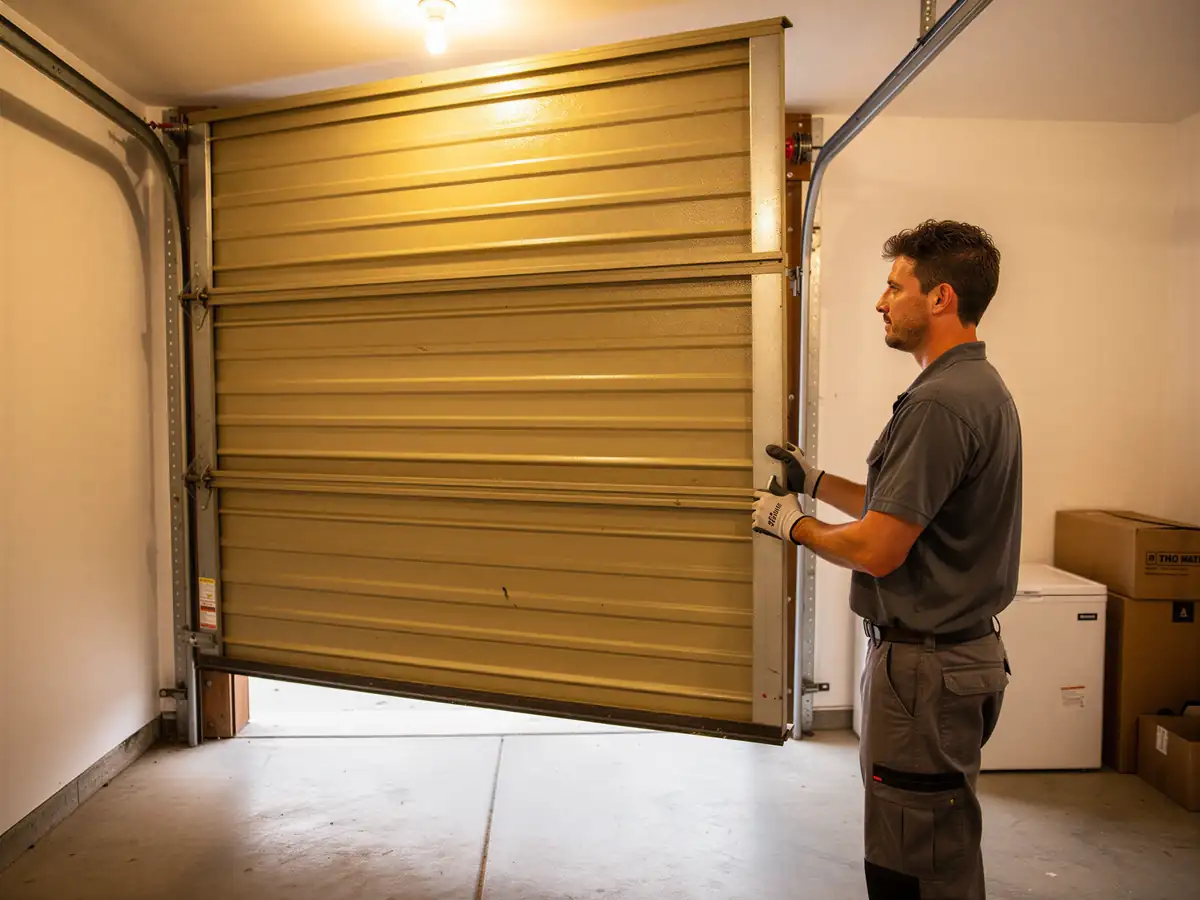
If you're searching for installation instead of repair, you already know the door you've got isn't worth fixing again. Common signs: the panels have gone soft and oil-canned from age, the door is a single layer of steel with no insulation and the garage feels like the outdoors in January, or the opening itself has settled and the door binds on the track no matter how many times it's been adjusted. Sometimes it's simpler than that - the original door is older than the owner and the springs, rollers, and hinges are all original 1970s hardware that nobody local stocks parts for anymore. Either way, you're not chasing one broken part. You're replacing the whole unit because the door, the track, and the opener motor are all at the end of their service life at the same time. That's a different job than a spring swap, and it's priced and scheduled differently - it needs an accurate measure of the opening, a decision on insulation value for our climate, and a install date, not a same-day patch.
Why It Happens Here
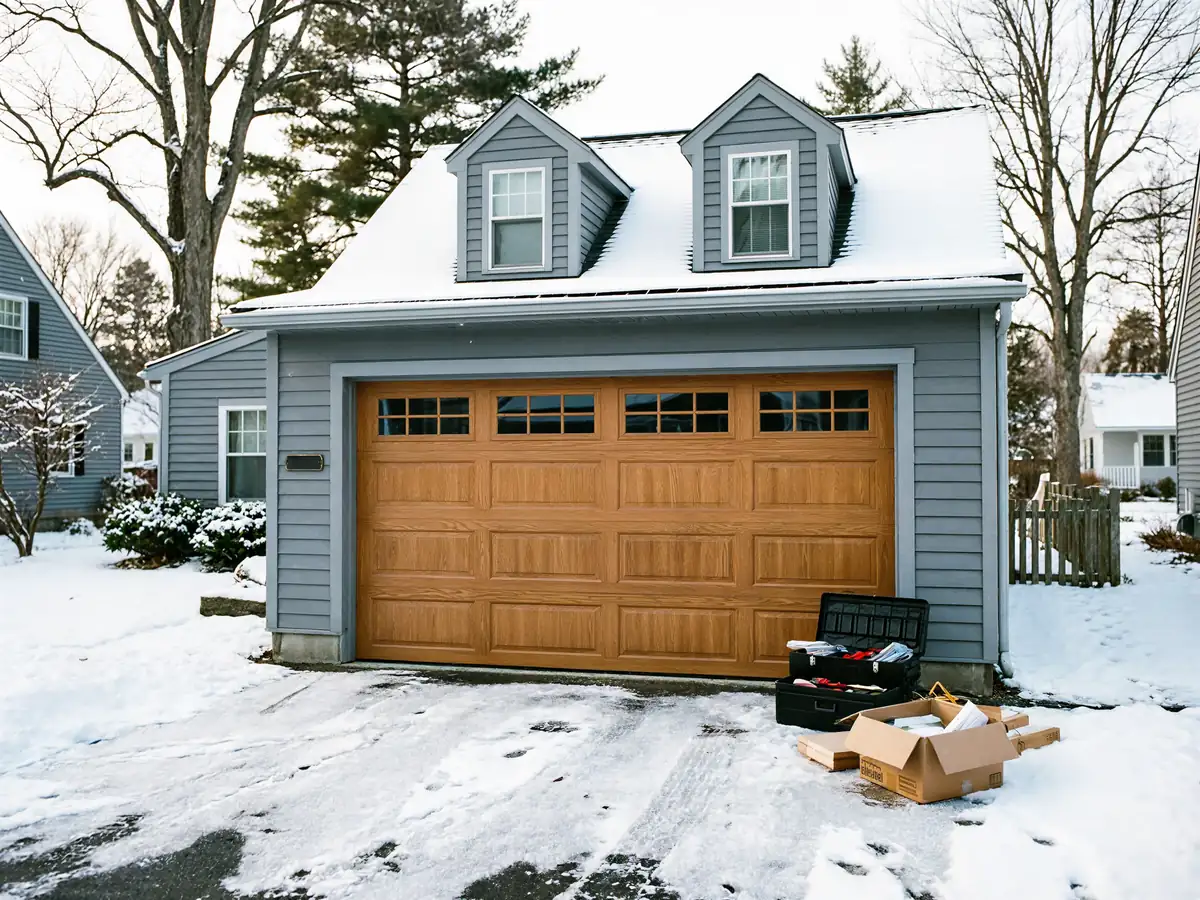
Housing in and around Bristol mostly went up between 1938 and 1986, with the bulk of it clustered in the 1960s and 70s across the named neighborhoods and nearby areas. That means a huge share of garage doors on this side of town are either original to the house or a straight like-for-like replacement from decades ago - single layer steel, no thermal break, sized to openings that were framed before insulated doors were common on tract houses. Bristol sits in a cold-severe climate band. A non-insulated door on an attached garage doesn't just let the garage get cold - it pulls heat out of any room that shares a wall with it, and it takes more abuse from freeze-thaw cycling on the bottom seal and the track hardware than a door would in a milder region. Put a 50-plus-year-old door in a climate that swings hard every winter and you get exactly what you're dealing with: warped panels, a seized track, and an opener straining against a door heavier than it was built to lift.
How to Book
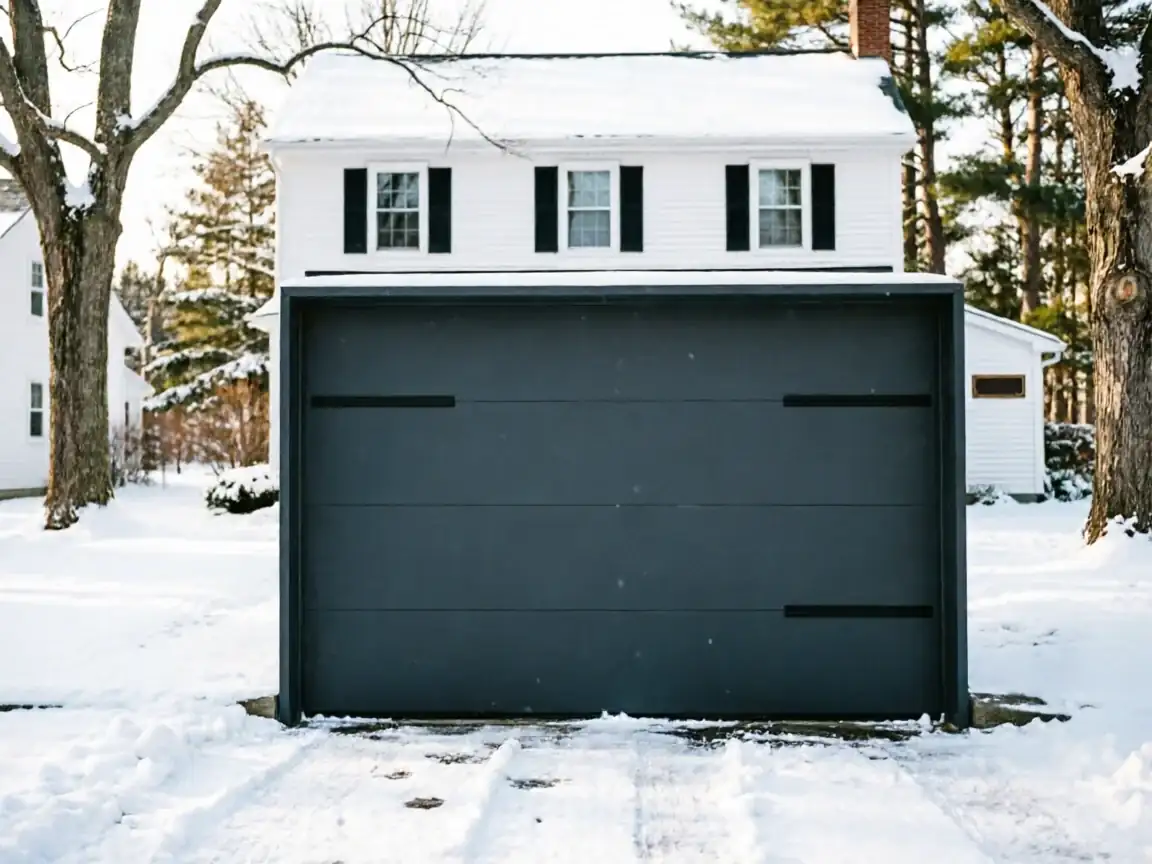
Call and tell us the rough age of your house and whether the door is giving you trouble opening, closing, or just looking rough - that's enough for us to bring the right tape and the right questions on the first visit. We'll measure the opening, walk you through insulated versus standard door options for this climate, and give you a firm order date before we leave. Lead time on the door itself depends on the model and color, so the measure visit and the install date are usually two separate appointments, not one. If you're not sure yet whether you need a new door or a repair, say that too - we'd rather tell you a repair will hold for a few more years than sell you a door you don't need yet. Reach us through the site to get a visit scheduled.