Serving Bristol, CT & nearby
(860) 217-5232
Bristol, CT

What Your Garage Door's Noises Mean in Bristol, CT

Bristol homes mostly date 1938-1986, median 1971, and sit in a cold-severe climate band. Here's why that combination makes garage door noise worth checking, not ignoring.

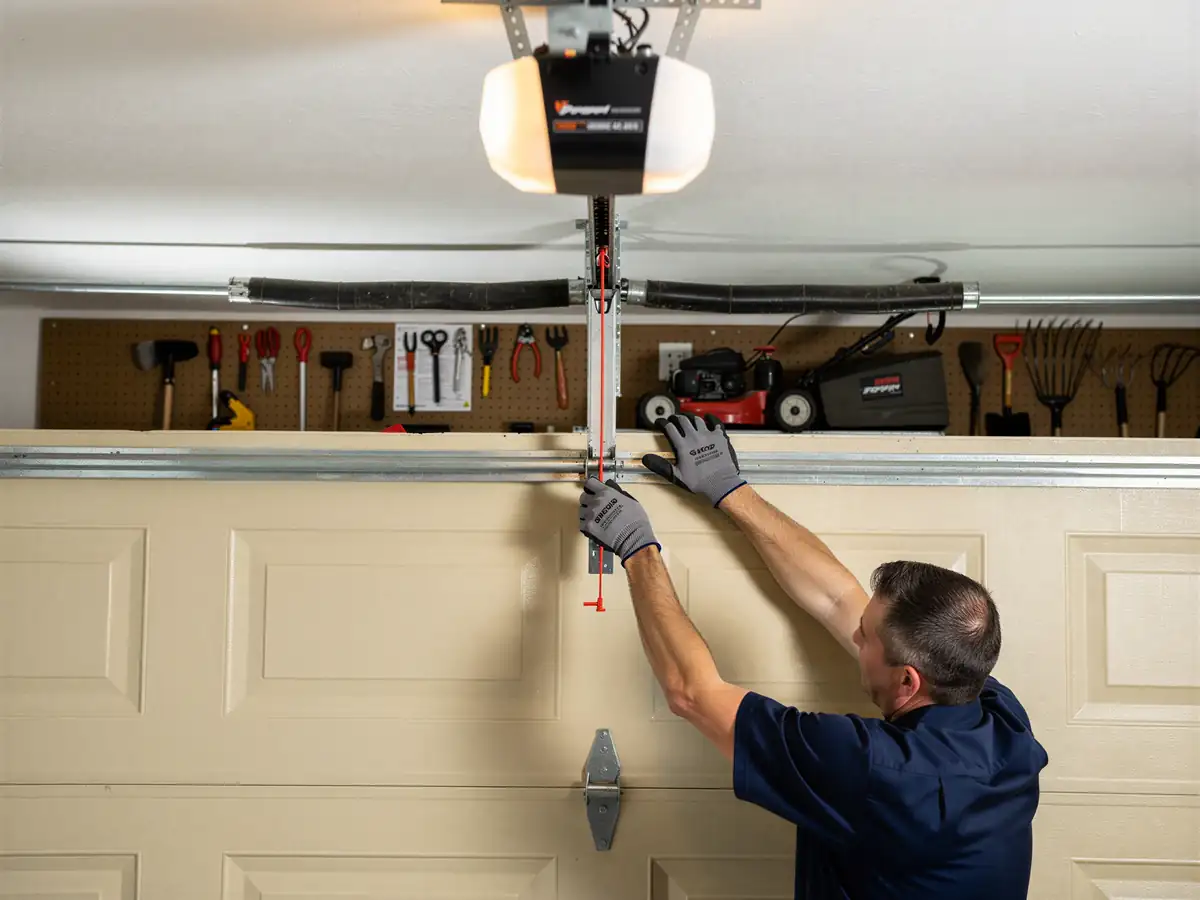
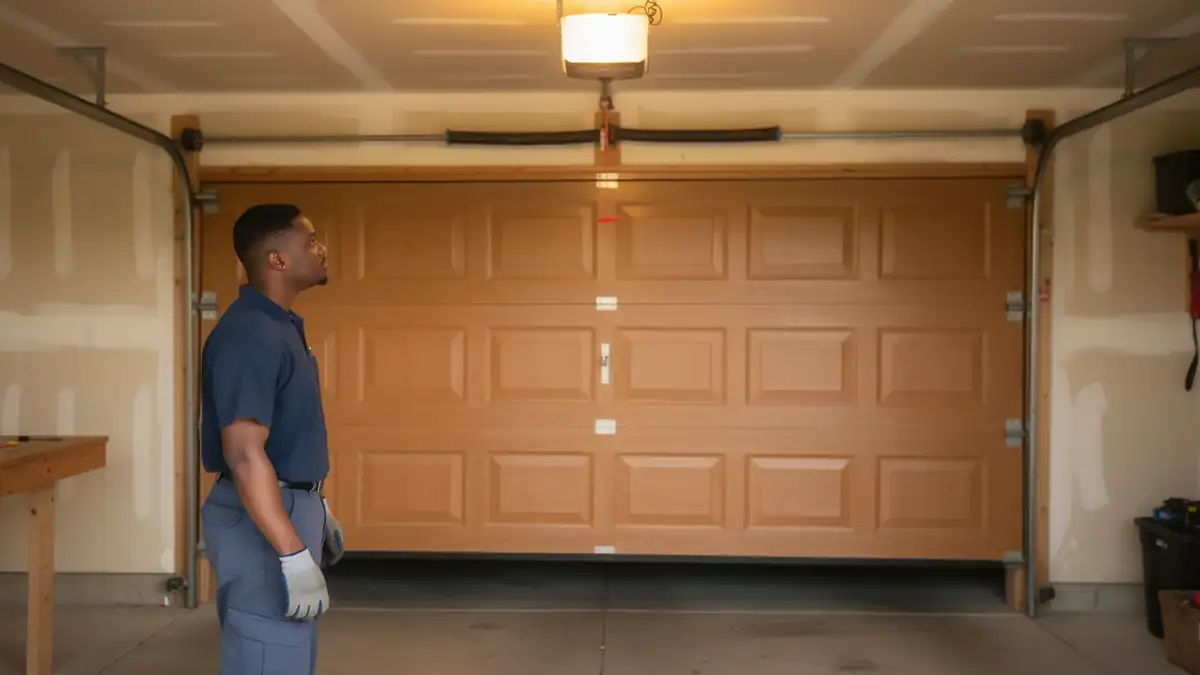
A technician in a blue shirt and gloves stands in front of a closed brown garage door.

Doing Nothing For Now

It's tempting to let a noisy door run another winter, especially if it still opens and closes fine. In Bristol that's a riskier bet than it sounds. Most houses here went up between 1938 and 1986, with the typical build landing around 1971, which means a lot of original torsion hardware still hanging on. Springs and track hardware from that era were built for the loads of the time, not for fifty-plus years of freeze-thaw cycling in a cold-severe climate band. A spring that's been quietly losing tension doesn't usually give much warning before it lets go - it just does, often on the coldest morning of the stretch, when the steel is already stiff and under more strain than usual. A grinding roller left alone wears the track faster each week it runs. None of this means panic over every squeak. It means a noise that's new, or getting louder, is worth a look before the part that's making it fails outright - ideally before the next cold snap, not during it.

What to Check

Start by listening for where the sound happens in the cycle. A squeal right as the door starts to lift usually points to a dry hinge or roller, which is cheap and quick to fix. A metallic pop partway through the cycle is more often a track bolt that's worked loose - common on the older housing stock across Bristol neighborhoods like where a lot of garages were framed in the 1960s and 70s and have had decades of seasonal movement to loosen fasteners. A low grinding or scraping sound, especially near the bottom of the door, often means a roller that's worn through its bearing. A loud bang followed by the door going slack is different from all of these - that's a cable or spring failure, and the door shouldn't be run again until it's looked at. We don't try to diagnose this kind of thing over the phone. Two very different problems can sound almost identical, and guessing wrong wastes a trip and your time.

The Problem

The root issue in a lot of Bristol garages isn't poor maintenance - it's hardware that's simply older than it looks. A door installed when the house was built in, say, 1965 or 1971 has gone through roughly fifty or sixty New England winters. Torsion springs fatigue with every cycle, and cold makes steel more brittle and slower to flex, so a spring near the end of its life often starts making noise specifically in winter before it fails. Track brackets bolted into framing that's shifted slightly over six decades of freeze-thaw don't sit as tight as they did on day one, so you get rattle and pop where there used to be silence. None of this is unique to one house - it's a pattern across the older stock here, where most garages predate modern track hardware and never got upgraded along the way. The honest answer is sometimes the part making the noise is original to the house, and patching it buys a season at best.

What Local Conditions Do

Bristol sits in a cold-severe climate band, so steel springs lose tension faster here than they would somewhere milder, and the metal itself contracts enough in deep cold to change how a worn part sounds. A door built when ranches and capes went up in the 1960s wasn't engineered for the ice-and-thaw cycle Bristol gets every winter, and that cycle is exactly what loosens track bolts and dries out lubrication faster than you'd expect. On a 1971-era door, the hum you hear when it's near zero out is usually the torsion spring itself stiffening in the cold, not the opener motor working harder, though it's easy to blame the opener first. Moisture that gets into the track overnight and freezes can also cause a brief grinding sound on the first cycle of the morning that disappears once things warm up - which is why a noise that only happens at 6am in January isn't imaginary, it's seasonal.

How it works

From “it’s stuck” to “it’s fixed”

A man stands in a driveway looking at his phone in front of a blue house.

Tell us what’s wrong

Describe the symptom - won’t open, loud bang, opener runs but the door won’t move.

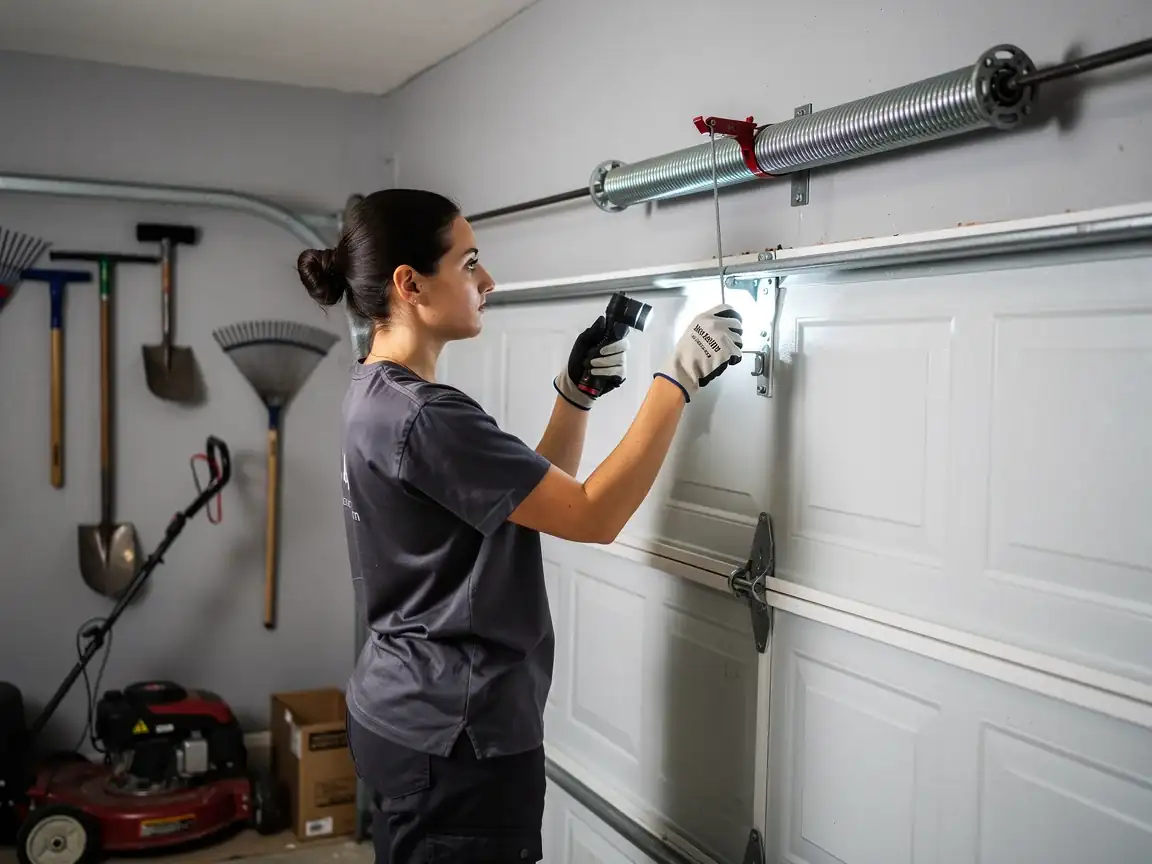
A technician shines a flashlight on a white garage door's top panel and roller.

On-site diagnosis

A technician tests the door under power and by hand and finds what actually failed.

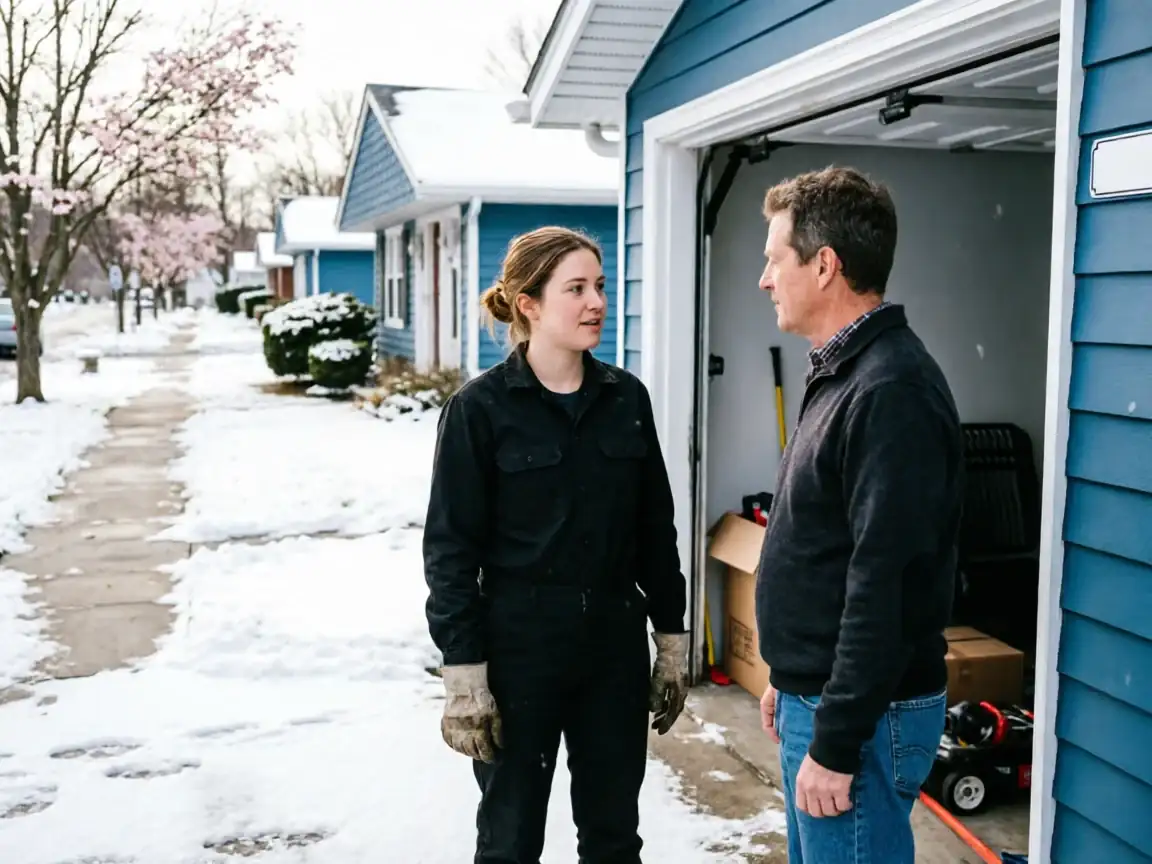
A technician in work clothes talks to a man in front of a blue house with an open garage.

Clear, up-front plan

You get the fix that’s needed and what drives the cost - before any work starts.

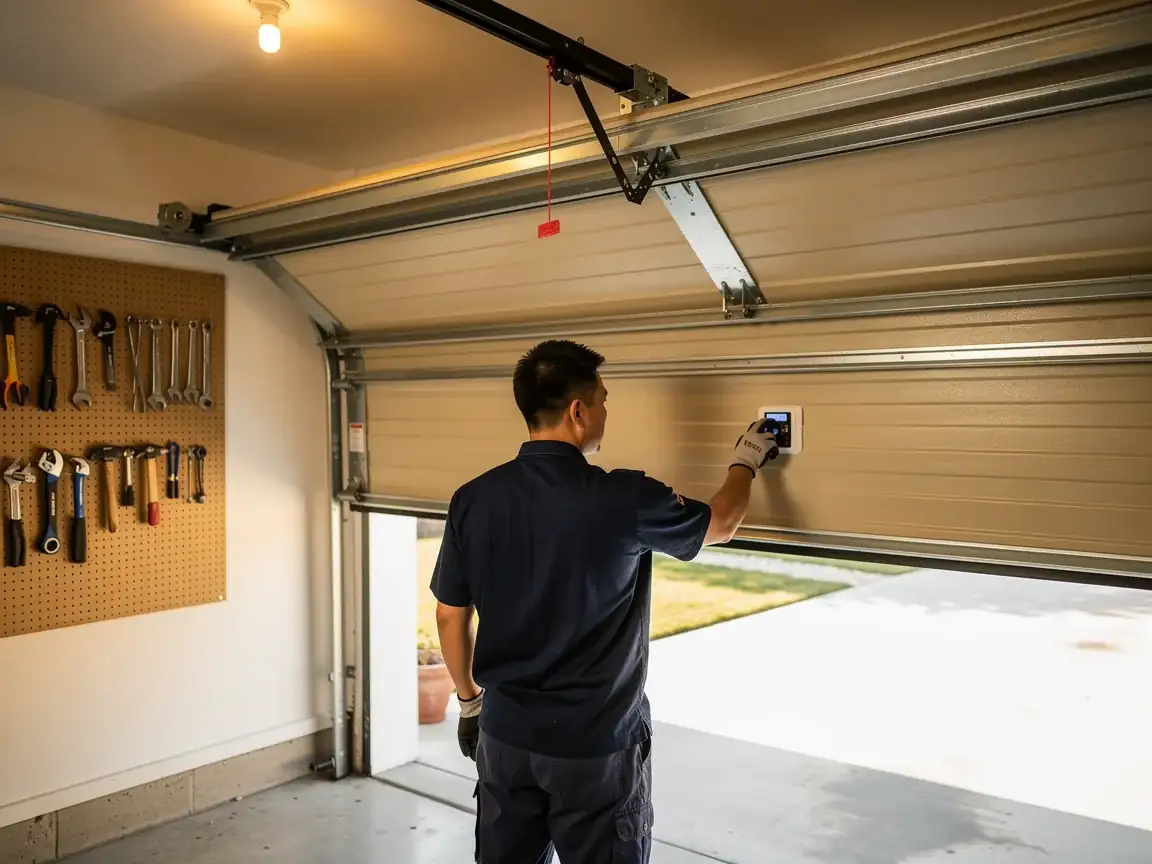
A technician adjusts a wall-mounted control panel on an open garage door.

Repaired & tested

The repair is done, the door is set true and tested, and the work area left clean.

Next step

Not sure which repair your door needs in Bristol, CT? Describe what it’s doing - every job starts with a diagnosis.

How we work

What to expect

Diagnosis firstEvery visit starts by finding what actually failed - not a pre-written parts list.
The right part for the doorSprings and openers matched to the door’s weight and age, so the fix holds up.
Straight answersWhen a repair makes more sense than a replacement - or the reverse - you hear it plainly.
Clean, careful workTension released safely, hardware set true, the door tested under power before we leave.
What we do

Garage Door Services

Repair and installation work for Bristol homes and businesses.

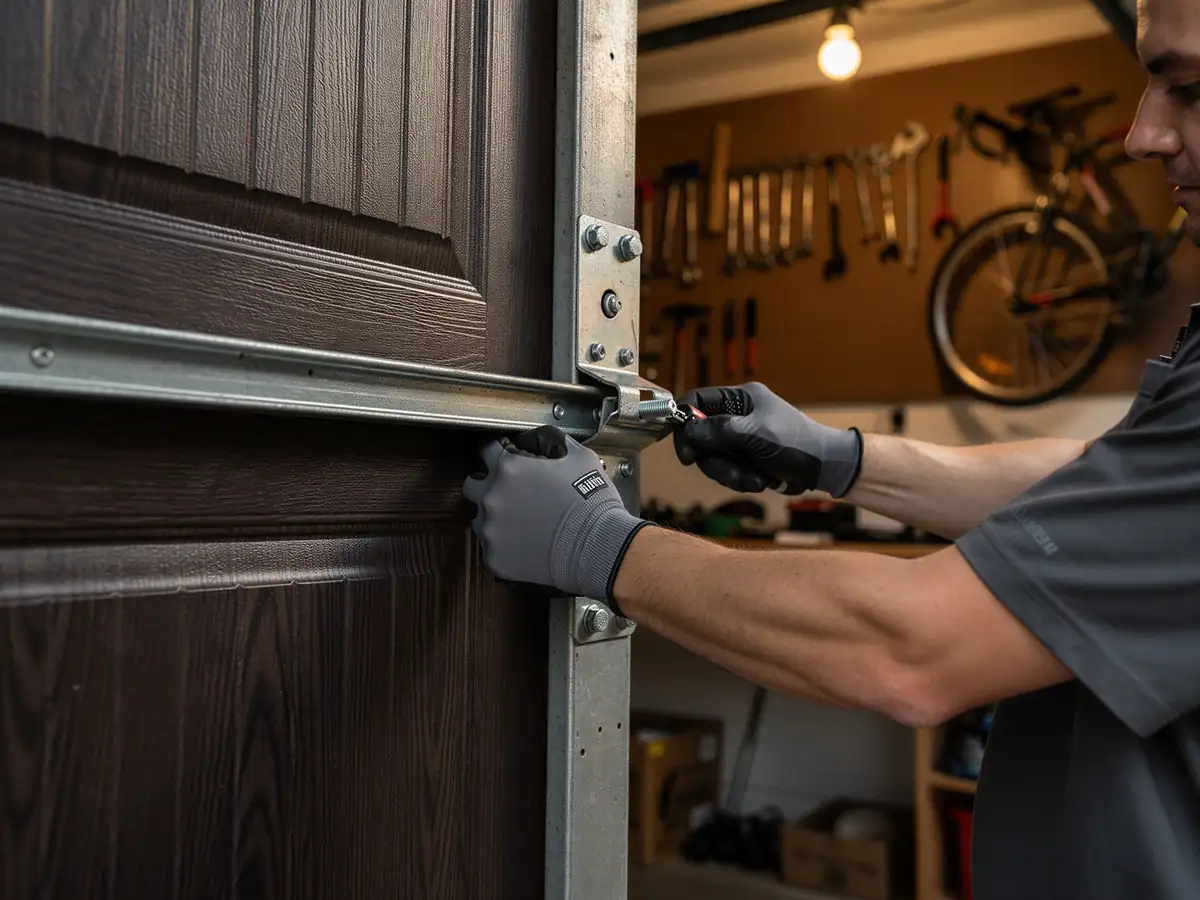
A technician in grey gloves works on a brown garage door track.

Garage Door Repair

Garage door repair for Bristol, CT homes built mostly 1938-1986. We work on the torsion springs and track hardware that cold winters and original 1960s-70s doors wear out.

Learn more
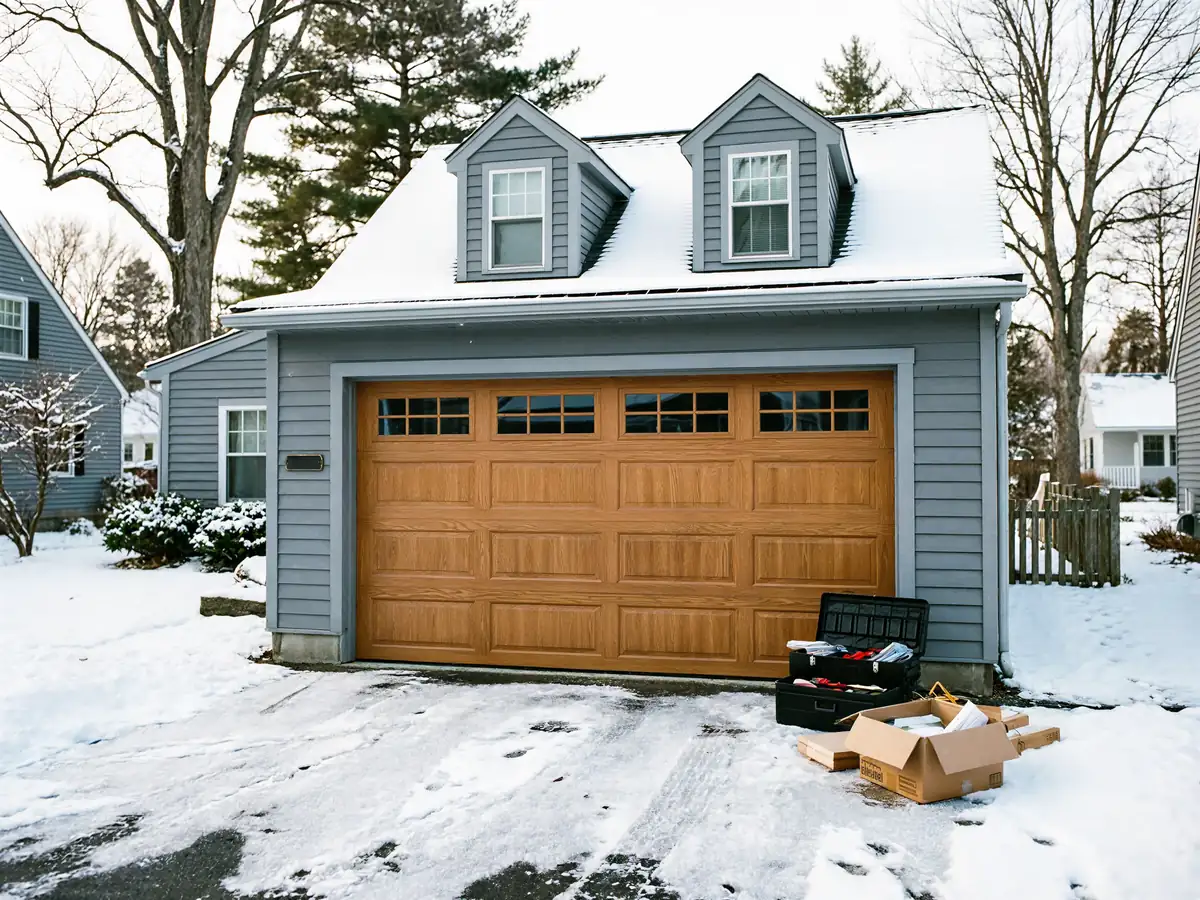
A wooden garage door on a gray house with snow on the roof and ground.

Garage Door Installation

Bristol Garage Door Pros installs new garage doors matched to Bristol, CT's 1960s-70s housing stock and severe cold climate. We measure, order, and install.

Learn more
A white house with a tan garage door and black shutters is covered in snow.

Garage Door Service

Garage door service for Bristol, CT homes built 1938-1986. We fix the cold-weather binding and spring failures common to this housing stock. Call today.

Learn more
A technician in a blue shirt and gloves works on a garage door opener.

Opener Installation

Opener installs for Bristol, CT homes built between 1938 and 1986, sized to heavier original doors and the track wear Connecticut's cold winters bring on.

Learn more
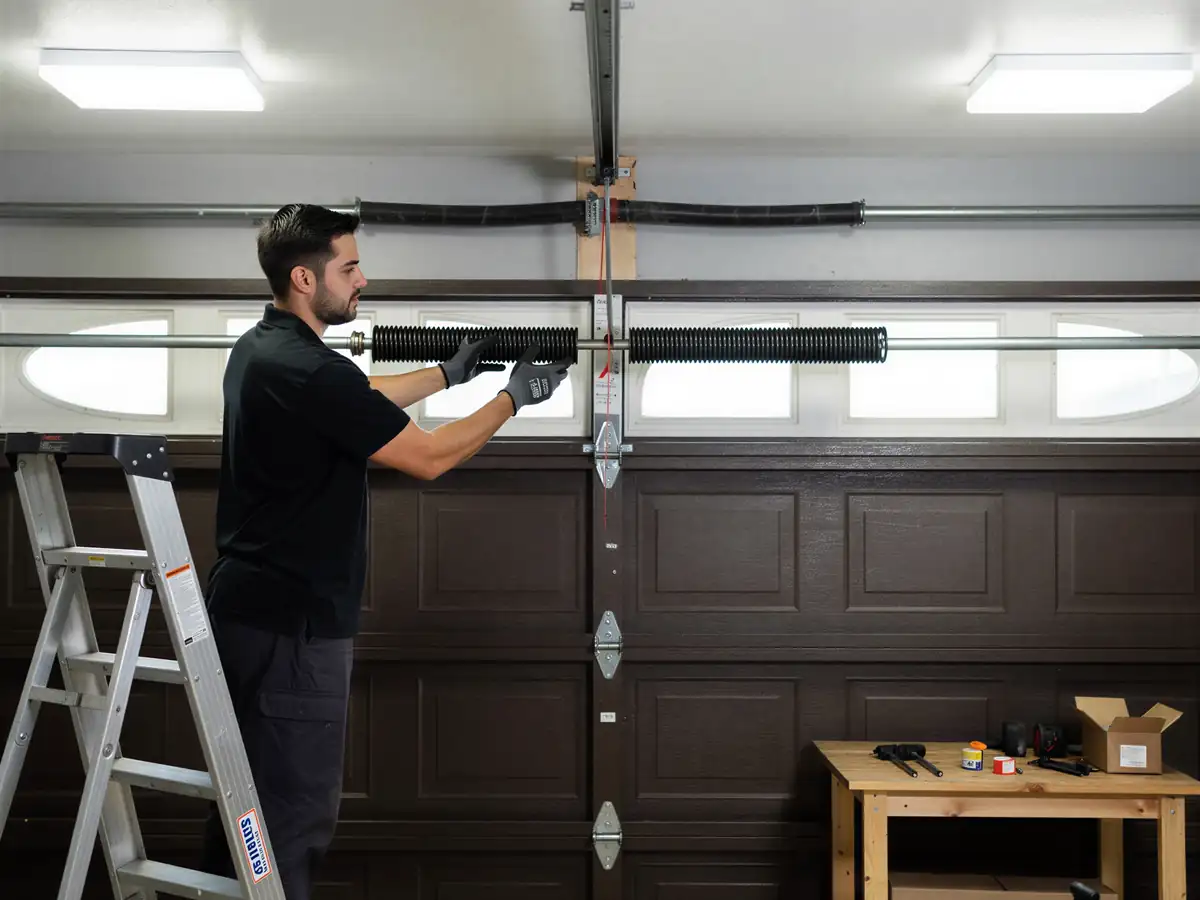
A technician installs a torsion spring on a brown garage door.

Spring Repair

Broken torsion spring on a Bristol house built between 1938 and 1986? We fix the snap, re-tension the door, and explain why this area's cold winters wear springs faster.

Learn more
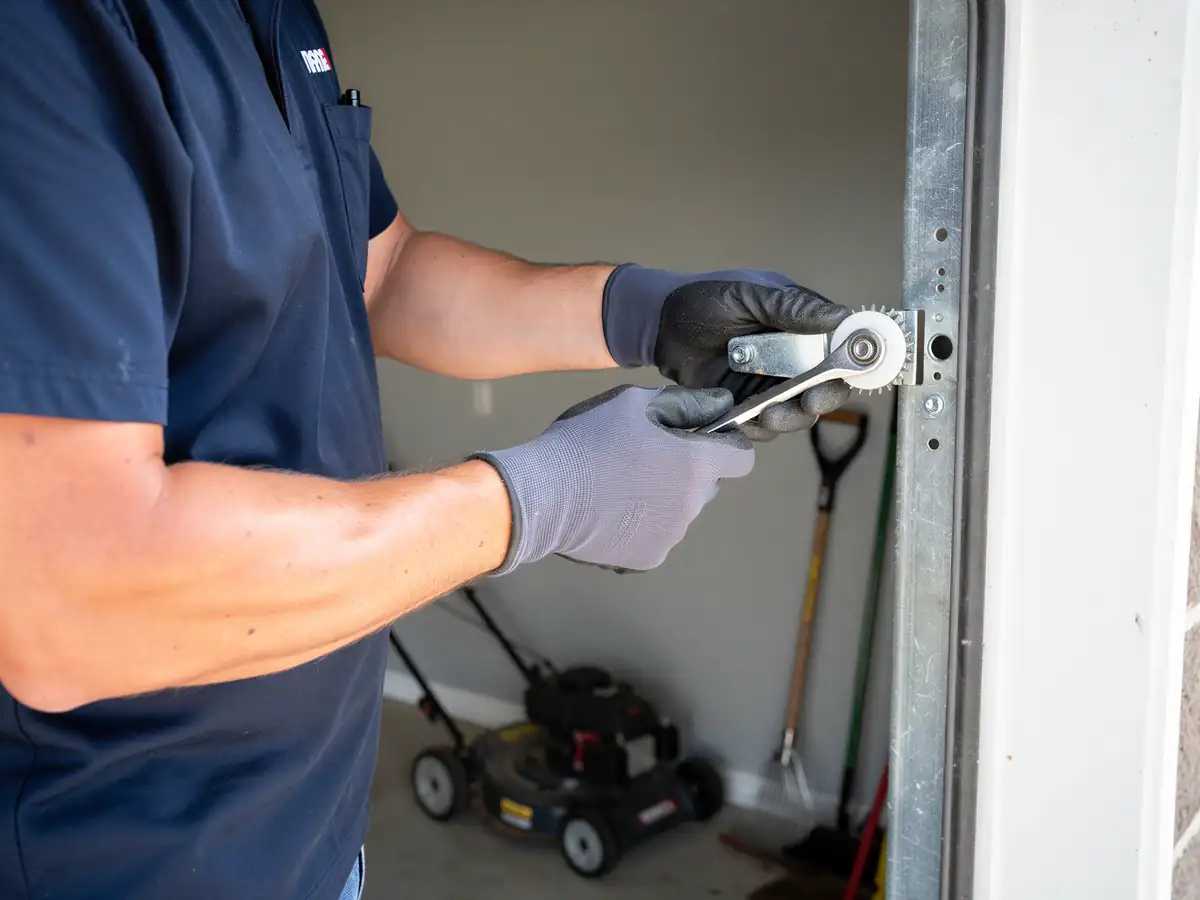
A technician in gloves adjusts a garage door roller with a wrench.

Off-Track Repair

Door jumped the track in Bristol, CT? We fix bent track, dropped rollers, and misaligned doors on the 1960s-70s housing stock common across this part of Connecticut.

Learn more
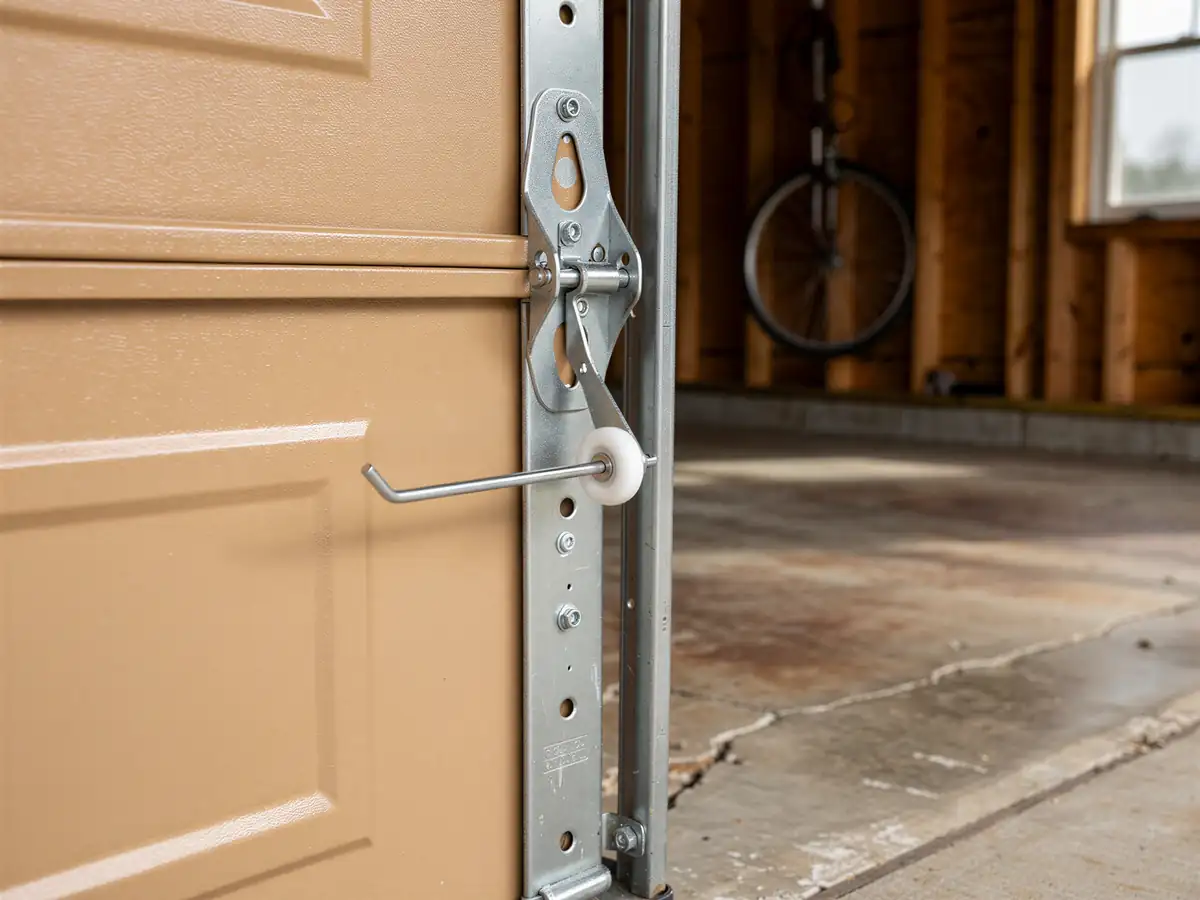
A tan garage door is open, showing a roller and track with a concrete floor.

Roller Replacement

Worn or jumping garage door rollers are common in Bristol, CT's 1960s-70s housing stock, especially through hard winters. Here's why, and how we fix it.

Learn more
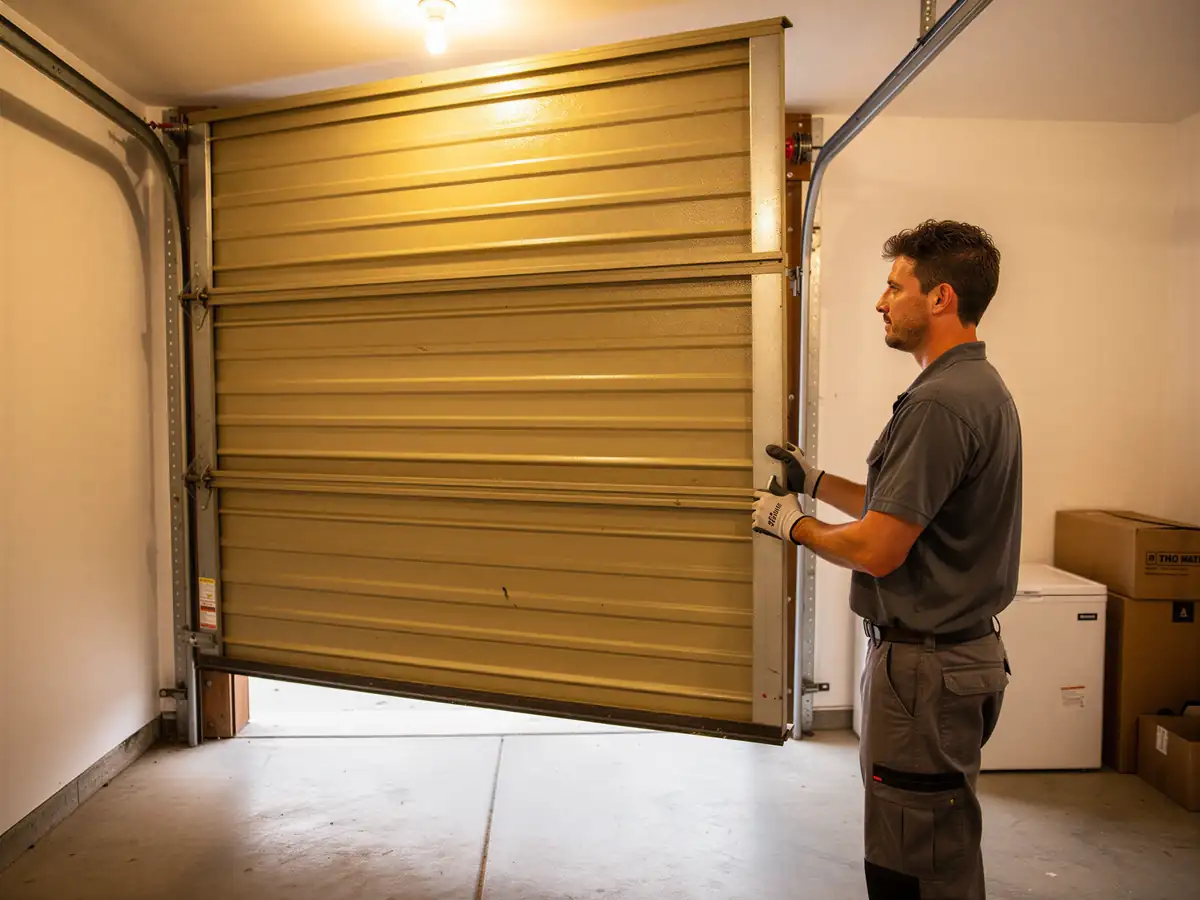
A technician in gloves is working on a partially open tan garage door.

Maintenance

Garage door maintenance built for Bristol's 1938-1986 housing stock and cold winters. We service original hardware, worn rollers, and torsion springs that age fast here.

Learn more
Questions

Frequently asked

Straight answers about garage door repair in Bristol. Still unsure? Ask us directly.

01My garage door only makes noise in the cold - is that normal?

It's common, not necessarily fine. Bristol's cold-severe winters stiffen aging torsion springs and can freeze moisture in the track overnight, both of which cause noise that fades once things warm up. It's worth checking anyway, since a spring making noise from cold stress is often further along in fatigue than one that's silent year-round.

02My house was built in the 1960s - is the door original?

Possibly. Most housing in Bristol dates from 1938 to 1986 with a median build year around 1971, and a lot of garages from that stretch still run original or near-original track hardware. If no one's replaced the spring or track bolts since the house was built, decades of freeze-thaw have likely loosened or fatigued something.

03Can I just tighten the loose bolts myself?

For track bolts, sometimes, if you can reach them safely and the track hasn't shifted out of alignment. We don't recommend touching anything near a loaded torsion spring - that part has stored tension and isn't a DIY fix. If you're not sure which kind of noise you're hearing, that's the part worth having a look at first.

Ready to get your garage door sorted?

Tell us what it’s doing and where you are in Bristol - we’ll take it from there.

Request a QuoteCall