The Symptom
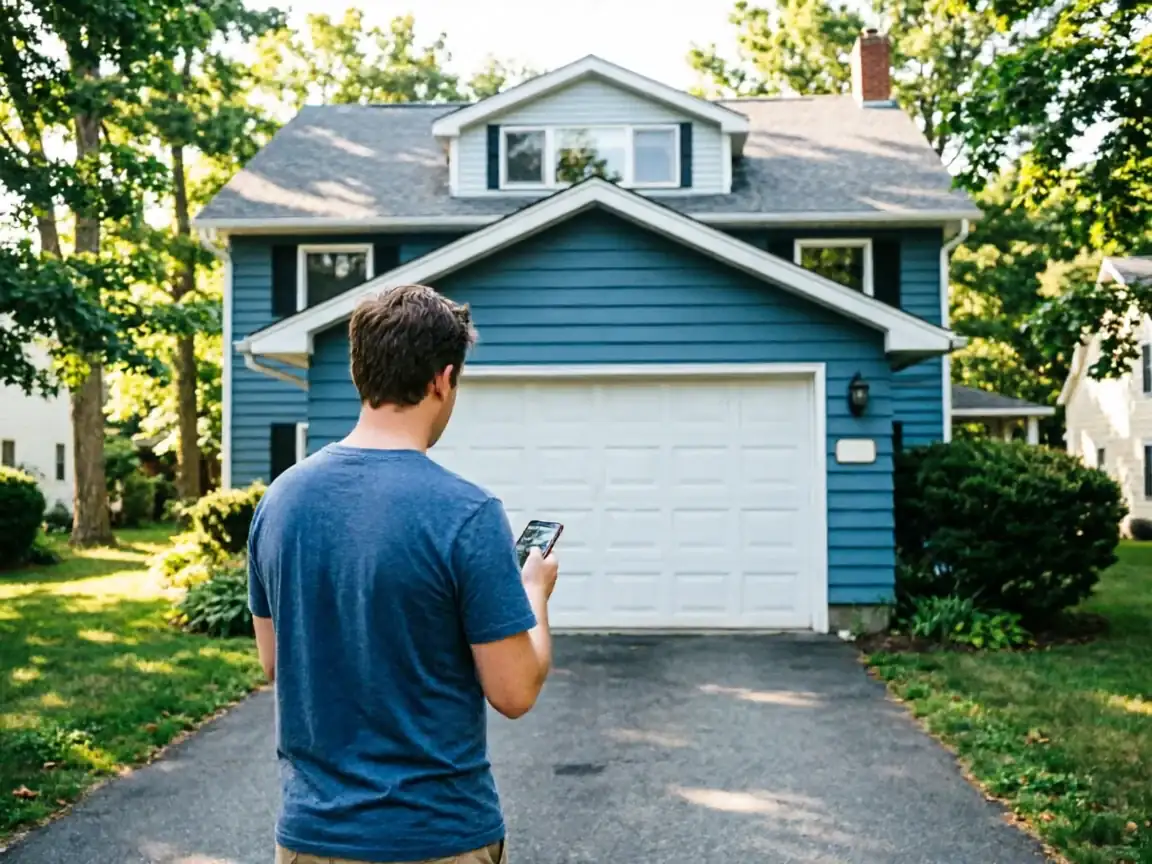
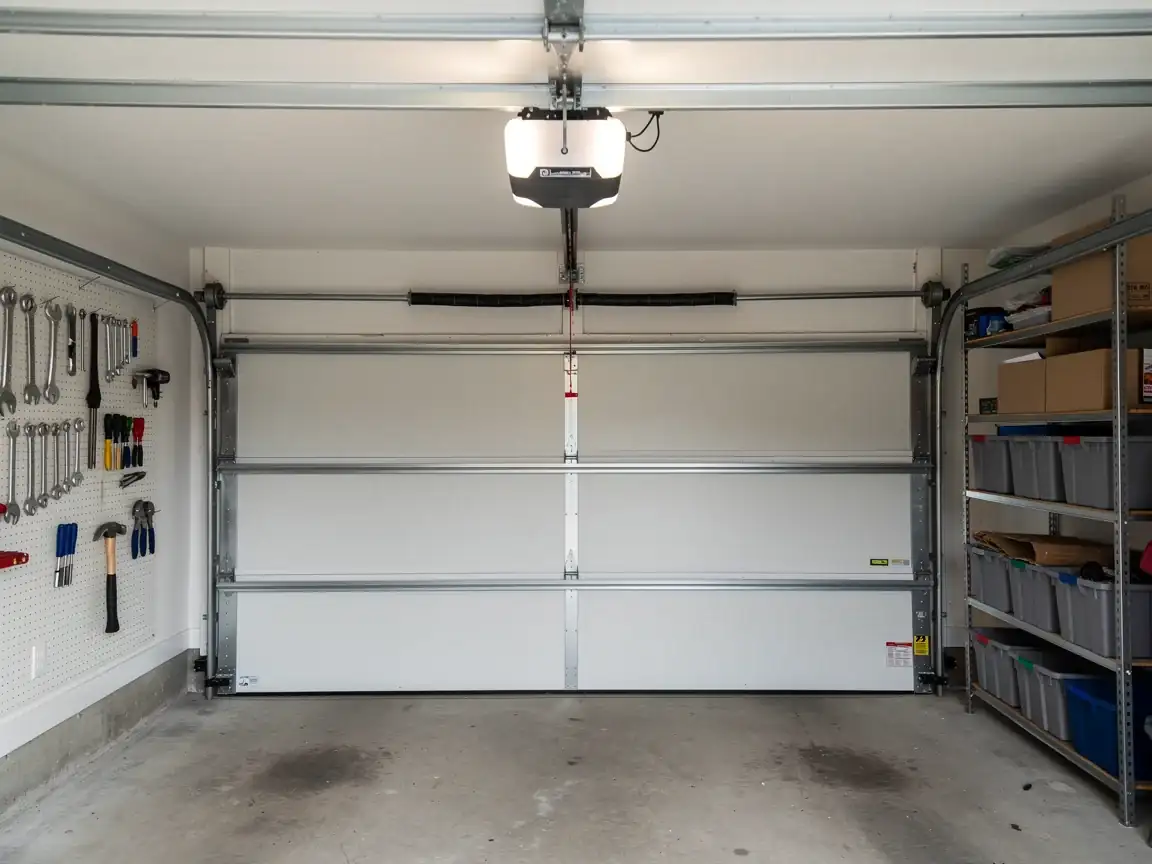
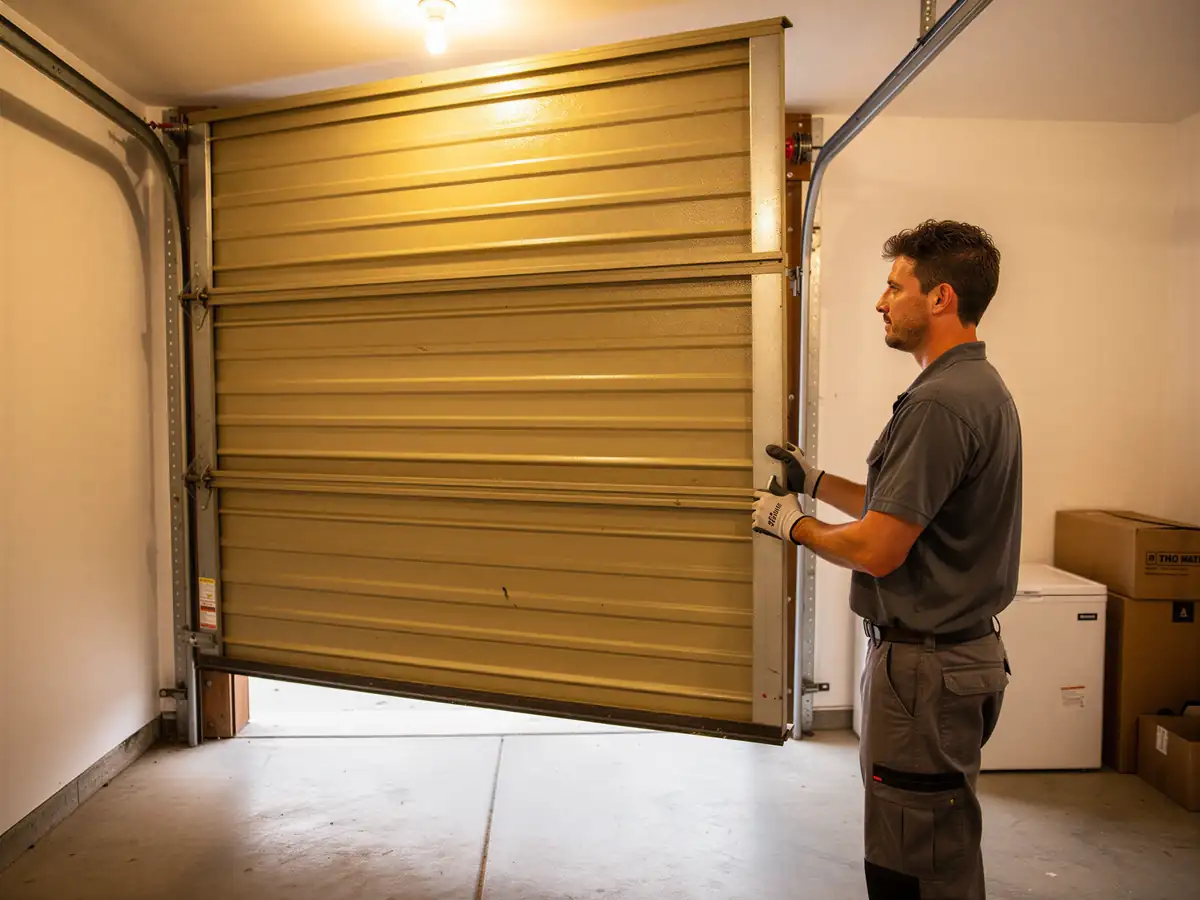
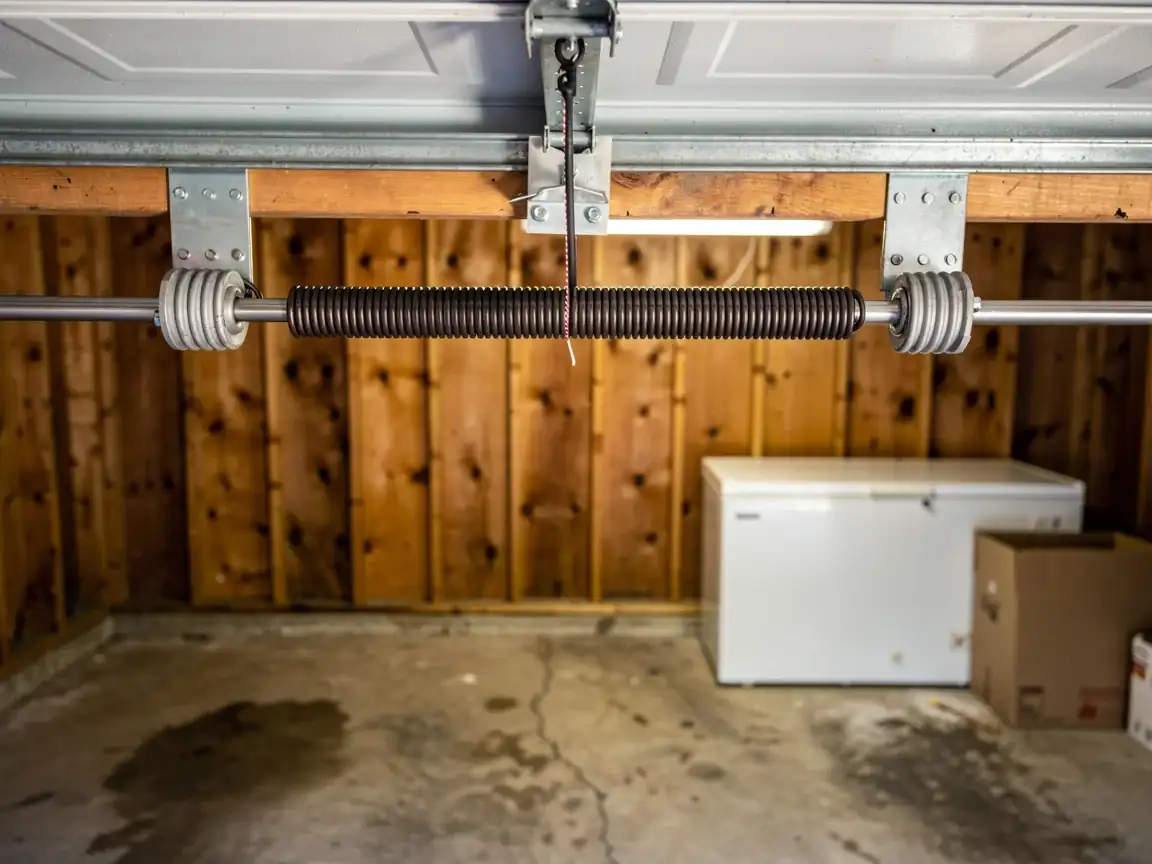
The call we get most from Bristol is the same one, worded a dozen different ways: the door won't open, or it opens about a foot and stops, or it slams down on its own. Sometimes there's a bang from the garage first - that's usually the spring going. Other times the opener runs but the door doesn't move, which points to the trolley or the cable instead of the motor.
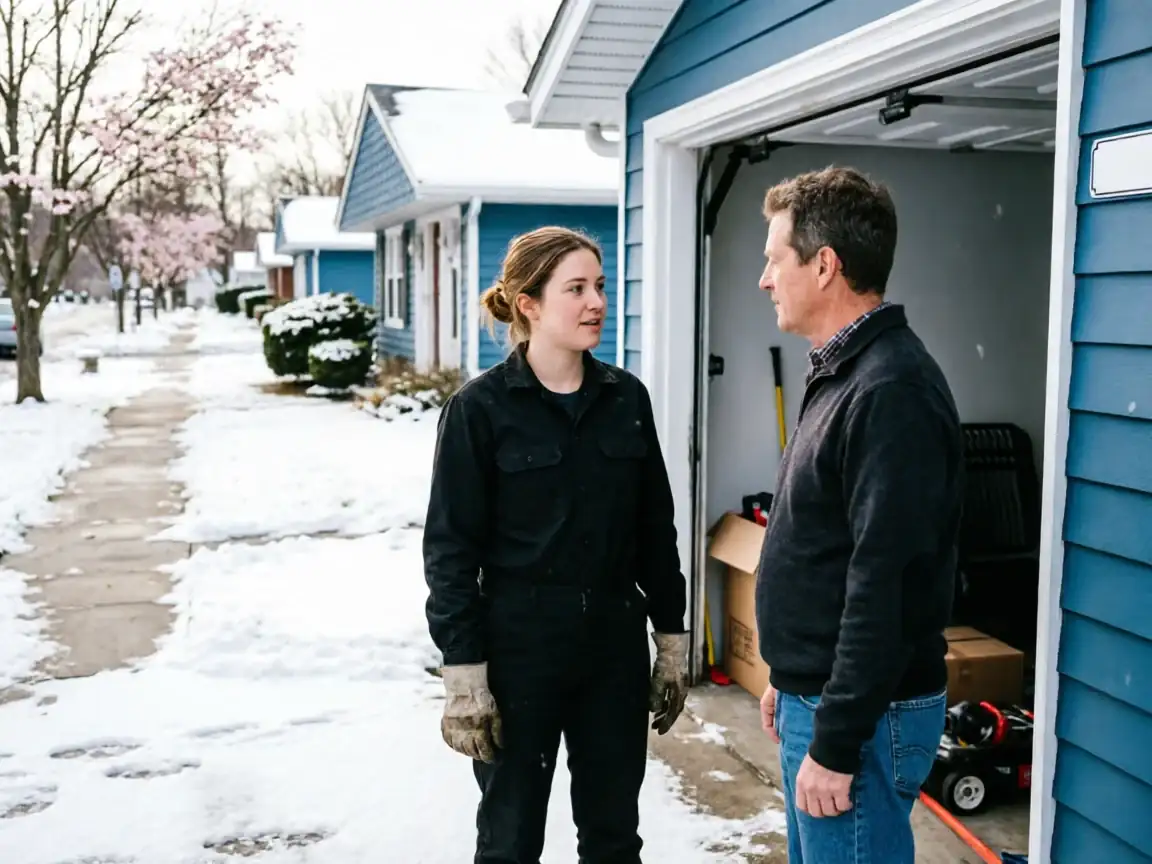
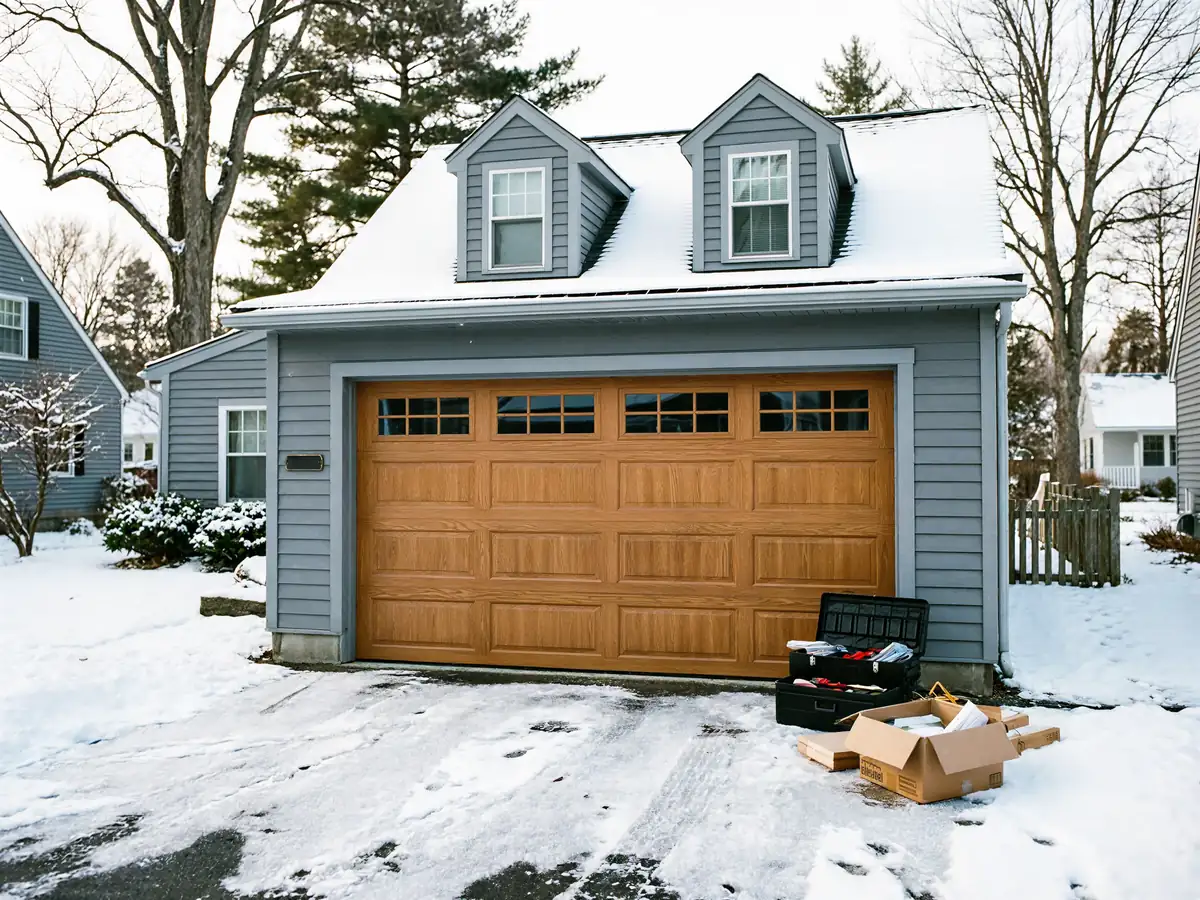
What ties these together in Bristol specifically is timing. We see a spike in these calls on the first hard cold mornings of the season and again in late winter when the freeze-thaw cycle is working on concrete slabs and door tracks. A door that worked fine in October seizes up in January because the lift springs lose tension as steel contracts in the cold, and a spring already near the end of its life cycle just can't take the extra load on a 20-degree morning.
If your door is dead quiet when the opener fires, check the obvious first: power to the unit, the wall switch, the remote battery. If it hums or clicks but the door doesn't budge, that's a mechanical fault, not an electrical one, and it's worth a call before you force it by hand.
Why It Happens Here
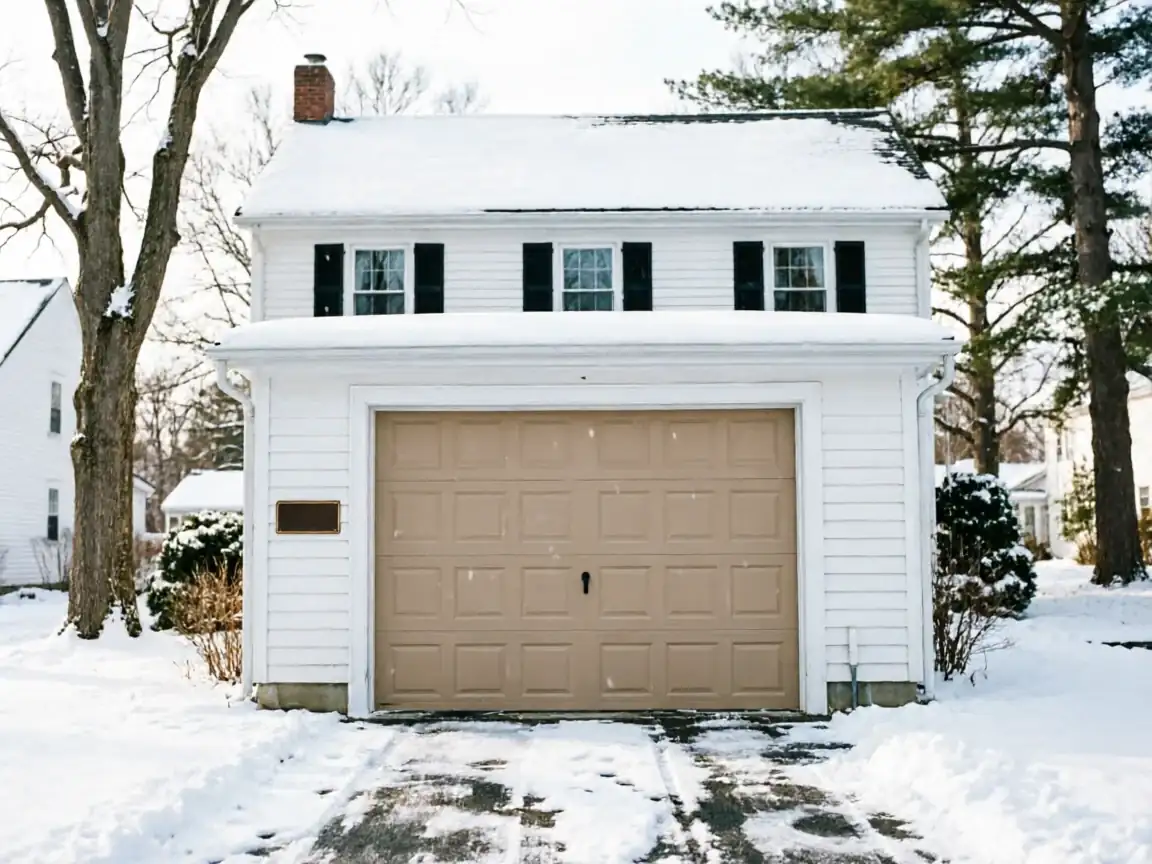
Housing in Bristol and the surrounding area mostly went up between 1938 and 1986, with the median build year around 1971. That's a long run of houses - across 64 named neighborhoods and nearby towns - built on torsion or extension spring hardware that was standard for its decade but isn't what gets installed today. A lot of these original systems have been re-sprung once or twice over the decades, sometimes with a spring rated close to but not quite matched to the door weight, which shortens the life of whatever goes on next.
The cold is the other half of it. This area sits in a severe cold climate band, and that matters more to a garage door than people expect. Steel springs and cables lose some flex in sustained cold, aluminum tracks can tighten slightly out of alignment, and old grease in rollers and hinges thickens up and adds drag right when the spring has the least reserve tension to spare. On a house built in the 1960s or 70s, none of this is a one-time problem - it's wear that's been accumulating since the house was new, and winter is when it finally shows up as a dead stop halfway open.
How We Fix It
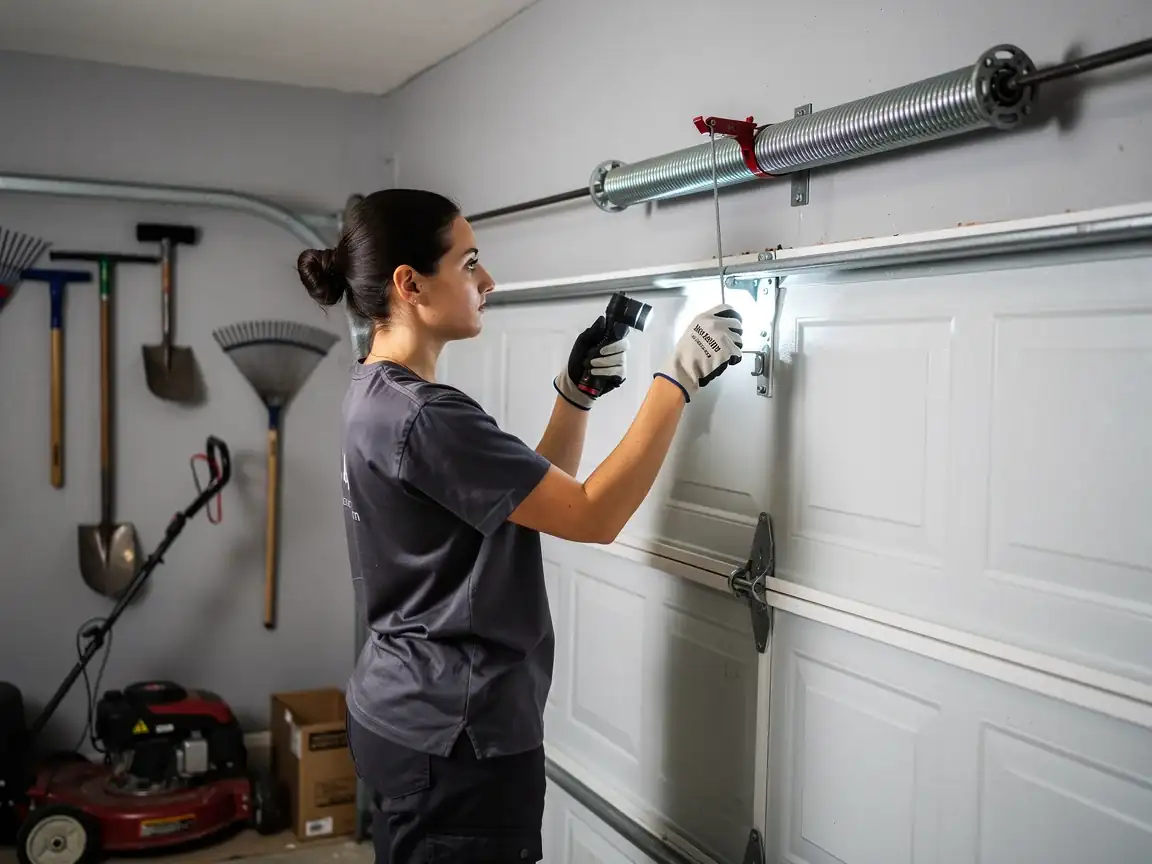
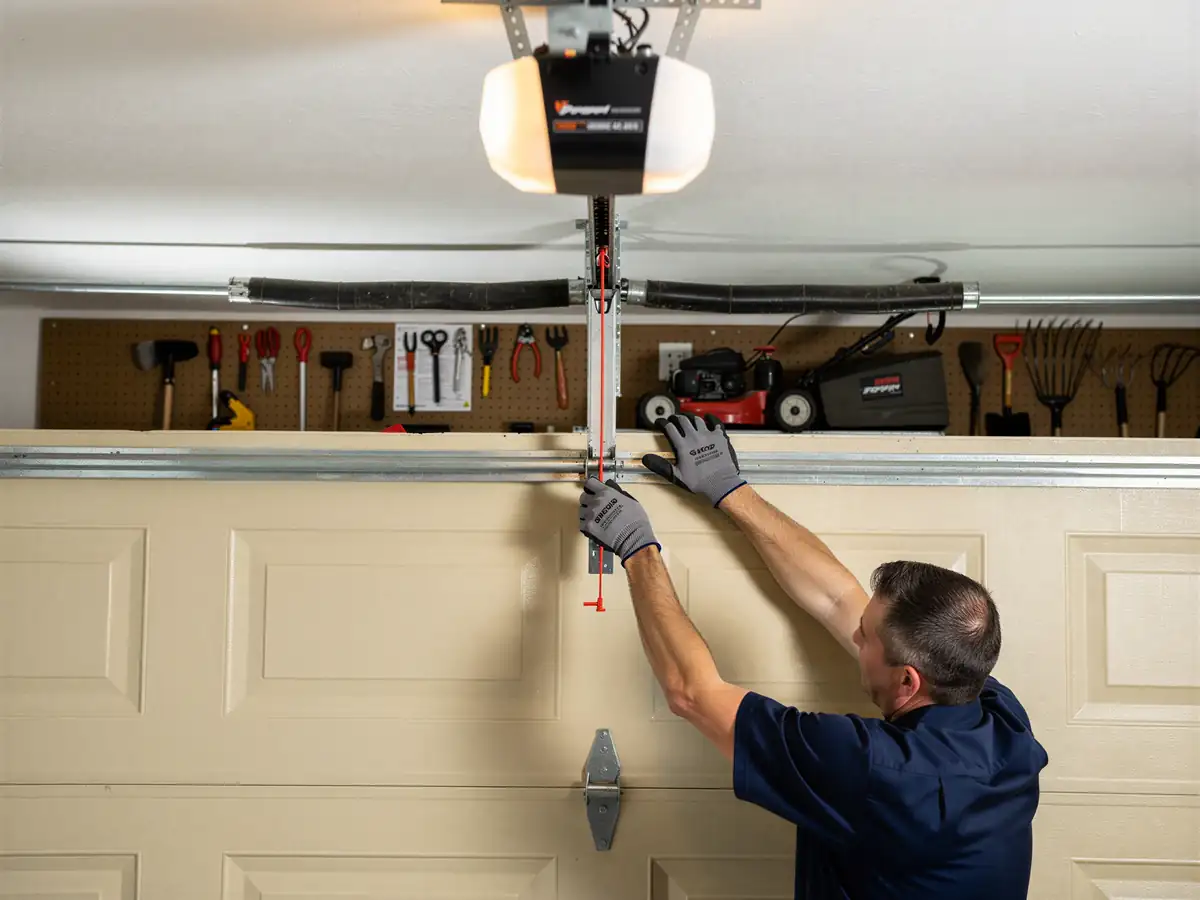
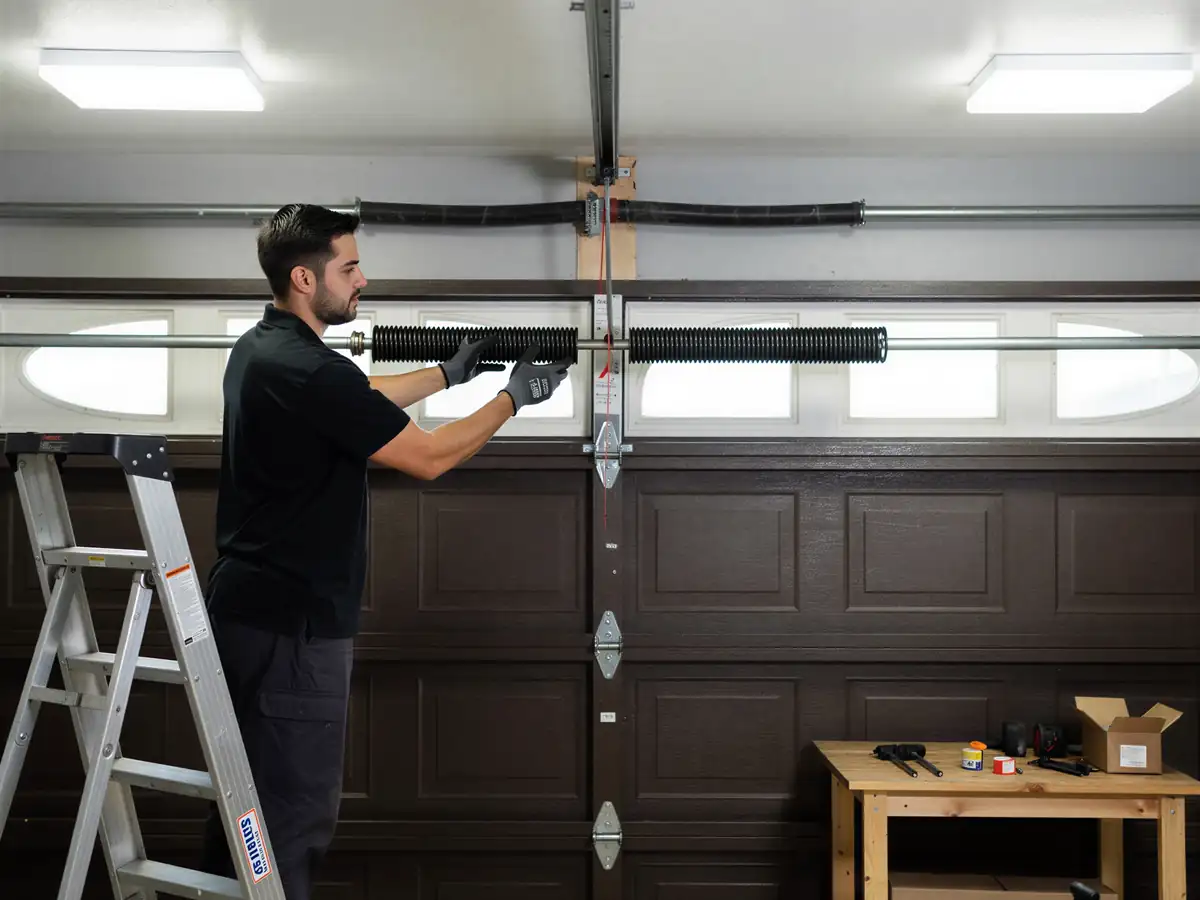
For a broken or weakened spring, we replace it with hardware sized to your door's actual weight
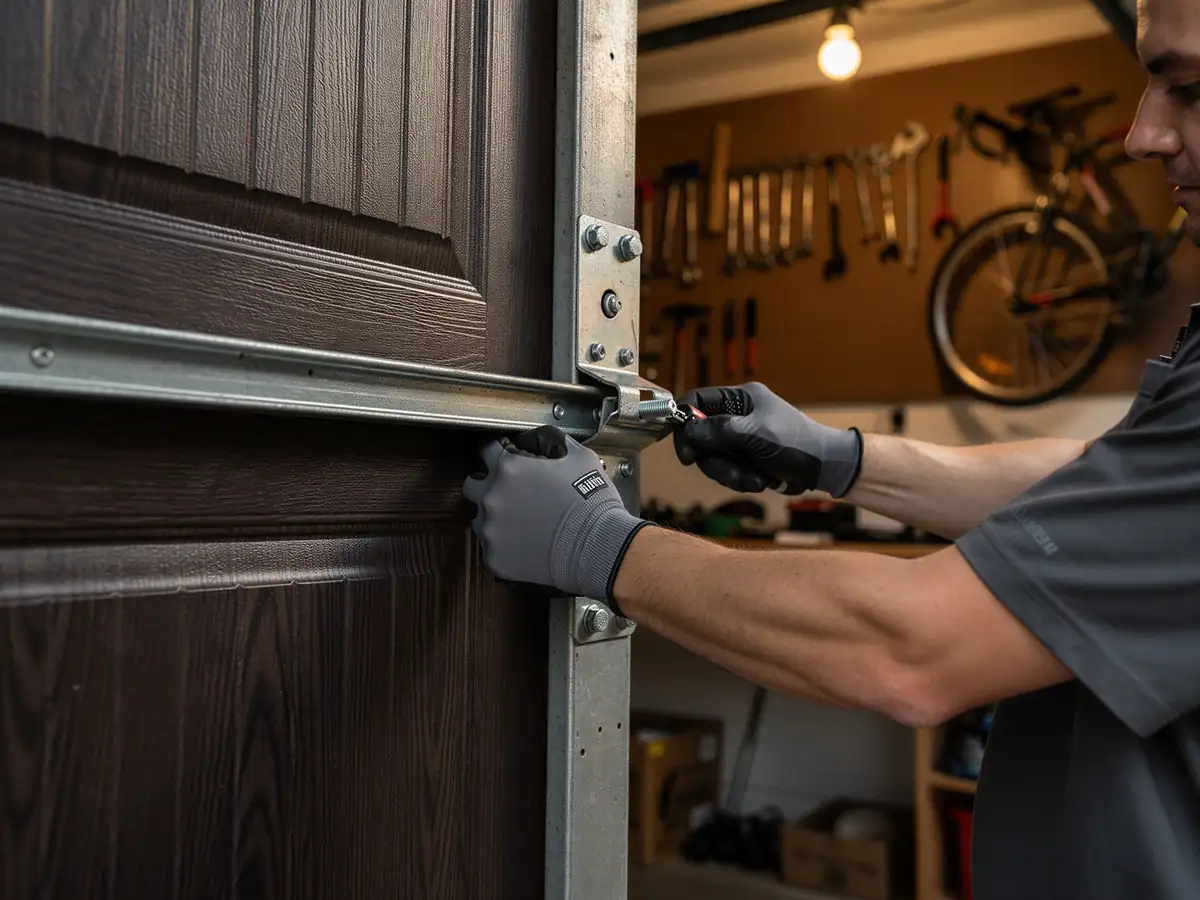
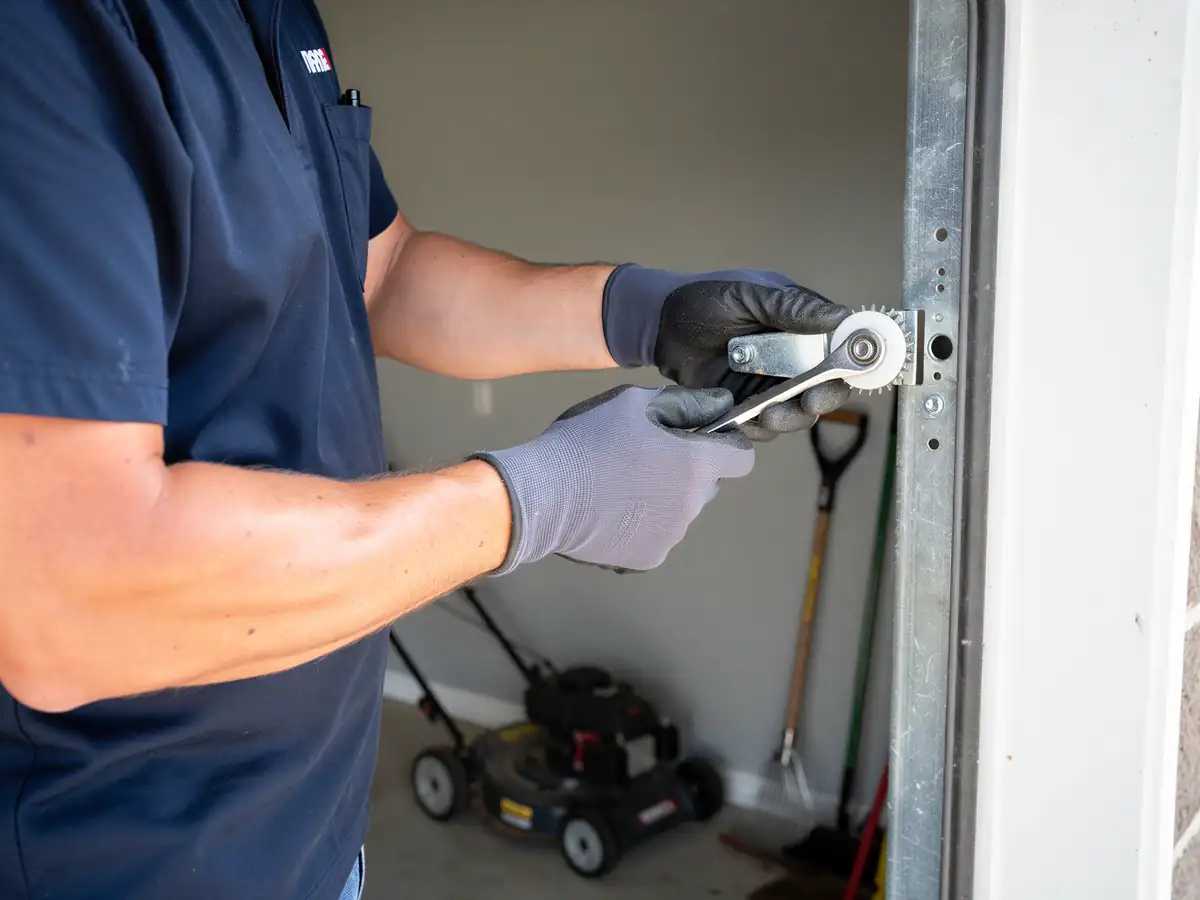
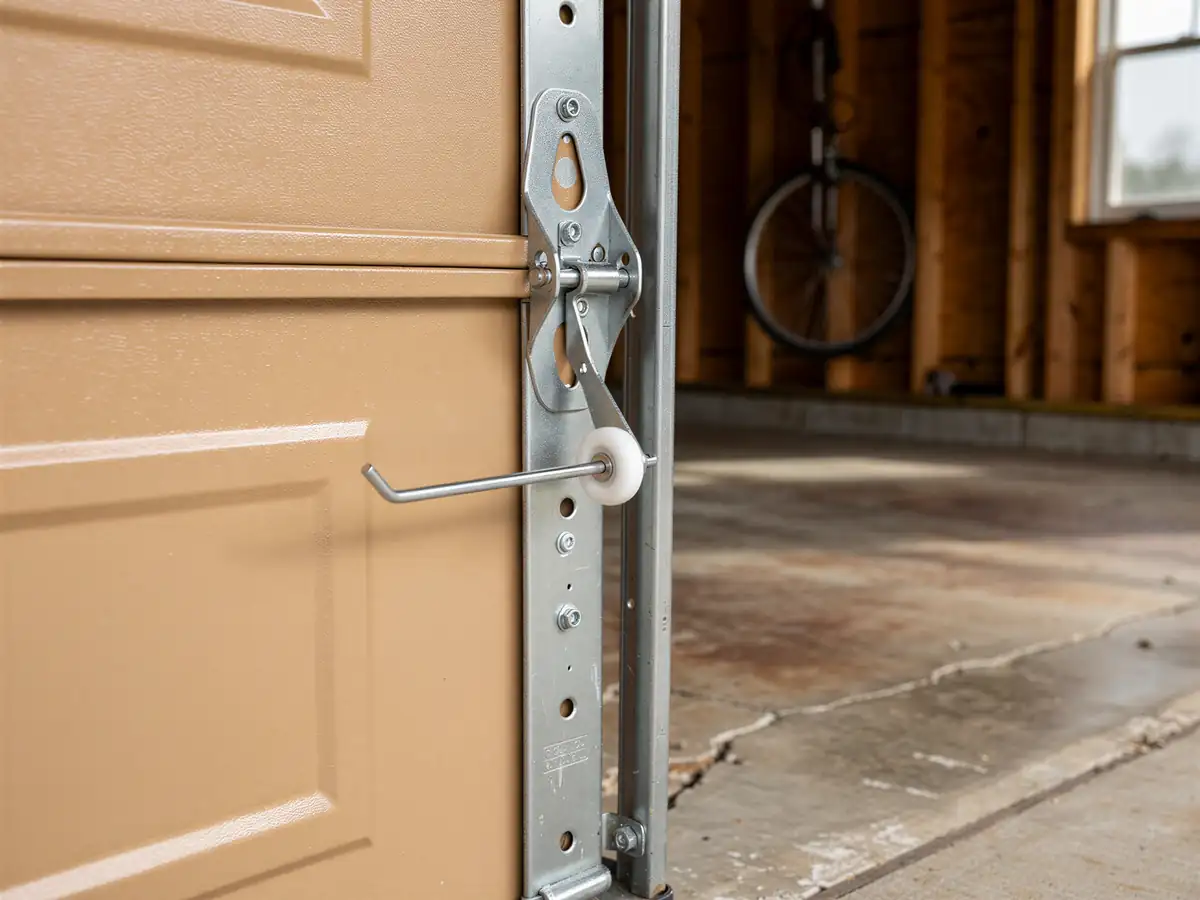
Not a generic match - that's the step that gets skipped most often on older systems and it's why some doors need a new spring again within a year or two. For doors that bind or drag in cold weather, we check track alignment, clean and re-lubricate rollers and hinges, and look at whether the original hardware has worn to the point that alignment can't hold anymore.
When the opener runs but the door won't move
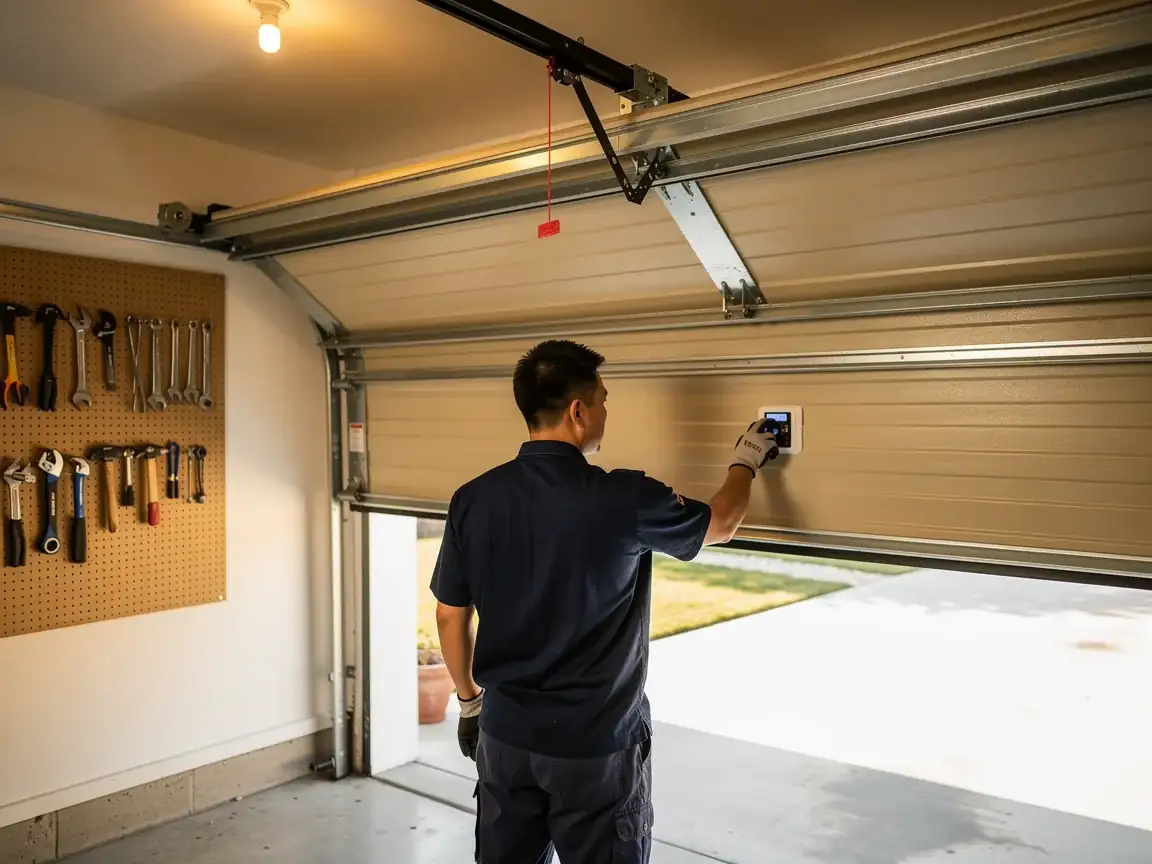
We trace it back through the trolley, the cable, and the drum before we touch the motor - most of the time the motor is fine and the problem is downstream of it. On houses with original 1960s or 70s track hardware, we'll tell you straight if a part is close to the end of its useful life rather than patching it again, because on a system that old, a second repair inside a year usually costs more than doing it right once.
One limitation worth knowing
If your door's hardware is a discontinued size or style from that era, we may need to source a compatible replacement rather than an exact match, since the original parts for some of these doors simply aren't made anymore.
How to Book
Call us and describe what the door is doing - whether it's stuck, slamming, grinding, or silent - and we'll get a read on whether it's a spring, cable, track, or opener issue before a truck even leaves. That front-end diagnosis matters more on older Bristol-area homes, where the fix sometimes isn't the obvious one.
You can also reach us through the website to get the ball rolling. Visit our homepage for more on the full range of work we do if you're not sure your issue fits what's described here.