Doing Nothing For Now
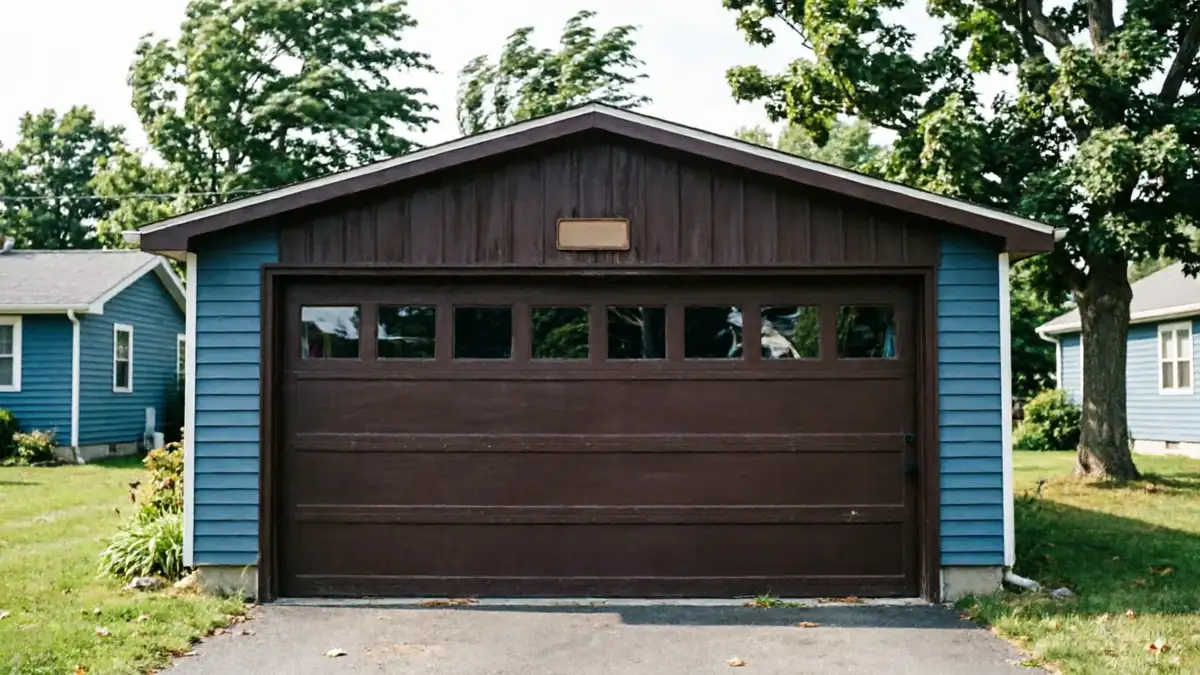
Most of the double-wide garage doors we look at in Bristol sit on houses built somewhere between 1938 and 1986, with the bulk of that stock going up in the 1960s and 70s. That matters because a 16-foot door built or installed during that stretch was almost never engineered against wind load the way a door sold today is. Leaving it alone isn't reckless on a calm week. It becomes a problem the first time a real gust hits a door that wide broadside, because a wide panel flexes more than a narrow one, and flex is what breaks track brackets and pulls hinges loose. If your door has gone thirty, forty, fifty years without a reinforcement strut added, doing nothing just means you haven't had the wind yet. Bristol sits in a cold-severe climate band, which adds a second variable: cold makes steel and vinyl stiffer and less forgiving right when wind is most likely to be pushing on the panel. Waiting isn't automatically wrong, but it's a bet, and you should know what you're betting on before you decide to keep waiting.
What to Check
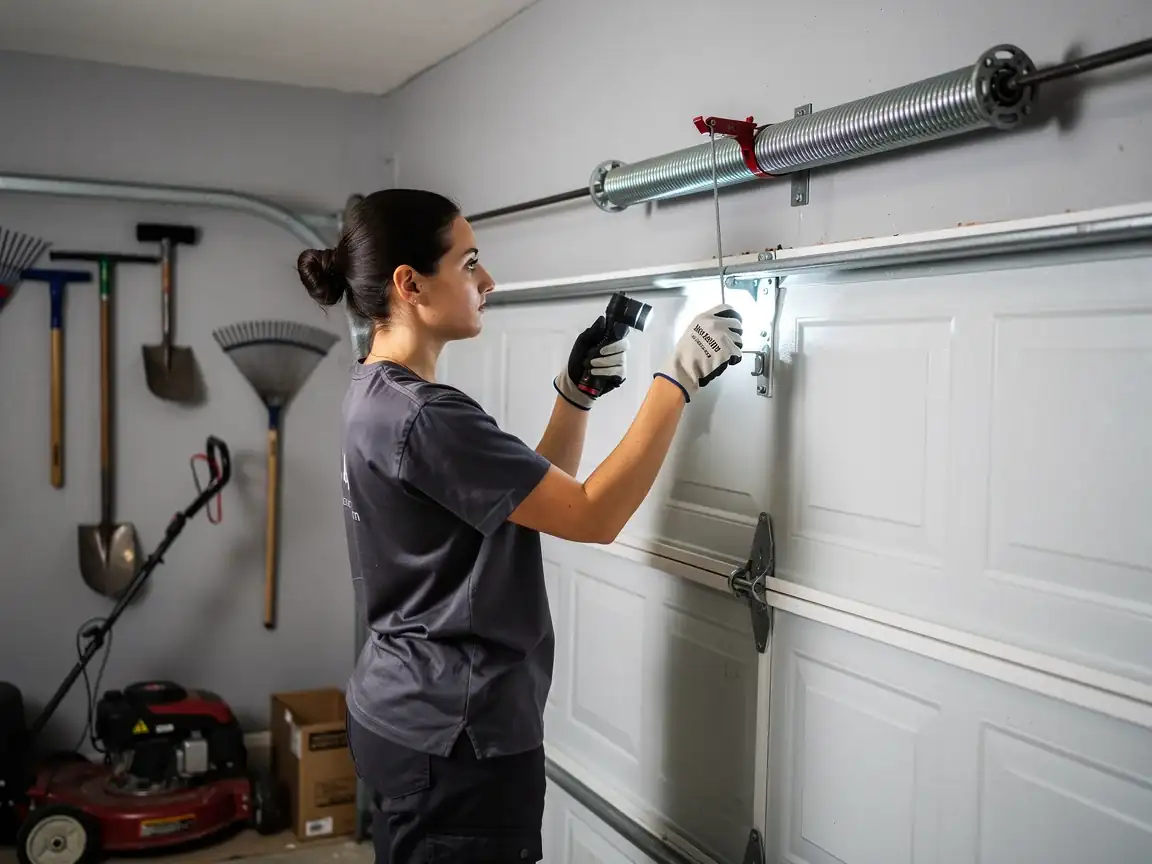
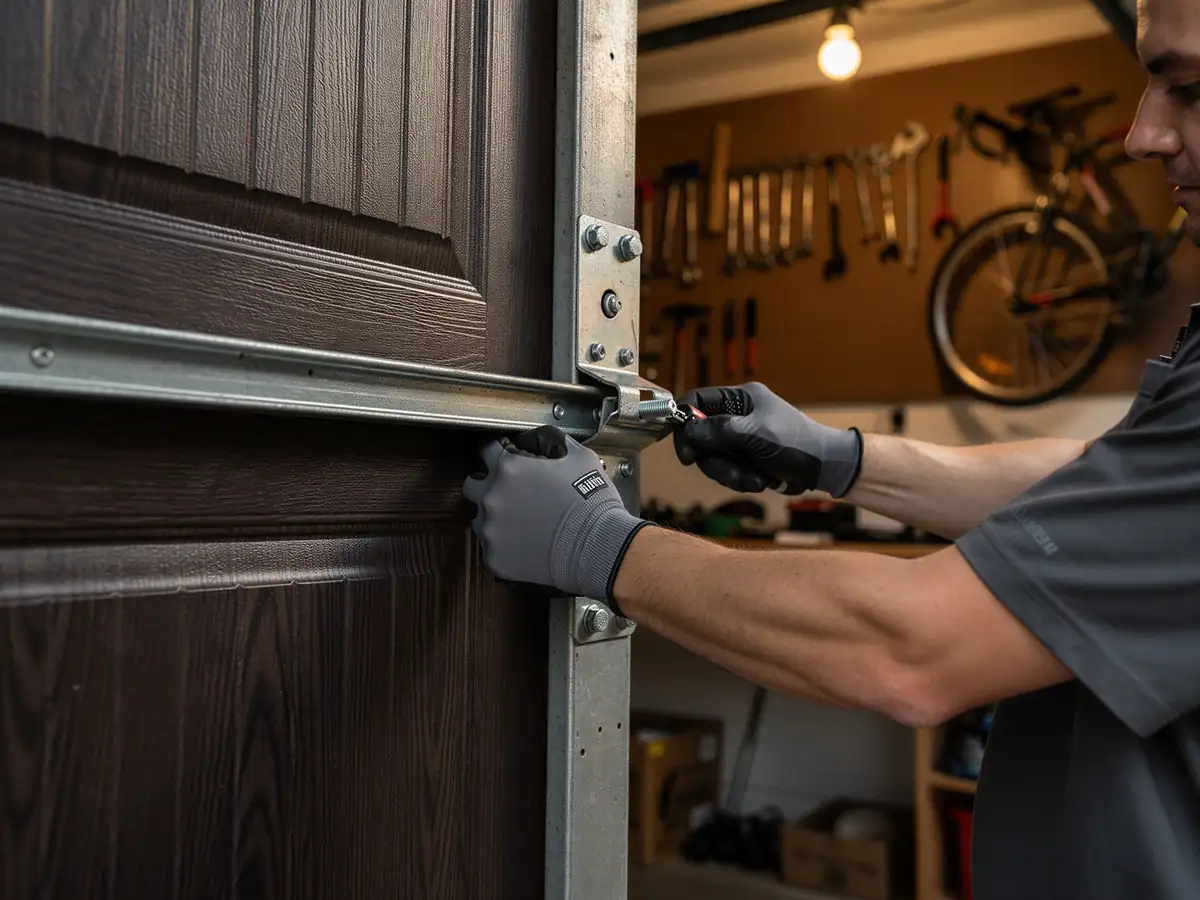
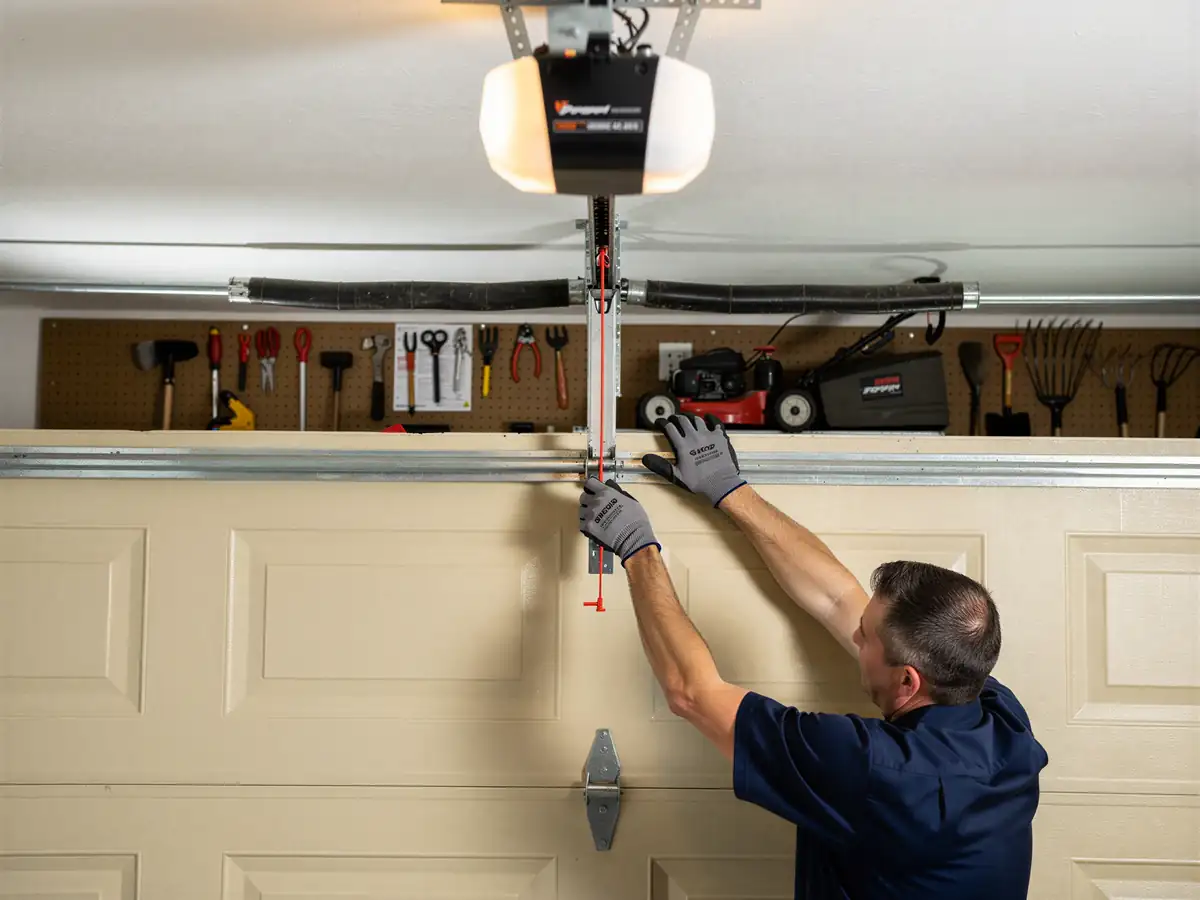
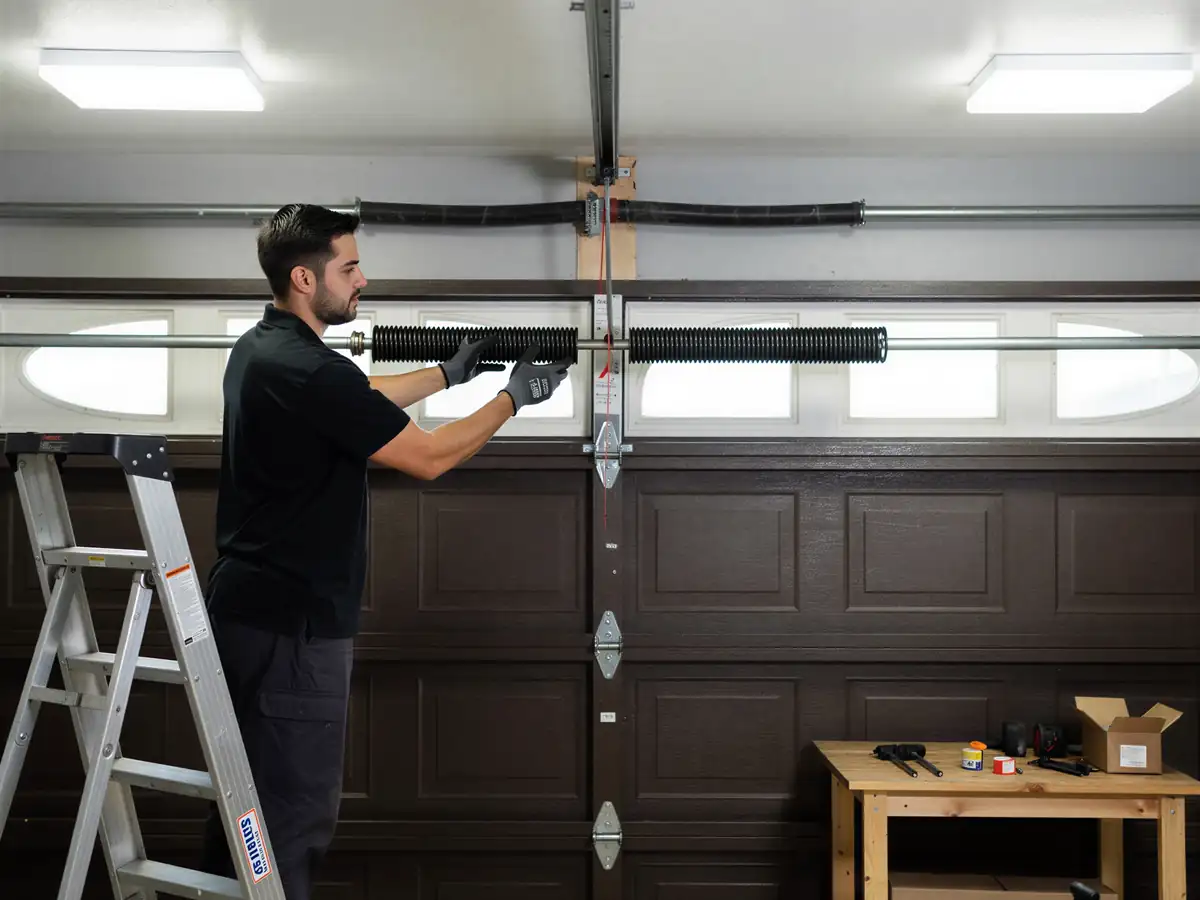
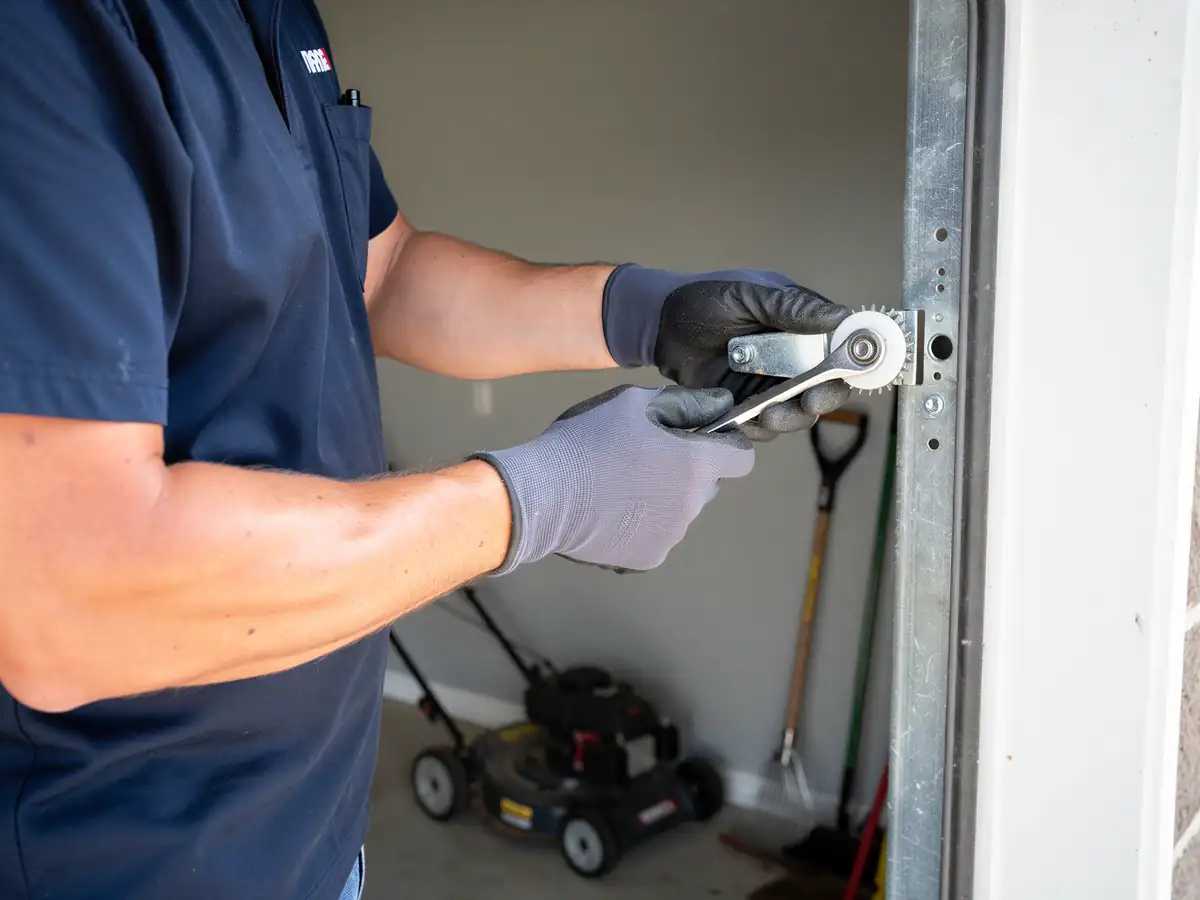
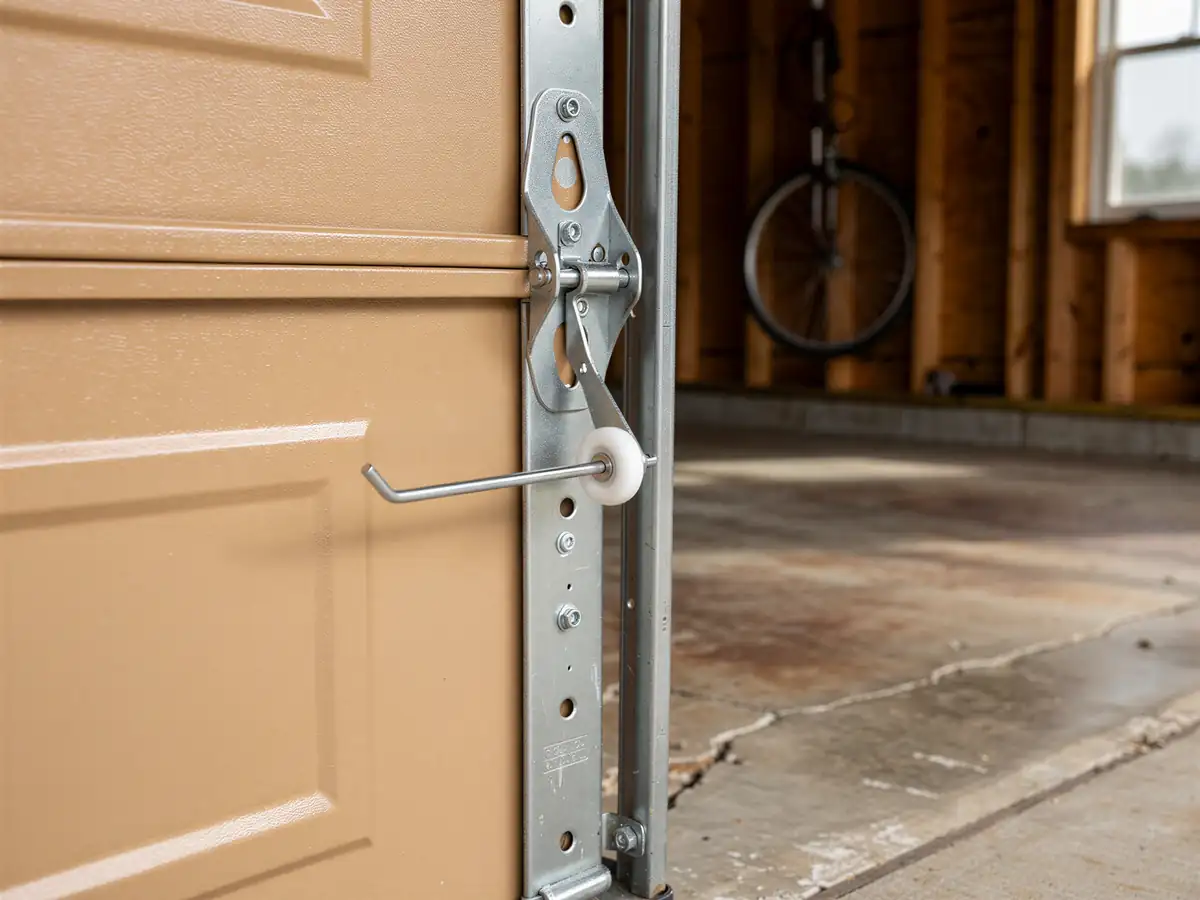
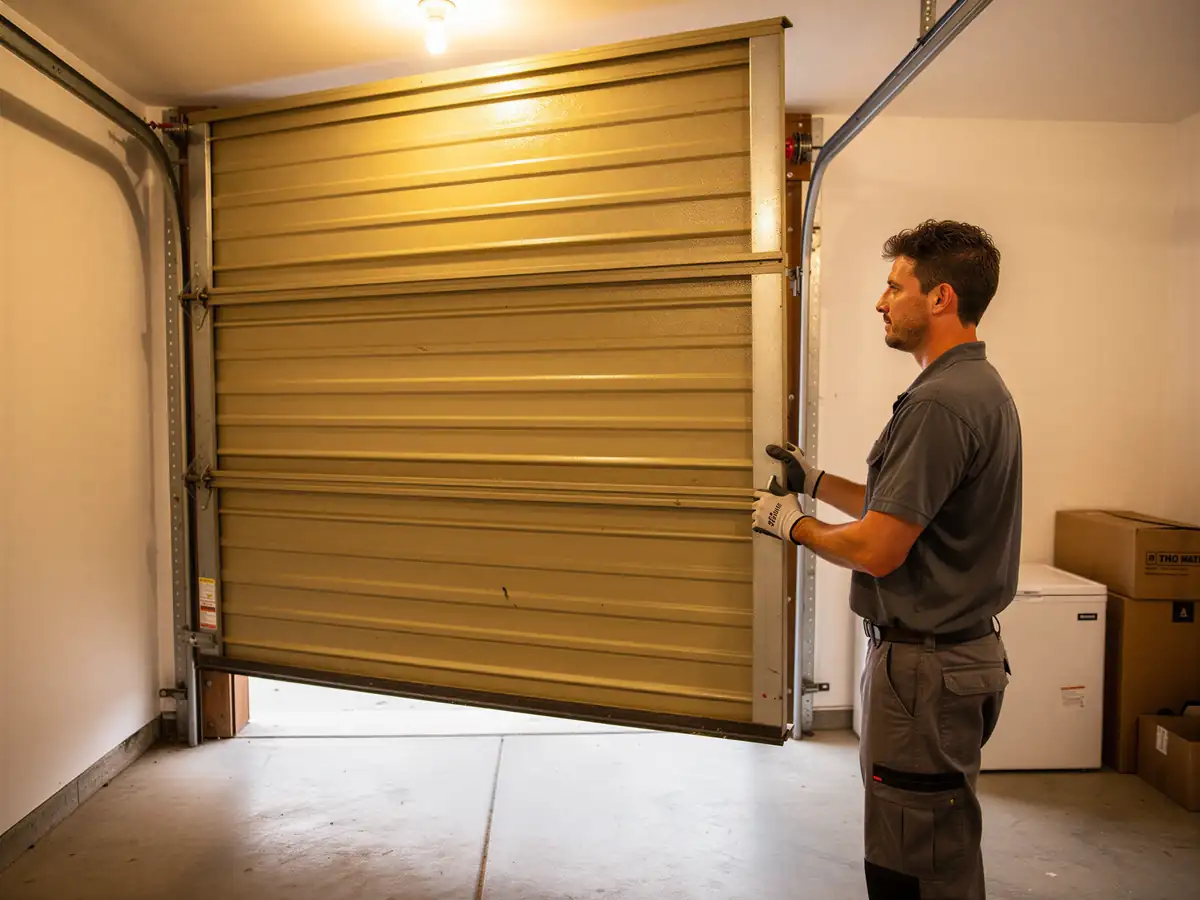
Start at the horizontal center seam on a double-wide door - that's where a reinforcement strut would sit if one was ever installed, and on a lot of 1960s and 70s Bristol houses, one wasn't. Run your hand along the back of the top panel for a steel bar bolted across it. No bar, no reinforcement. Next, check the track brackets at the top corners for any bend or stretch; those take the load first when a wide door flexes. Check the weatherstripping along both sides - in a cold-severe climate, stripping that's gone stiff or cracked lets wind get a grip on the edge of the panel instead of sliding past it. Last, check whether the springs look original or replaced: a lot of older doors in this area were re-covered with heavier insulated panels at some point without the springs being resized for the new weight, and an undersized spring under wind load is a cable off the drum waiting to happen.
What Local Conditions Do
Put the two Bristol-specific facts together and the picture gets clearer: a housing stock centered on 1971 construction, mostly double-wide garage doors, sitting inside a cold-severe climate band. Cold doesn't just make the house uncomfortable - it stiffens the vinyl seal at the bottom of the door and makes an aging steel panel more brittle exactly when wind is loading it the hardest. That combination is why we treat wide doors on older Bristol houses differently than we'd treat a newer single door elsewhere in the area. We don't stock reinforcement struts for every vintage of door on the shelf - some older panel profiles need the part ordered, which adds a few days. That's a real limitation and worth knowing before you call expecting same-day fix for an unreinforced door. Given that median household income in the service area runs north of six figures, a lot of owners here choose to replace an old unreinforced double door outright rather than retrofit it, and on a door already near end of life that's often the more honest answer than a patch.