Doing Nothing For Now
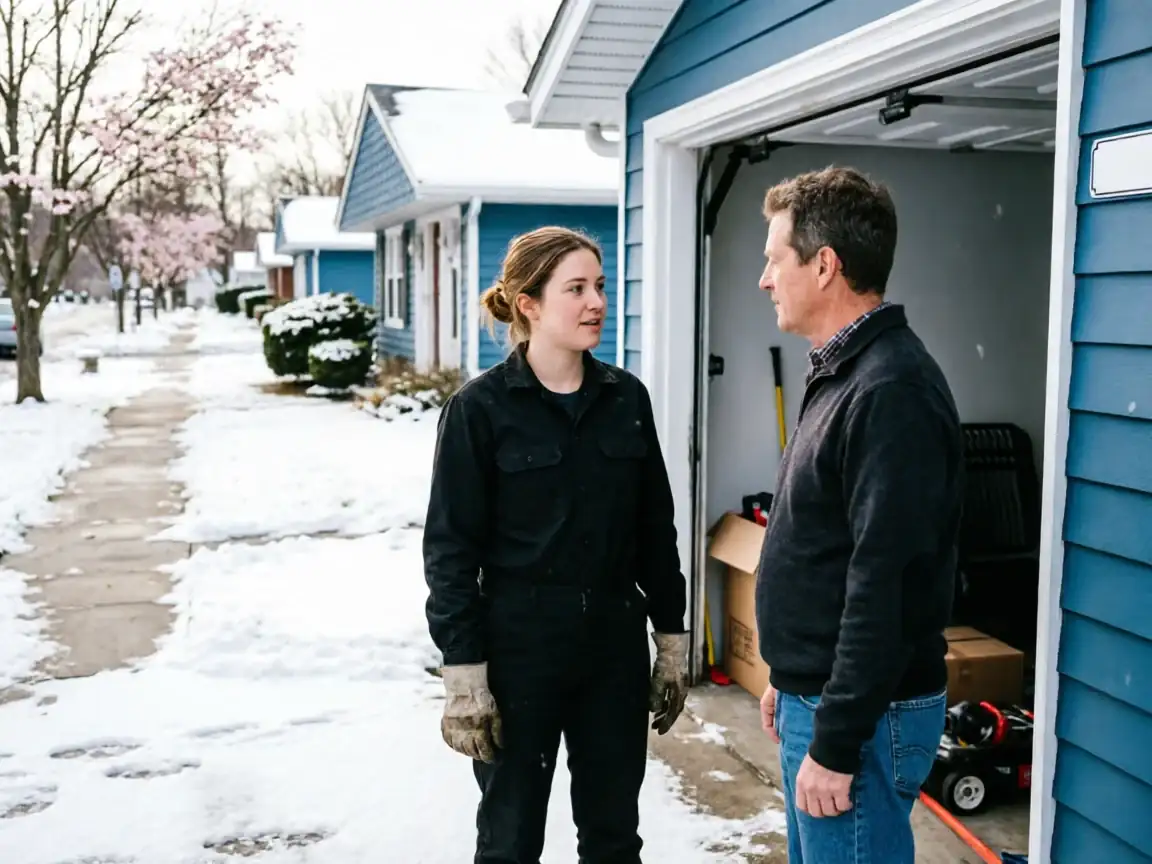
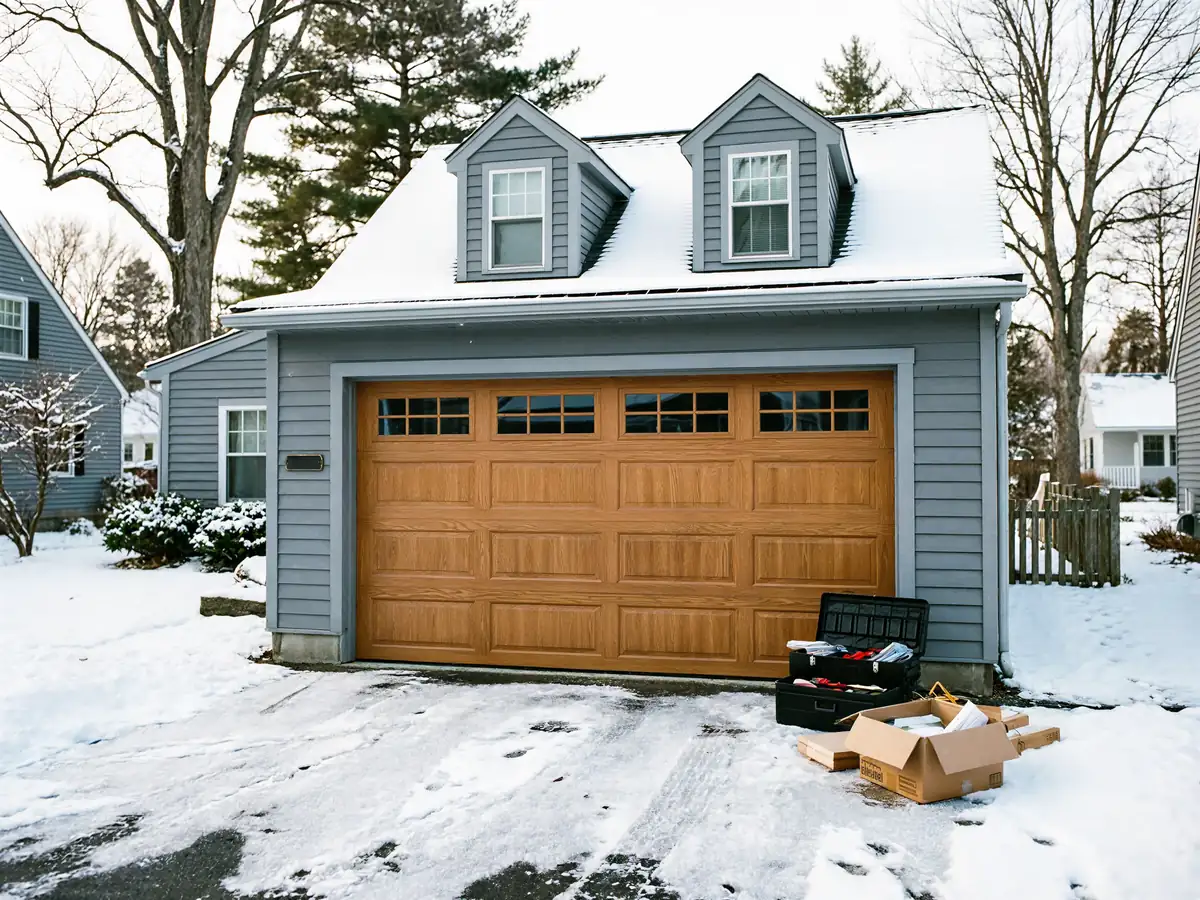
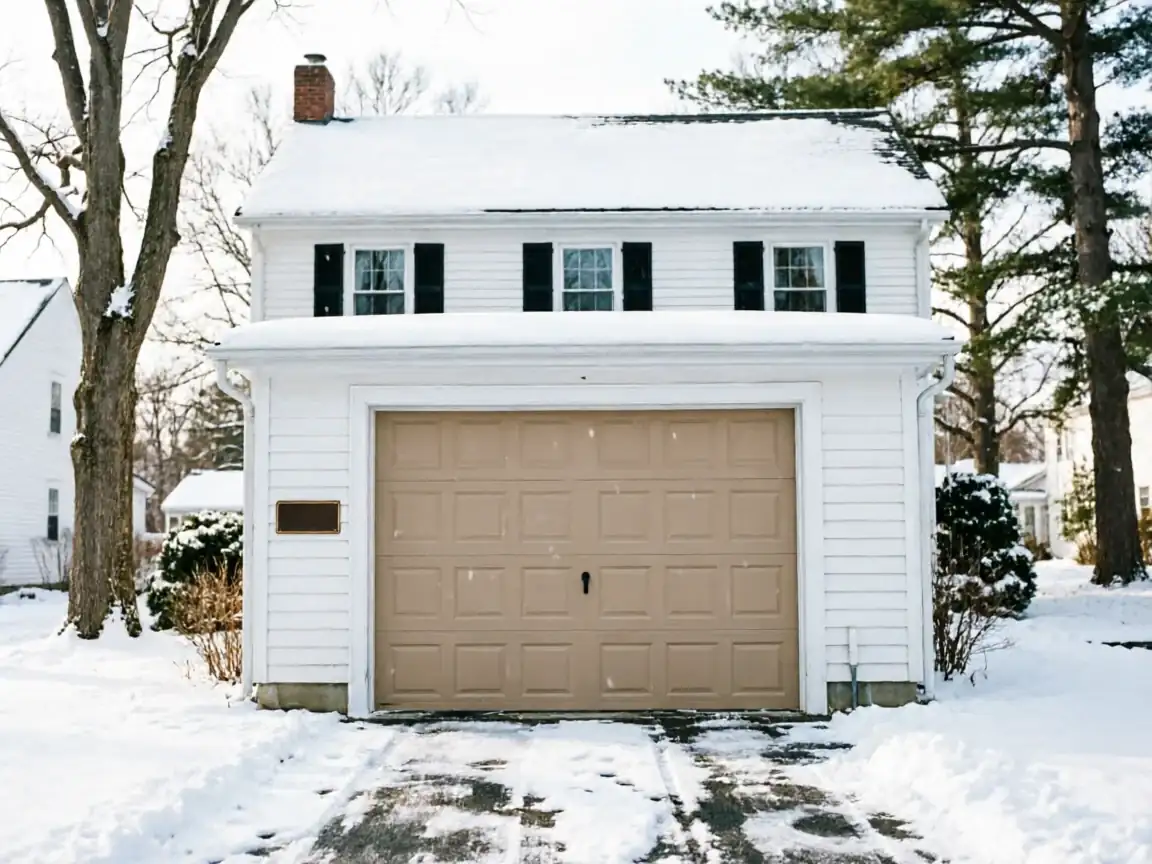
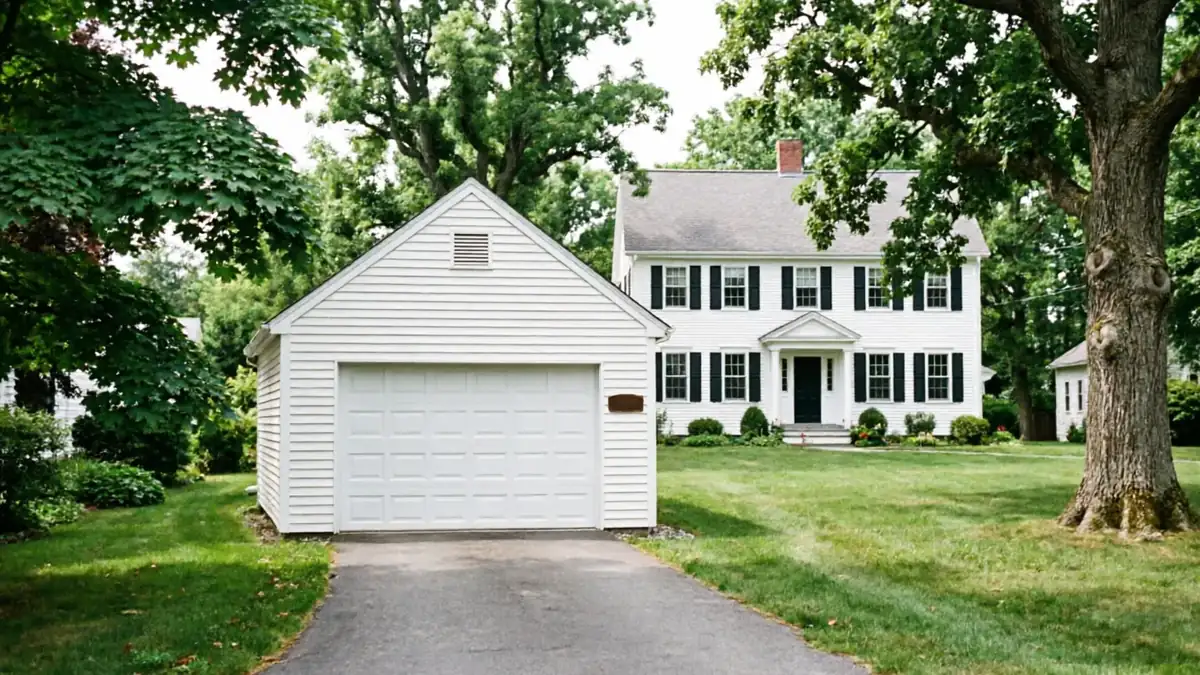
If you've got a detached garage that isn't attached to living space, a slow door or a little rust on the track isn't an emergency. Most of the detached garages still standing in this area went up between 1938 and 1986, with the typical build year sitting around 1971 - old enough that a little stiffness in cold weather is normal wear, not a sign the door is about to come off the track. If nobody's stepping on the opener every day and the door still seats flush at the bottom, you can wait on it.
Attached garages are a different call. If that door shares a wall with a bedroom or a kitchen, a bad seal or a panel that won't close square is costing you heated air all winter, not just annoying you. In a cold climate band like this one, that adds up fast. Waiting on a detached garage costs you convenience. Waiting on an attached one costs you a utility bill. Know which one you've got before you decide to ignore a problem.
What to Check
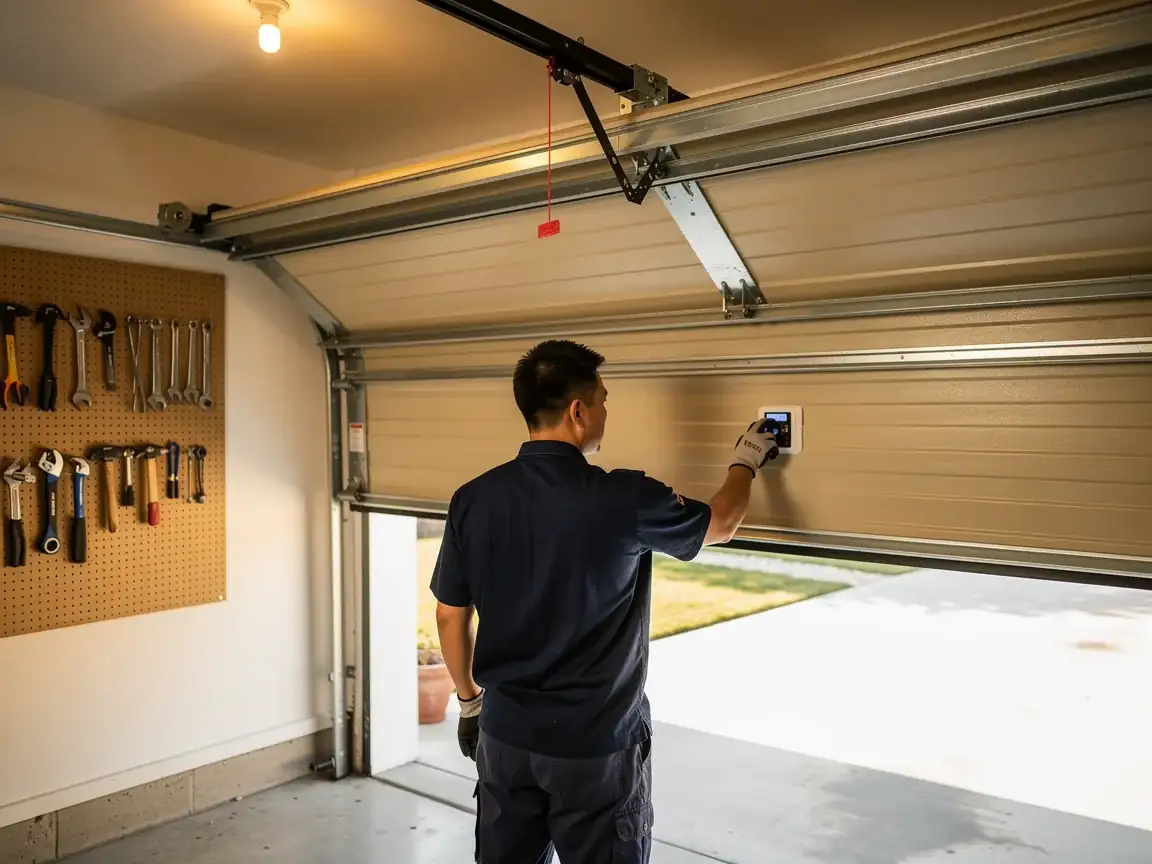
Start at the bottom panel. On a detached garage built in that 1960s-70s wave, the bottom seal is usually the first thing to go - check for daylight showing under the closed door. On an attached garage, go inside first: feel around the door frame where it meets the house. If you feel a draft there in a cold spell, the weatherstripping has already failed and you're heating the outdoors.
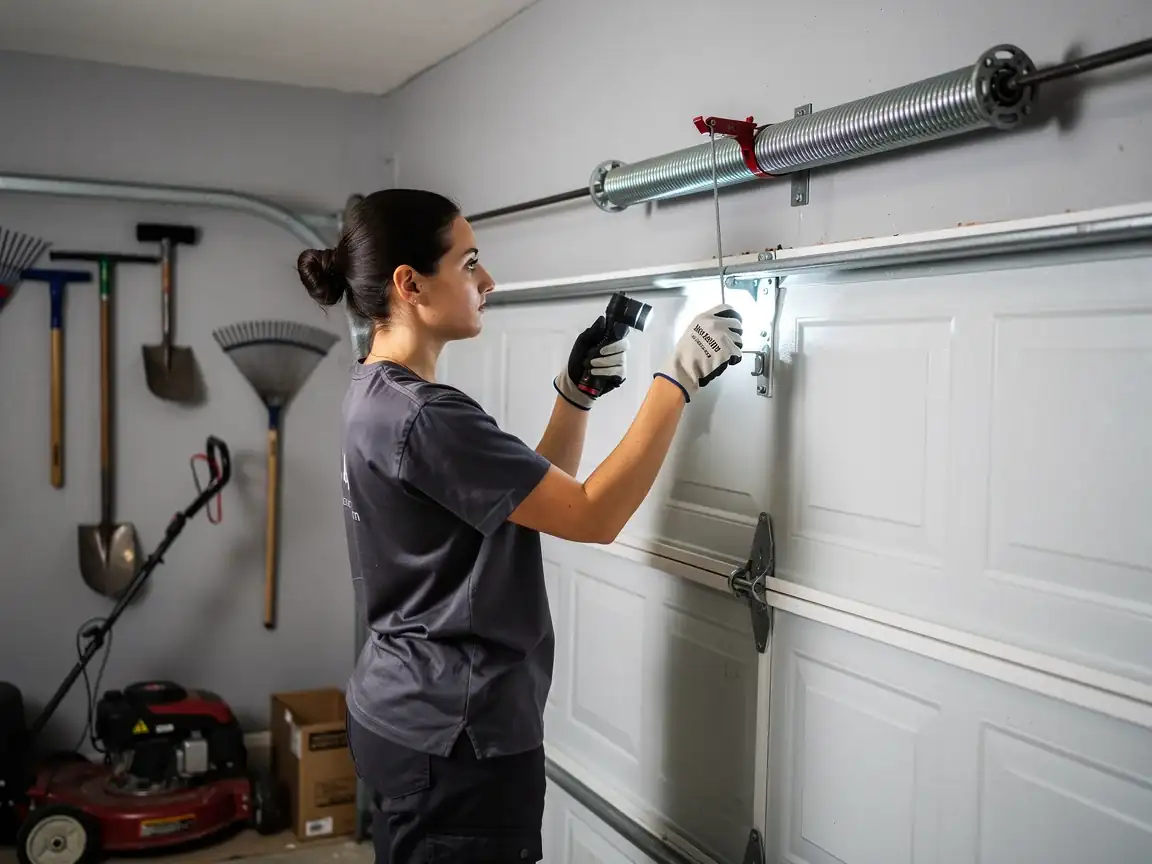
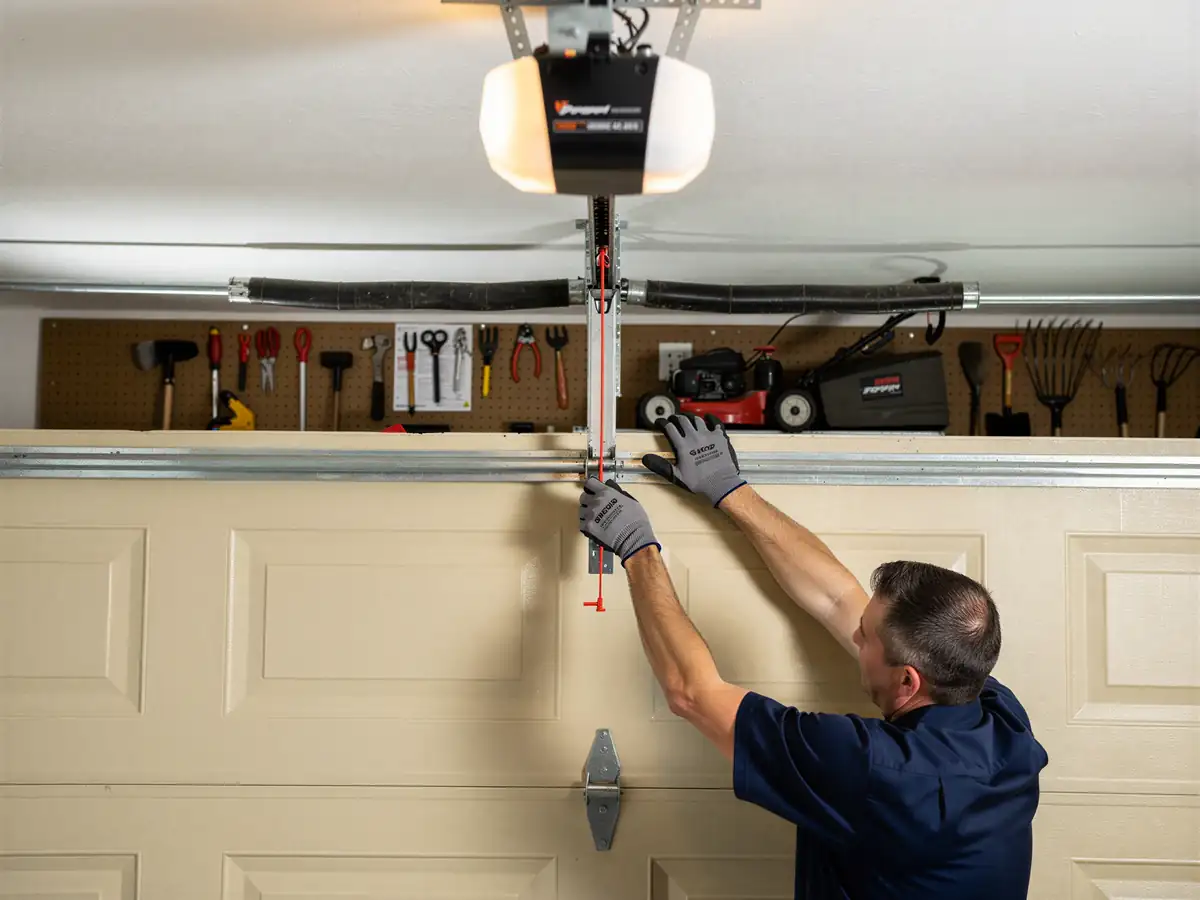
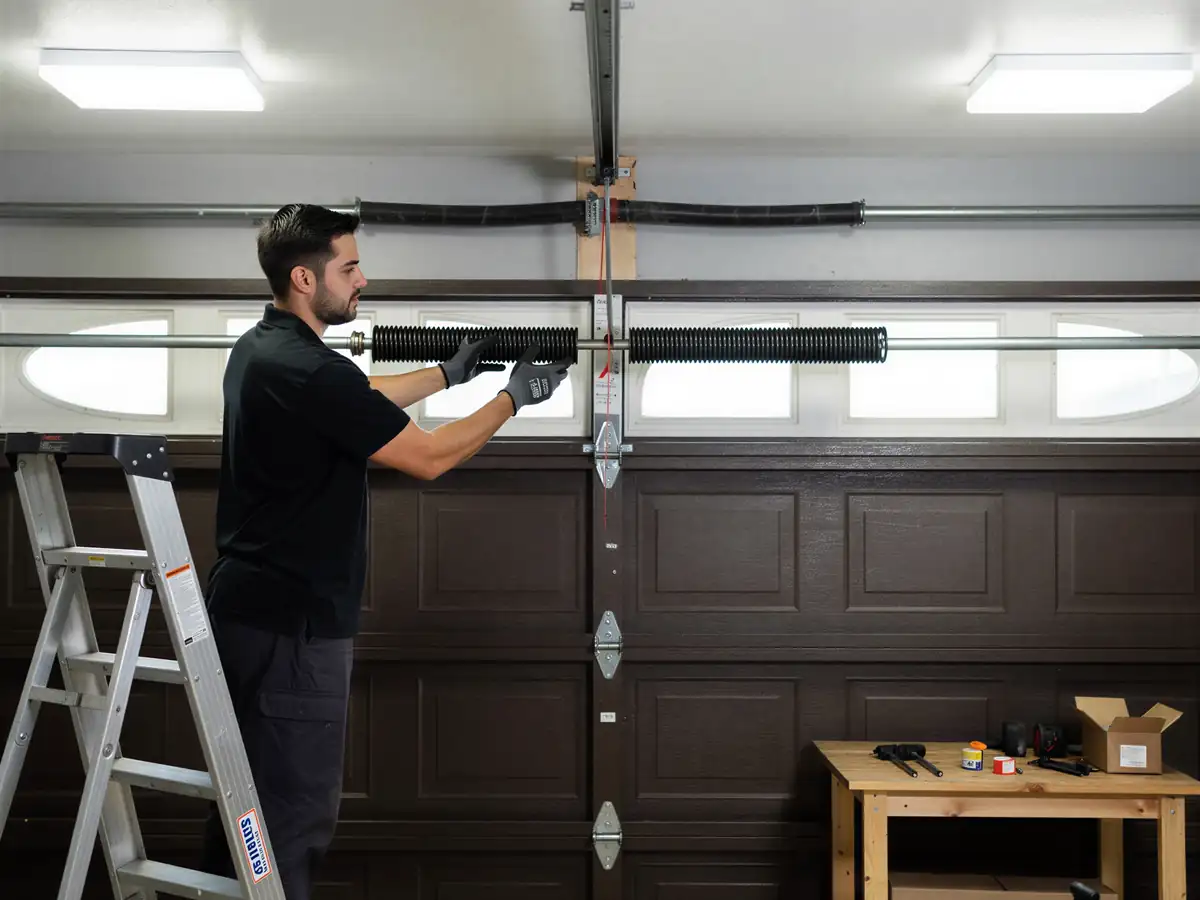
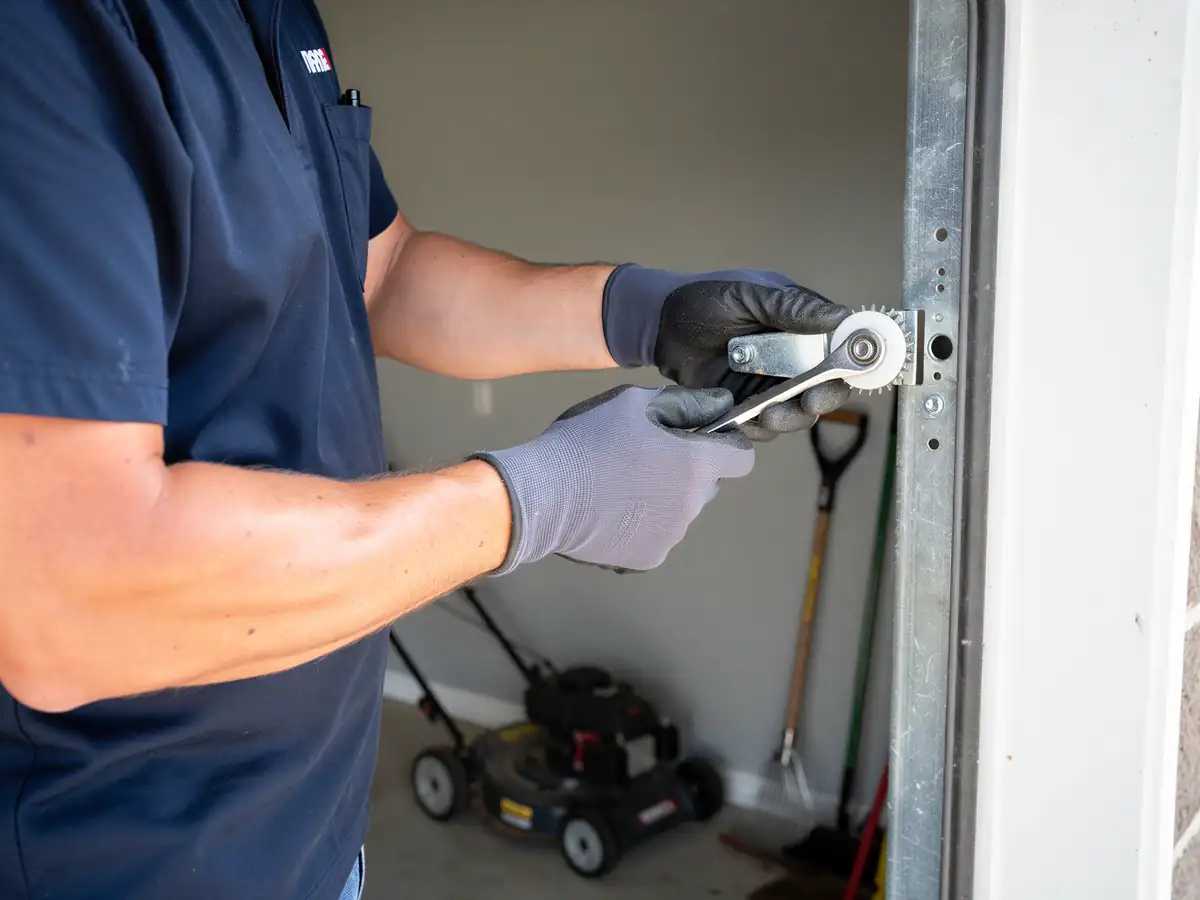
Next, look at the spring. A torsion spring that's cold-stiffened will make the opener strain audibly on lift - listen for the motor working harder in the morning than in the afternoon, once the garage has had a chance to warm slightly. That gap in effort is a cold-weather tell, not a random glitch.
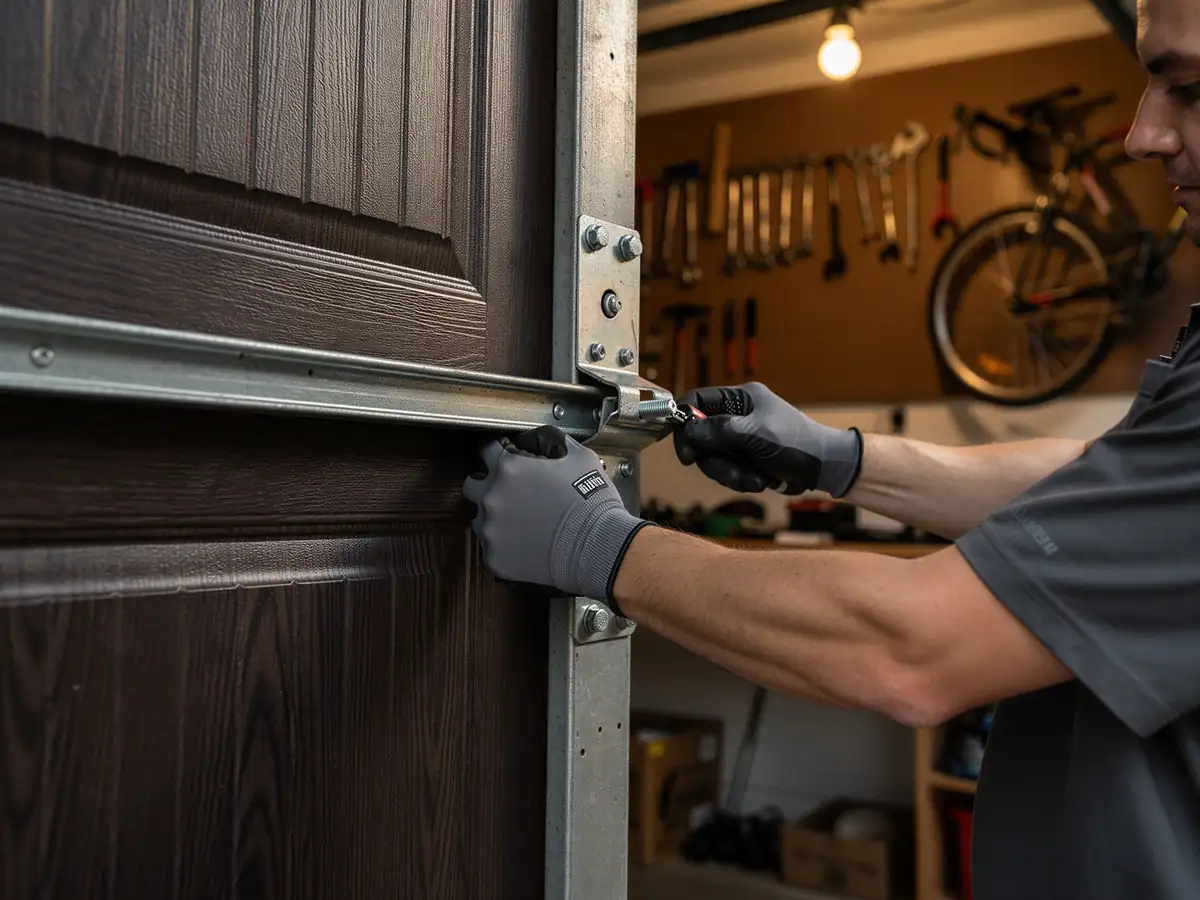
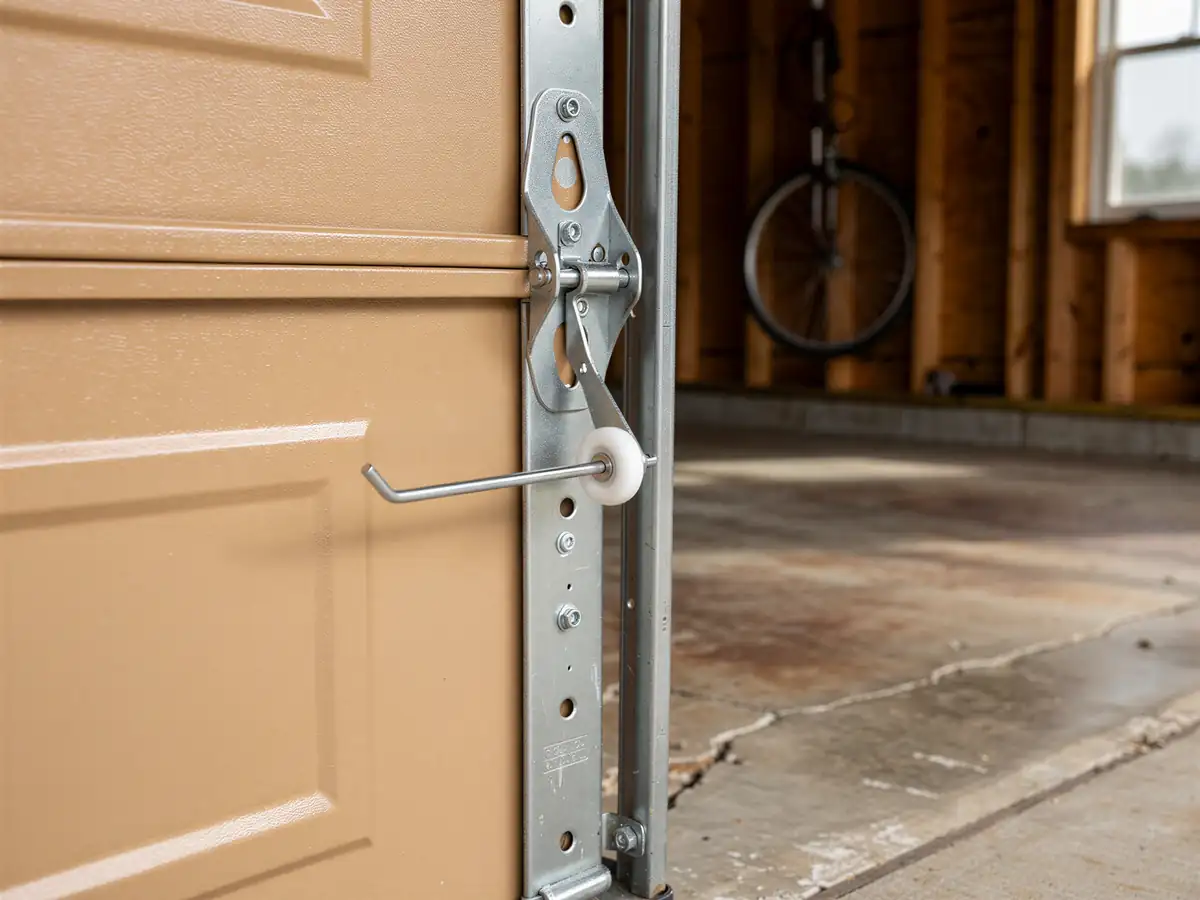
Last, check the track mounting. Detached garages from this era were usually built without insulation and with simpler framing, so the track brackets have less to hold onto than they would on a newer structure. A little play at the bracket is worth tightening before it becomes a dropped door.
The Problem
Across the 64 named areas that make up this part of the Bristol area
The housing stock is overwhelmingly 1960s and 70s construction. That means two things for garage doors specifically. First, a lot of detached garages from that period were built as single-car structures with a single uninsulated panel door - fine in 1971, but it means the door has no thermal break at all, so every cold snap works the hardware directly with nothing buffering it. Second, the attached garages from the same wave often share a single wood-frame wall with the house, and that wall has had fifty-plus years to settle, which throws the door slightly out of square even when nothing visibly looks wrong.
The honest limitation here: we can't tell you which problem you have without seeing the door
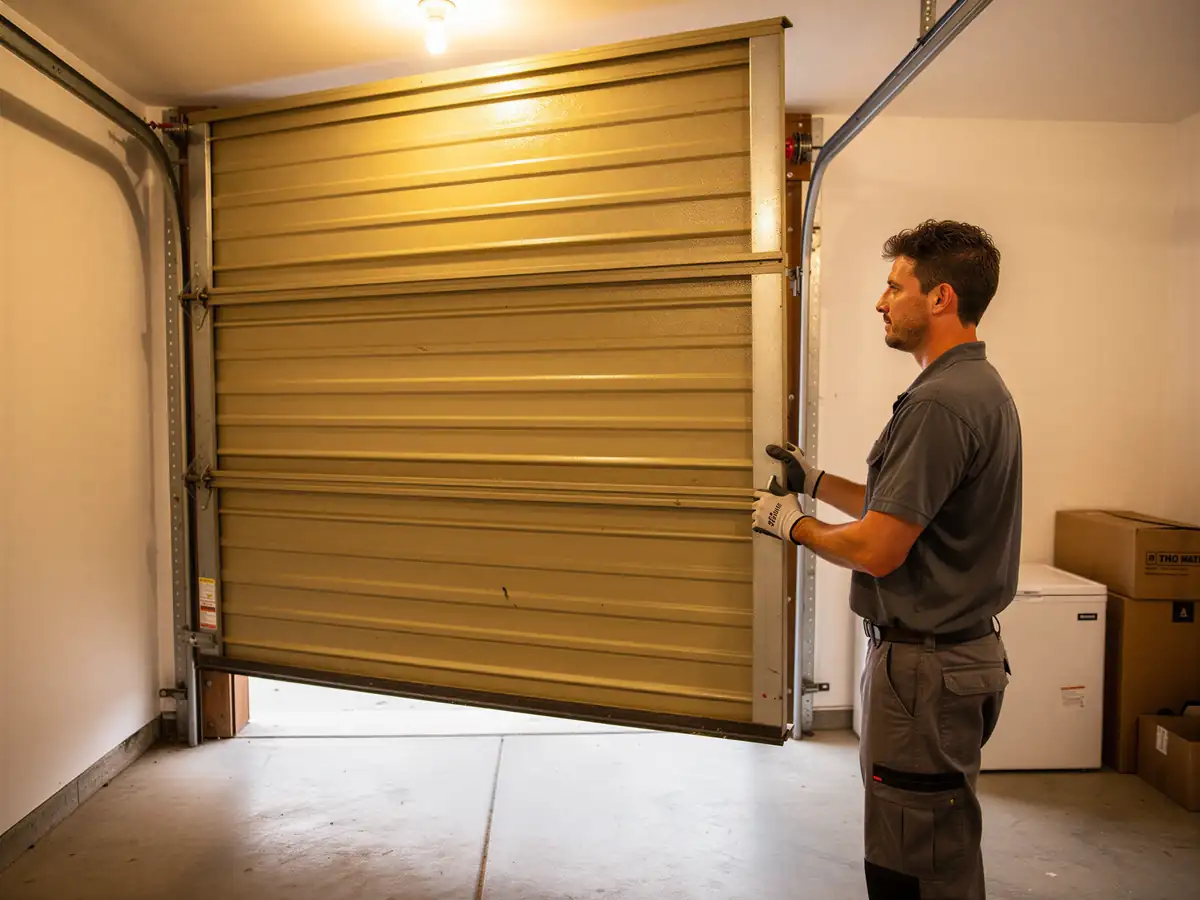
A door that's merely stiff from cold and a door that's actually racked from a settled frame look almost the same from the driveway. One needs lubrication, the other needs the track reset or rehung - treating the second problem like the first just wastes a service call.
What Local Conditions Do
This area sits in a cold climate band on the severe end, and that matters more for garage doors than people expect. Cold stiffens torsion springs, thickens grease in the rollers, and shrinks metal tracks just enough to throw bolts and brackets out of the alignment they had in July. On a detached garage, that shows up as a door that's noticeably harder to lift by hand on the coldest mornings of the year.
On an attached garage, the same cold does something else: it turns a bad seal into a direct pipeline between outside air and your living space. A door and frame built in that 1960s-70s stretch weren't engineered for the insulation standards we'd use today, so even a well-maintained attached garage door here is working against a colder, leakier gap than a newer build would have. That's not a flaw unique to any one house - it's what you get when a severe-cold climate meets construction from that era. It's worth planning winter maintenance around that reality rather than around a generic seasonal checklist.