The Symptom
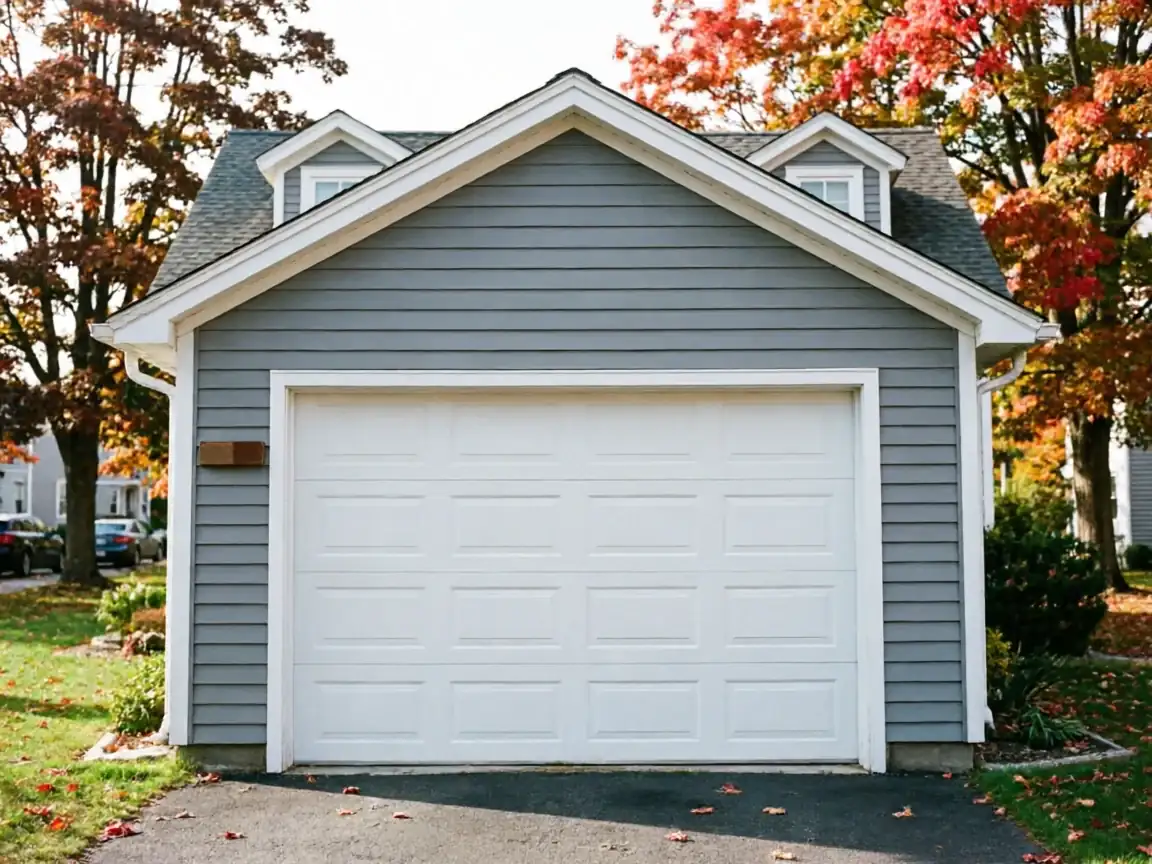
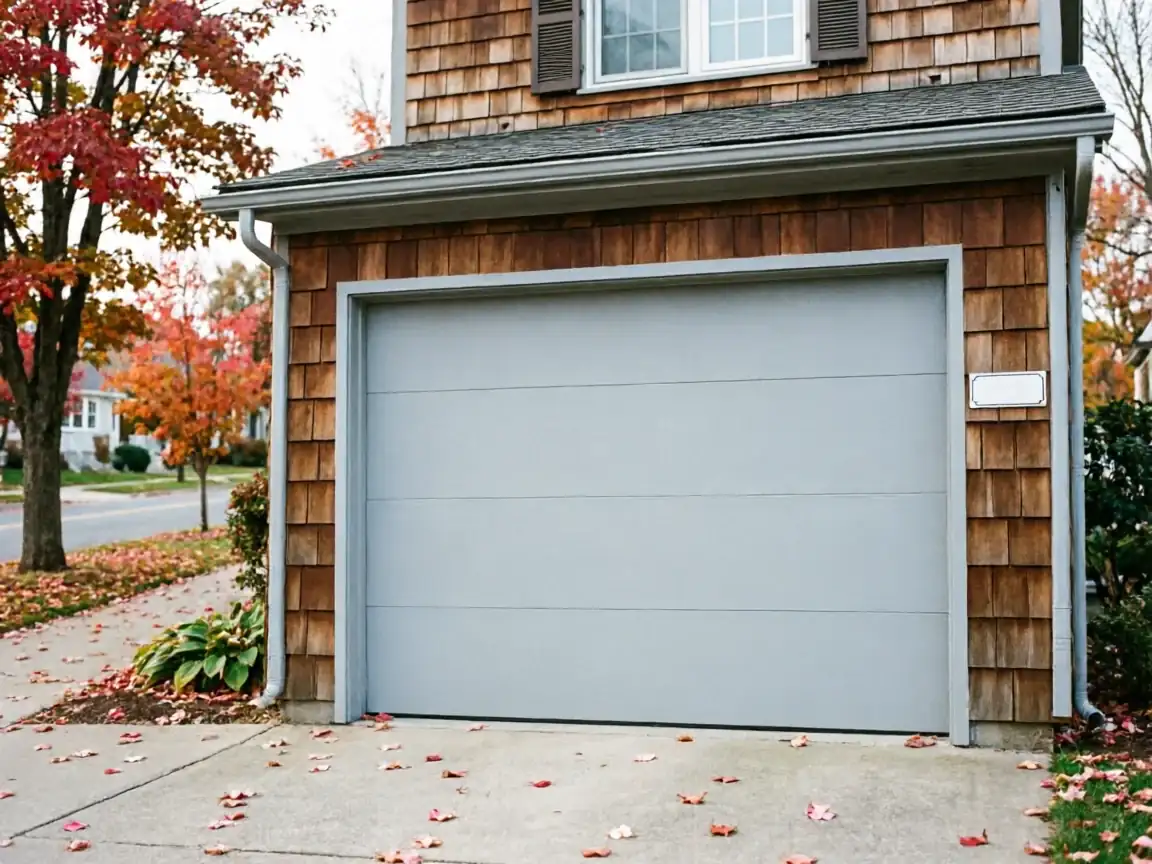
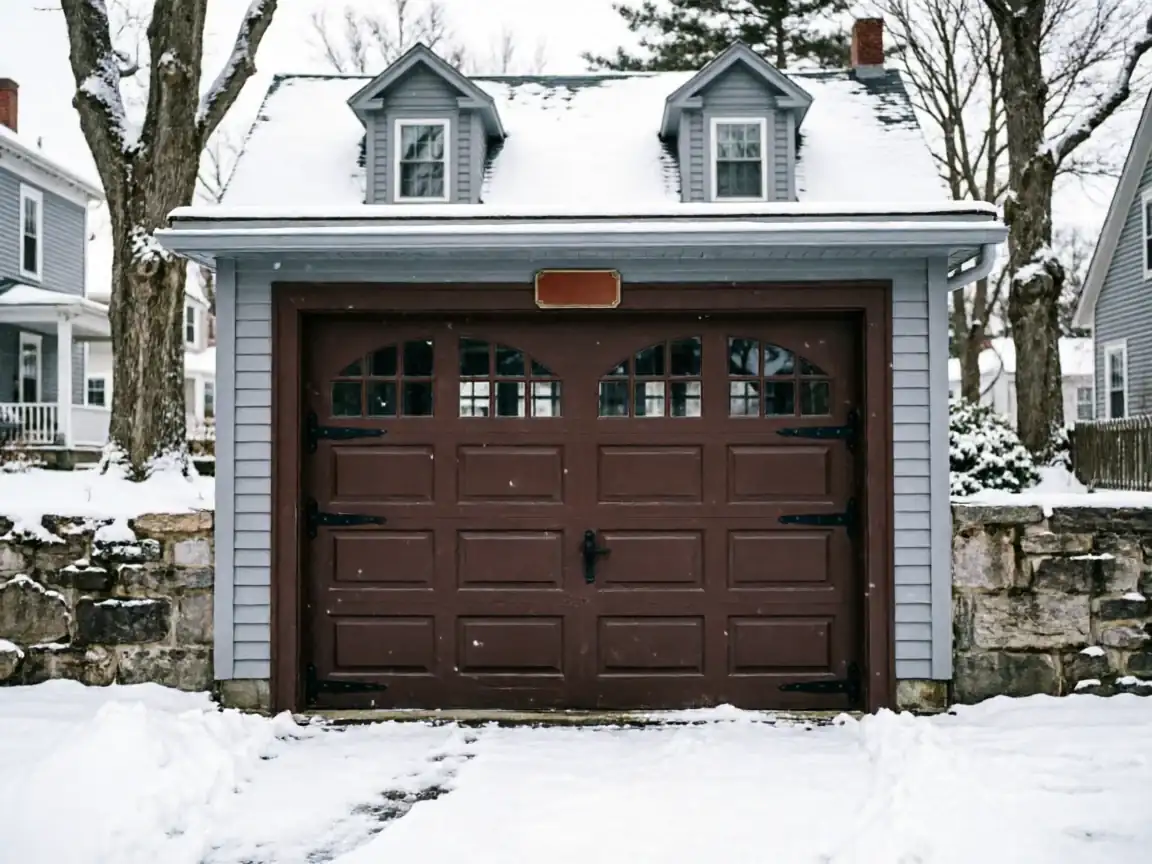
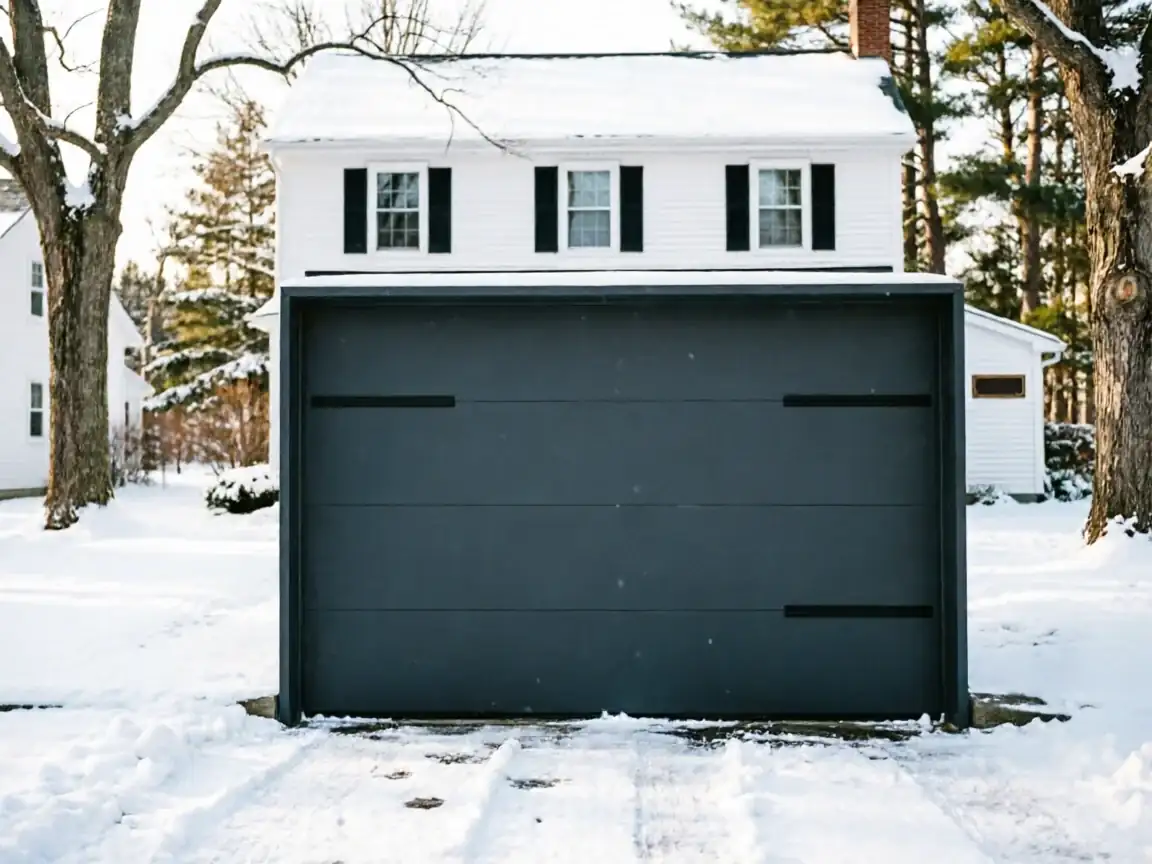
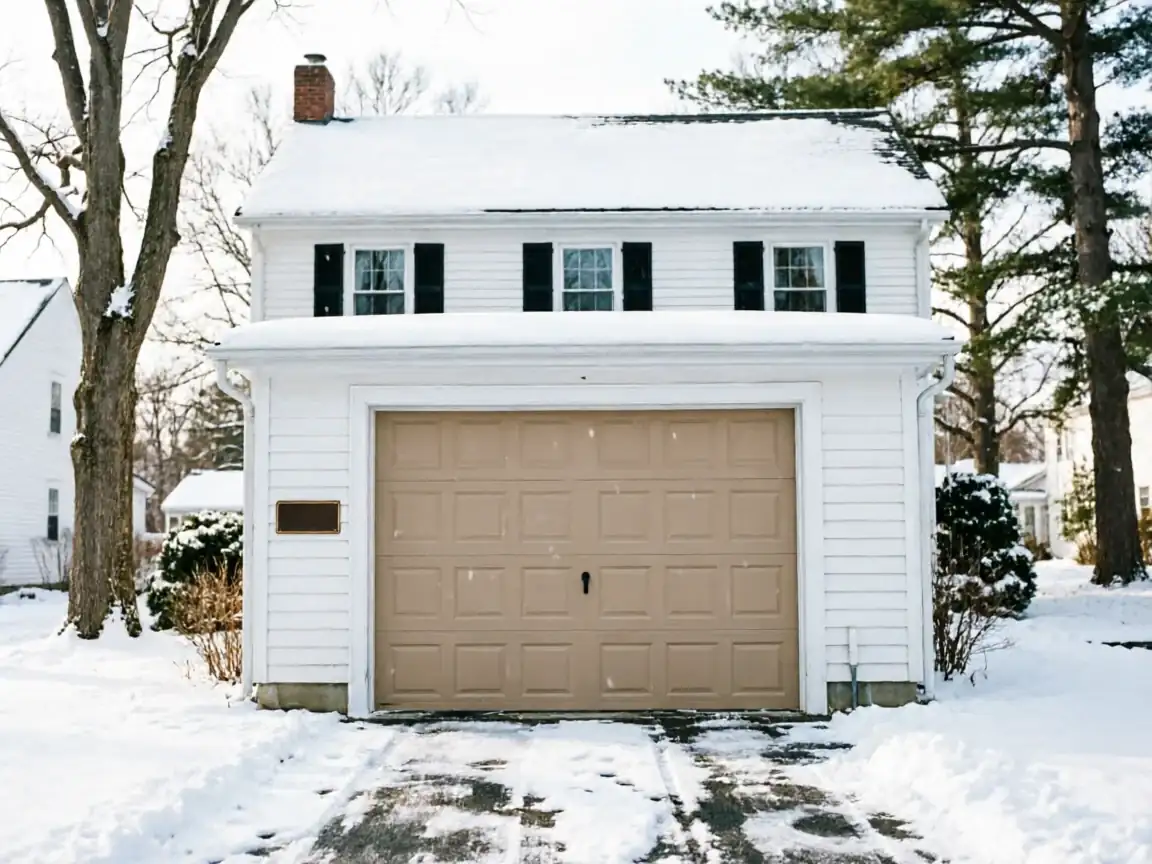
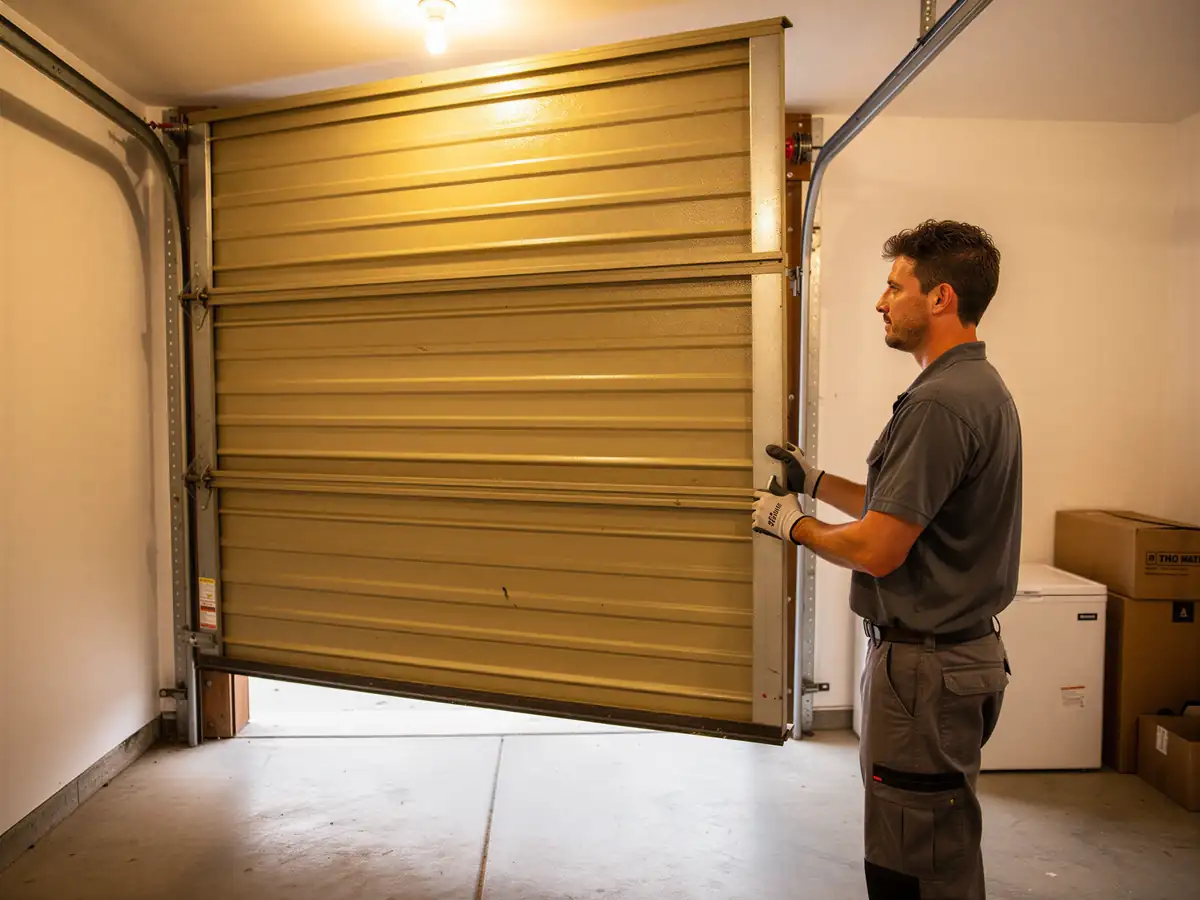
Most garage doors in Oakville went up around 1963, squeezed into the broader 1938-1986 build-out that defines the wider Bristol service area, where the median build year across all 64 named areas lands at 1971. A door that age wasn't built to the cold-climate-severe spec this region actually needs - thin steel or wood panels, a single non-insulated layer, and hardware sized for a lighter door than what's actually hanging on the opening now. By the time a homeowner here calls, the symptom is usually the same: the door sags at the bottom corners, the floor seal has compressed flat, and on the coldest mornings the opener strains or stalls before the door clears the frame. Sixty years of freeze-thaw cycling works on steel the same way it works on concrete - it finds the weak seam first. If your door is original to a 1960s build in Oakville, you're not looking at a one-off repair, you're looking at hardware that was due for replacement a decade ago.
How We Fix It
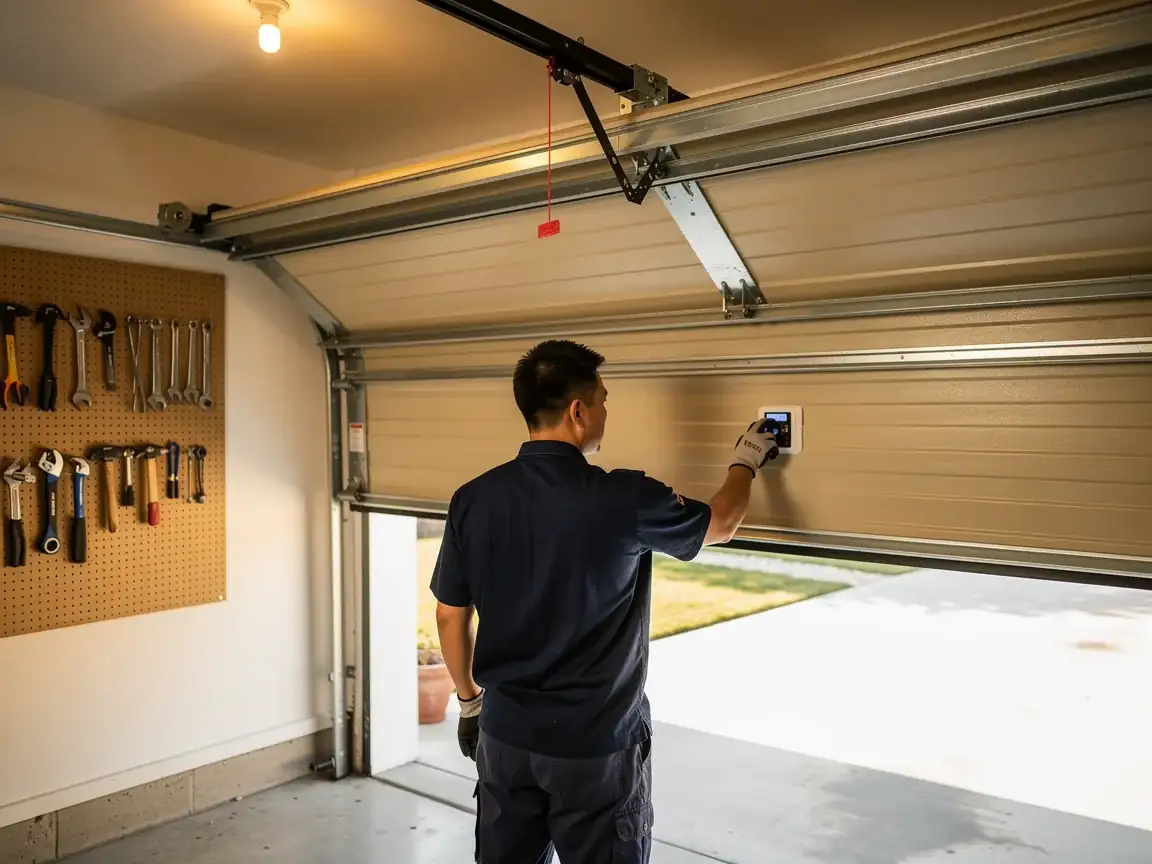
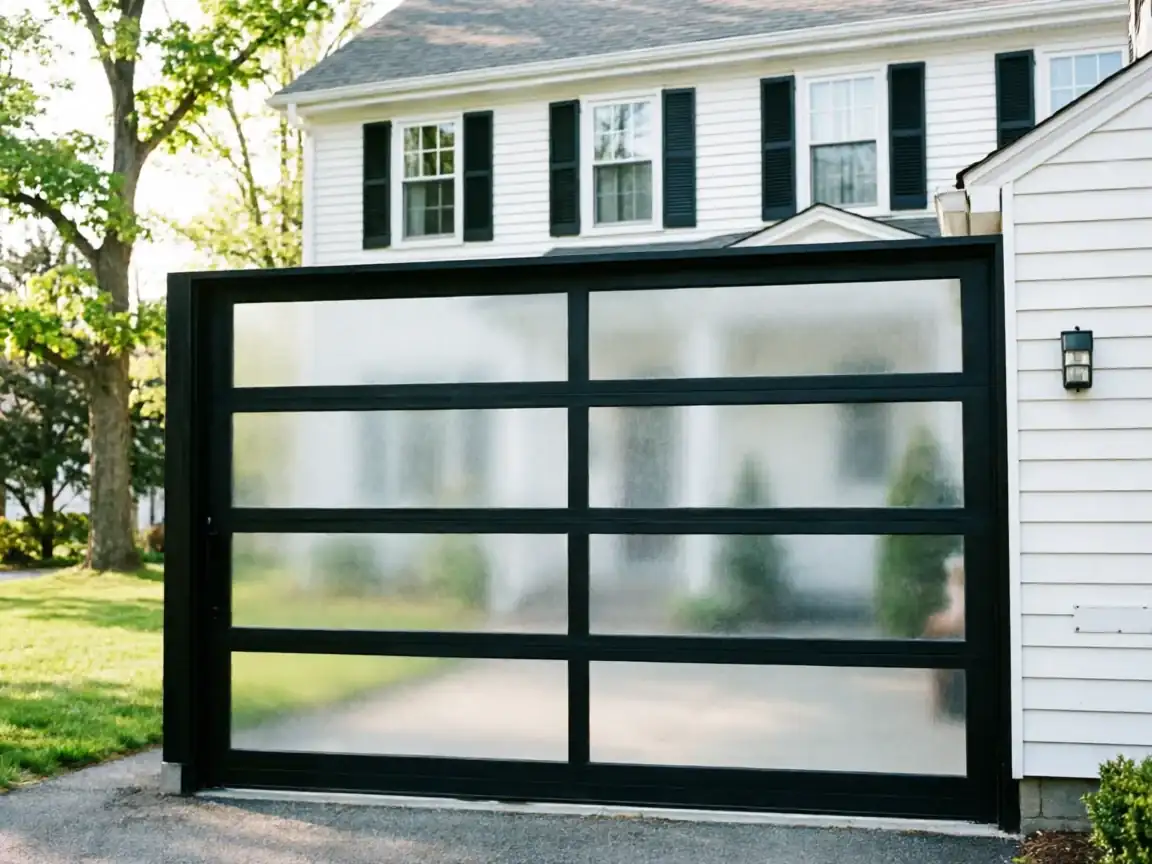
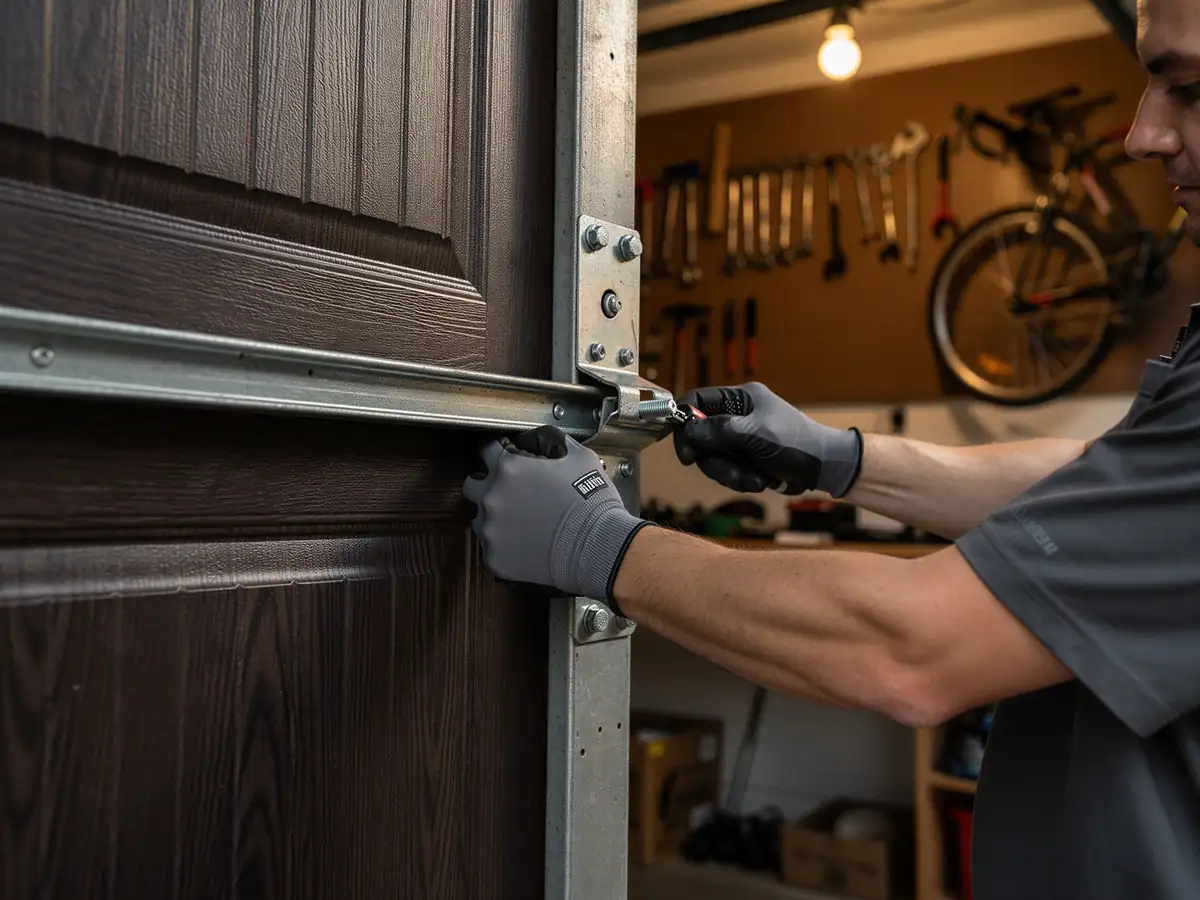
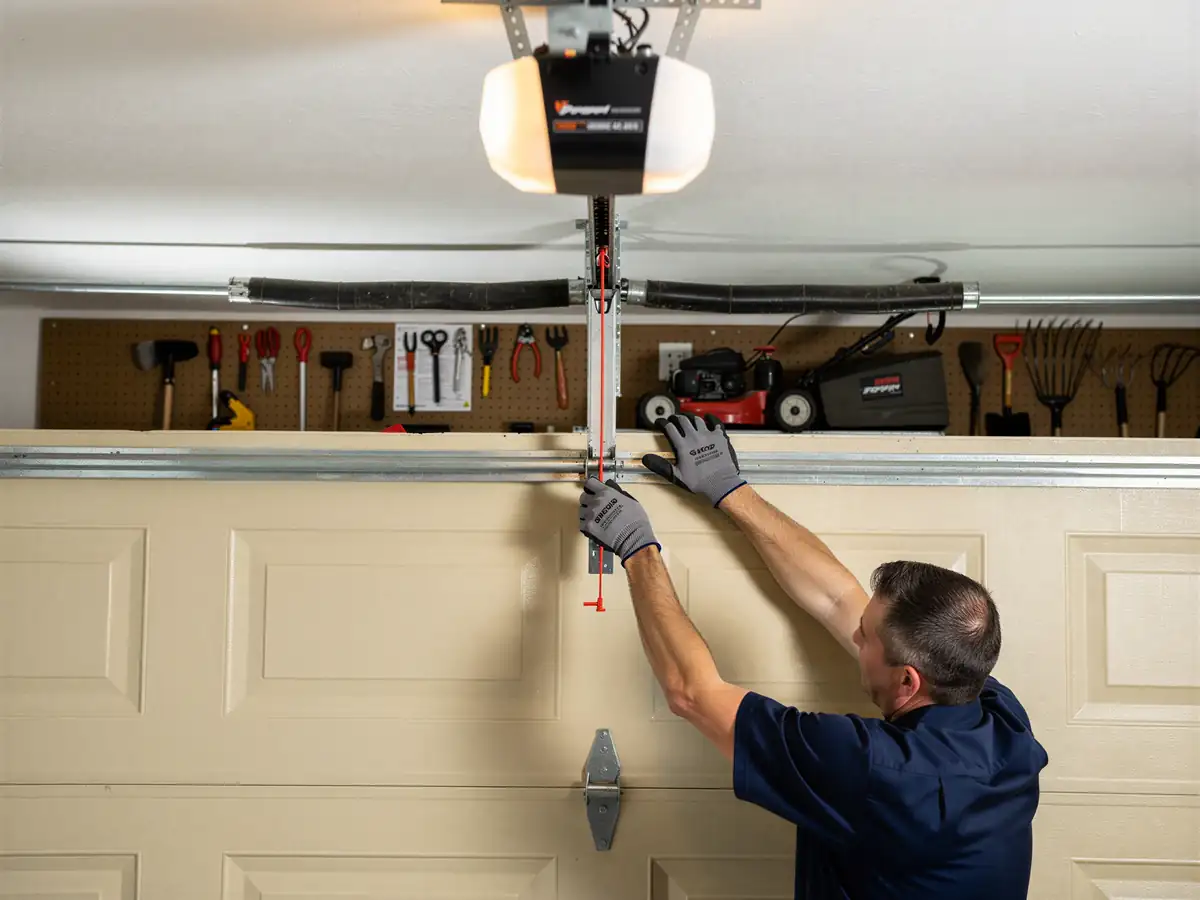
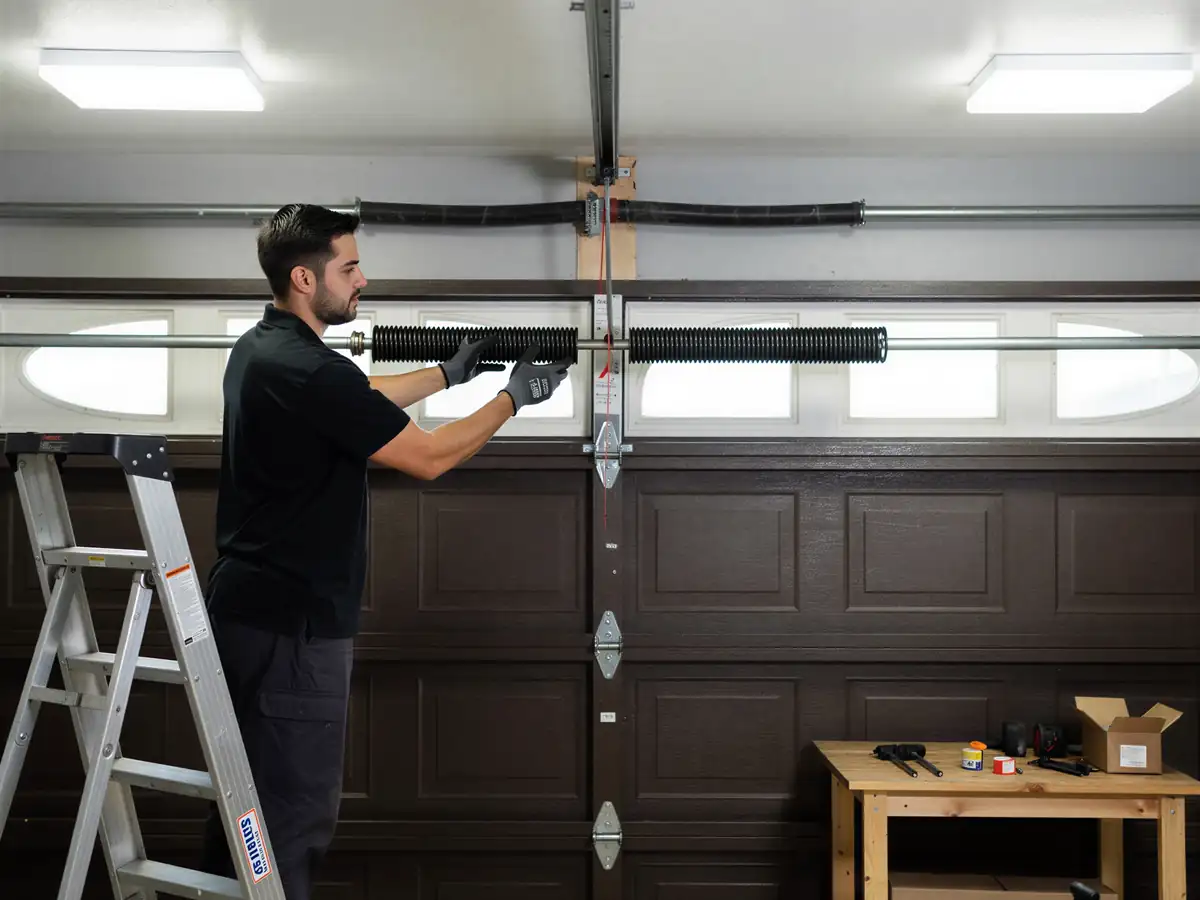
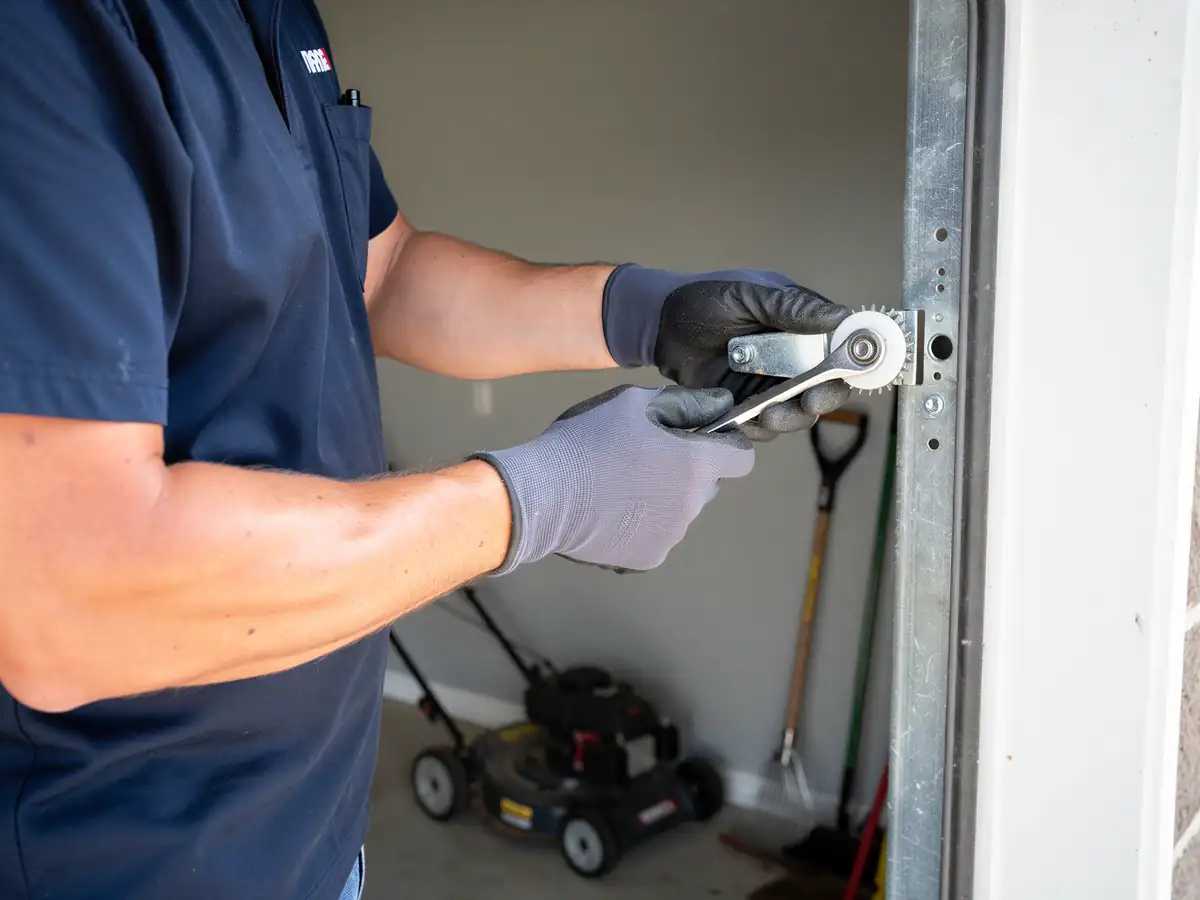
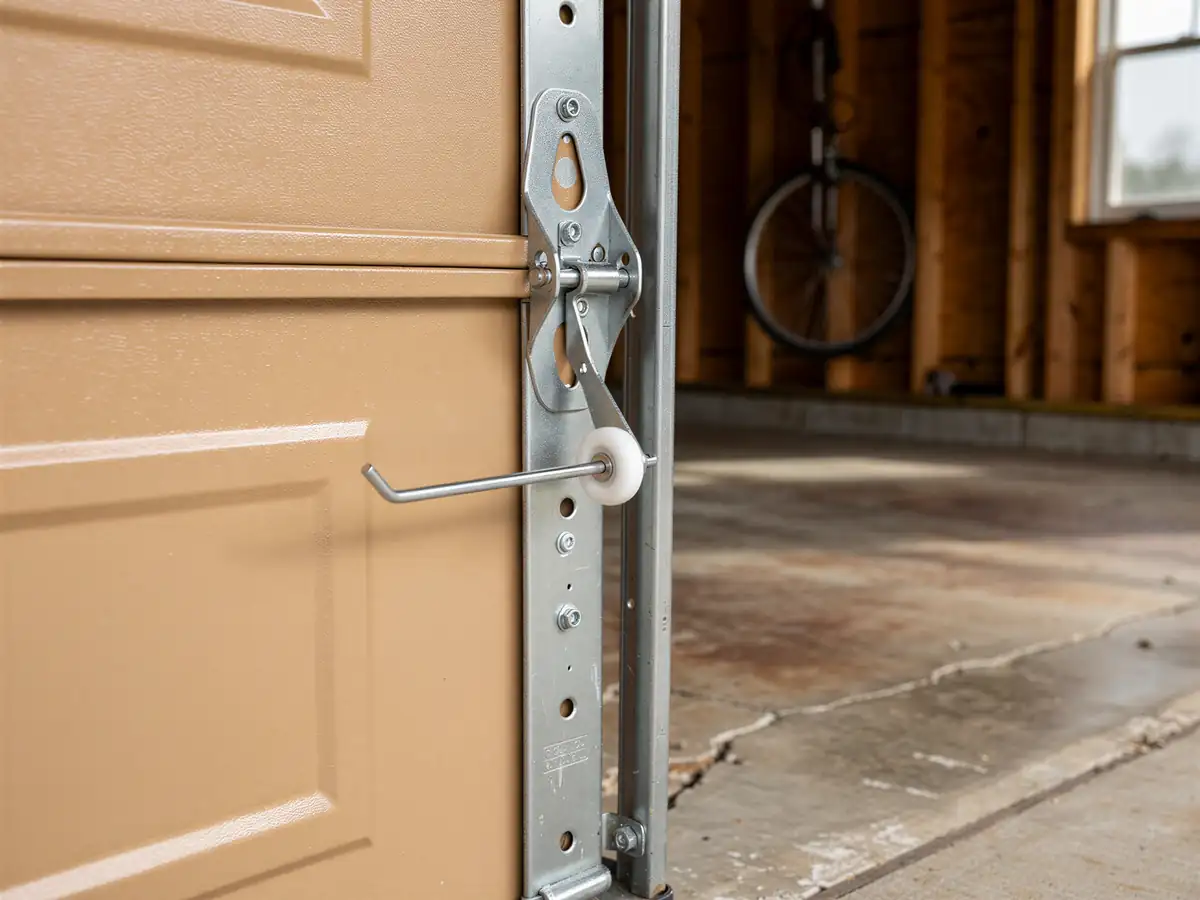
We pull the old door and track as one job, not a patch. On a house built around 1963, the opening itself is often slightly out of square from six decades of settling, so we re-level the jambs before the new track goes in rather than bolting new hardware to an old problem. The replacement door gets sized for the cold-climate-severe conditions this part of Connecticut sees - an insulated steel door with a continuous bottom seal, not the single-layer panel that likely came with the house. Torsion springs get calculated for the actual weight of the new door, not reused from the old one; that's the single most common mistake in a rushed install. We set the opener's travel limits and force settings to match the new door's exact weight and balance before we leave, and we test the auto-reverse safety function on every job, every time. The whole install runs one visit for a standard opening; oversized or custom openings can take longer depending on what we find once the old door comes down.
Doing It Yourself
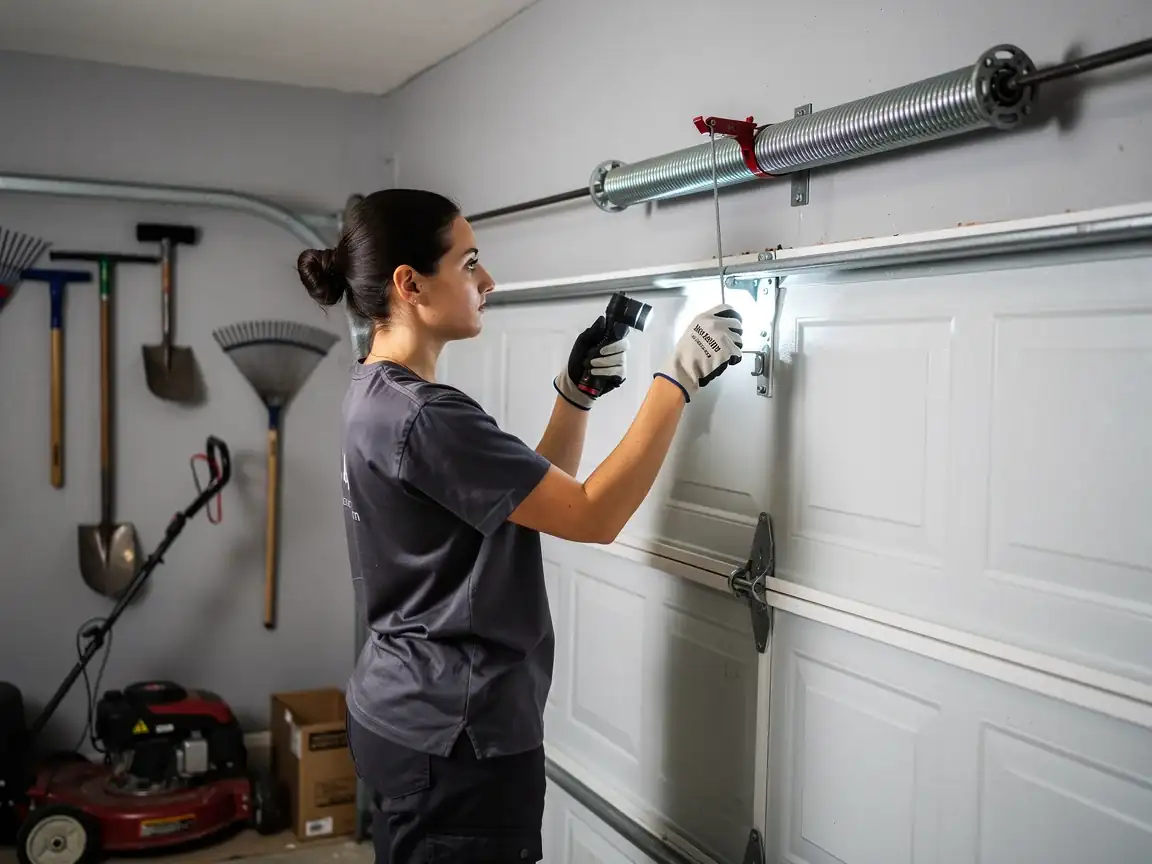
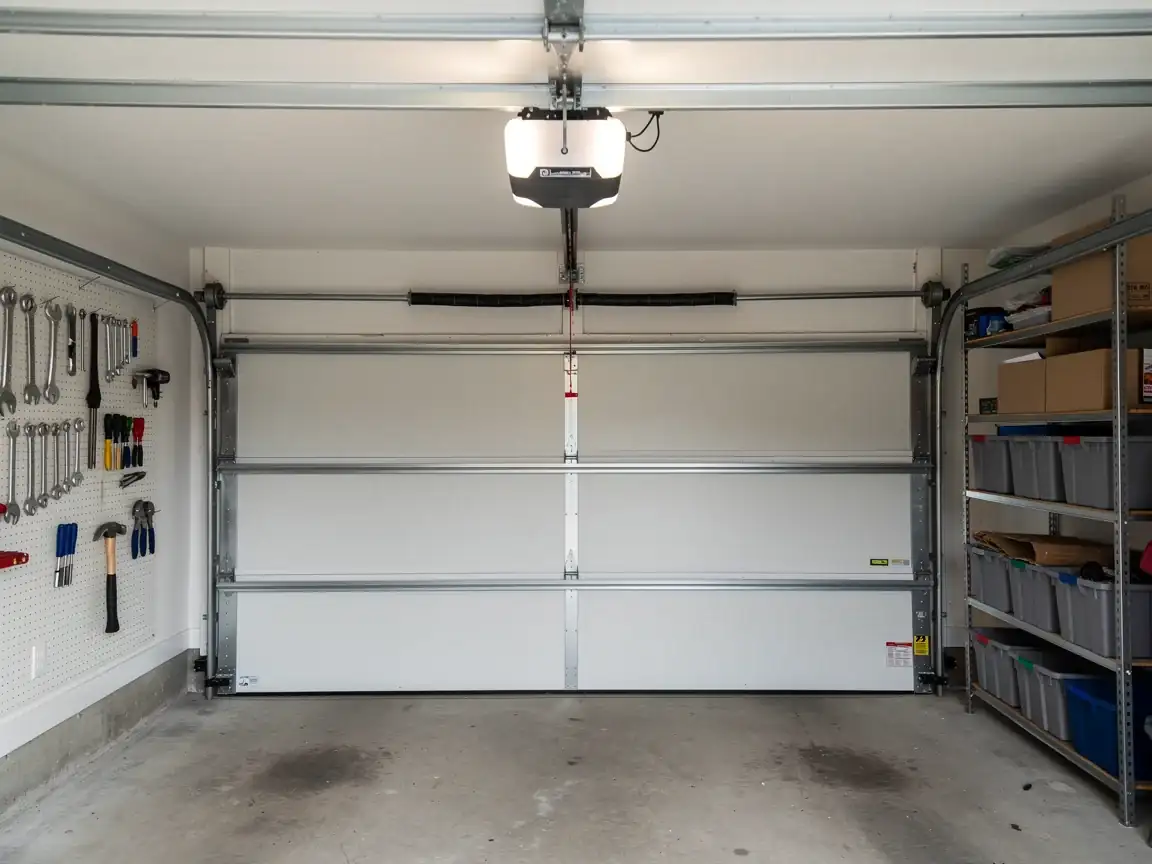
A new door install looks simple from the driveway: lift off the old one, bolt up the new one. The part that gets people hurt is the torsion spring - on a double-wide door it carries enough stored force to break a wrist or worse if the winding bar slips, and older 1960s-era drums and cones don't match current spring hardware, so even reusing 'just the spring' off an old door is a bad idea. If your opening is standard width and you're comfortable with track alignment, doing the door panel yourself is possible. We'd still tell you to hire out the spring and opener calibration - it's not worth a trip to urgent care to save a service call. If you're not sure whether your opening is standard or not, that's a five-minute question for us, not a guess you make with a tape measure and a Saturday free.
How to Book
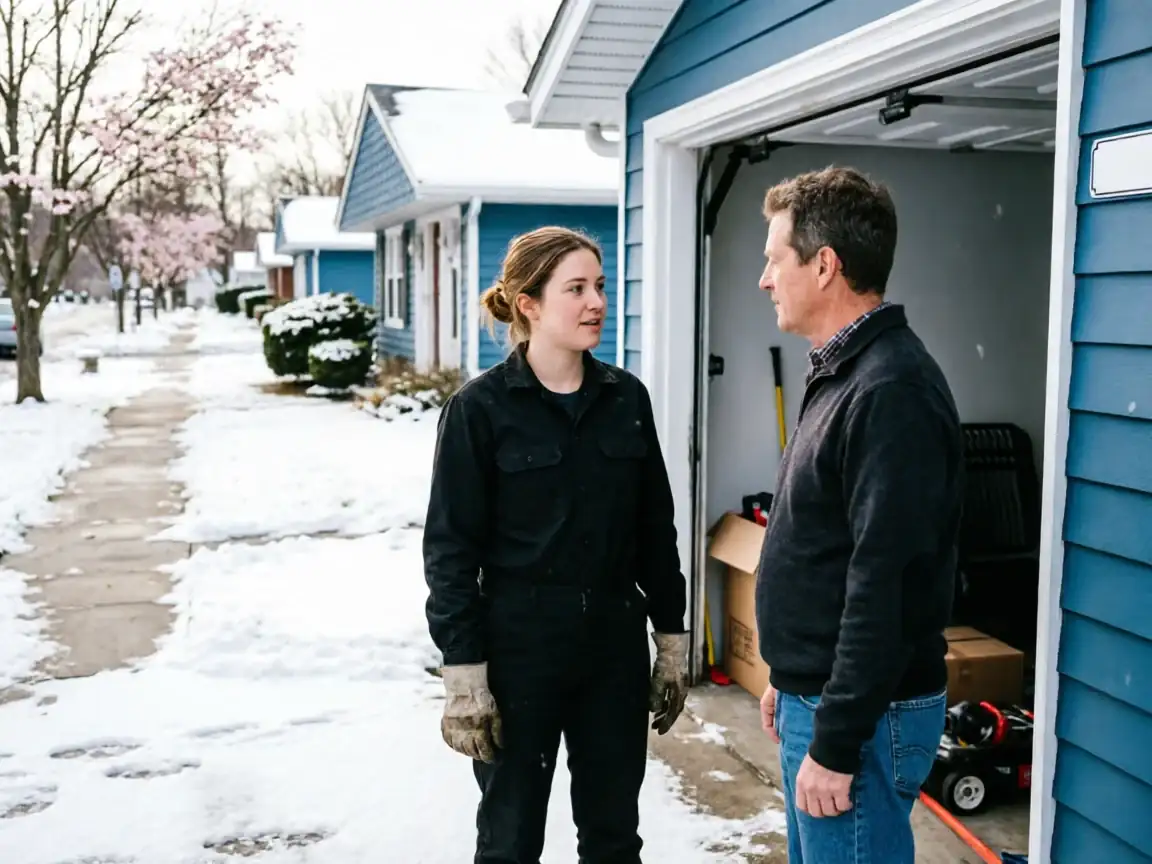
We cover Oakville from our Bristol shop, about 10 miles out along the same route that takes us through Thomaston and Watertown on install days. There's no local branch here - every job is routed from Bristol, so booking a wider scheduling window rather than a fixed hour gets you on the calendar faster. The measure-and-quote visit takes stock of the opening's exact width and height, checks whether the track is square to the jamb, and notes the spring size your current door uses - that's the information we build the quote from, not a guess off a listed square footage. Call to set up that visit, and we'll give you a straight answer on whether your opening takes standard stock or a special order before any work starts. For more on what we cover in Oakville day to day, see our Oakville service page, and for the full rundown of installation work out of Bristol, see our Bristol installation page.