The Symptom
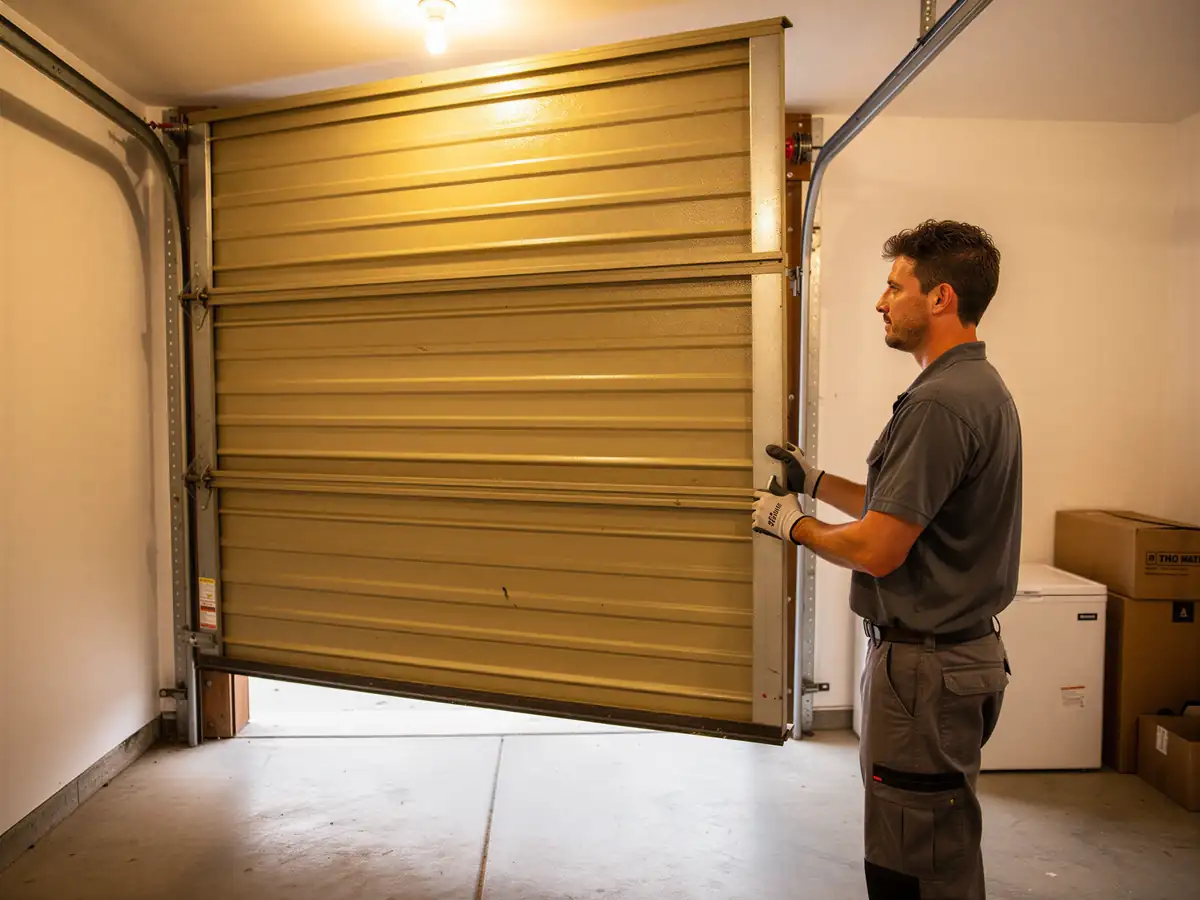
When a door jumps track in Oakville, it's rarely a single dramatic event. More often a roller has been grinding against the same six inches of track for years, the track has bowed a fraction out of plumb, and one cold morning the cable finally slips off the drum. The door hangs crooked, stuck half up or half down, and the opener either strains against it or stops responding to the wall button altogether.
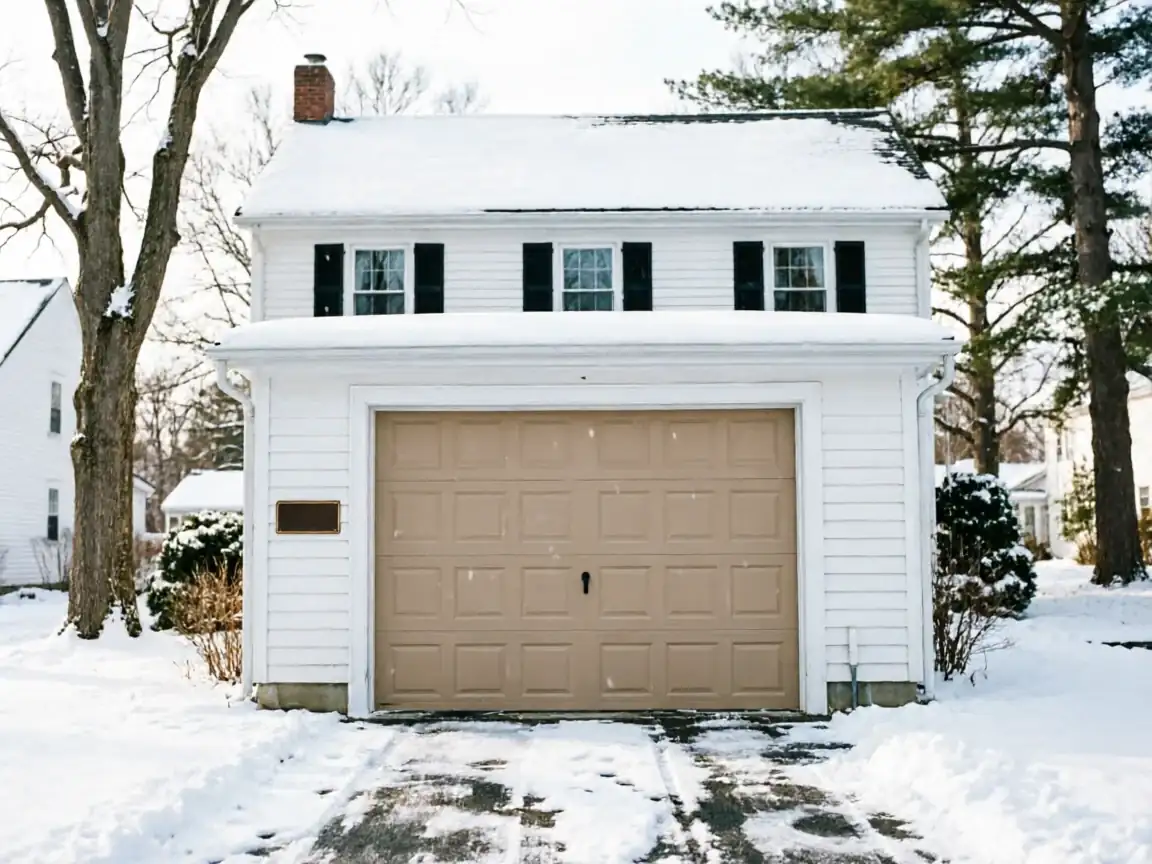
The reason this is a predictable call here and not a random one: the median home in this part of Oakville was built around 1963. That puts most of the original garage hardware at 60-plus years old if nobody's swapped it, and galvanized track from that era wasn't built to the tolerances modern track is. A door that's been riding slightly bent track for a decade is a door that's going to come off it eventually - usually on the coldest day of the year, when steel contracts and clearances tighten.
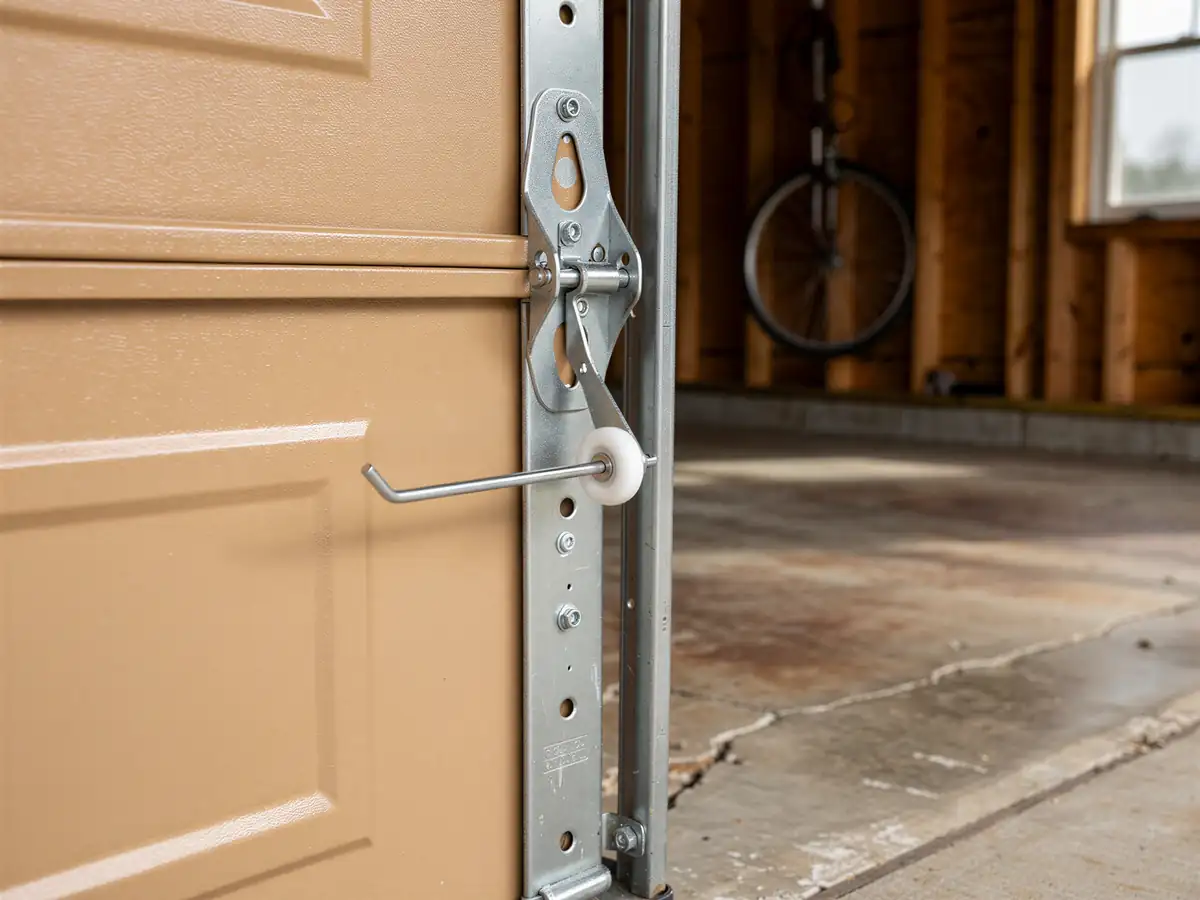
Signs before full derailment: a roller that squeals in the same spot every cycle, a door that leans visibly to one side as it travels, or a gap opening up between the roller and the track on the end nearest the header. Catch it there and it's a track and roller job. Miss it and you're usually also replacing a bent track section and checking the cable drum for wear.
How We Fix It
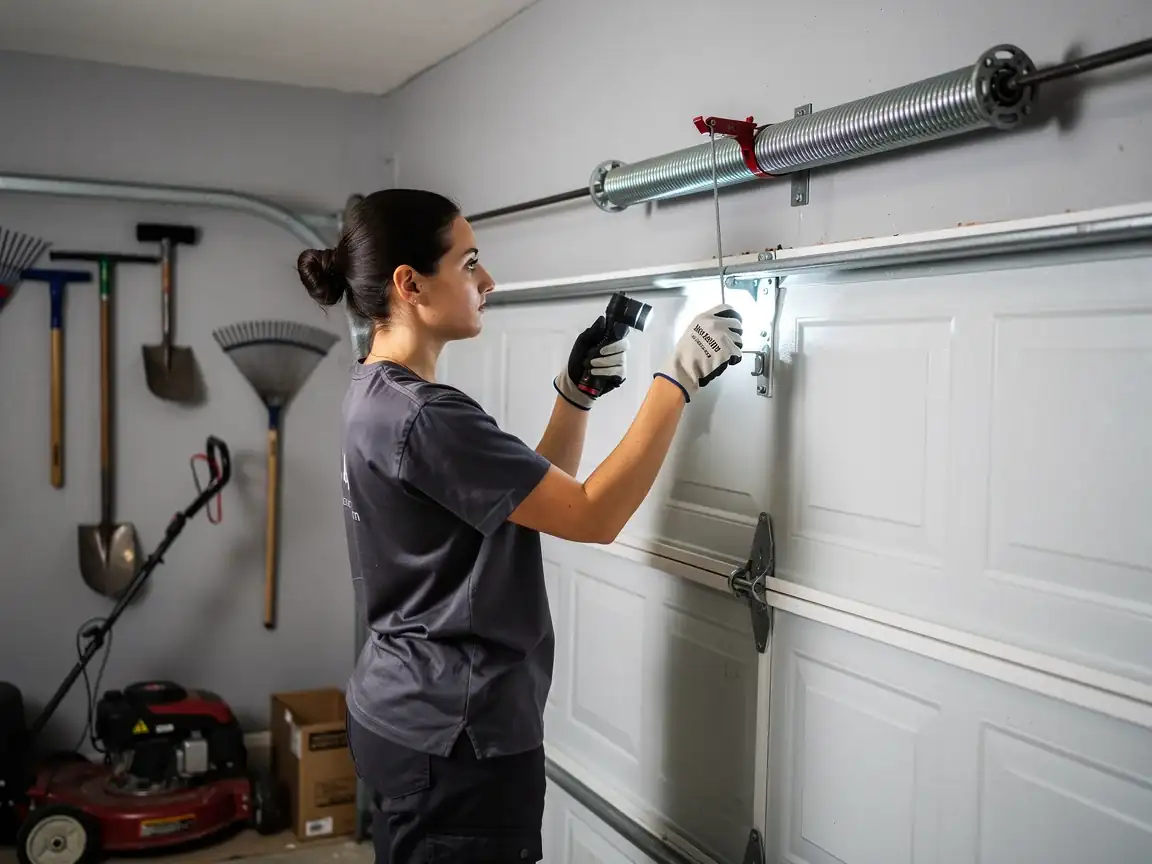
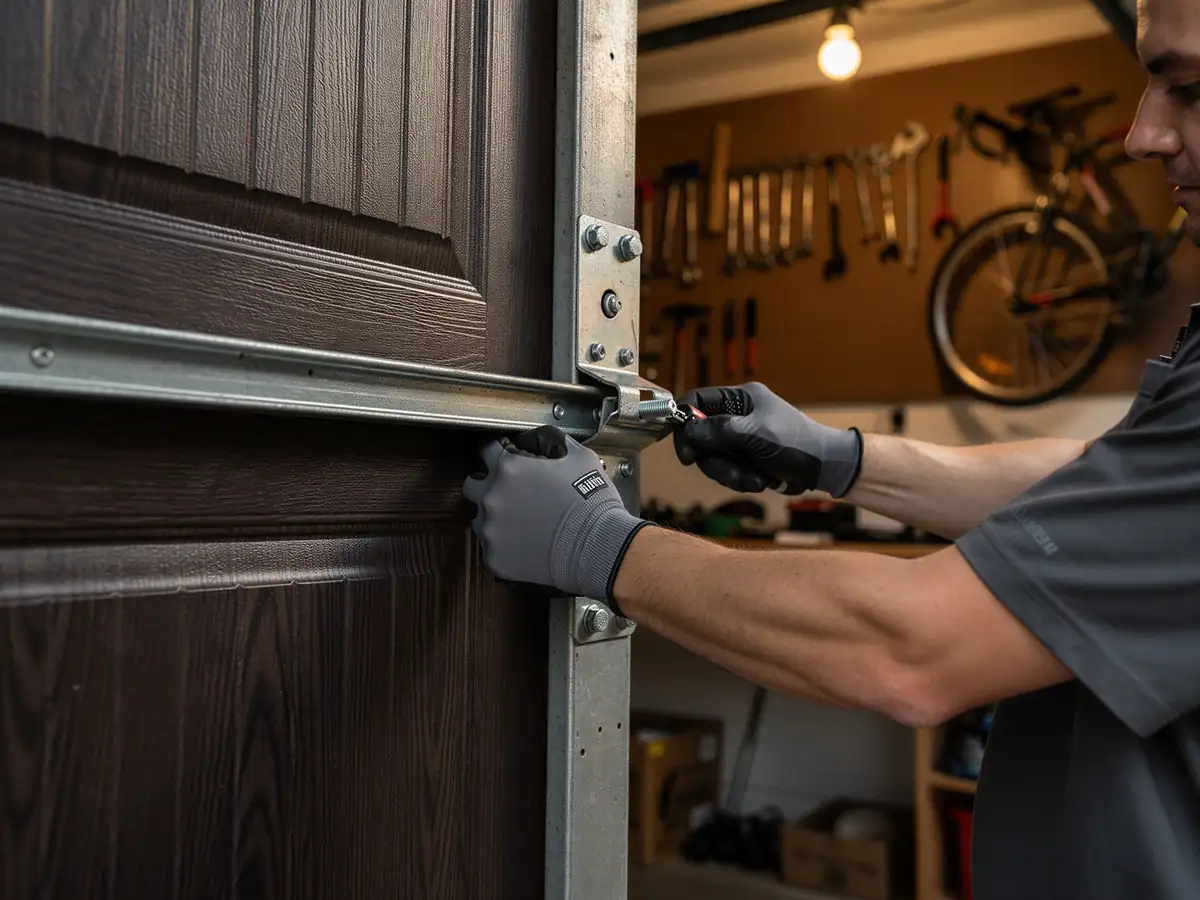
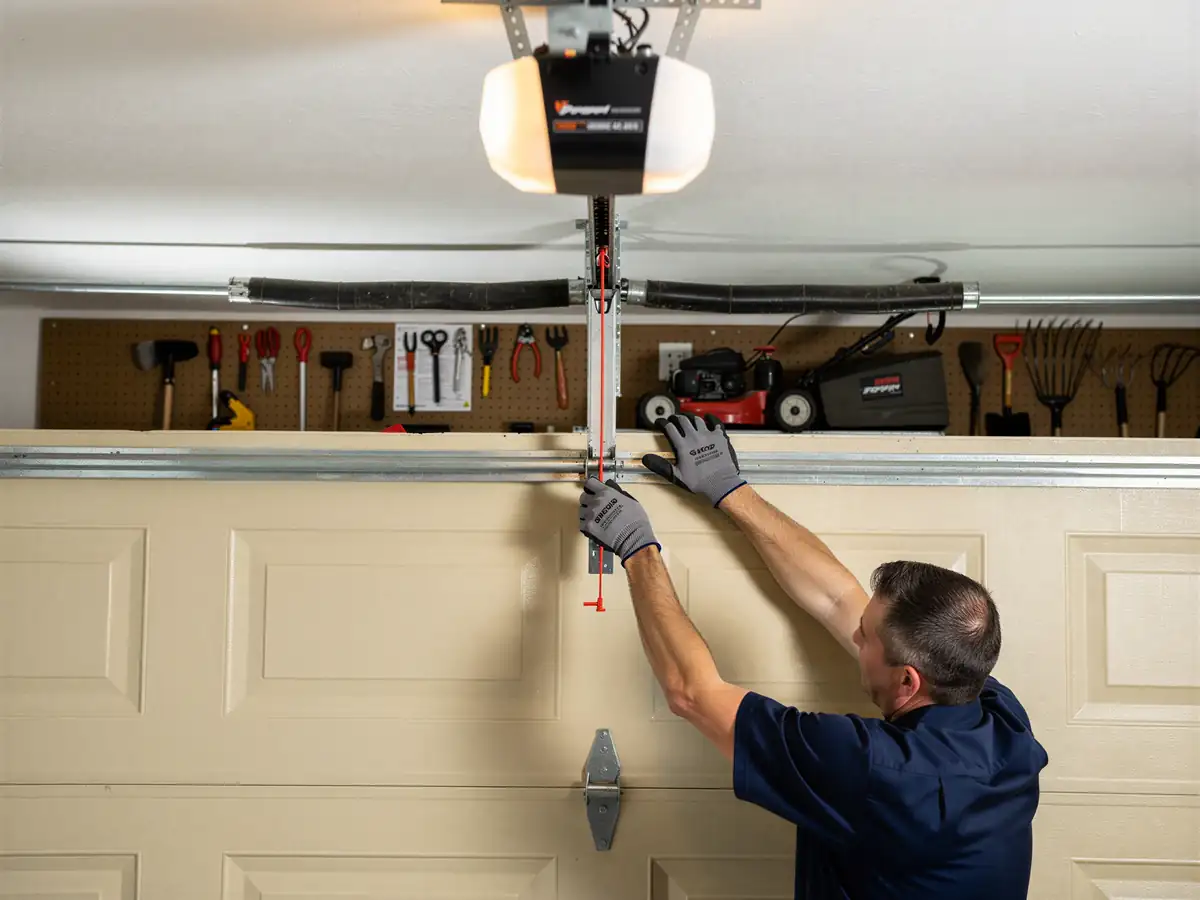
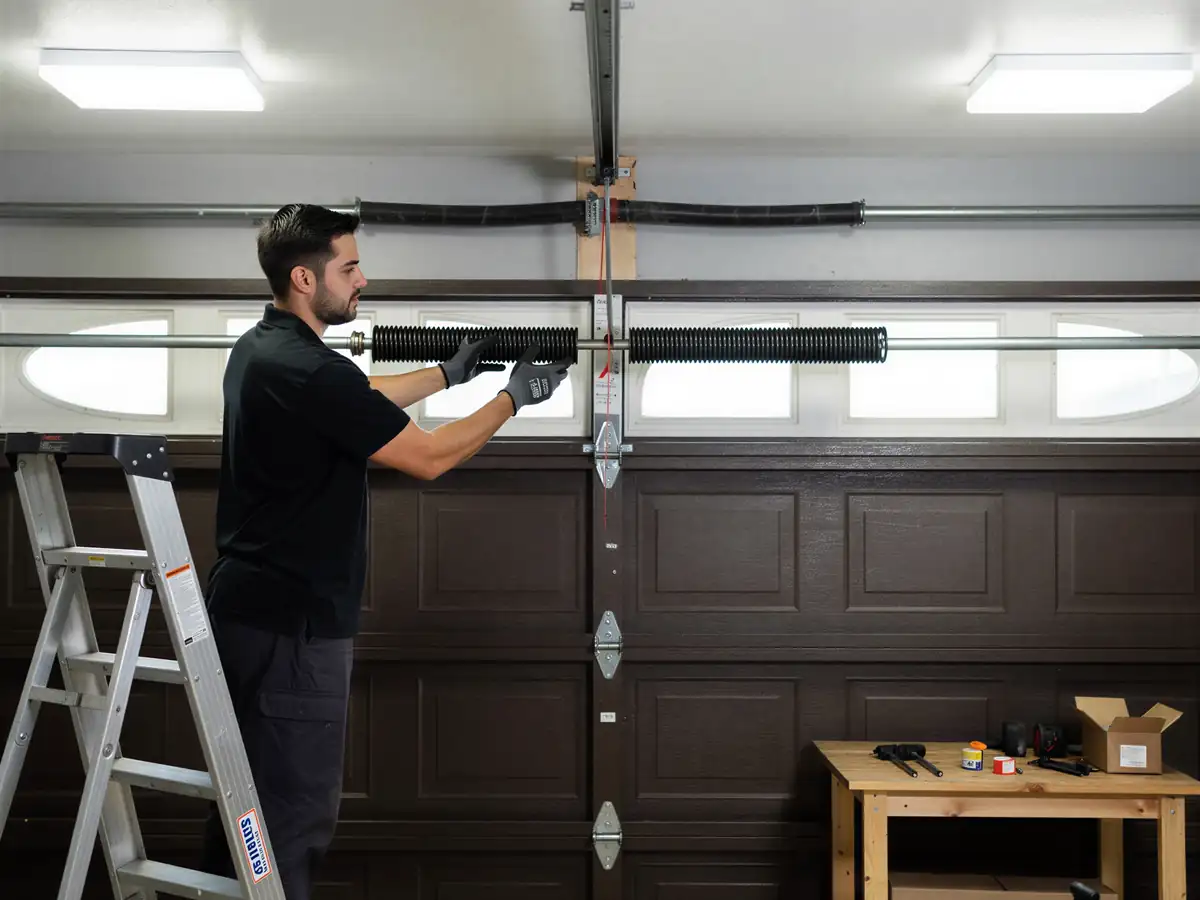
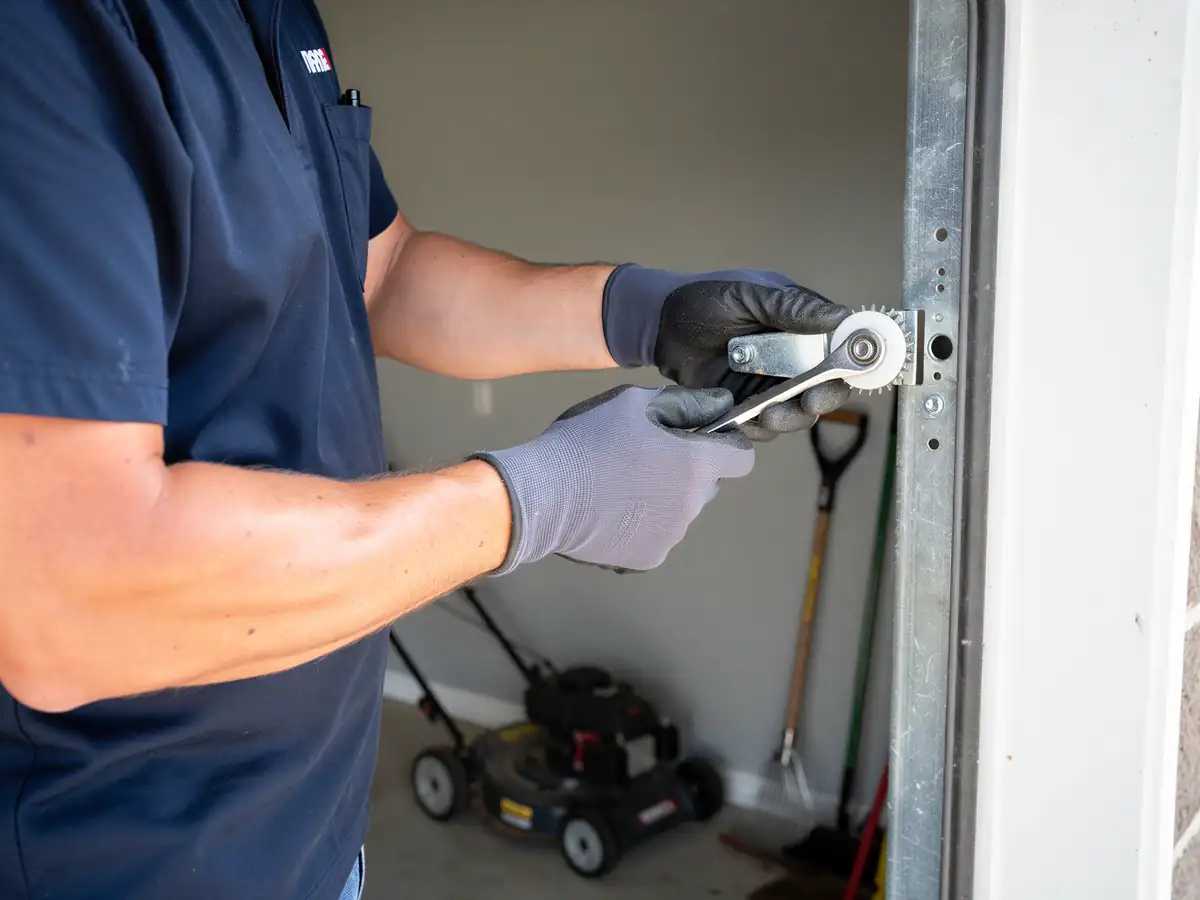
First thing on site is figuring out whether the track moved, the roller failed, or both. We check the track for bowing or separation from the wall bracket, run a level along both sides to see if the door's hanging square, and pull each roller to look for flat spots or a cracked stem. If the door came off because a cable jumped the drum, we check the drum itself and the spring tension before we touch anything else - a door with a tensioned spring and no cable control is not something to force back into the track.
Once we know the cause, the fix is usually one of three things: re-seat the rollers and true up the track, replace a section of bent track and the rollers riding in it, or replace the full roller set if the rest are close behind the one that failed. We re-check the door balance before we leave, since a door that was running off-balance is often what stressed the track in the first place.
We don't force a door back onto bent track and call it done. If the track's bent enough that it'll bow again under the same load, replacing that section is the honest answer, even though it costs more than a quick re-seat.
What Is on the Truck
The truck carries common roller sizes, standard track sections, cable, drums, and hinges
Which covers most of what fails on doors from the 1938-1986 build range this area falls into. Rollers and straight track sections are a same-visit fix in most cases.
What isn't always on the truck is an exact-match track profile for an older or less common door model
Garage doors from the 1960s and 70s weren't all built to one standard, and if your door uses a track width or bracket spacing that's gone out of production, we may need to order the part rather than finish on the first visit. We'll tell you on site if that's the case rather than jury-rigging a mismatched piece that'll just come loose again.
Doing It Yourself
A door that's partly off its track is under spring tension even if it looks still. Torsion springs store enough force to cause a serious injury if a cable or drum lets go while someone's hands are on the track trying to muscle it back into place. If the door is down and stuck, leave it down. If it's stuck partway up, don't try to force it the rest of the way by hand or with the opener - running the opener against a jammed track can bend the track further or strip the drive gear.
What's reasonable to check yourself: look at the rollers for obvious cracks, see if the track has visibly pulled away from its wall brackets, and note whether the door came off on one side or both. That tells whoever comes out what they're dealing with before they even open the toolbox. Past that, this isn't a safe DIY repair, and we'd rather tell you that than have you find out the hard way.
How to Book
We cover Oakville from our base in Bristol, about 10 miles out, so we schedule around that drive time rather than offering a walk-in counter in town. Call or book through our Oakville service page and describe what the door's doing - whether it's fully off, jammed partway, or just making noise before it gets worse. That description helps us bring the right rollers and track stock the first time instead of making a second trip.
If the issue sounds spring-related rather than purely a track problem, say so when you call; it changes what we load on the truck.
What It Costs
We don't quote an off-track repair price sight unseen
Because the range between a roller swap and a track replacement with a cable and drum involved is wide enough that a guess wouldn't be honest. What we can tell you is what drives the number: whether it's rollers only, whether track needs replacing, and whether the spring system needs attention too since that's often tied into why the door came off in the first place.
Oakville's housing stock, mostly dating to the early 1960s
Means track replacement comes up more often here than in newer construction, simply because more of the original hardware is still in service. We'll give you a firm number after we've looked at the door, not before.