How We Fix It
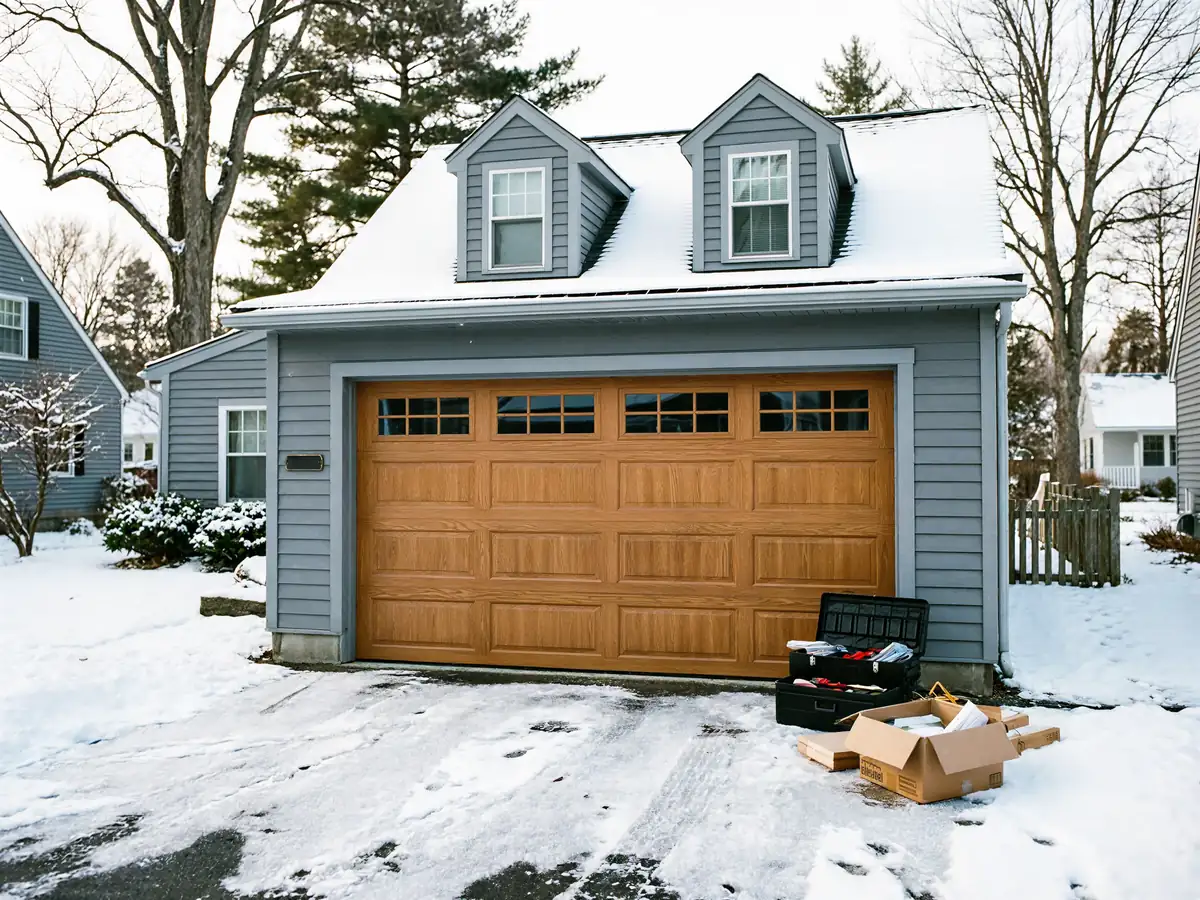
Southington sits six miles from our Bristol shop, close enough that a roller job doesn't turn into a half-day errand for either of us. We load the truck with steel and nylon rollers before we leave, because most of what we see on this side of town is one of the two - rarely both, and rarely a surprise once we're on site.
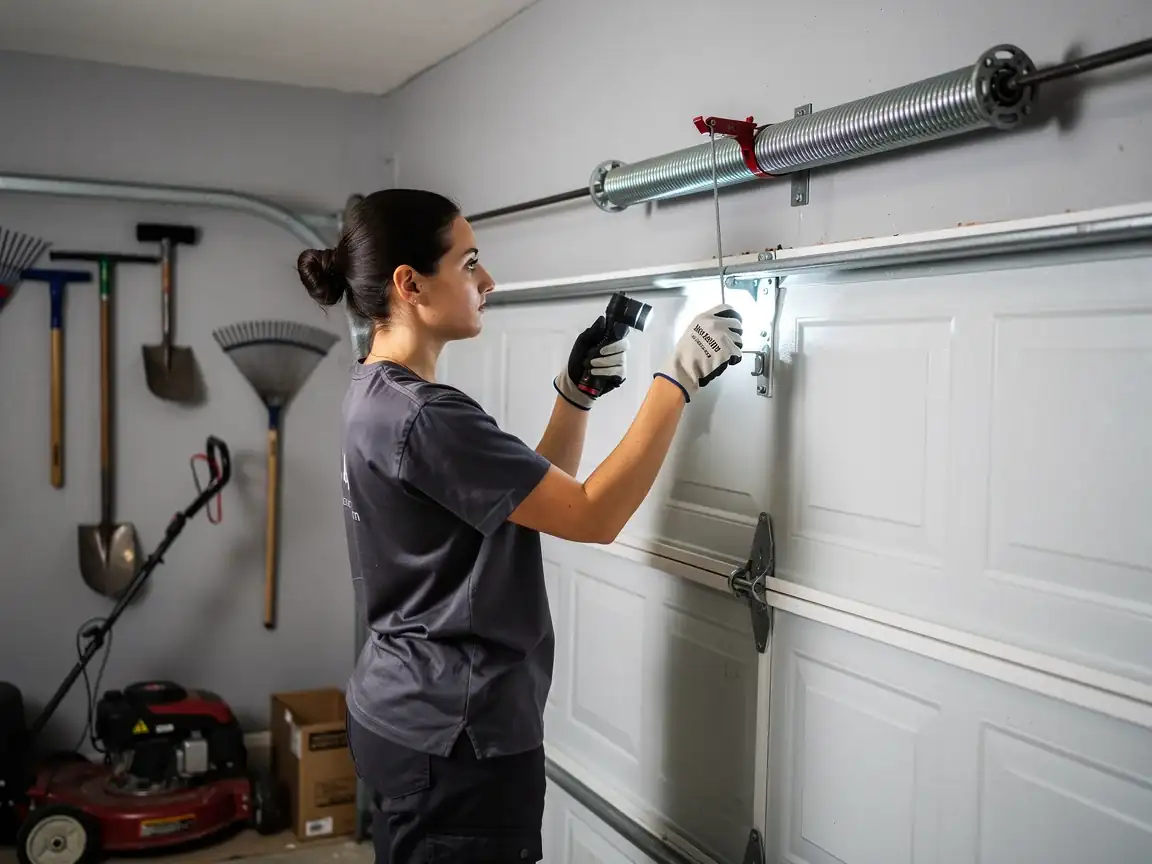
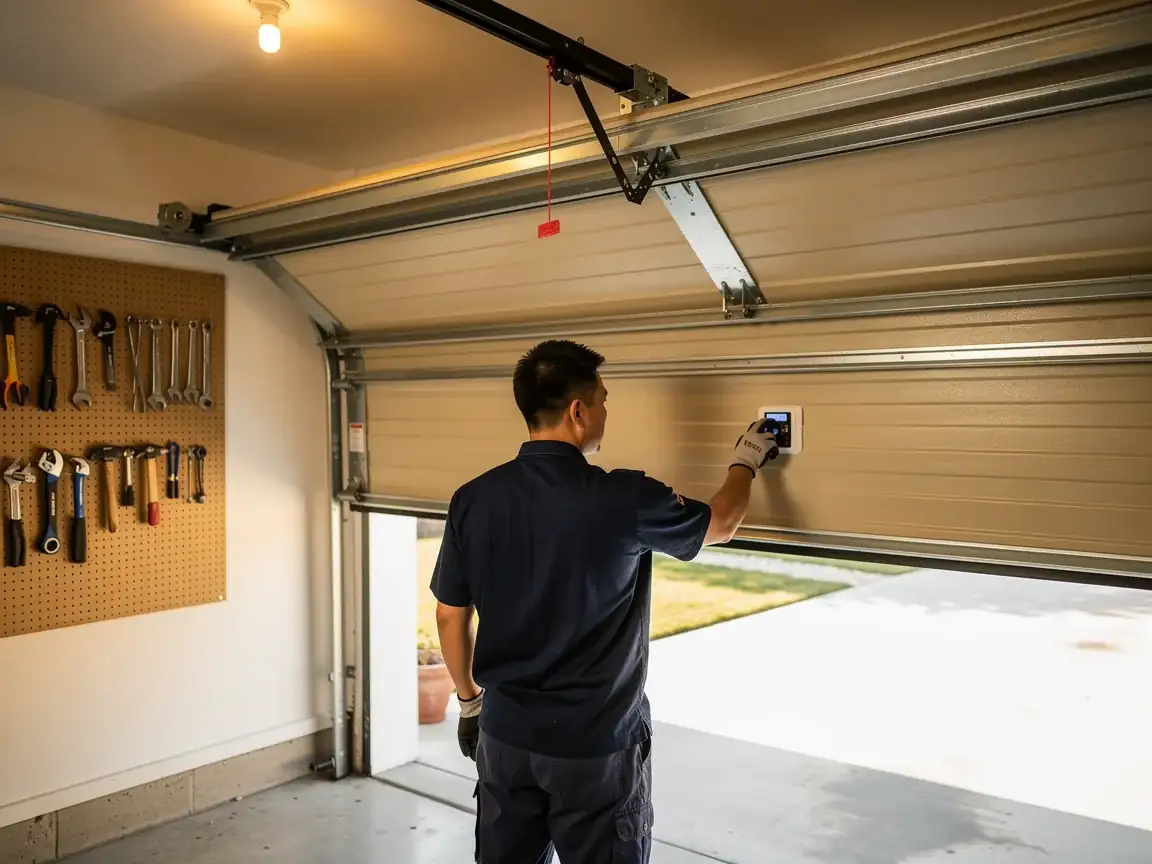
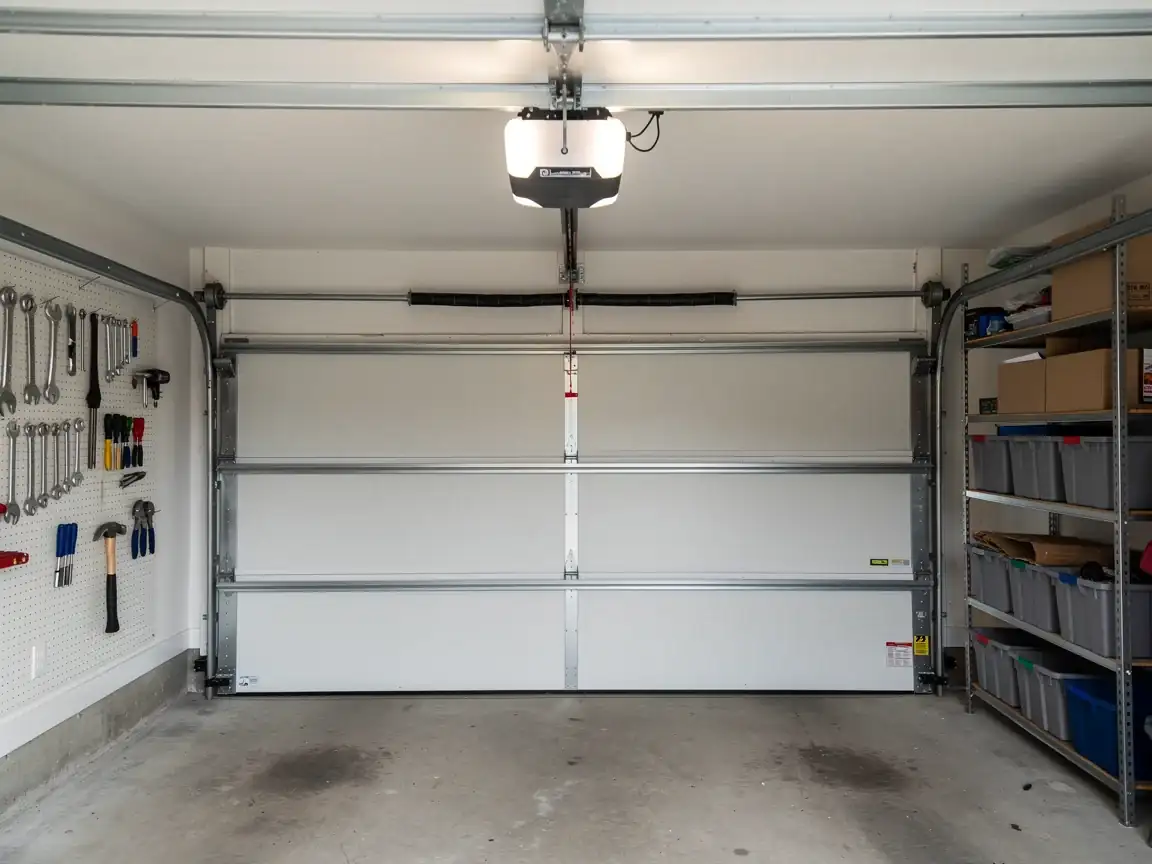
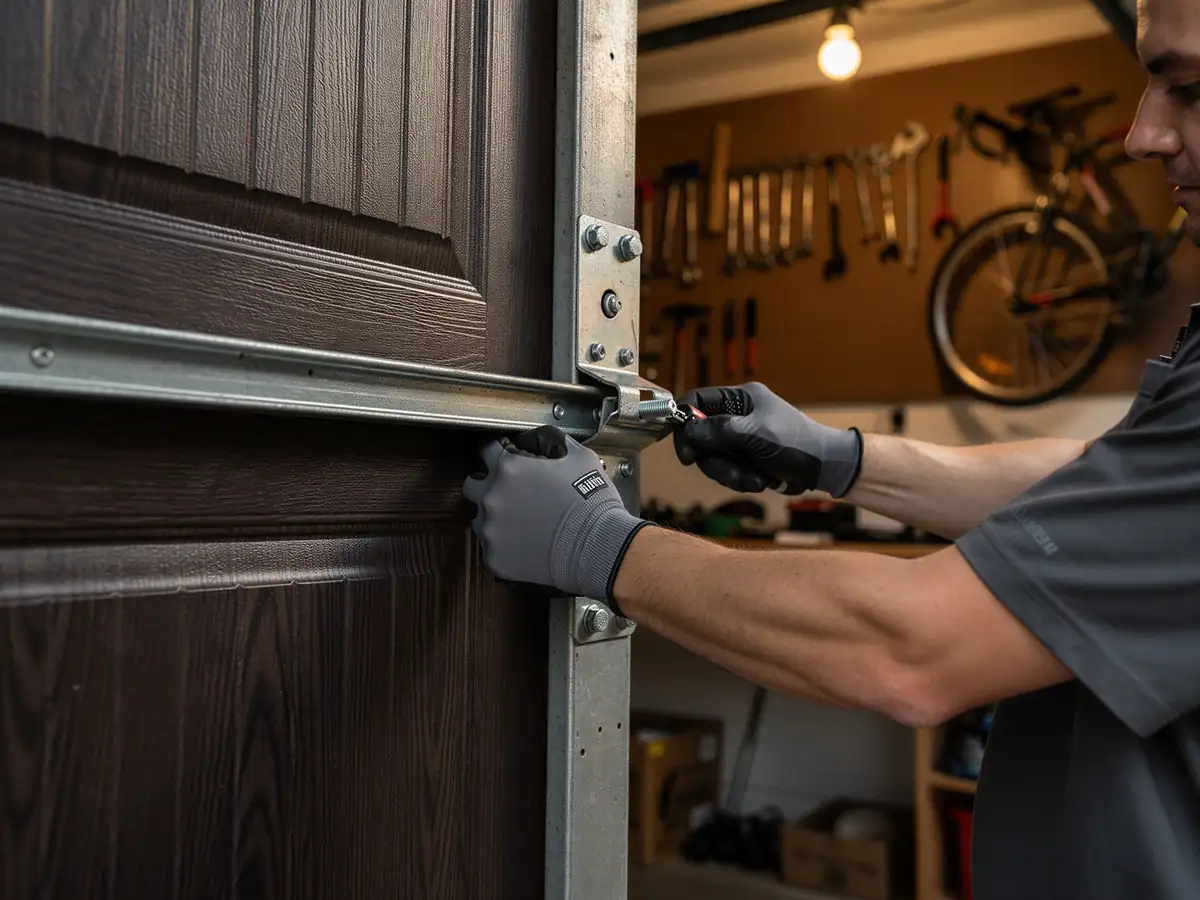
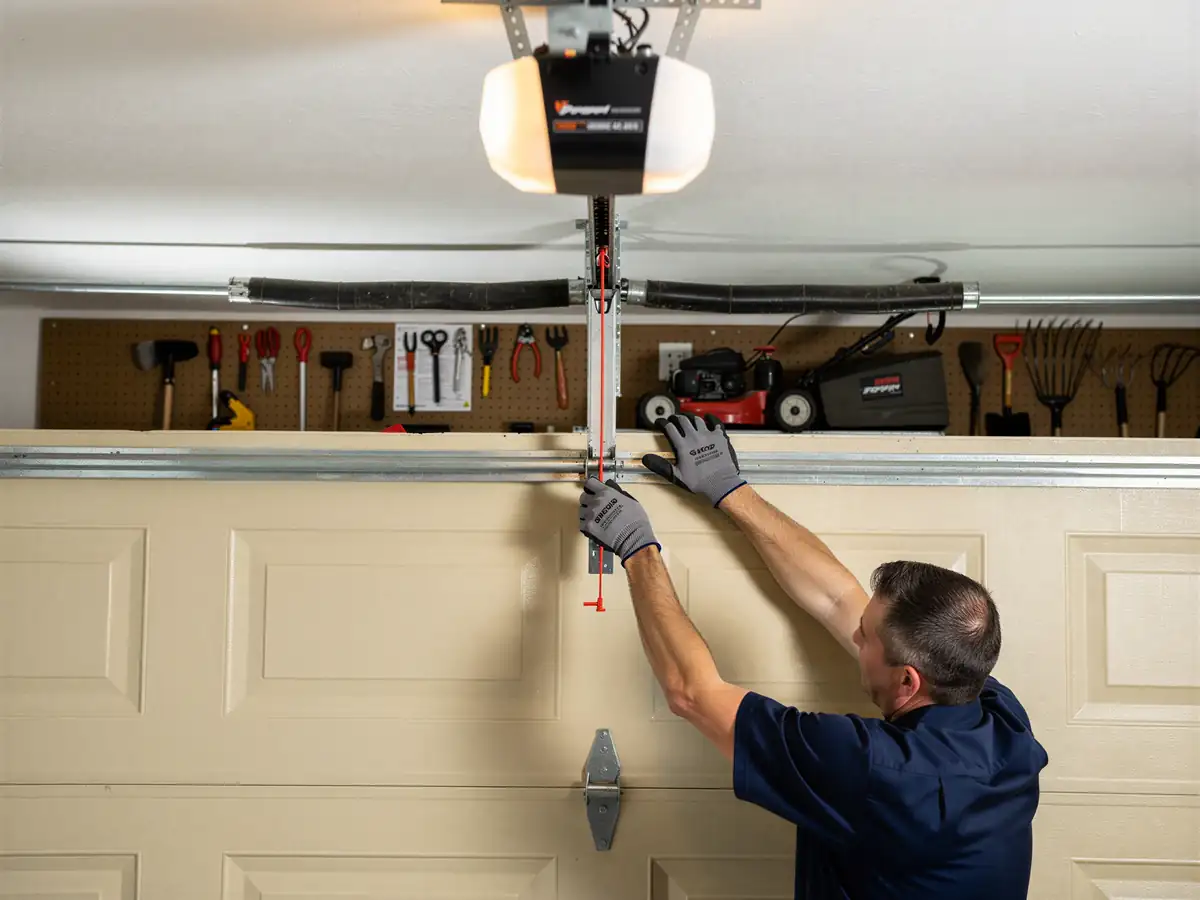
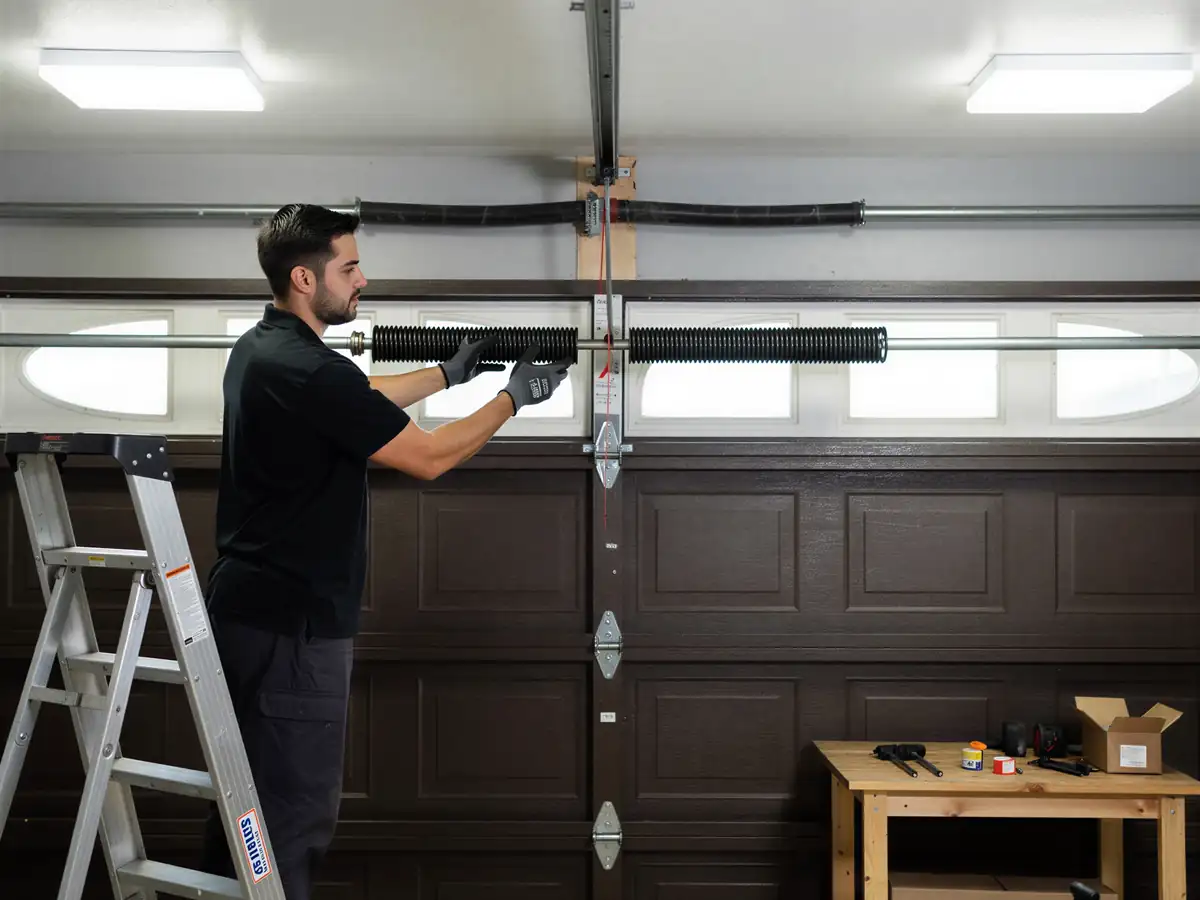
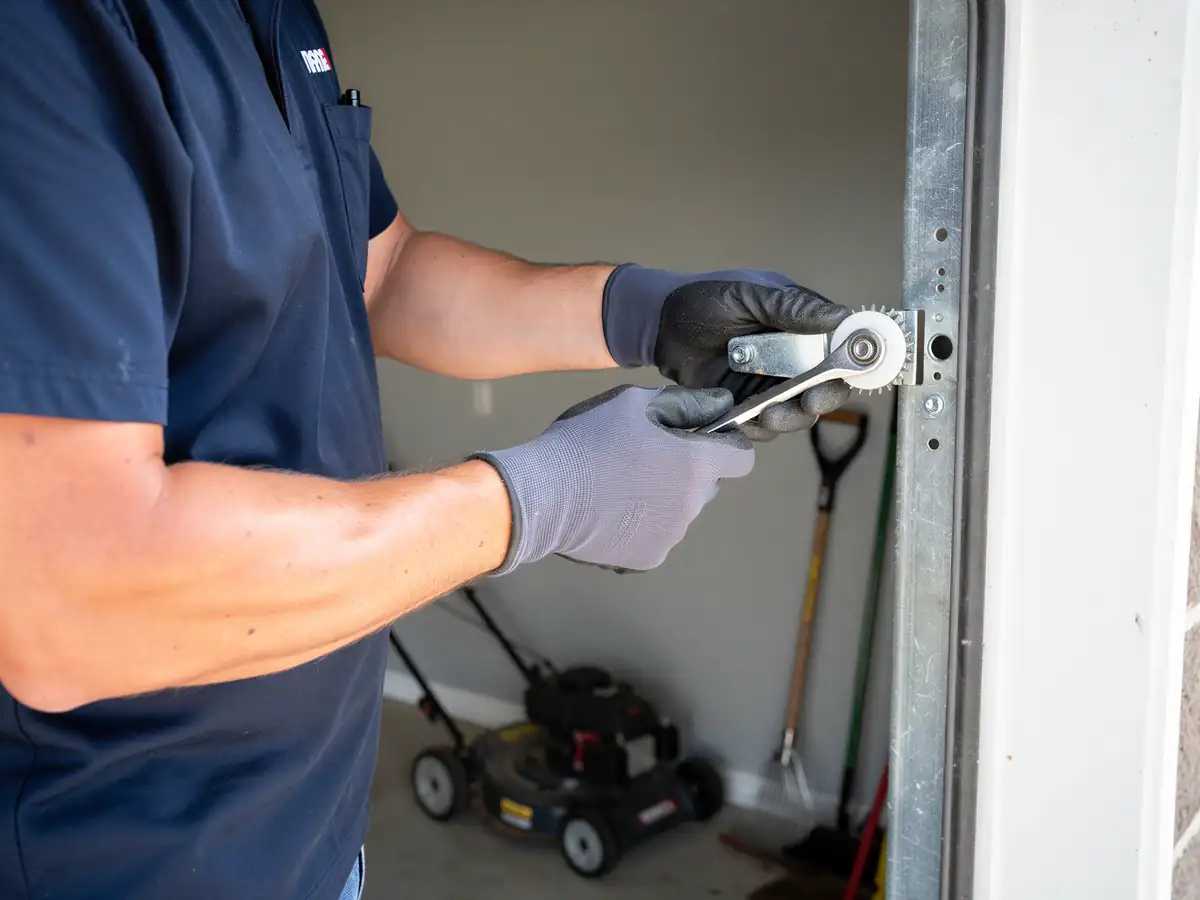
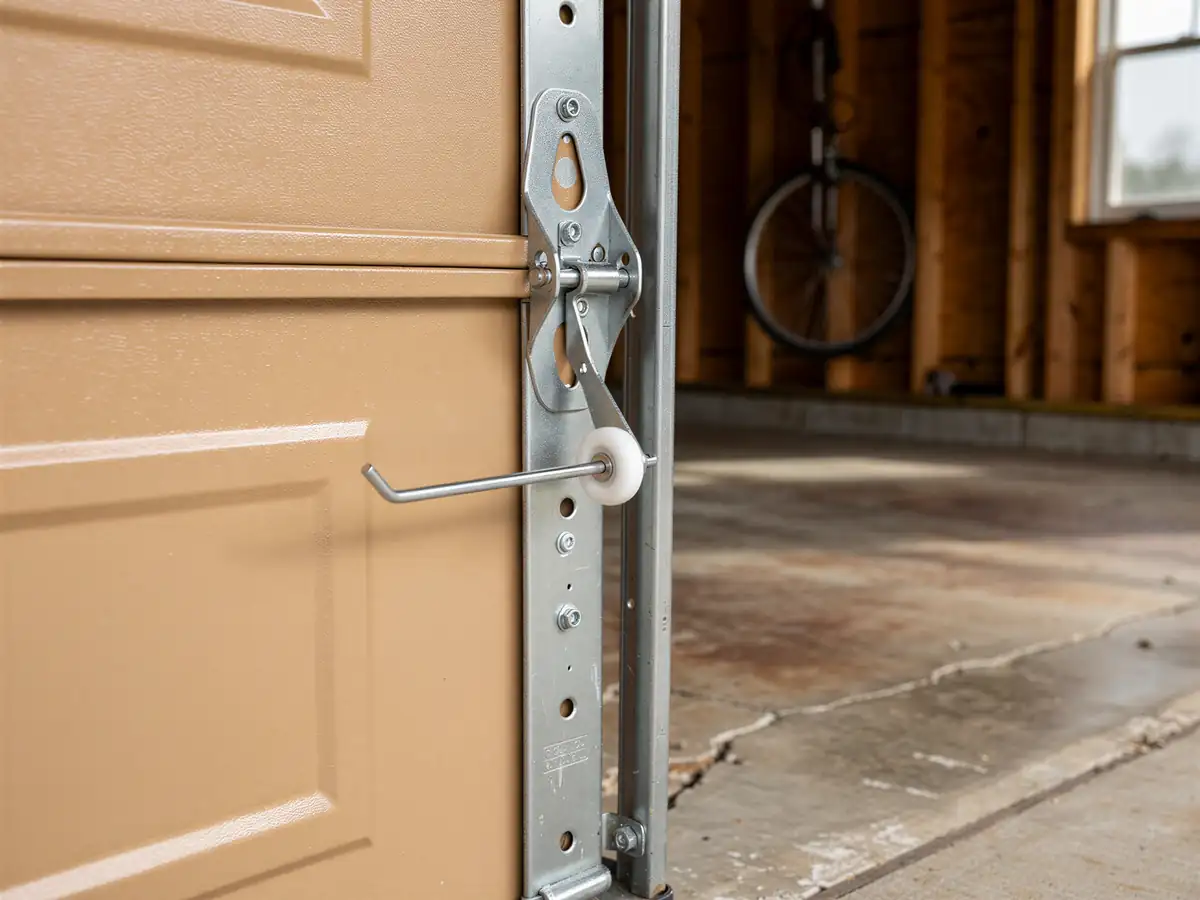
The repair itself is straightforward: we release tension on the door, pull the roller stems from the track brackets one at a time, swap in the new roller, and check that the track is still plumb where the old roller was dragging. A groove worn into the track from a cracked roller is the thing that turns a simple swap into a longer job, because the track itself needs straightening or replacing before the new roller rides smooth.
We don't push full track replacement unless the groove is deep enough to catch a fingernail. If it's shallow, a new roller and a cleaned track solve it, and we'll say so even though the bigger job pays more. That's the honest call, and it's the one we'd want made on our own house.
Time on the Job
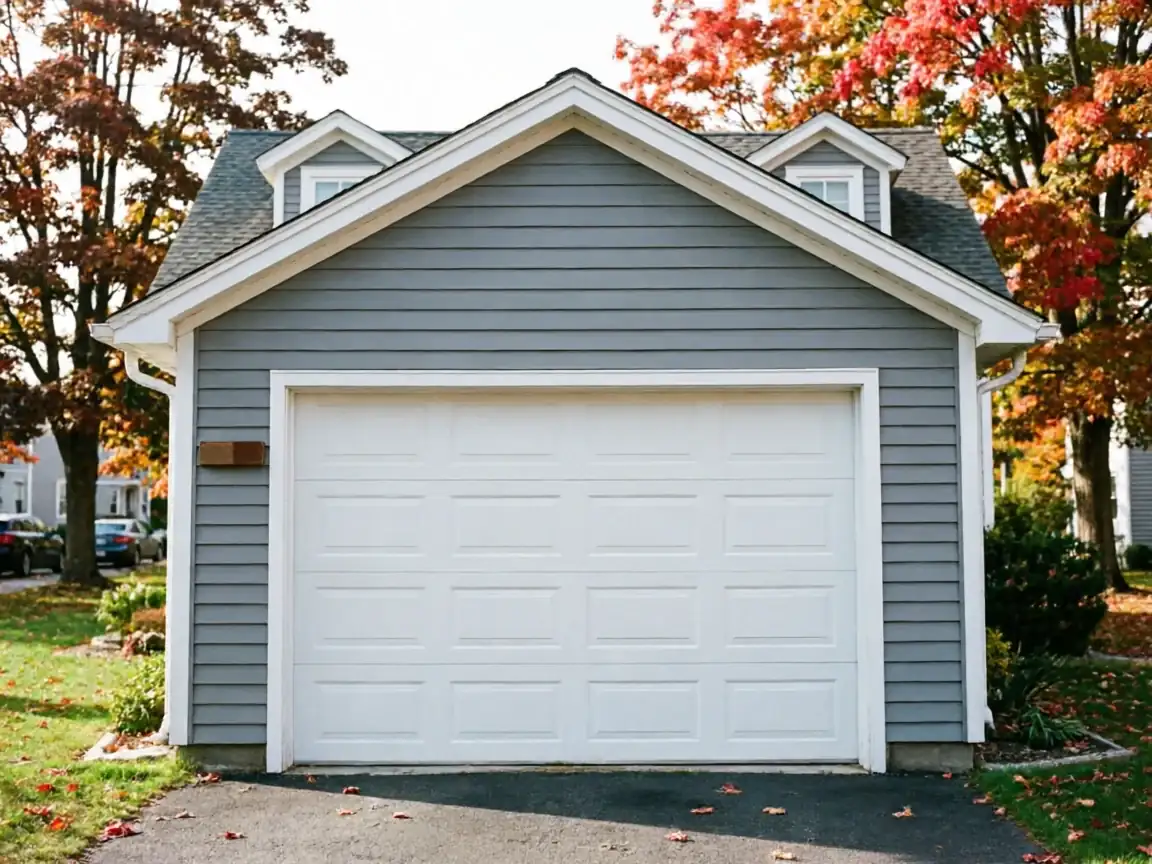
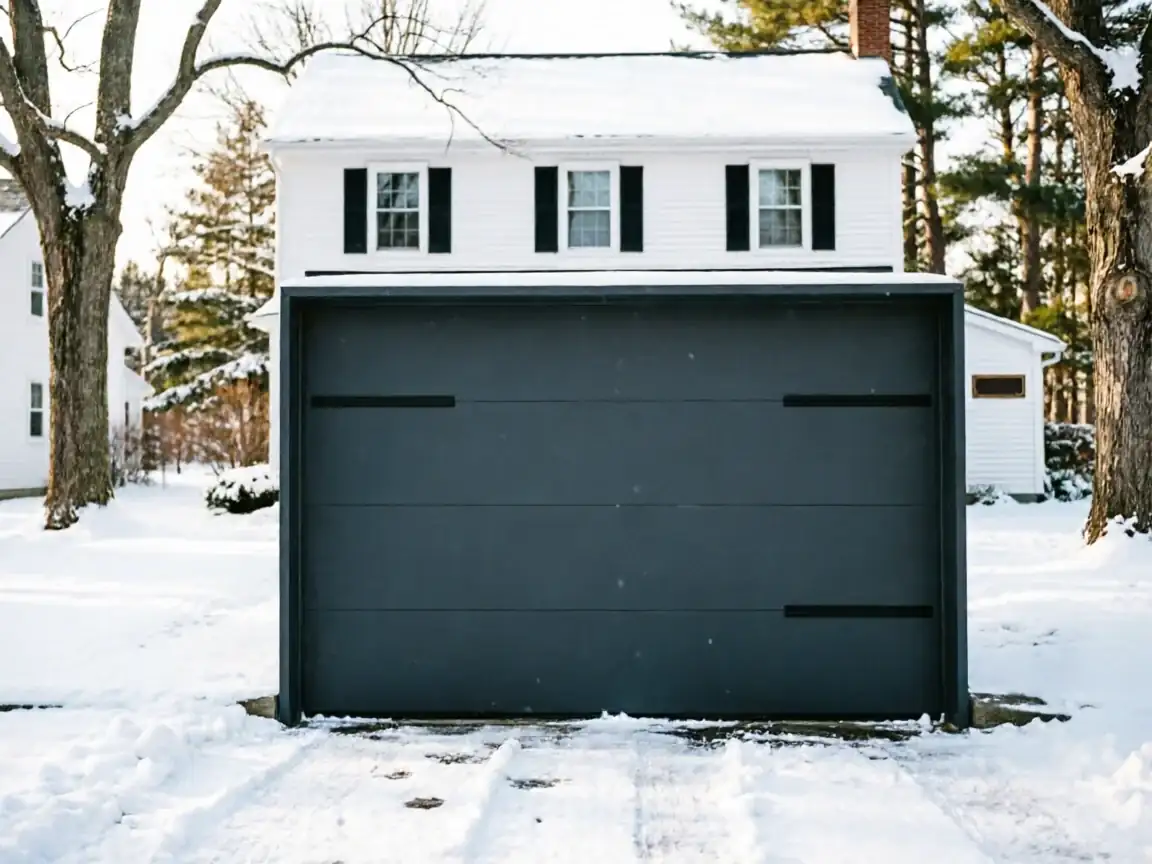
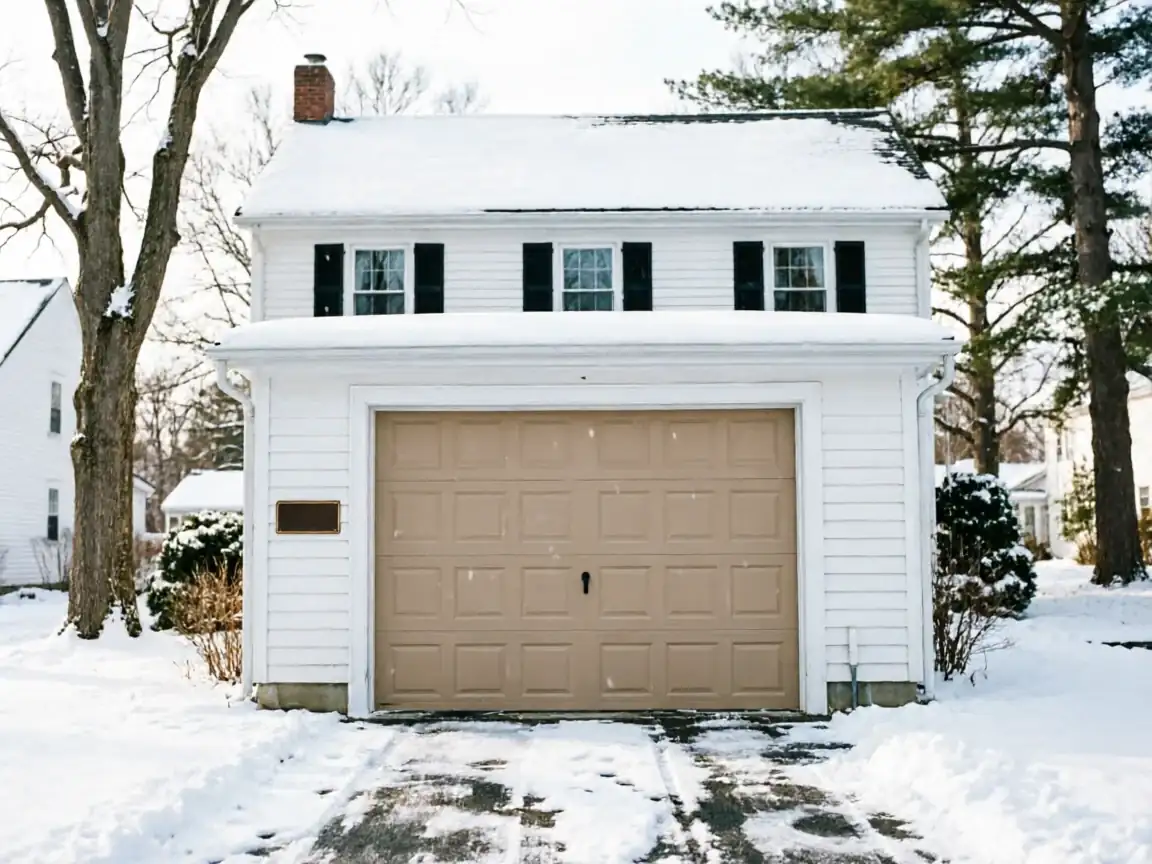
A standard roller swap - ten rollers, both tracks, no track damage - runs under an hour once we're set up. Southington's housing stock leans heavily toward homes built in the early-to-mid 1970s, median year 1973, and that generation of door came with steel rollers on steel tracks as the builder-grade standard. Those rollers were never meant to outlast the house; thirty-plus years of cold-weather cycling is about what they're built for, and a lot of Southington garages are right at or past that mark.
If the door is original to a 1973-built house, we also check the hinges and the end bearings while we're in there, because steel rollers from that era wear the hinge hole oval before anyone notices the noise. That check doesn't add real time to the job - ten extra minutes, not a second trip - but it tells you whether you're buying rollers once or buying hinges again in a year.
How to Book
Call Bristol Garage Door Pros and tell us you're in Southington
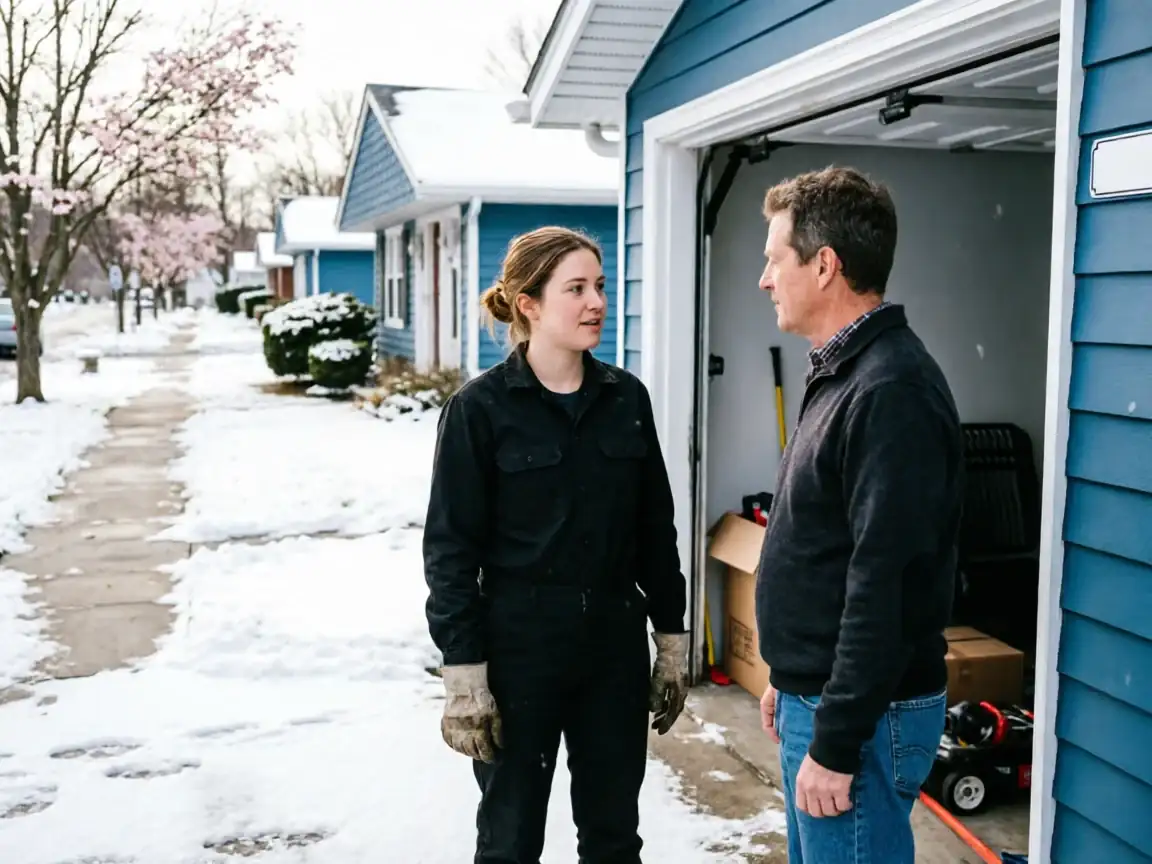
We'll ask the age of the door and whether it's making noise on the way up, down, or both, since that tells us which rollers are likely gone before we even load the truck. We travel the six miles from Bristol for every call here; there's no separate branch or local crew, just the same shop coming out to you.
Have the garage door opener's manual nearby if you can find it
Or just know roughly how old the door is. If your home dates to the early 1970s like much of this area, say so - it saves us a guess on the track hardware.
Why It Happens Here
This area's homes mostly went up between 1938 and 1986, with the median landing in 1971 - and Southington's own figure, 1973, puts it squarely in that builder-grade middle stretch. Doors from that window came standard with steel rollers on steel tracks, no nylon, no sealed bearings. Steel-on-steel wears faster than anything we'd spec today, and it wears loudest in a climate like ours.
The region sits in a cold, severe winter band, and that matters more for rollers than people expect. Steel contracts in the cold, which tightens the clearance between roller and track just enough to grind metal on metal every time the door cycles. That grinding is what turns a quiet door into a grating one by the third or fourth winter, and it's a pattern we see consistently in homes built in Southington's era, not something particular to any one house.