How We Fix It
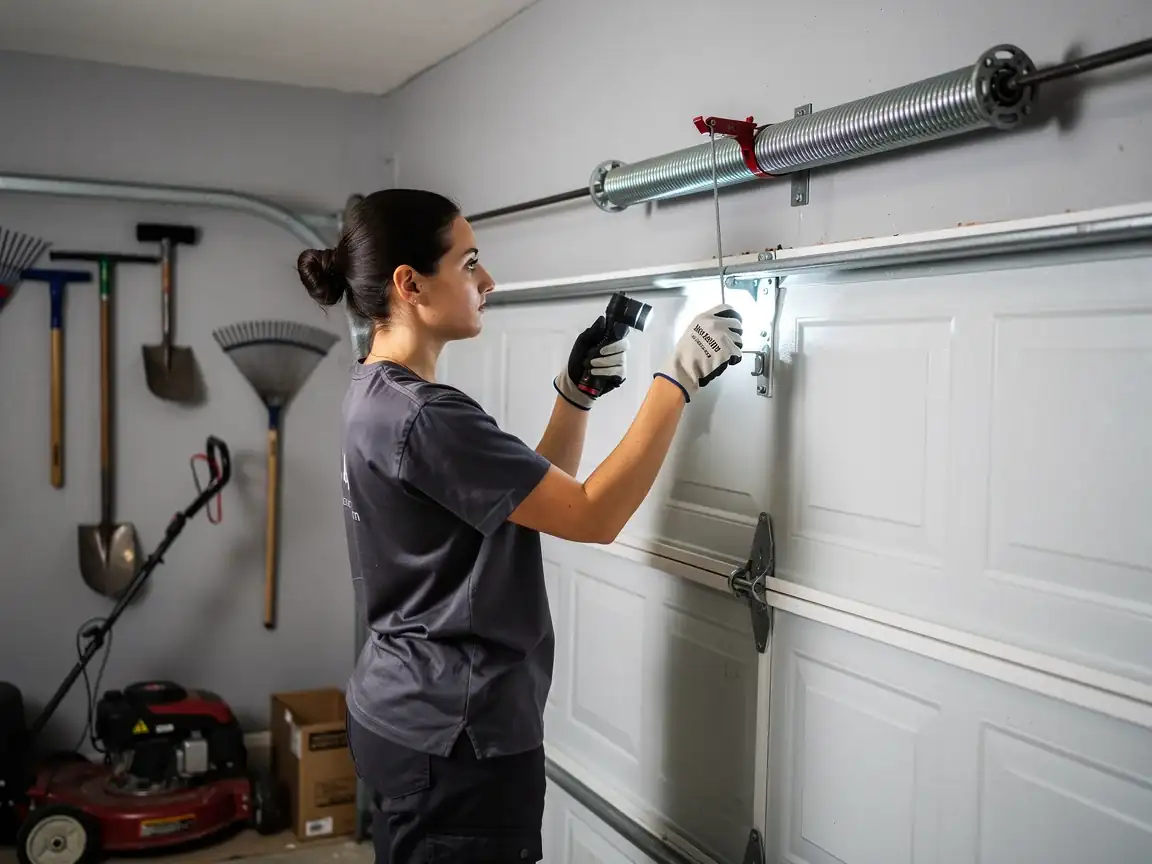
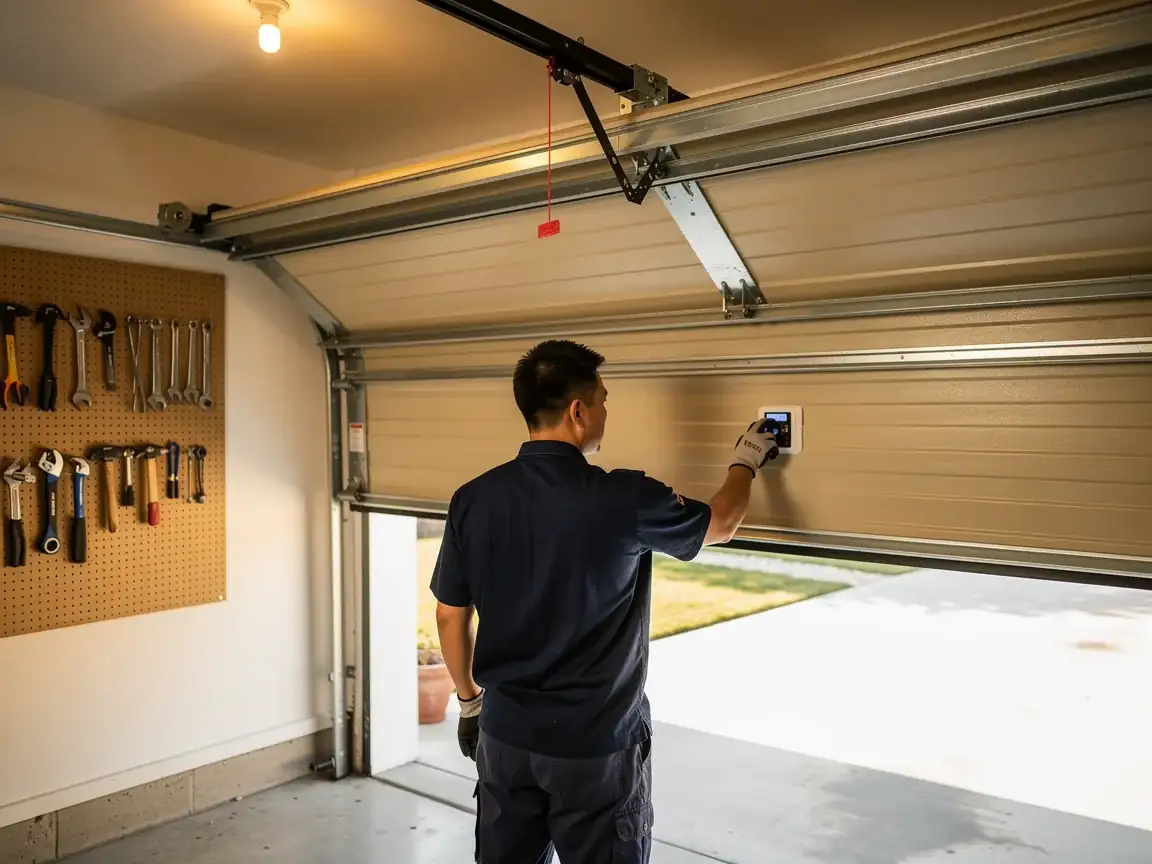
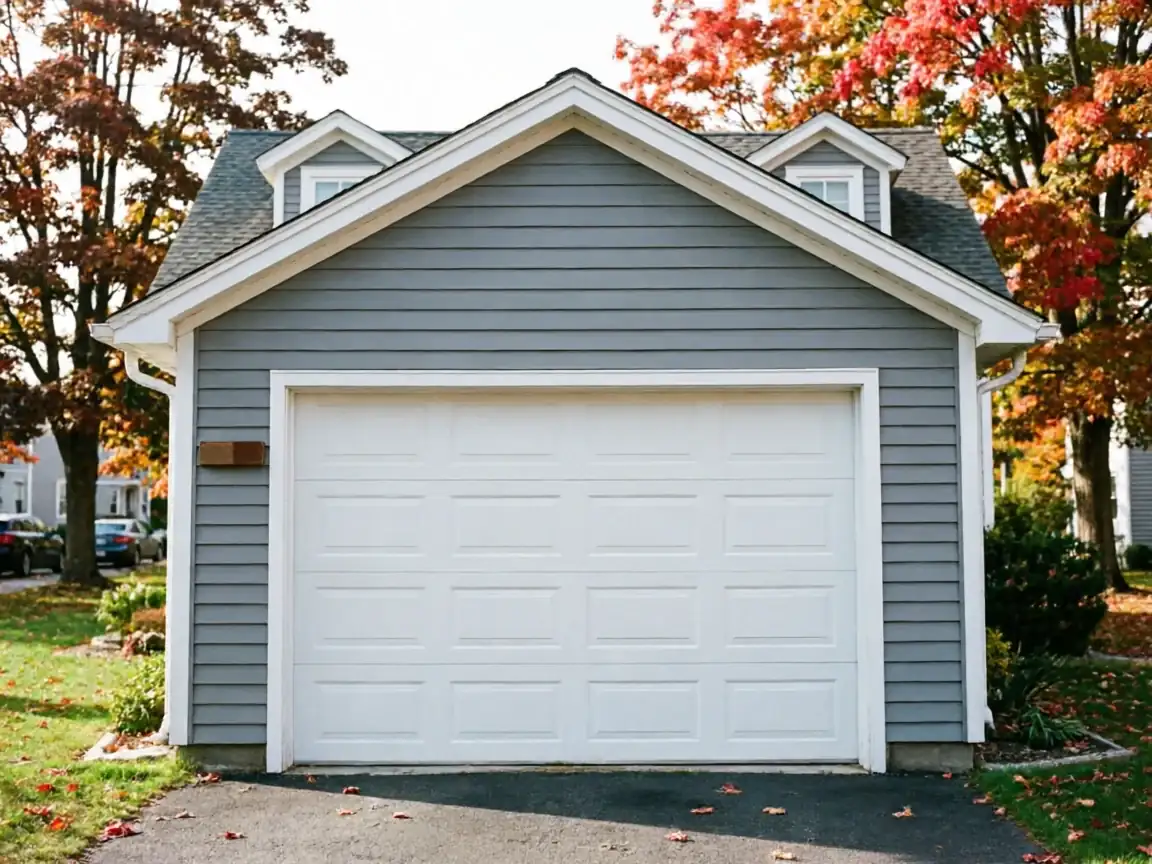
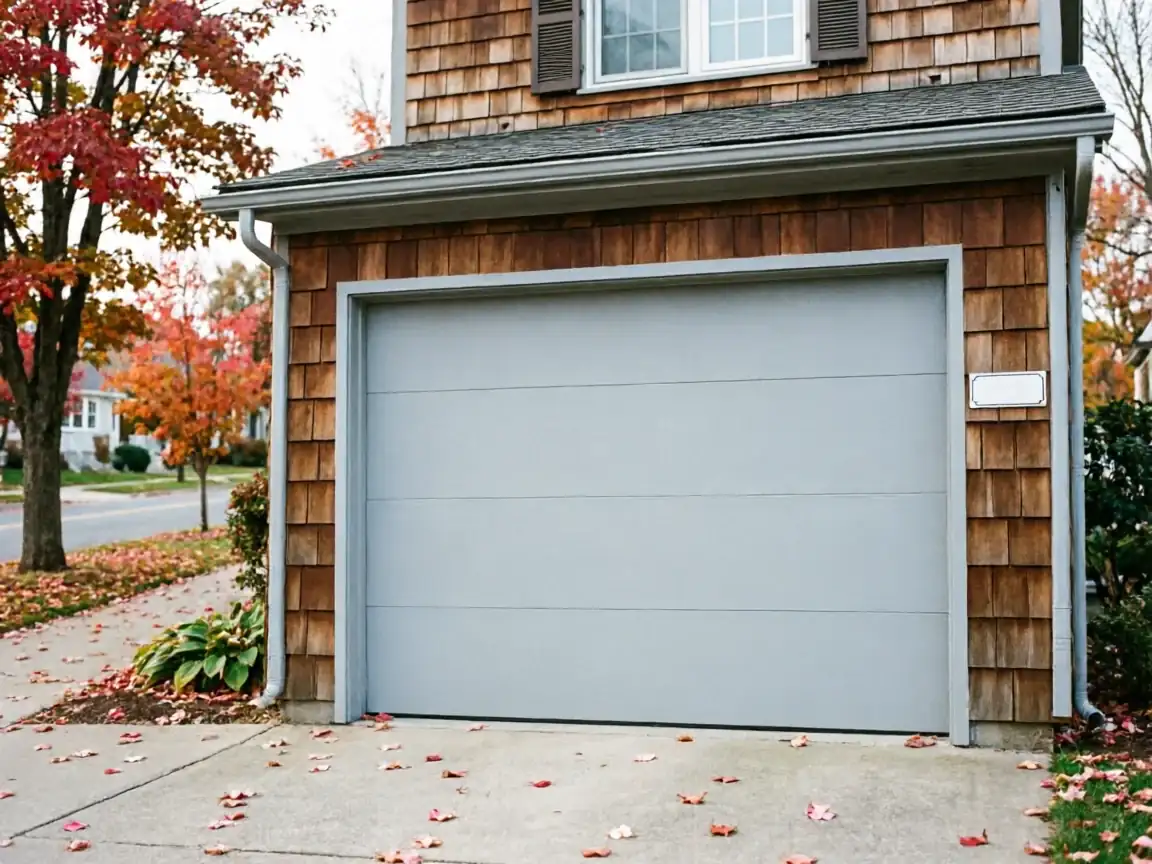
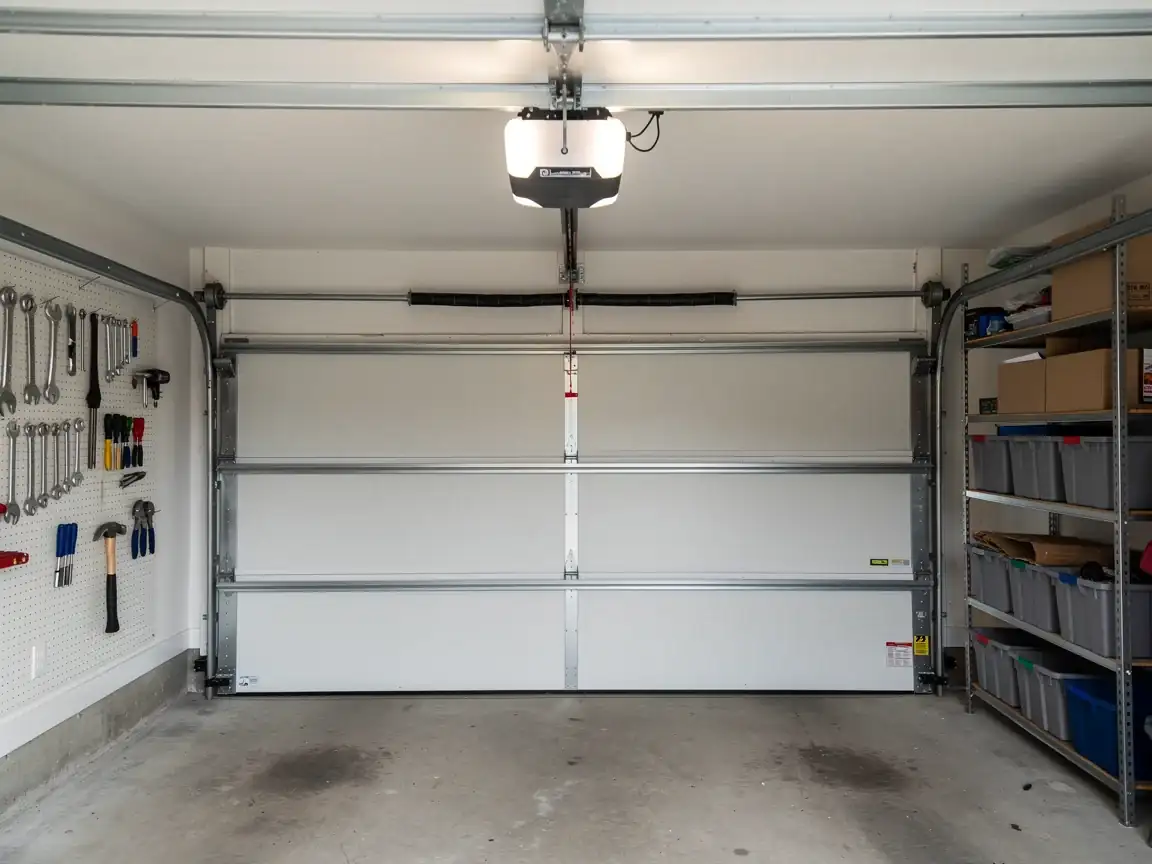
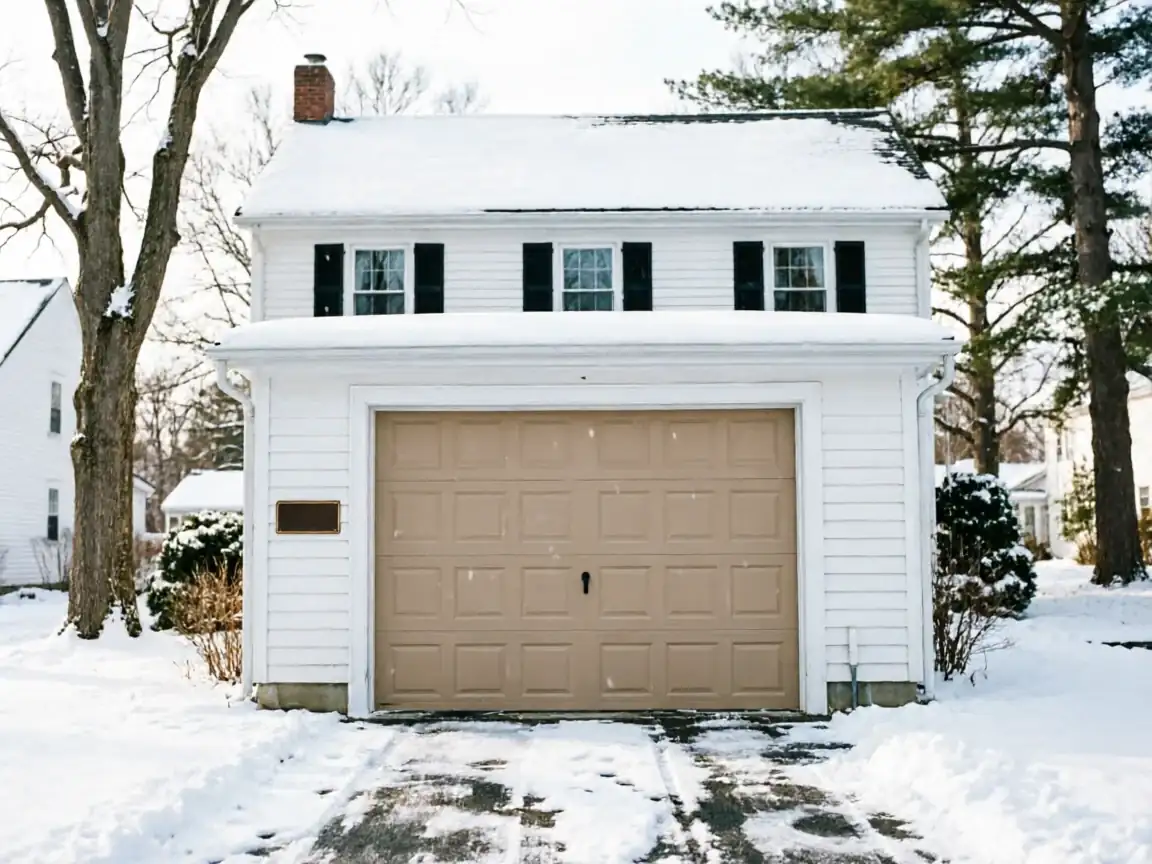
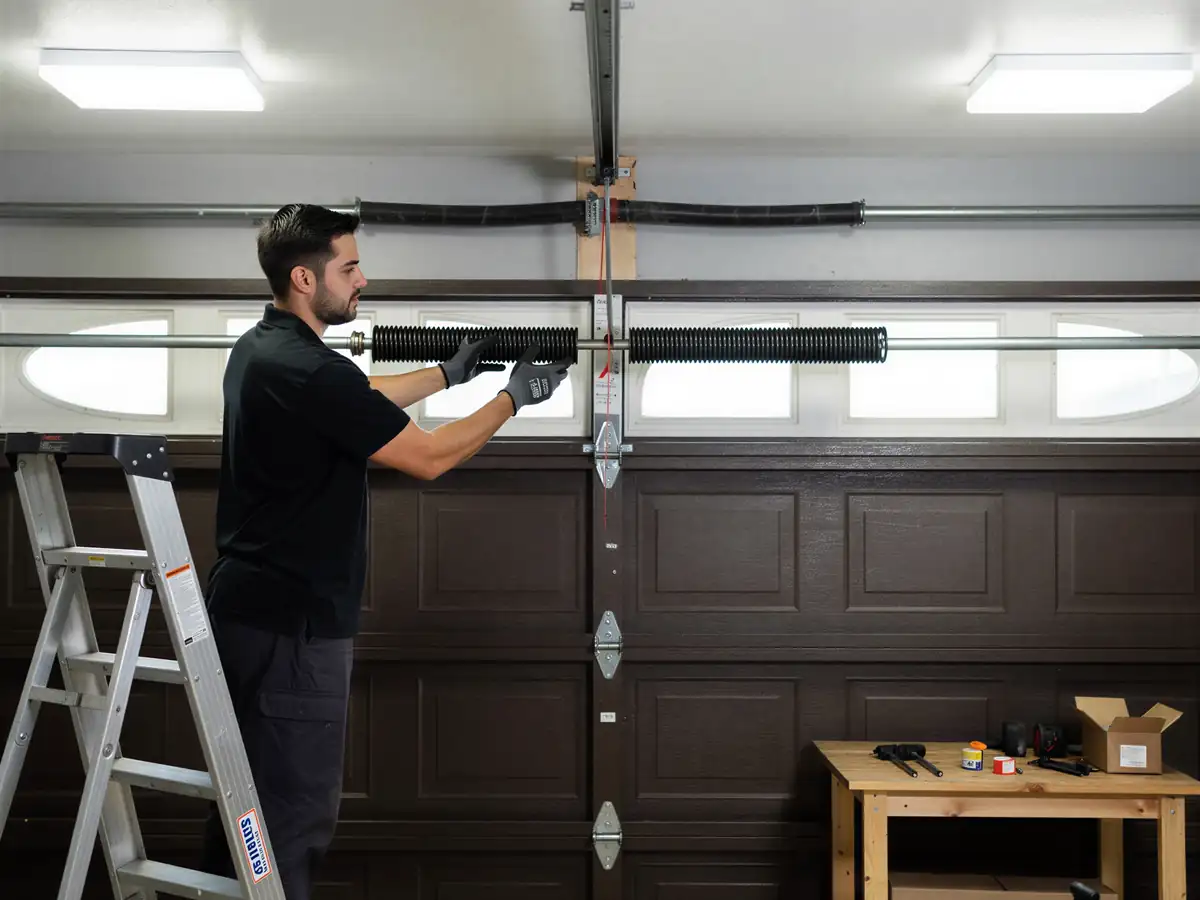
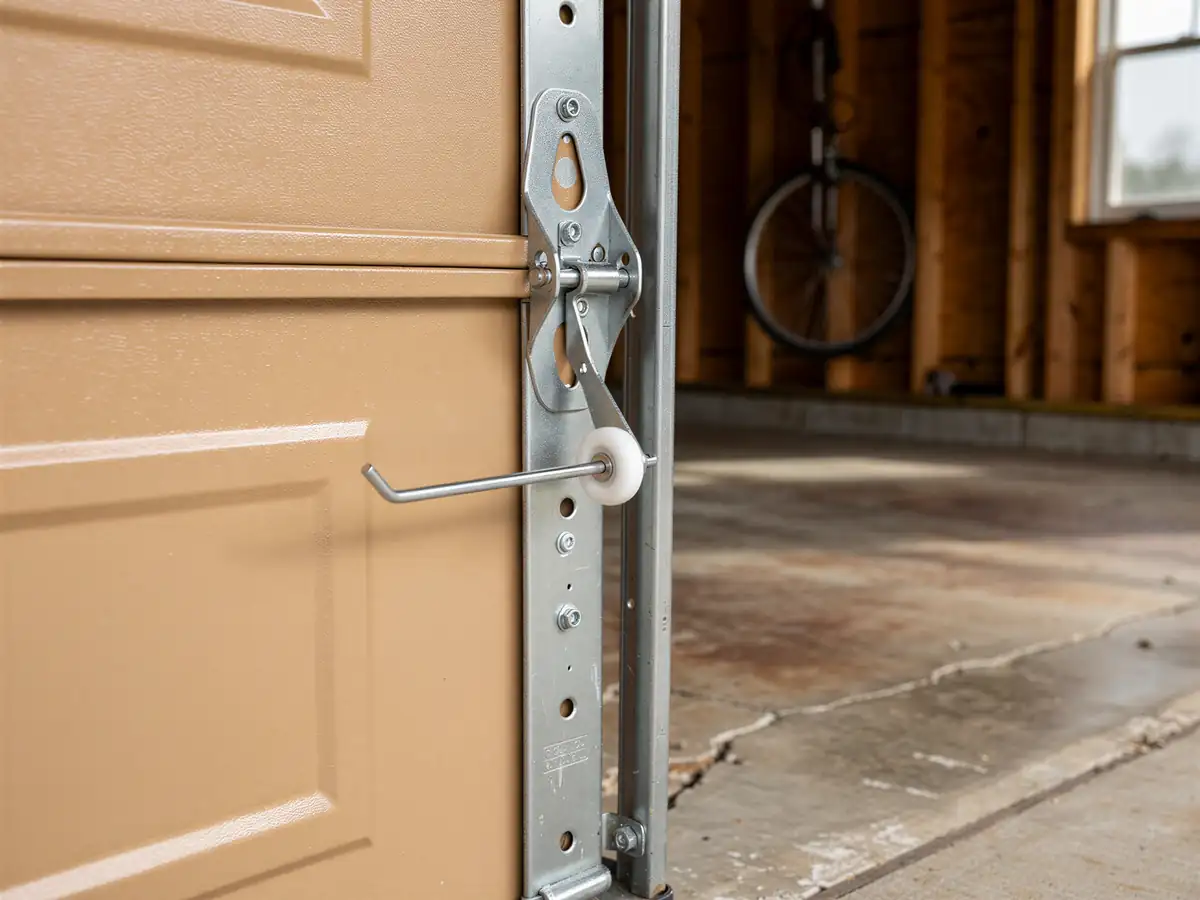
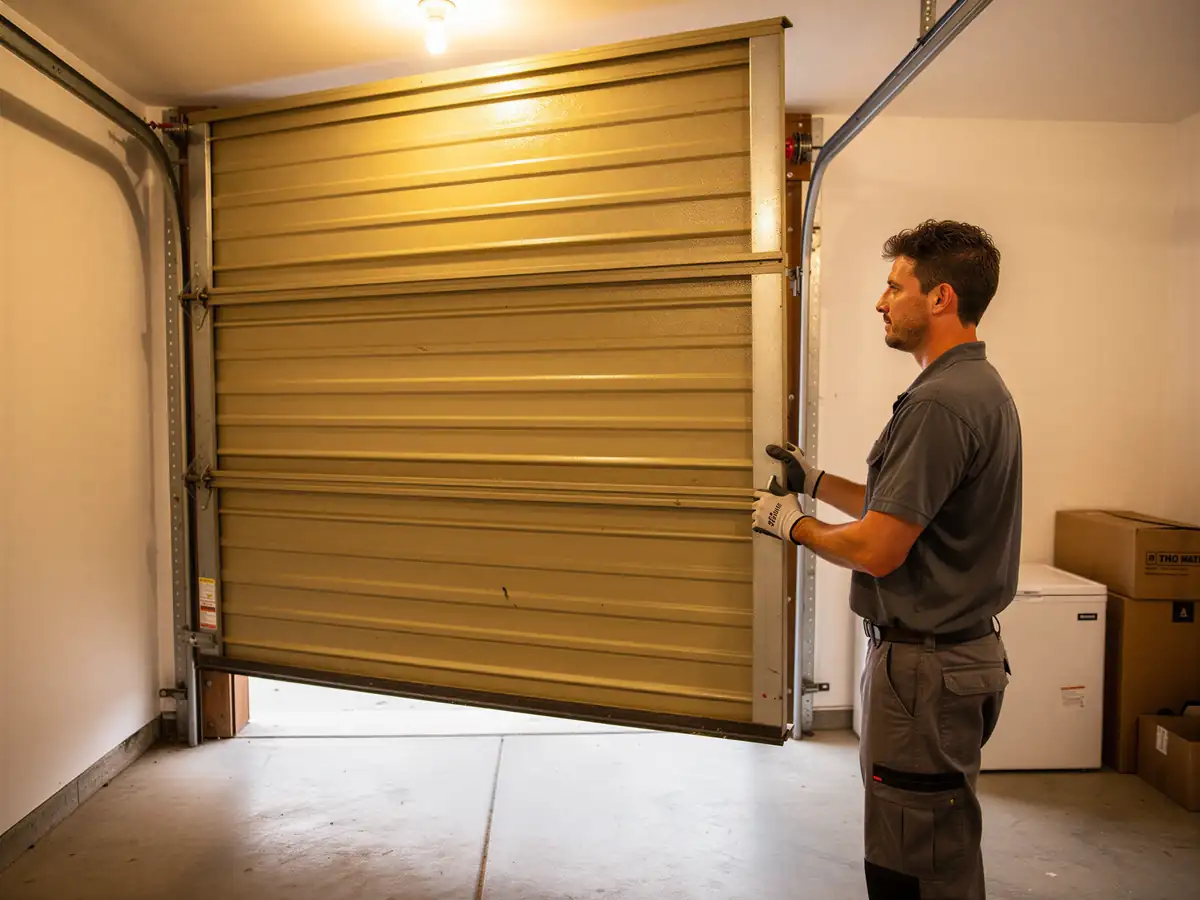
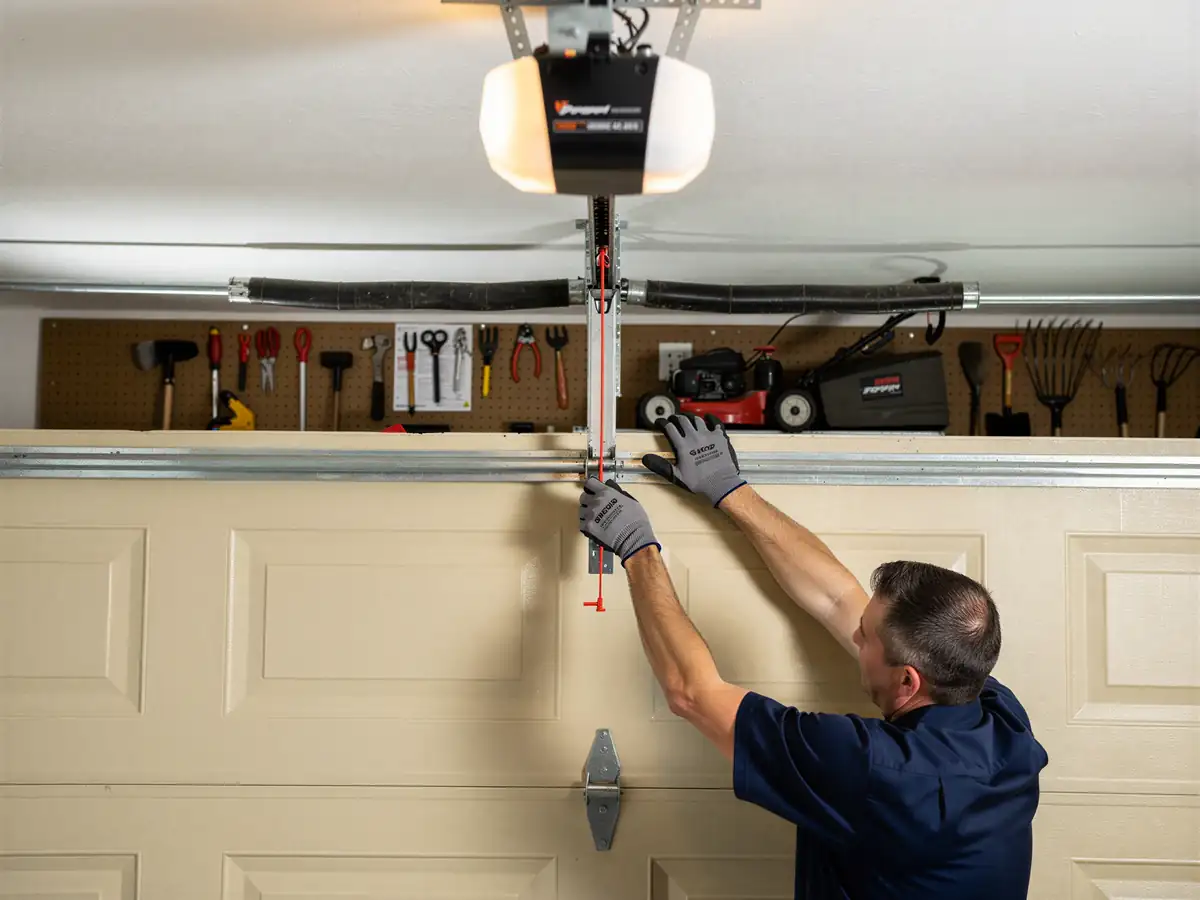
Most houses in Southington went up around 1973, which puts the original garage door opener - if it's even still the first one - in the chain-drive, no-safety-reverse category that predates the 1993 federal photo-eye requirement. When we install a new opener here, the first job is usually ripping out a unit that never had working safety sensors to begin with, not just a tired motor. We mount the new photo eyes low on the track, wire in a battery backup where the panel allows it, and set the travel limits by hand rather than trusting a sensor pad, because the original door hardware on a house this age is rarely squared the way a 2020s door is. Belt-drive units are the better call on these older doors since the original track brackets often sit slightly out of plumb after fifty years, and a chain slapping against a crooked rail is louder than it needs to be. We also check the spring before we touch the opener - an opener will try to lift a door its motor was never sized for if the spring has lost tension, and on a house this age that spring has had five decades to wear down. We don't swap in a smart opener and call it done if the door itself needs attention first; that's a separate conversation, not an upsell.
Time on the Job
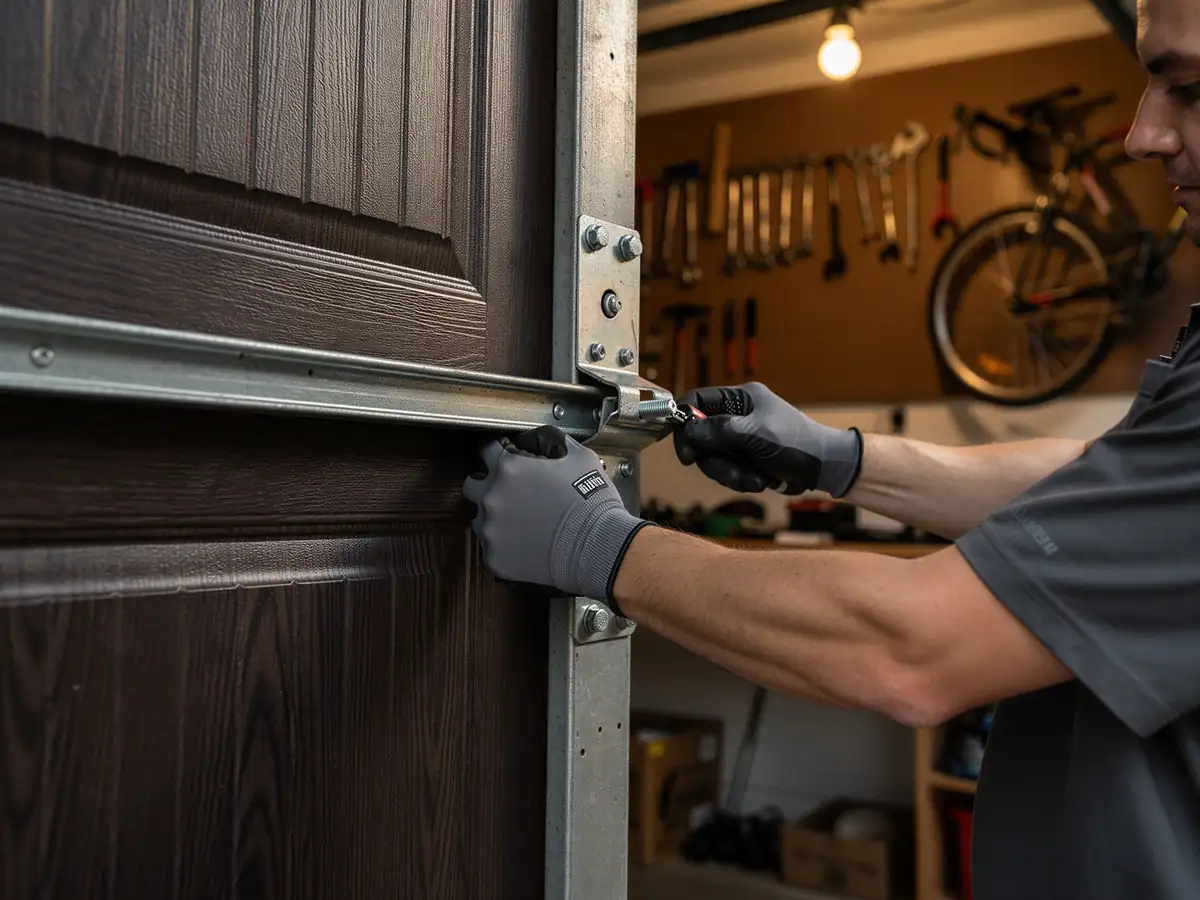
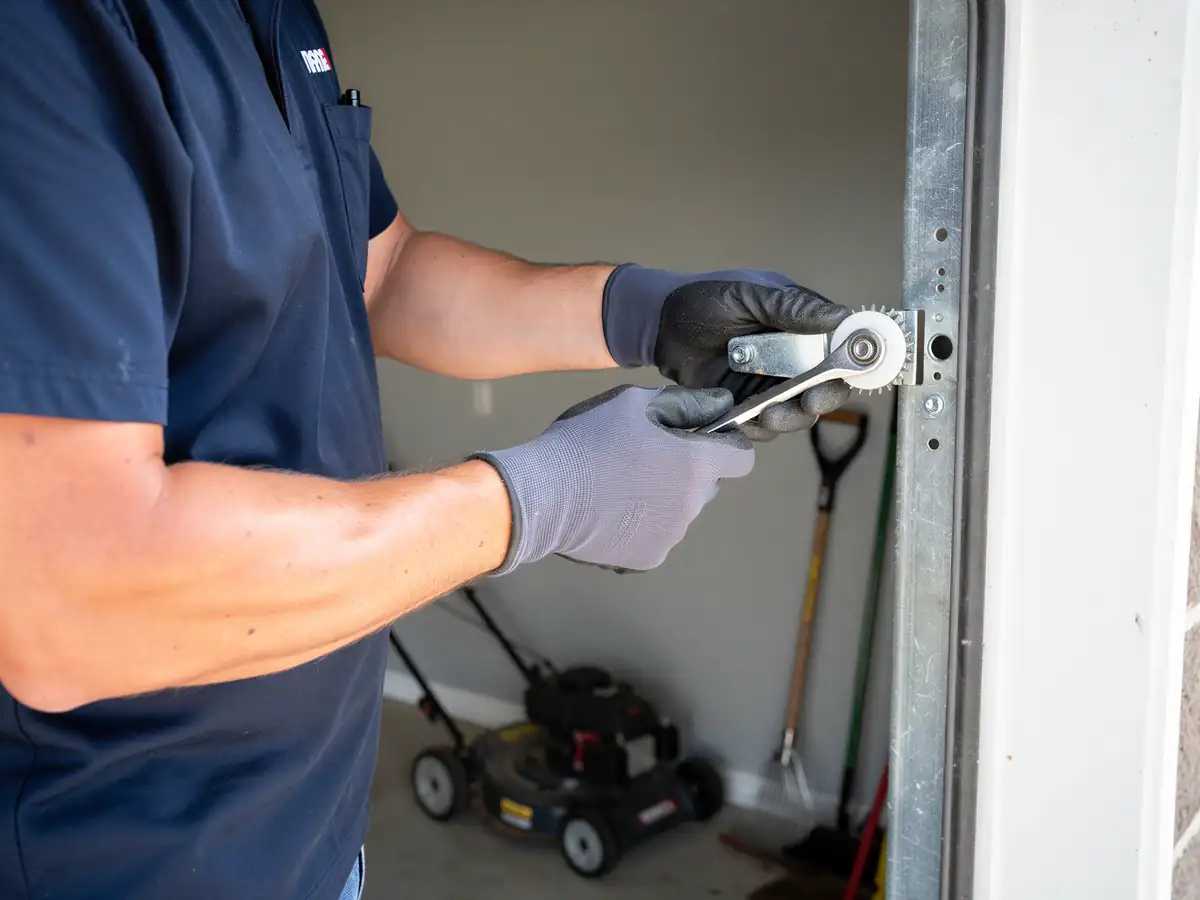
An opener swap in a house from this era typically takes longer than it would in newer construction because the wiring run from the old unit rarely matches what a current opener expects, and the wall button is often original too. We budget time to pull new low-voltage wire rather than patch into cloth-sheathed runs that have been in the ceiling since 1973. If the bracket that holds the rail to the header is undersized or cracked - common on doors from this build era - we replace it before we hang anything, which adds to the job but means the new opener isn't carrying a shaky frame. We're honest about this upfront: a same-day job can turn into a half-day job once we're inside the header, and we'd rather tell you that before the ladder goes up than after.
Why It Happens Here
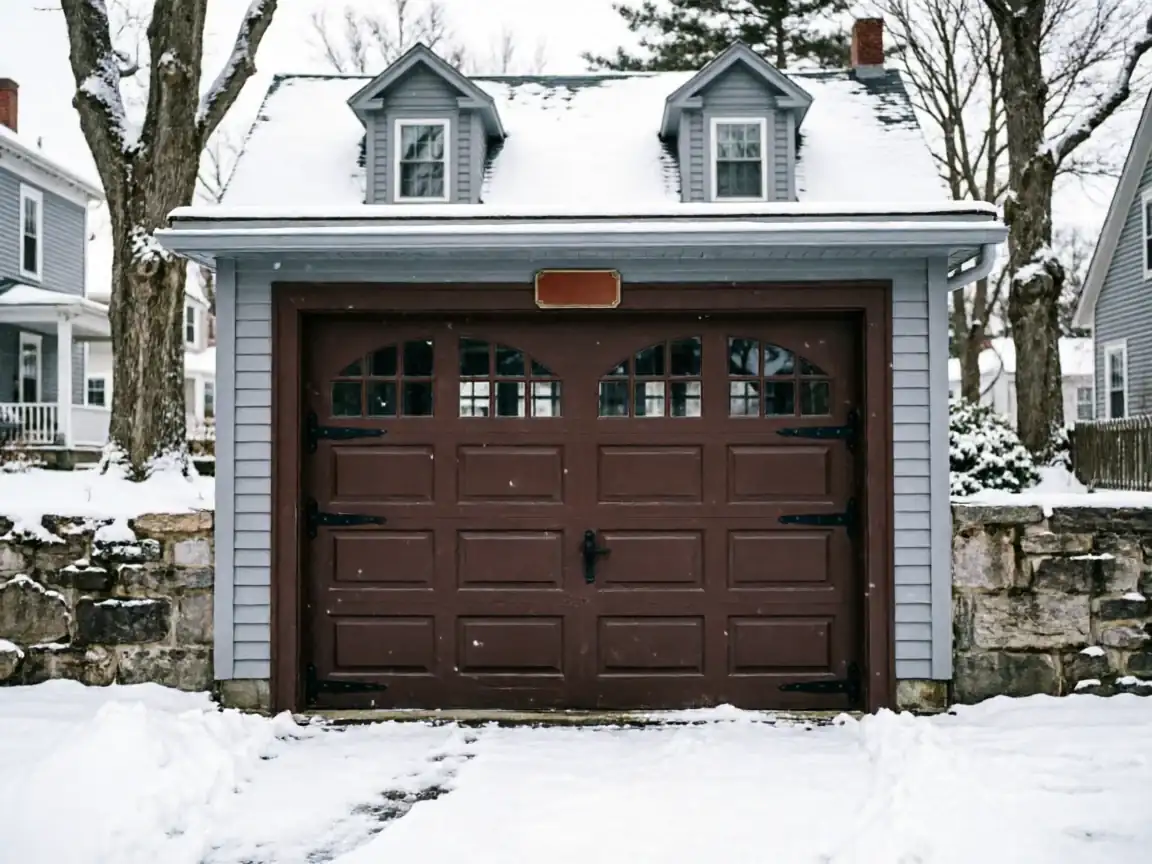
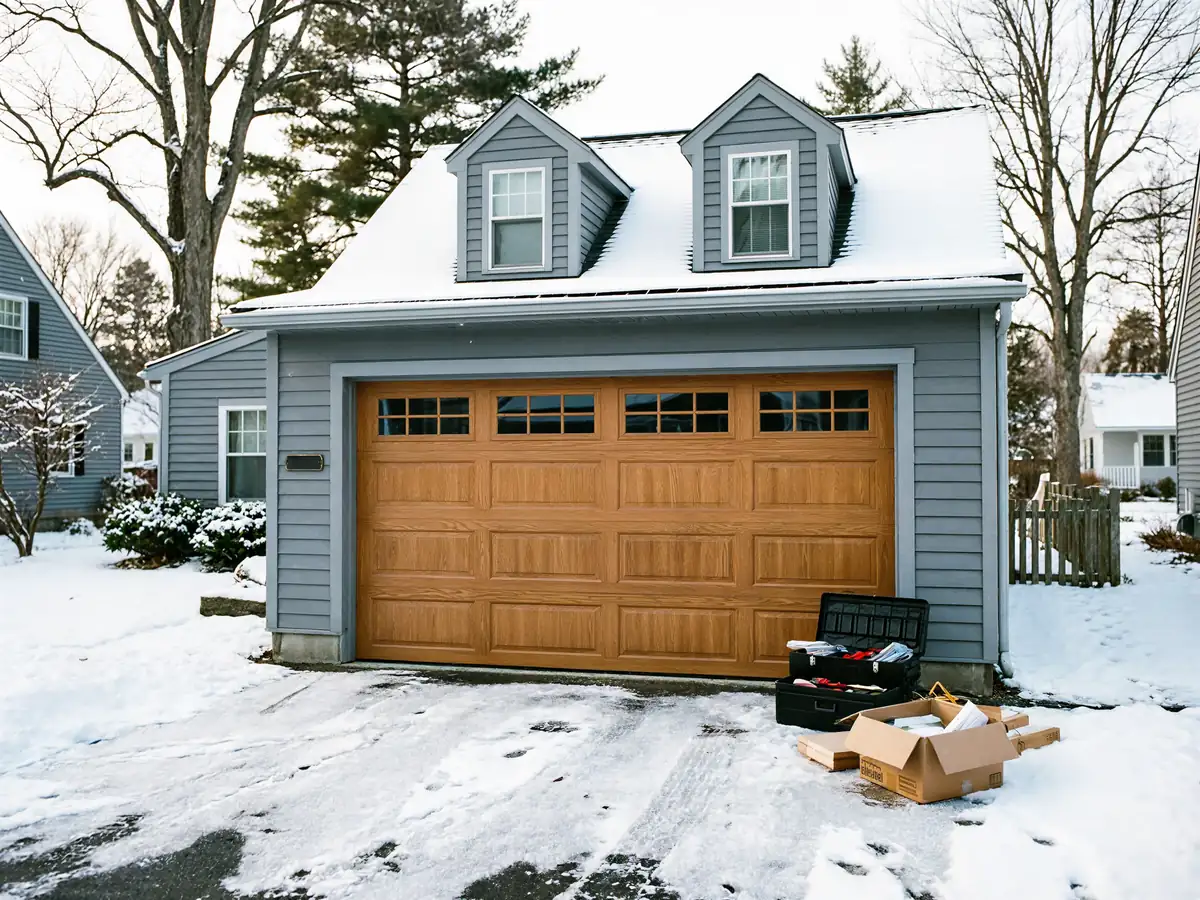
Connecticut winters are hard on garage door hardware everywhere we work, but a 1973-era opener was never built with a region this cold in mind. The grease in an original chain-drive unit thickens below freezing, which is why a lot of these old openers strain and groan on the first cold mornings of the year - not because the opener is breaking, but because it was undersized and under-lubricated for a severe cold climate from the day it was installed. Newer openers use lighter gear-reduction motors and synthetic lubricant that holds up in the cold, which is a real upgrade for a Southington house, not just a feature on a box. The other piece is simple arithmetic: a door opener installed around 1973 is pushing fifty years old, well past any reasonable service life, so for most Southington calls the question isn't whether to replace it but which unit fits the door and the header you've already got.