How We Fix It
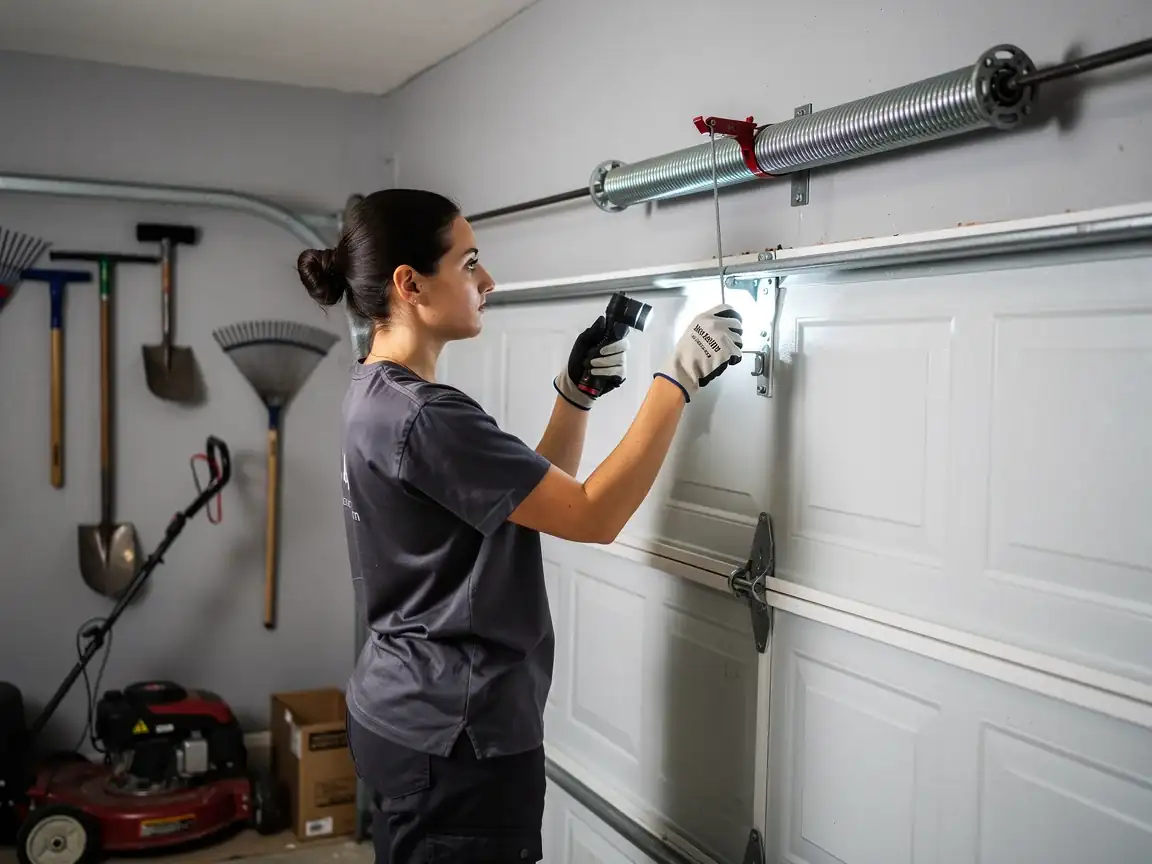
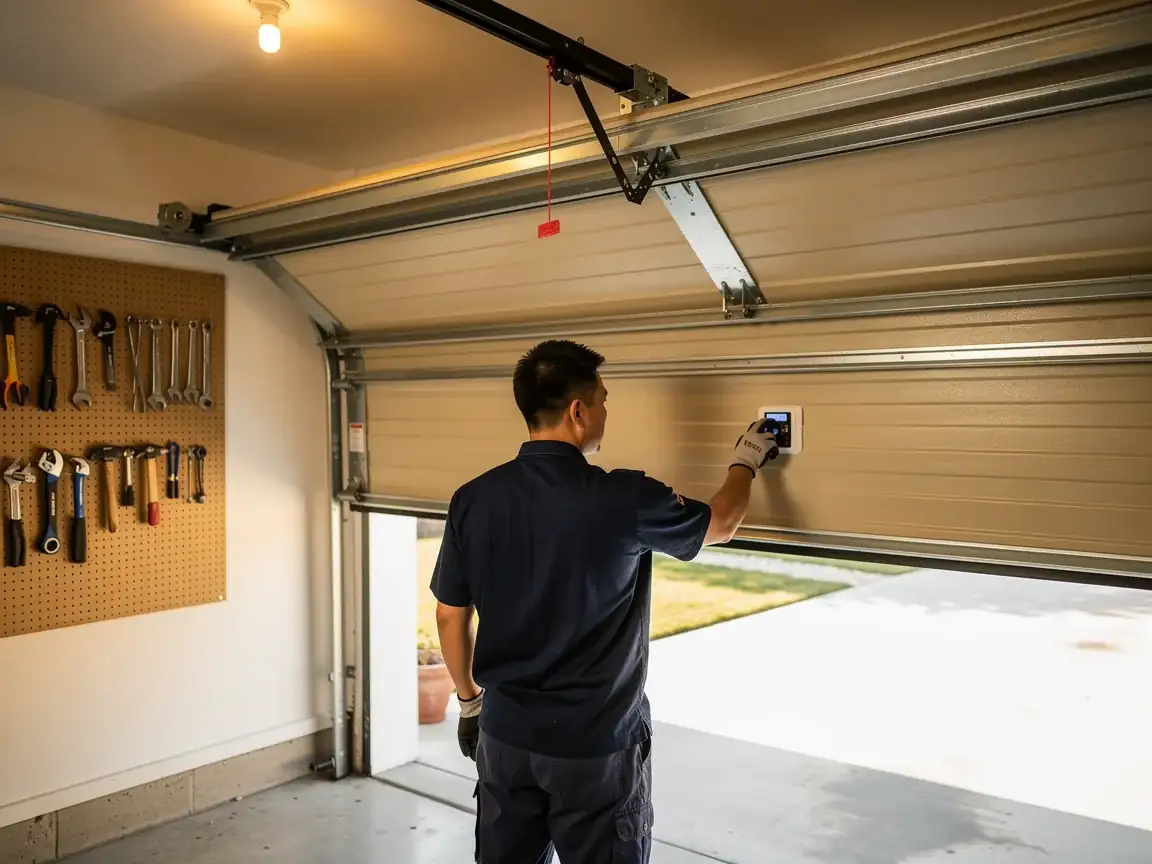
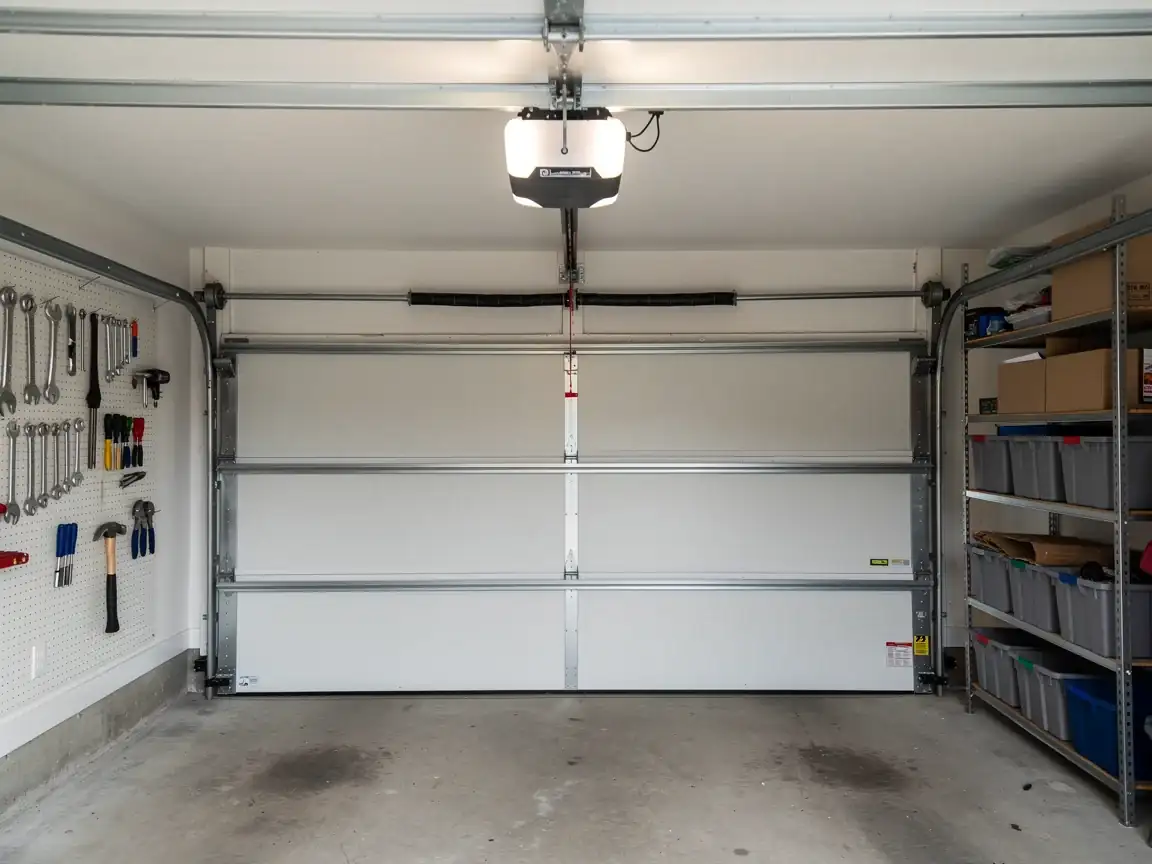
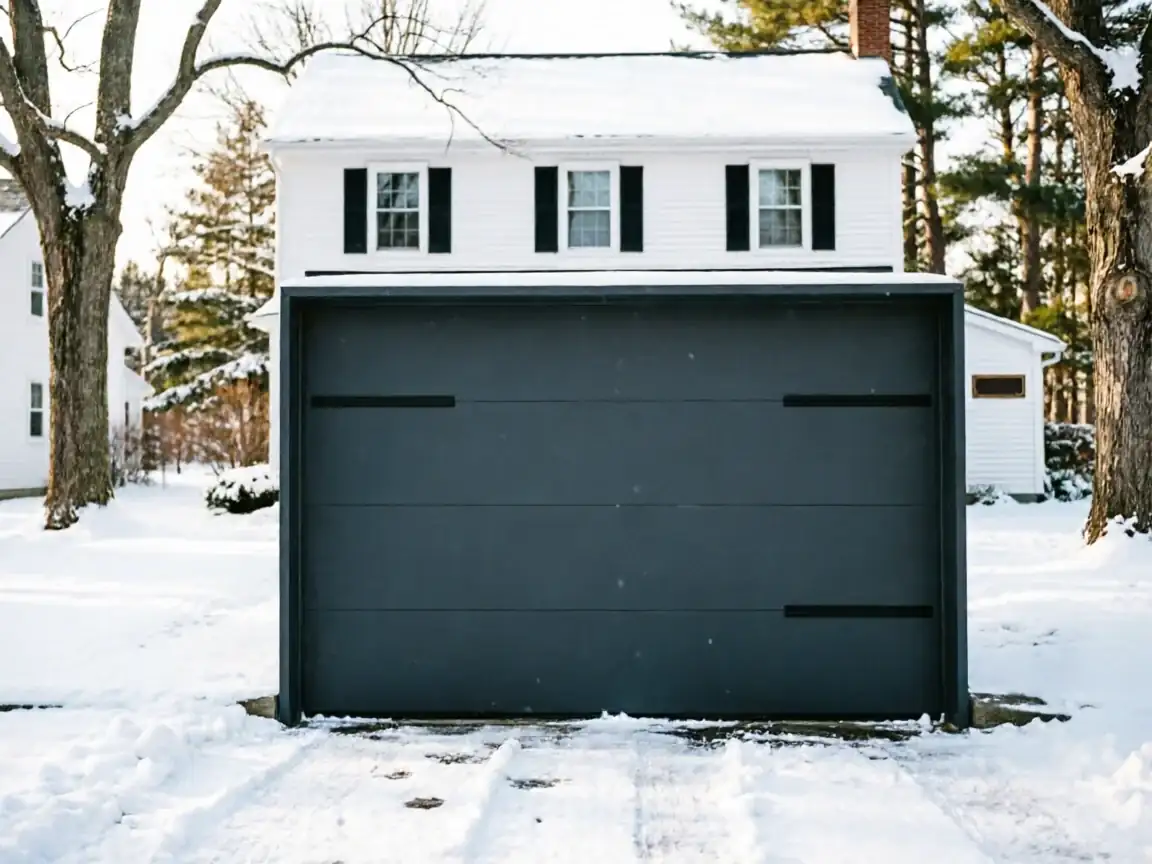
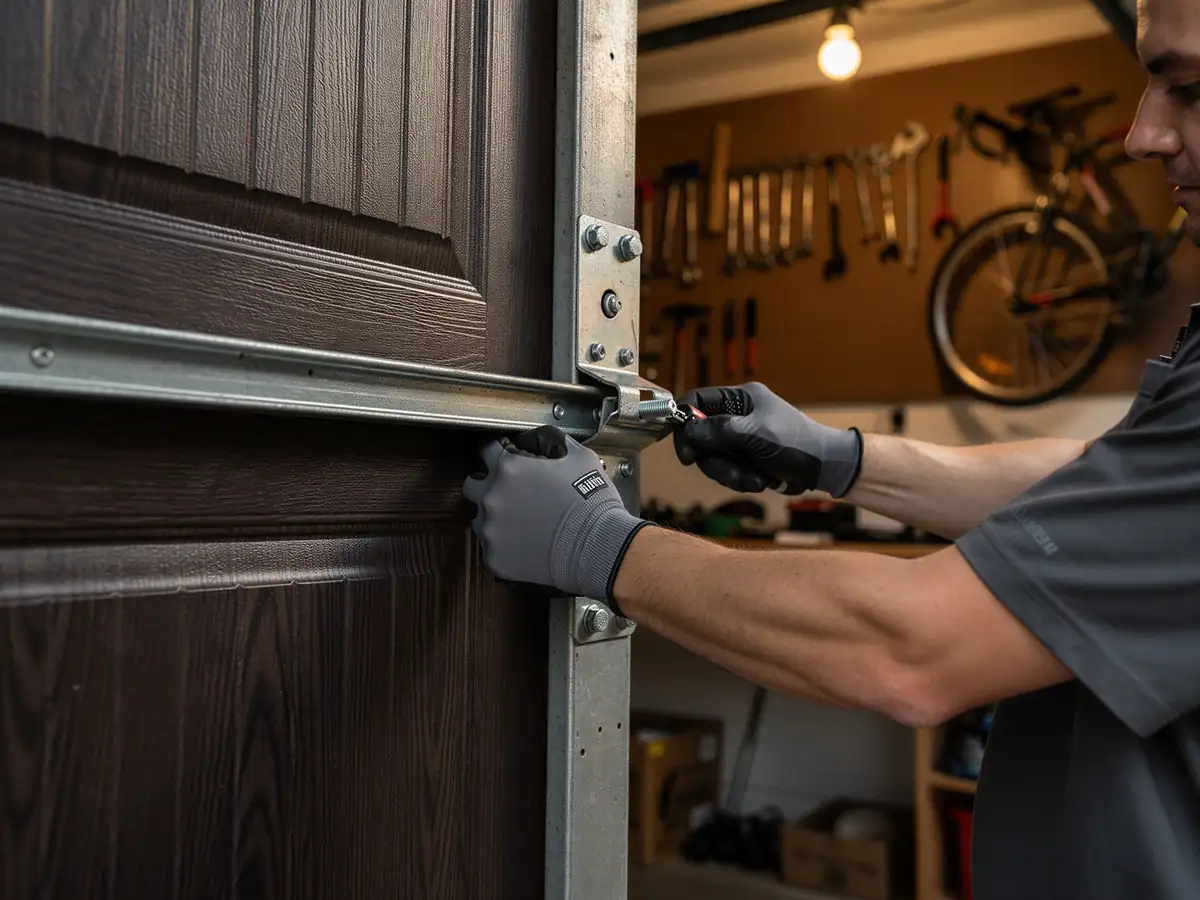
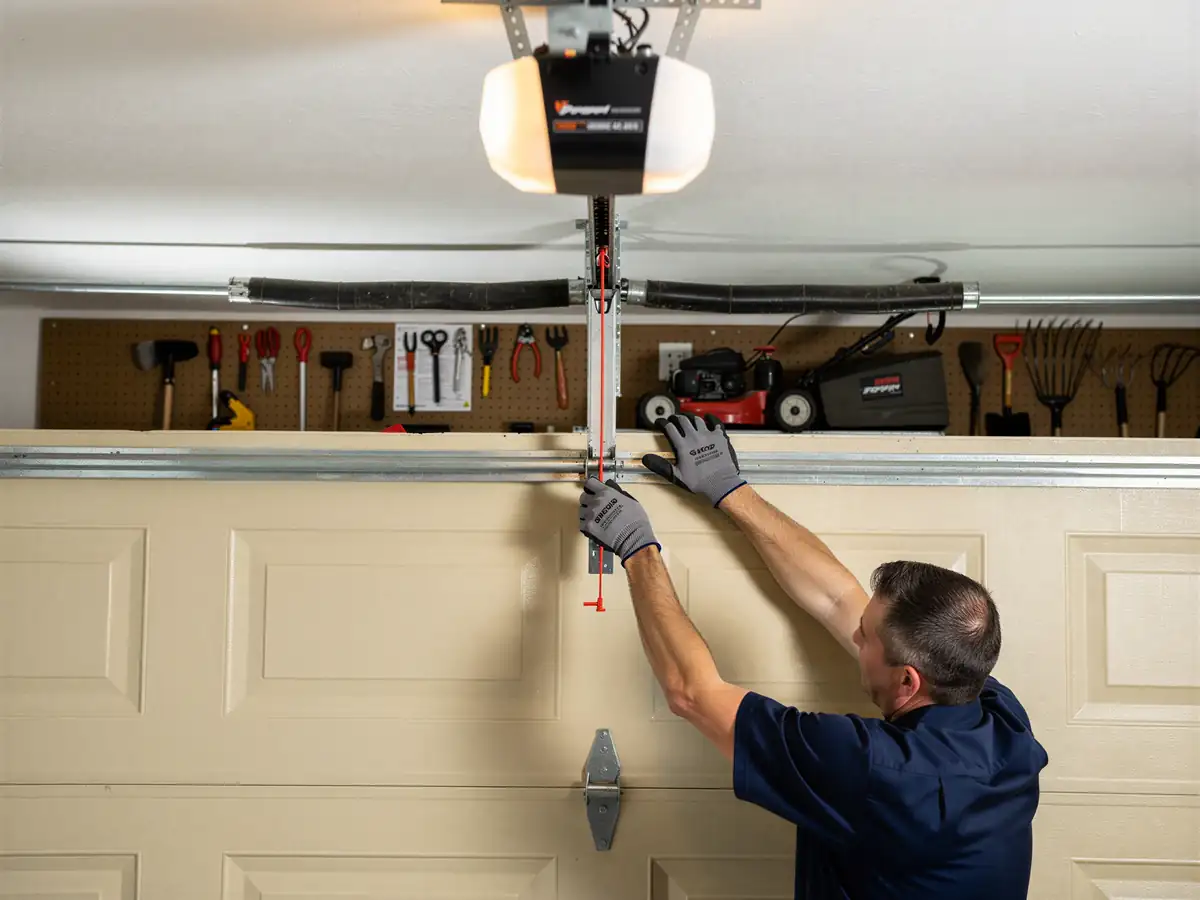
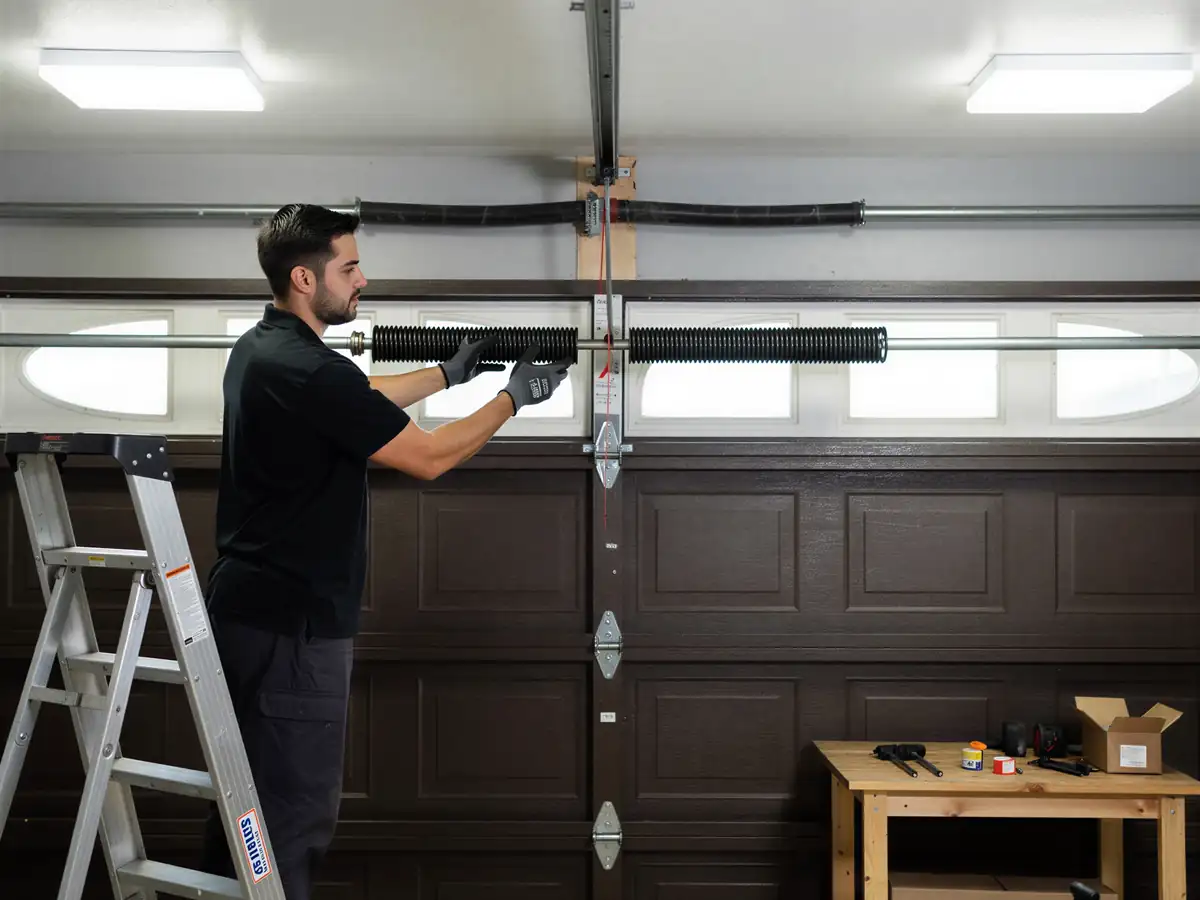
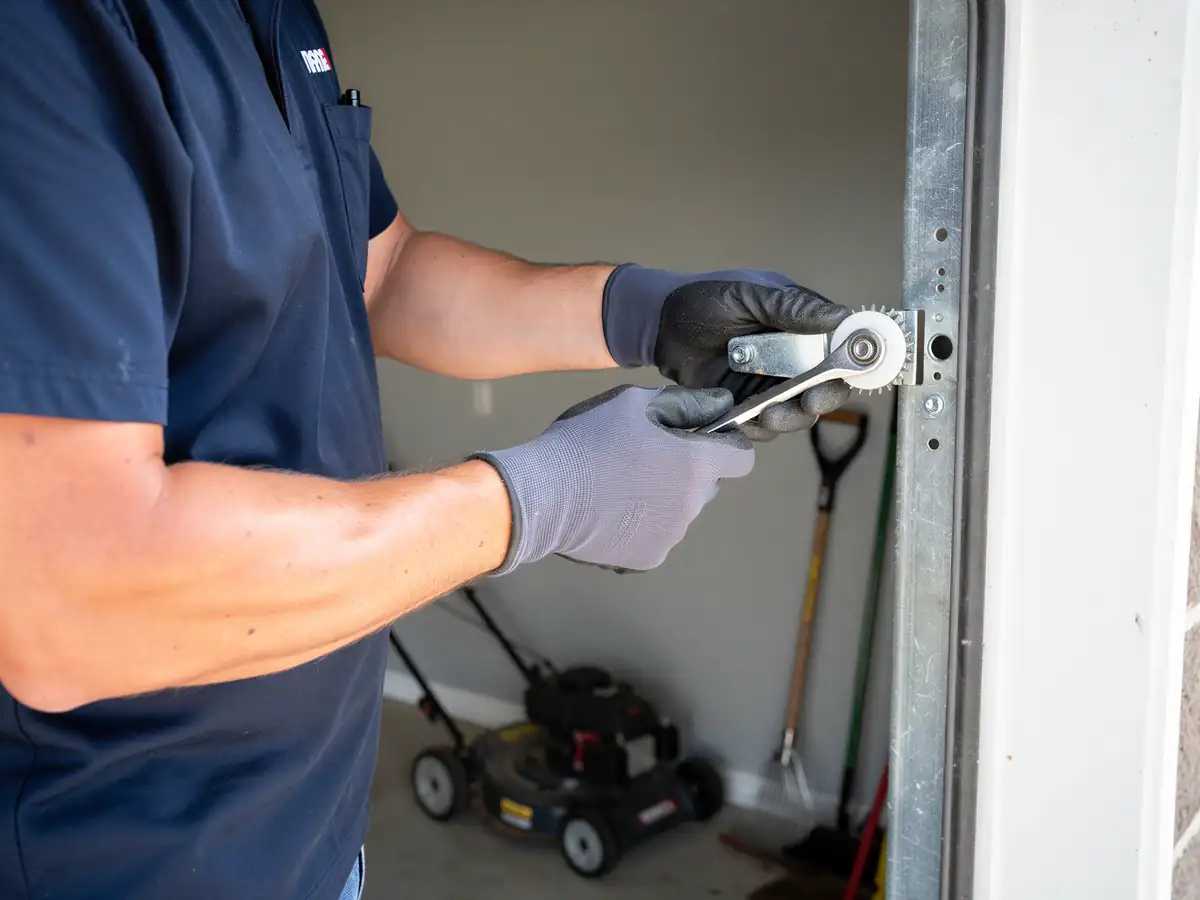
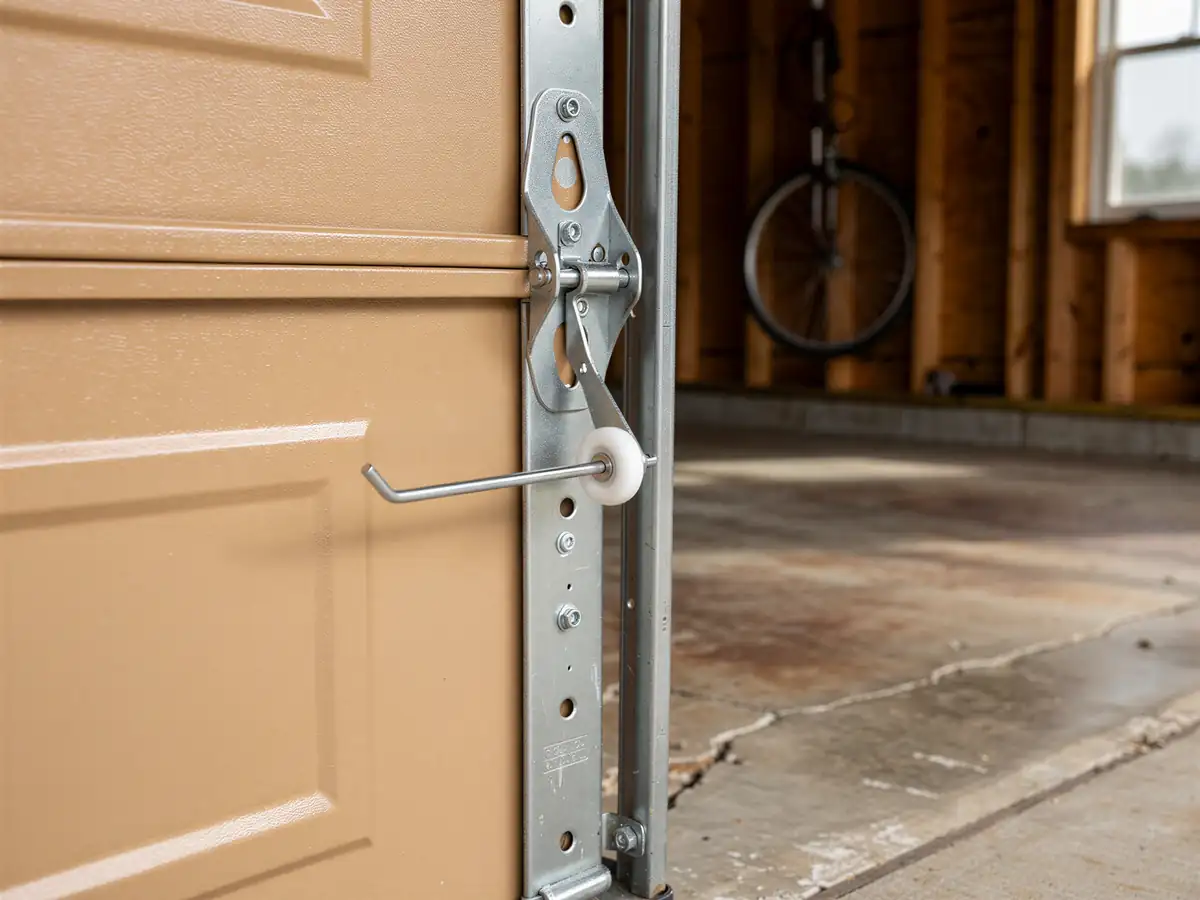
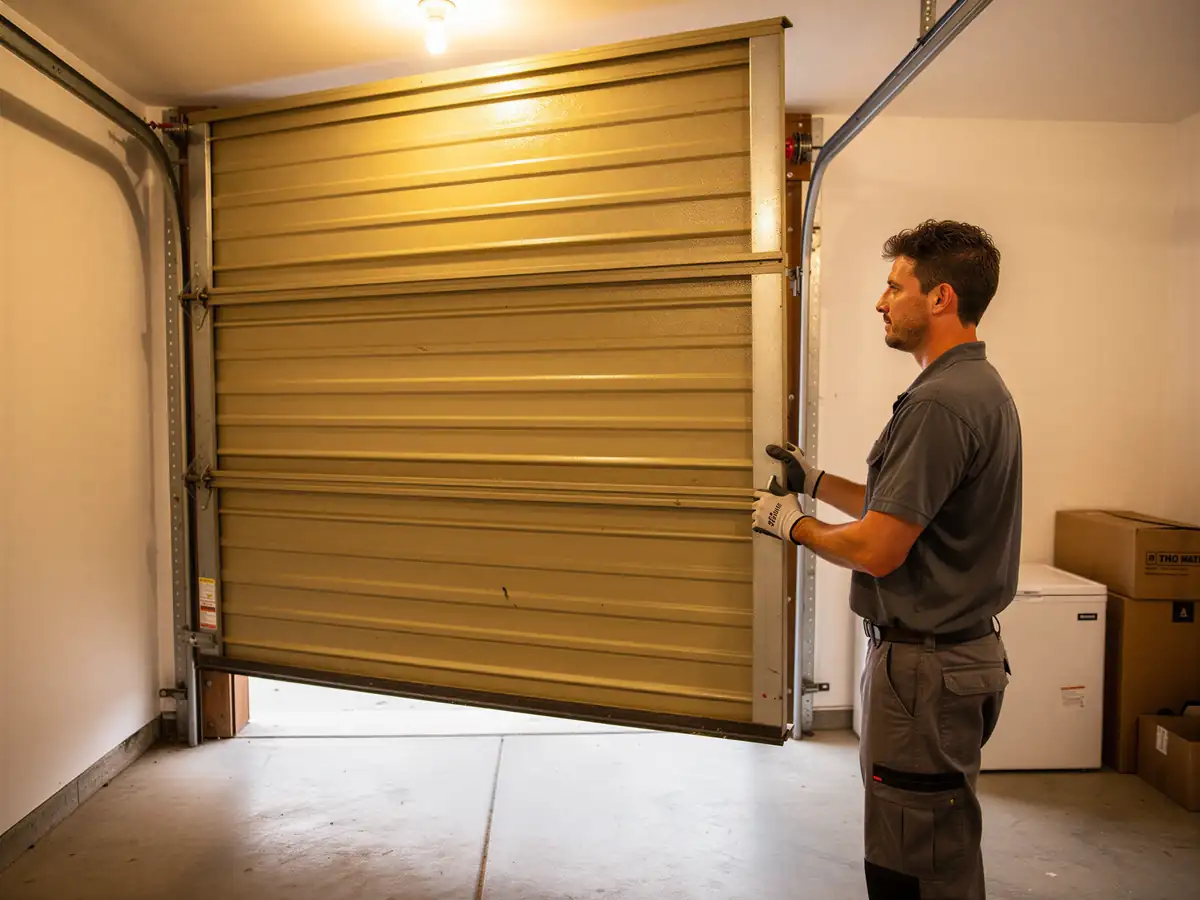
Southington sits about 6 miles from our Bristol shop, and the housing stock here skews newer than a lot of what we see closer to home. The median build year in Southington is 1973, a few years past the 1971 median across our wider coverage area, which runs from houses as old as 1938 up through 1986. That gap matters on a service call. A house built in the early 1970s usually has an extension-spring setup or an early torsion conversion, steel panel doors with roller tracks that have been reset at least once, and openers that have gone through a chain-drive replacement cycle already. We carry parts sized for that era rather than guessing on site. The job on a 1973 door looks different from the job on a 1950s door two towns over: different spring wind, different drum sizes, often a different track radius if the garage was built with a lower header. We diagnose the spring, the cable drums, the rollers and the opener gear separately, then quote what actually needs replacing. We don't swap a whole door assembly when a bent track and a worn roller are the real problem. If a job needs a part we don't stock on the truck that day, we say so and schedule the return instead of padding the invoice with a workaround.
Time on the Job
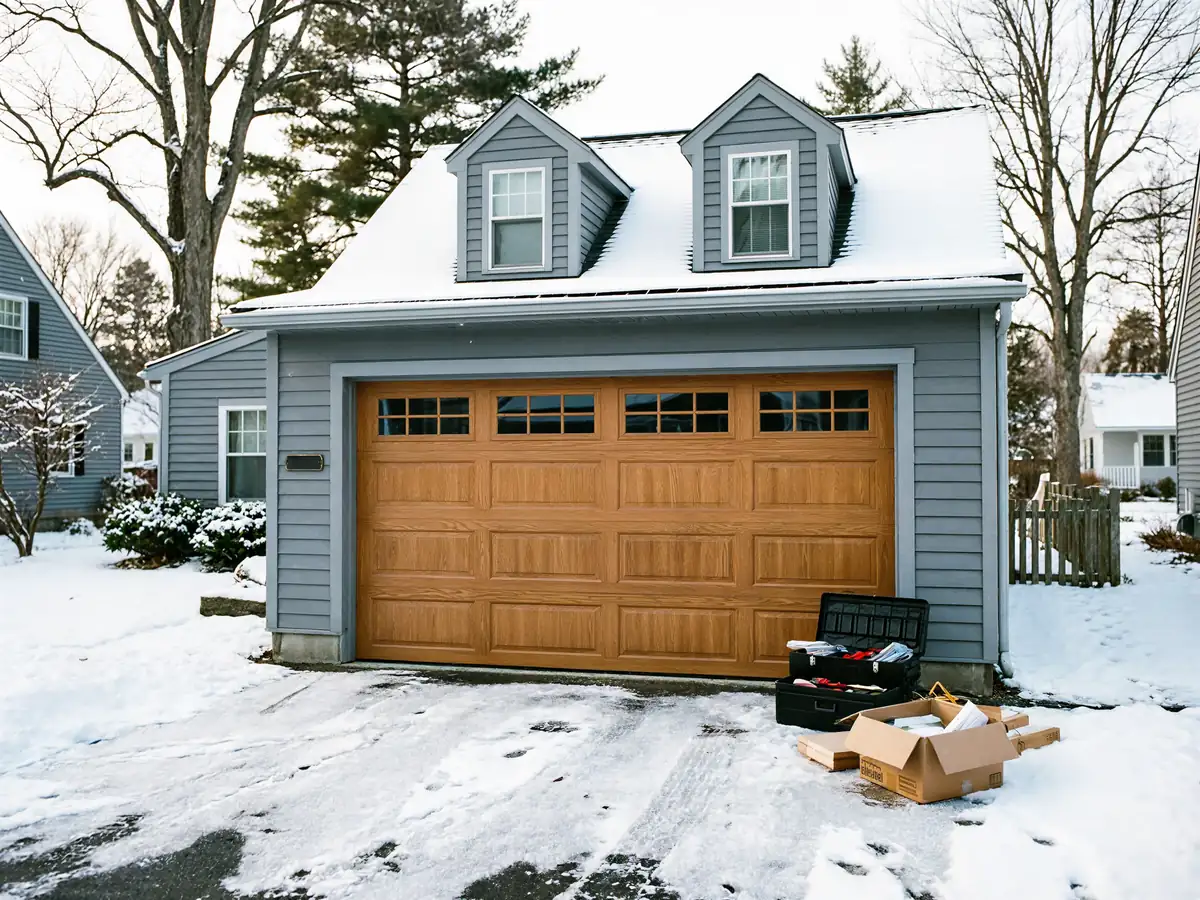
We travel from Bristol, 6 miles to Southington, and that drive is built into how we schedule the day rather than something we charge separately. Once on site, the work itself follows the housing stock: a 1973-era torsion system with worn bearings is usually a contained job, a few hours, not an all-day teardown. Opener boards from that period sometimes need a full swap rather than a part repair, since control boards from the early safety-sensor generation aren't something we can source piece by piece anymore. We'll tell you up front if that's the case instead of letting the job run long on parts we don't have. Southington's median household income, $121,584, runs well above the service area's broader figure, and we see that reflected less in bigger jobs and more in owners who replace a failing door before it fails completely, rather than running it to total breakdown. That changes the kind of call we get here: more proactive spring replacement, fewer after-hours total failures. We still carry parts for the older end of the service area's stock on every truck, since houses here were not all built the same year, but the 1973 median tells us what to expect walking up the driveway.
Why It Happens Here
Southington's housing clusters around 1973, which puts most of its garage doors and openers through one full replacement cycle already and some through two. The parts that fail at this age are predictable: torsion springs rated for a few thousand cycles finally giving out, steel rollers that were never upgraded to nylon, and chain-drive openers with worn gears from the first wave of residential automatic doors. The region sits in a cold, severe winter climate band, and that combination, an aging spring plus repeated freeze-thaw cycling on the track and hardware, is what pushes a slow problem into a stuck door on a January morning. With 17,349 households in Southington, the volume of mid-1970s doors reaching end-of-life at roughly the same time is not a coincidence; it's the same construction wave aging out together. We don't treat every call as an emergency teardown. Sometimes the fix is a spring and a pair of rollers, not a new door, and we'll tell you which one it is before we start.