The Symptom
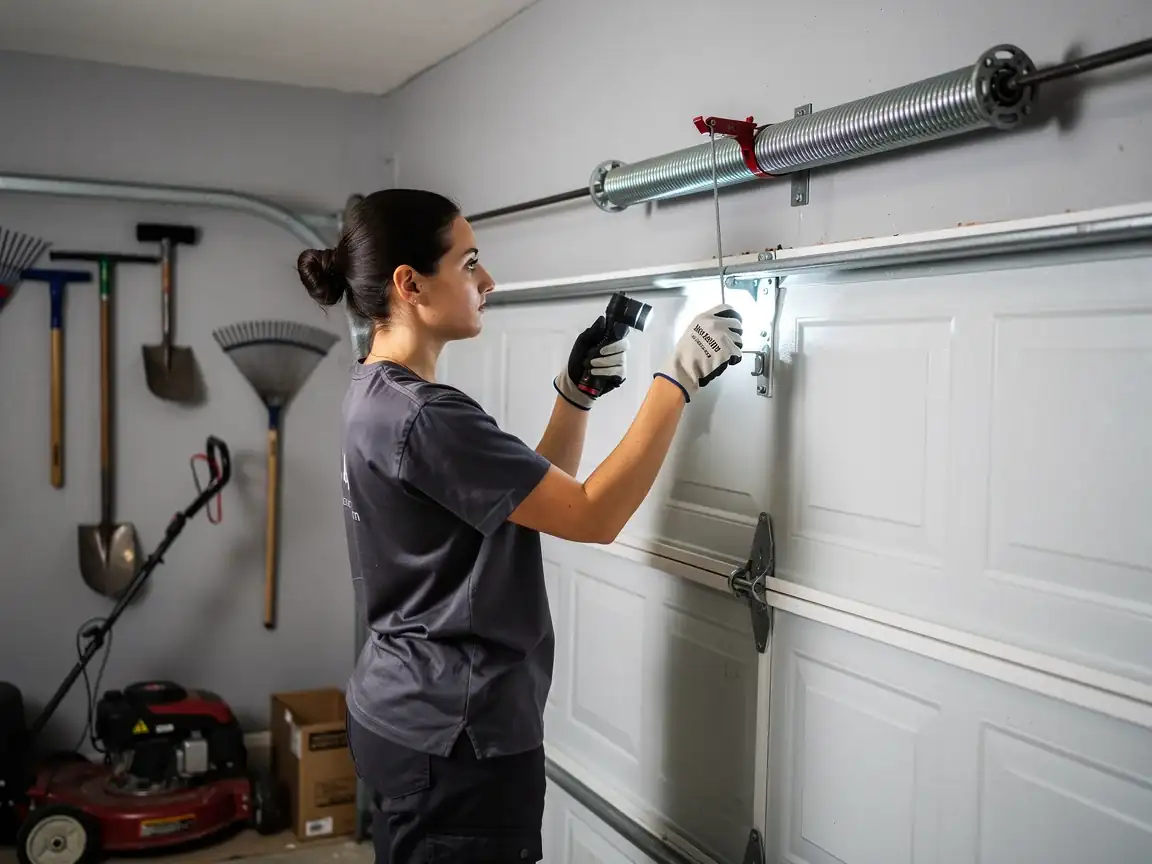
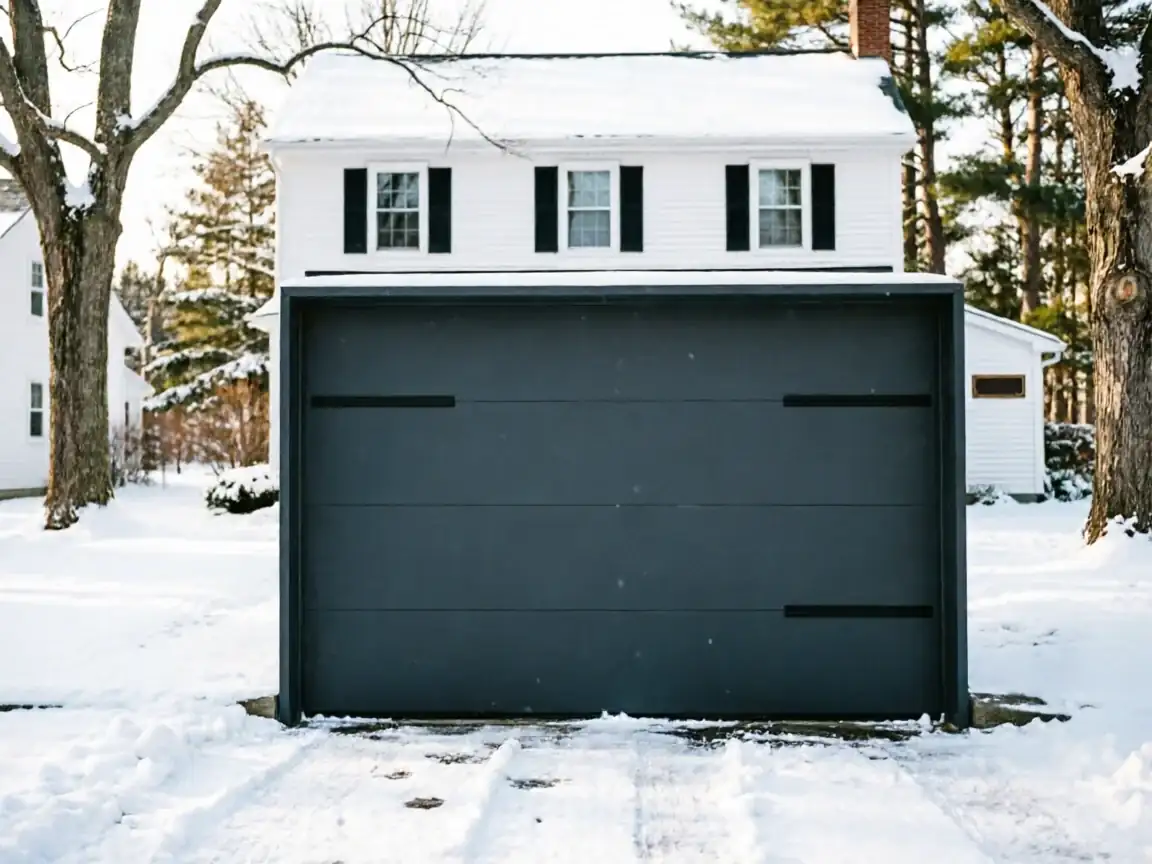
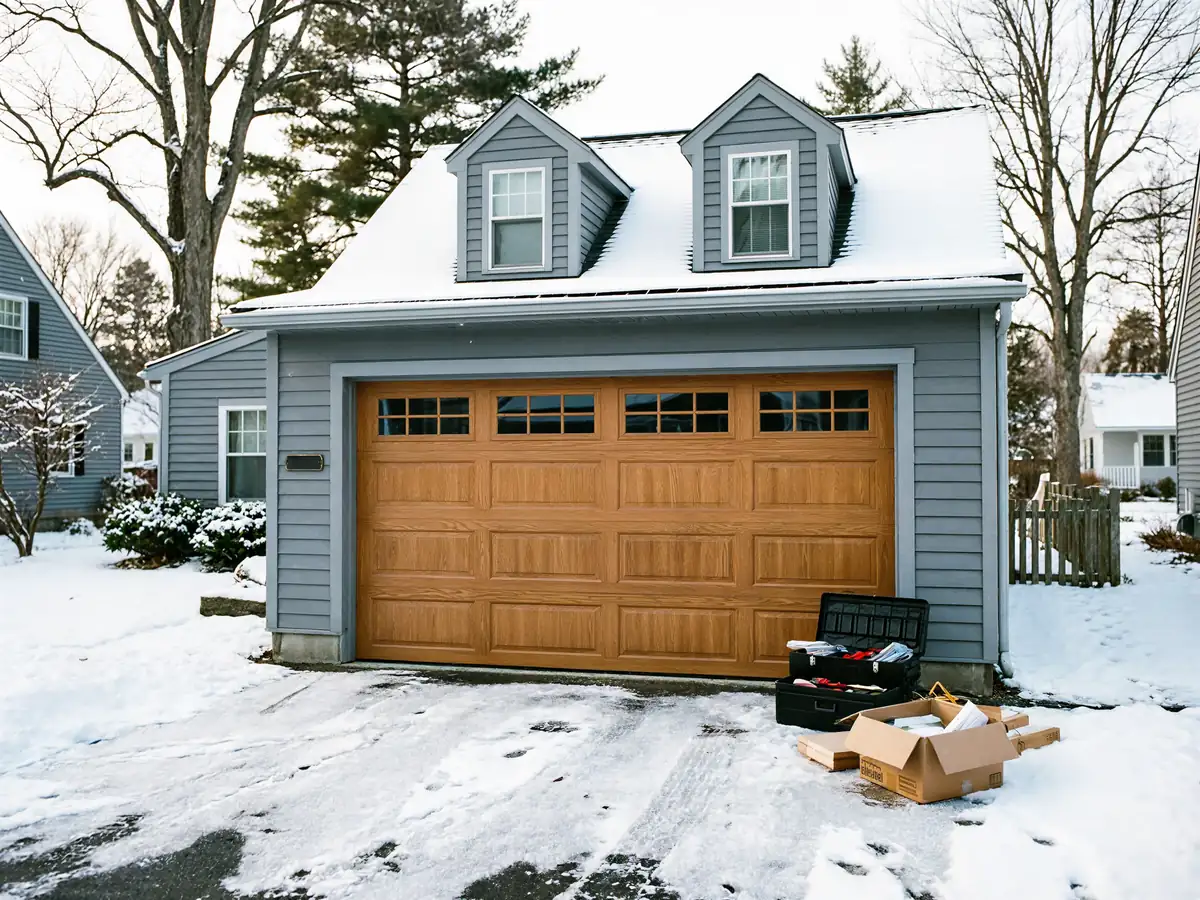
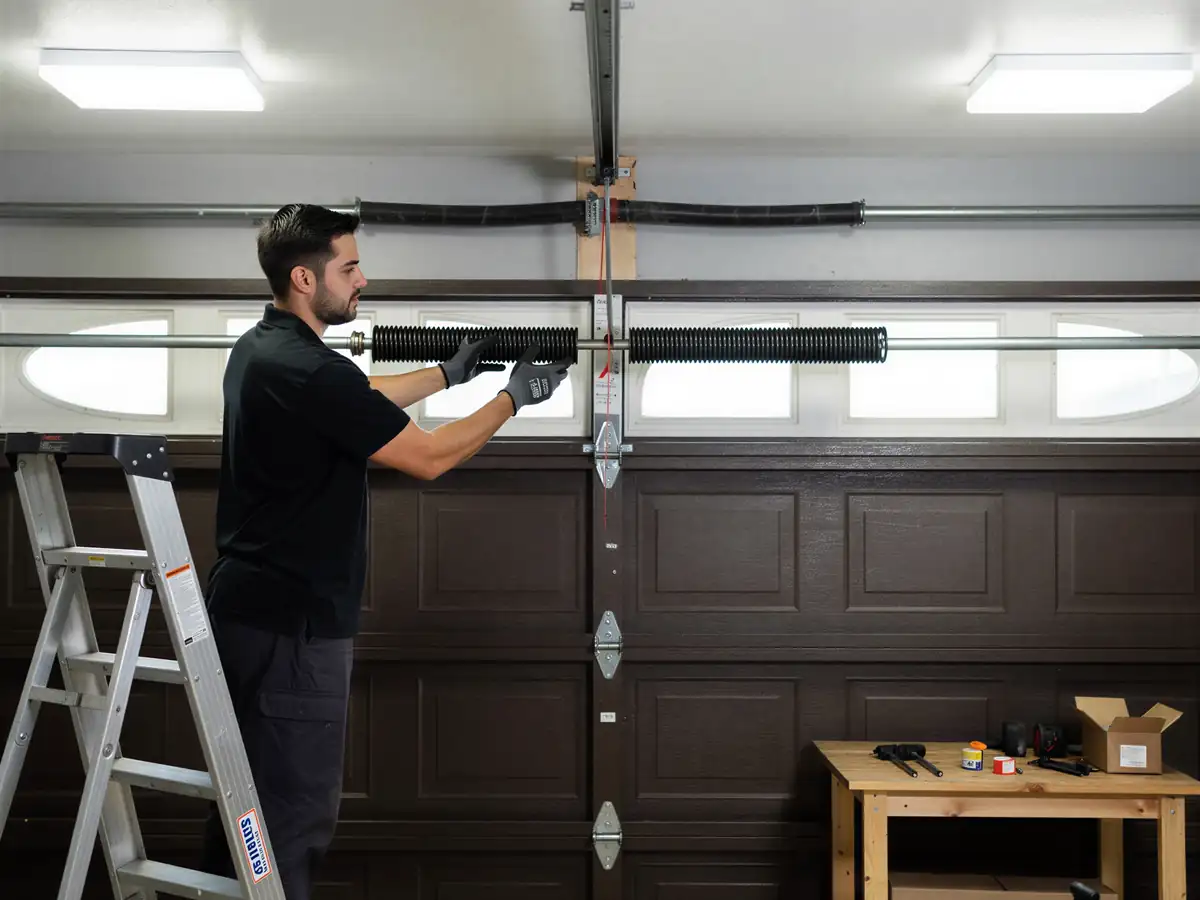
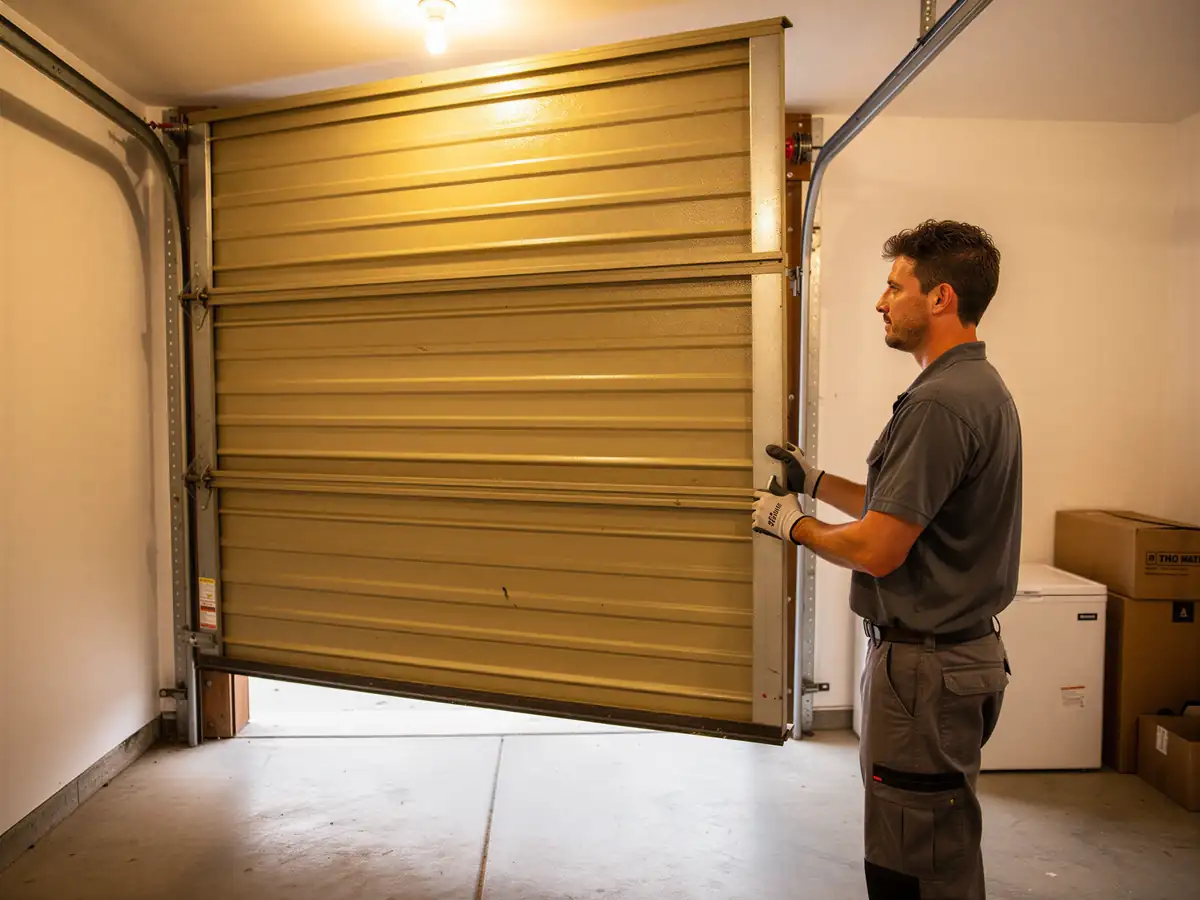
Plainville is a four-mile run down from our Bristol shop, which is short enough that we're not guessing at drive time before we quote a job. A four-mile pull means the truck is on site with a full load of torsion springs, cable, and roller stock rather than half of it, because nothing about this trip forces a stripped-down run. What we see on the symptom side here tracks the housing: a door that binds halfway up, a spring that let go overnight with a bang, an opener that runs the motor but the door doesn't move. On a lot of Plainville houses that's a torsion spring sized for a door built when the stock here went up - median year 1970 - and it's simply worn out, not misadjusted. The symptom rarely tells you the cause by itself. A door that reverses on its own near the floor might be a sensor knocked out of alignment, or it might be a cable starting to fray on a drum that's original to the house. We ask what year the house was built and whether the door's ever been replaced, because on a 1970-era door that answer changes the whole call.
Time on the Job
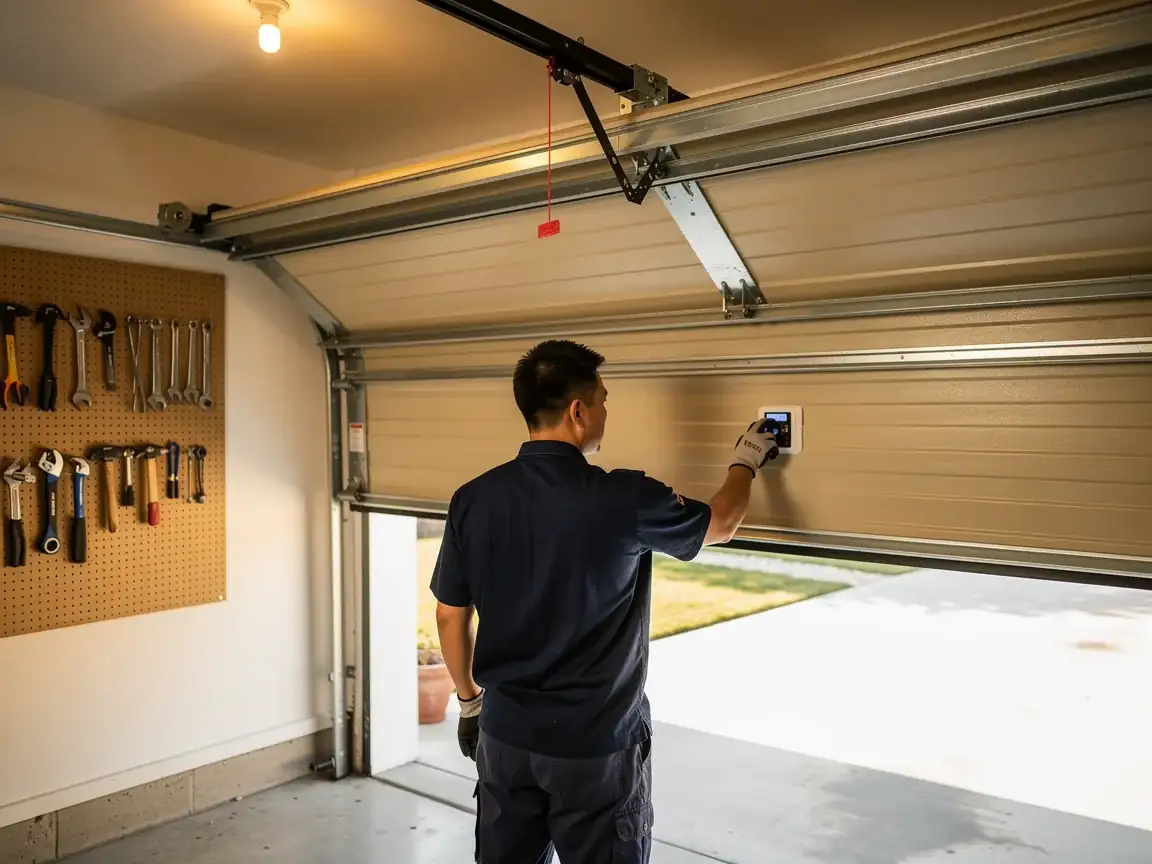
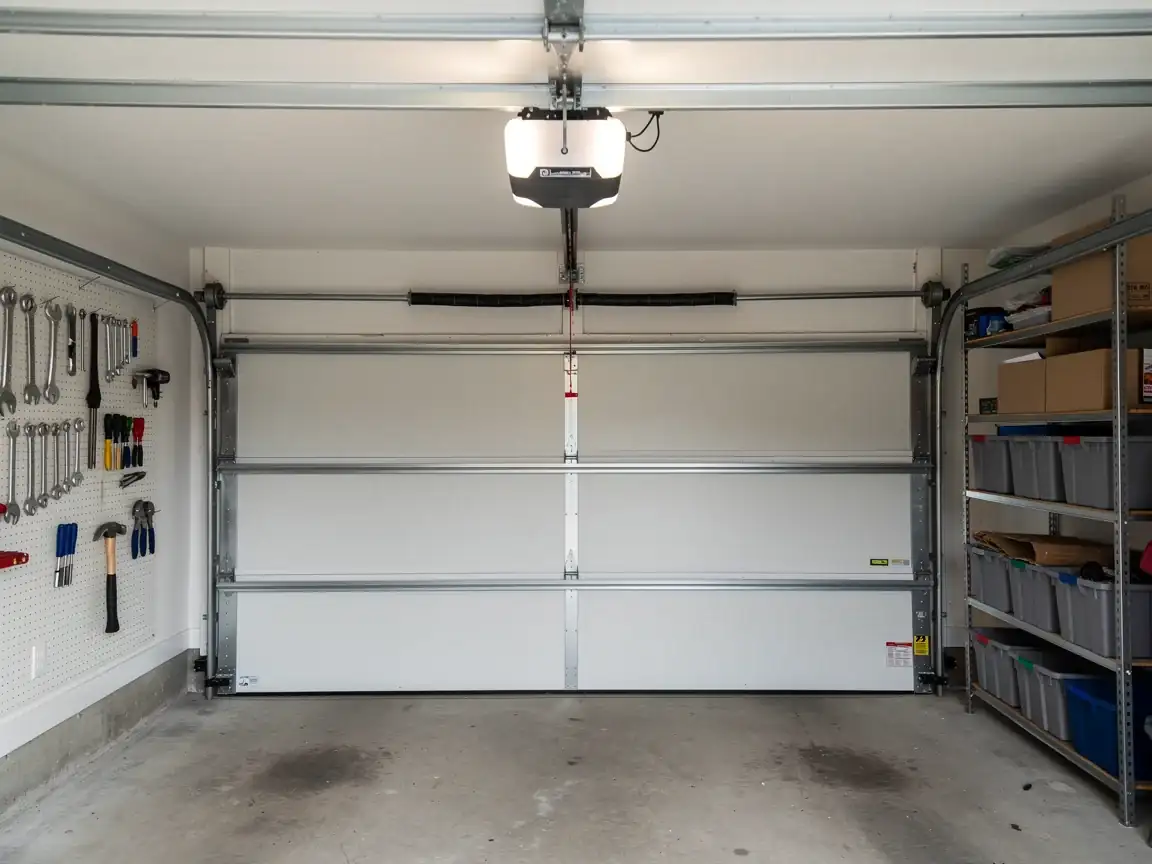
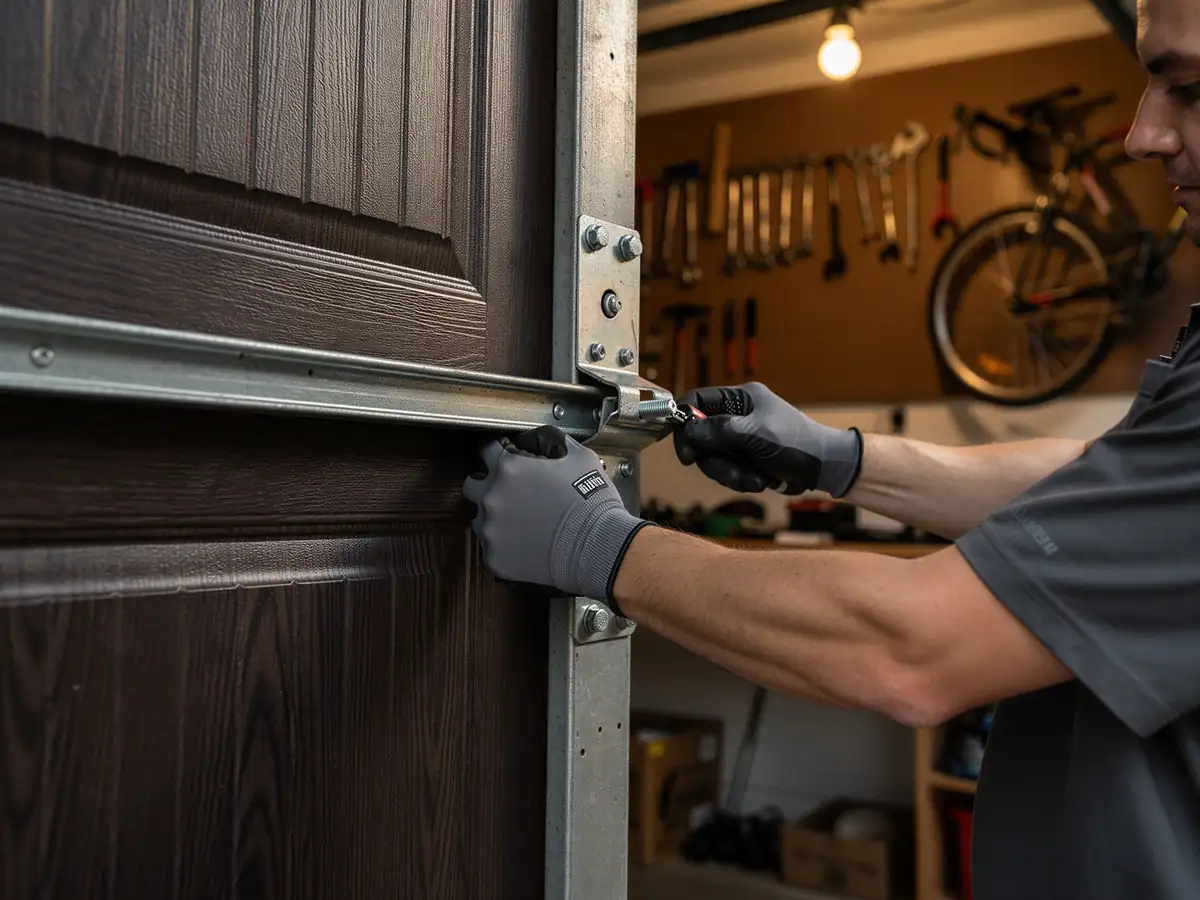
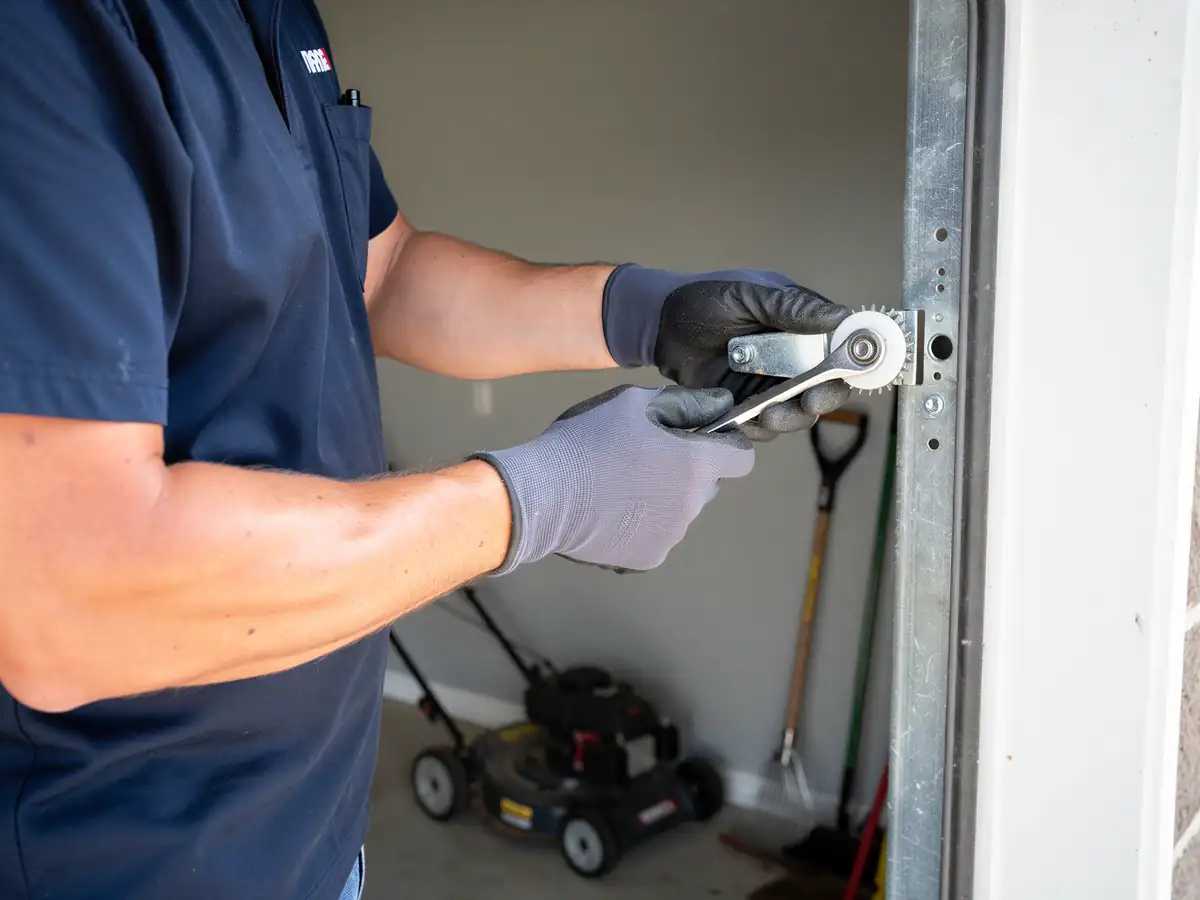
Because the drive from Bristol is short, the time on site is mostly the repair itself, not travel buffer. A spring swap on a standard double door runs under an hour once we're set up. Where it runs long is on original 1960s-70s hardware - F2 covers that era across the wider service area, and Plainville's own build date of 1970 sits right in it - because a lot of those openers and track sets use parts that current rollers and brackets don't bolt straight onto. We budget extra time for adapting hardware on an older door rather than assuming a drop-in fit. If a job needs a part we don't carry - certain obsolete opener control boards, mainly - we'll tell you that on site instead of guessing a timeline we can't hold to.
What Is on the Truck
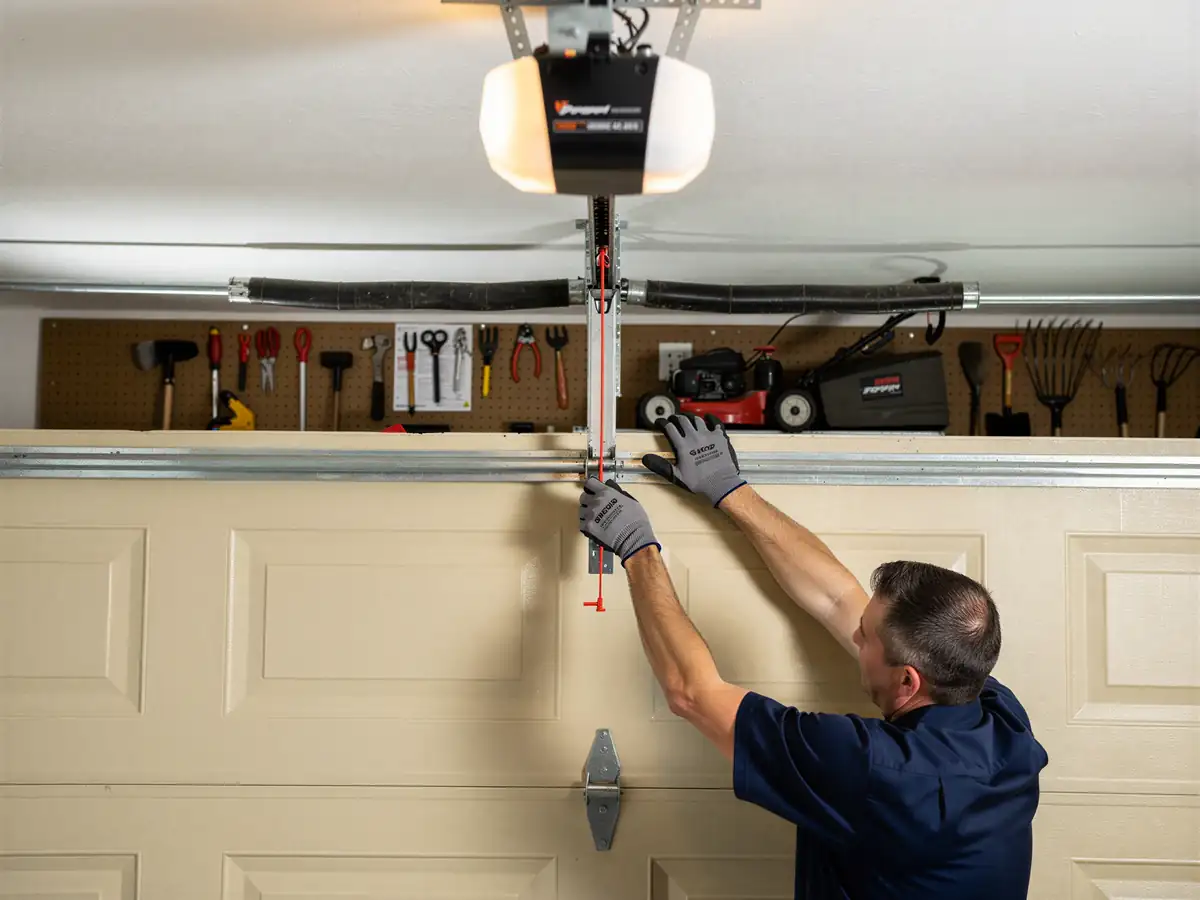
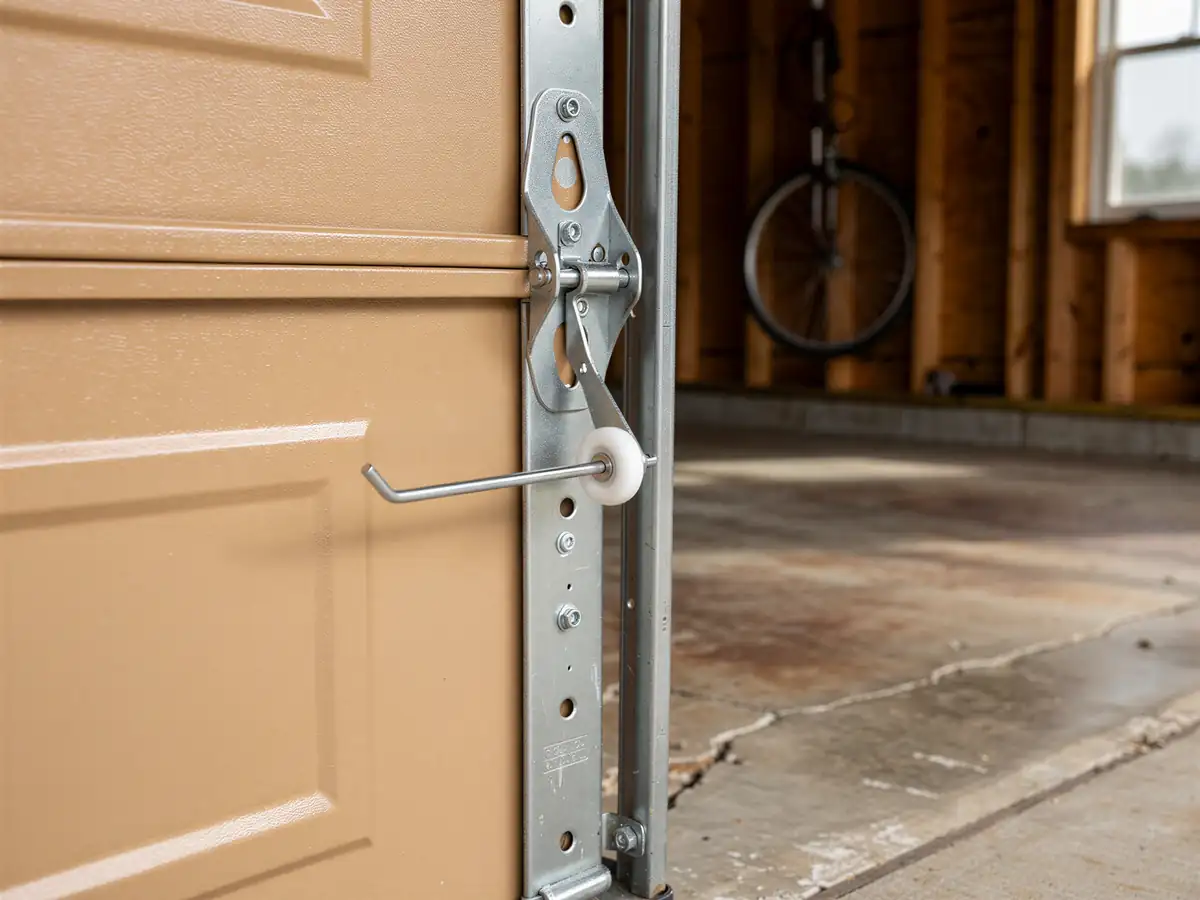
The truck that comes down from Bristol carries standard torsion and extension springs in the sizes that fit 1960s-80s construction, since that's most of what's in Plainville and across the broader 64-area footprint we work. We carry rollers, cable, and both steel and aluminum track sections, plus the common photo-eye safety sensors that replace the ones that drift out of alignment on older frames. What we don't carry as standing stock are obsolete opener logic boards for discontinued motor lines - those sometimes need to be ordered, and we'll tell you up front if your call is one of those.
Why It Happens Here
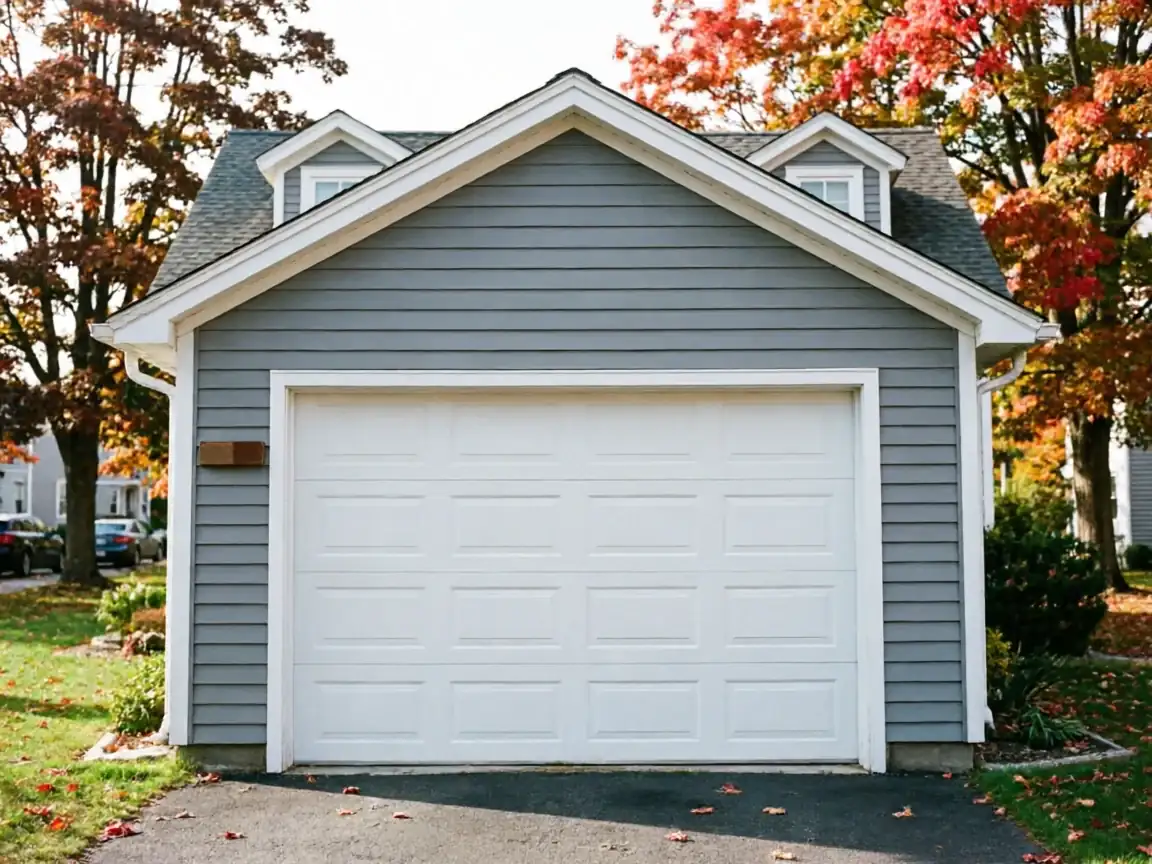
Plainville's housing dates mostly to 1970, squarely inside the wider 1938-1986 build range for the area, and that era of door and opener hardware wasn't built for the cold-severe climate band this part of Connecticut sits in. Original torsion springs and steel tracks from that period have had five decades of freeze-thaw cycling on them, and galvanized coatings that were standard then don't hold up the way current coatings do. A steel track that's been through fifty Connecticut winters flexes differently in January than it did when it was installed, and that's often the actual root of a door that's started binding or dropping unevenly, not a bad adjustment.