The Symptom
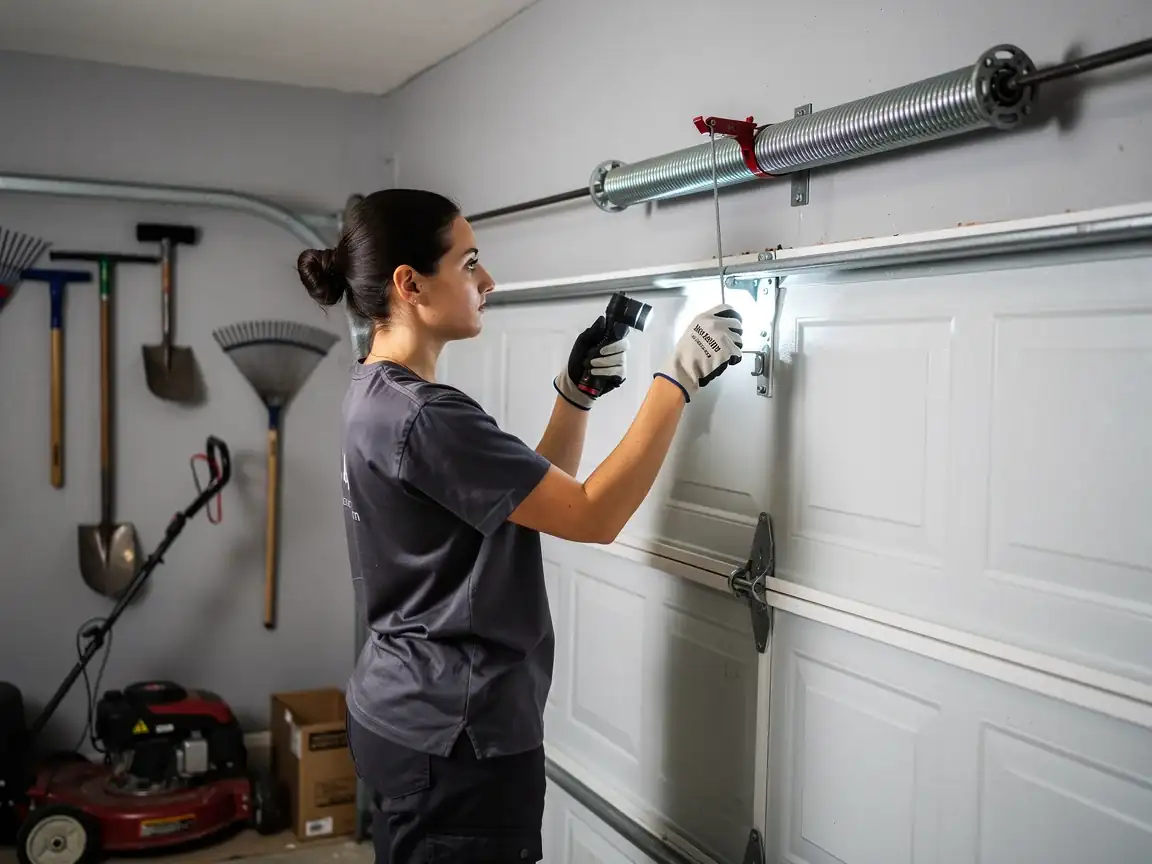
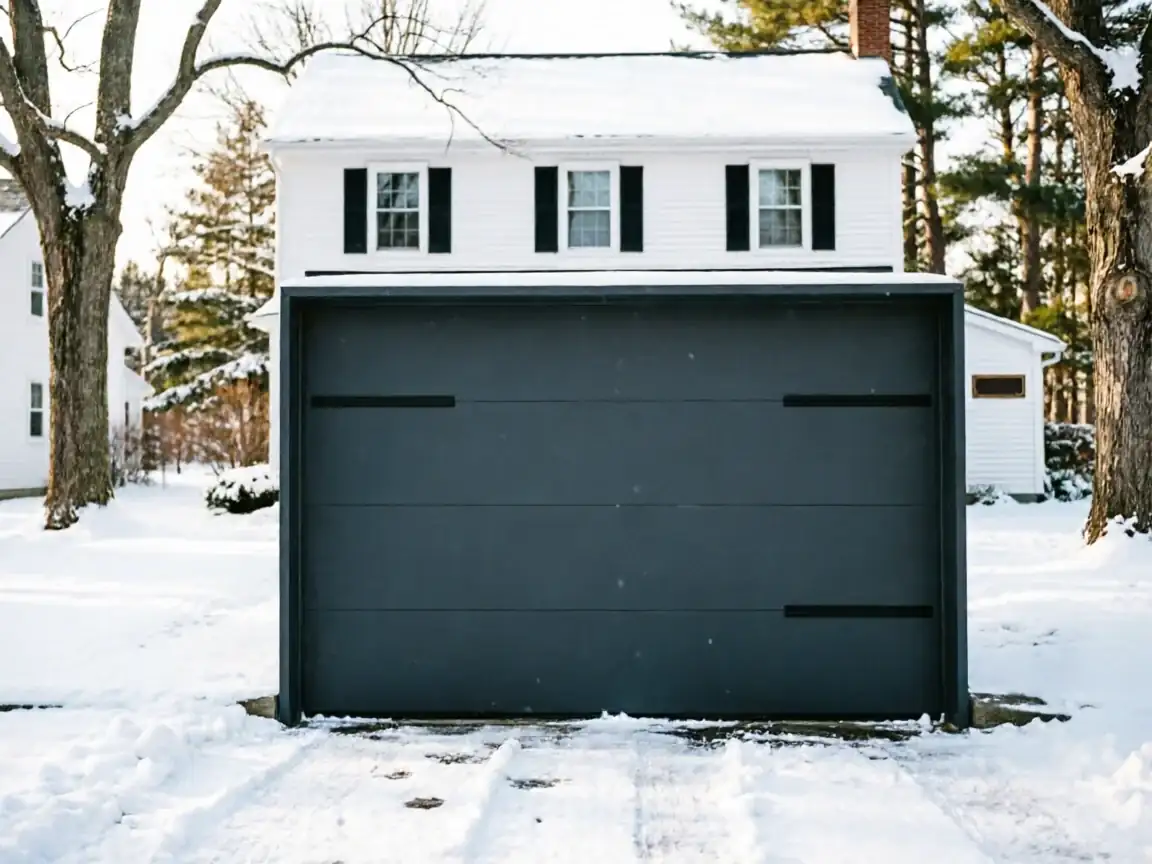
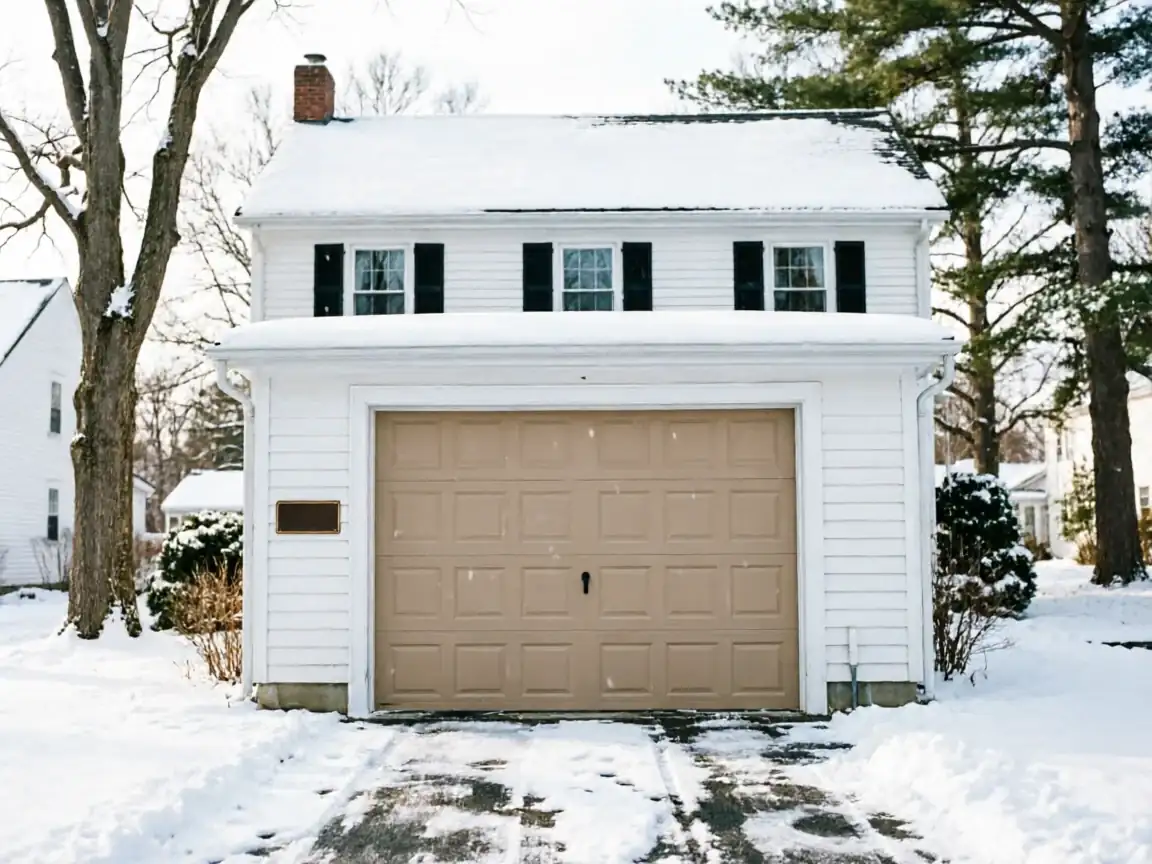
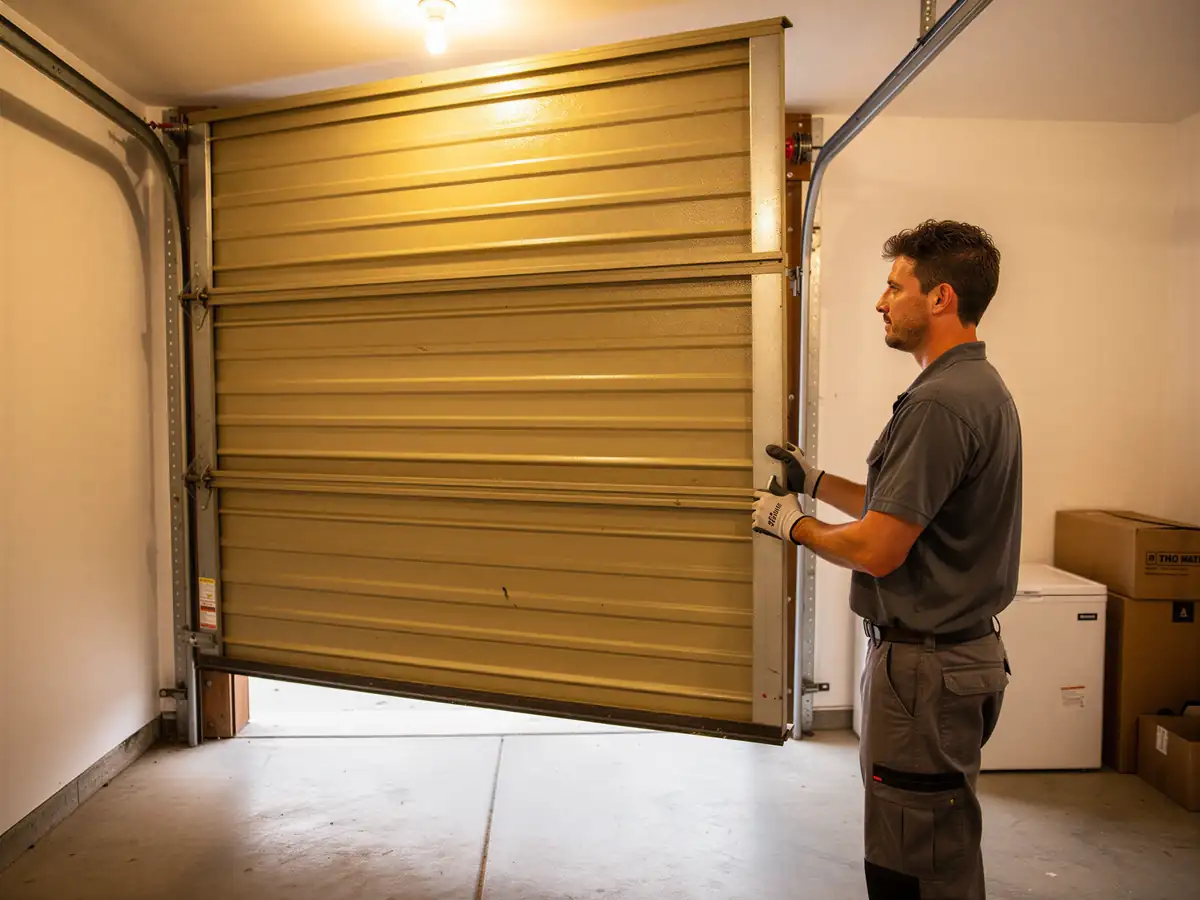
Most garages in Plainville went up around 1970, give or take a few years either side, and the doors that came with them were built heavier than what you'd find in a house framed today - thicker steel, sometimes a single slab panel instead of the lighter sandwich construction that showed up later. That weight rides on a torsion spring sized to match it. When that spring goes, the door doesn't ease down, it drops - a hard thunk partway through the travel, or the door refusing to lift past knee height while the opener motor strains and clicks. Some owners hear a bang from the garage days before the door quits, which is the spring itself snapping under tension rather than wearing out slowly. If the door feels twice as heavy as it used to the moment you try to lift it by hand, that's your spring, not your opener.
Time on the Job
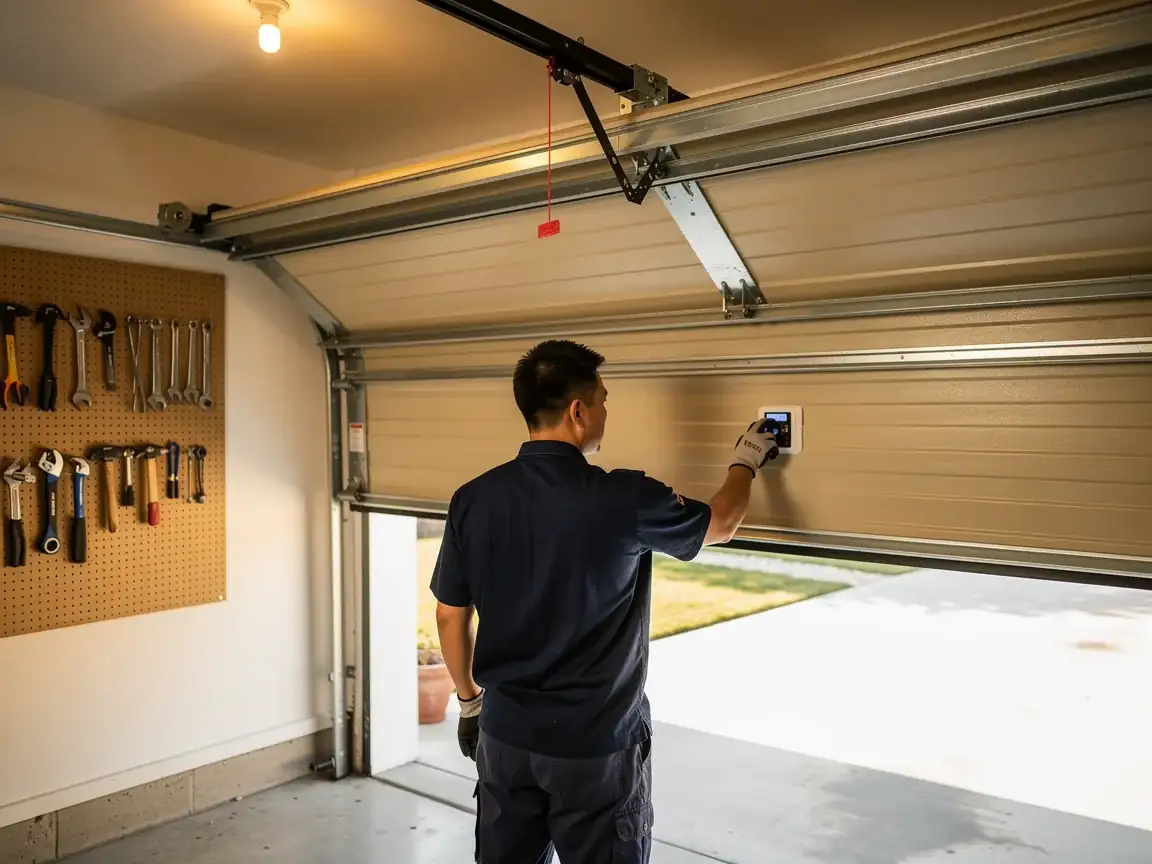
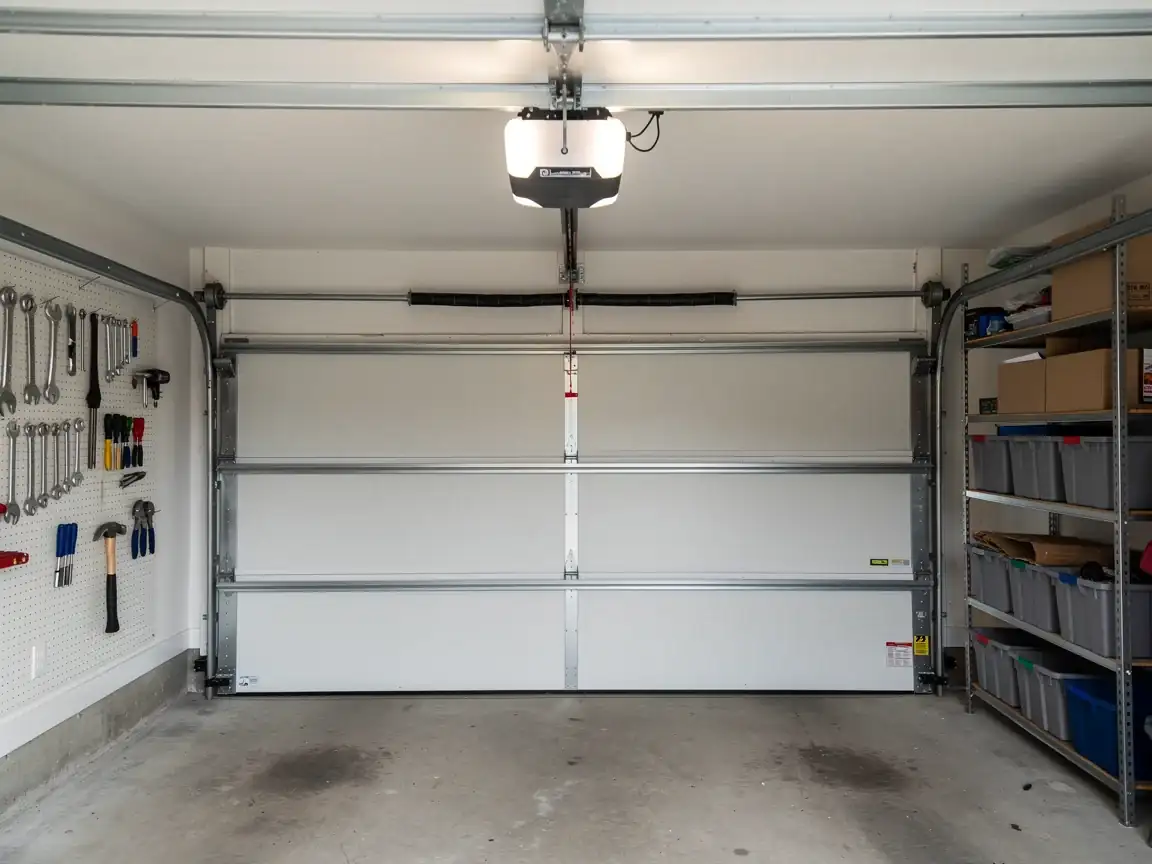
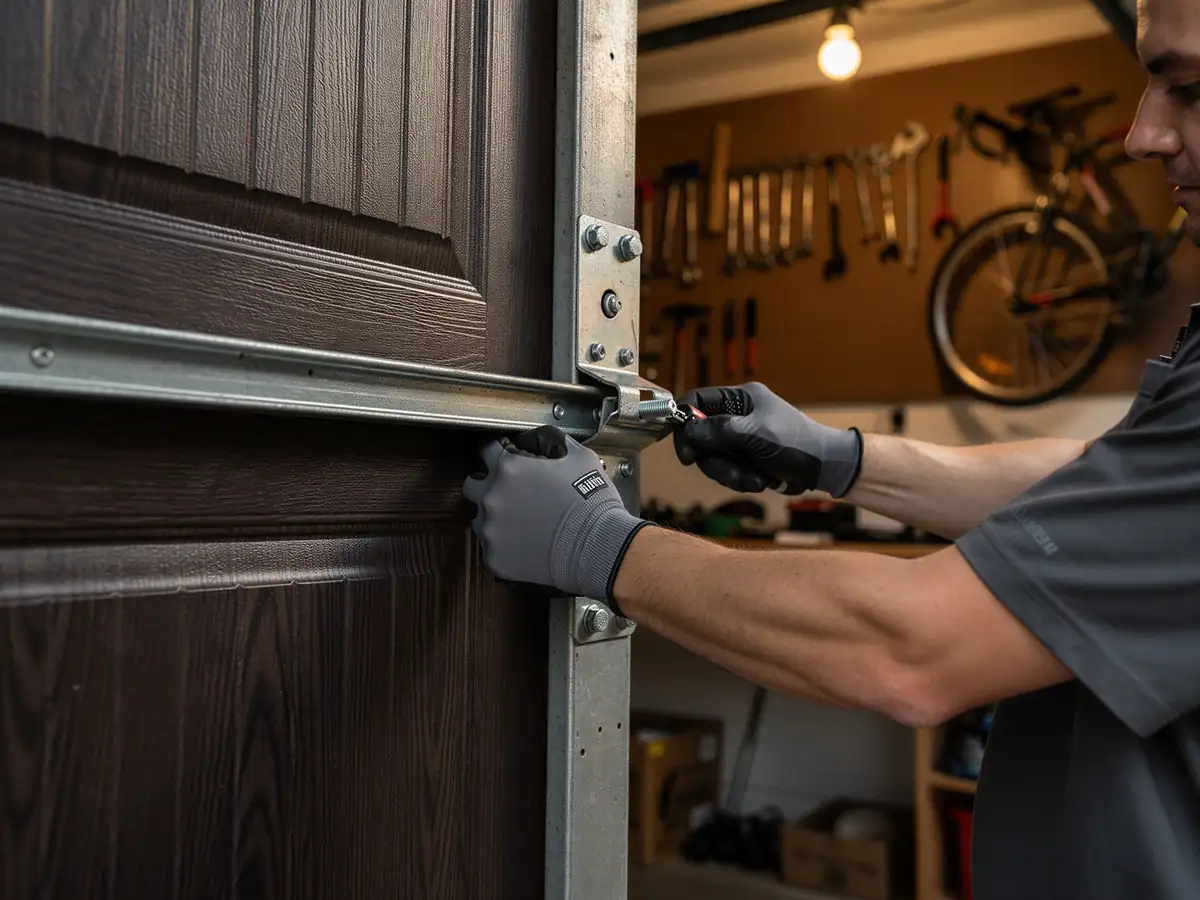
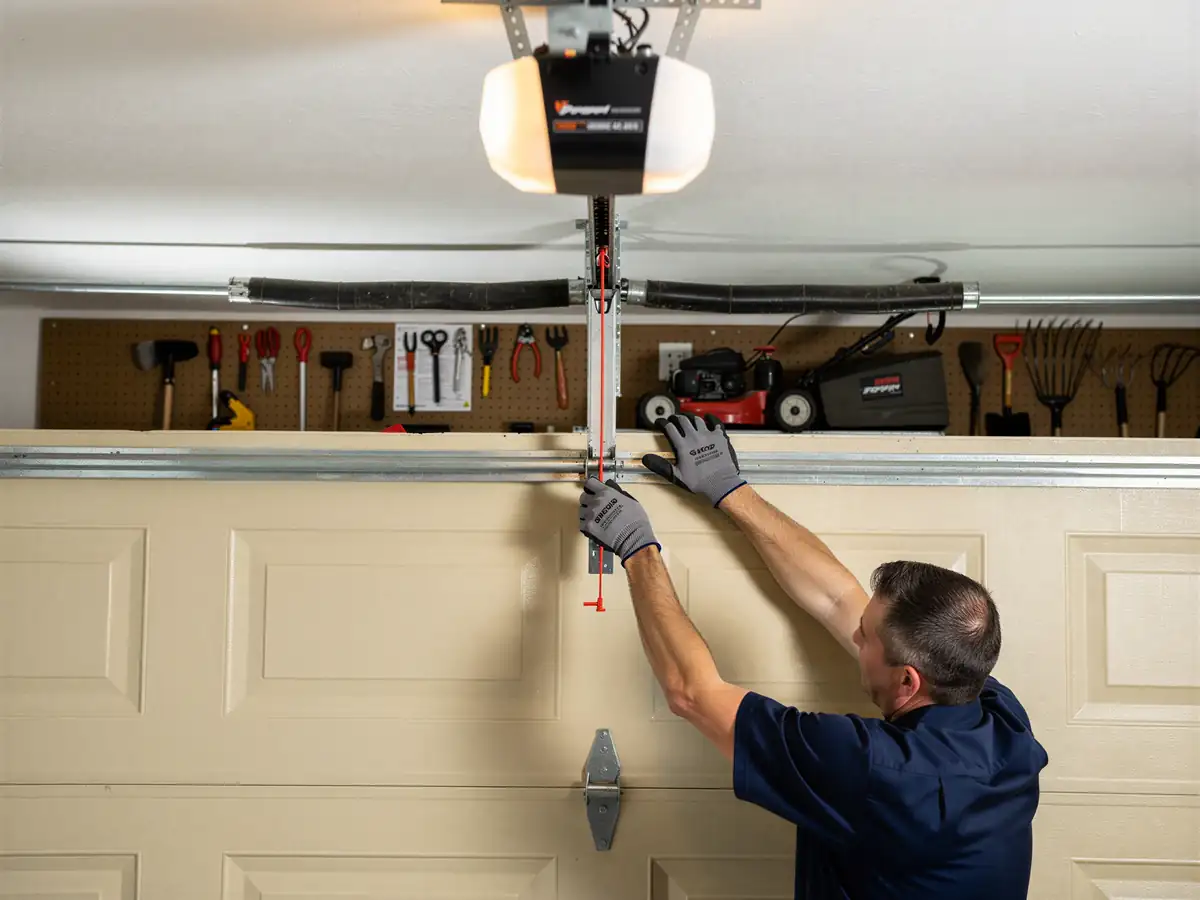
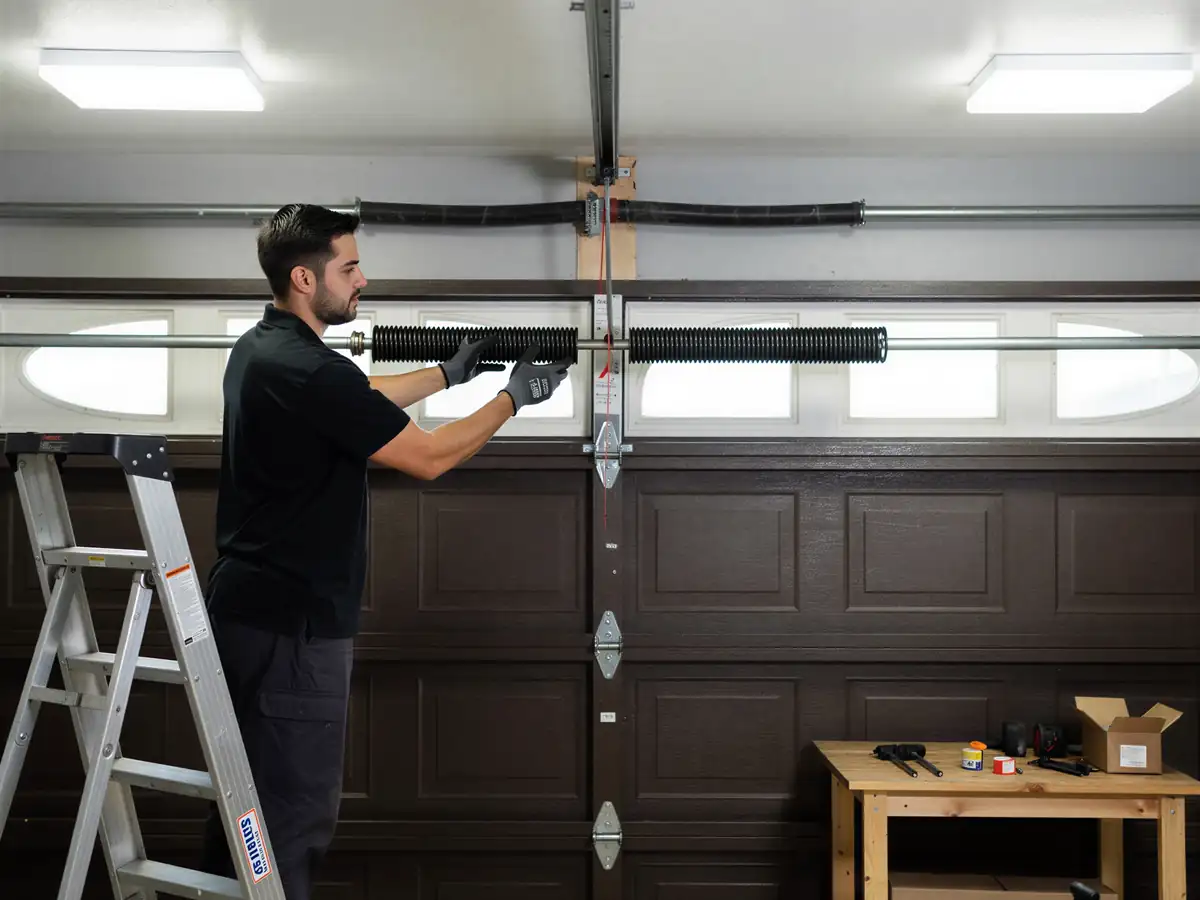
A straightforward torsion spring swap on a single door doesn't take long once we've got eyes on the hardware and the right spring on the truck. What stretches the job is diagnosis - on a house from this era the drum, bearing plates, and center bracket have usually never been touched, and corrosion or a worn bearing can turn what looks like a spring job into a full torsion assembly rebuild. We tell you which one it is before we start cutting old cable, not after. Double doors with two springs take longer, not because the work doubles but because we always replace both springs together even if only one broke - leaving a thirty-year-old spring paired with a new one just means a second call in a year or two.
What Is on the Truck
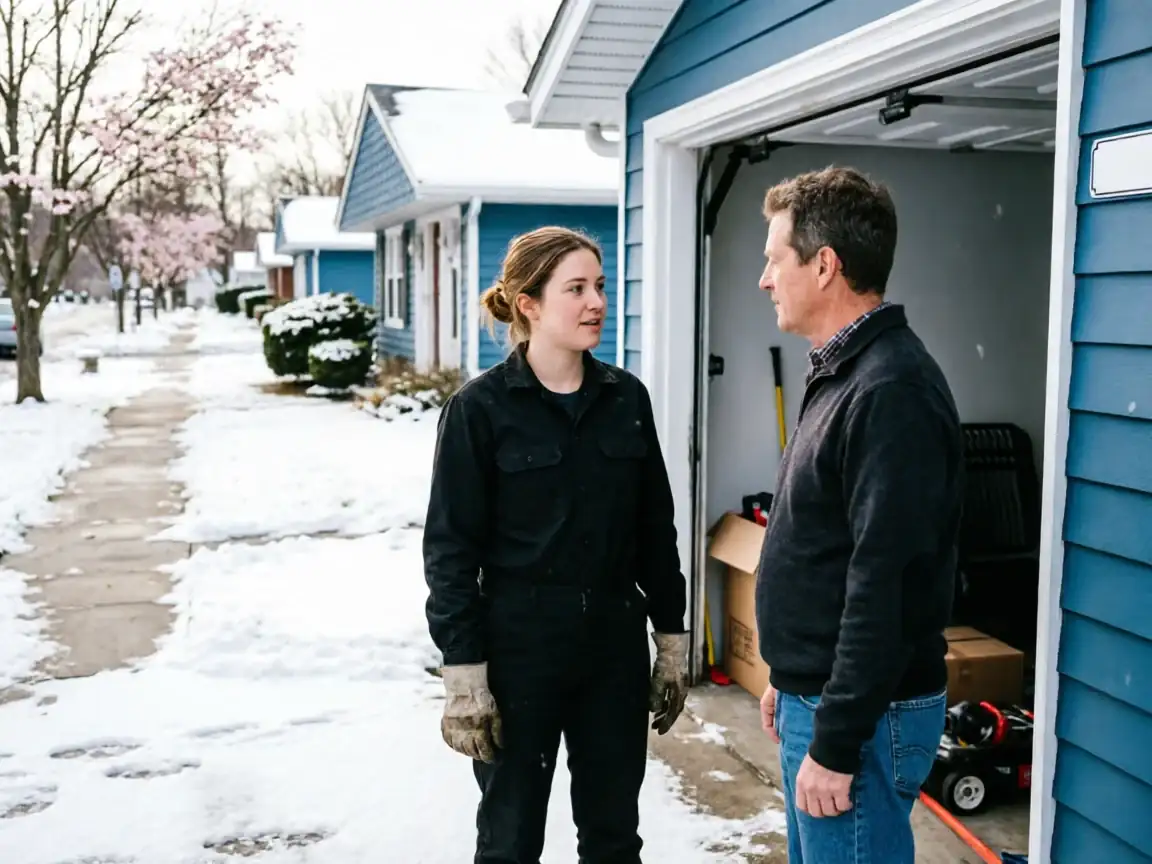
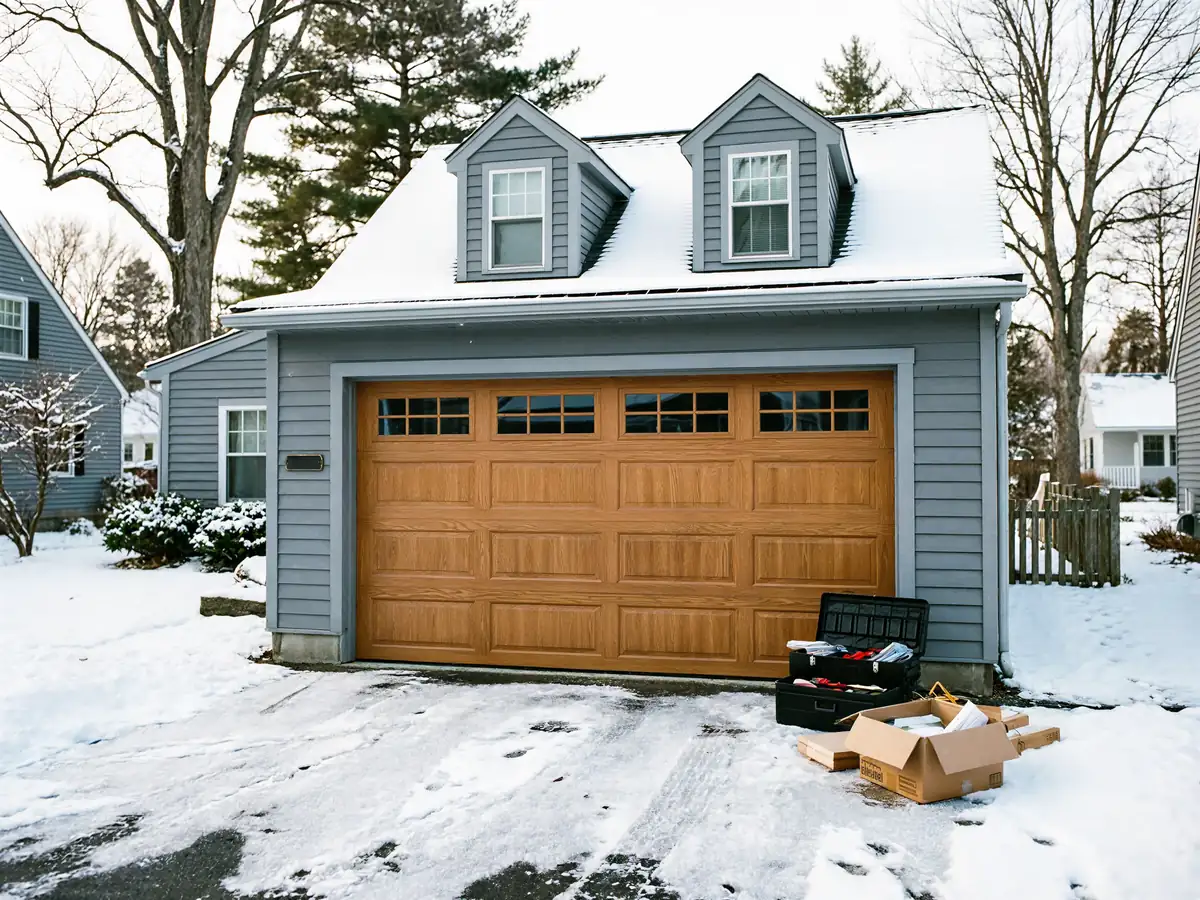
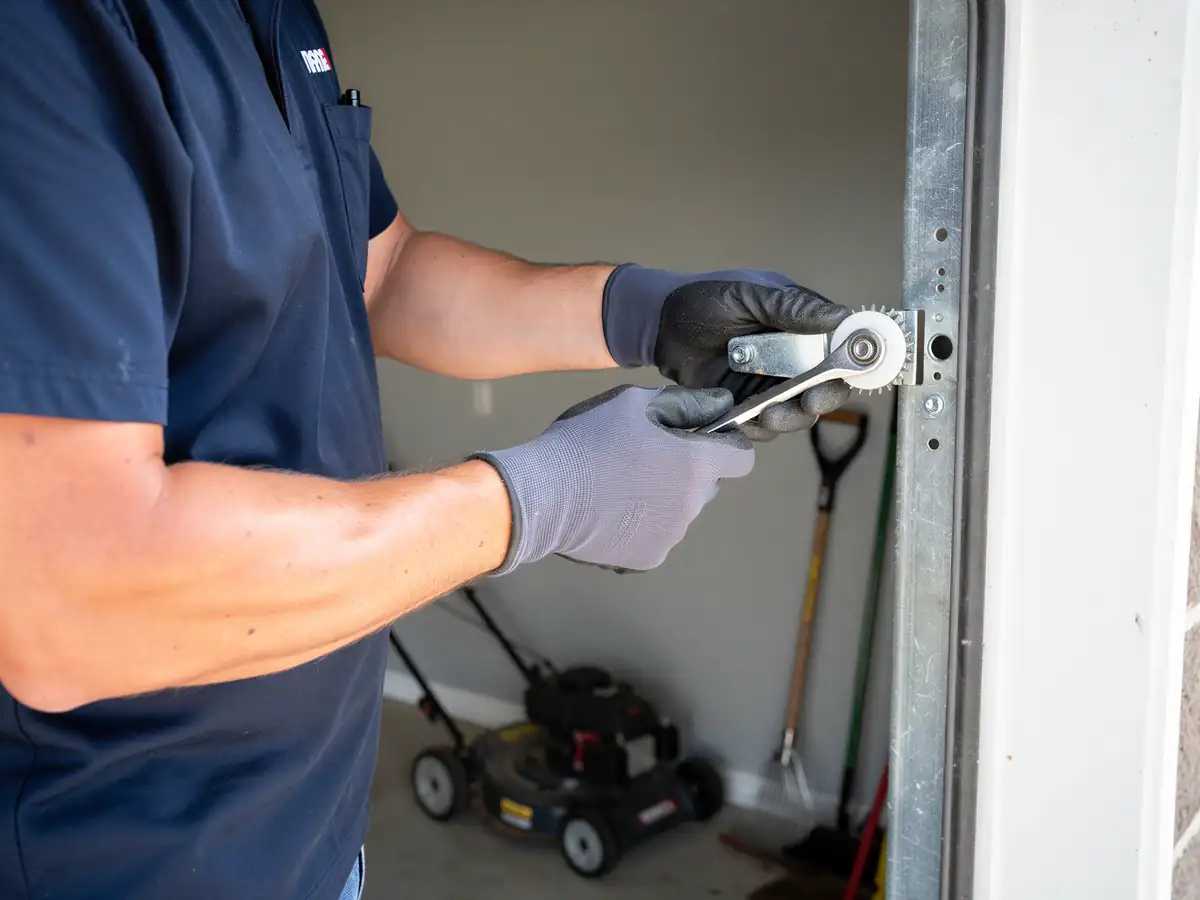
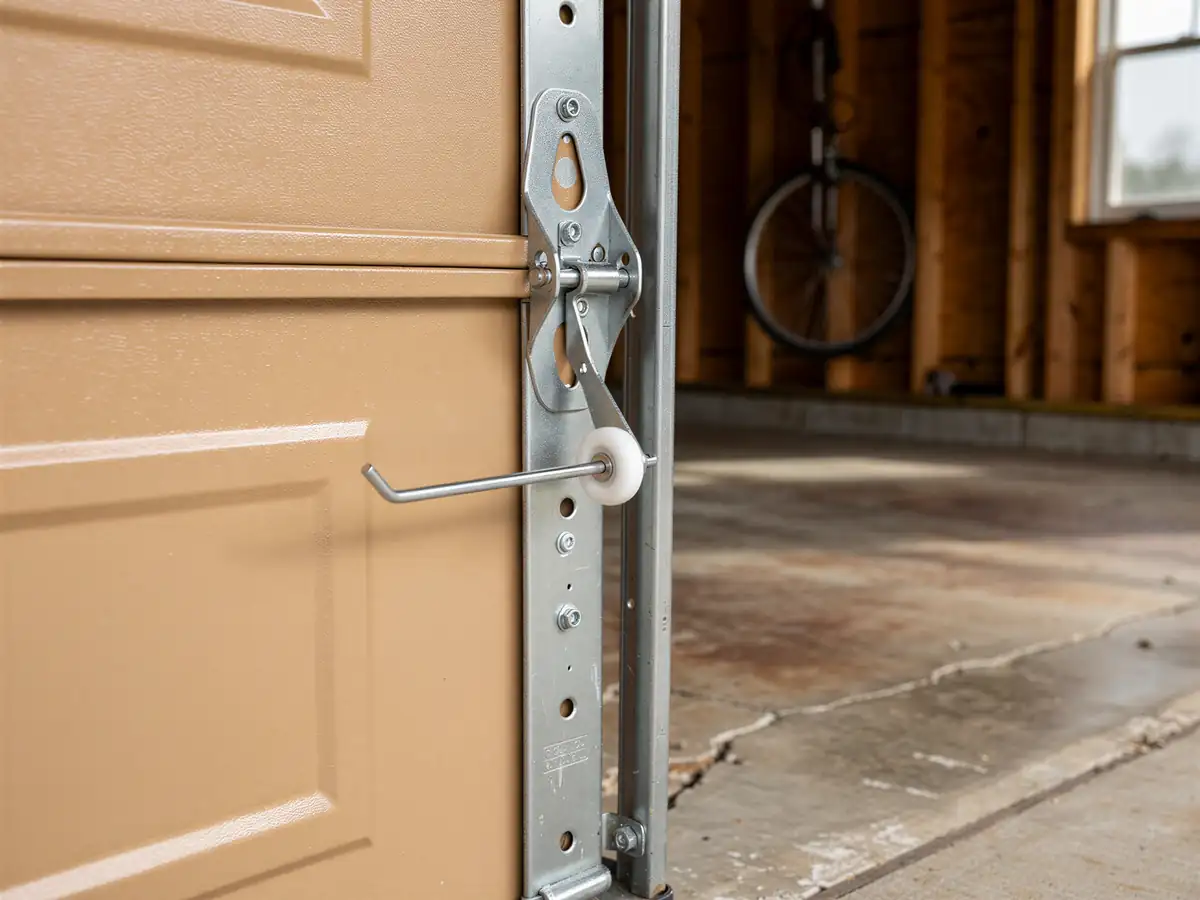
We carry a working range of torsion springs sized for the door weights common to houses built in the 1960s and 70s across this part of the Bristol service area, along with standard drums, cables, and bearing plates for the torsion setups that era used. What we don't carry is every obsolete spring wind and length ever made - a handful of older Plainville garages still have hardware configurations that have aged out of common stock, and for those we order the correct part rather than fit something close and call it done. That's the one honest limit here: if your setup is unusual, the first visit may be diagnosis and the fix comes on a second trip with the right spring in hand.
Why It Happens Here
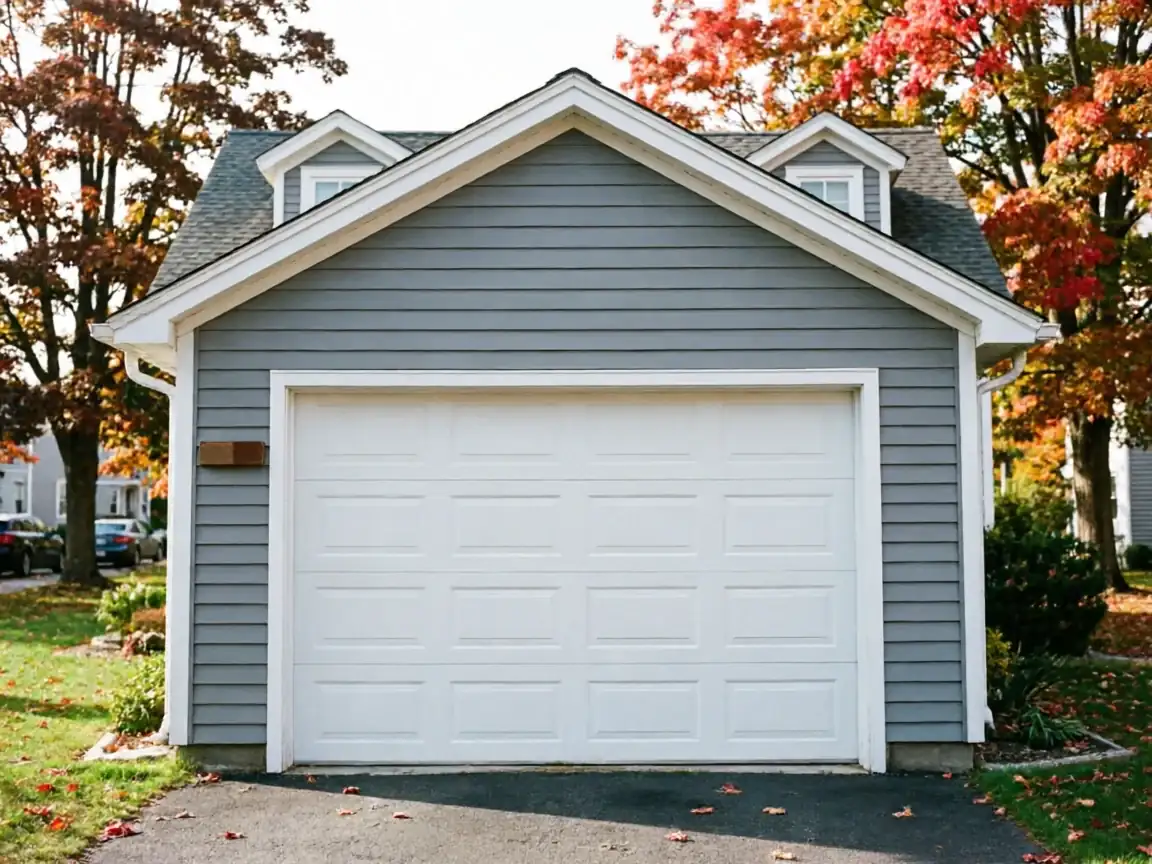
Connecticut's winters put a particular strain on torsion springs - cold steel loses a little flex, and a spring already near the end of its cycle count is more likely to let go on a fifteen-degree morning than in July. With a median build year around 1970, a lot of Plainville's original springs have long since been swapped at least once, but plenty of houses still have whatever replacement went in during the 1990s or 2000s, which puts that hardware well past the point where failure is a surprise. Add in doors that are heavier than current builds, and the spring is doing more work for more years than it would on a newer, lighter door.