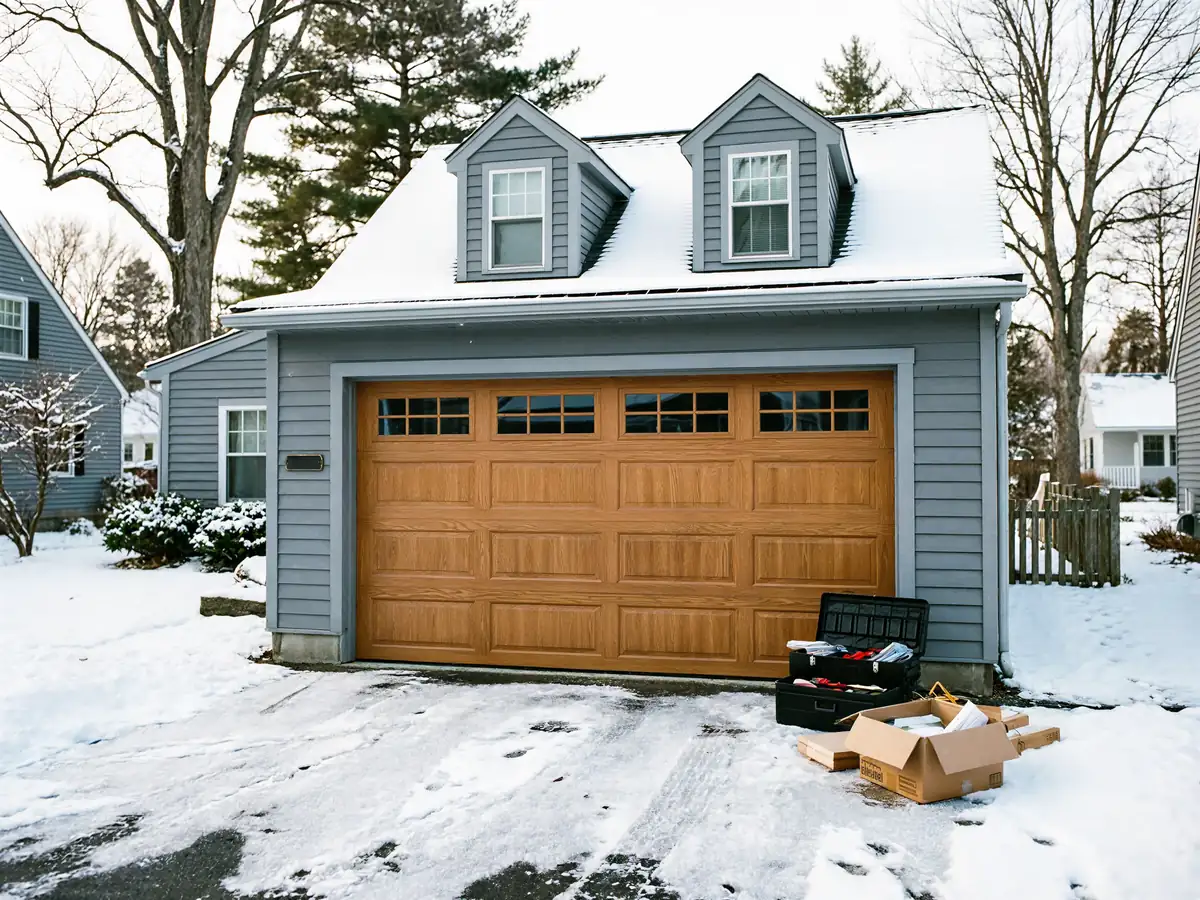
The Symptom
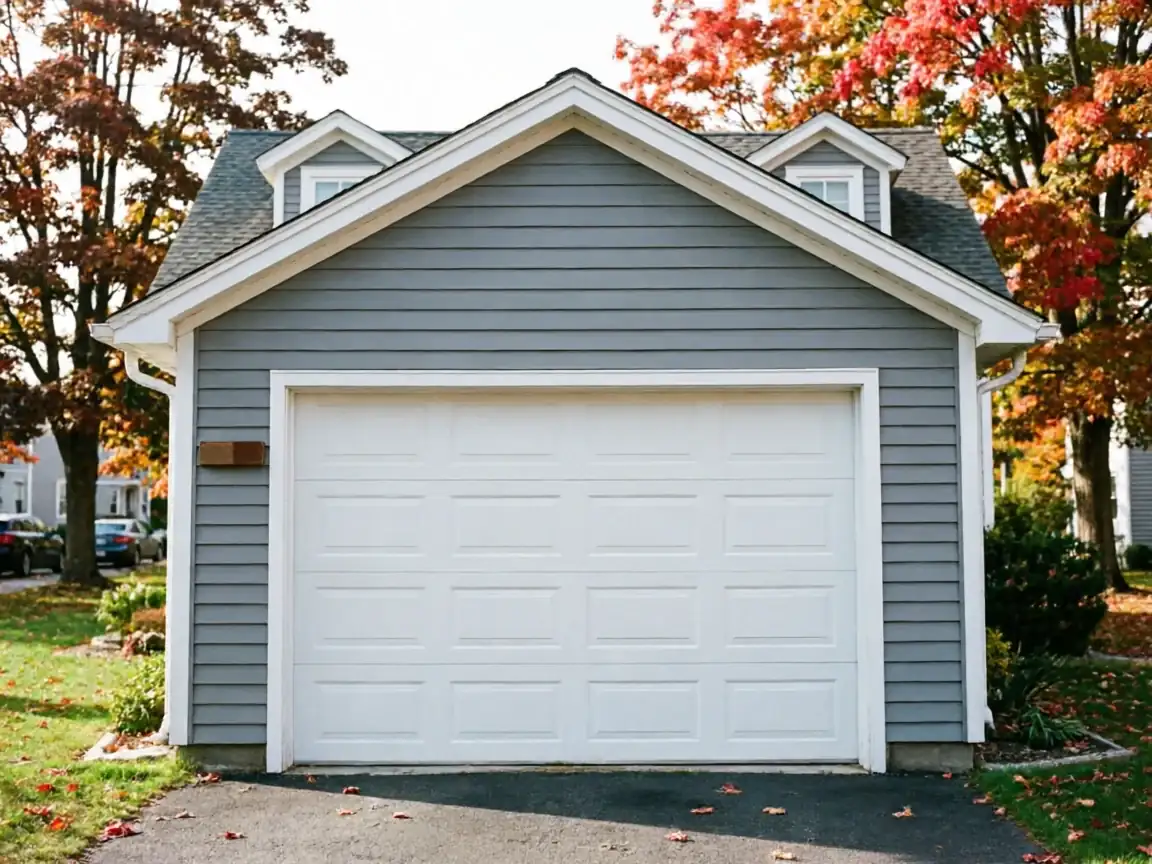
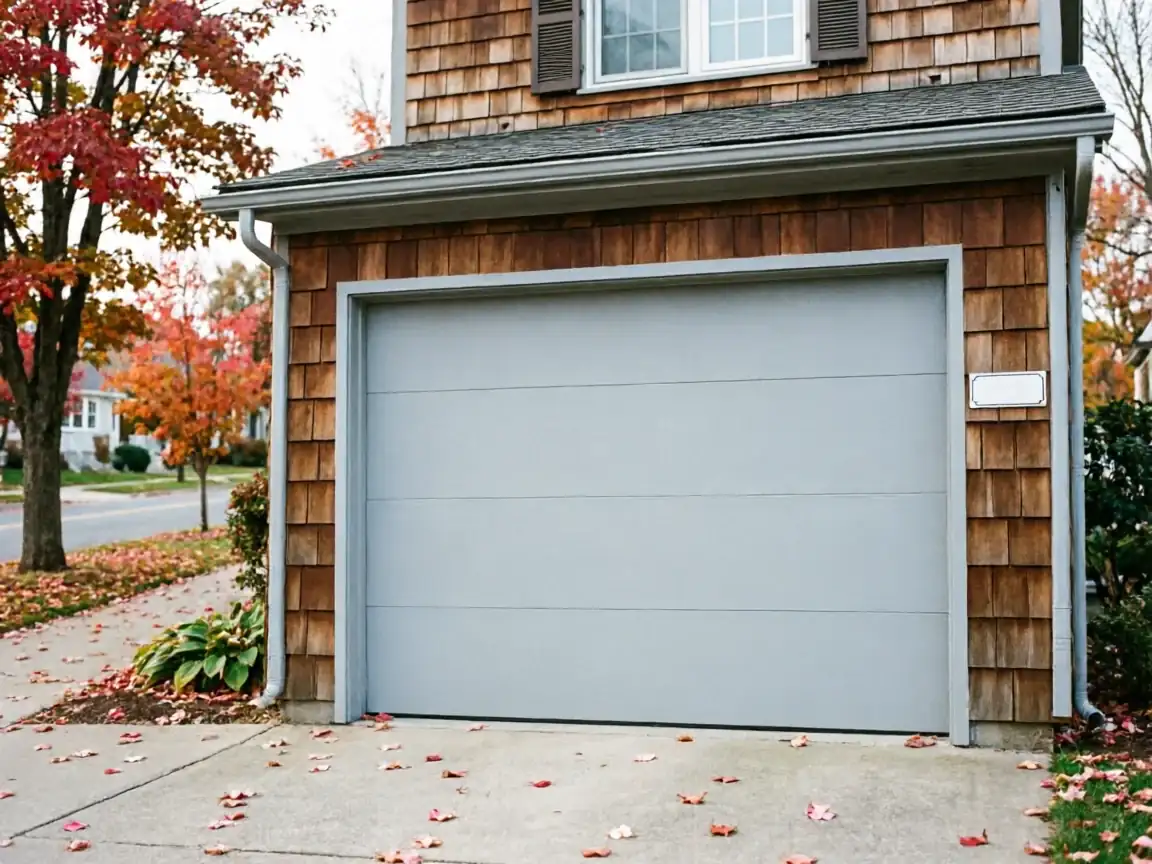
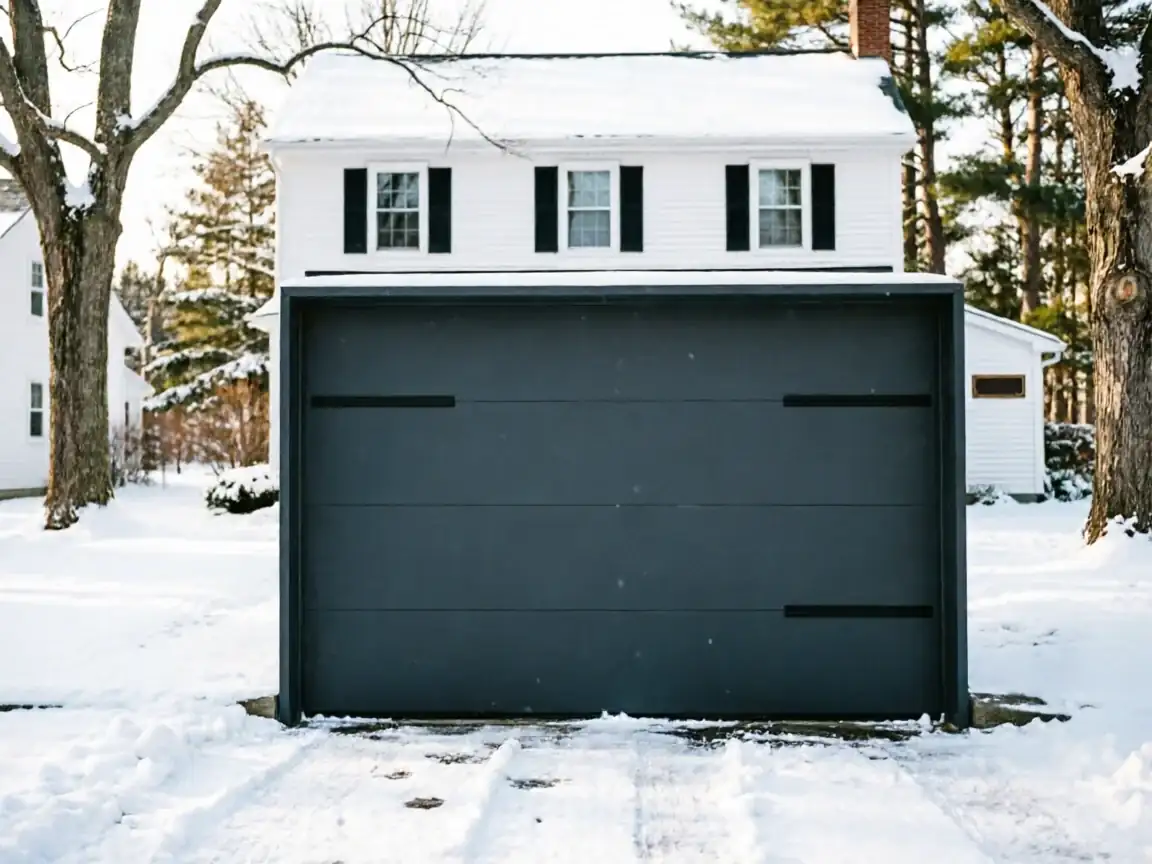
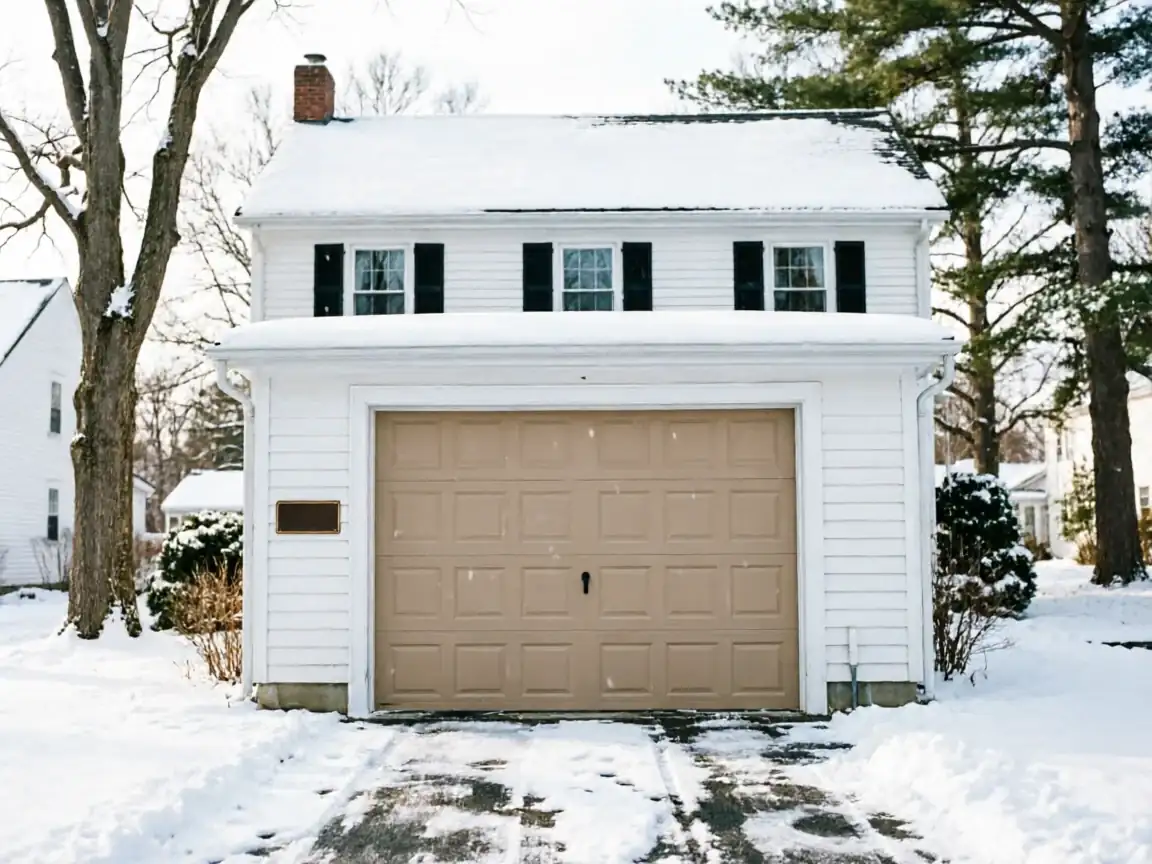
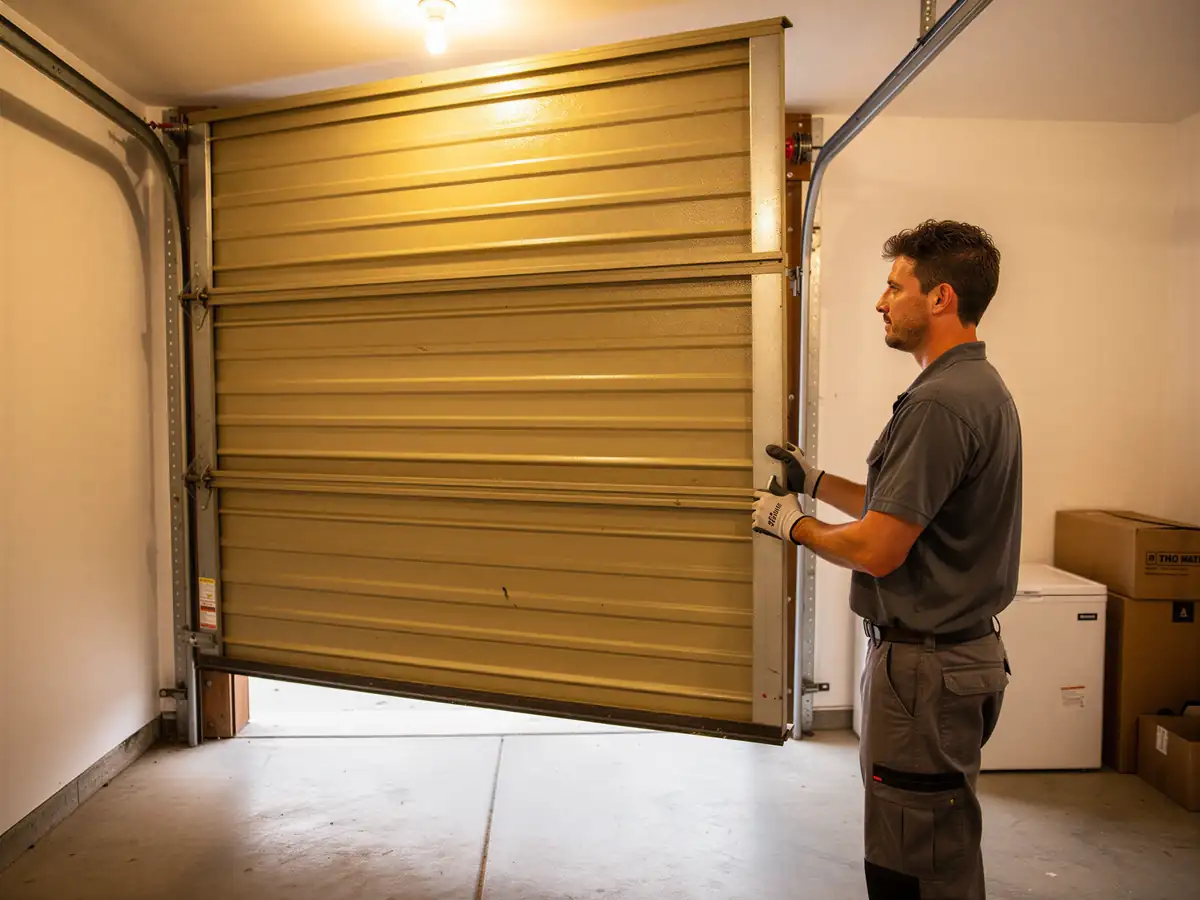
Plainville is a town of about 8,096 households, small enough that the housing stock repeats itself block after block instead of mixing eras the way a bigger city does. Most of what we see here are single steel doors hung in the early 1970s, non-insulated, on tracks sized for a lighter panel than what's sold today. The symptom that brings people to a new install instead of a repair is usually the same: the door is heavy to lift by hand once the opener gives out, the panels are dented past patching, or the bottom section has rotted out where water sits against the slab. Some owners call because a spring let go and the shop that came out told them the door itself isn't worth putting new hardware on. With a town this size, we're not guessing at what we'll find on the truck - the door sizes and track widths cluster tightly enough that we stock for them.
Time on the Job
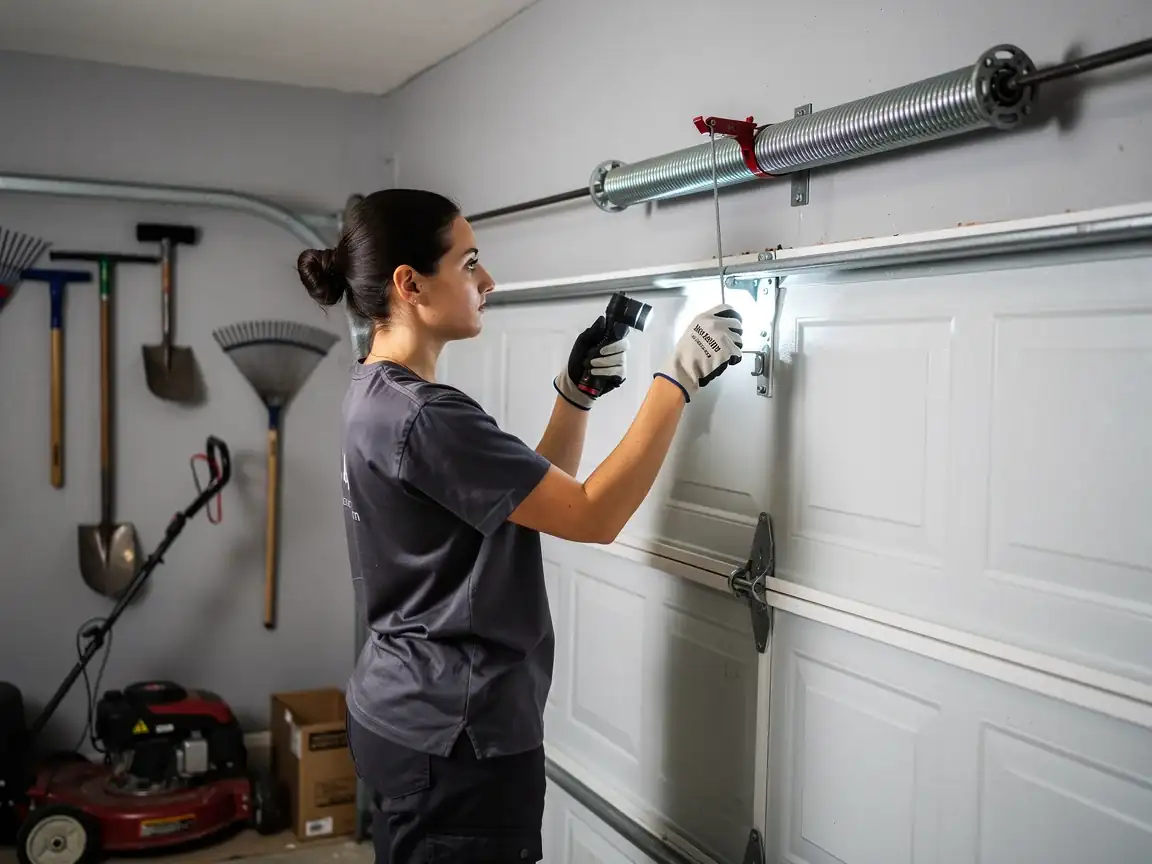
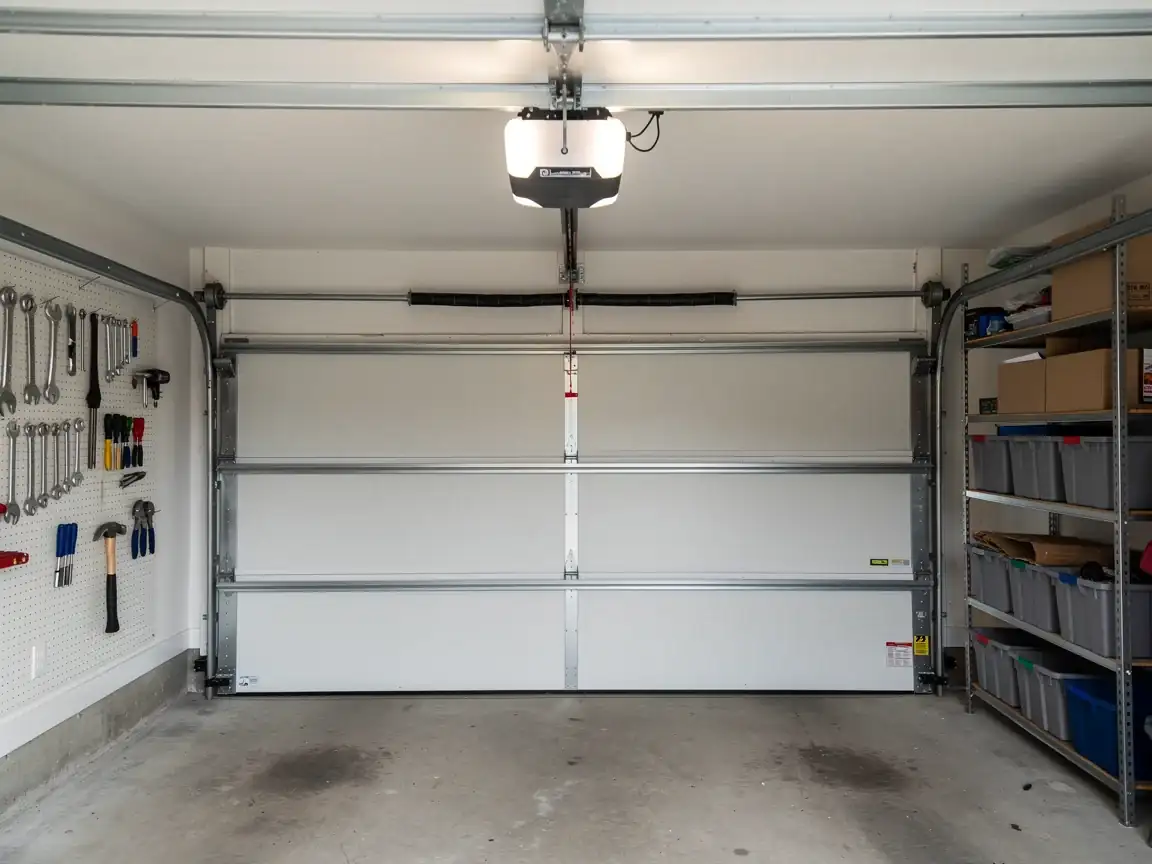
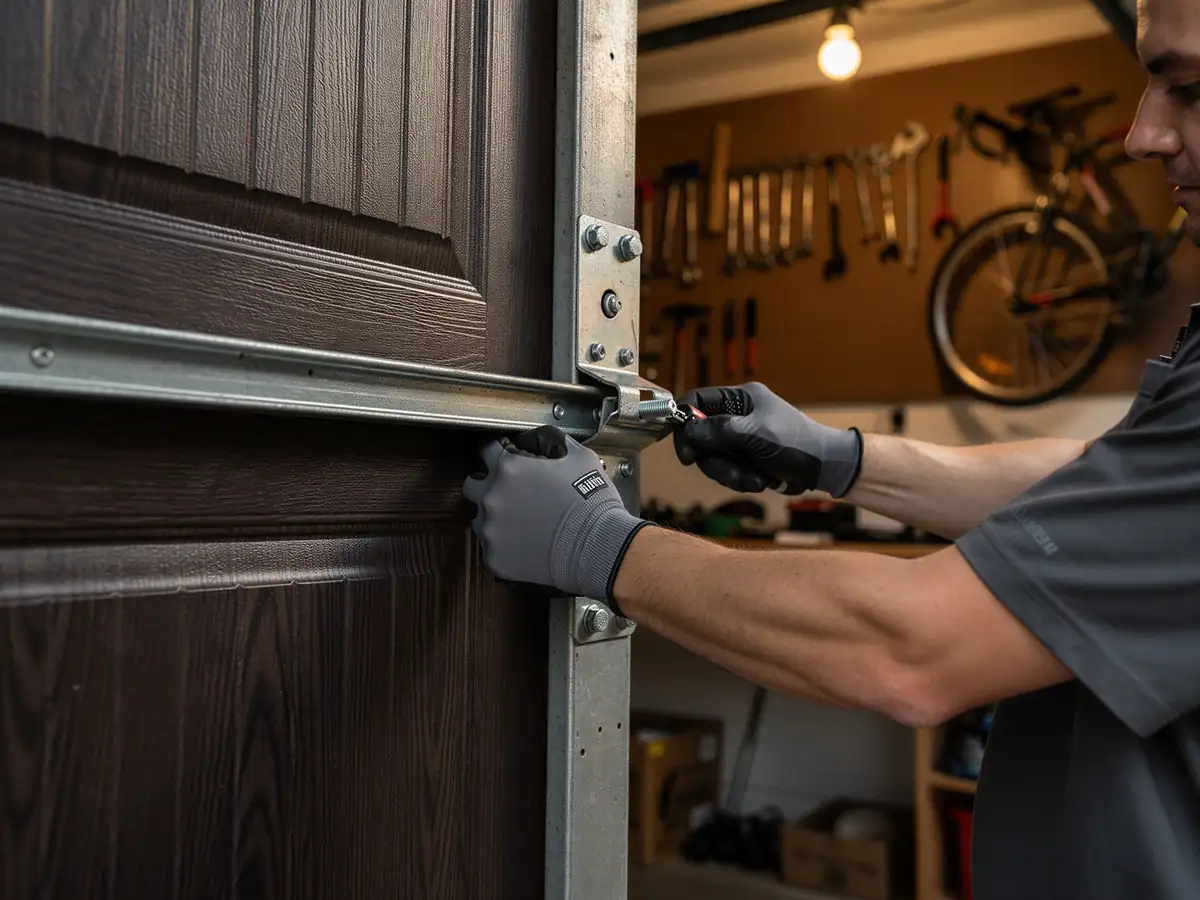
A straight swap on a single door, same size opening, no header or track rework, is a one-crew, same-day job. Where it runs longer is the 1970s double-door openings that were framed for an old low-clearance track before torsion springs on a horizontal shaft became standard - those need the header reworked to fit modern hardware, which adds hours. We travel the 4 miles in from Bristol for every job here, so arrival isn't the variable; what adds time is whatever the opening itself demands once the old door comes down and we see the framing underneath.
What Is on the Truck
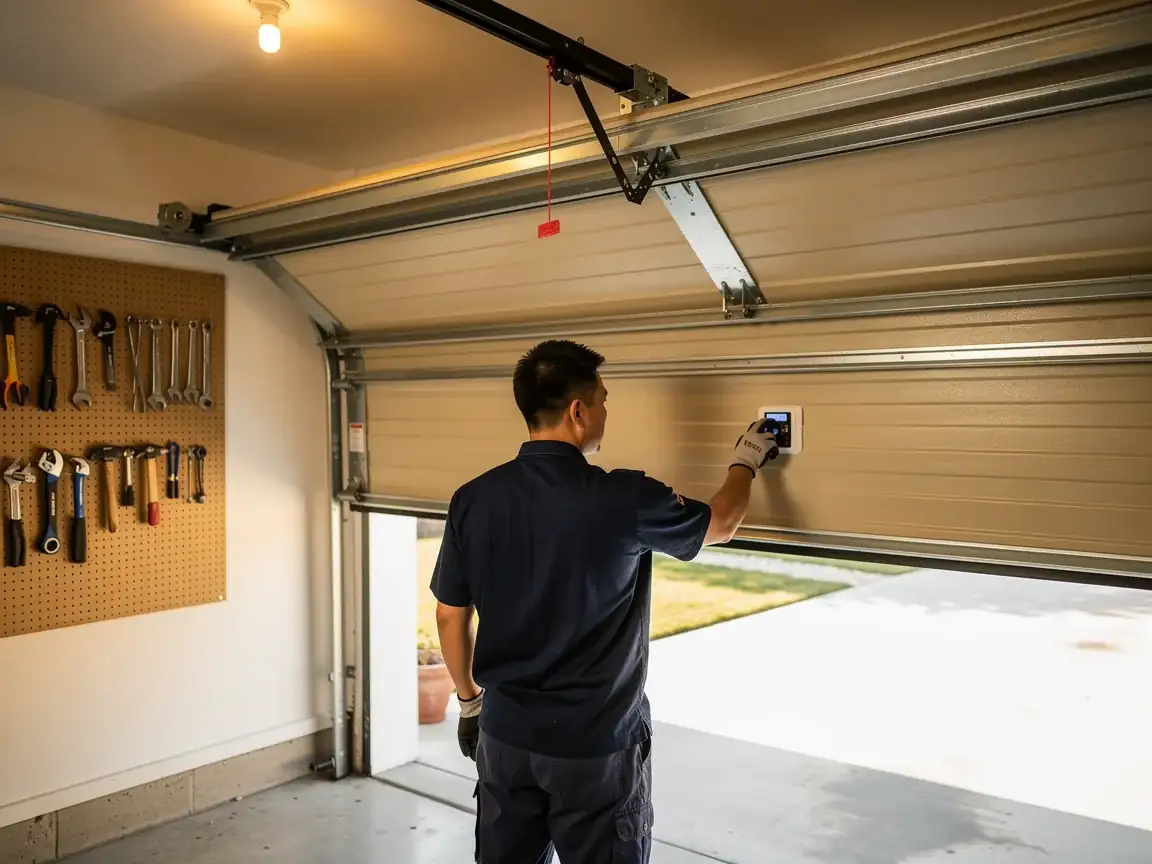
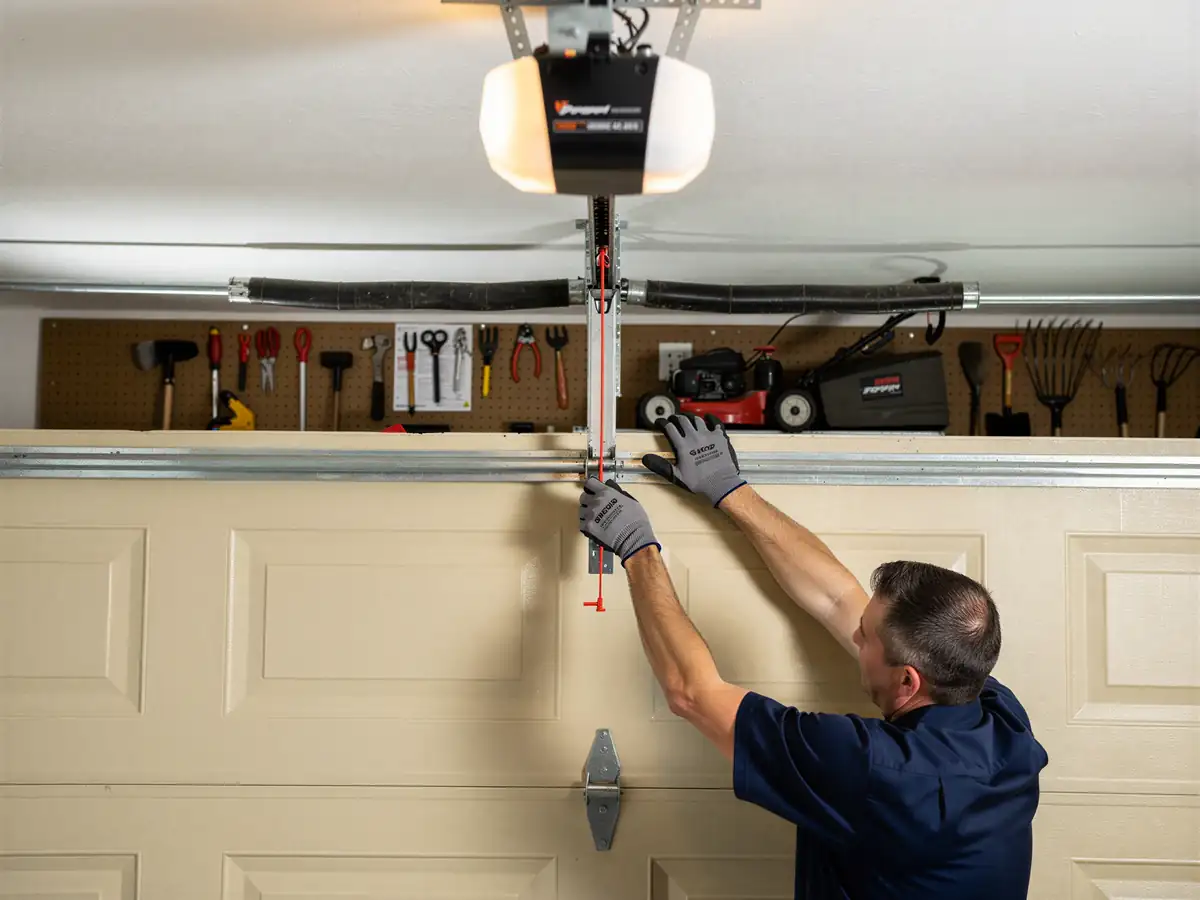
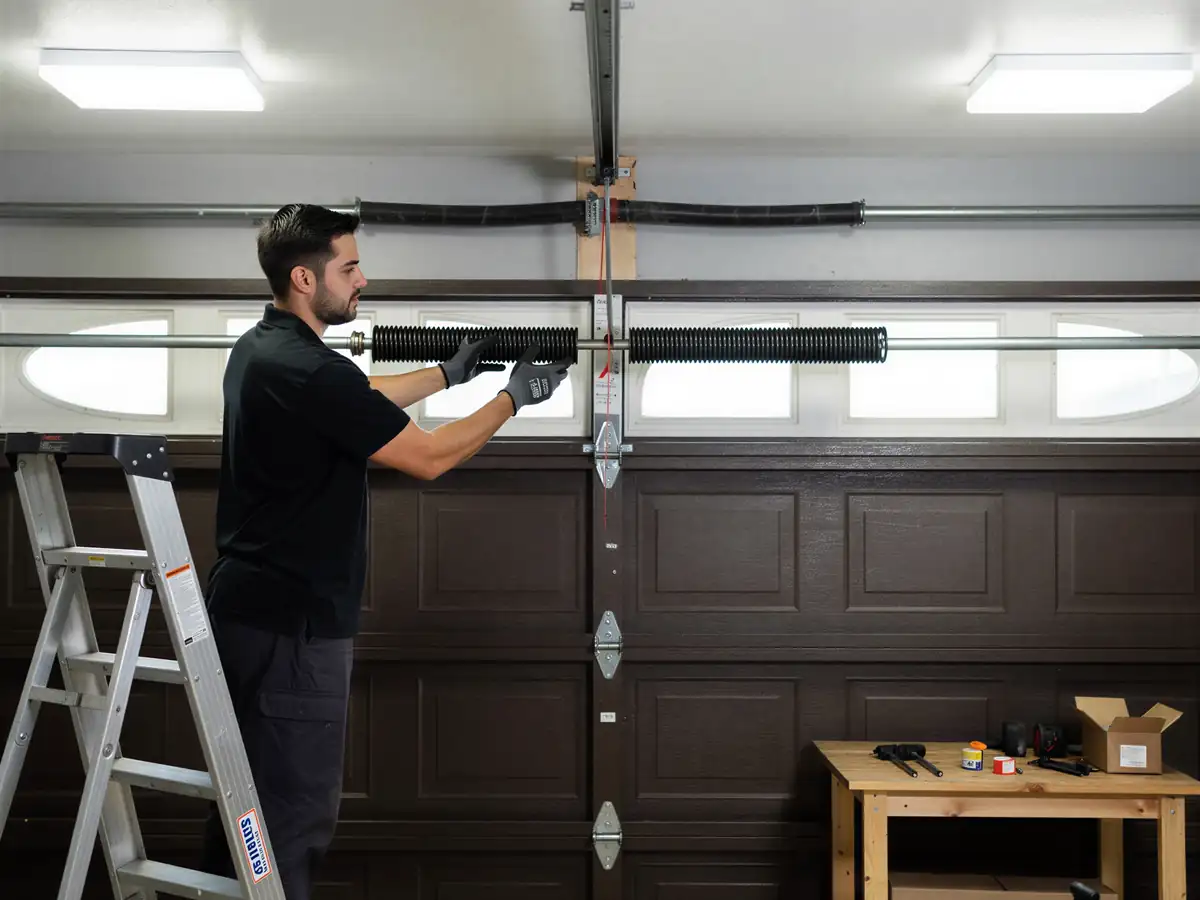
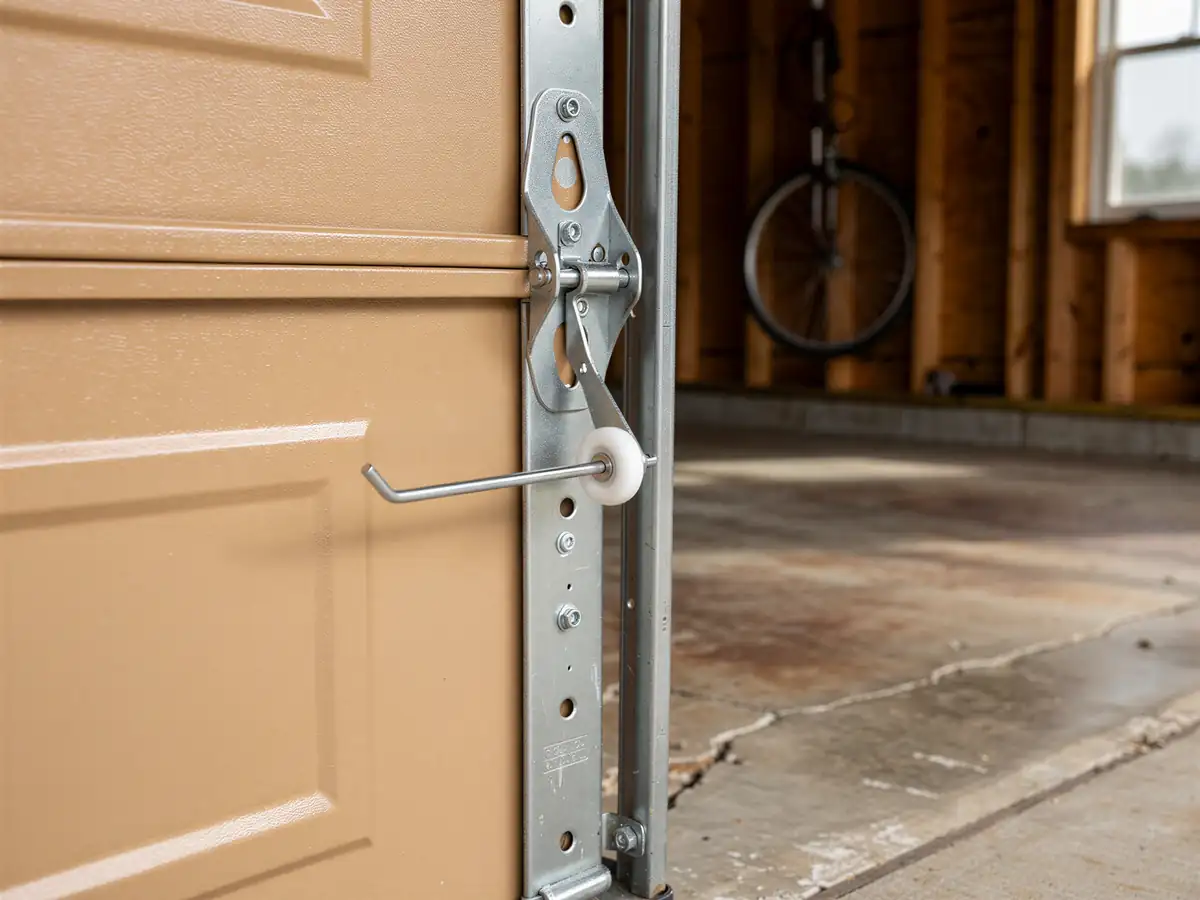
Because the housing stock here clusters so tightly around doors installed in the early 1970s, we carry the common widths and the torsion spring sizes that match them, plus the newer low-headroom track kits for the openings that were never built with modern hardware clearance in mind. We stock standard steel sections in the sizes that fit a single-car and a two-car opening from that era. What we don't carry on the truck is a custom width or a non-standard height - those get special-ordered, and that's a lead-time item, not a same-visit fix. If your opening is an odd size, we'll tell you that on the first look rather than promise a truck part that doesn't exist.
Why It Happens Here
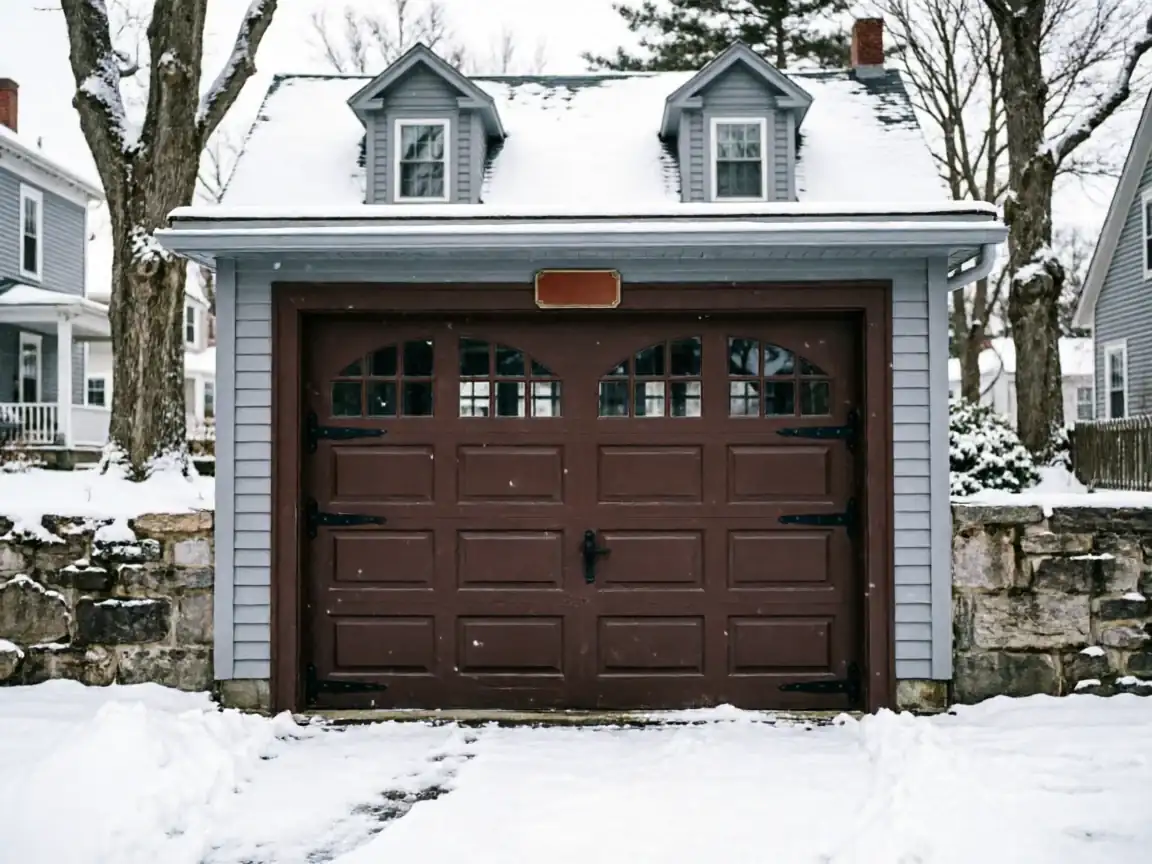
This region sits in a climate band rated severe cold, and a door built in 1970 was never insulated with that in mind - it was built to keep rain and leaves out, not to hold heat. Forty-plus winters of that cold cycling the steel, plus the usual freeze-thaw working at the bottom seal, is why doors from this era fail at the panel and the seal before the opener hardware does. Across the wider service area the housing stock runs 1938 to 1986 with a median around 1971, and Plainville's own median year of 1970 sits right inside that window - so what we find here isn't an outlier, it's the typical case for a door that's simply reached the end of its steel.