The Symptom
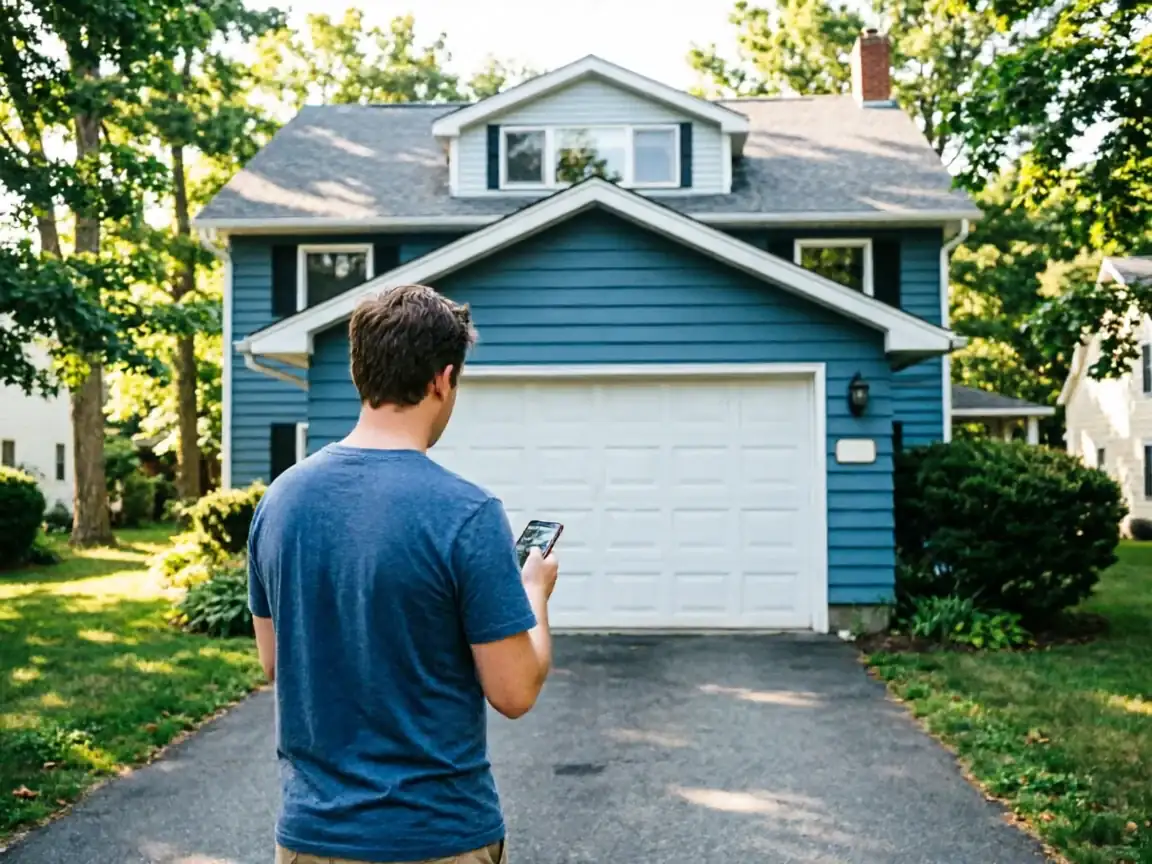
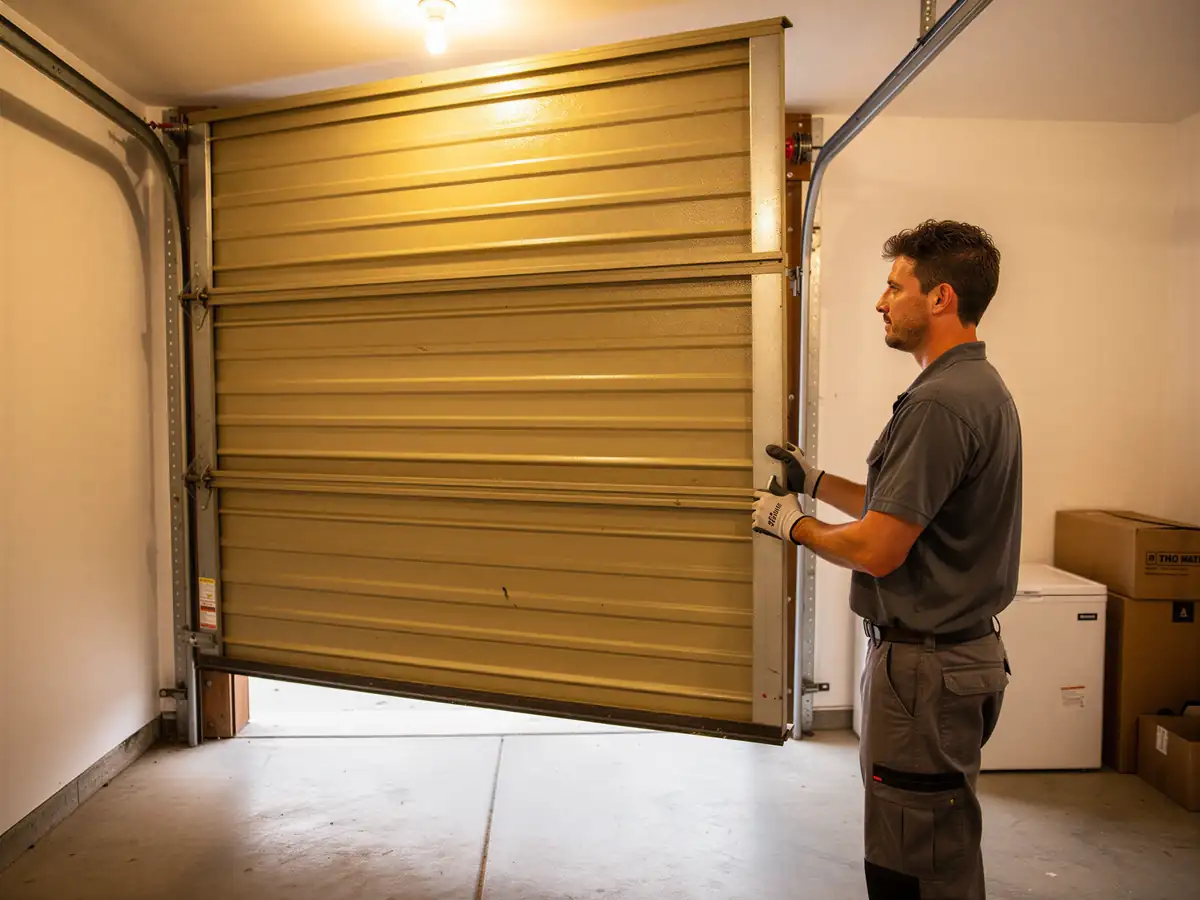
The call we get from Plainville usually starts the same way: the opener grinds, stalls halfway up, or runs but the door barely moves. Nine times out of ten it's not the door - it's a motor that's worked harder than it was built to, for longer than it should have.
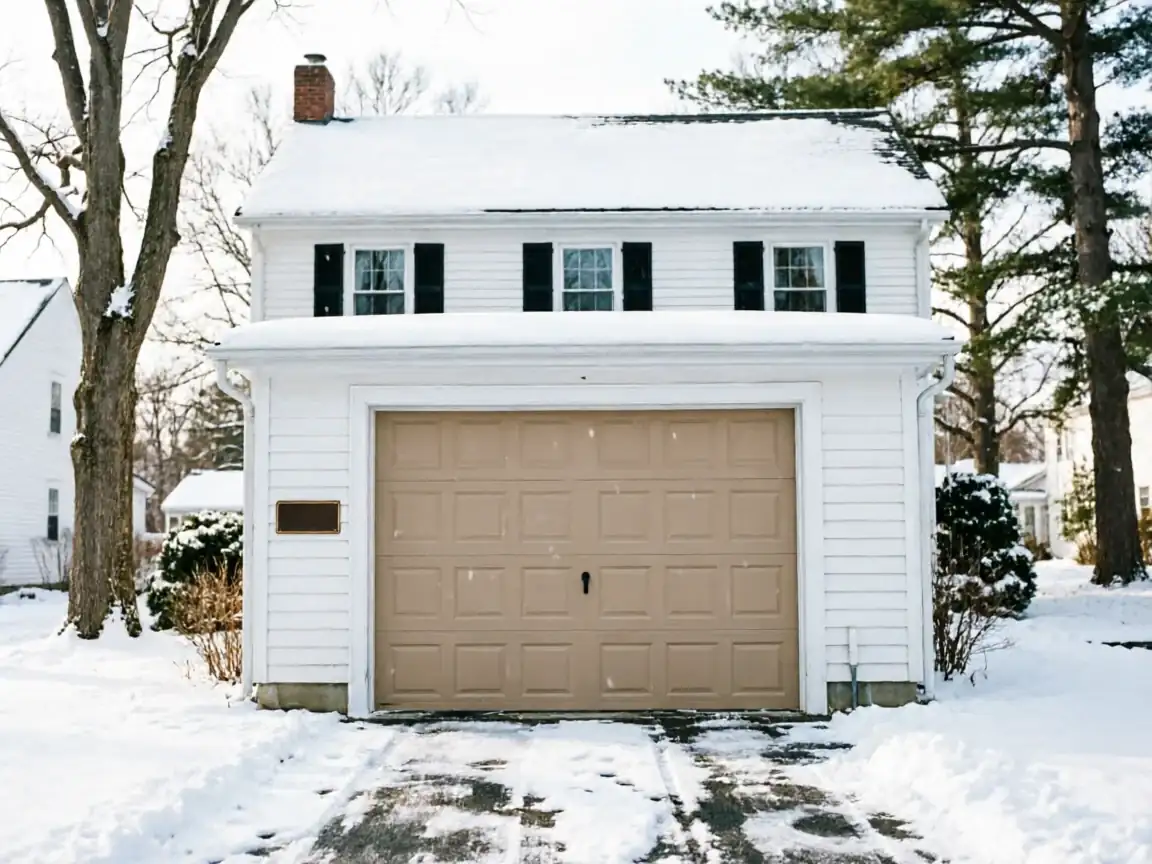
That tracks with what's actually out there. Housing across this part of the service area was built mostly between 1938 and 1986, with a median year of 1971, and Plainville itself sits right around that same 1970 median. A lot of these houses got their original opener replaced once already, sometime in the 80s or 90s, and that second-generation unit is now 30-plus years old. Chain-drive, half-horsepower, no battery backup, no rolling code security - it did its job, but it's done. When we show up to swap it, we're also often finding a door it was never really sized for, because doors got heavier (insulated steel, double-layer) while a lot of openers stayed the same.
Time on the Job
We travel the four miles from our Bristol shop to get to Plainville, which is close enough that scheduling an opener swap doesn't take much juggling. We don't quote a response time here - that's not something we promise - but the drive itself isn't the bottleneck on these jobs.
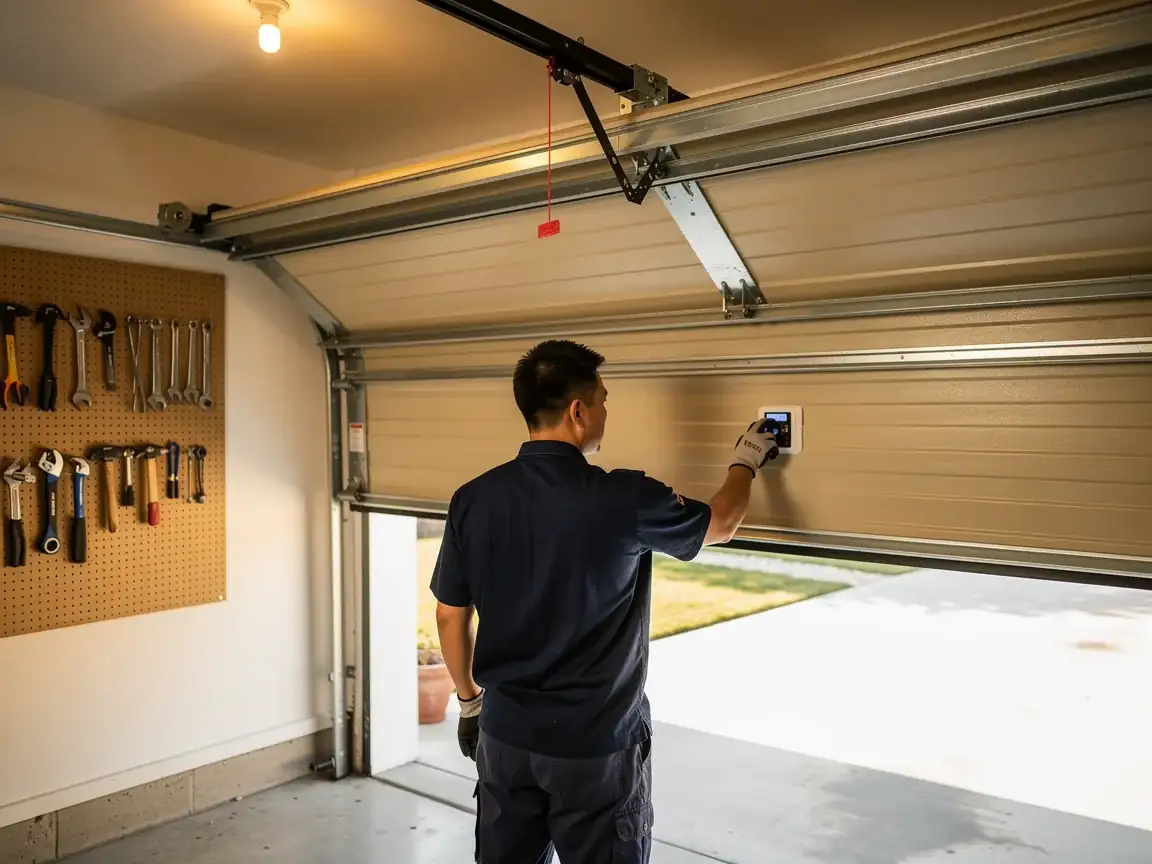
What takes the actual time is doing the safety checks right: force settings, auto-reverse testing, make sure the photo-eye sensors line up and the manual release still works smoothly after the new unit goes in. On an 8,096-household town like Plainville, most of these openers are driving a door that's also original or near-original to the house, so we're checking the whole system, not just bolting on a new motor head and leaving.
What It Costs
We don't have a flat number to put here
Because it depends on the opener you pick - chain, belt, or direct drive, standard or with battery backup - and on what we find once the old unit comes down. A straightforward swap, same mounting, same rail length, costs less than a job where we also have to rework bracing or add a keypad and sensor run that was never installed.
One honest note: if your current opener is tied into an aging, tired door
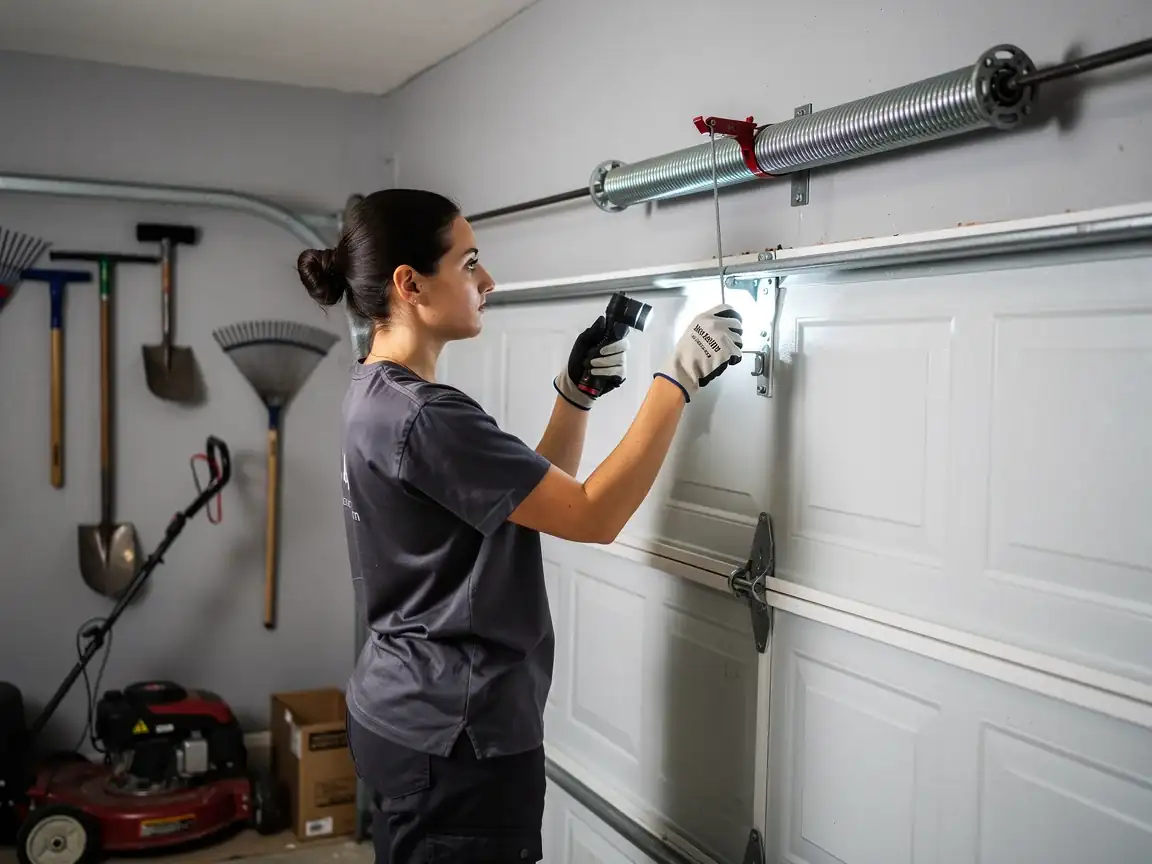
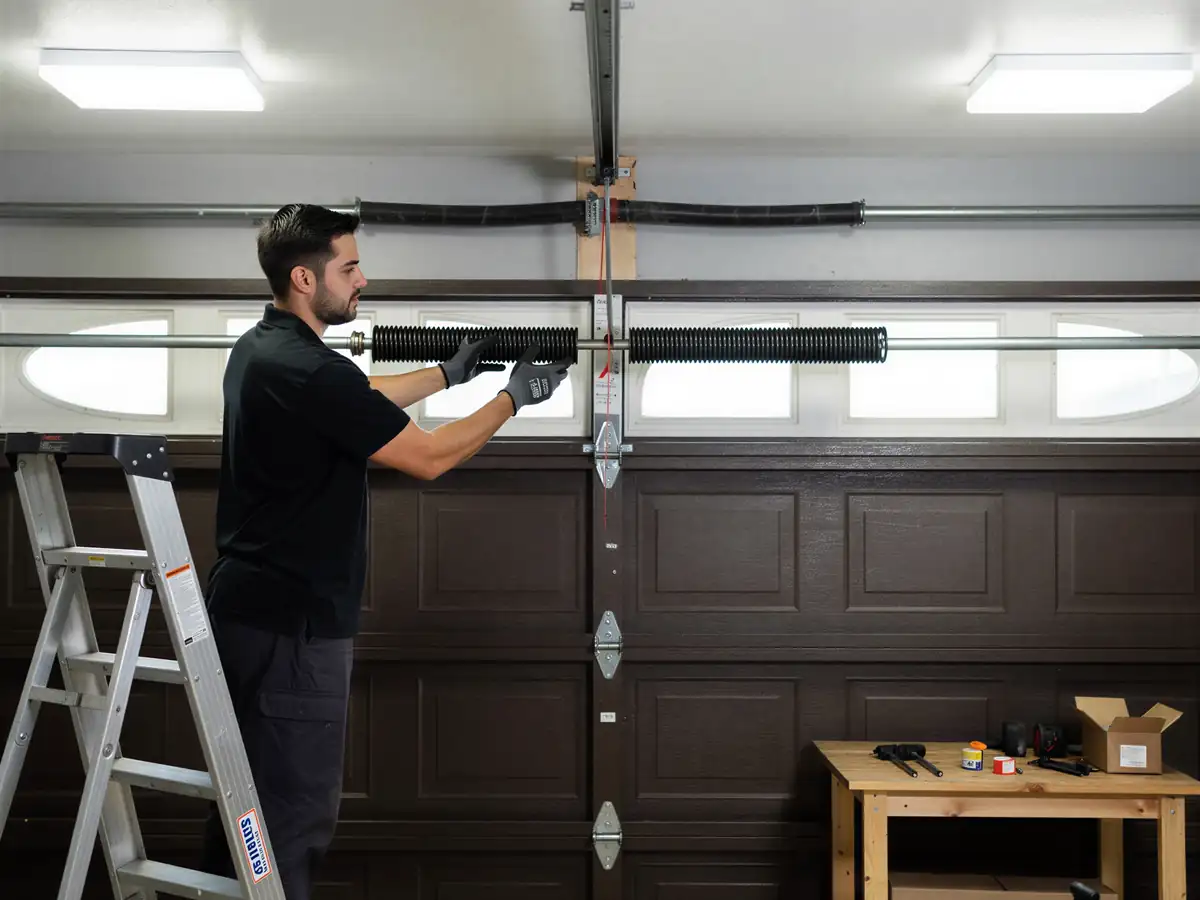
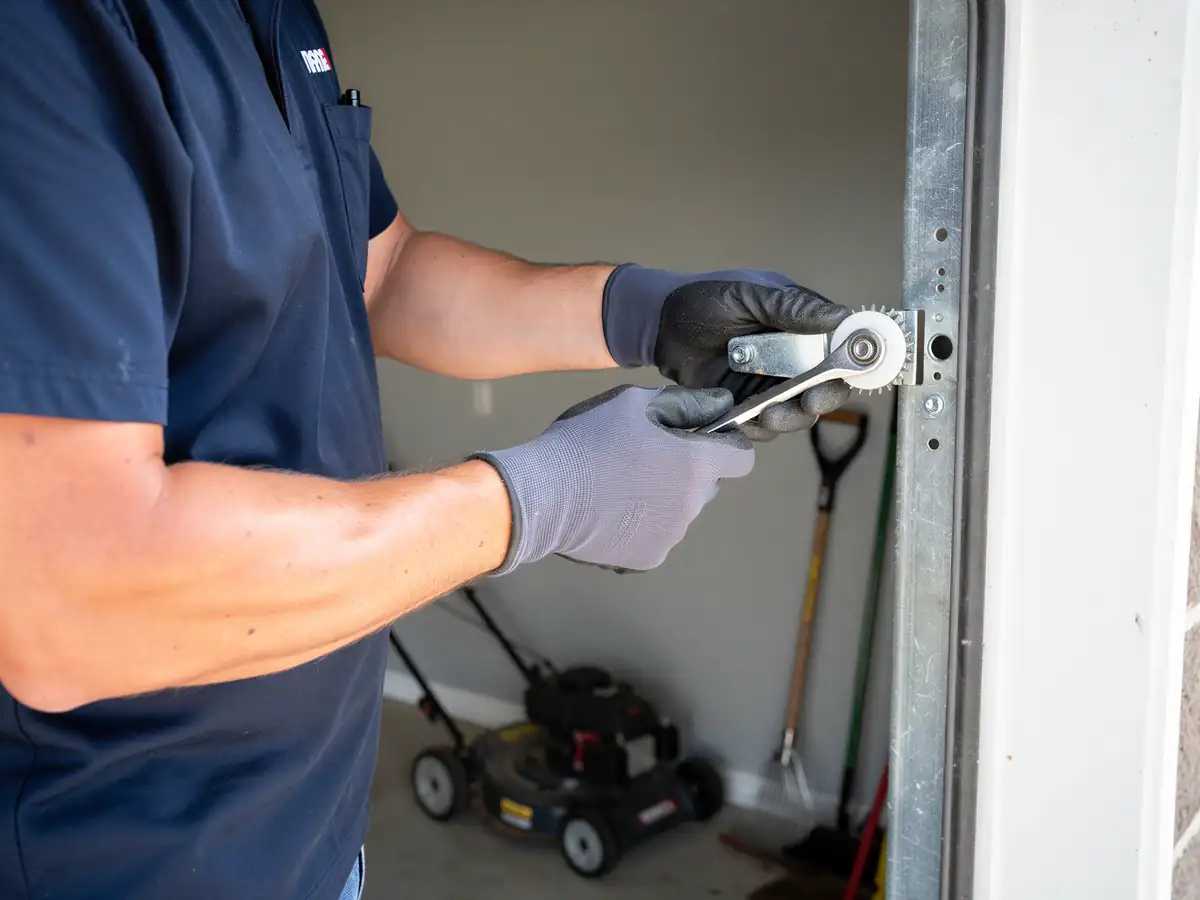
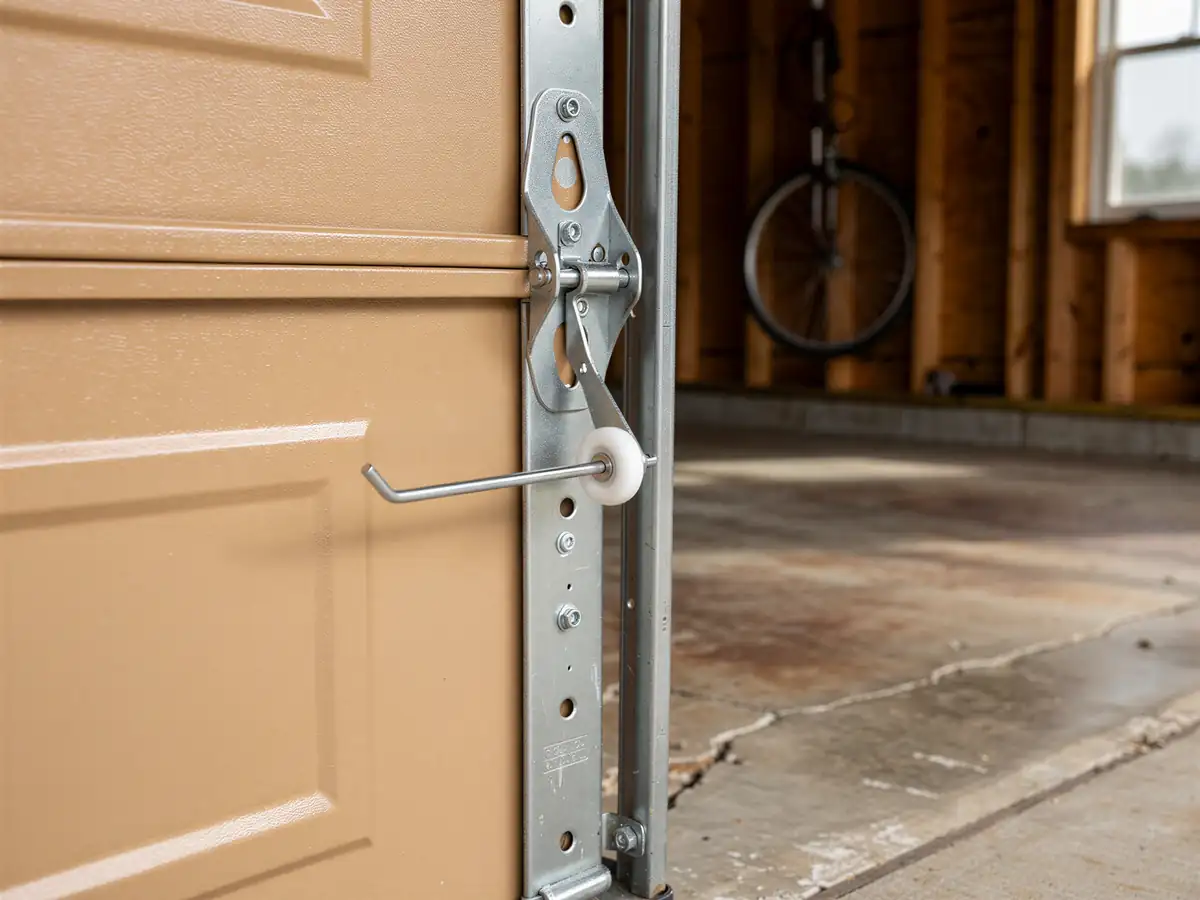
Worn rollers, a spring that's seen better days - we'll tell you before we quote the opener alone. Putting a new motor on a door that's about to need its own repair is money spent twice. We'd rather flag that up front than have you call us back in six months.
What Is on the Truck
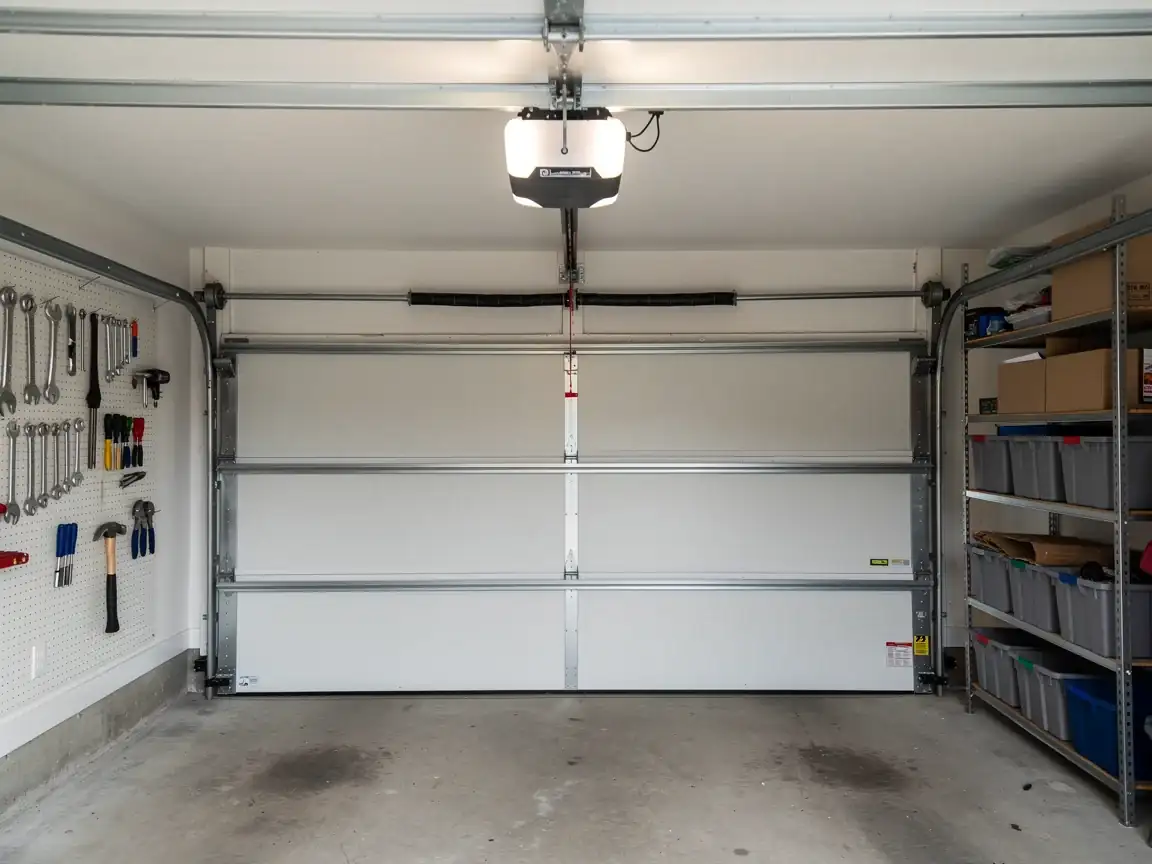
We carry a mix of opener types because one size doesn't fit Plainville's housing stock. Chain-drive units for garages where noise isn't a concern, belt-drive for anything attached or near a bedroom, and wall-mount units for the lower-ceiling setups that show up a lot in houses built in this 1970-ish range, where headroom above the door was never generous to begin with.
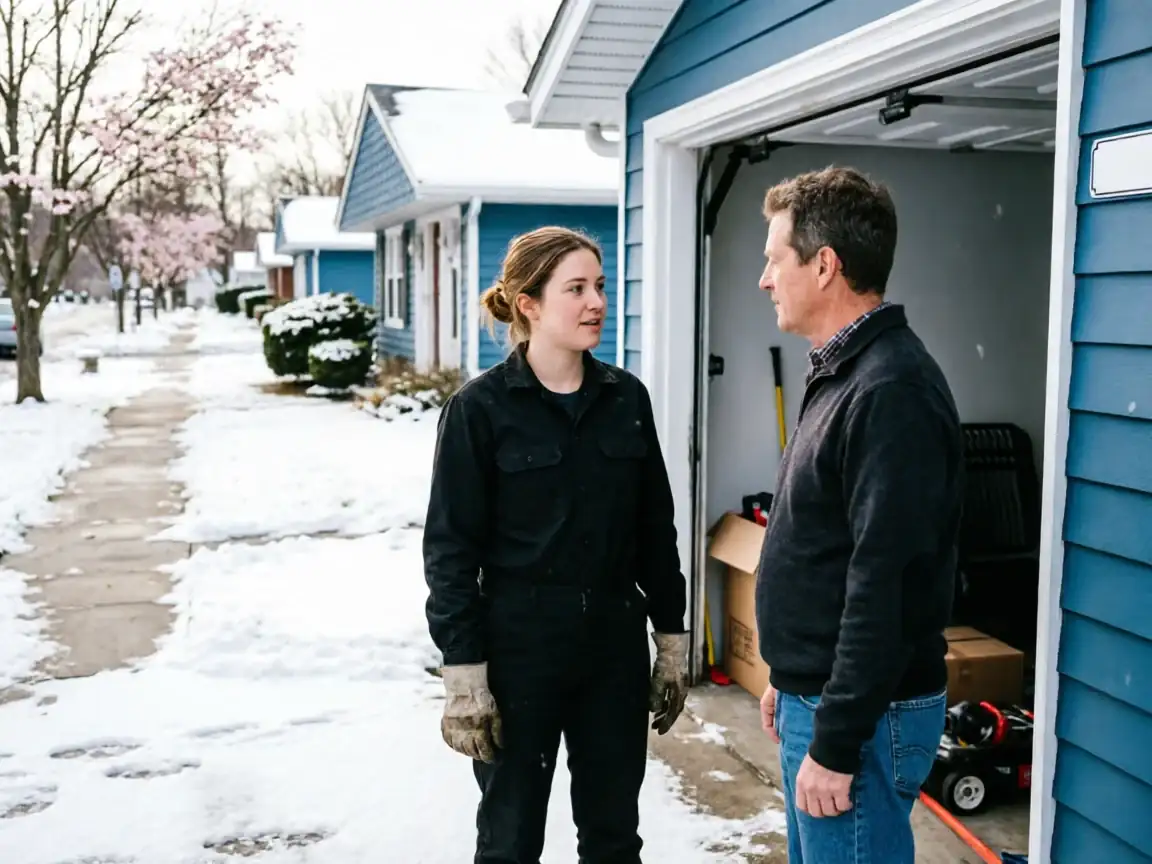
Given the climate here runs cold and severe for a good stretch of the year, we also stock battery backup units - the kind that keep the door operable during a winter power outage, which matters more in a detached-garage, single-driveway town like this than it would somewhere milder. We don't carry every brand's full accessory line on the truck at all times; specialty remotes or smart-home integration hardware sometimes means a short order lead time, and we'll tell you that up front rather than make you wait and wonder.
Why It Happens Here
Three things line up in Plainville and explain why opener failures look the way they do. First, the age of the housing stock - a 1970 median build year means most openers in service now are either original replacements from decades back or a second-generation unit that's also aging out. Second, the winters: this area sits in a cold, severe climate band, and cold makes grease stiffen, chains sag, and plastic gears that were already worn crack sooner than they would somewhere warmer.
Third, household economics shape what gets fixed versus replaced. Plainville's median household income runs around $81,920, lower than the roughly $107,435 median across the wider service area, and that often means an opener gets nursed along with a new logic board or a remote reprogram instead of a full swap - until the motor itself finally gives out. By the time we're called, it's usually past the point of a quick fix.
How We Fix It
We start by testing the door balance before touching the opener
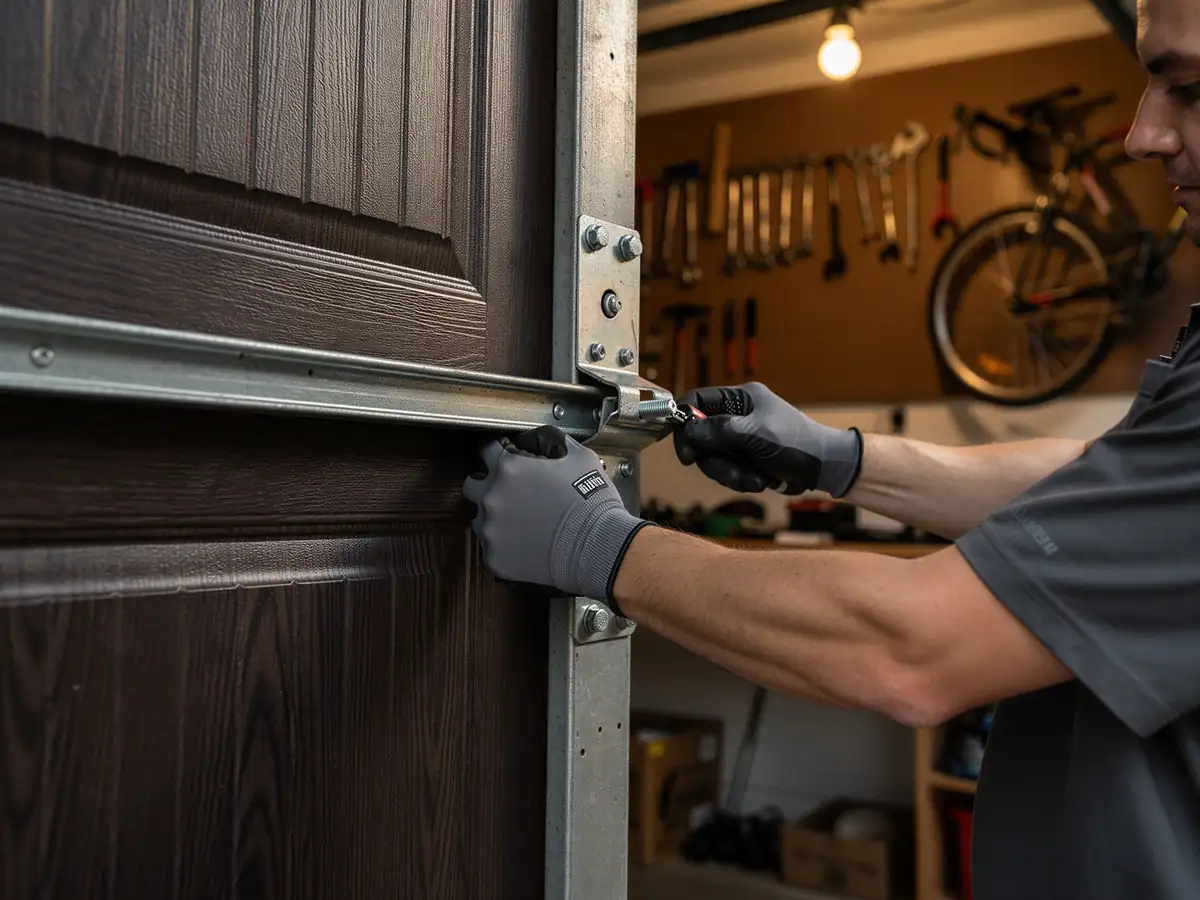
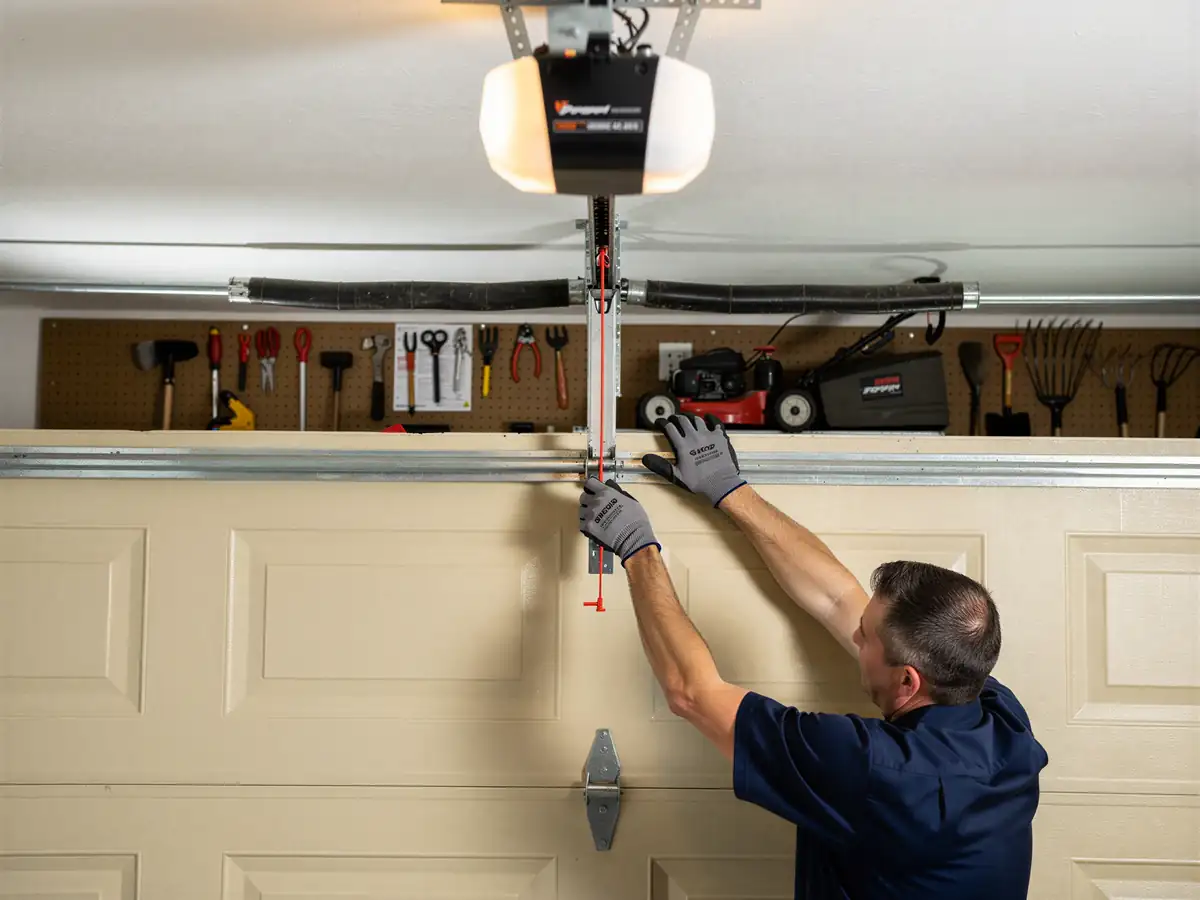
A motor working against an unbalanced door burns out again no matter how new it is. If the door's fine, we remove the old unit, check the header for solid mounting (older framing sometimes needs reinforcement brackets we add before the new opener goes up), and install the replacement sized to the door's actual weight and cycle use, not just whatever fit the old bracket.
After that we run the full safety sequence
Force limits, auto-reverse on contact and on the photo-eye beam, travel limits top and bottom. We program remotes and keypads on site and walk through the manual release with you, since that's the part people forget exists until the power's out. If your garage sits on the end of your home's electrical run and the outlet's not grounded or not on its own circuit, we'll flag that too - it's a quick fix but not one we skip.