The Symptom
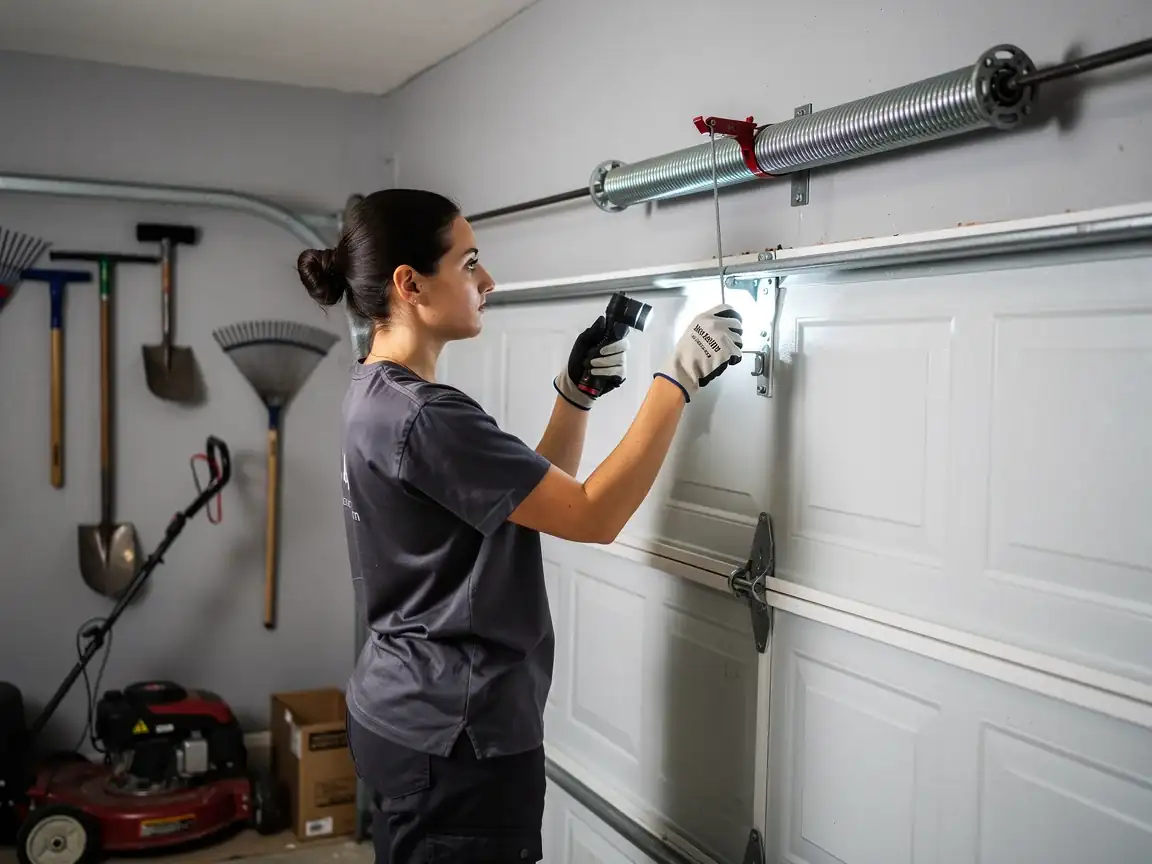
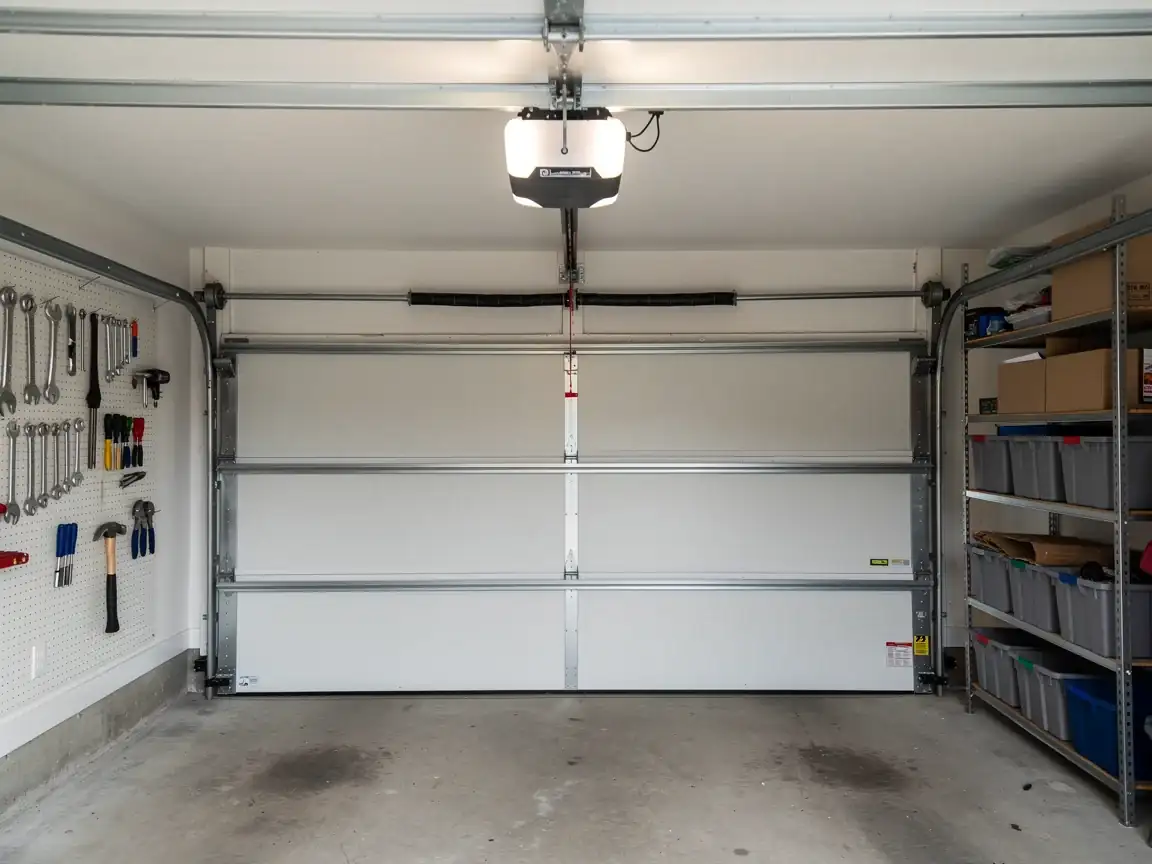
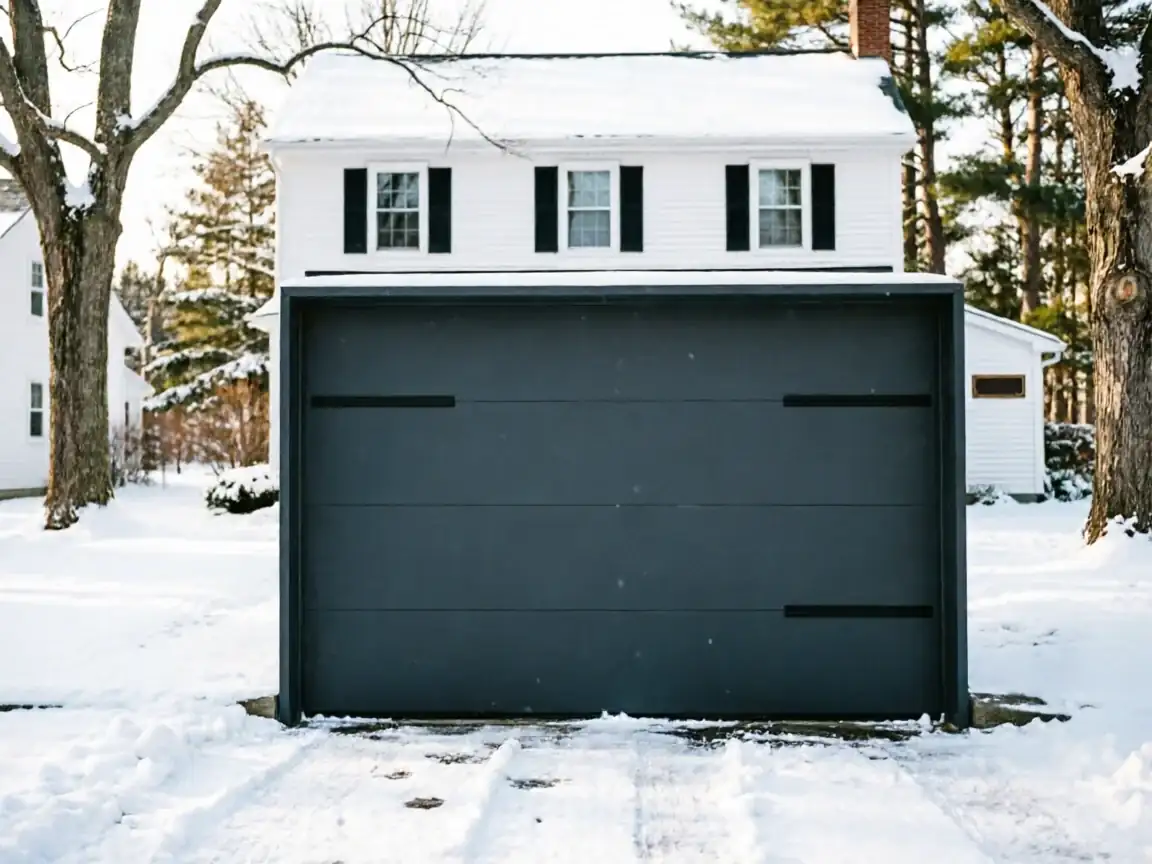
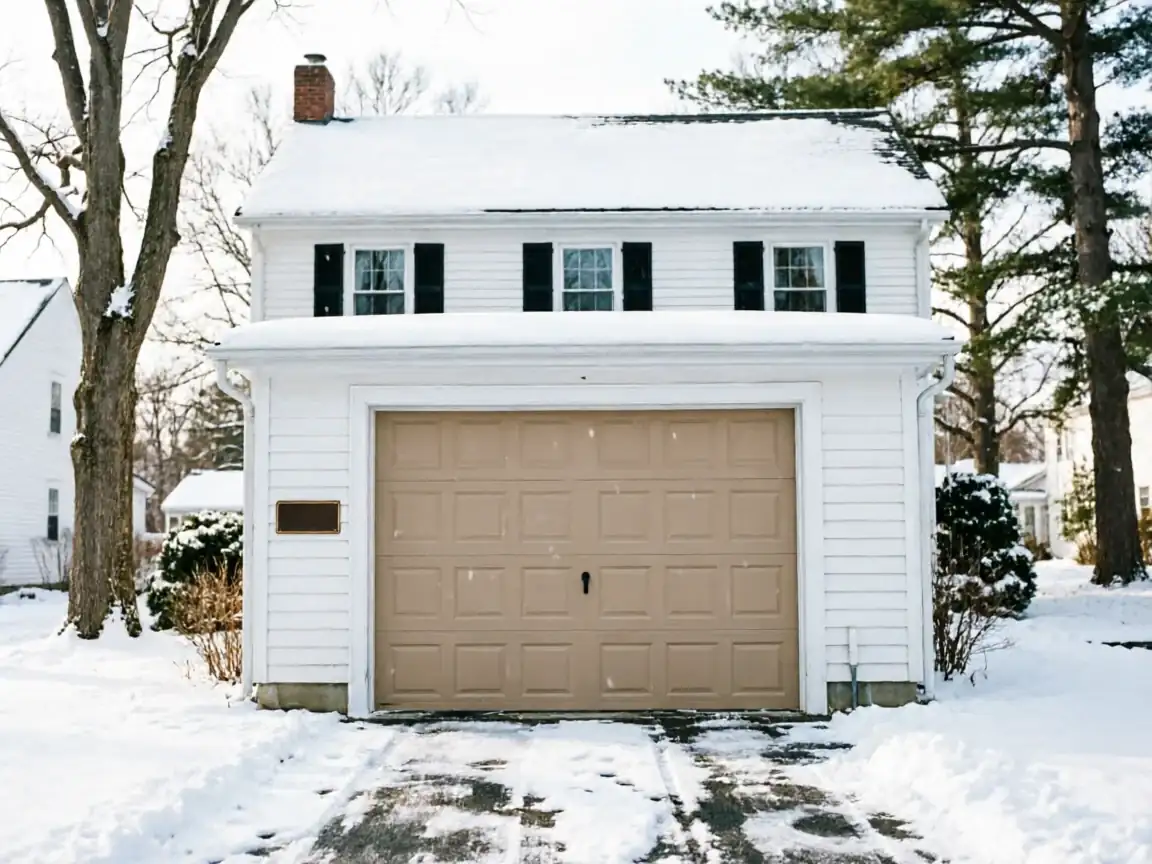
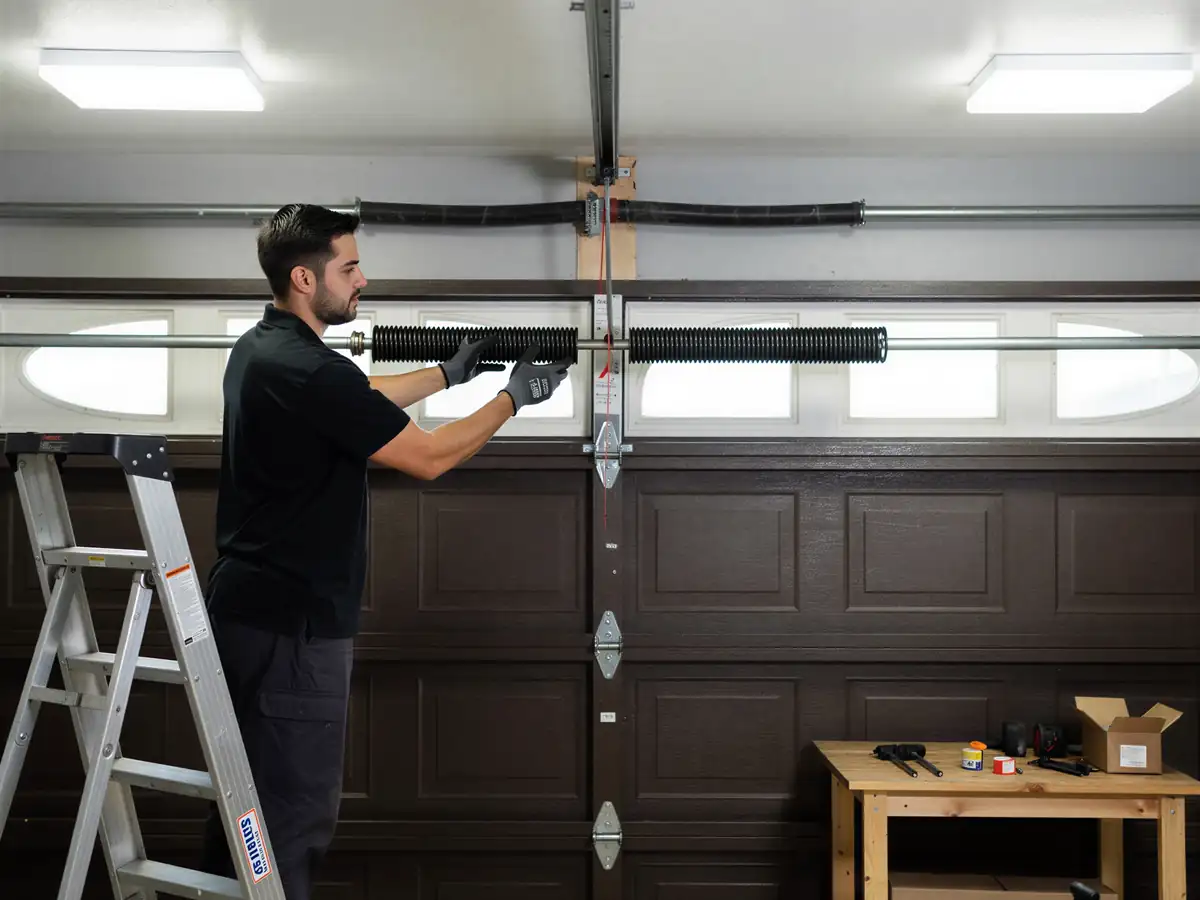
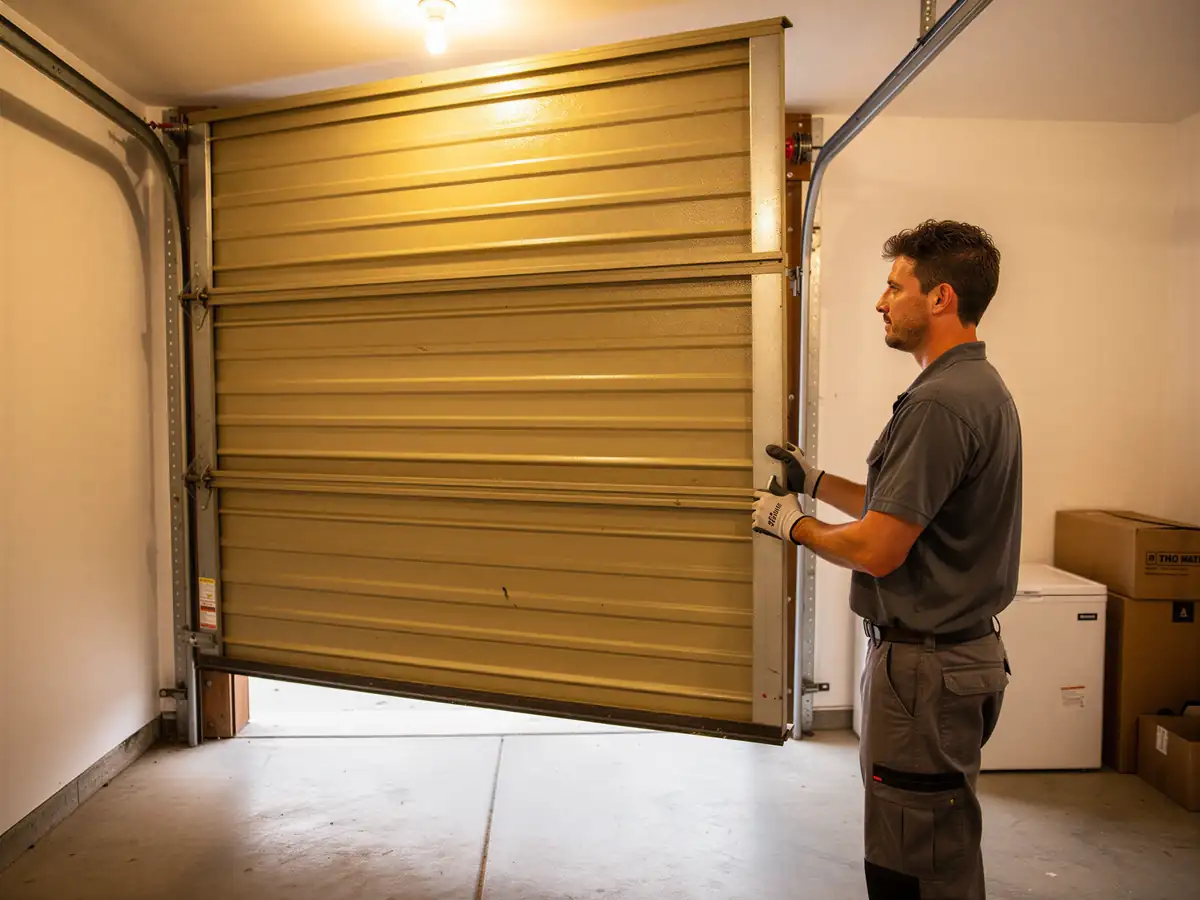
Plainville's housing stock centers on 1970, and that year matters more than most people think when a door starts acting up. Houses built then almost never came with torsion bar hardware mounted above the opening the way newer construction does. They came with extension springs stretched along the horizontal tracks on either side of the door, hooked to pulleys and safety cables that were often an afterthought. When a Plainville homeowner calls about a door that slams down instead of lowering smoothly, or one side that drops faster than the other, nine times out of ten it's one of those original extension springs finally giving out after decades of stretching and contracting. The symptom looks the same as a torsion spring failure from the outside - a door that won't stay up, a garage opener straining and clicking - but the fix, and the part, is different. If your house falls in that 1960s-70s band common across this part of the service area, assume extension springs until proven otherwise.
Time on the Job
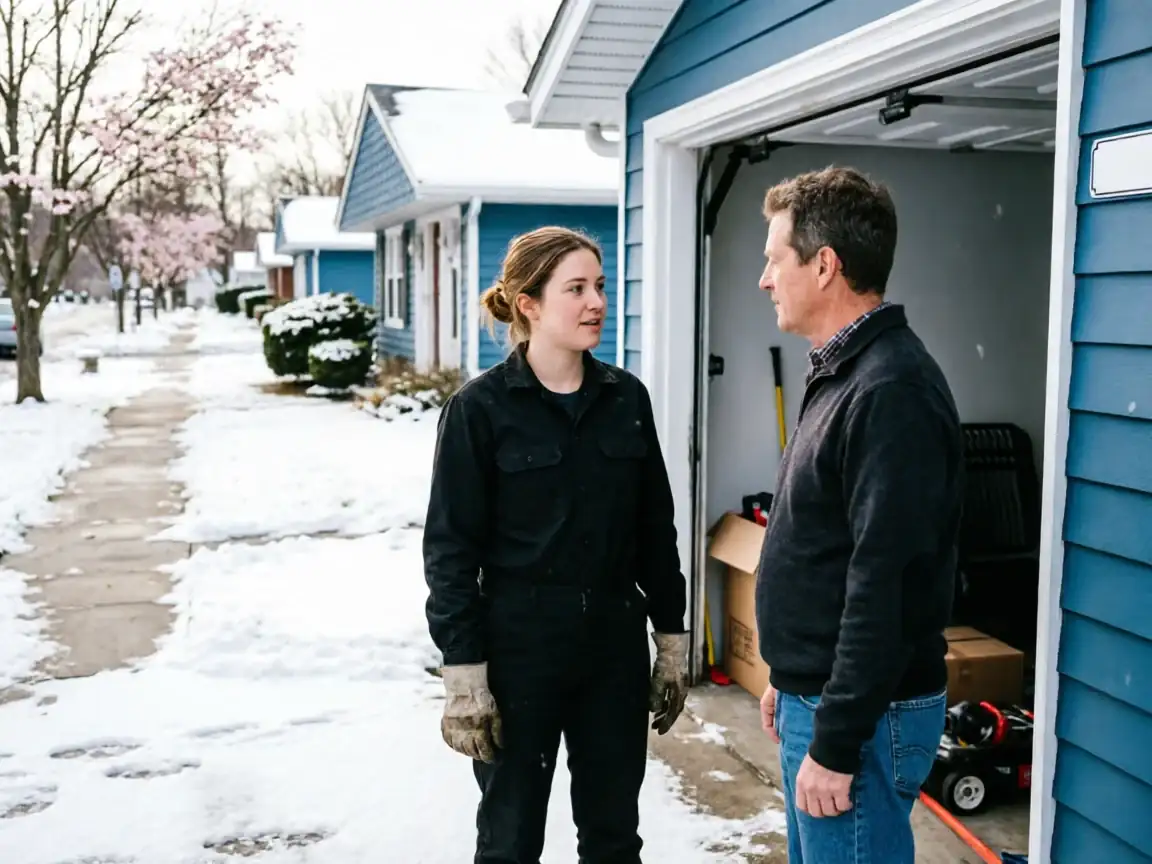
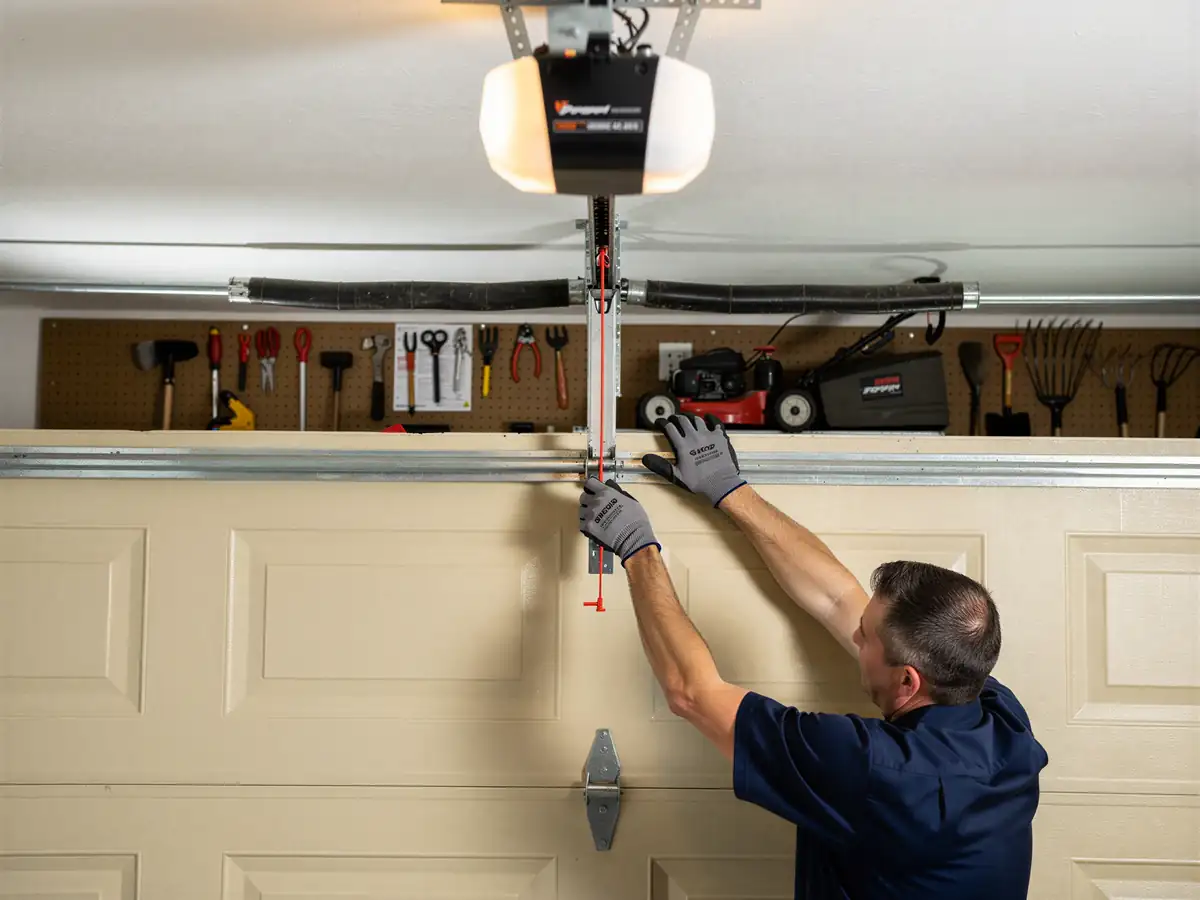
We run out of Bristol, and Plainville sits about four miles off, so travel isn't the long pole in most jobs. We don't quote a fixed arrival window here since that depends on what else is on the schedule that day, but the drive itself is short. Once we're on site, a straightforward extension spring swap on a single door usually runs under an hour; a full torsion conversion, which some Plainville owners choose when they're tired of patching 50-year-old hardware, takes longer because it means reworking the header bracket and shaft, not just replacing a part in kind. We'll tell you up front which category your job falls into before we start, not after.
What Is on the Truck
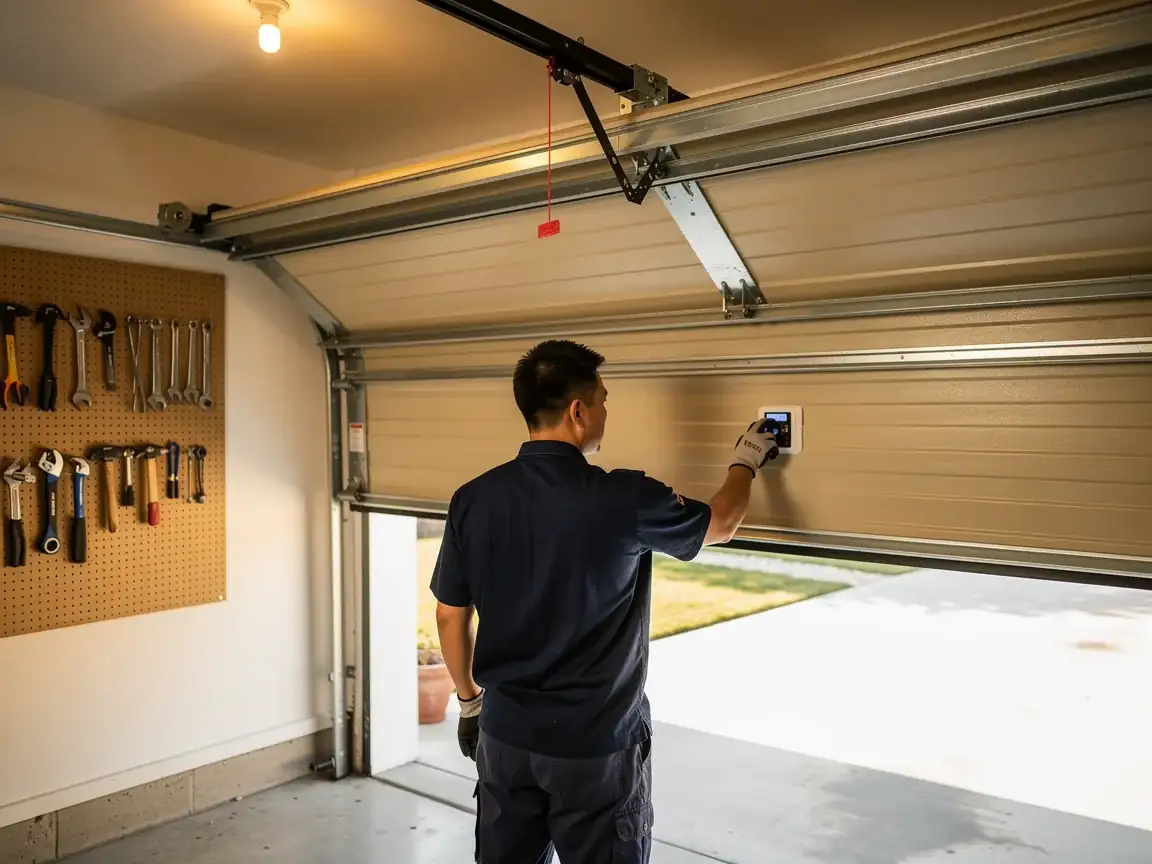
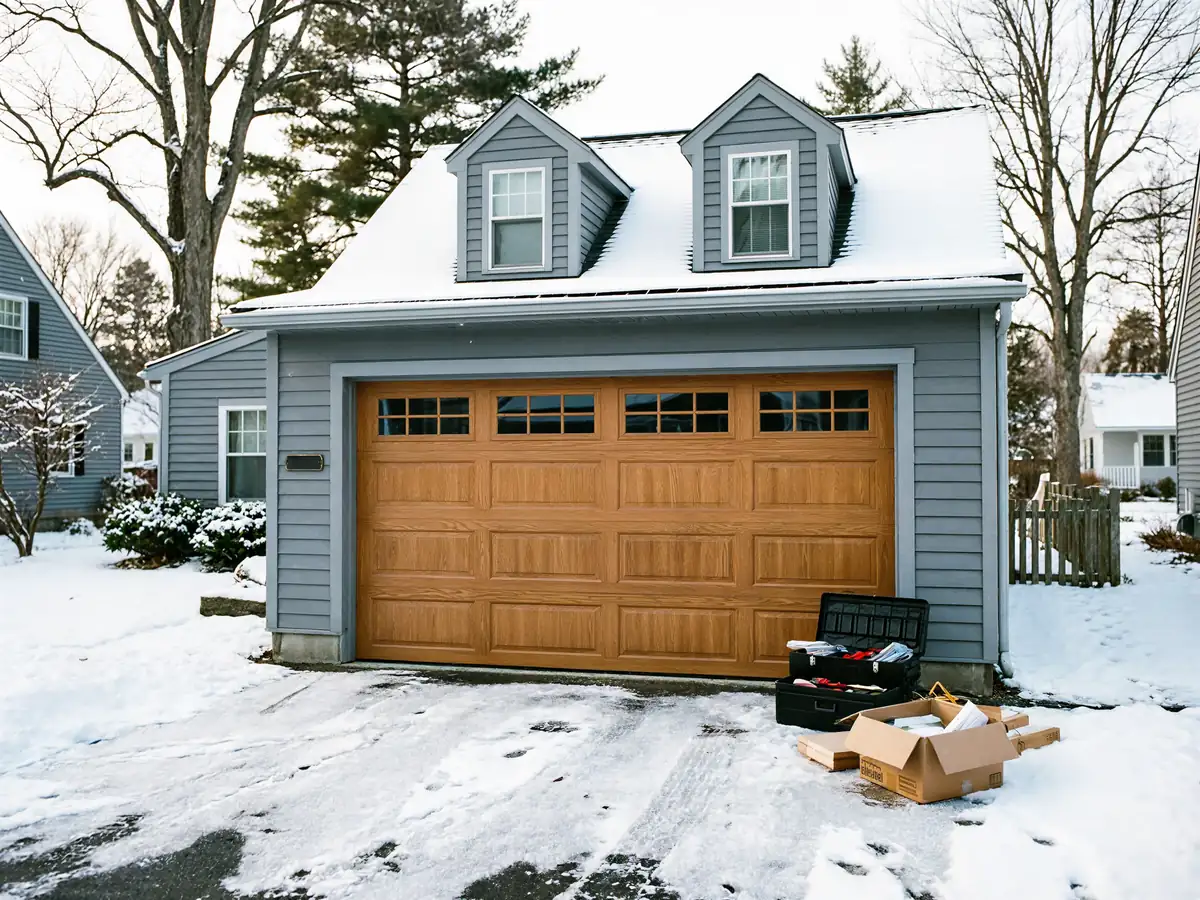
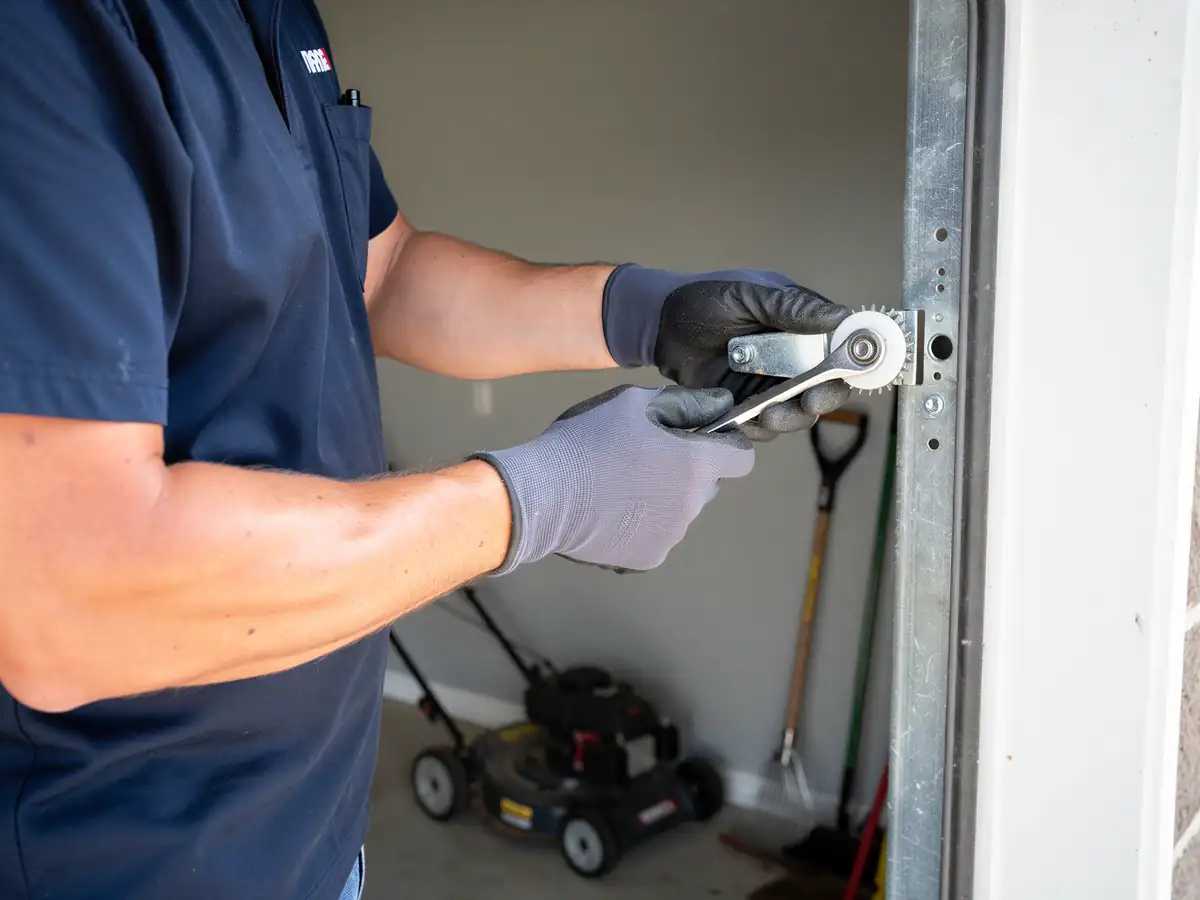
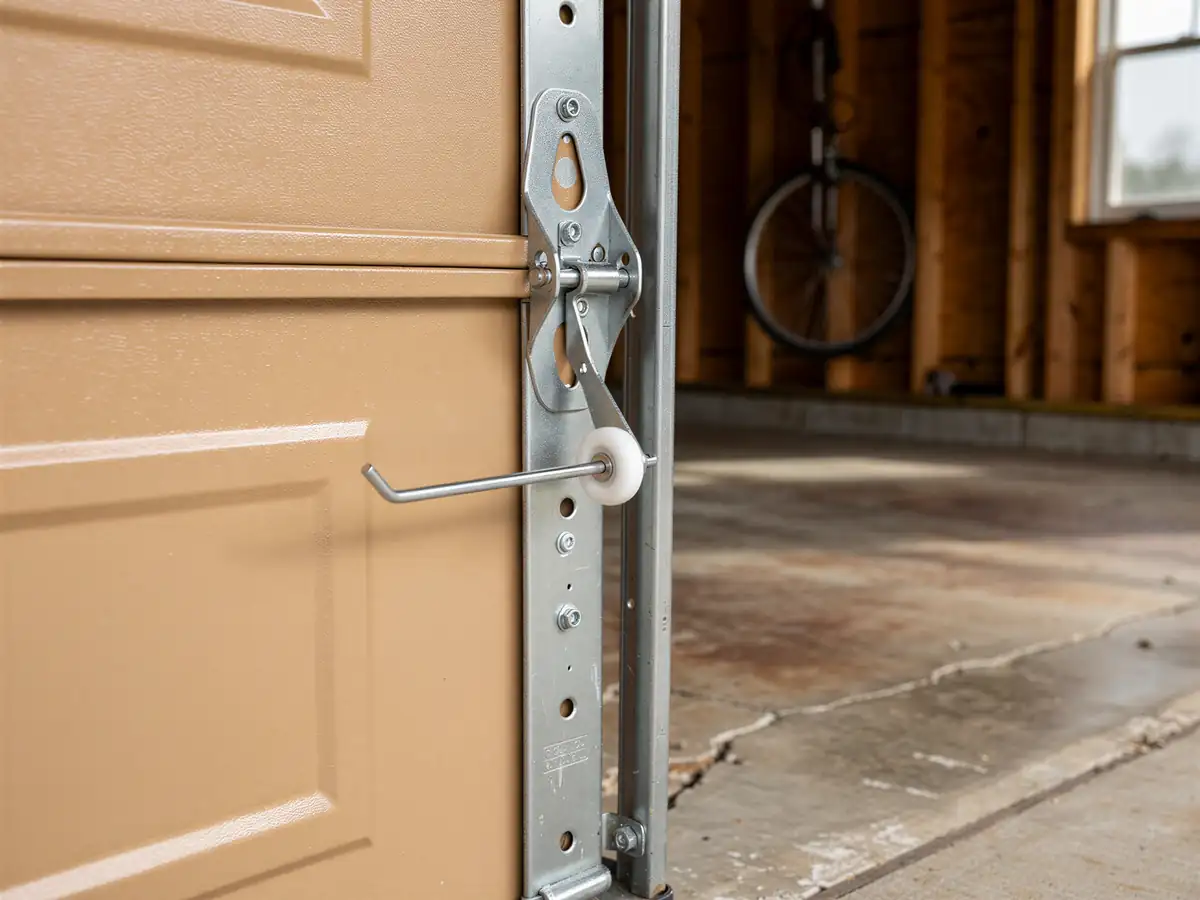
Because so much of Plainville's housing dates to the extension-spring era, the truck carries stock sized for that hardware - the lighter-gauge springs, the pulley and cable sets, the safety cable kits that a lot of original installs skipped. We also carry torsion conversion hardware for owners who want off the extension-spring system for good, along with standard rollers, hinges, and cable for the more routine wear items that show up on any door regardless of age. One honest limit: specialty panels for older single-skin steel doors aren't something we stock, since manufacturers don't keep every profile in production. If your door needs a matching panel rather than a hardware fix, that part may take longer to source than the repair itself.
Why It Happens Here
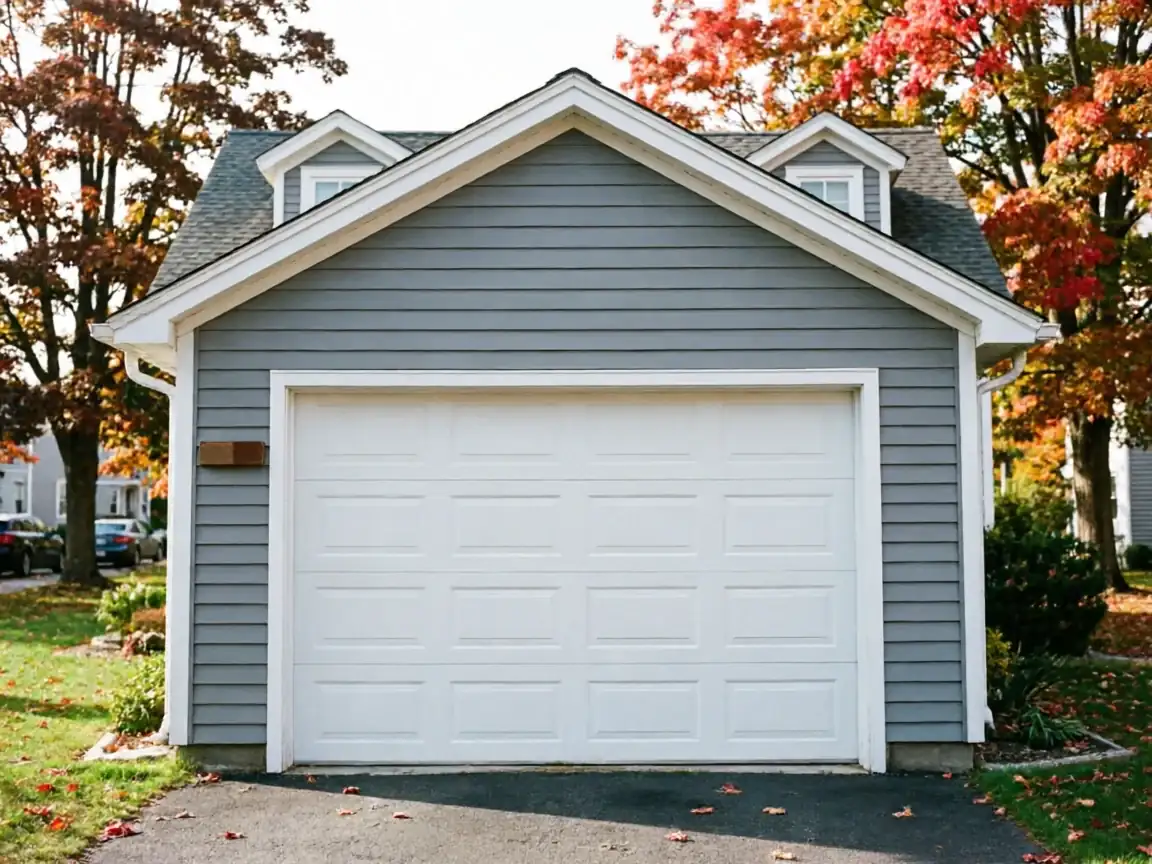
Plainville sits in a cold-climate band with severe winter conditions, and that climate is hard on the specific hardware this town has a lot of. Extension springs lose tension through repeated cold-to-warm cycling faster than torsion springs do, because they're fully exposed along the track instead of enclosed on a shaft. Add in steel panels from the 1970s that weren't insulated the way doors are built today, and you get more flex, more stress on the hinges, and more water finding its way into the bottom seal track over a hard winter. None of this is unique to one house - it's a function of when the neighborhood went up and what the building standards of that era called for. A door built to 1970s spec in a severe-winter zone is going to show its age on a predictable schedule, and that schedule is most of what we're responding to on any given call here.