The Symptom
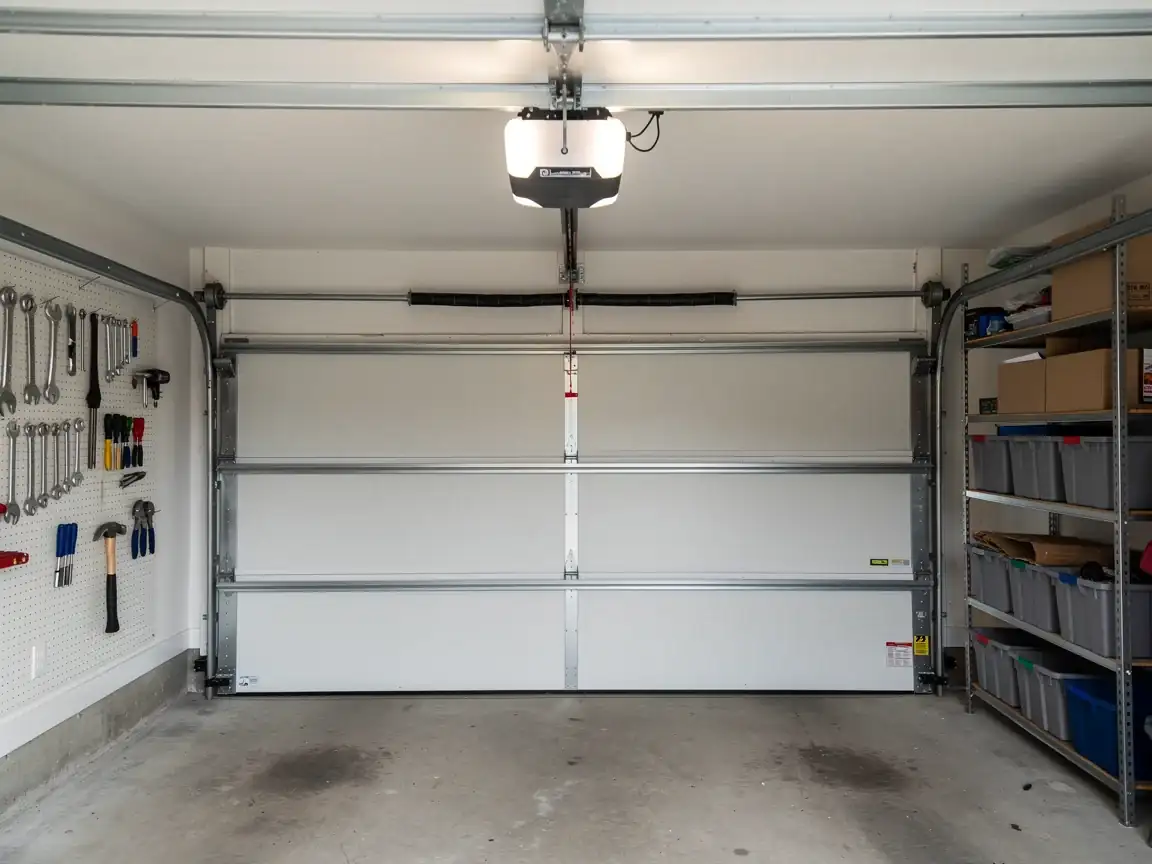
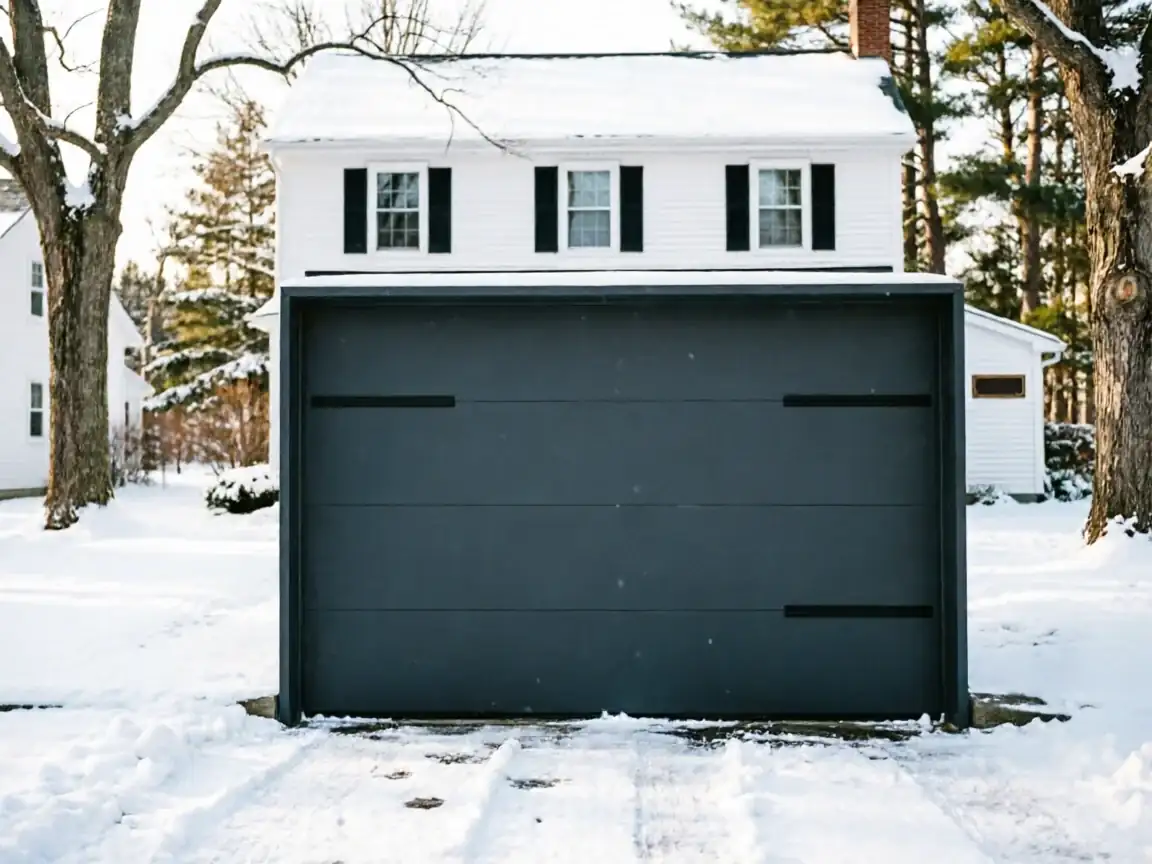
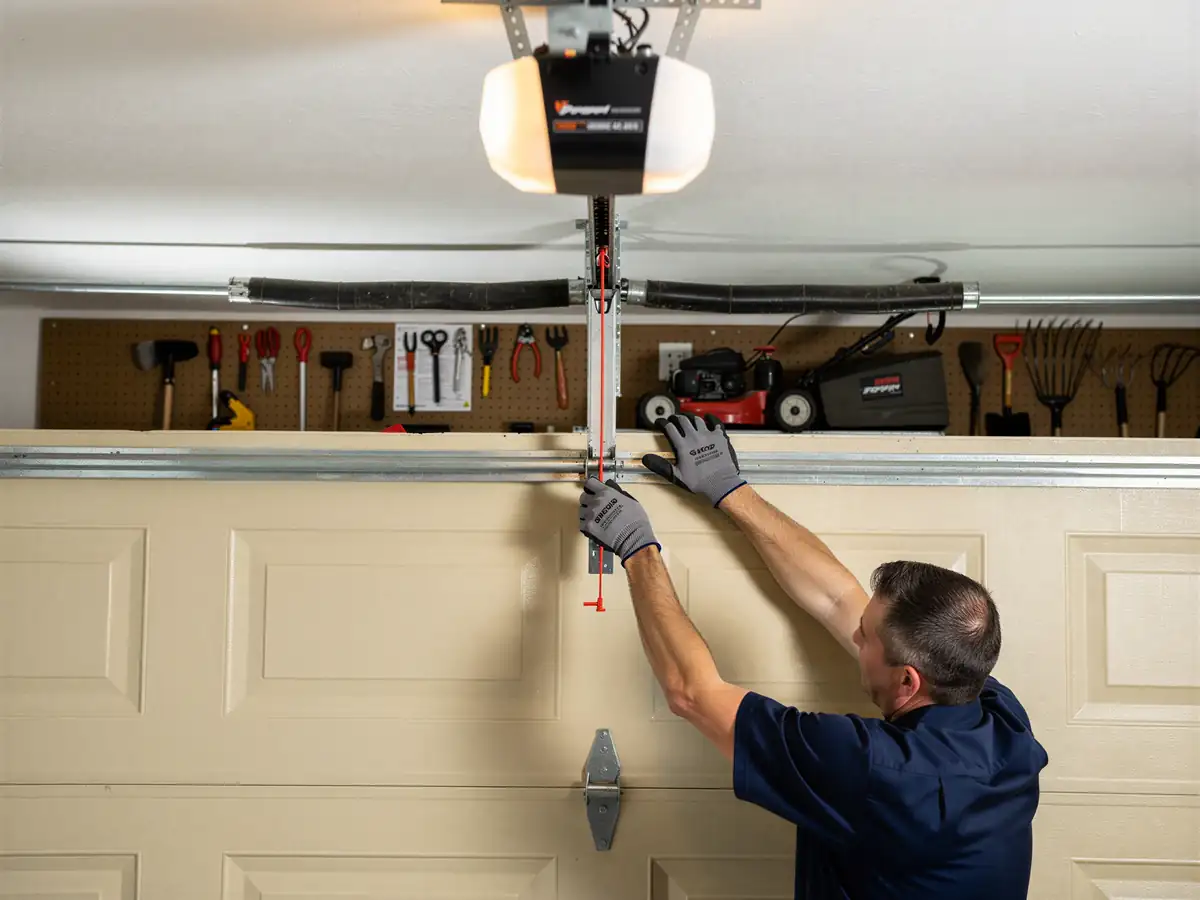
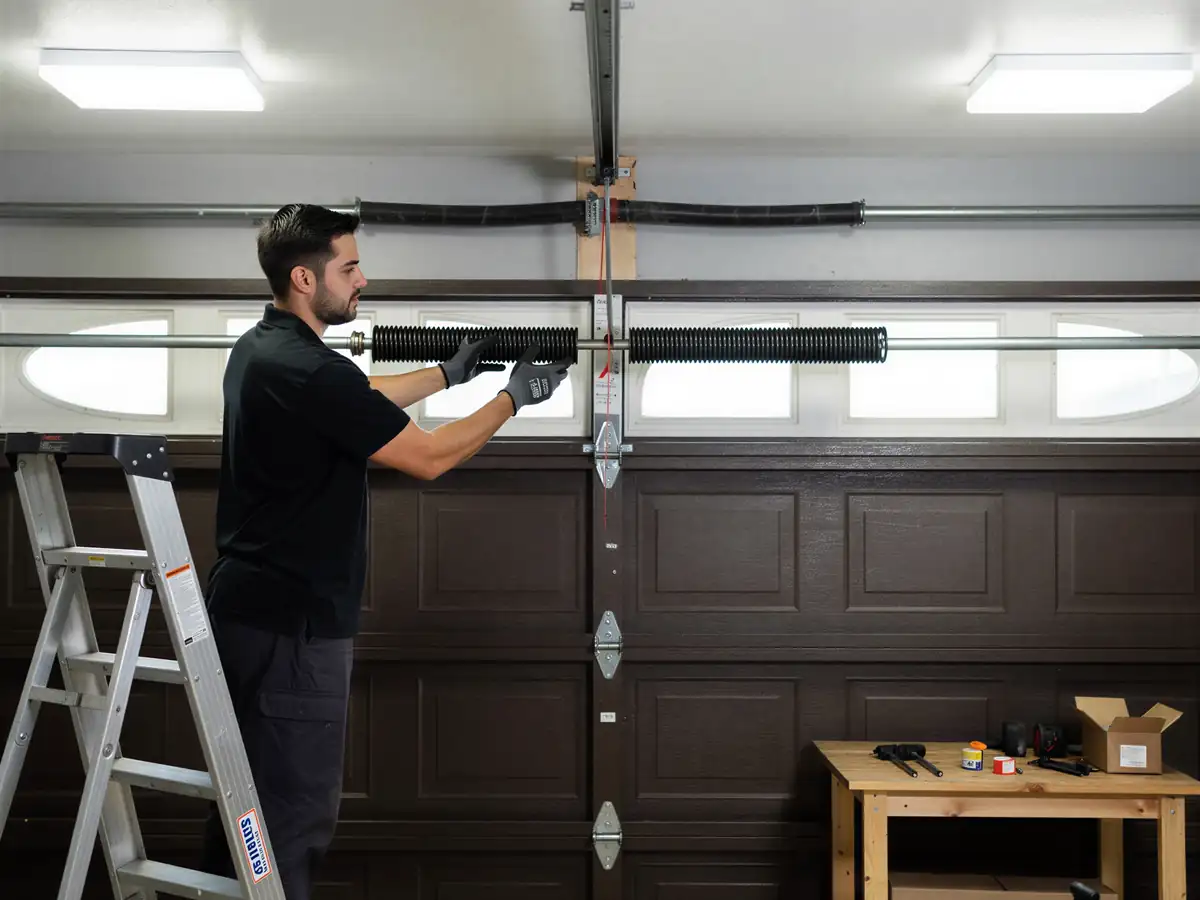
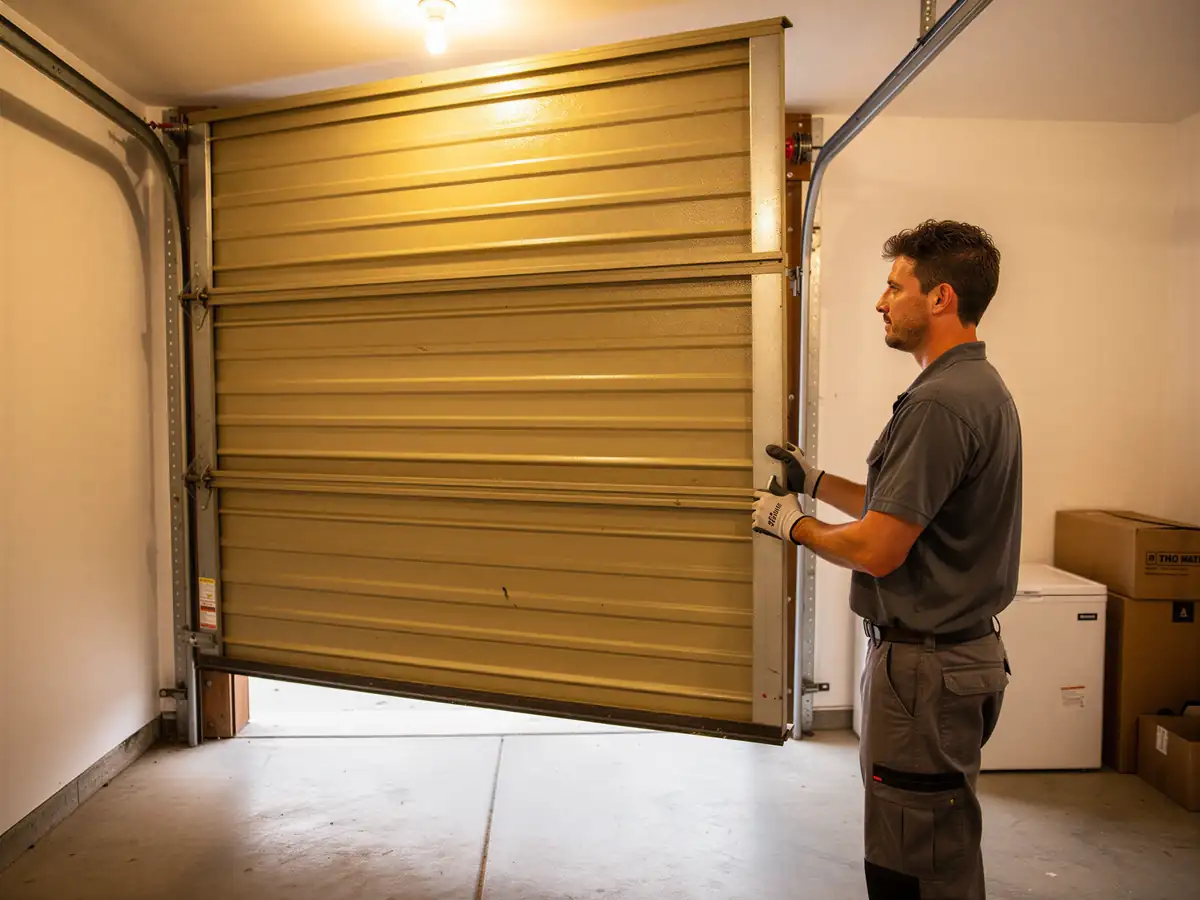
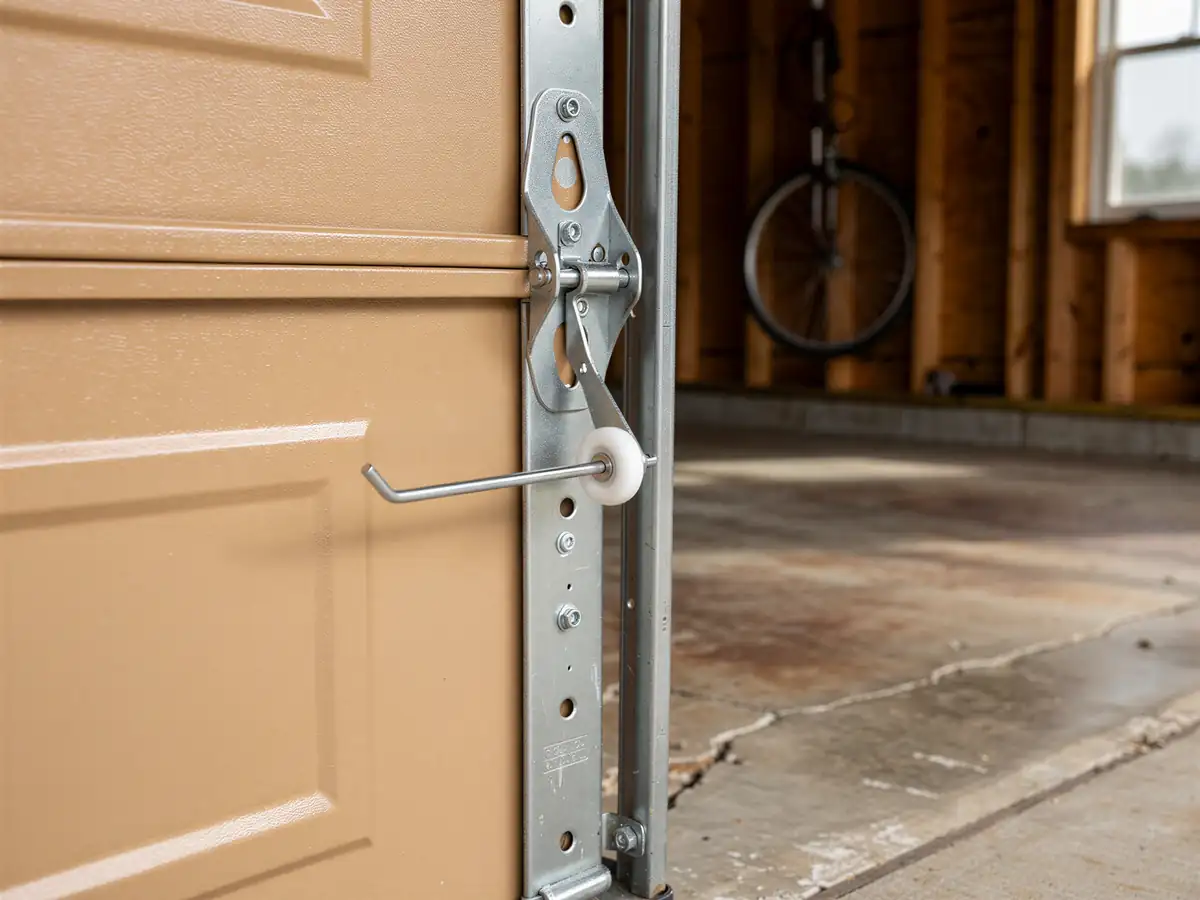
Most garages in Plainville went up around 1970, and a lot of the doors on those houses are still running the steel rollers that came with the original track. You hear it before you see it: a grinding rattle every time the door opens, worse in winter when the grease has gone stiff and the steel has had decades to wear a groove into itself. Some owners describe it as a shopping-cart sound, or a door that shudders instead of gliding. That's a roller problem, not a spring or opener problem, and it's common here because the housing stock is old enough that a lot of original hardware never got touched. If your door has been making that noise for months and you've just been living with it, you're not alone - and it doesn't get better on its own. Rollers wear a flat spot eventually, and once that happens, the door starts binding in the track, which puts extra strain on the opener and the cables. Catching it now instead of after it jams is the cheaper problem to have.
Time on the Job
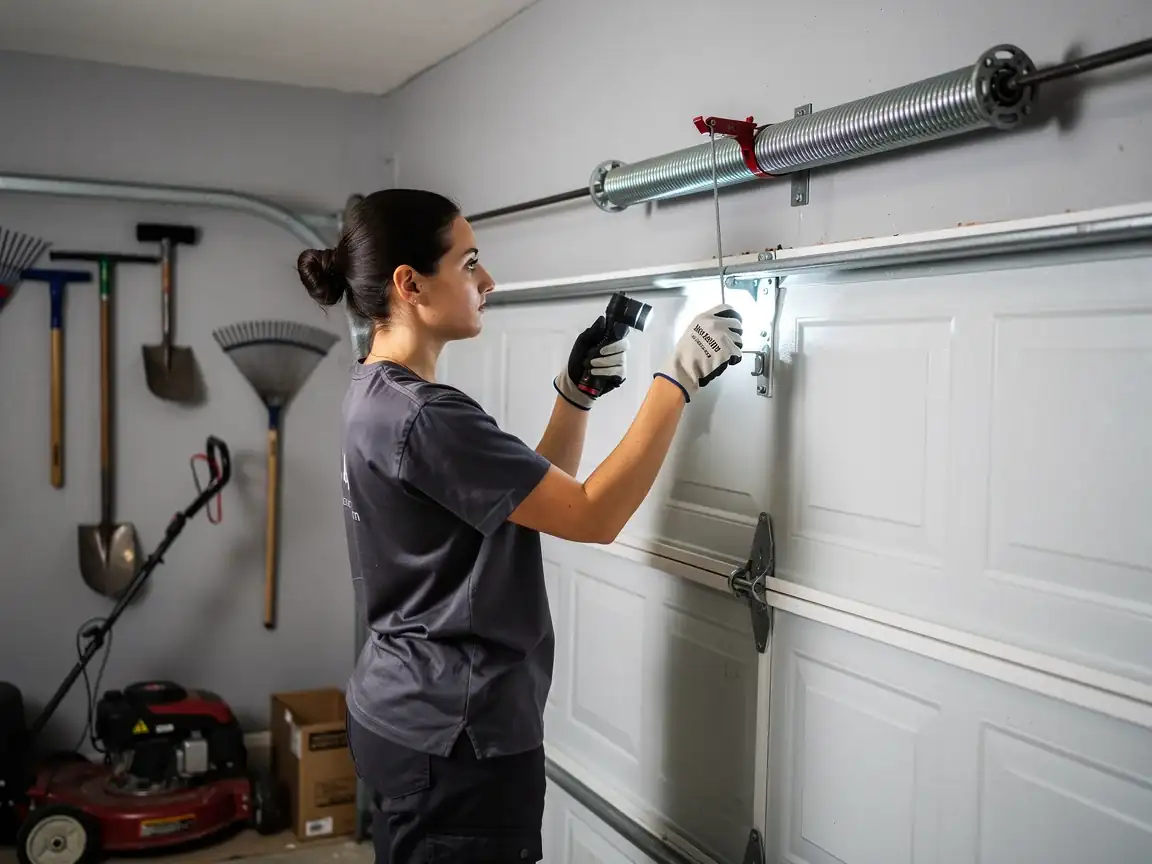
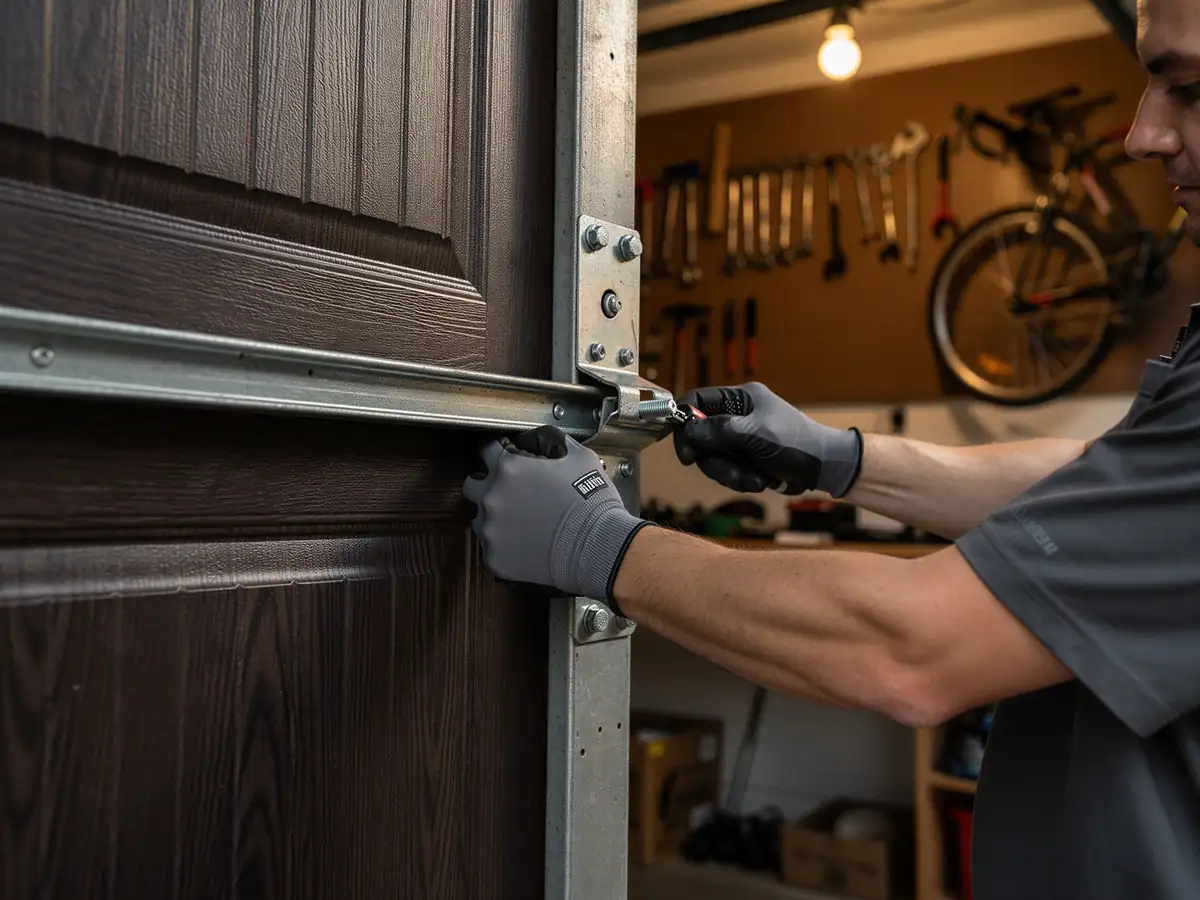
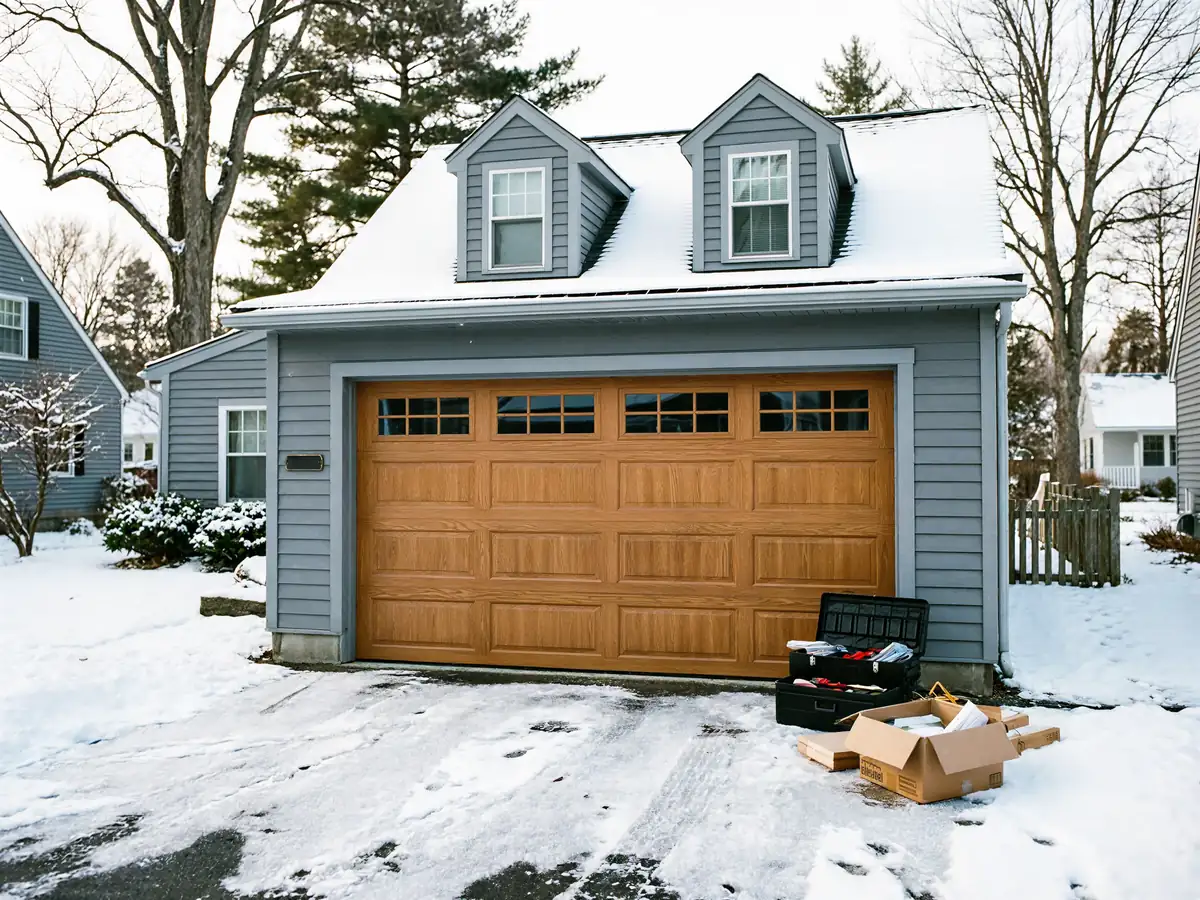
A straight roller swap on a double door, both tracks, usually runs under two hours once we're set up. If the track itself is bent or grooved from thirty-plus years of steel-on-steel contact - common on doors this old - we budget more time to true it back up or replace a section. We come from Bristol, about four miles out, so travel isn't the long part of the visit; the work itself is what takes the time, especially when the hinges holding those rollers have also worn oversized and need swapping along with them.
What Is on the Truck
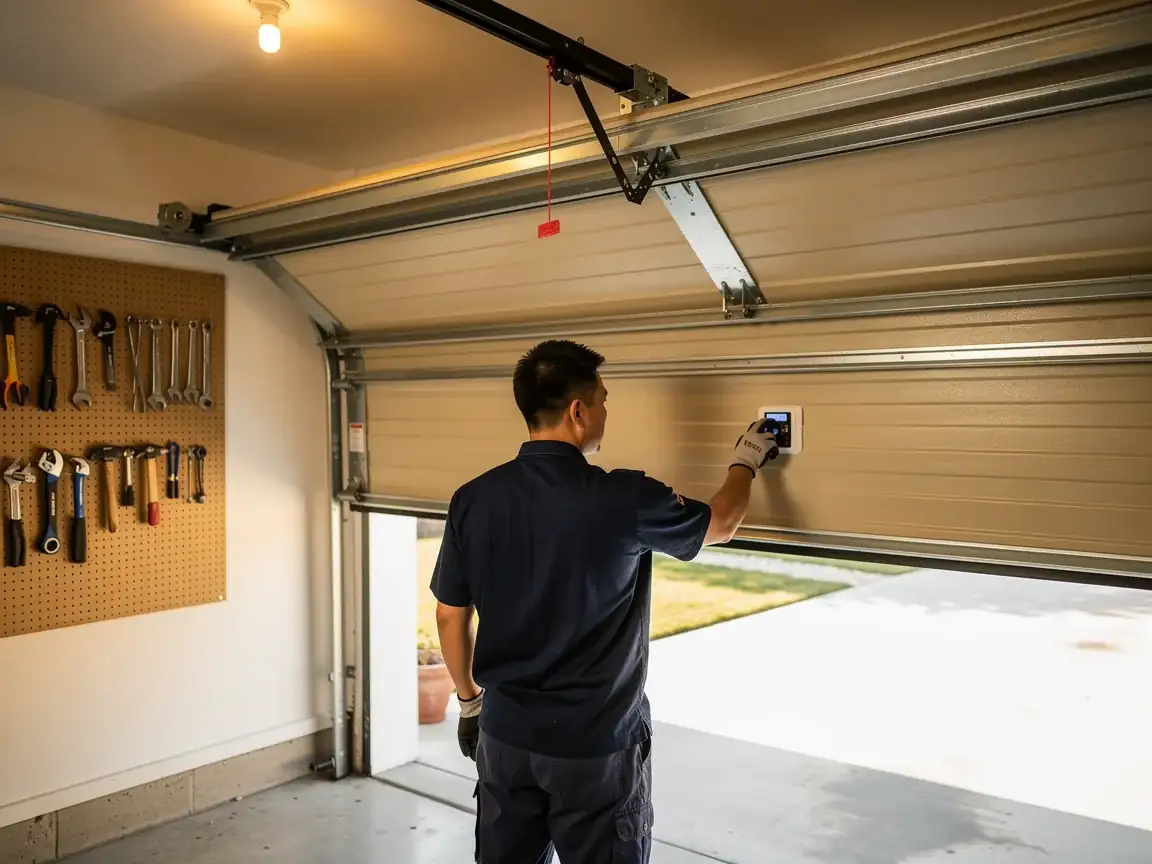
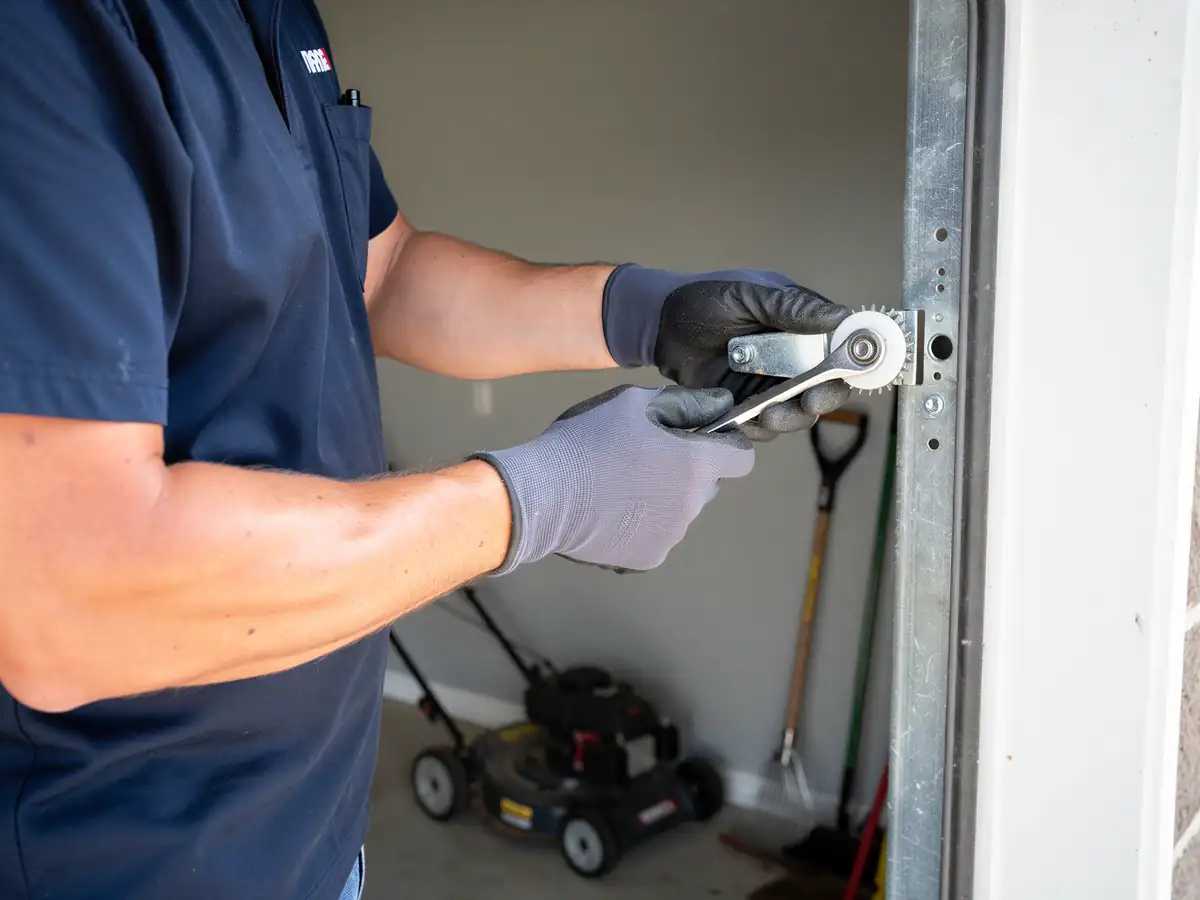
We carry nylon rollers in the stem lengths that fit both the older steel track profiles and the newer extruded ones, because a lot of Plainville garages still have the original track from whenever the house was built - somewhere around 1970 for most of this area. We also carry replacement hinges, since a worn hinge hole is what usually lets a roller wobble and wear unevenly in the first place. What we don't carry is every obsolete bracket from every era of door; on rare jobs where the track hardware is a discontinued design, we may need to order a part rather than finish same-visit. That's the honest limit - most jobs finish in one trip, but not every fifty-year-old track is still in production.
Why It Happens Here
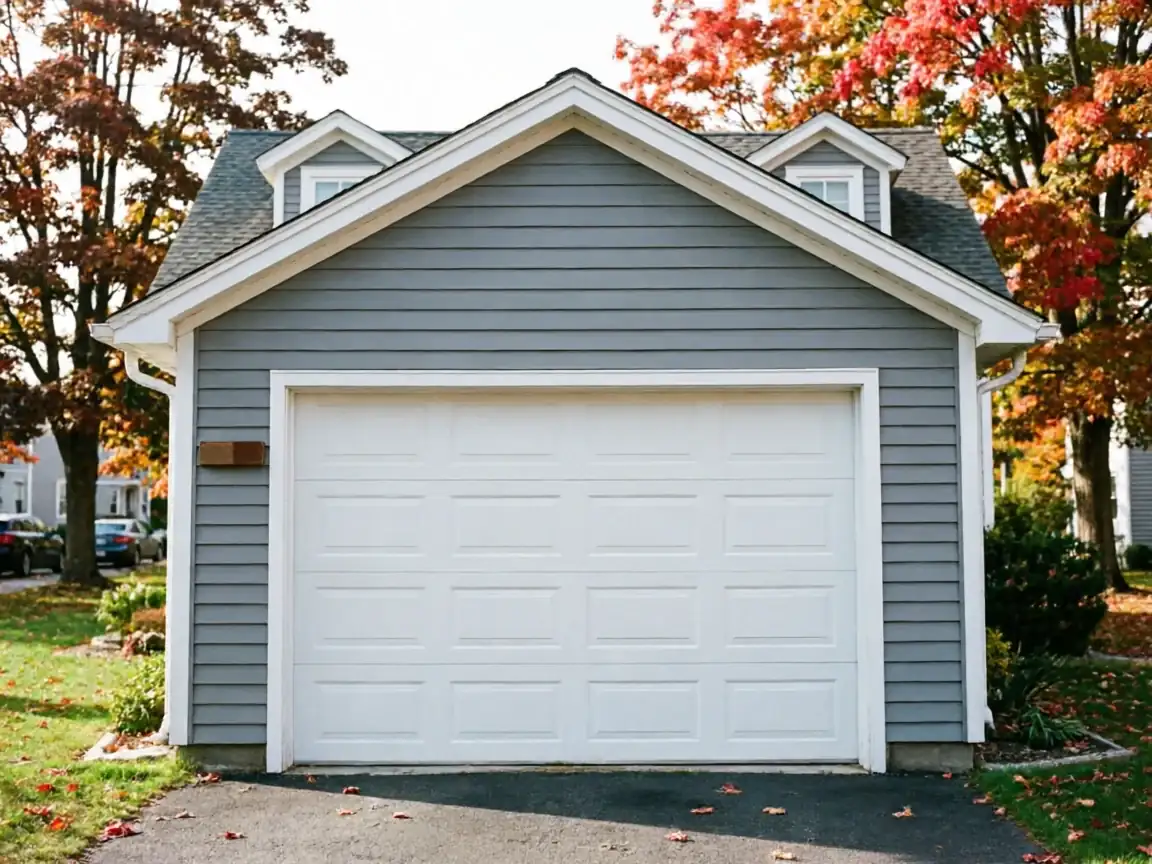
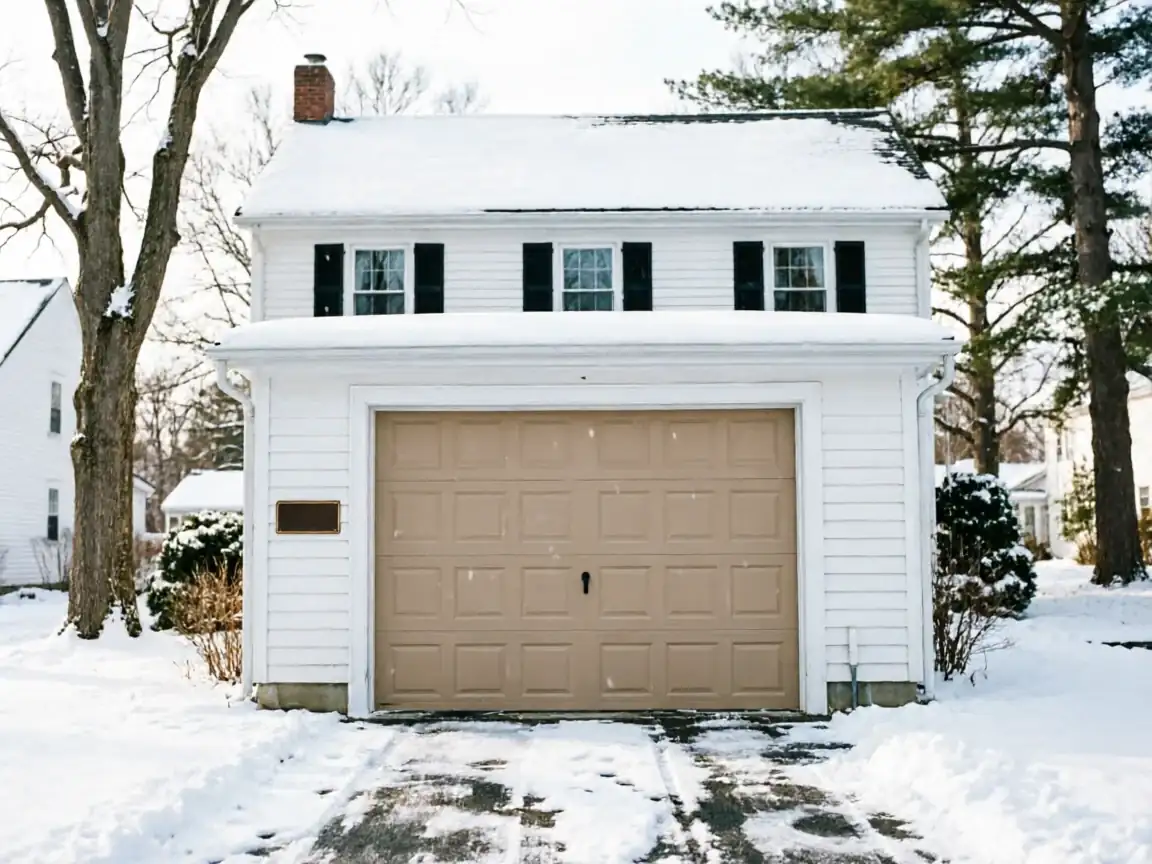
Plainville's housing stock centers on 1970, which lines up with the wider area's build range of 1938 to 1986. Doors from that era were hung with steel rollers as a matter of course - nylon wasn't standard equipment yet. Steel rollers don't fail outright the way a spring snaps; they wear slowly, and the noise creeps up over years until it's just how the door sounds. Add the climate here - full winters with real cold - and the grease in old roller bearings thickens and dries out faster than it would in a milder zone, which speeds up the wear. A door that's 50 years old with its original rollers has had a long run; replacing them now is maintenance, not an emergency repair.