What Can Go Wrong
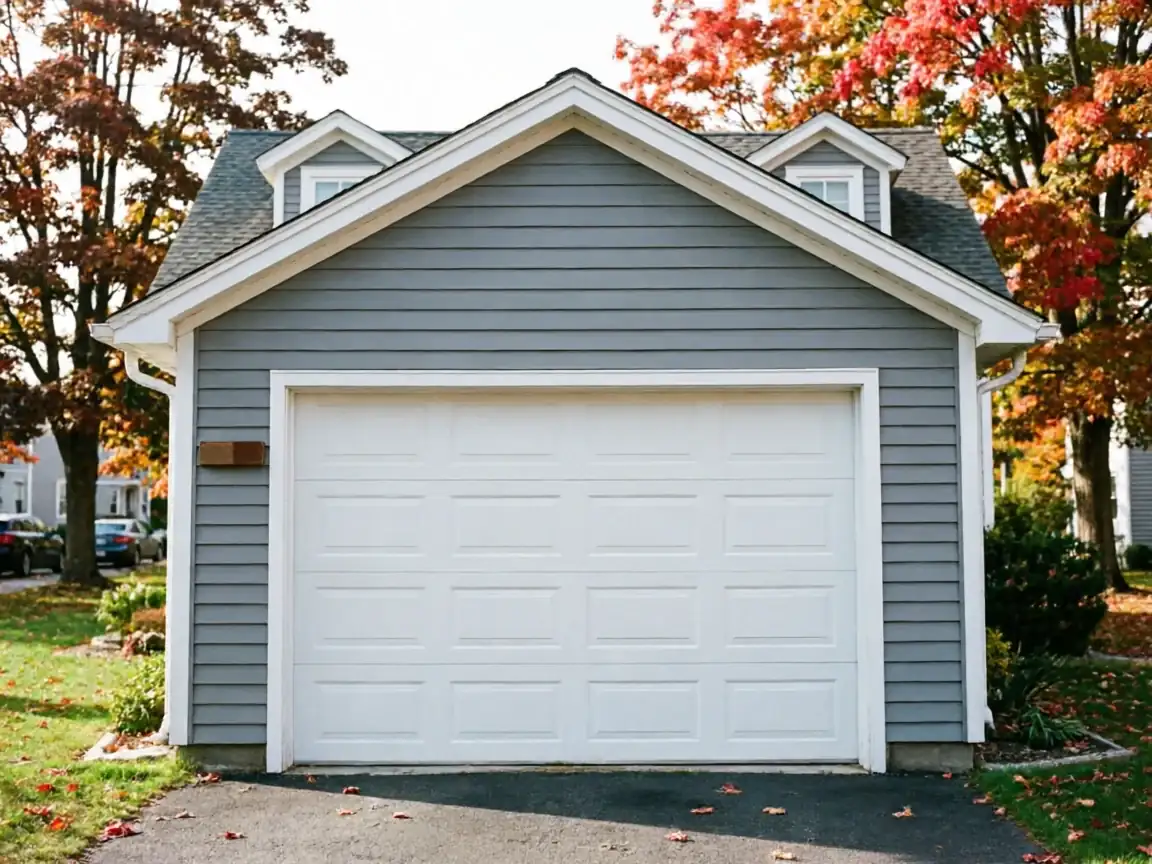
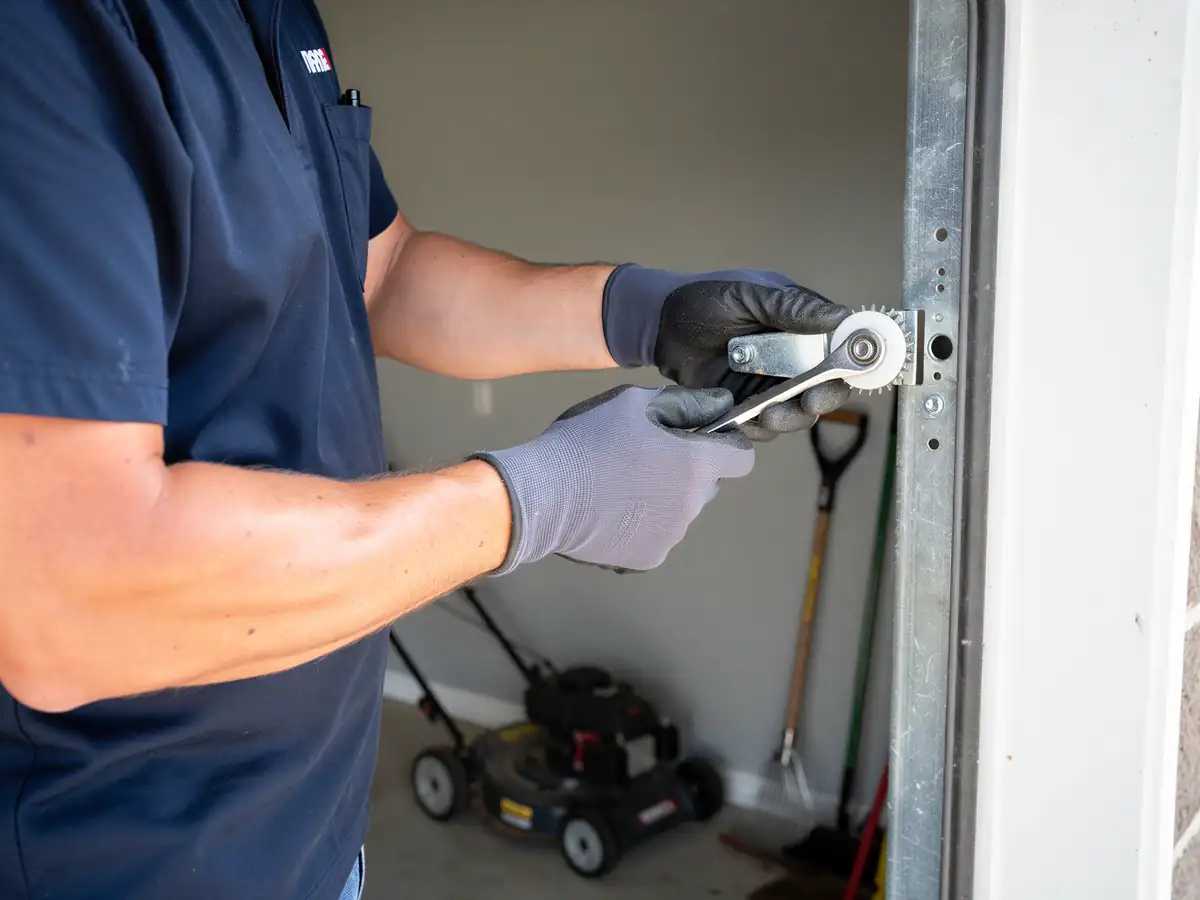
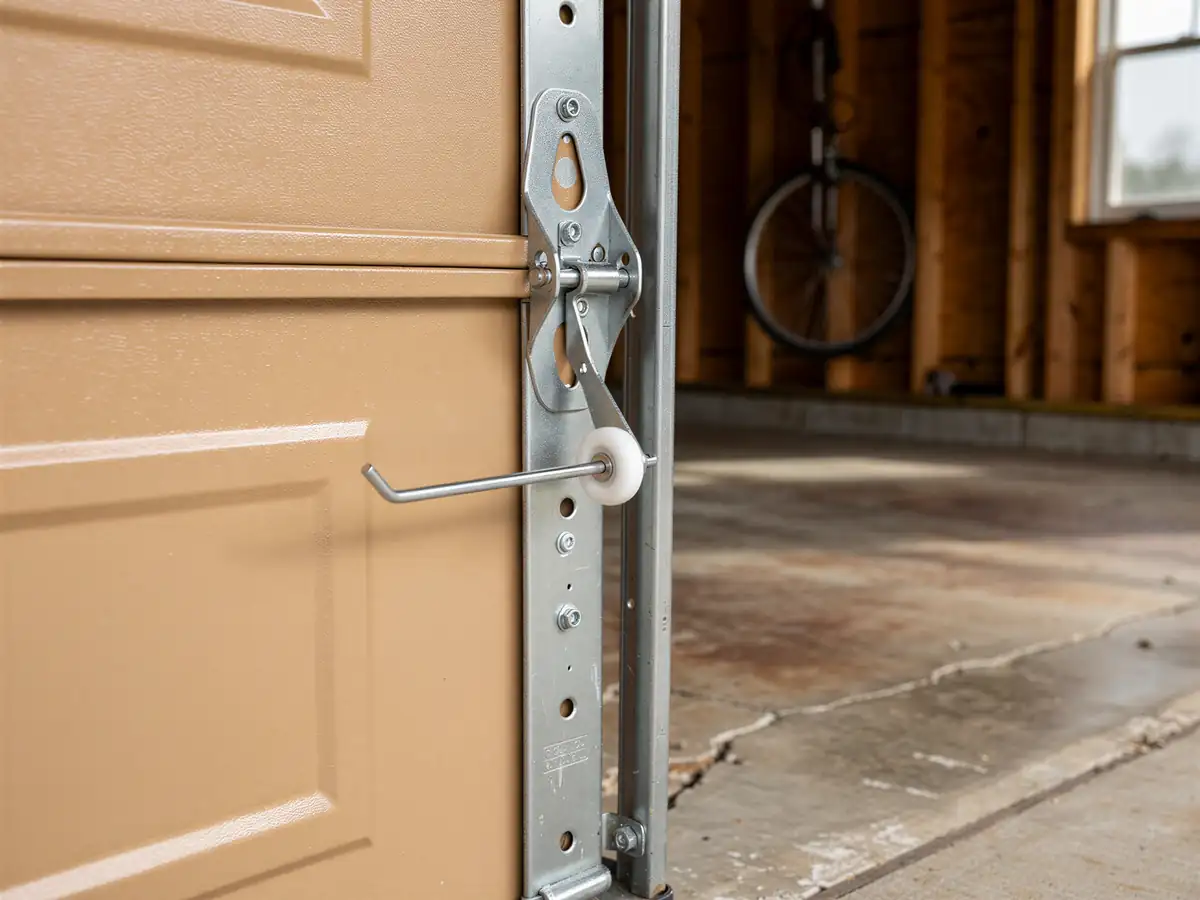
Wolcott's median household income runs $114,406, well above the wider service area's $107,435, and that changes the math on a broken spring. At this income level, a $200-400 torsion spring job is an easy yes, and a full door replacement is affordable too if the door itself is shot. The repair-or-replace line here isn't about what people can afford - it's about what the door is worth saving. A door from the early-to-mid 1970s with an intact frame and working track is almost always worth a spring job over a tear-out. What goes wrong on these doors: the torsion spring winds down over years of cold-weather cycling, the galvanized coating pits, and eventually a coil snaps, usually in deep winter when the steel is coldest and most brittle. Cable fraying at the drum follows close behind, since original cable on a 50-year-old door has outlived any reasonable service life. We're not guessing at a build date - Wolcott's housing stock sits in the 1938-1986 range common across this part of the service area, with this town's own median landing at 1973.
The Symptom
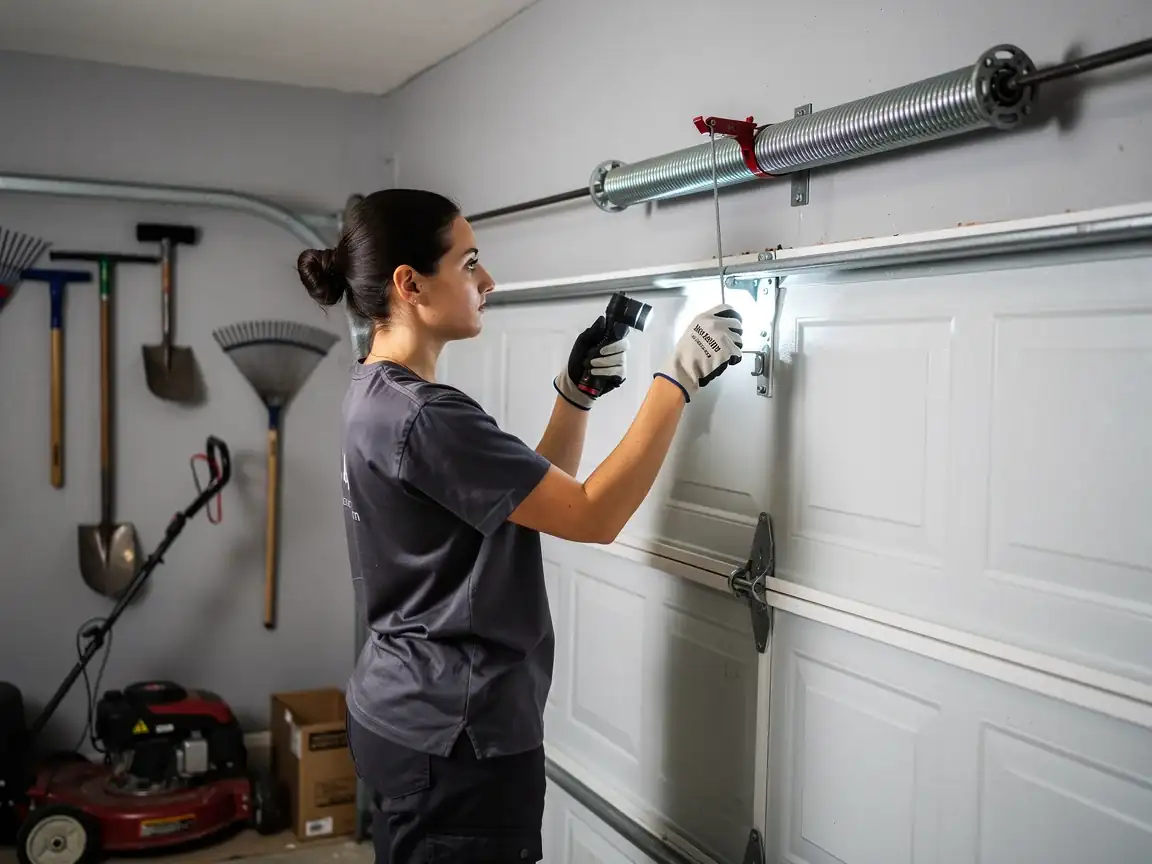
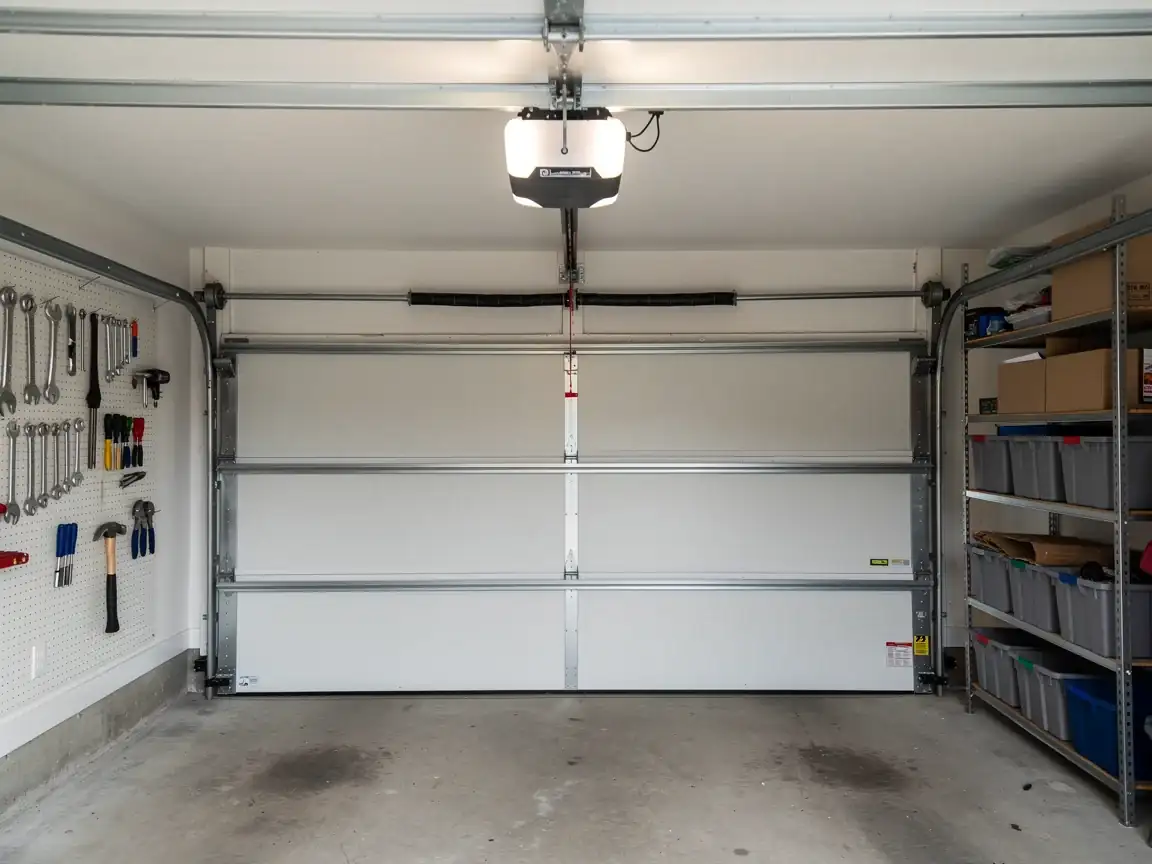
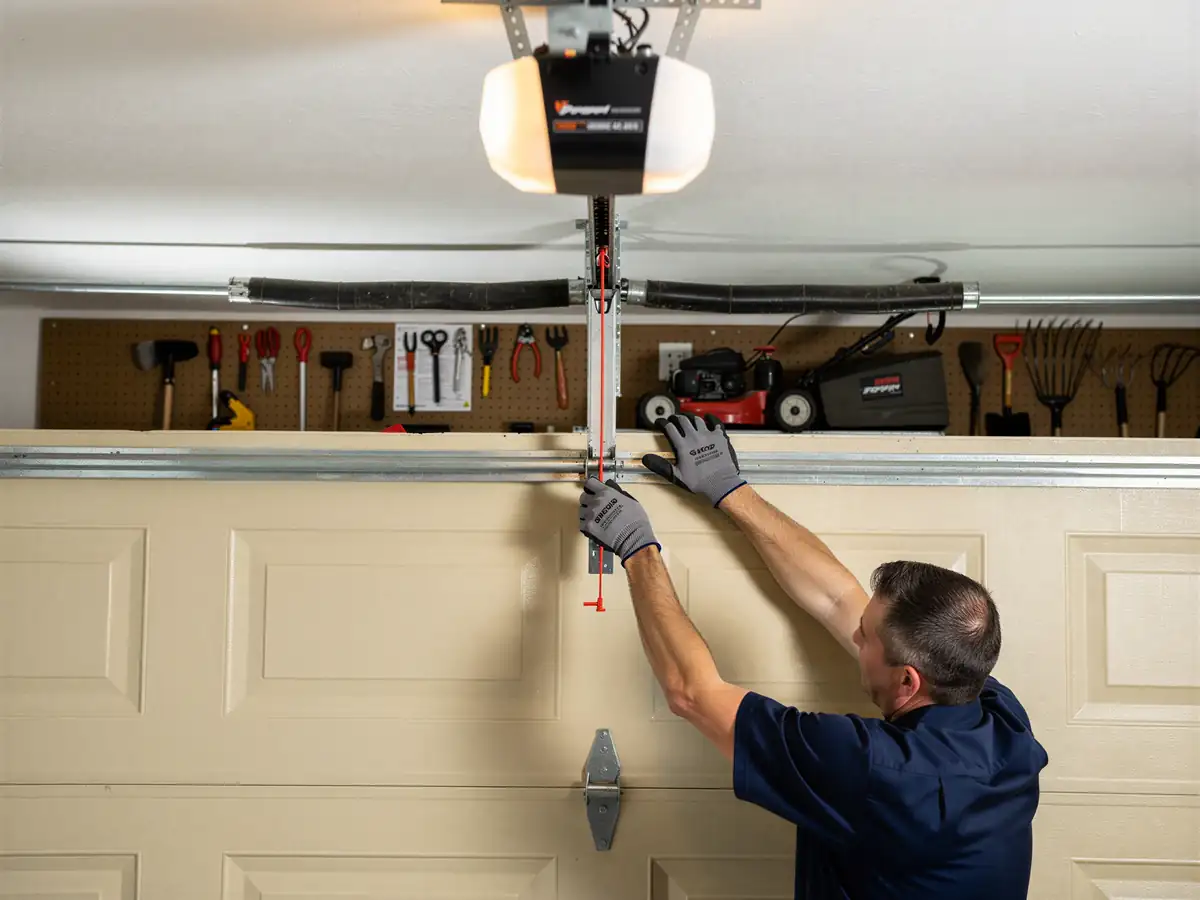
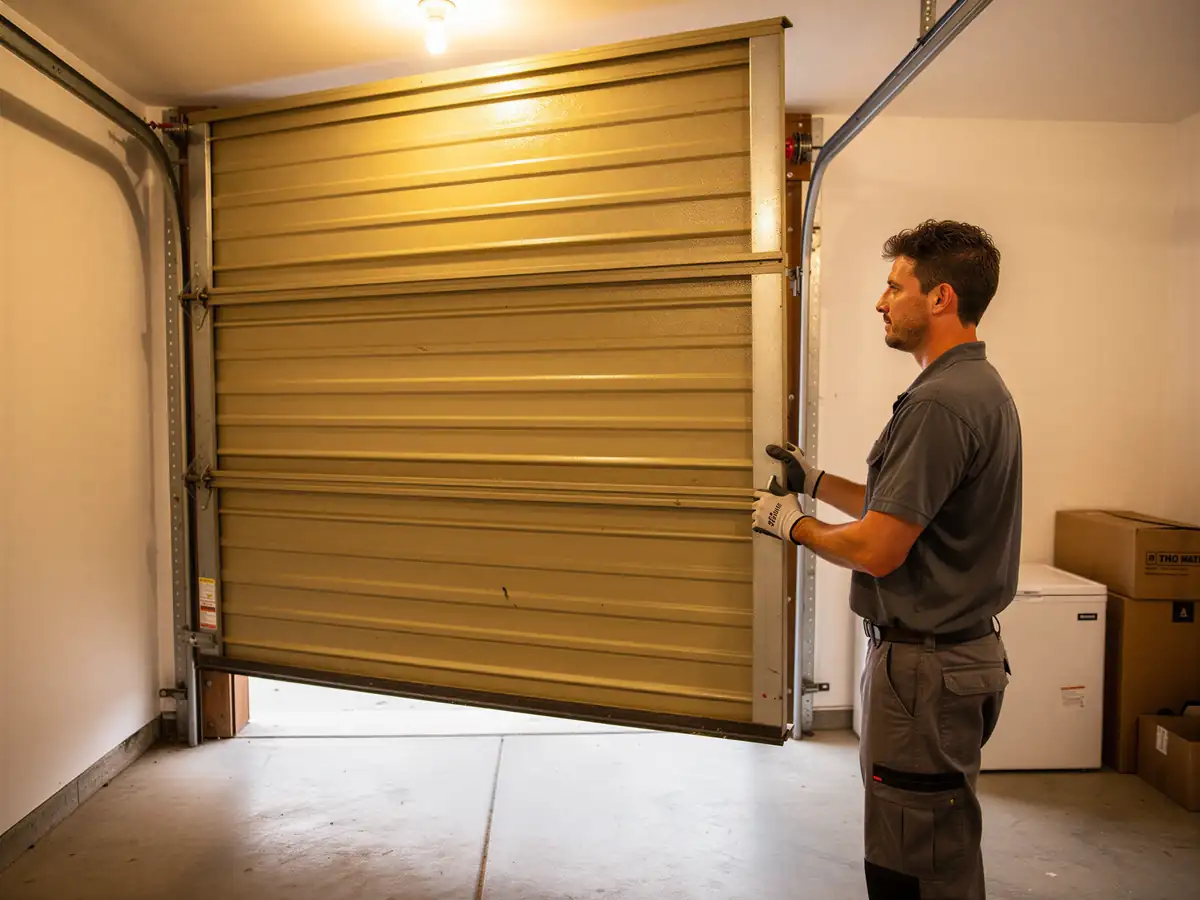
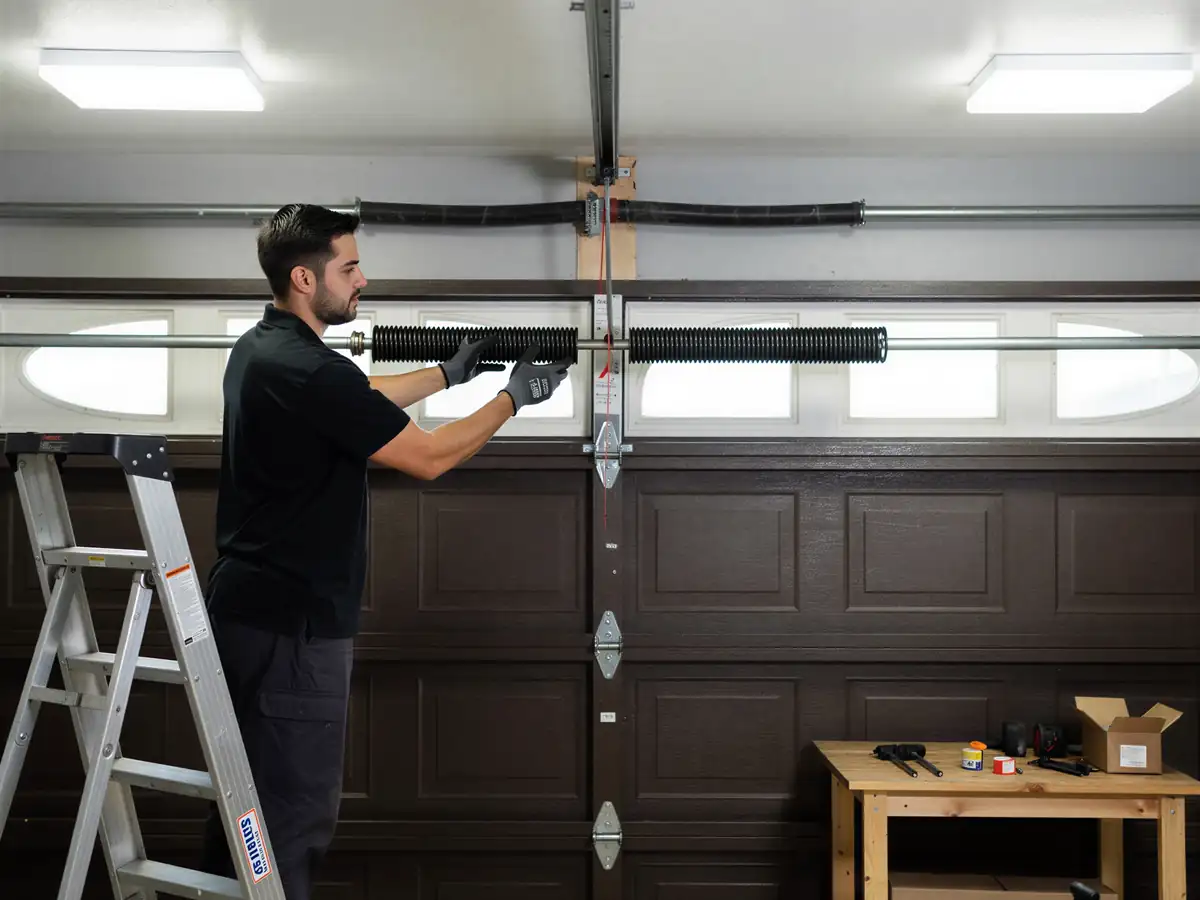
The door won't stay up on its own, or it slams down the last two feet instead of lowering under control. That's a spring that's lost tension, not an opener problem, even though most people call about the opener first. If you pull the release cord and the door is heavy to lift by hand, suddenly instead of smoothly, the spring is doing less work than it used to, or none at all. A loud bang from the garage, often in the morning after a cold night, is usually the spring letting go outright. This area sits in a severe cold climate band, and torsion springs here see more freeze-thaw stress over a winter than the same part would see somewhere milder - the steel contracts, the winding gets stiffer, and a spring that's already fatigued finds its breaking point on the coldest mornings rather than gradually. If your door is from the early '70s and you've never replaced the spring, you're overdue, cold snap or not.
Doing It Yourself
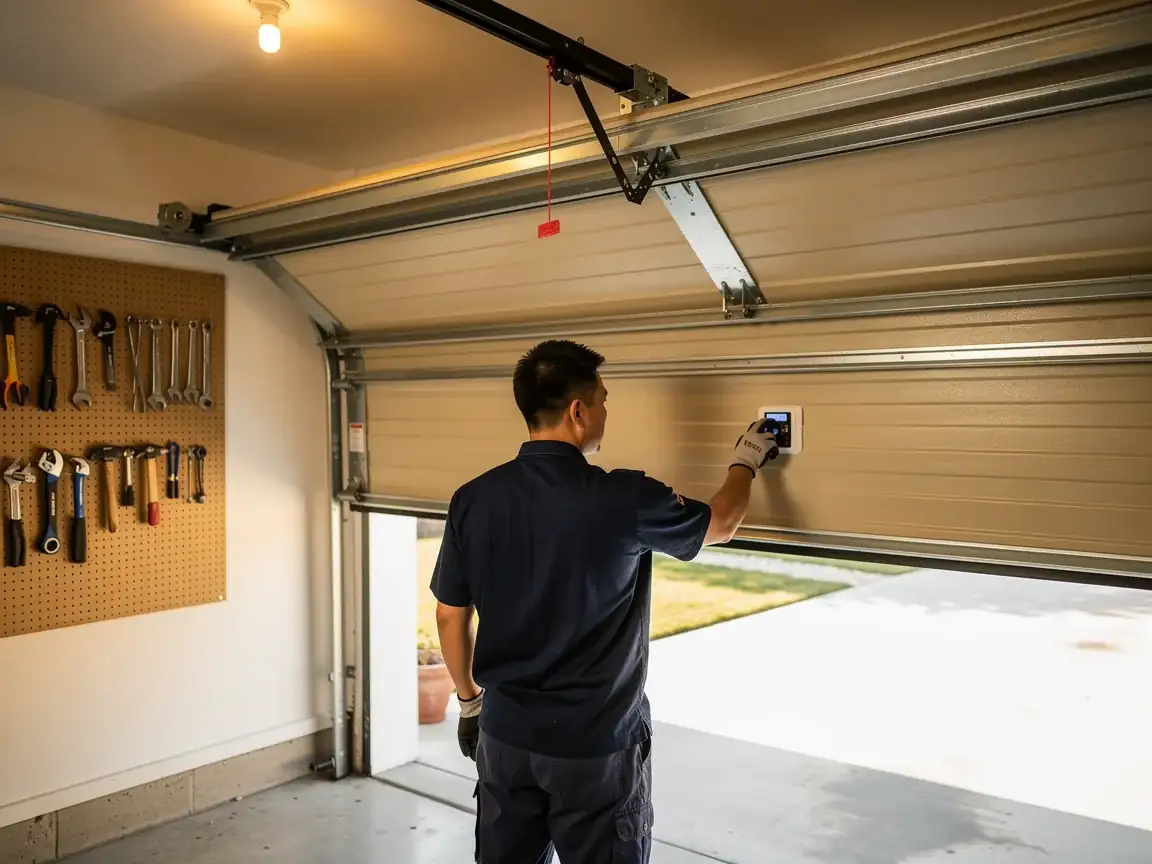
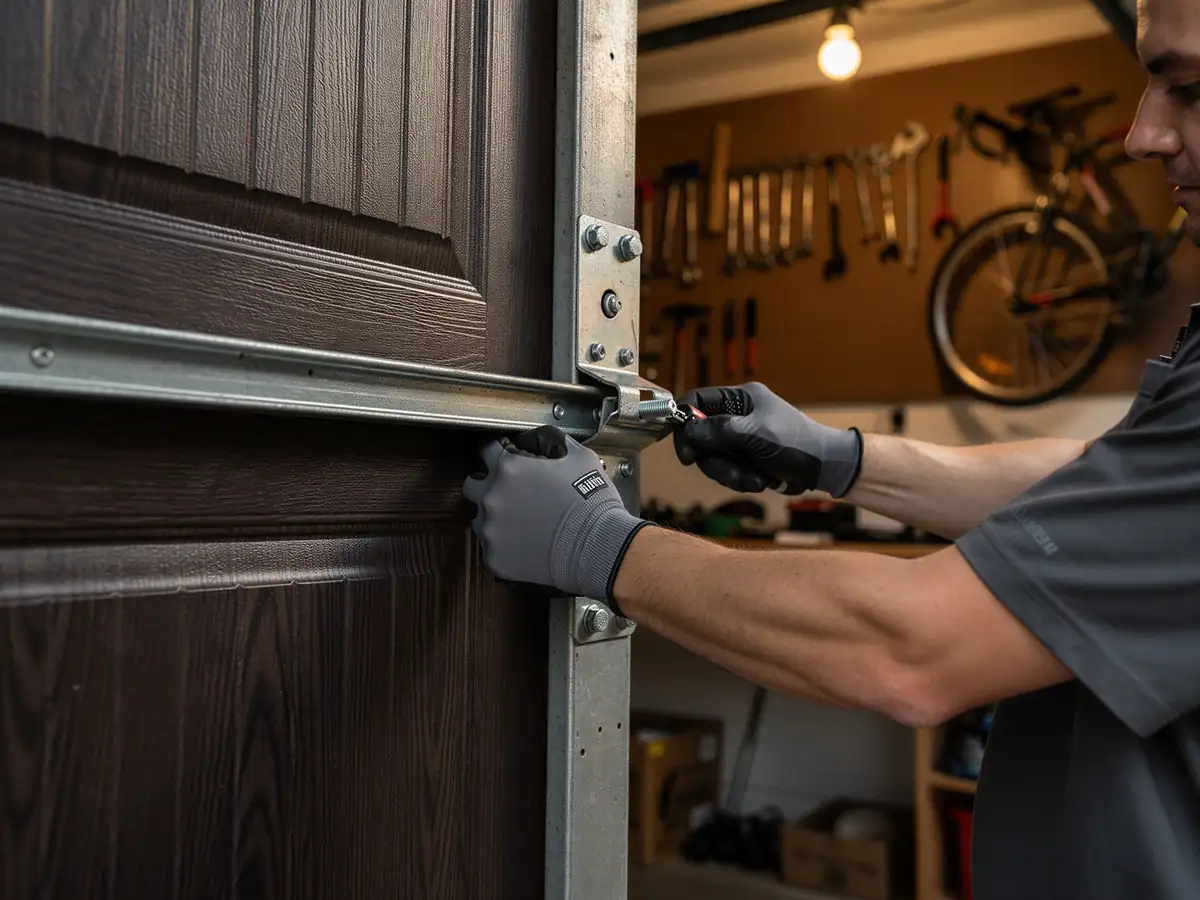
Don't. A wound torsion spring holds enough stored energy to break a wrist or worse, and the winding bars and clamps needed to do it safely aren't something most garages have lying around. Where a homeowner can help themselves: listen for the warning signs above before the spring fails completely, keep the track clear of debris, and don't keep forcing an opener against a door that's clearly off-balance, since that just burns out the opener motor on top of the spring problem. If you want to confirm it's actually the spring and not the opener, disconnect the opener and try lifting the door by hand with the power off - if it's heavy or uneven, that's your answer, and it's a call for a torsion spring job, not a wrench and an afternoon.