What Can Go Wrong
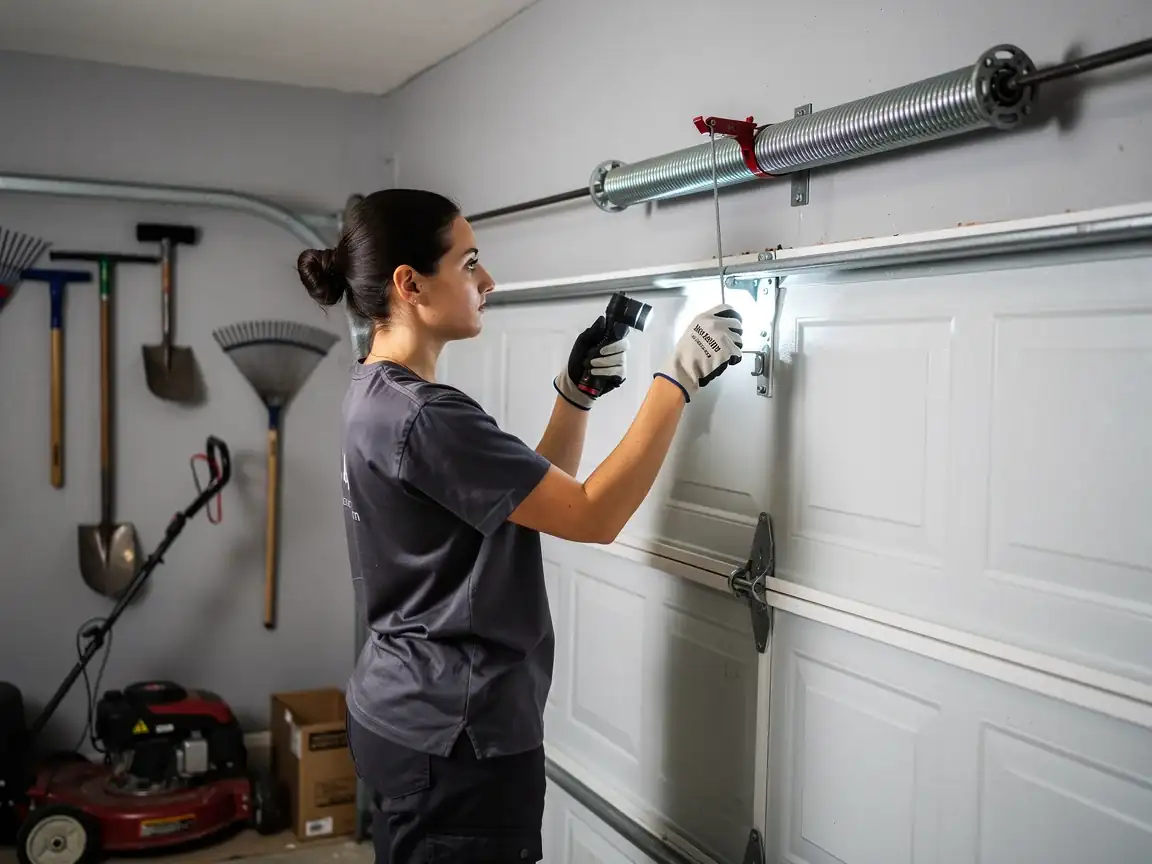
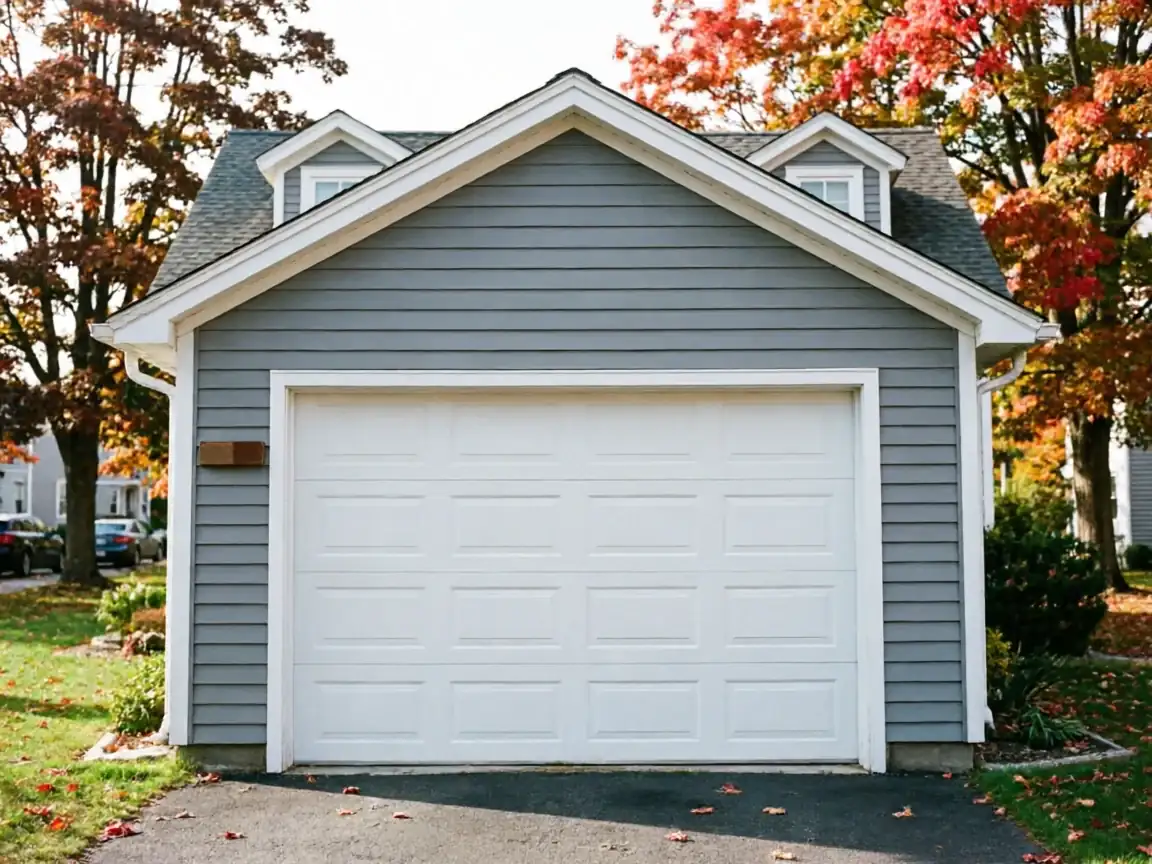
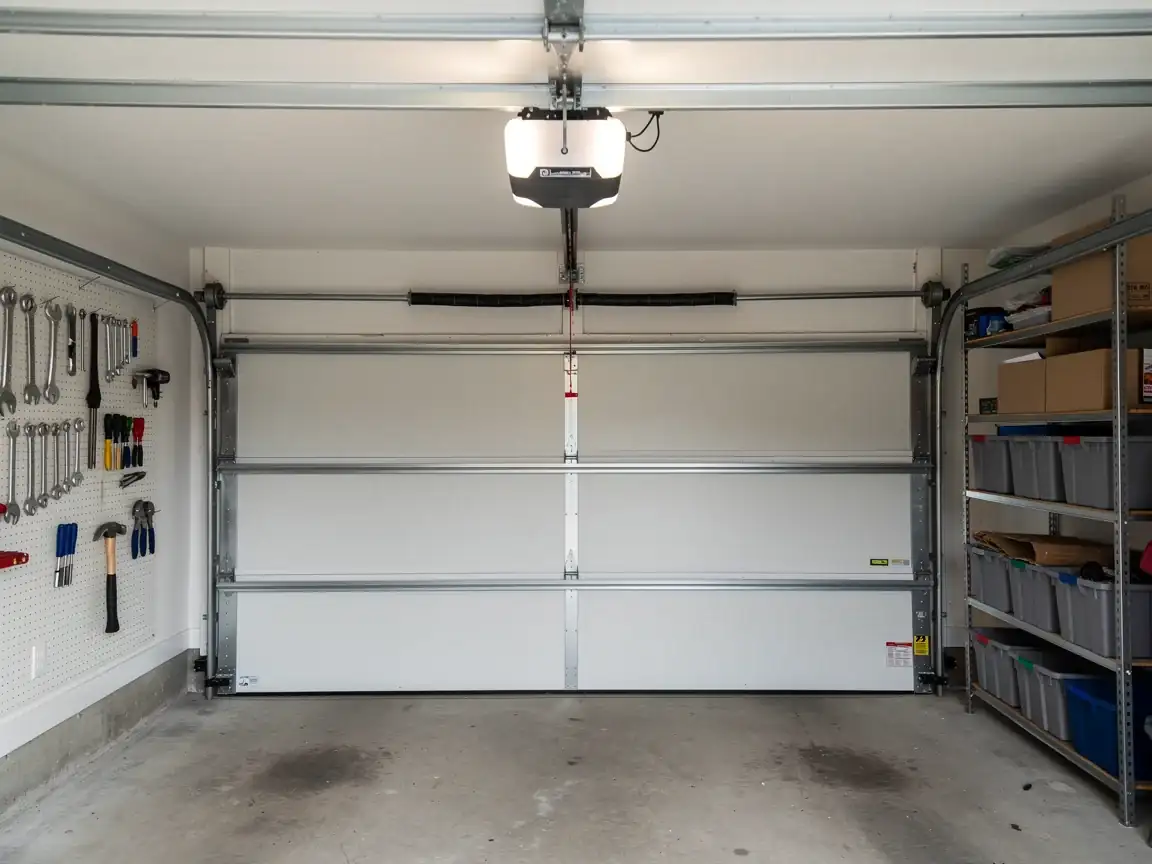
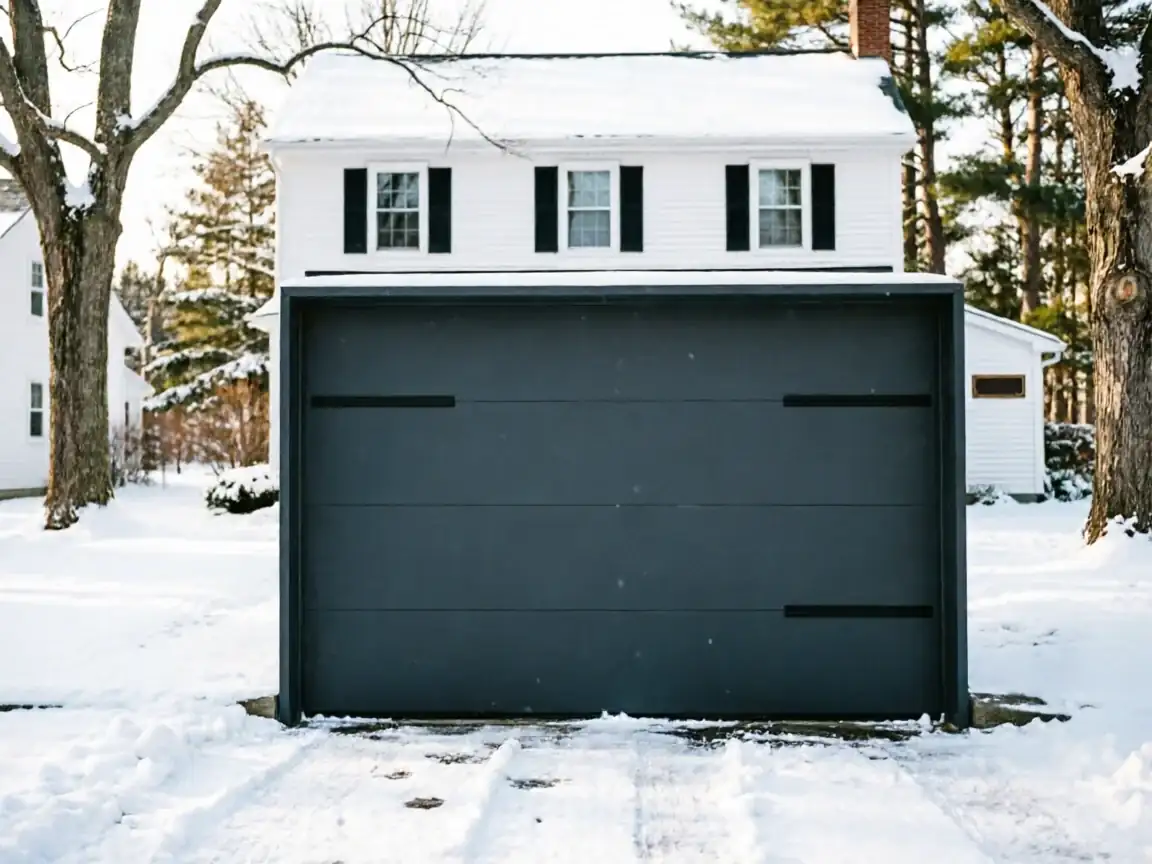
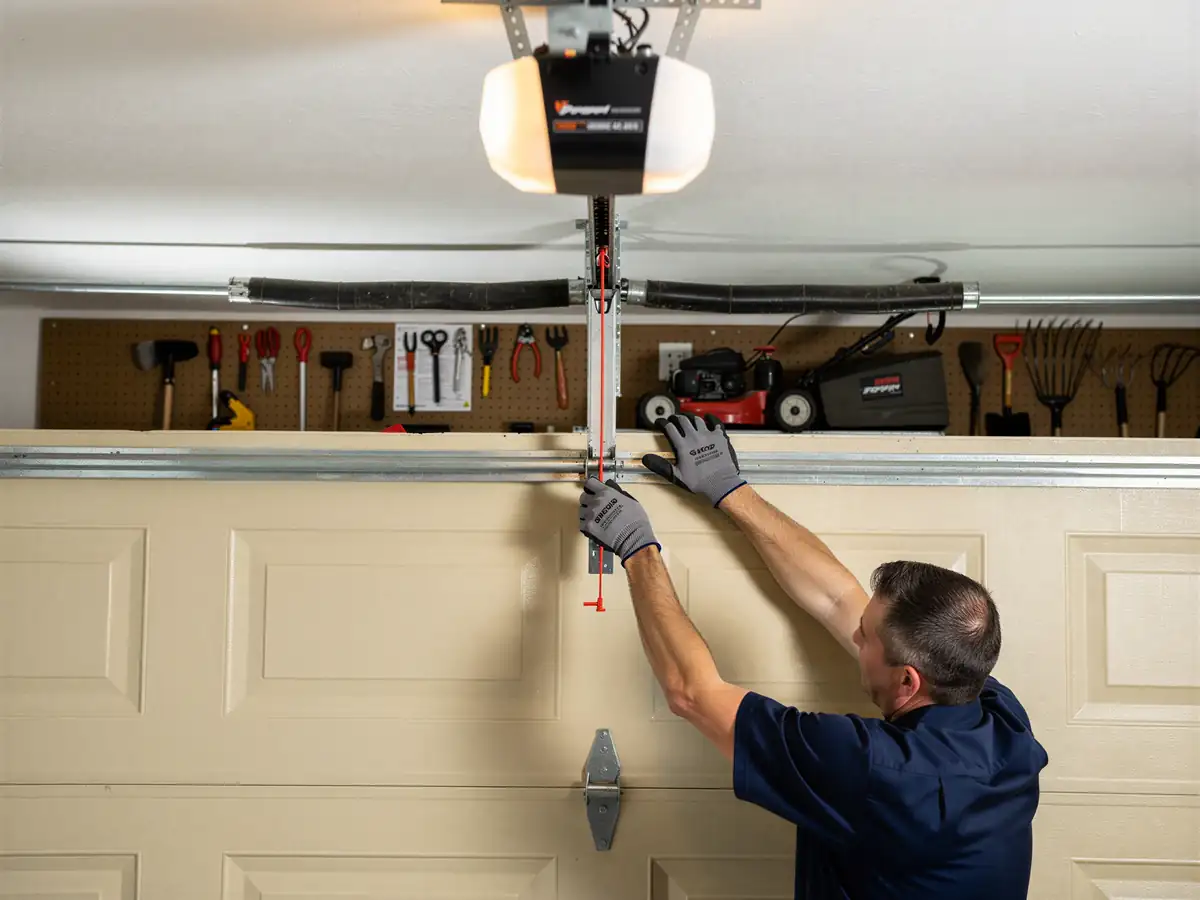
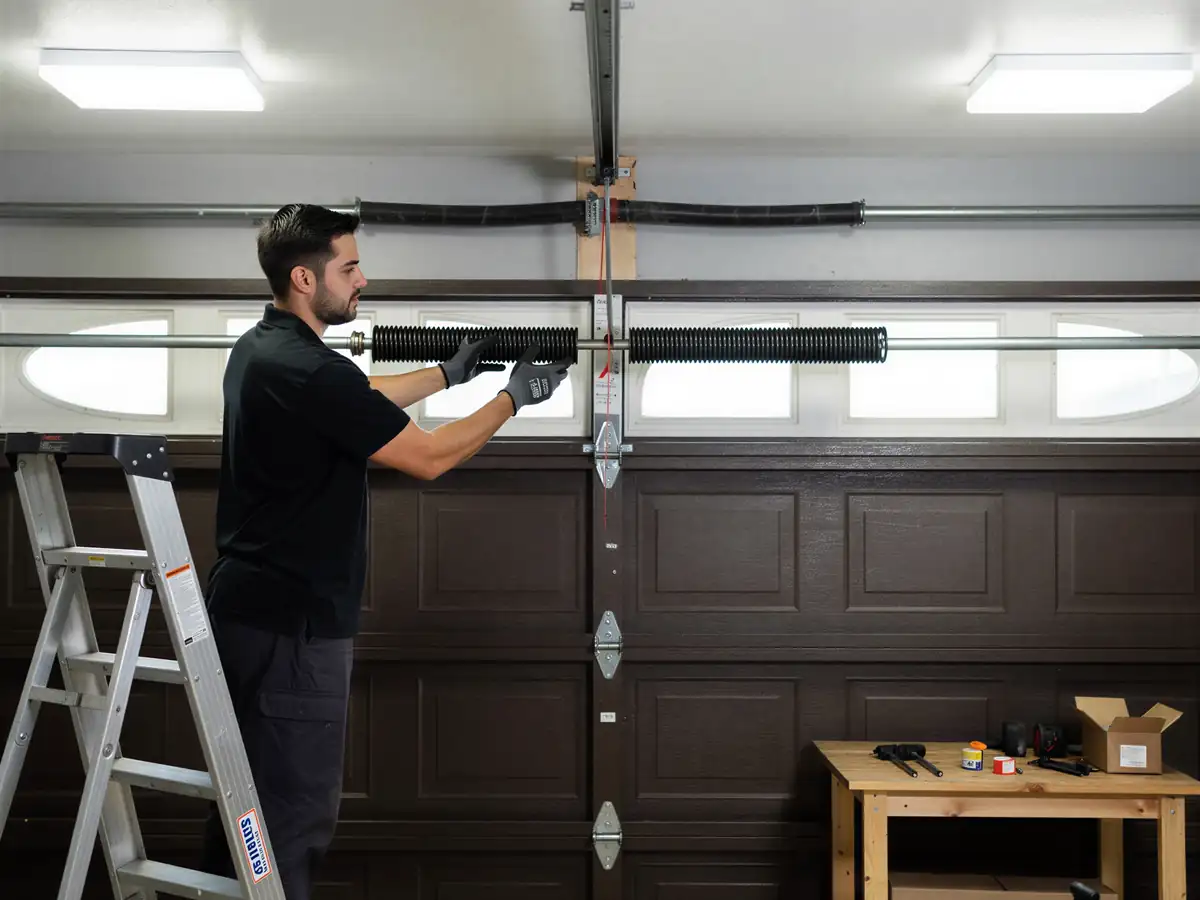
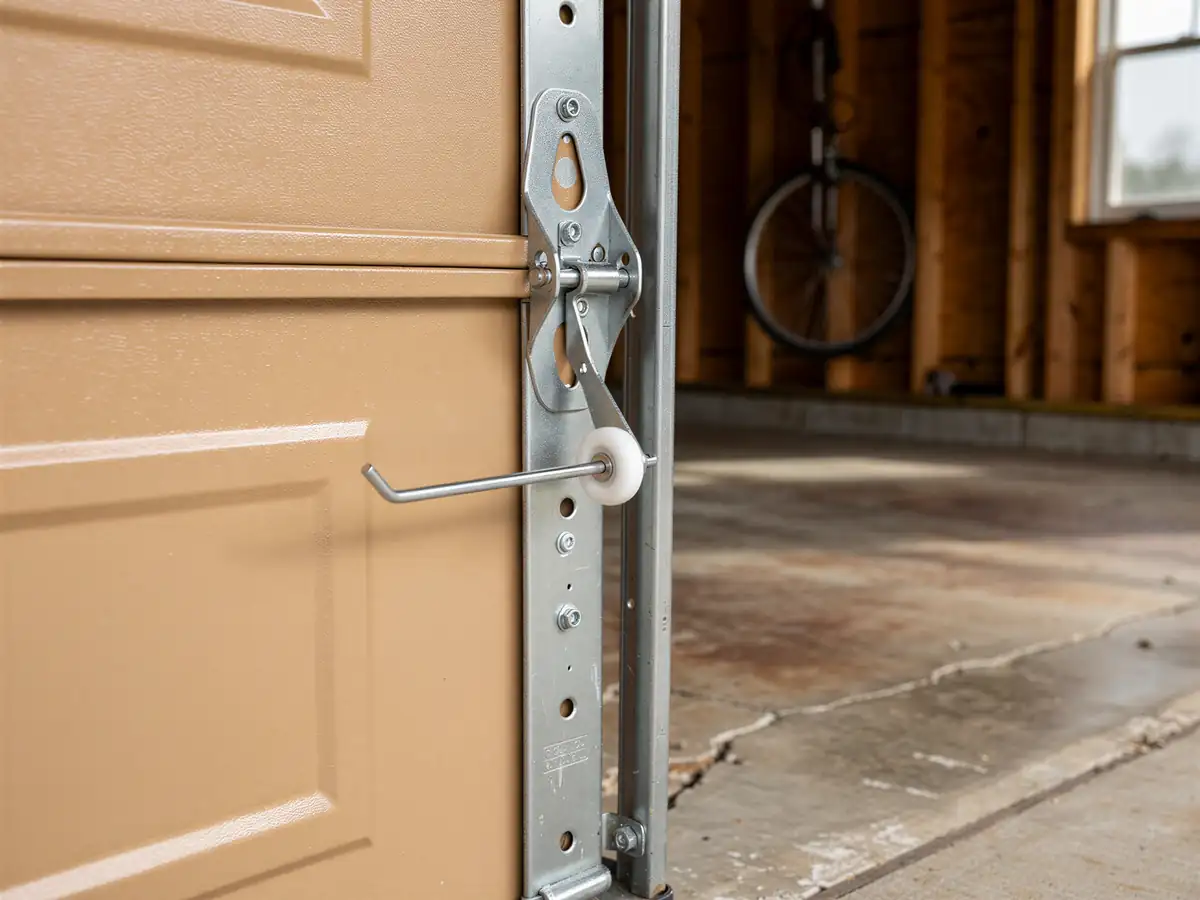
The first thing that fails on a Wolcott door usually isn't the door itself - it's the spring setup behind it. The median home here was built in 1973, right in the stretch of construction when builders were putting up steel sectional doors on exposed extension springs with side pulleys, rather than the torsion systems that came standard later. Those pulley brackets rust, the safety cables (if they were ever added) go missing, and the spring itself stretches past its rated cycle count decades ago.
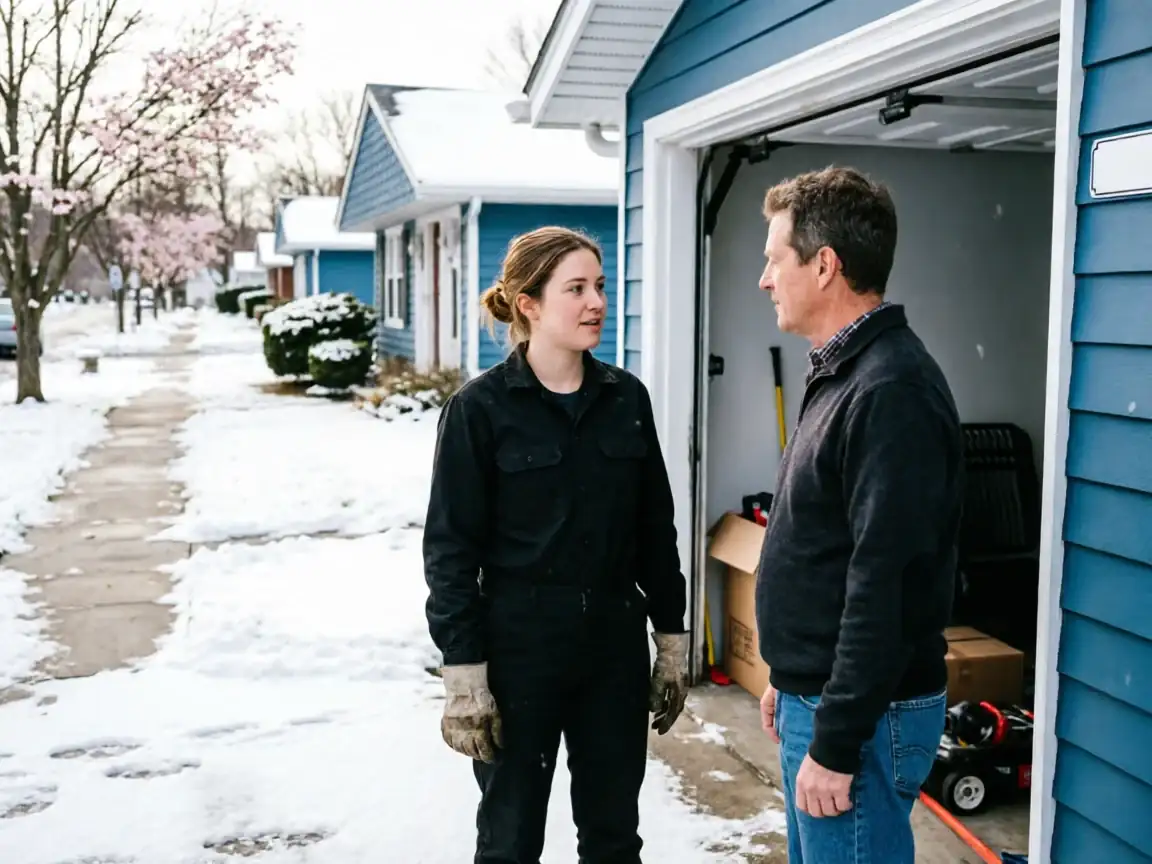
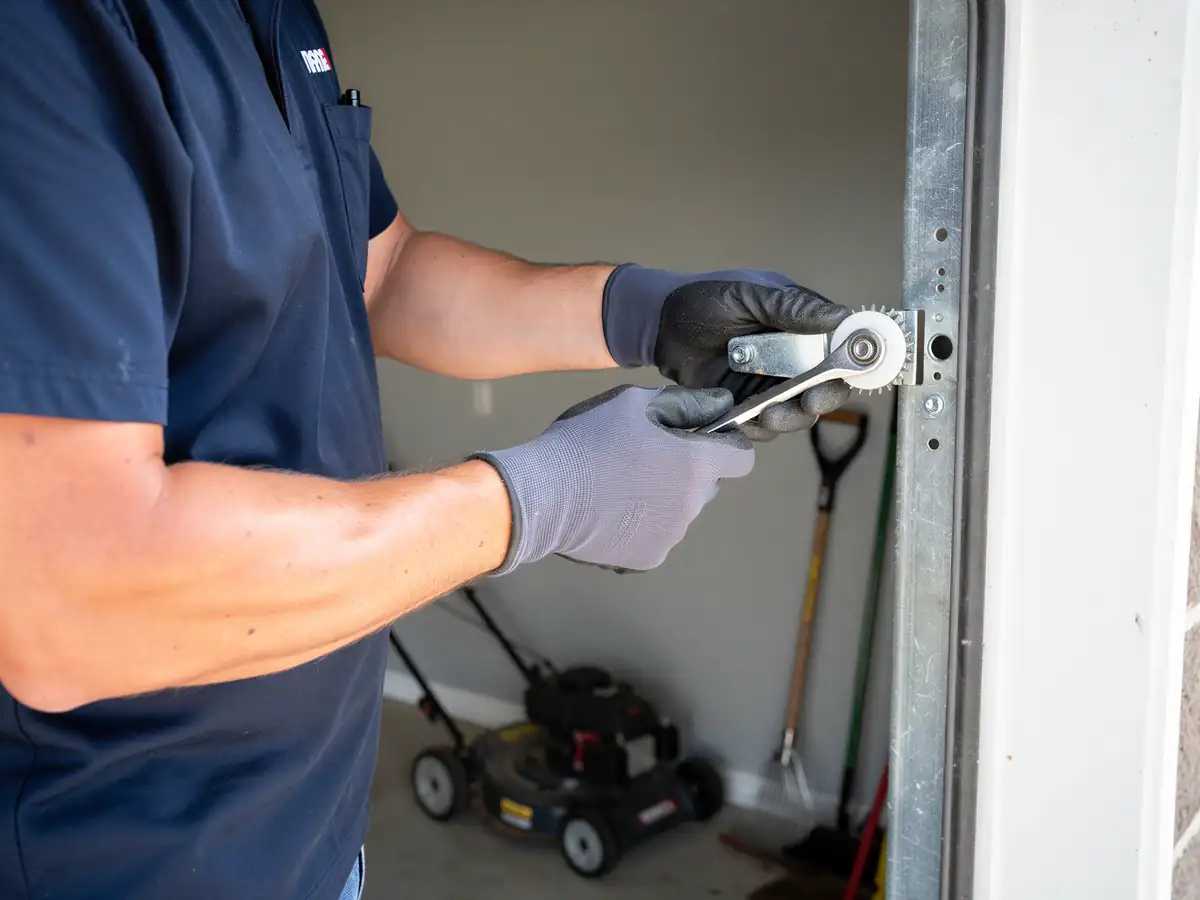
Add a severe cold climate on top of that and you get a second layer of trouble. Nylon rollers from that era turn brittle below freezing and start chipping at the edges. Weatherstripping that was already thin in 1973 shrinks further and lets cold air push against an opener motor that was never built for the load. None of this is a Wolcott-specific defect - it's just what happens when a 50-year-old mechanical system meets a Connecticut winter, over and over, for 50 winters.
The Symptom
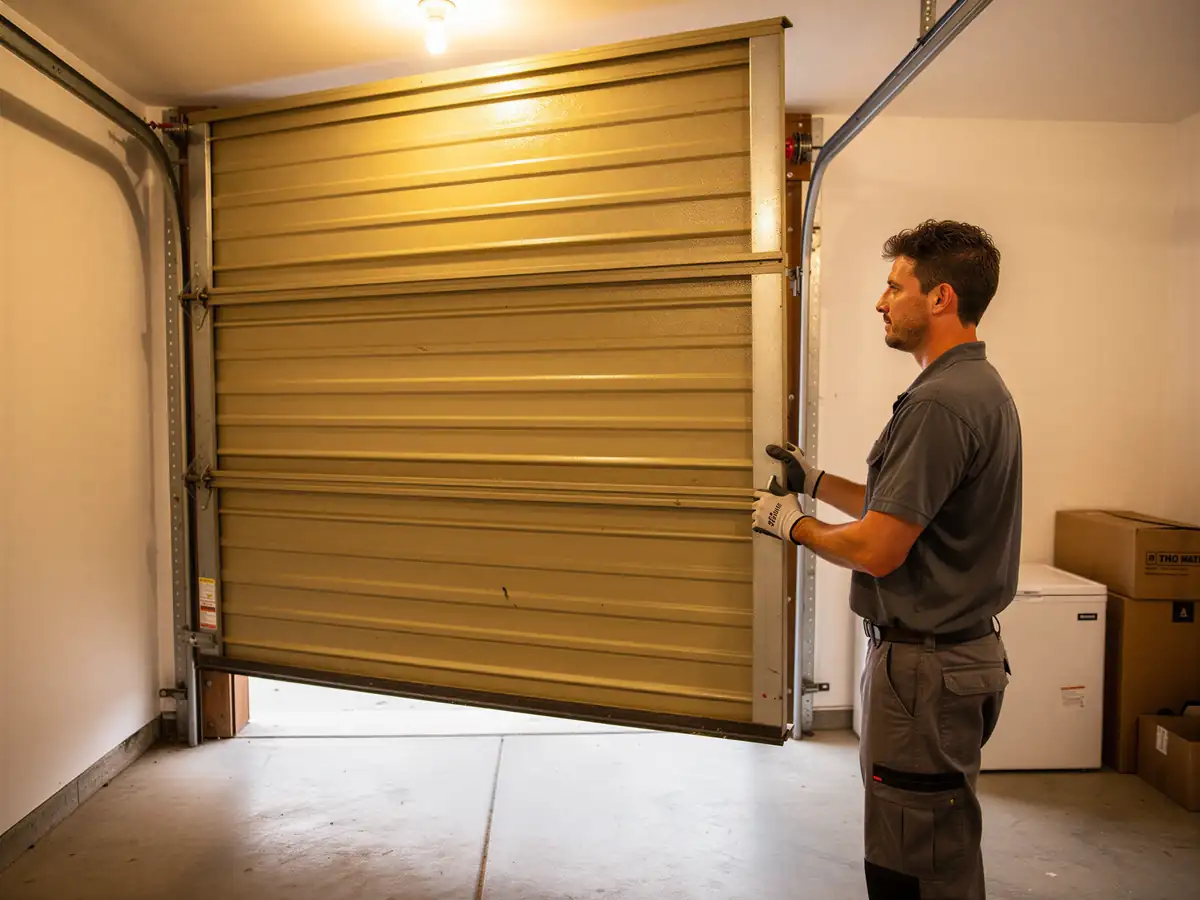
Homeowners usually call about one of two things. Either the door is visibly sagging on one side - a sign the extension spring on that side has lost tension or snapped outright - or the opener strains and reverses partway up, which points to a track that's bound up from a bent rail or a dried-out roller catching the edge. In a lot of these 1973-built homes, both problems show up the same winter, because the hardware was installed together and ages together.
Sometimes it's quieter: a door that used to lift in under five seconds now takes closer to ten, with a grinding sound at the halfway point. That's the sound of steel rollers on steel track with no lubrication left, which was common spec for builds in this period before nylon rollers became standard. It's not an emergency yet, but it's the stage right before a cable snaps.
How We Fix It
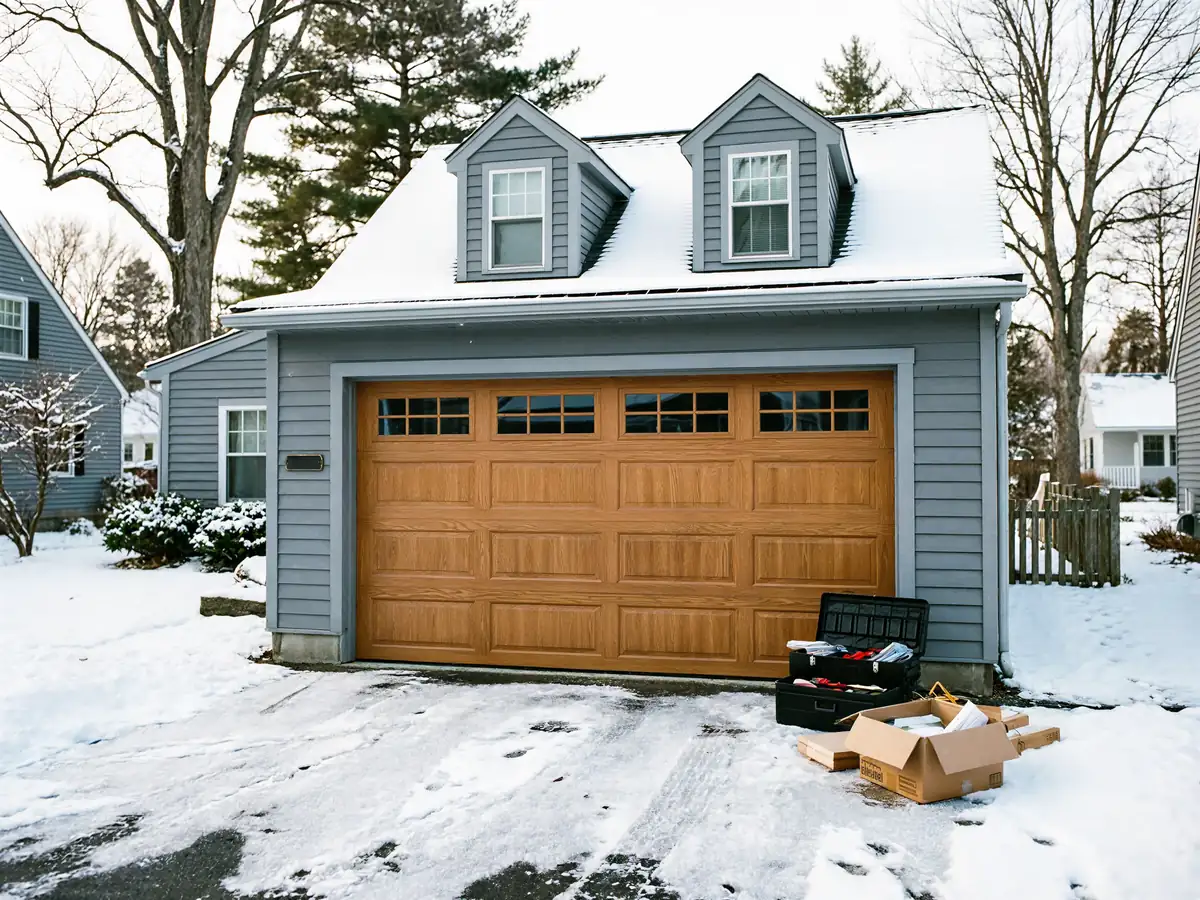
We come out from Bristol
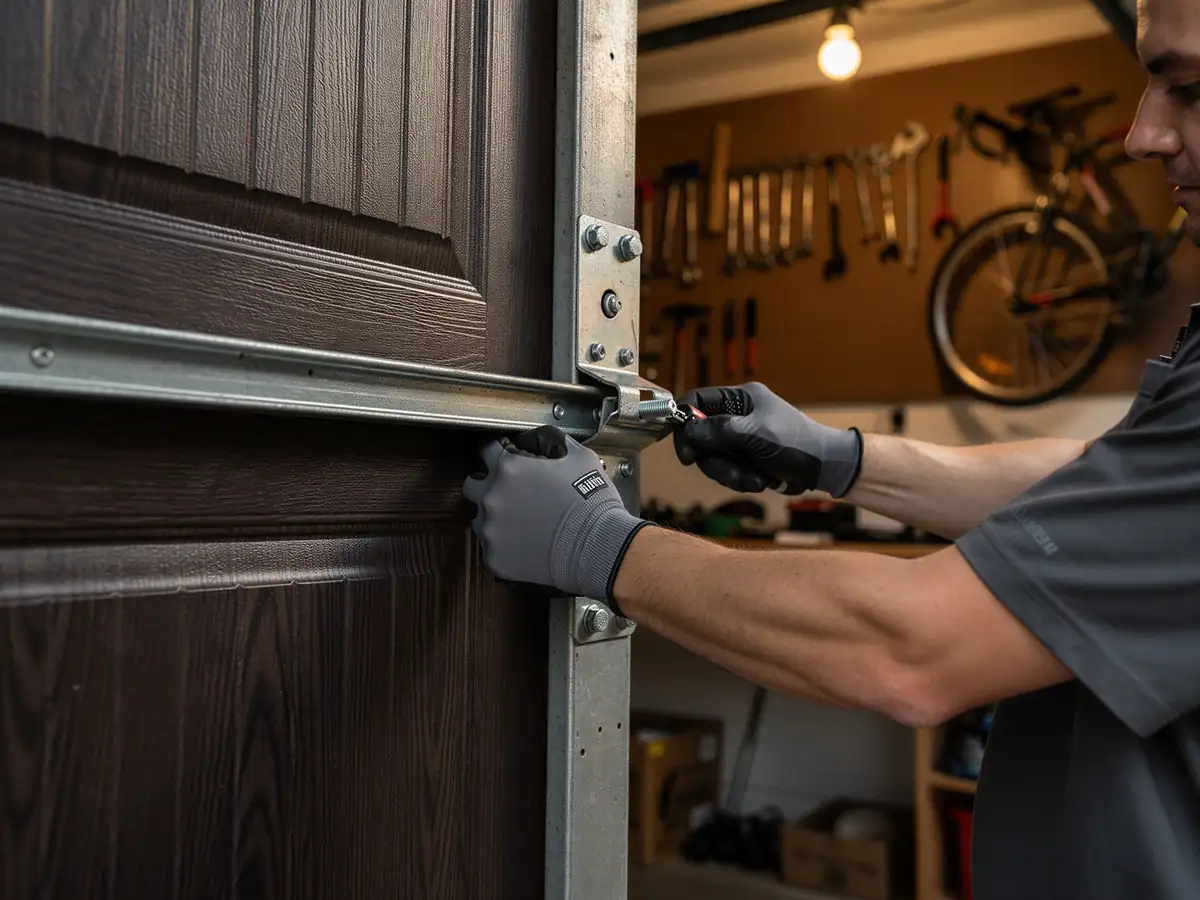
It's about a 6-mile drive to most of Wolcott - and start by checking which spring type is actually on the door, since a lot of these original extension systems were replaced piecemeal over the years and the hardware doesn't always match the panel's age. If it's still the original pulley-and-cable setup, we talk through converting to torsion rather than patching a system that's outlived its design life.
For the cold-weather symptoms, the fix is usually a combination
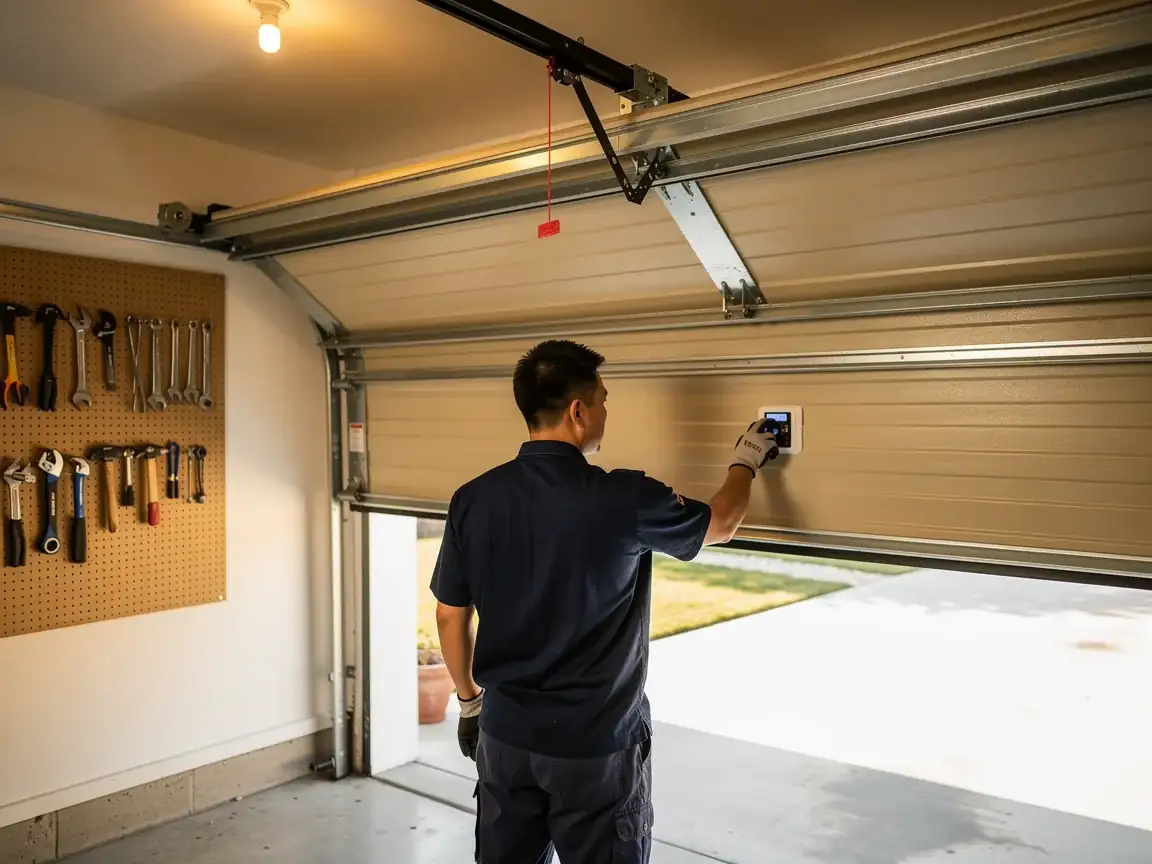
New rollers rated for low temperatures, replacing brittle weatherstripping, and re-tensioning or replacing the track if a bent rail is catching the door partway through its cycle. We don't carry every obsolete bracket size from a 1973 build on the truck - some of that pulley hardware isn't made anymore, and if yours is one of those, we'll tell you straight that a full spring conversion is the honest fix rather than a patch that fails again next winter.
Doing It Yourself
Lubricating rollers and hinges with a silicone-based spray is safe to do yourself and worth doing every fall before the cold sets in - it buys you real time on hardware this old. Tightening loose bolts on the track brackets is fine too, as long as the door is down and the opener is unplugged.
What you shouldn't touch is the spring. An extension spring under tension that lets go can take a finger or worse, and on a door this age you often can't tell from looking at it how much life is left in the coil. If the door is sagging unevenly or a cable has come off its pulley, that's a call-us job, not a weekend one.