What Can Go Wrong
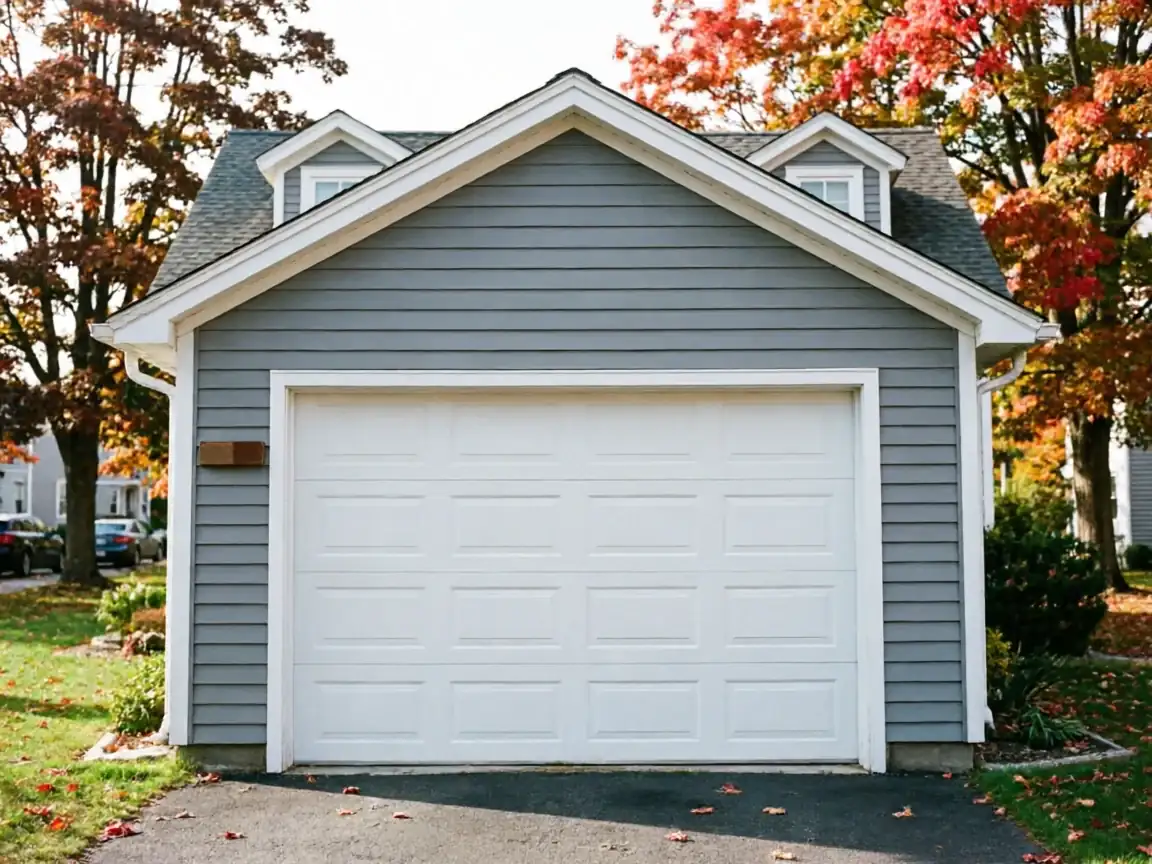
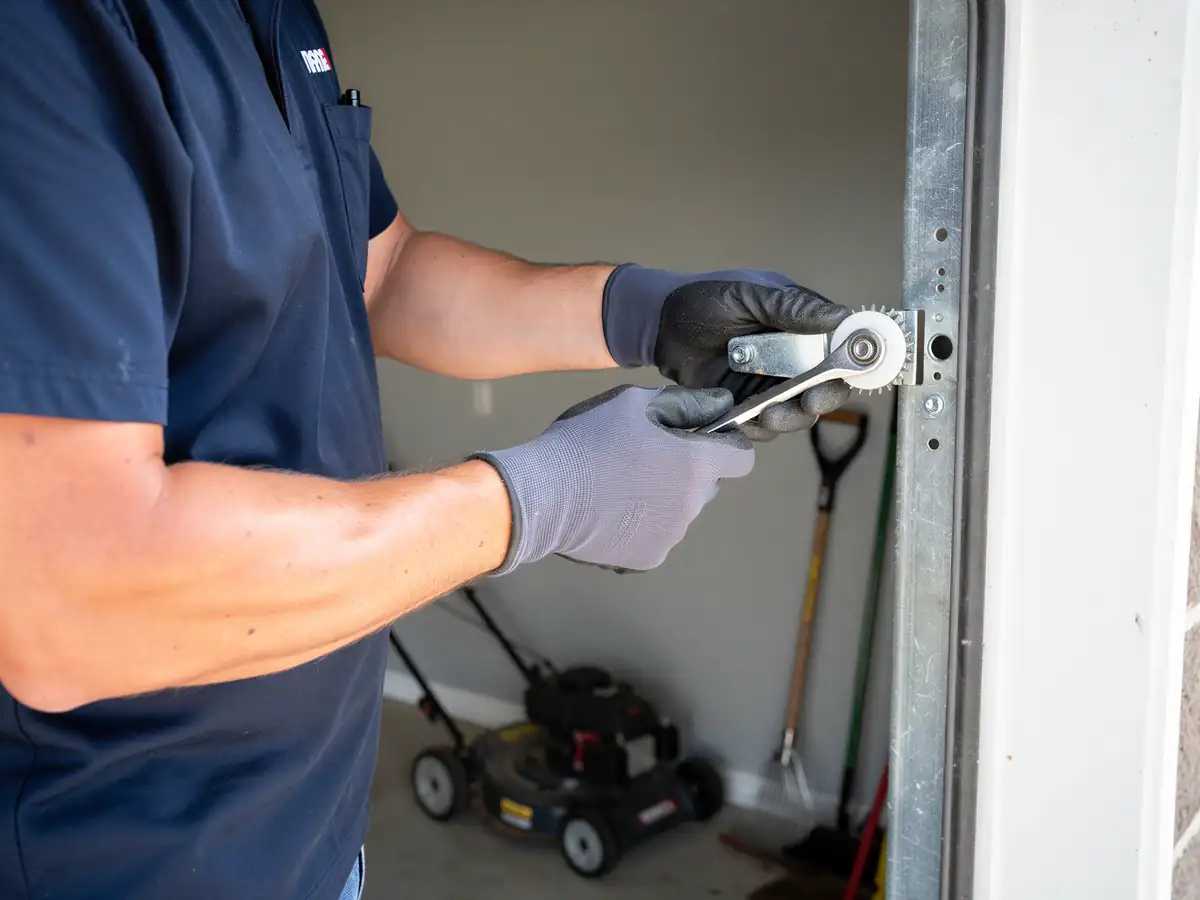
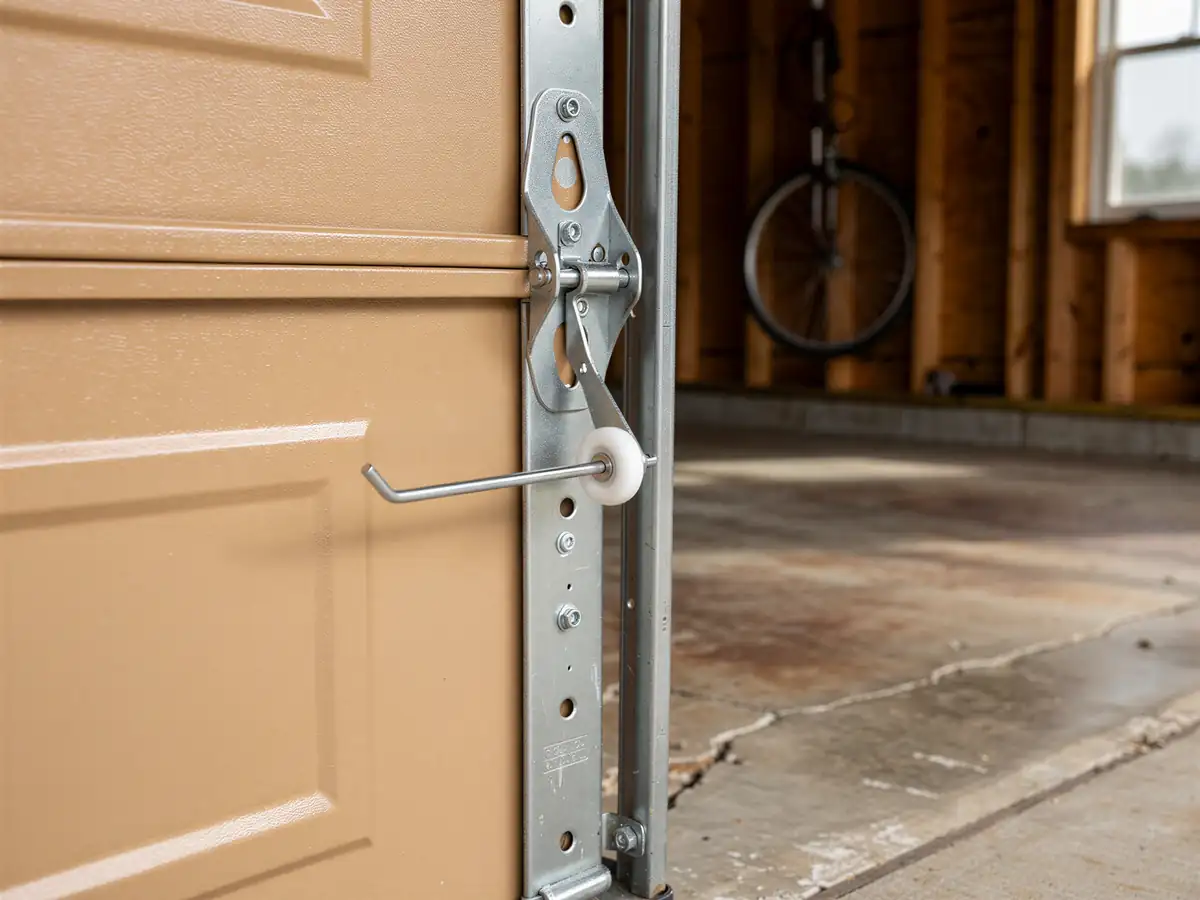
Wolcott is a small town as these things go, around 6,067 households, which means the roller calls we get from here aren't high-volume like a denser suburb - they're spread out, one door at a time, mostly on houses built close to 1973. That median build year matters because doors from that era were spec'd with steel rollers riding directly in steel track, no nylon, no sealed bearings. After five decades of seasonal swing those rollers wear a flat spot, the stem bends, or the roller just seizes in its bracket and drags instead of rolling. On a door that's never been touched, you'll often find the rollers are original to the house. We also see cracked rollers on doors that got a cheap off-the-shelf stem roller at some point as a quick fix - those don't last in this climate.
The other thing worth saying plainly: a worn roller rarely travels alone. If one roller on a 1973-era track has gone, the others on that same door are close behind, because they were all installed the same day and have logged the same miles.
The Symptom
The giveaway is noise before anything else - a grinding or clunking as the door travels, usually worse at the same spot in the track every single cycle, which tells you it's one bad roller catching rather than the whole system failing. You might also see the door hesitate or jump slightly as it crosses that point. In Wolcott's cold band, winter makes this worse: steel contracts, the track narrows just enough that a roller already running loose starts binding against the rail, and what was a quiet rattle in October turns into a door that sticks in January. If a panel edge near the roller bracket looks chewed up or the track has a shiny groove worn into one side, that's wear transferring from a bad roller onto the hardware around it, not a track problem on its own.
Doing It Yourself
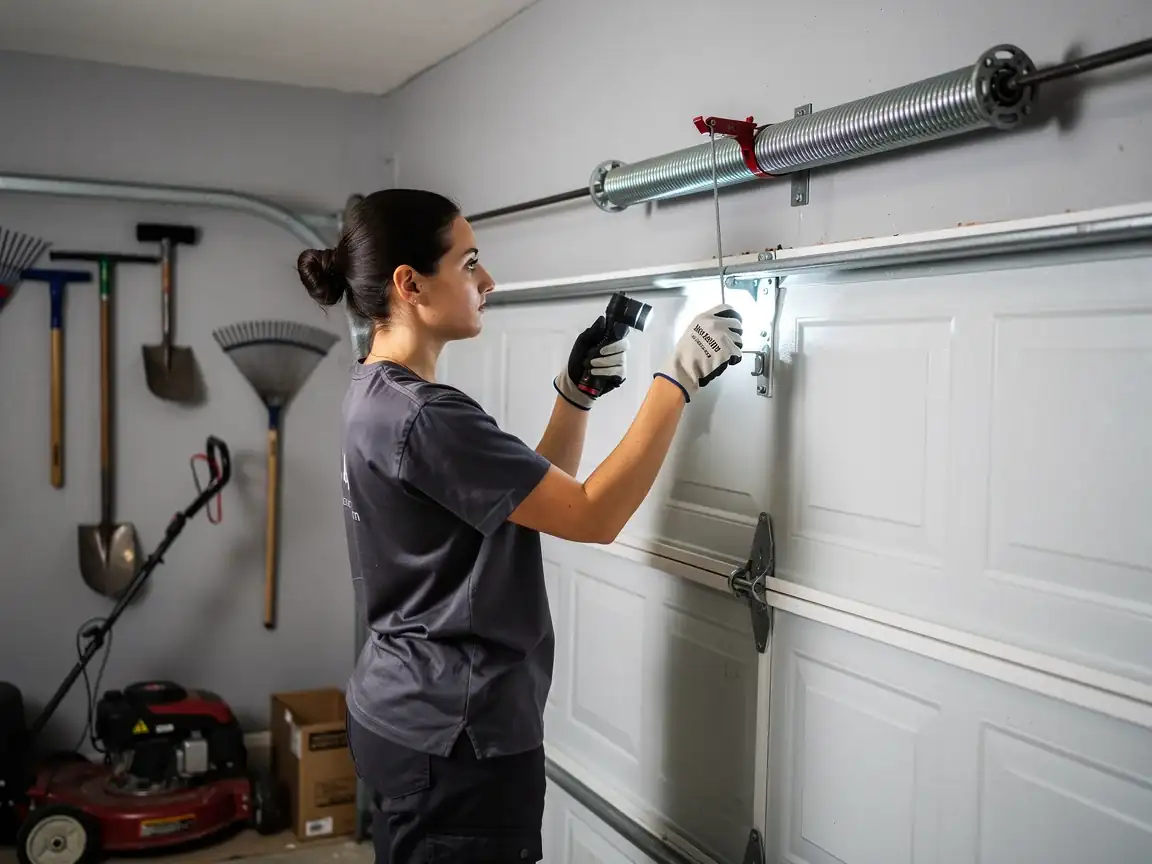
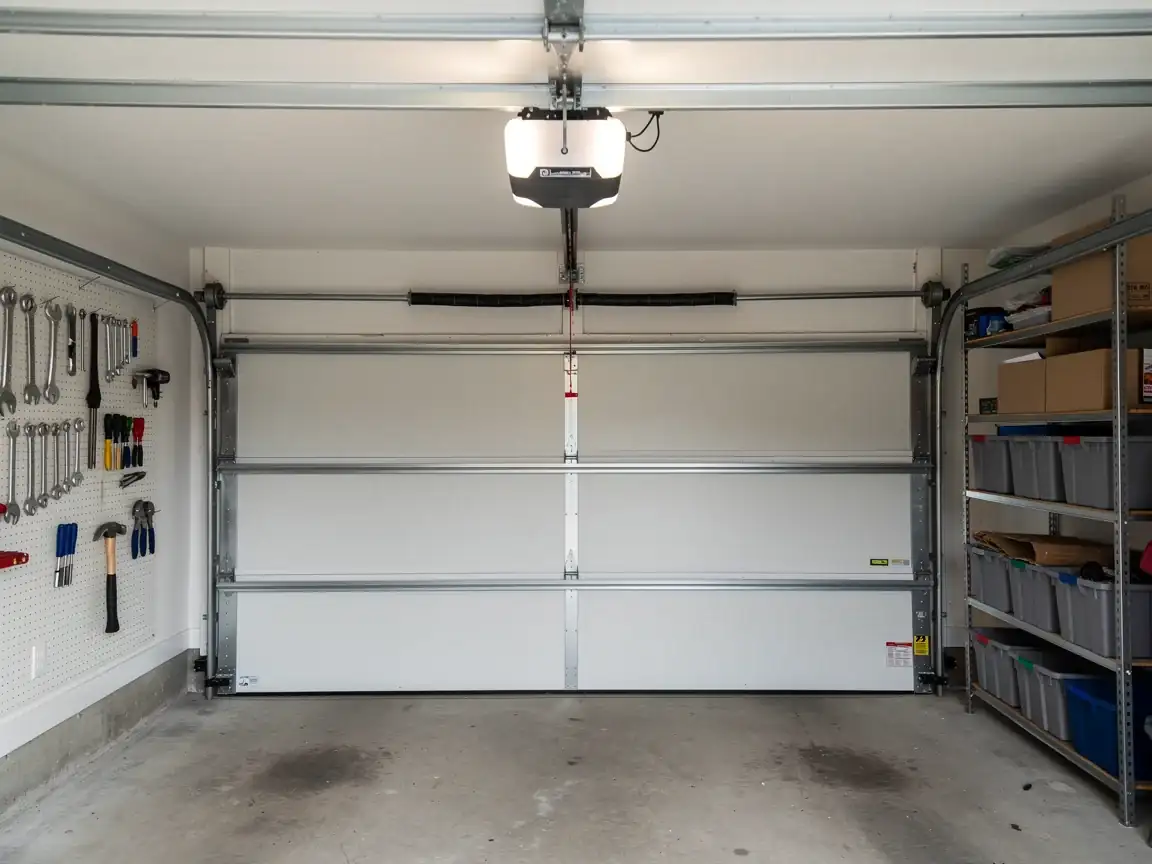
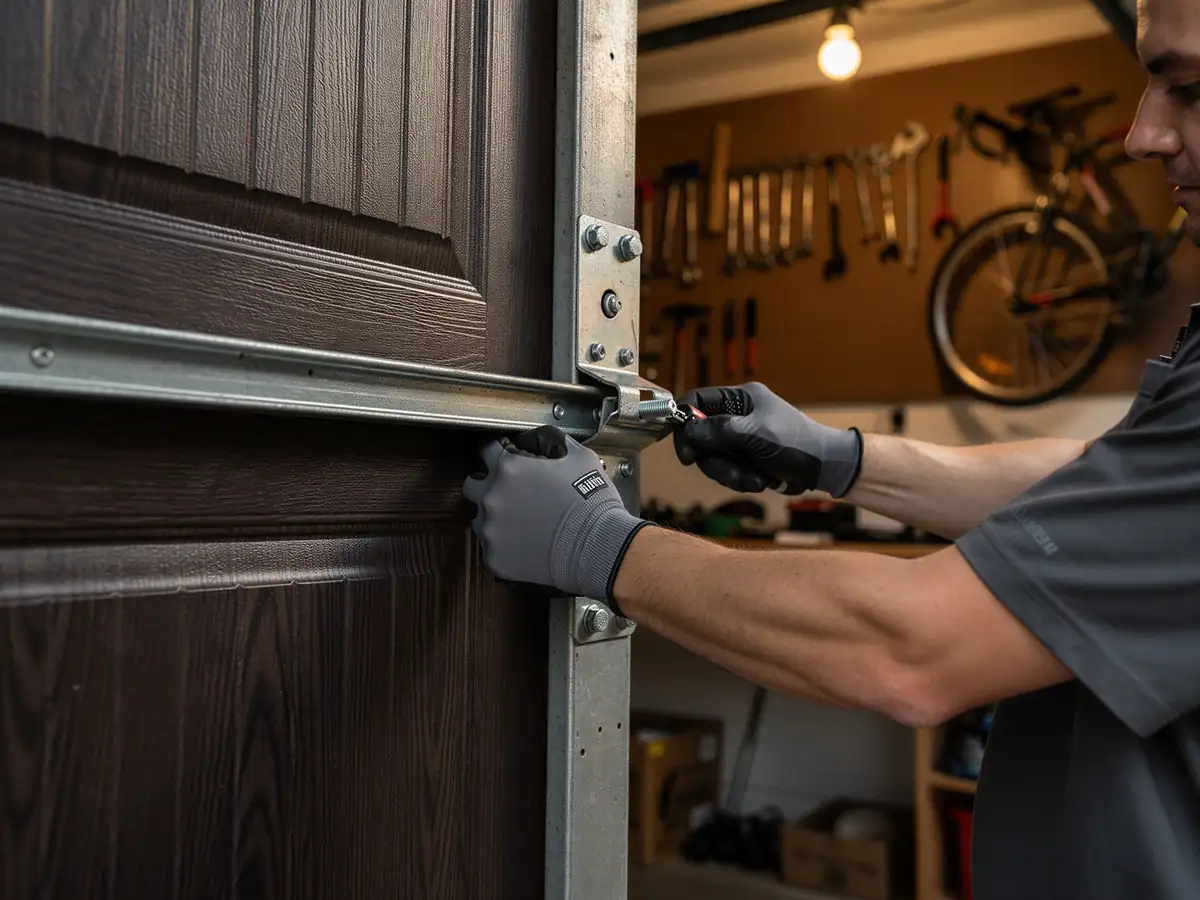
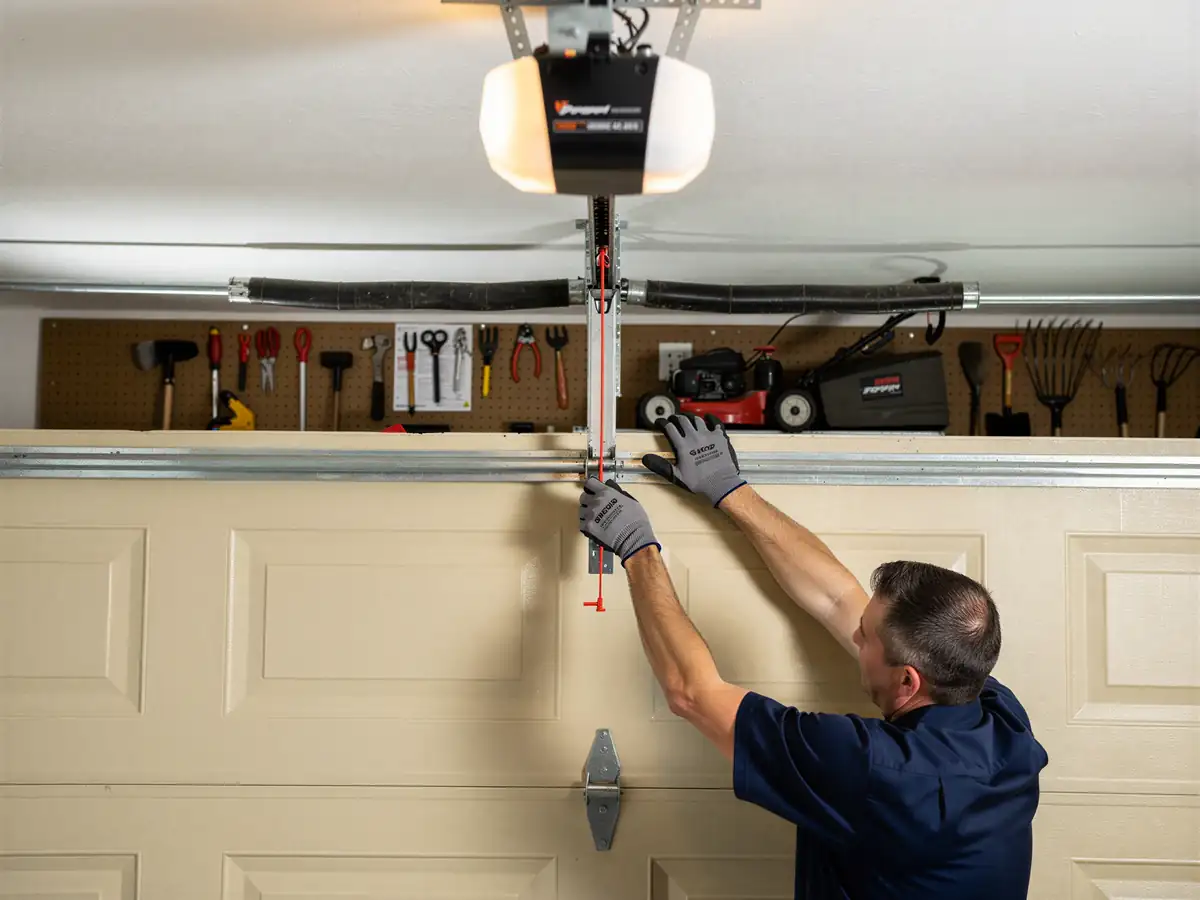
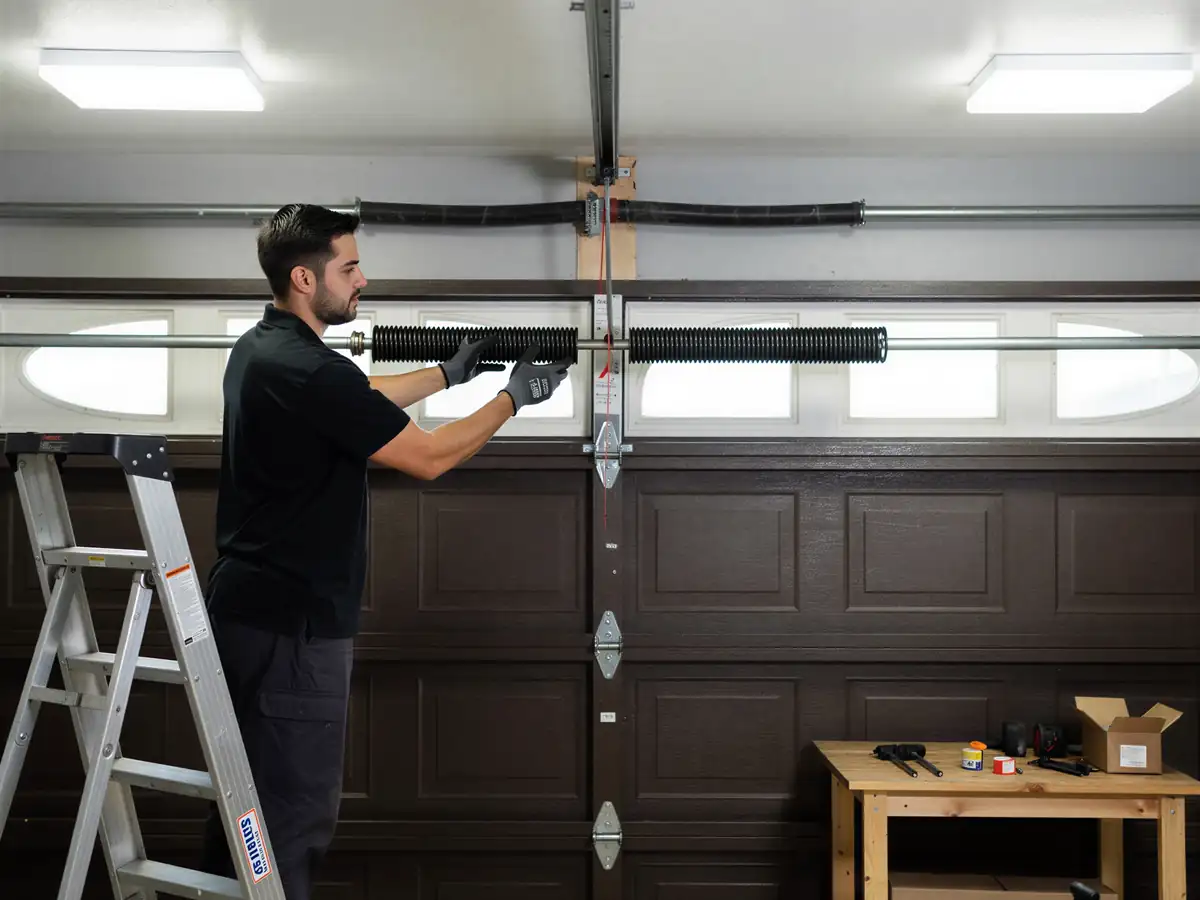
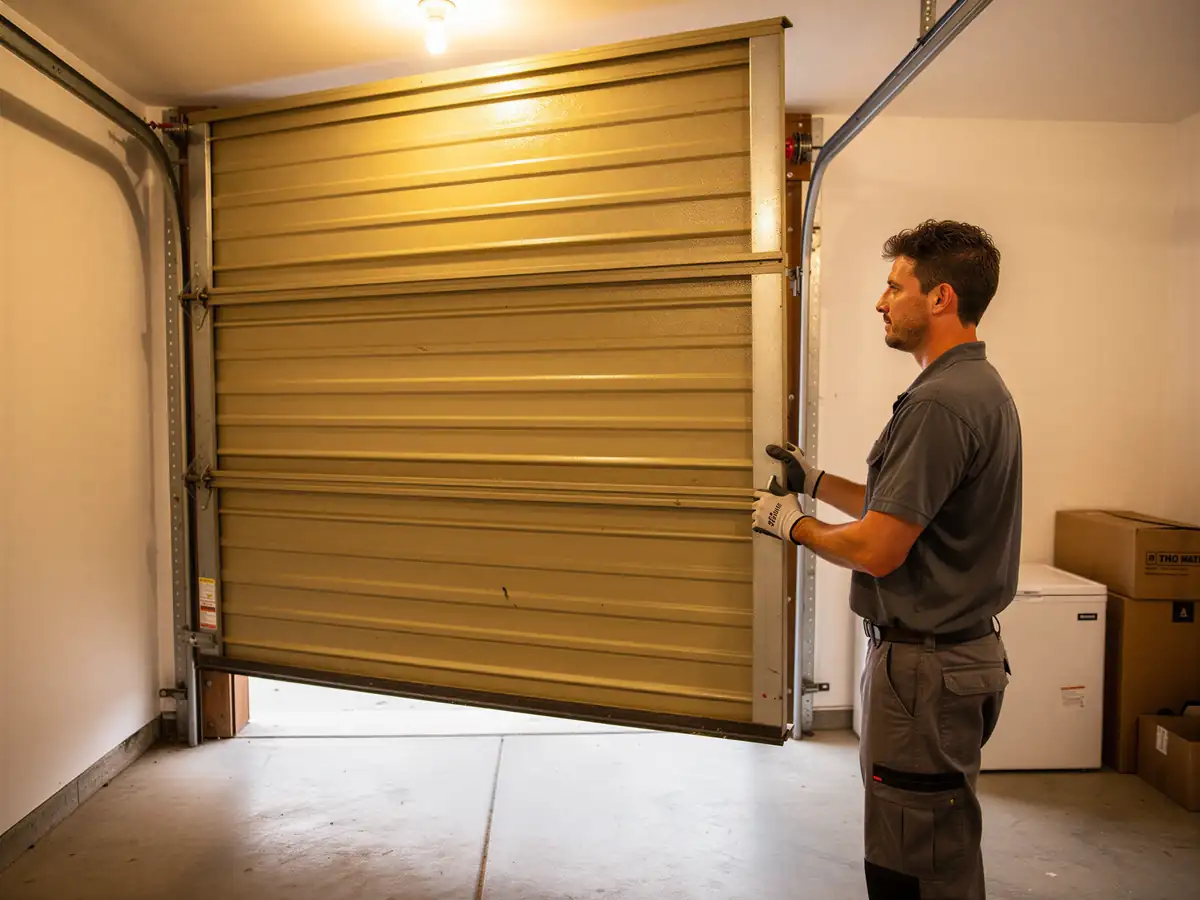
Rollers are one of the few garage door repairs a reasonably careful homeowner can take on without a spring tool. If you're swapping a single roller, you disconnect the opener, support the door, and work one roller at a time so the door never fully comes apart on you - never pull more than one roller out of a track section at once. Where this goes wrong on older doors like the ones common around here is the bottom rollers, which sit close to the cable drum and spring system; those are not a DIY swap, full stop, because a slipped cable under tension can take a finger. If your rollers are original to a house built in the early 1970s, budget for the whole set rather than one at a time - you'll be back at it again in a year otherwise.