What Can Go Wrong
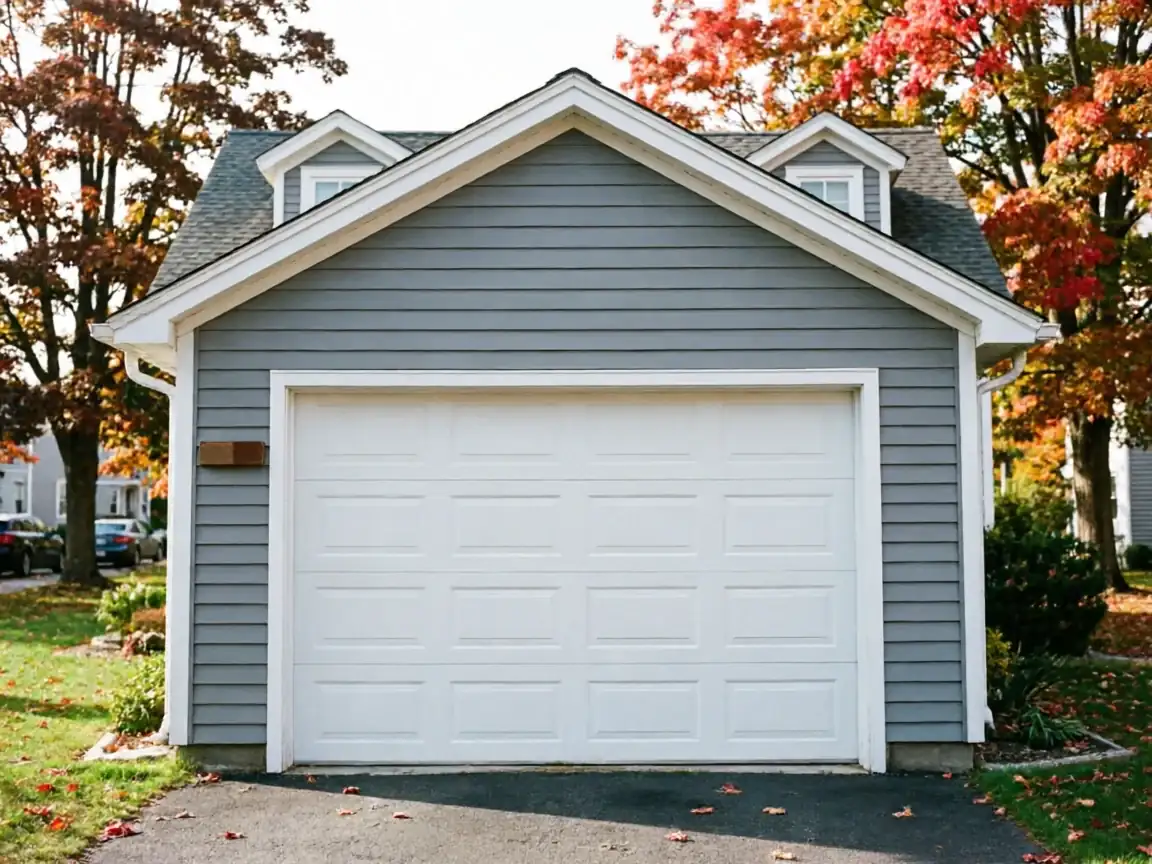
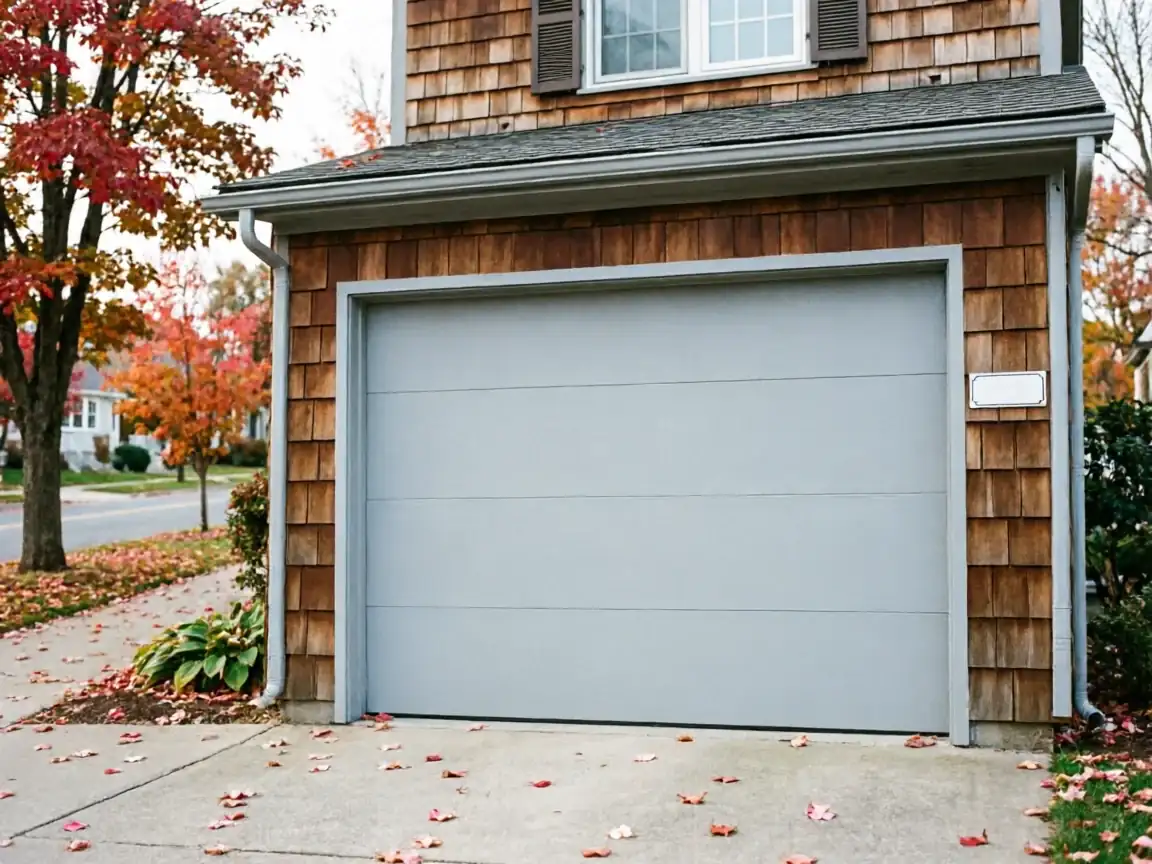
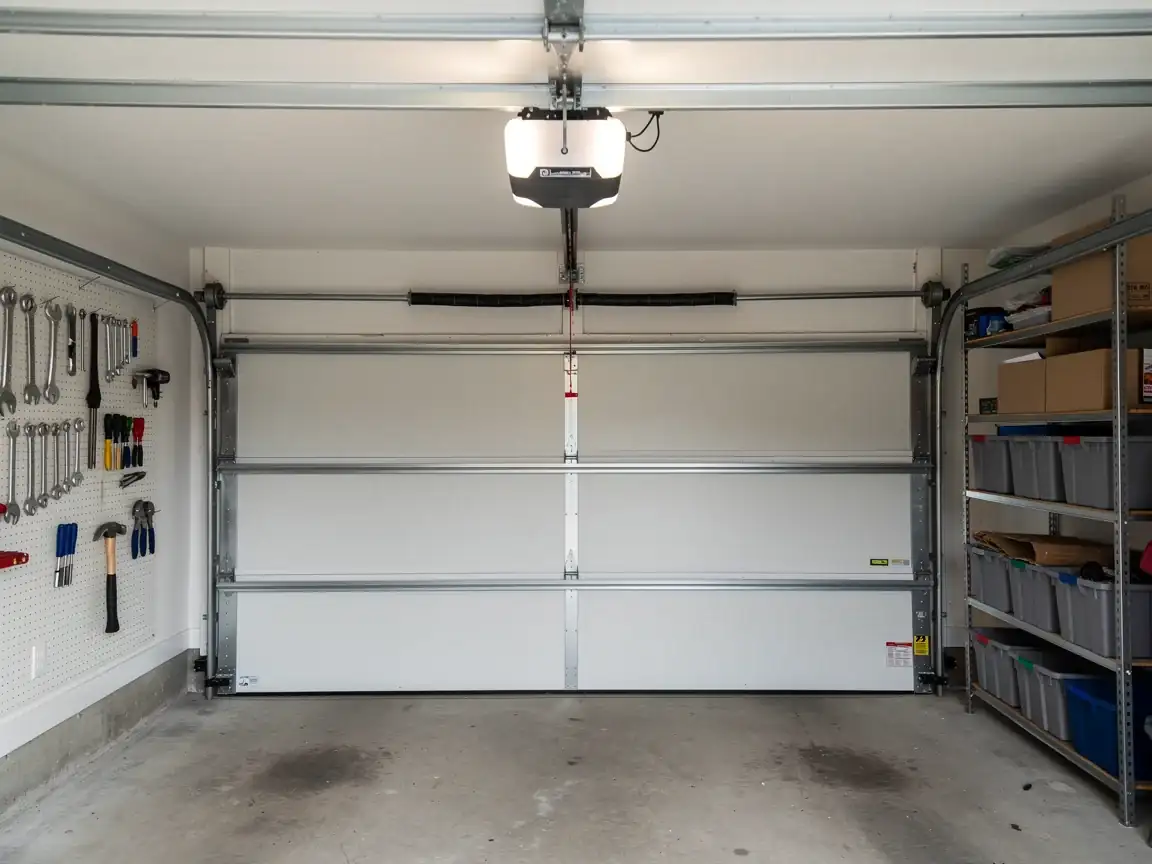
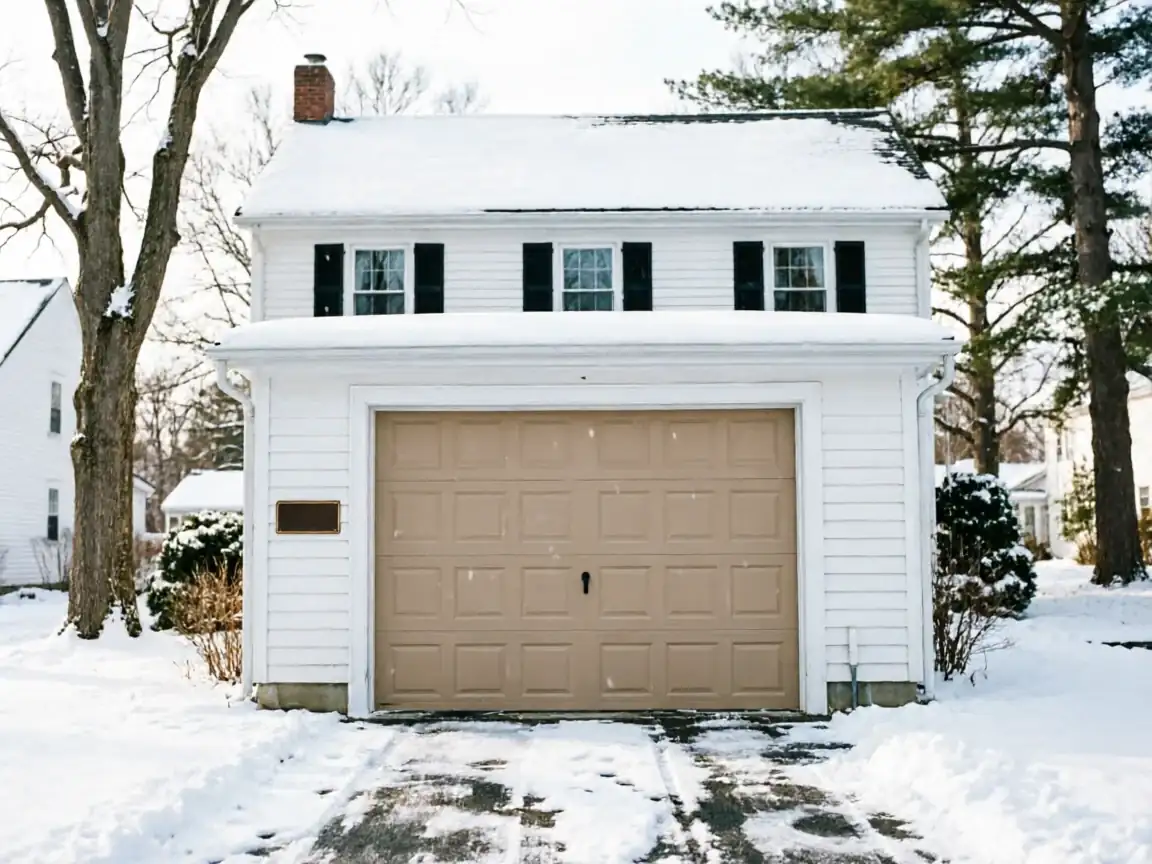
Wolcott sits six miles from our shop in Bristol, and that drive matters for what we find when we get there. Most houses in this part of the service area went up in the 1960s and 70s, and Wolcott's own median build year lands right at 1973 - squarely in that run. That means a lot of original chain-drive openers still hanging on steel brackets that were never built for today's heavier insulated doors, or for the safety-sensor wiring that current code expects.
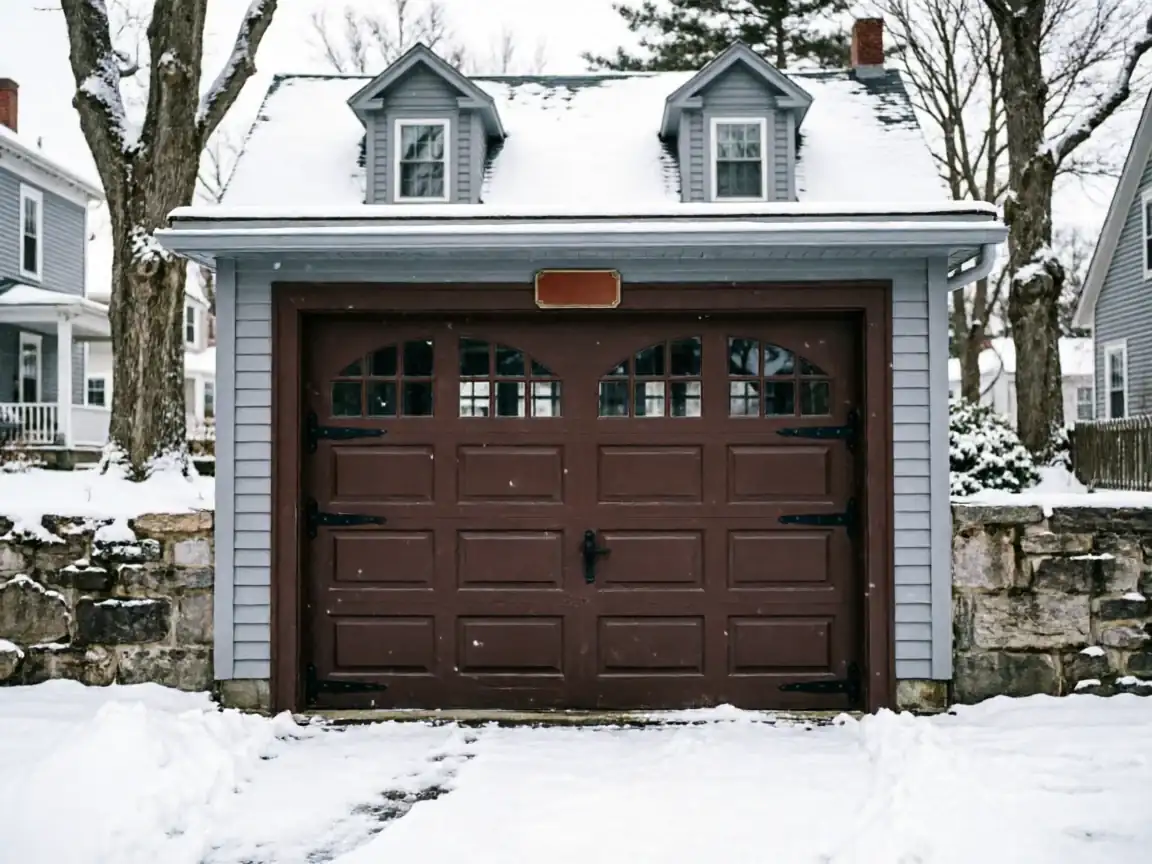
The common failure isn't the motor burning out. It's the logic board aging past the point where it reads the sensors right, or a drive gear stripped from years of taking up slack that a worn spring should have handled. In a cold climate like this one, winter is hard on these units too - grease in the gearbox thickens, limit switches drift, and a marginal opener that worked fine in September quits cold on the first hard freeze. We see this pattern across the towns we cover, but in Wolcott specifically it tracks almost exactly with the housing stock's age.
The Symptom
The opener hums or clicks but the door doesn't move - that's a stripped gear, common in units original to a 1970s build that have never been swapped. A door that reverses a few inches before it touches the floor usually means the close-force sensor is miscalibrated, often because someone adjusted it years ago to compensate for a spring that's since gotten weaker. Remotes that work in the morning and quit by evening point to a receiver board that's losing its tolerance to temperature swings, which this climate band gives it plenty of.
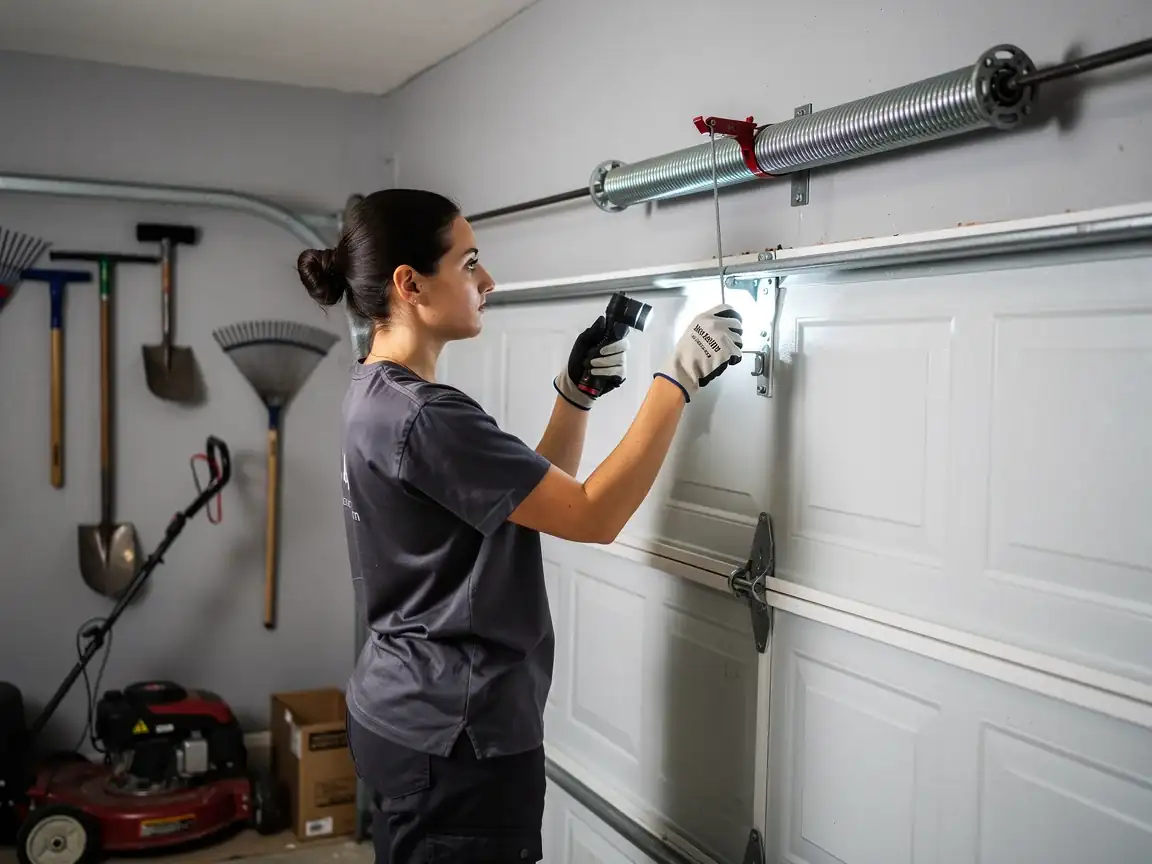
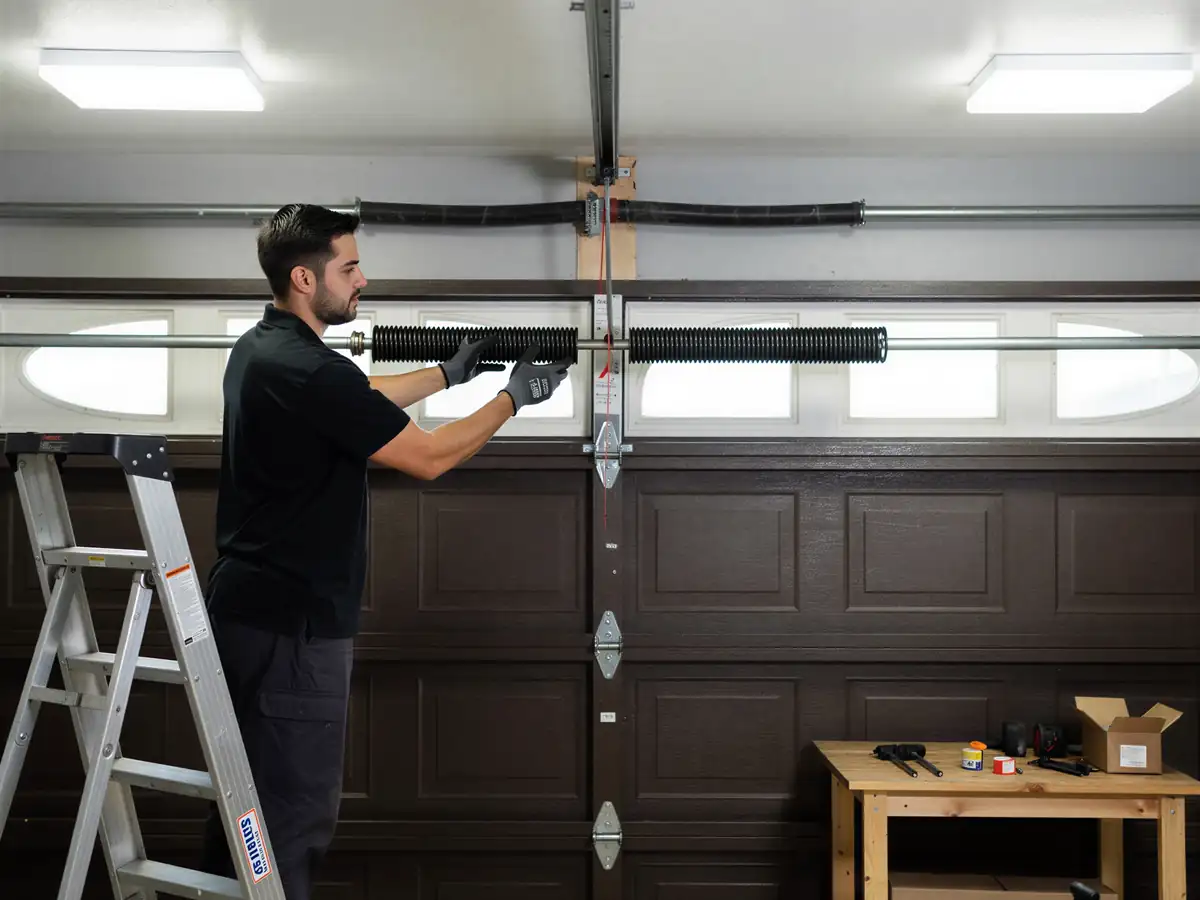
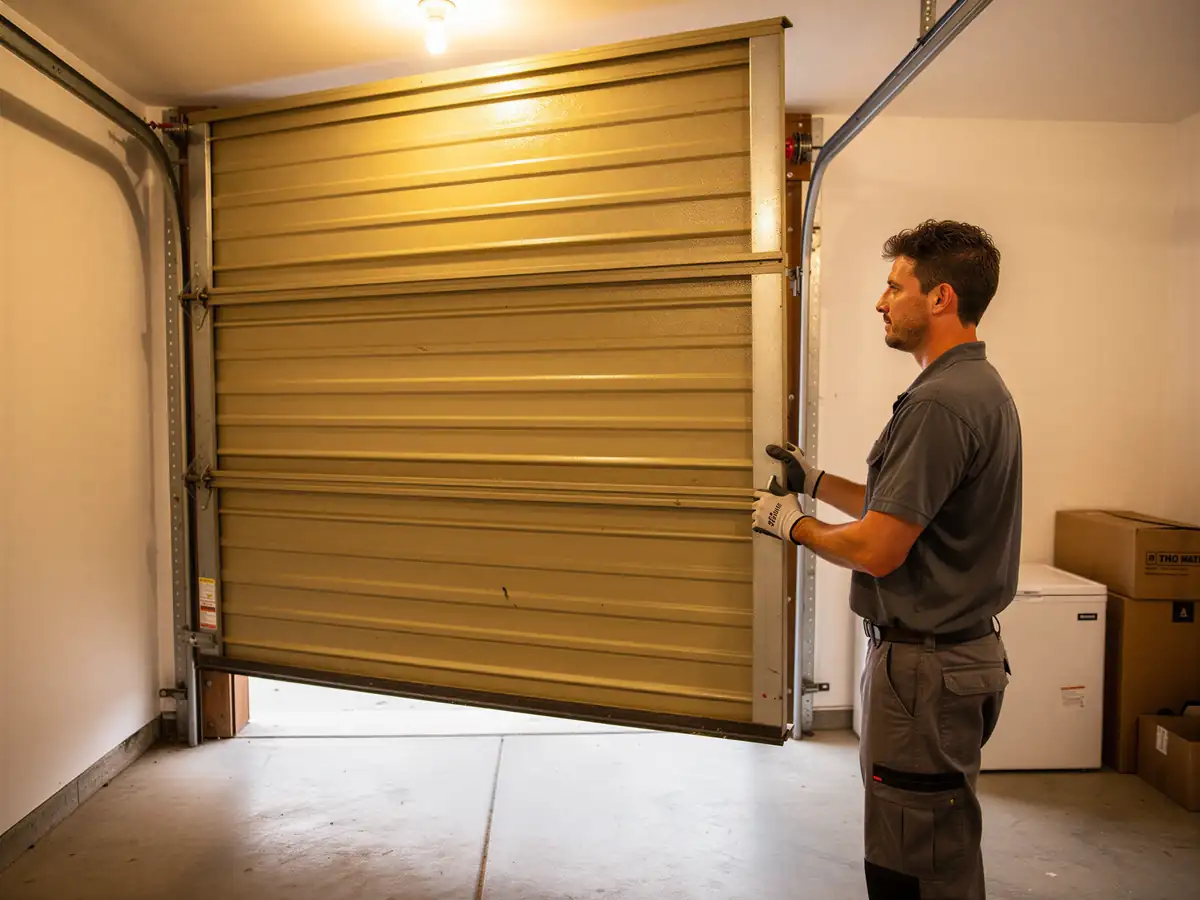
If the opener runs the full cycle but the door lags or jerks partway, that's usually not the opener's fault at all - it's a spring or track problem being covered up by a motor working harder than it should. We'll tell you straight if that's what we're looking at rather than selling you a new opener for someone else's worn-out hardware.
How We Fix It
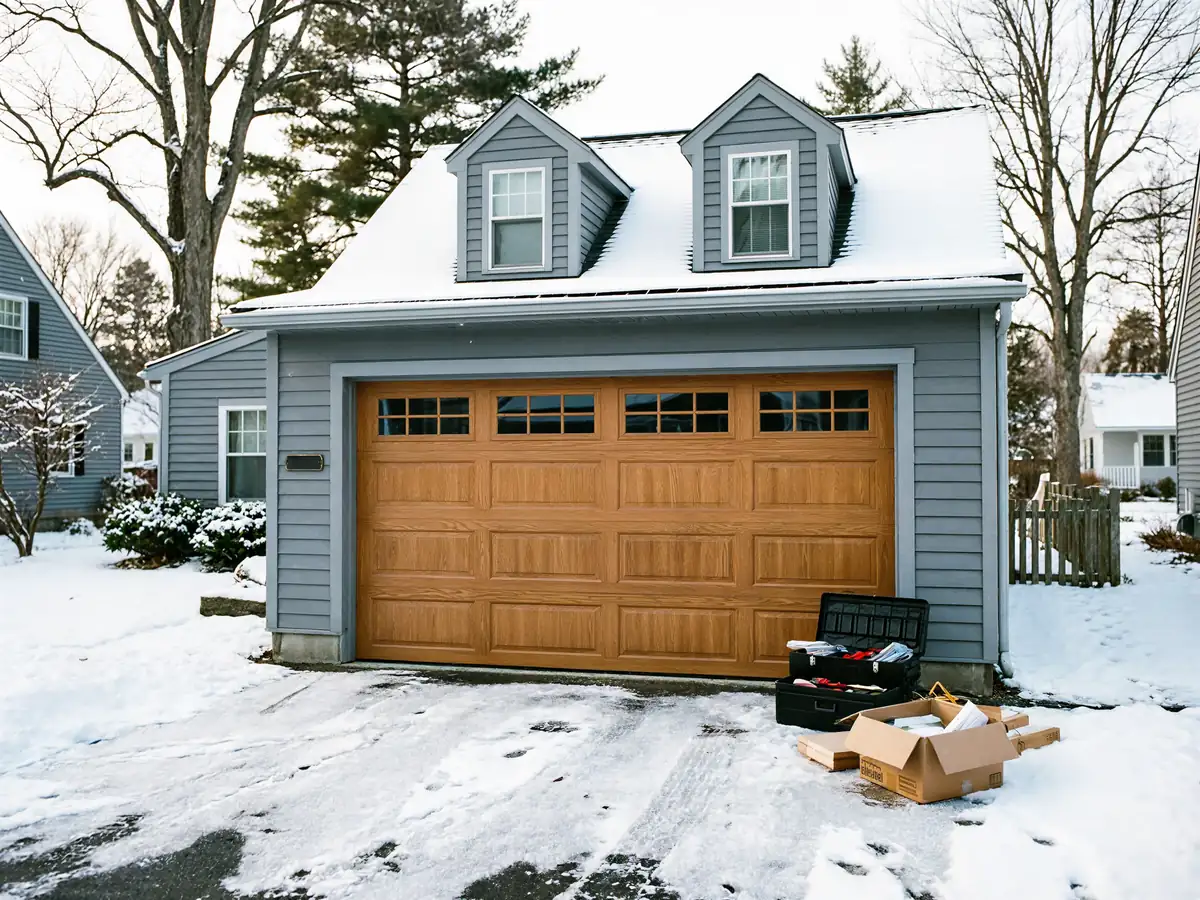
We come from Bristol, six miles in
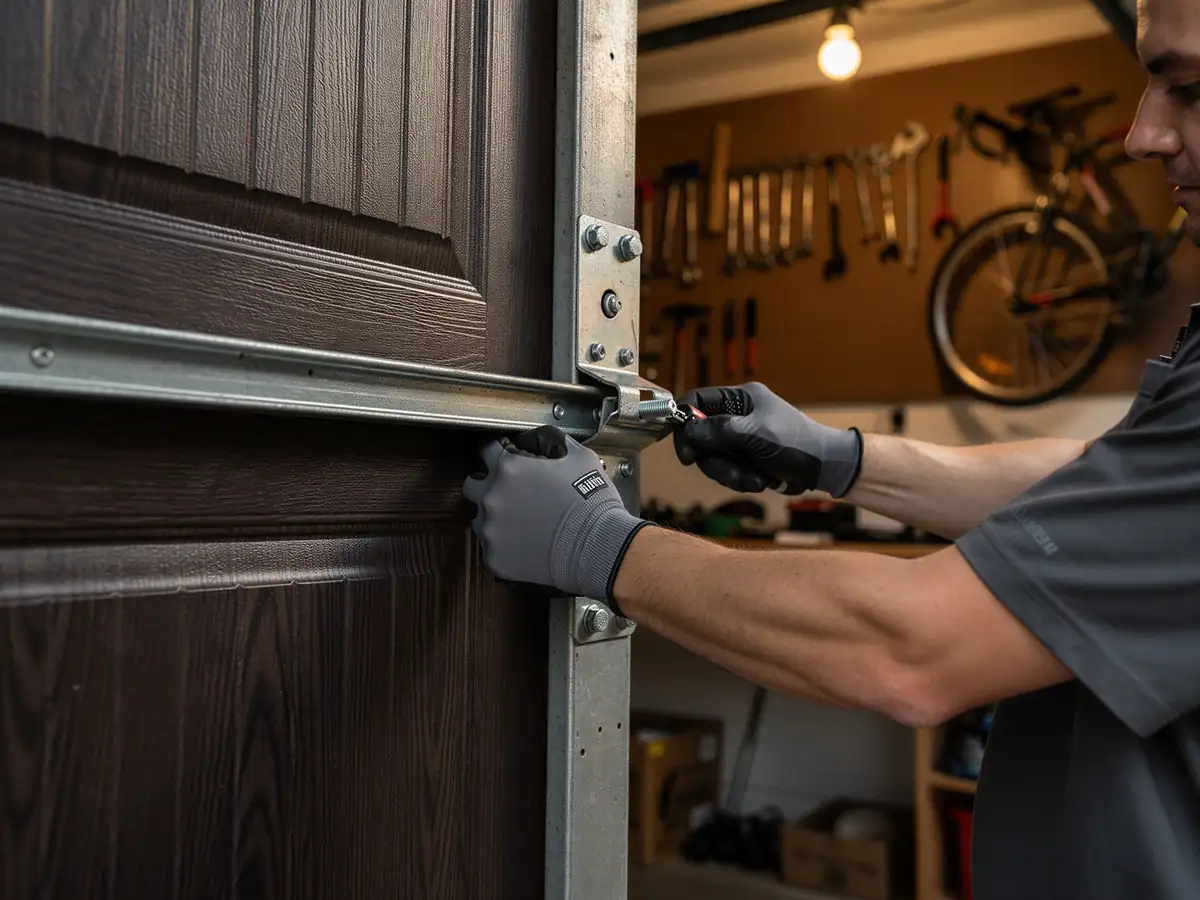
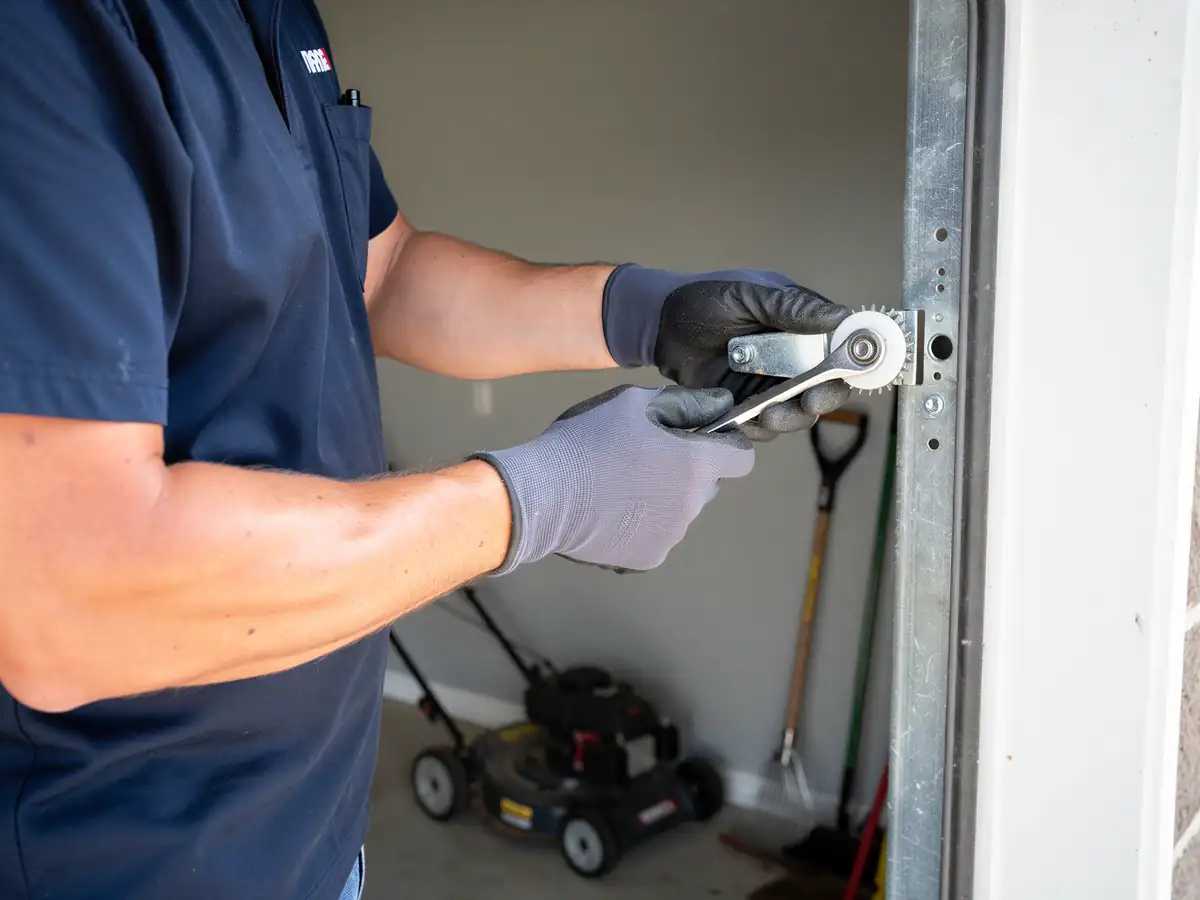
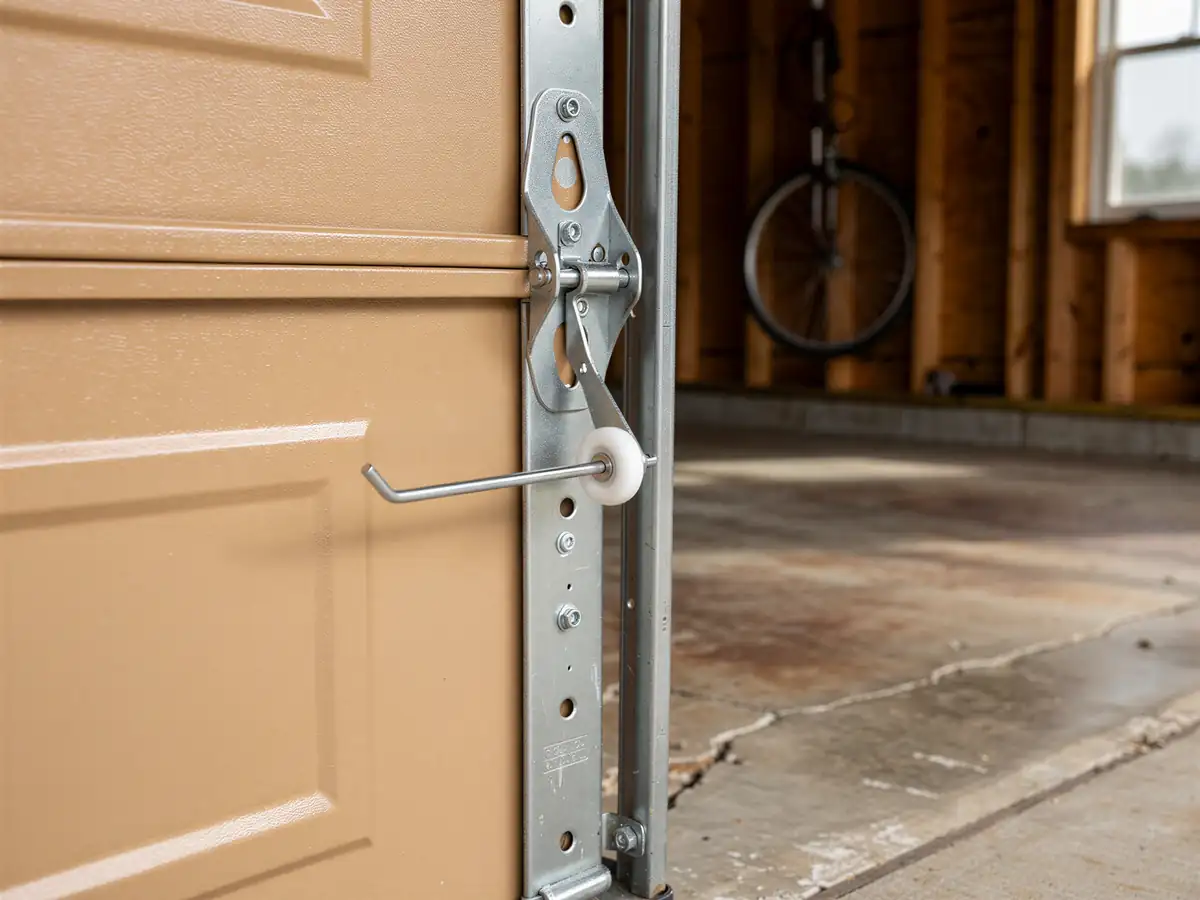
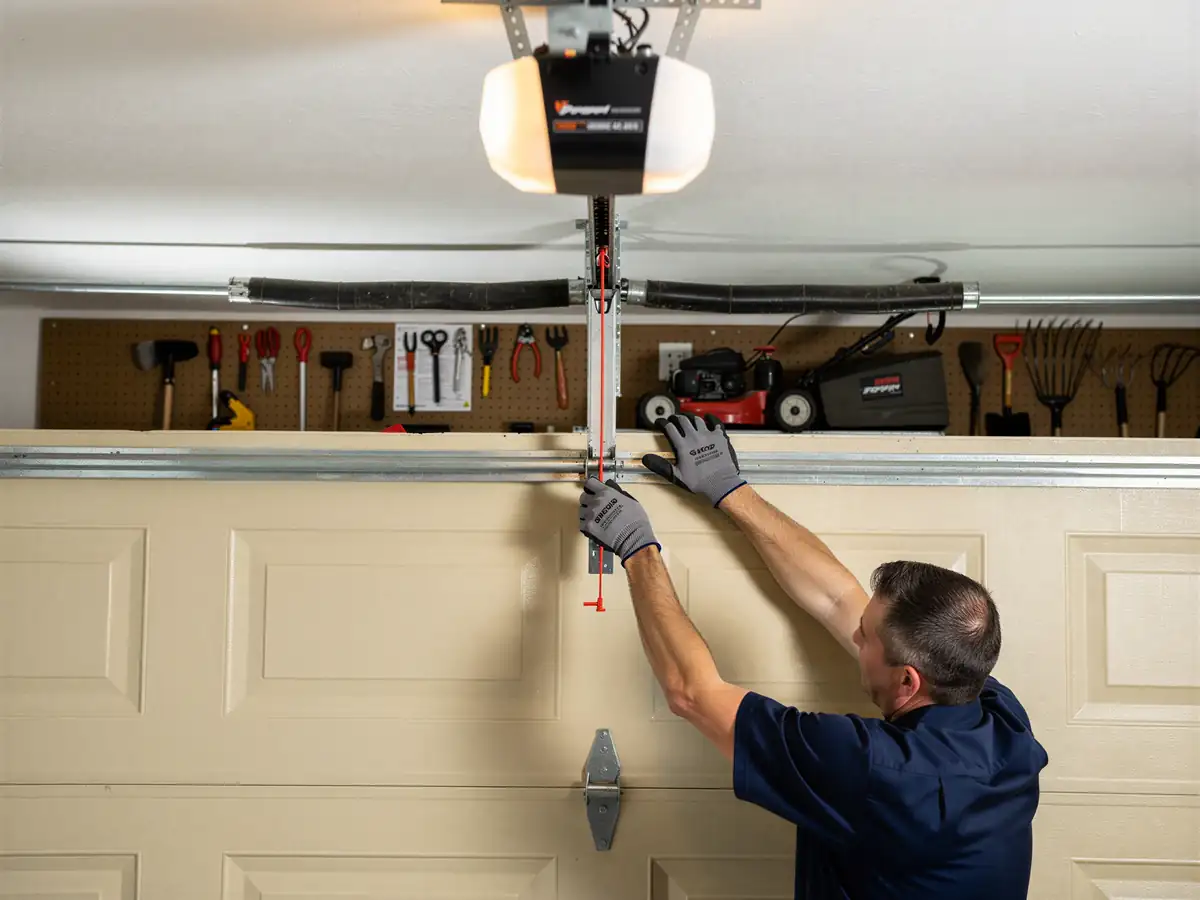
So the first thing we do on site is confirm what's actually failing before we quote anything. On a house from the early 1970s, that often means pulling the old bracket too, since it was sized for a lighter door than a lot of owners have added since - insulated steel instead of the original panel.
For replacement, we install openers with battery backup built in
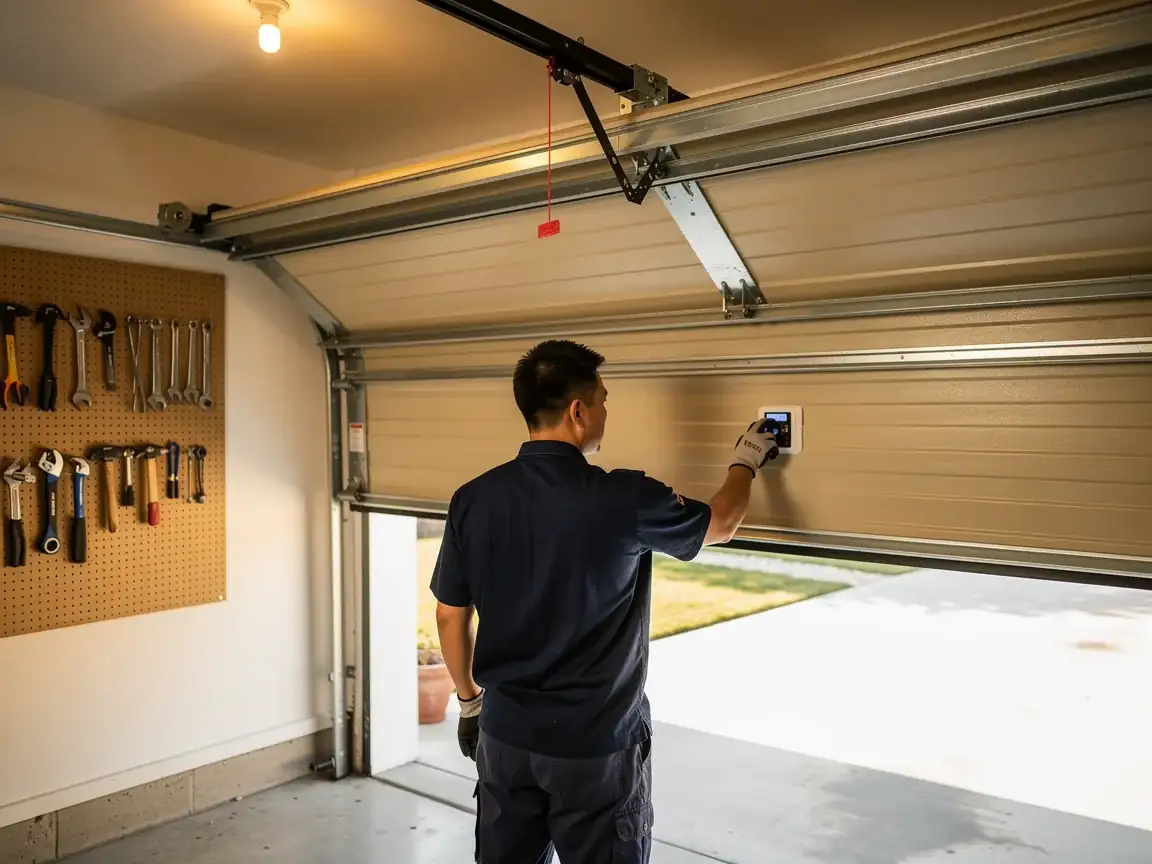
Which matters more here than in a mild climate: when a winter storm knocks out power, a backup keeps the door operable instead of leaving a car trapped. We set the travel limits and force settings to the actual door and spring on site rather than leaving factory defaults, which is where a lot of the reversing and sensor complaints start. Programming remotes and any keypad is part of the same visit - no return trip needed for that.
Doing It Yourself
Swapping a remote battery or re-syncing a keypad code is fine to do yourself, and the owner's manual usually walks you through it. Mounting a new opener unit, wiring it into a dedicated circuit, and setting the safety sensors so they comply with current code is not a weekend project we'd recommend tackling solo - a misaligned sensor is a hazard, not just an inconvenience, and we won't sugarcoat that.
One honest limitation: if your bracket or header is original to a 1970s install and has flexed or rusted, we may need to rebuild that mounting point before a new opener goes up, which adds to the job. We'll flag that on the visit rather than discover it mid-install and surprise you with the cost.