The Symptom
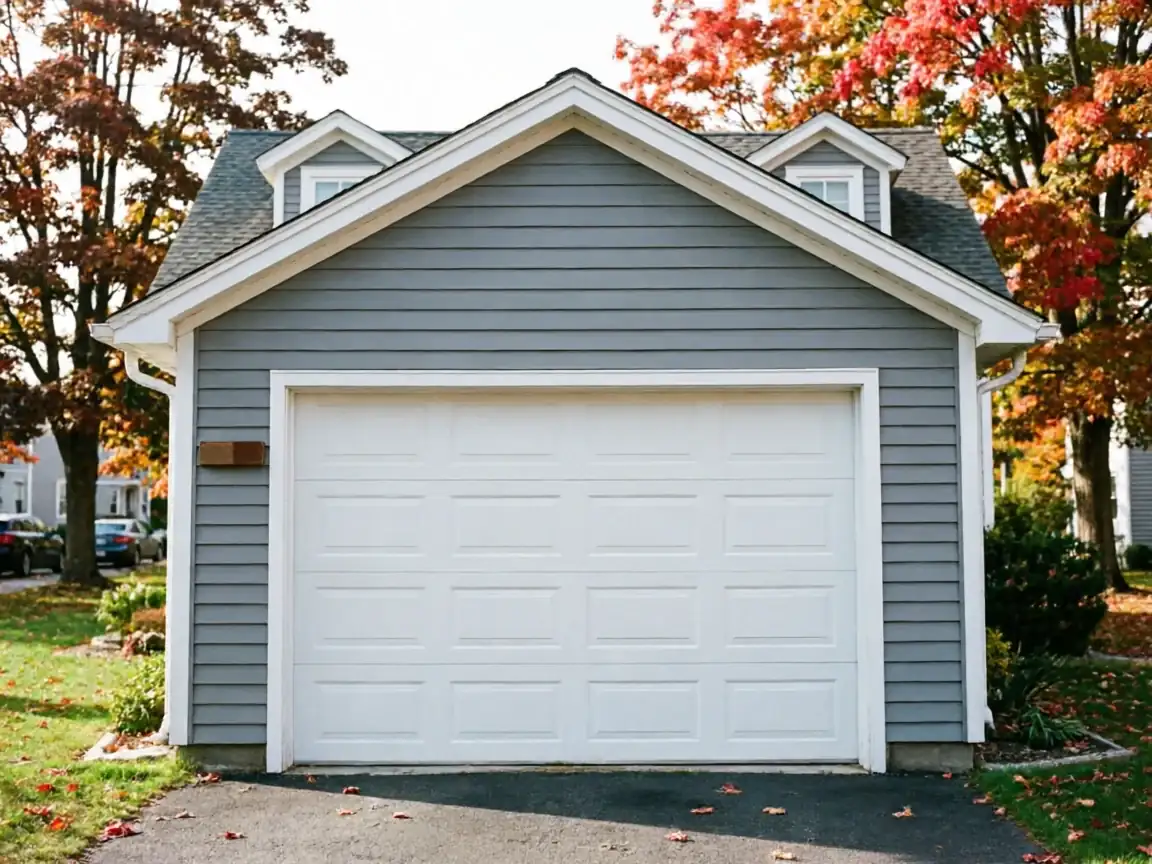
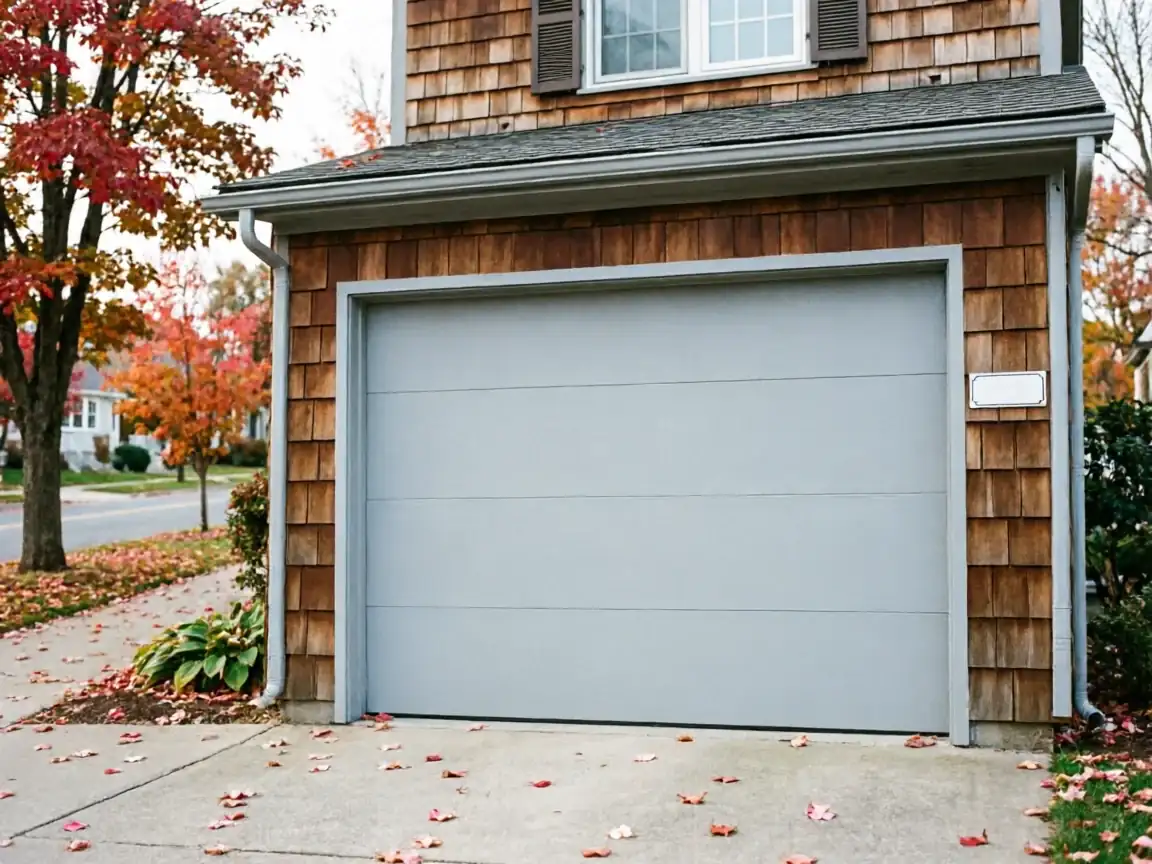
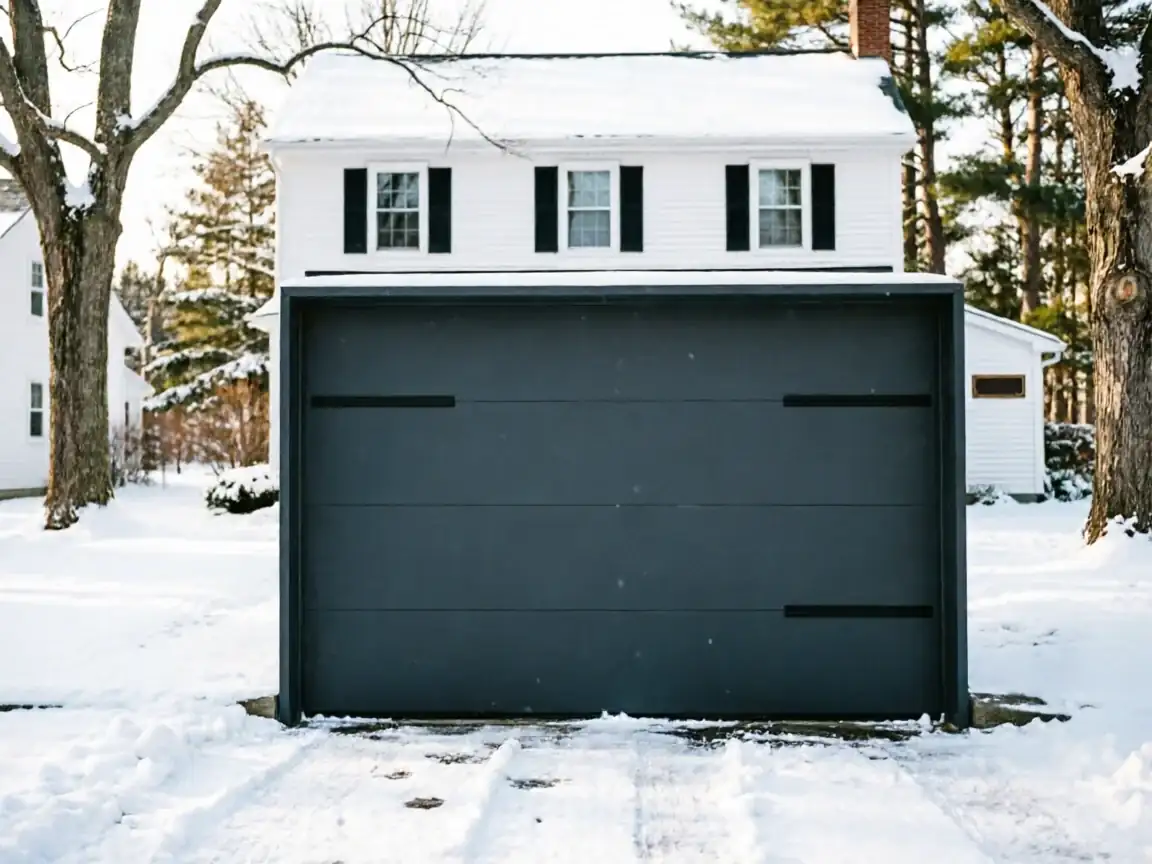
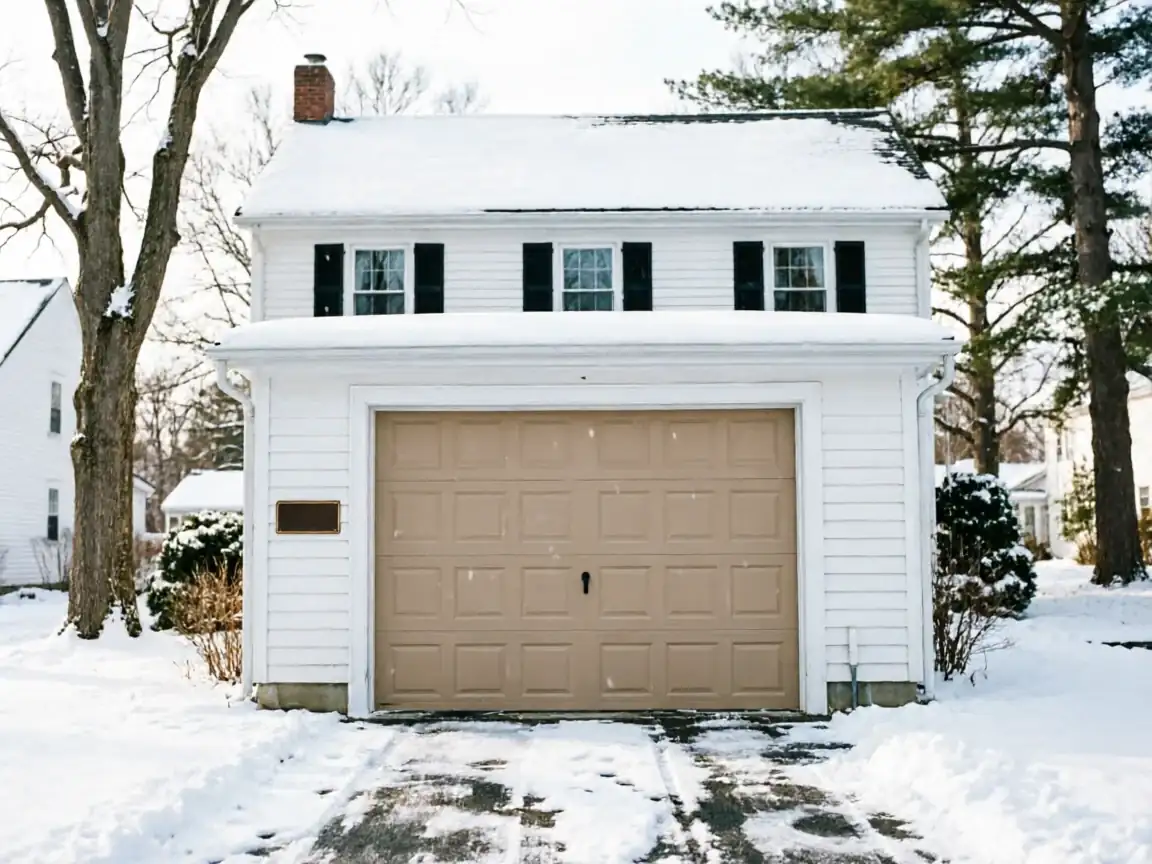
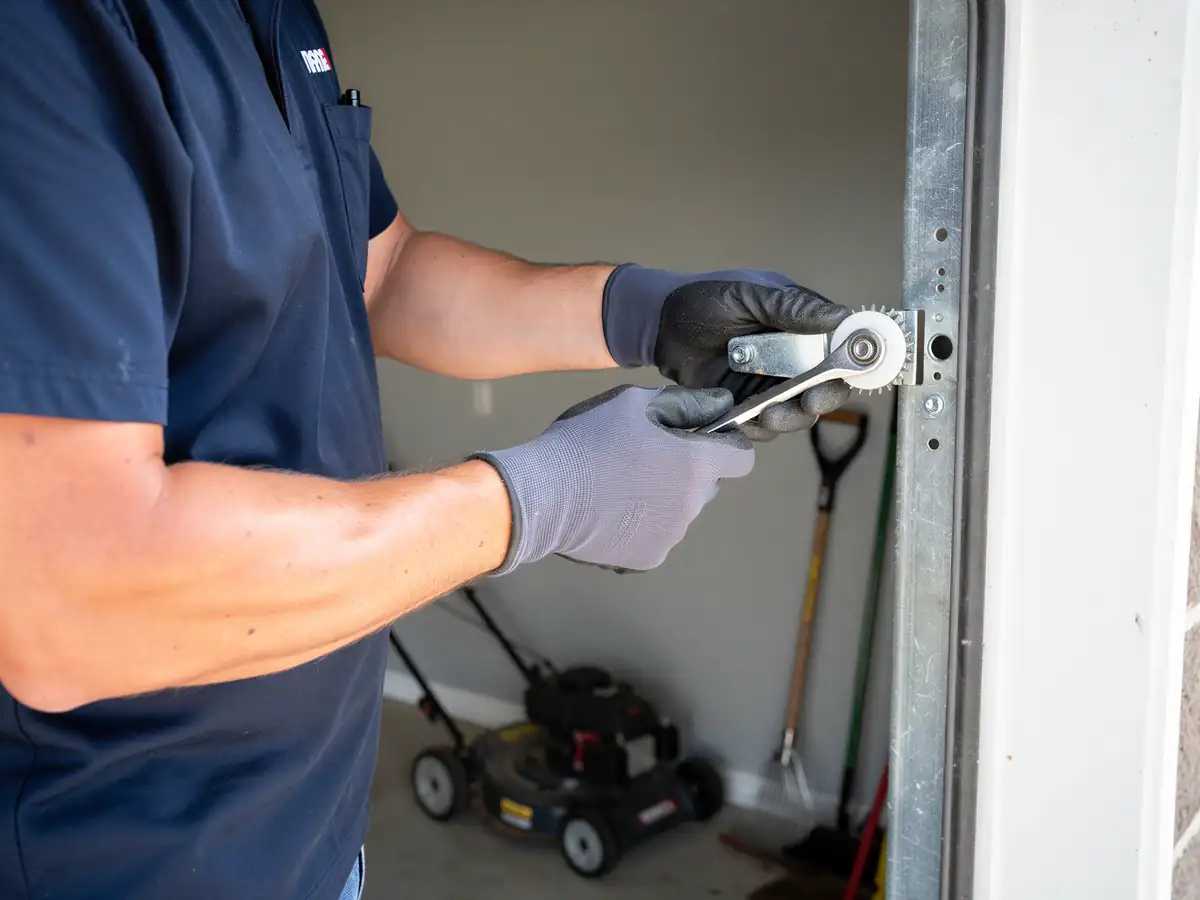
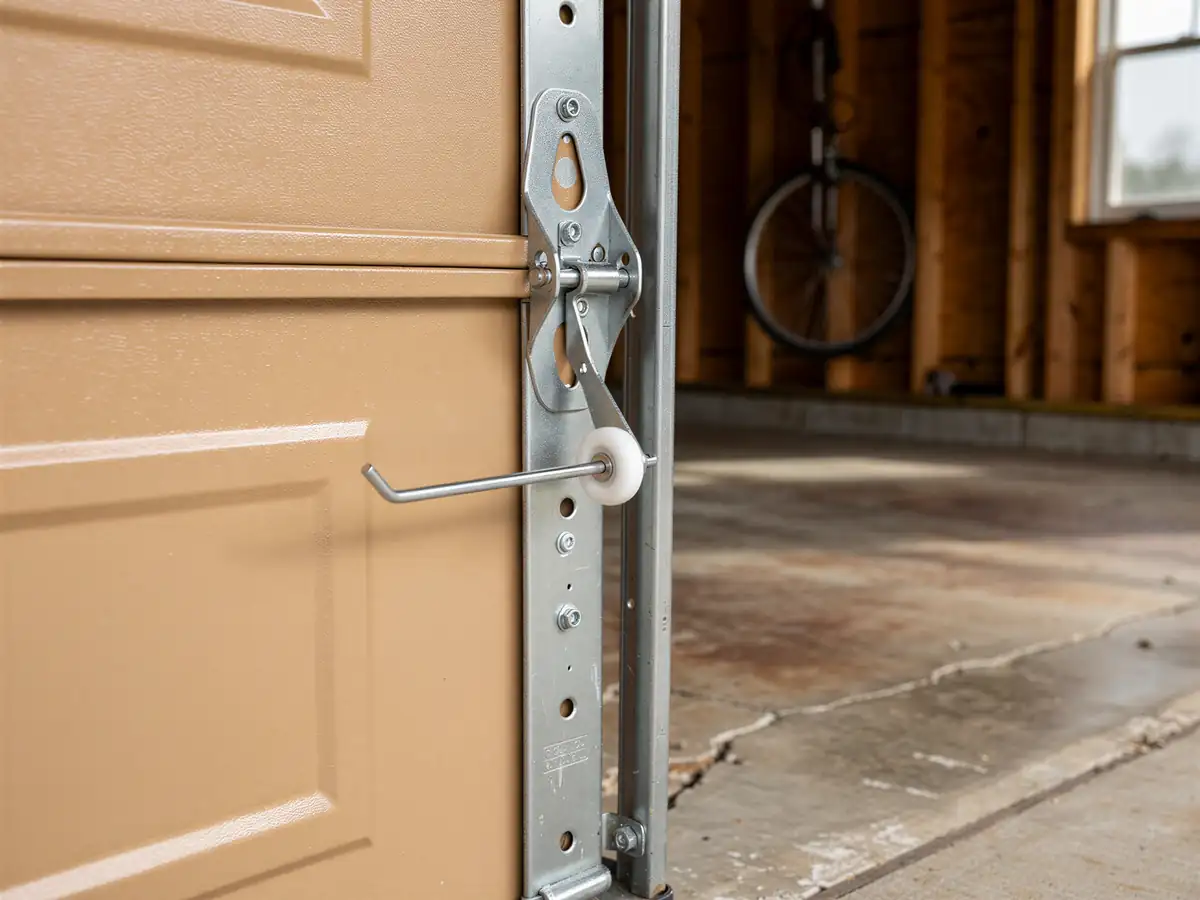
Most garage doors in Plymouth are steel, single-layer slabs hung on the house around 1970, when the neighborhood was built out. A lot of them are the standard 16x7 double or 9x7 single, and they came stock with steel rollers - either plain steel stems with no real bearing inside, or a cheap ball bearing that was never meant to outlast the door. Fifty-some years of opening and closing wears a groove into that stem, and the roller starts to bind in the track instead of rolling through it.
That's the symptom you're hearing: a grinding or screeching sound right at the point where the roller meets the track, usually loudest about a third of the way up on the opening stroke. Sometimes the door hangs up there entirely, or kicks sideways slightly as one roller catches and another doesn't. On a door this age, it's rarely one bad roller - the whole set has usually worn down together, just not evenly, so one finally quits first and tells on the rest.
Time on the Job
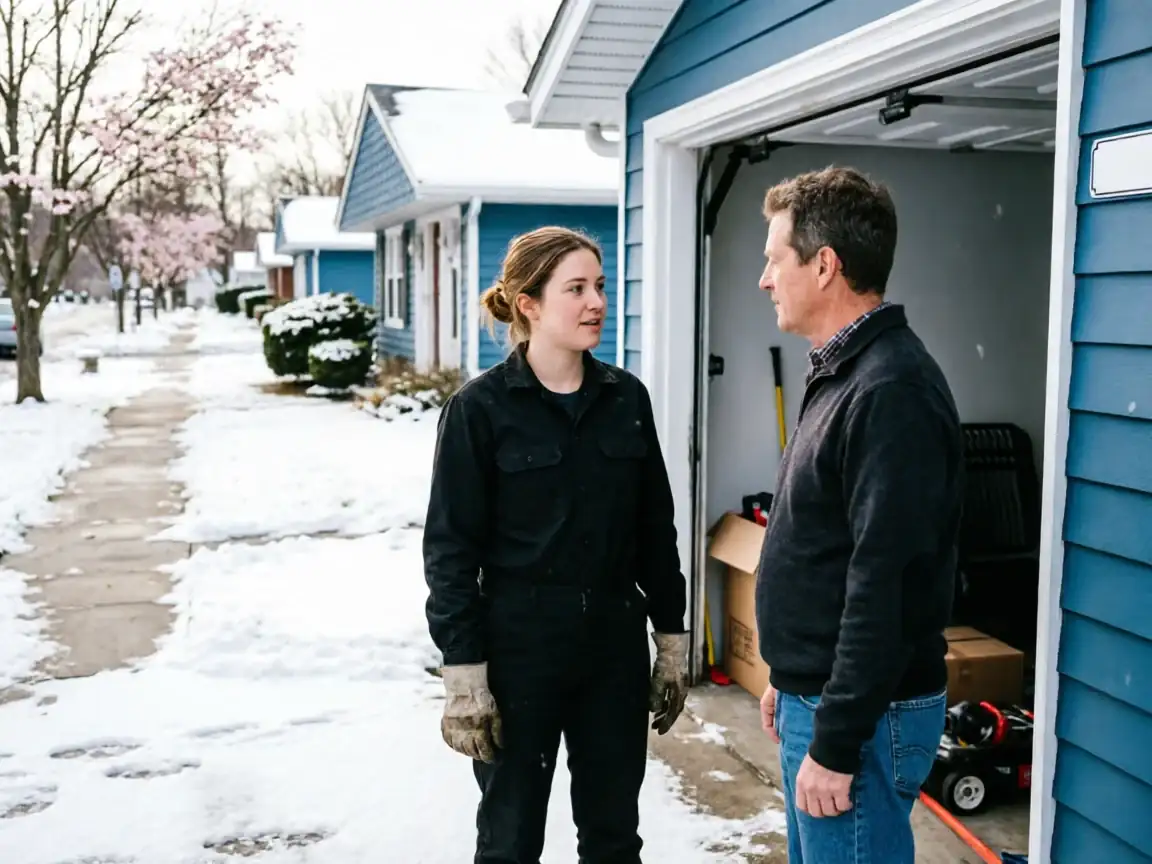
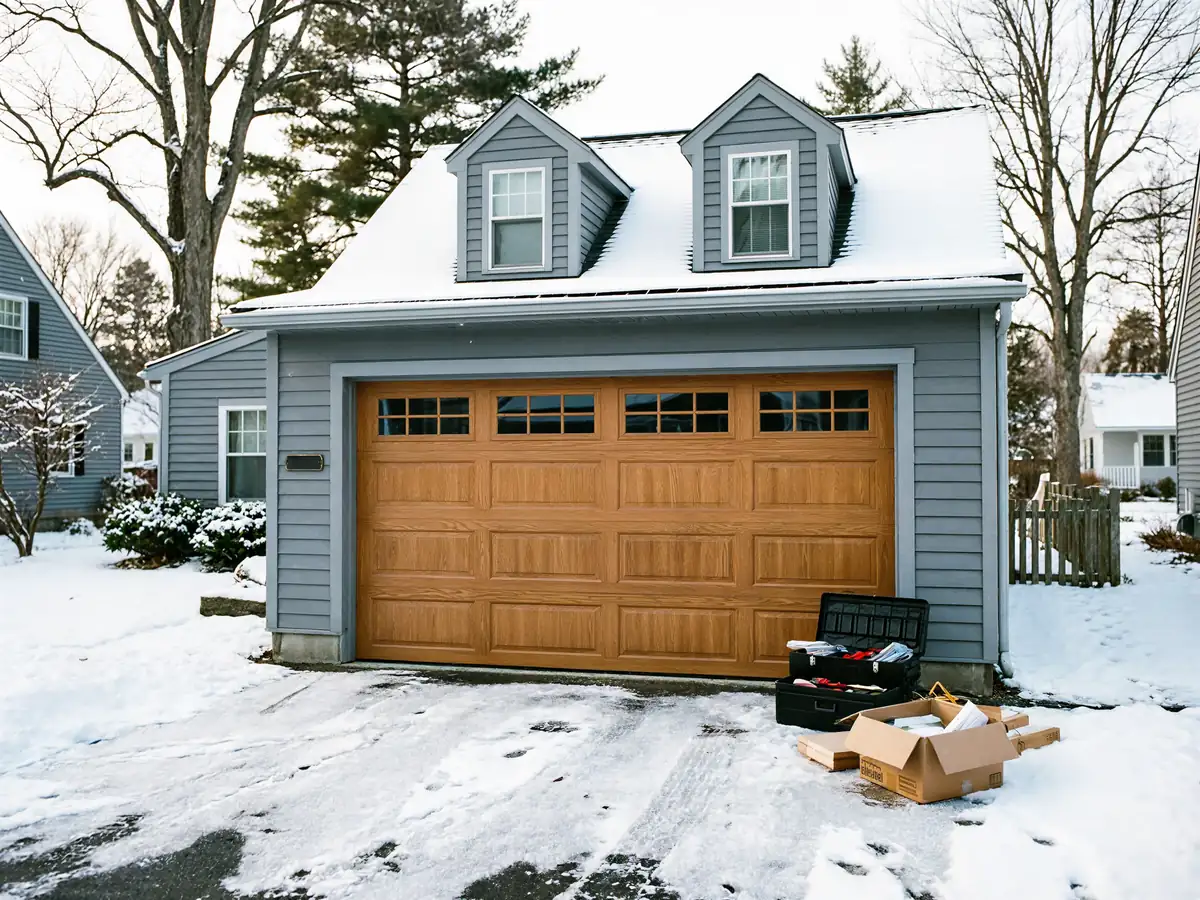
We work out of Bristol, about 4 miles from Plymouth, so there's no branch office here and no separate local crew - the truck comes from the shop. That's worth saying plainly: we don't promise a Plymouth-specific arrival window, because it's the same route and the same scheduling as the rest of the towns we cover out of Bristol.
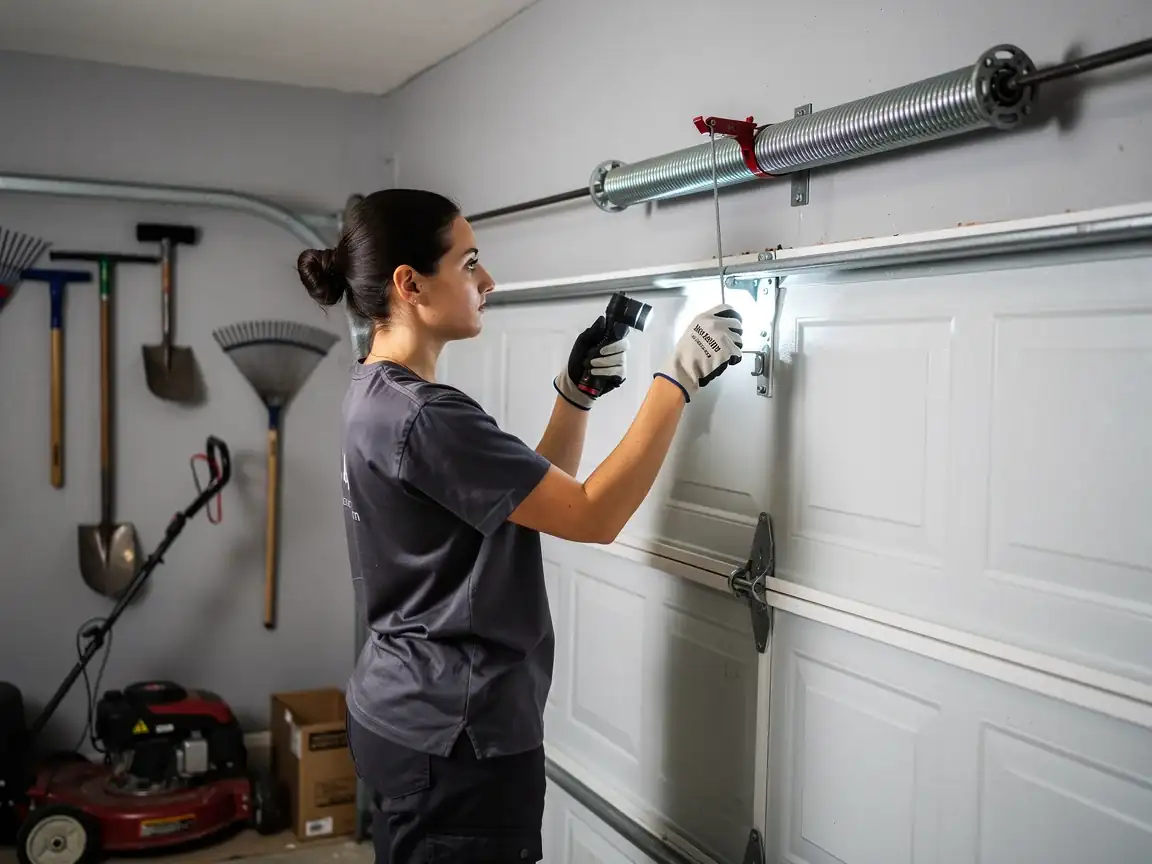
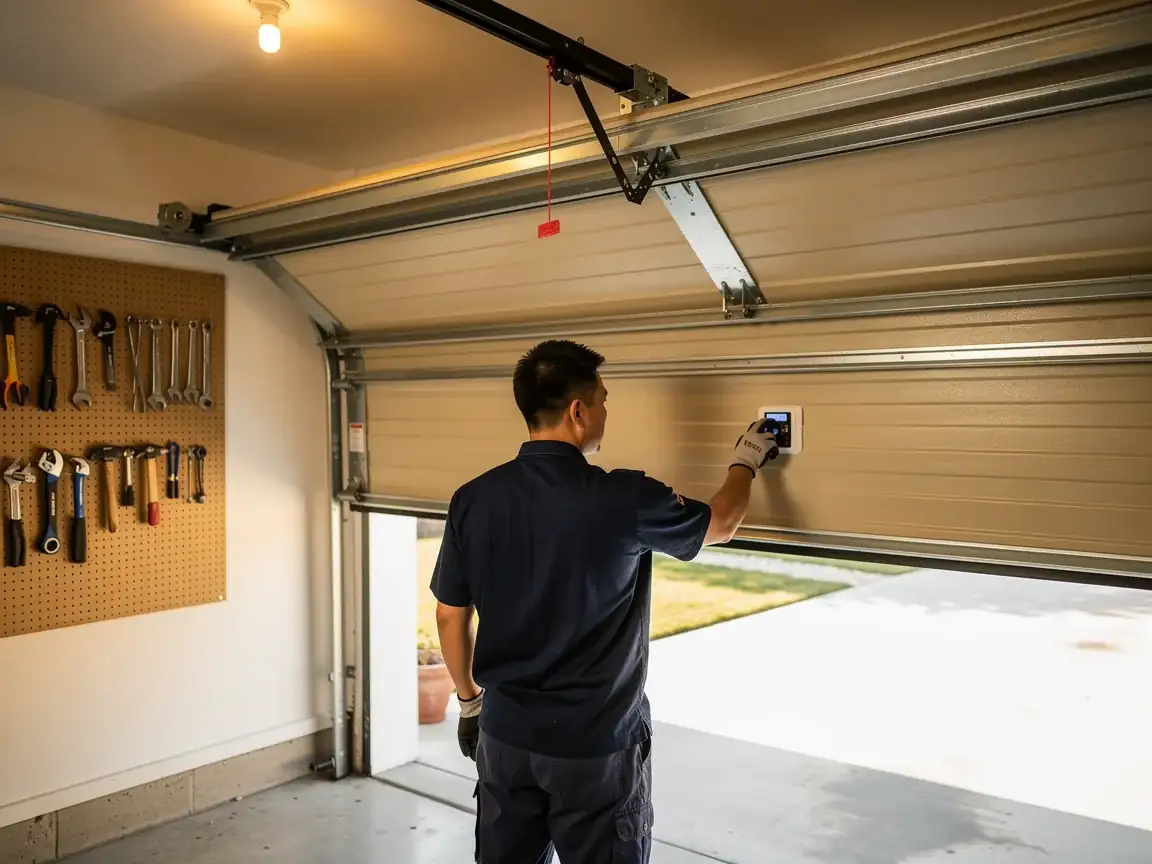
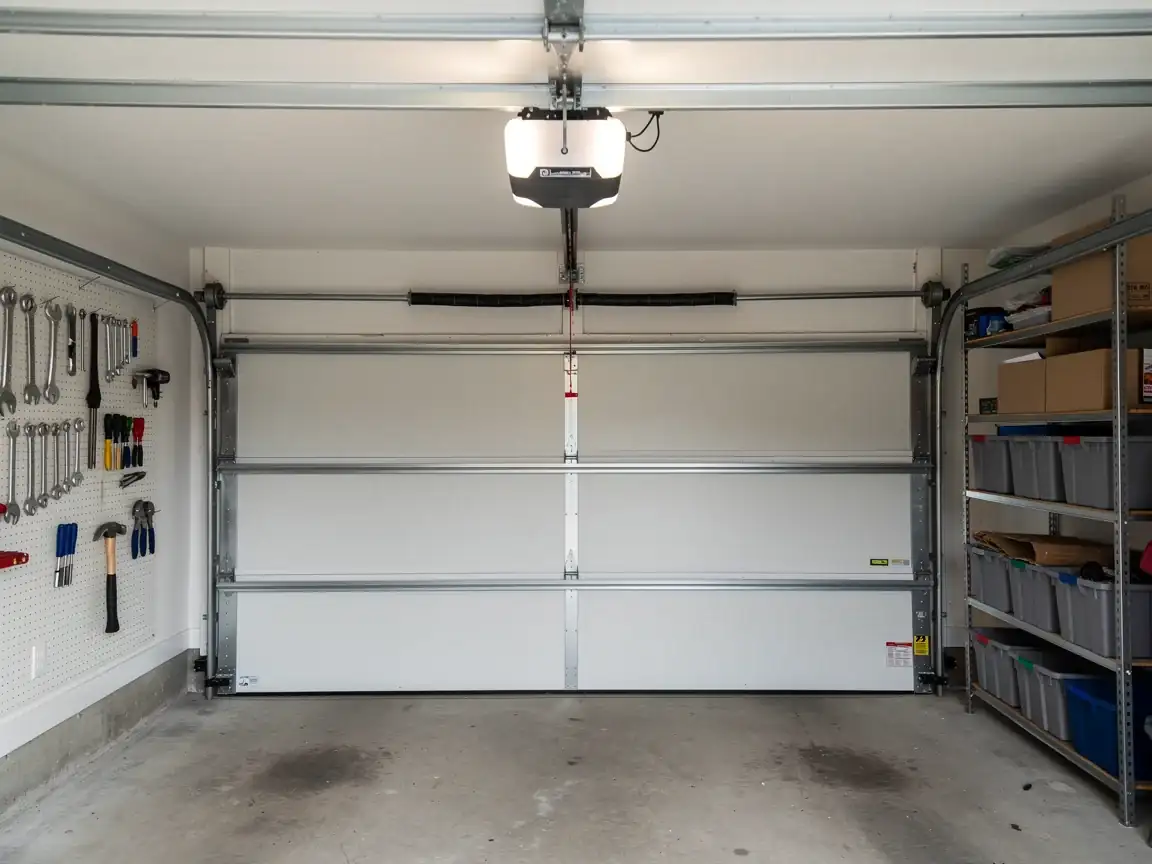
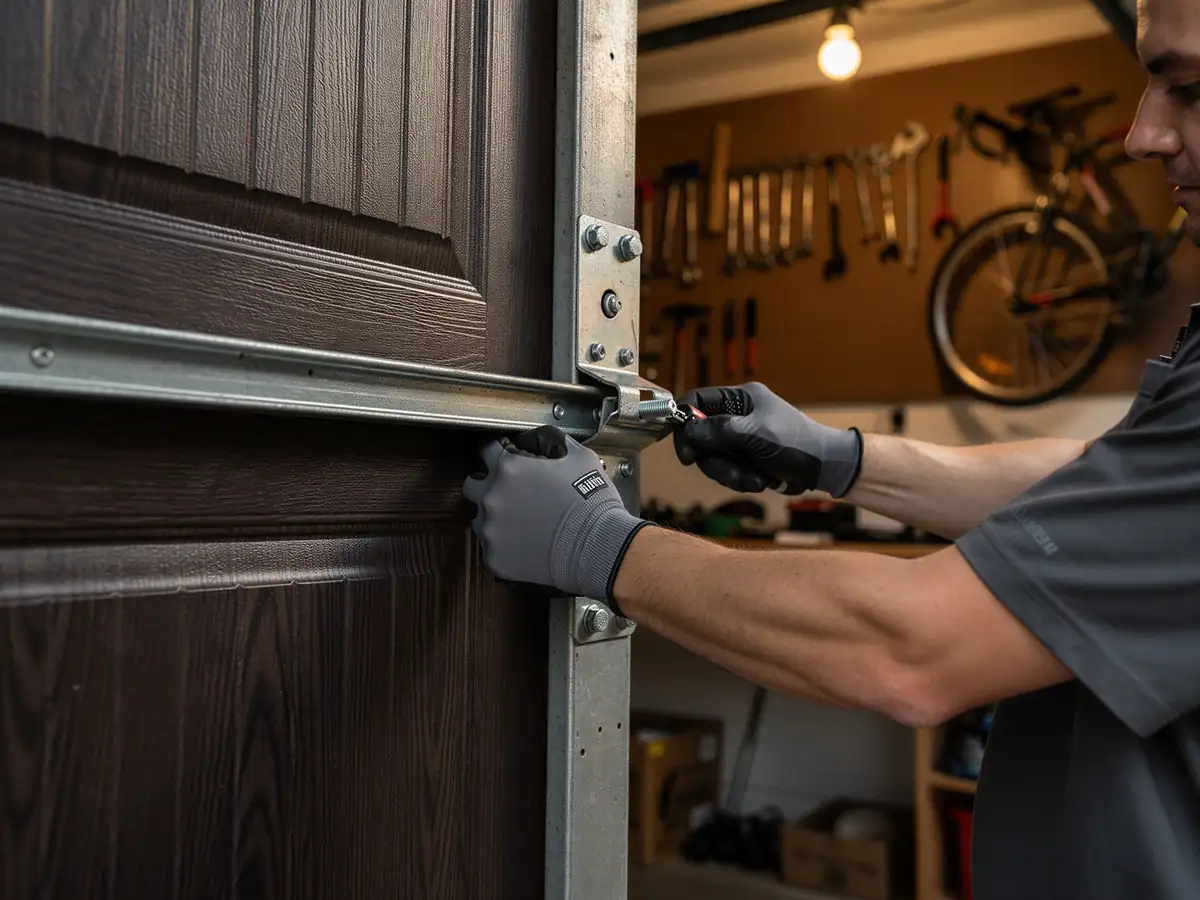
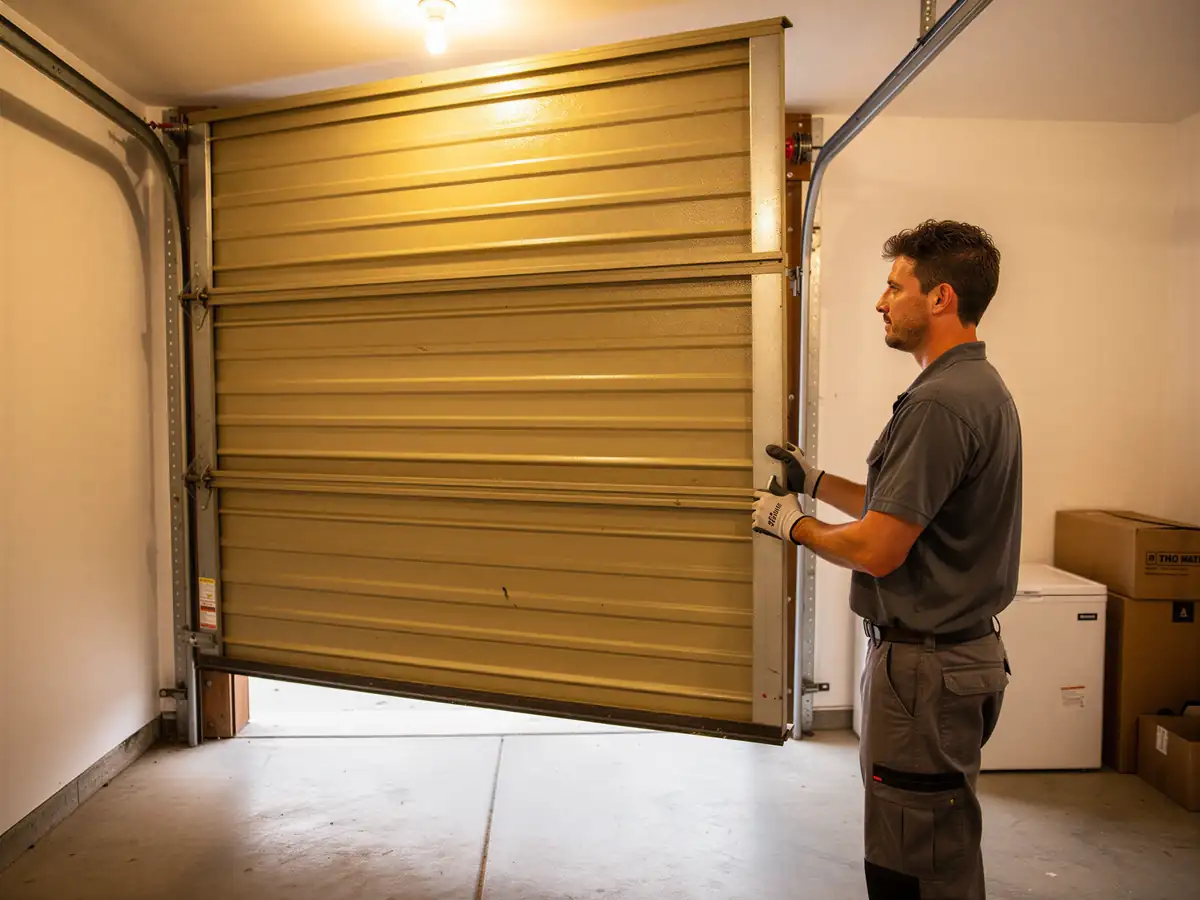
Once we're at the door, roller replacement itself doesn't take long compared to a spring or opener job - it's mostly disconnecting the door from the opener, pulling the old rollers out of the track one at a time, and checking the track itself for the dents and rust that fifty years of use leaves behind. On a 1970s door we almost always find the track needs a light straightening pass or a bracket re-seated, since the hardware is original and has shifted slightly over the decades. We'd rather catch that while we're already in there than have you call back in six months.
Why It Happens Here
Plymouth's housing stock sits right in the 1938-1986 range typical of this part of the service area
With a local median build year around 1970 - which means the original garage door hardware on a lot of these houses has never been touched. Steel rollers from that era don't have sealed bearings, so winter is hard on them: Connecticut's cold climate band makes steel contract and grease stiffen, and a roller that was already worn grinds louder and seizes faster once the temperature drops.
With about 4,609 households in Plymouth and a median income near $99,797
We see a fairly even split between homeowners who want one roller swapped to quiet the noise and those who'd rather replace the full set once they're told the rest are close behind. Neither is wrong - it depends on how long you plan to stay in the house and whether the track underneath is still straight enough to be worth the extra hardware.
- 4,609 households
- $99,797 median household income
What Is on the Truck
For a door built around 1970, the original steel rollers almost never match what we carry now - we replace them with nylon rollers on sealed ball bearings, which run quieter and don't need the periodic greasing the old steel ones did. We carry both 7-ball and 10-ball stem lengths to match the track gap on an older door, since Plymouth's housing stock runs a mix of standard and slightly non-standard rough openings from that build era.
What we don't carry is custom track - if the existing track is bent badly enough that straightening won't hold, that's a separate job we'll quote on the spot rather than force a roller fix onto hardware that's done. That's the honest limit of a roller call: it fixes the roller and the track it rides in, not a door that's past worth saving. We'll tell you straight if that's where things stand before any work starts.