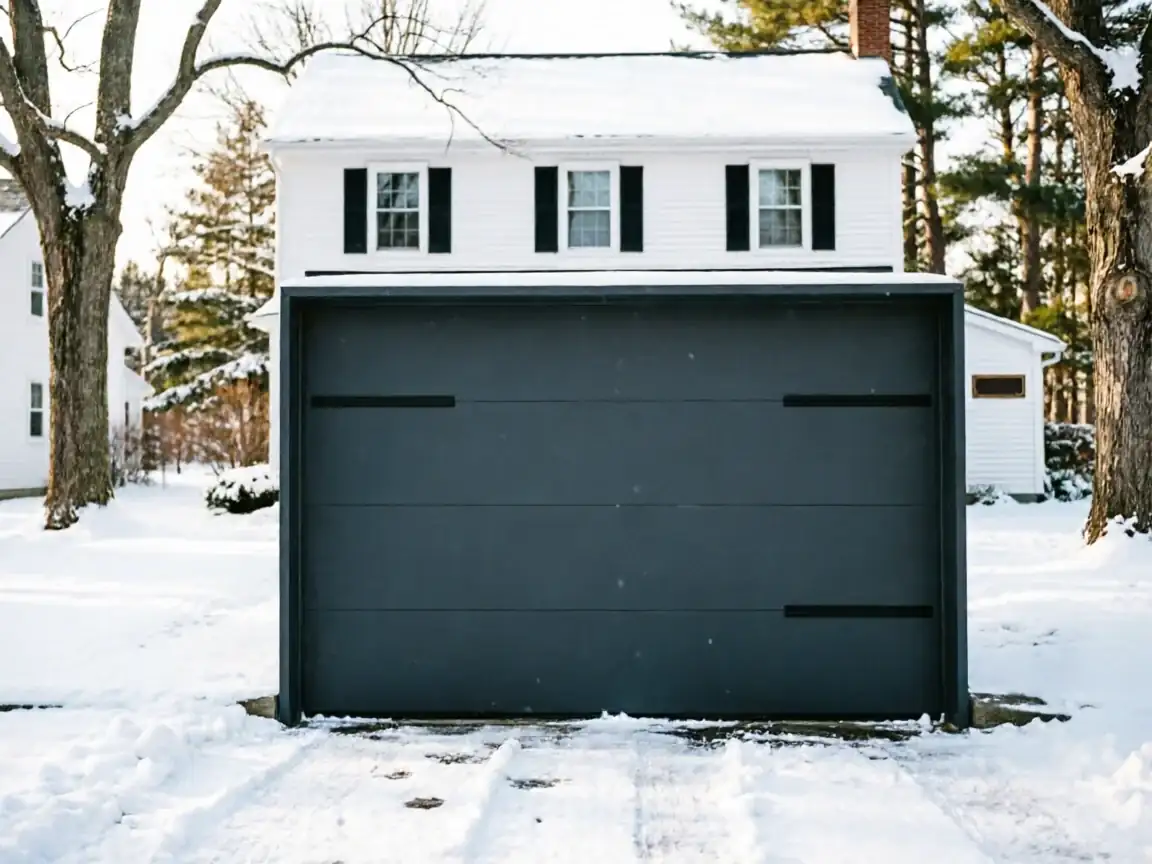
The Symptom
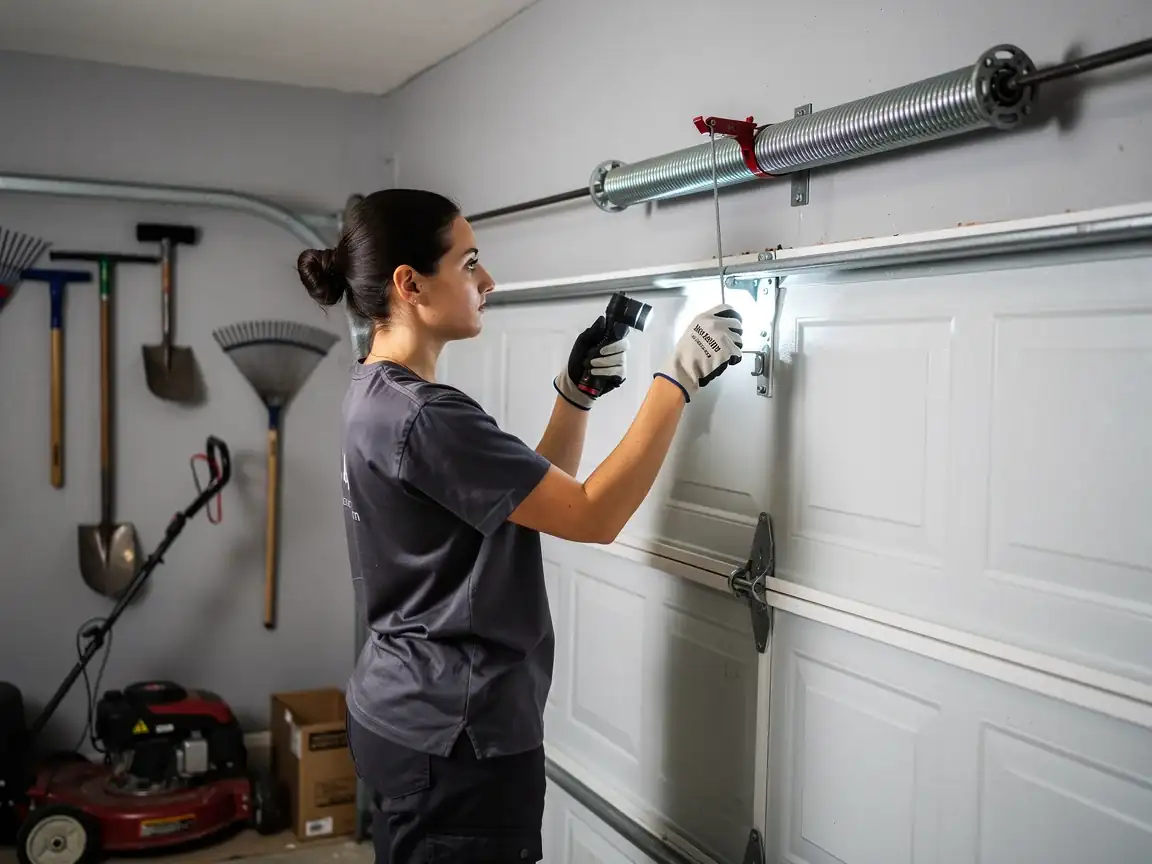
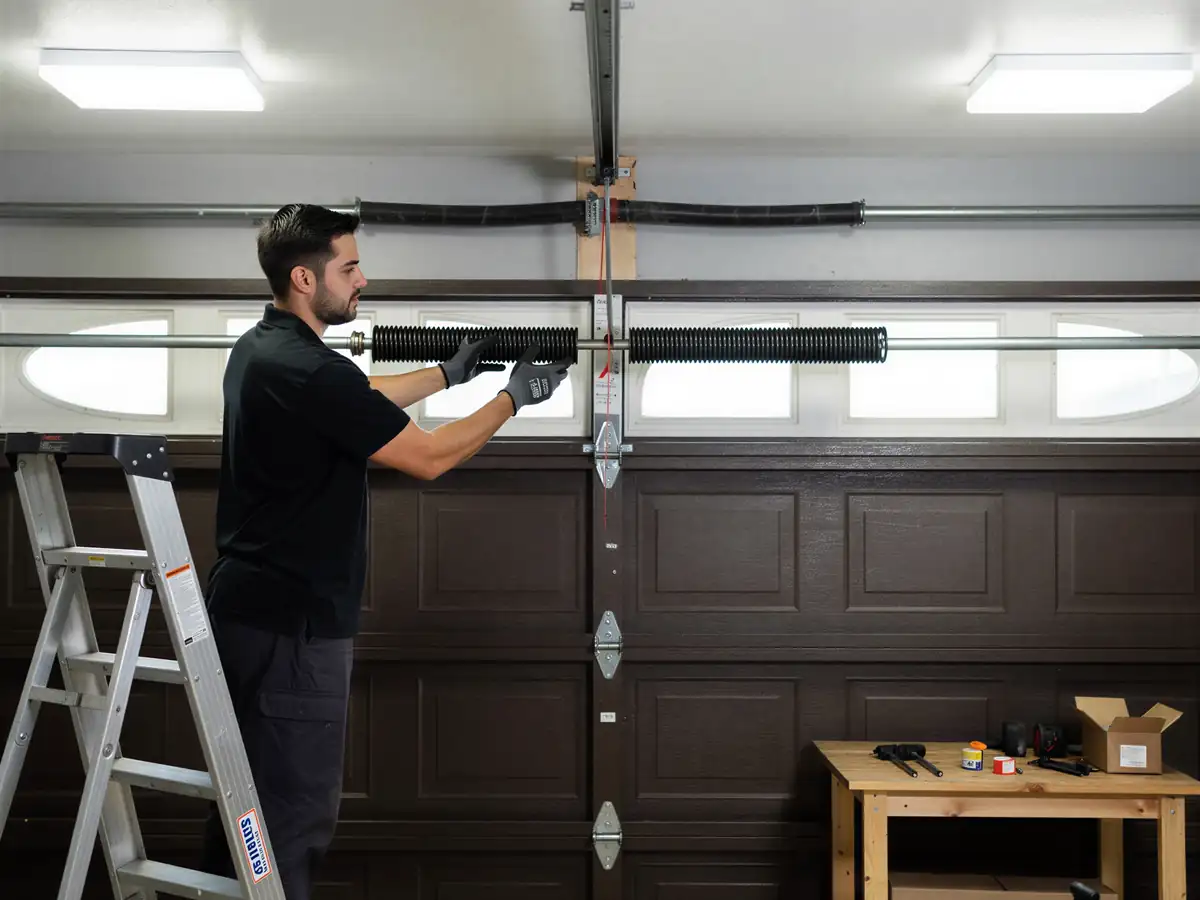
The call we get from Plymouth is usually about a door that still runs but costs more every time it breaks. A cable frays, then a roller seizes, then the opener starts grinding because the track is bent just enough to bind. None of it is an emergency. All of it adds up.
That math matters more in Plymouth than it would somewhere with a higher ceiling on household income. At $99,797 median income, the service area's own number of $107,435 sits noticeably above what Plymouth households bring home, and that gap is exactly where the repair-or-replace decision gets made. A $200 roller fix is obviously worth it. A third spring job on a door that's already had its bottom panel patched is a different conversation.
We tell people straight: if the symptom is a single broken part on a door that's otherwise square and balanced, fix it. If you're calling about the third thing this year, the door is done, and at Plymouth's income level, spending once on a new door usually beats spending three times on a dying one.
Time on the Job
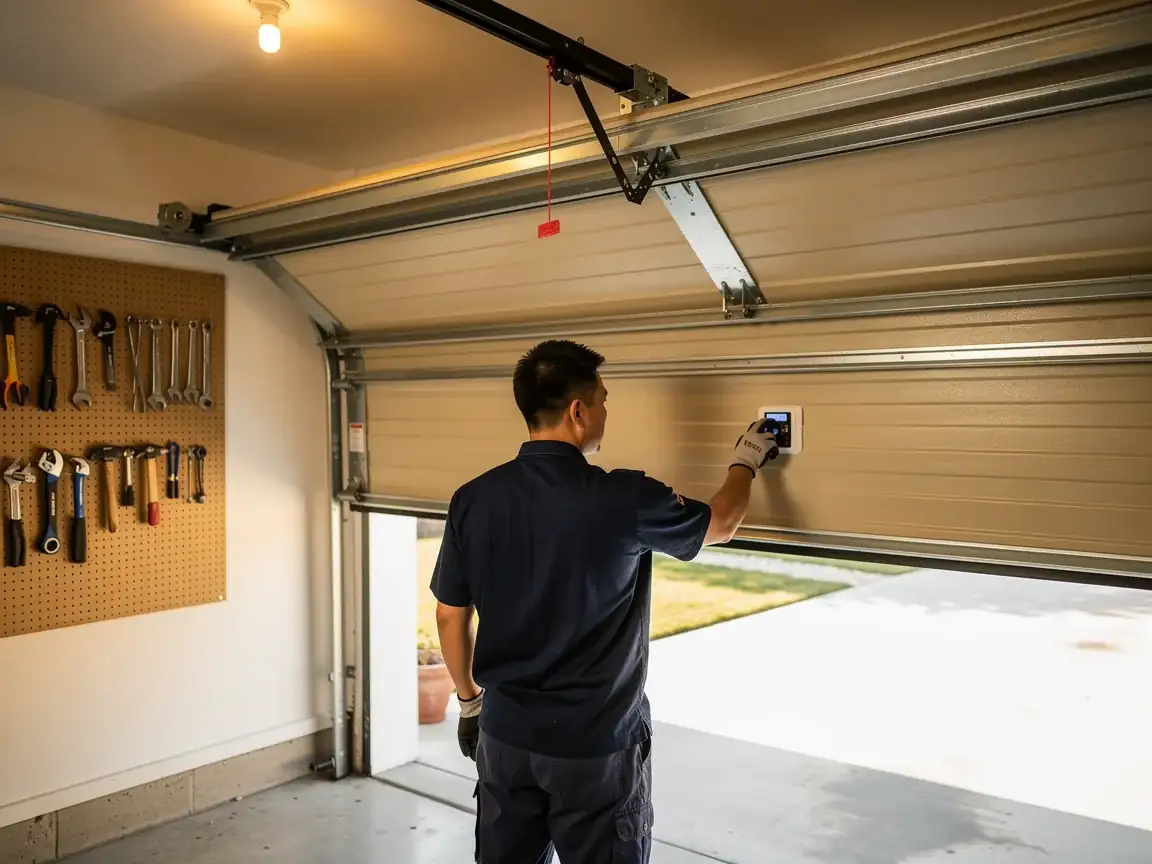
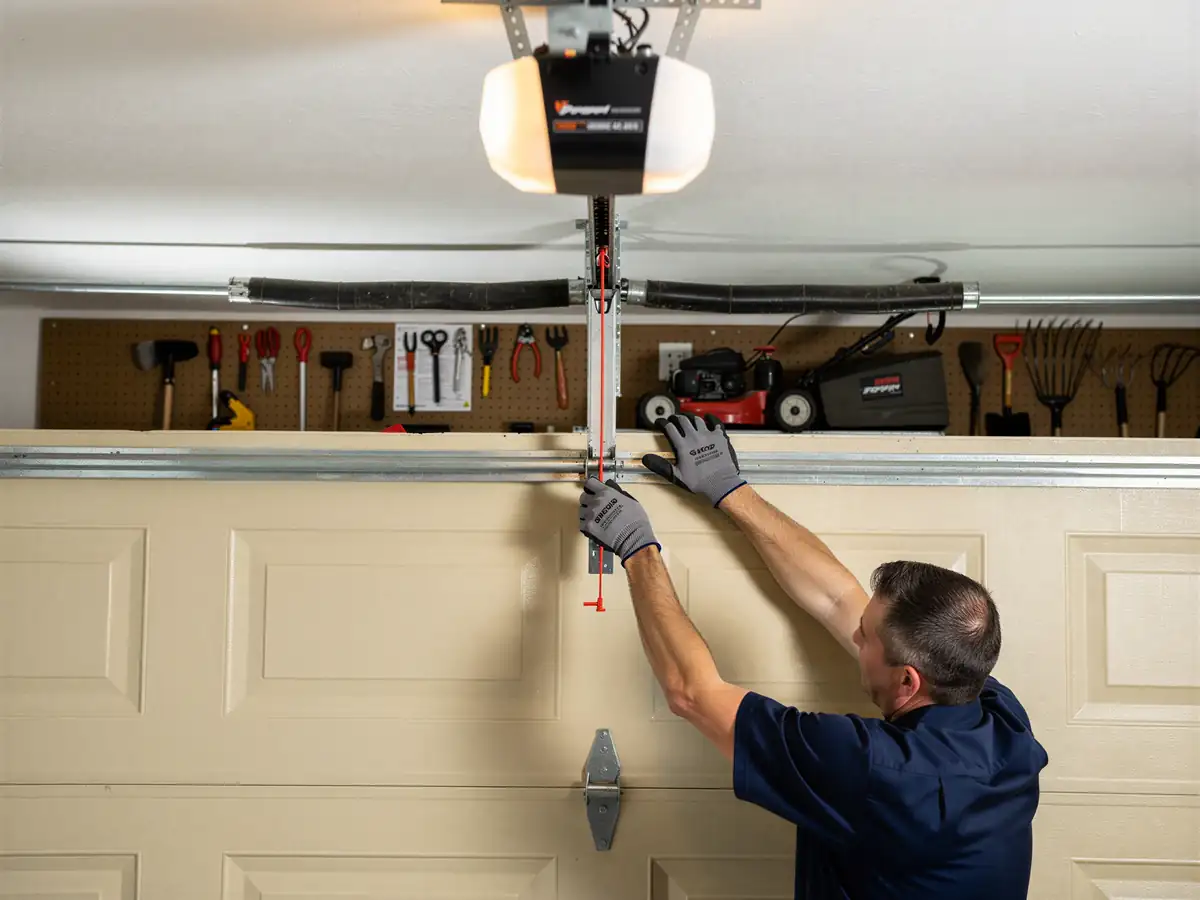
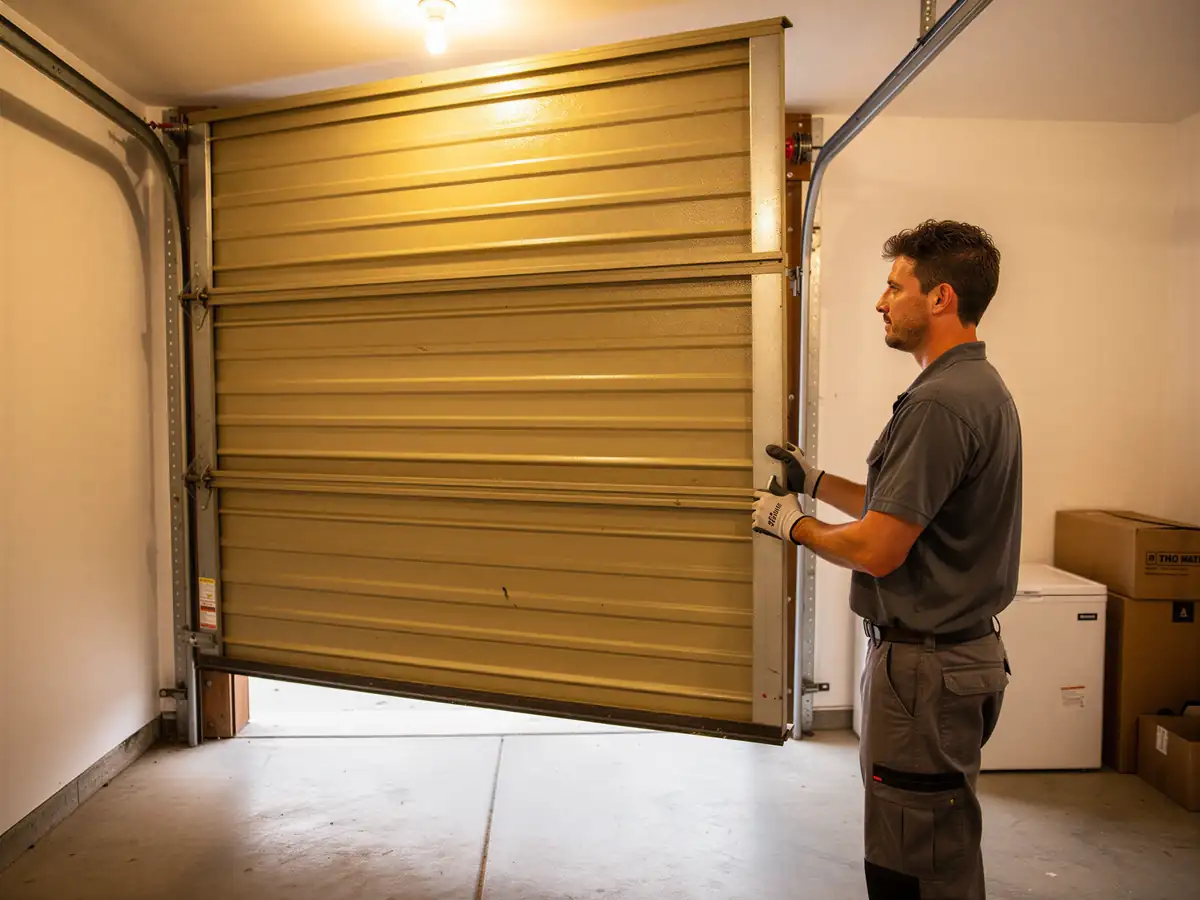
A full install, tear-out through opener programming, runs most of a working day once you count hauling the old door and hardware out and squaring the new jambs. We're not quoting a response time here because we work out of Bristol, four miles east, and drive time isn't the variable that decides your install date - our schedule is.
What we can tell you is that a straightforward swap on a standard single or double opening, where the framing is square and the header has room for new track, moves faster than a job where we're rebuilding a sagging jamb or rerouting conduit for the opener. Plymouth's older framing sometimes needs that extra hour, which is worth knowing before you plan your day around the install.
We don't do same-day emergency installs here - new doors get scheduled, not rushed, because getting the header level and the springs balanced right the first time matters more than getting it done fast.
Why It Happens Here
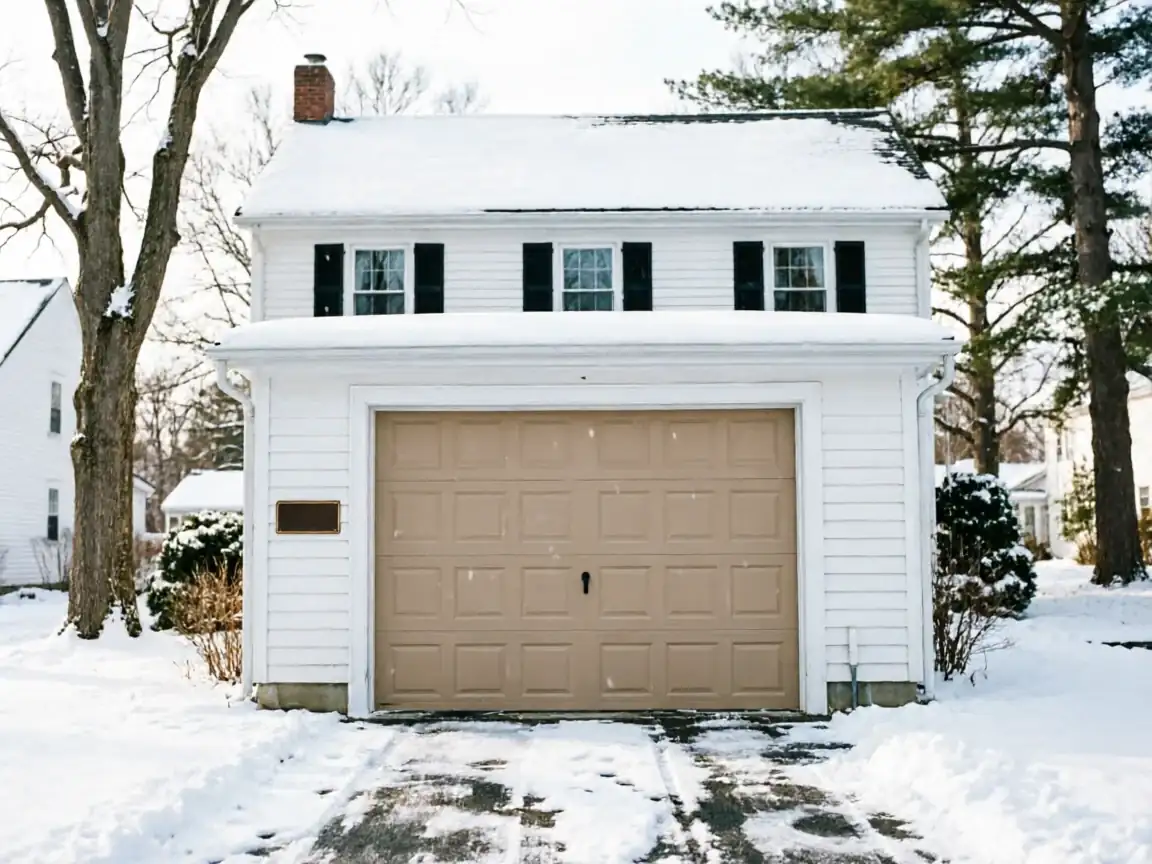
Most houses in Plymouth went up right around 1970
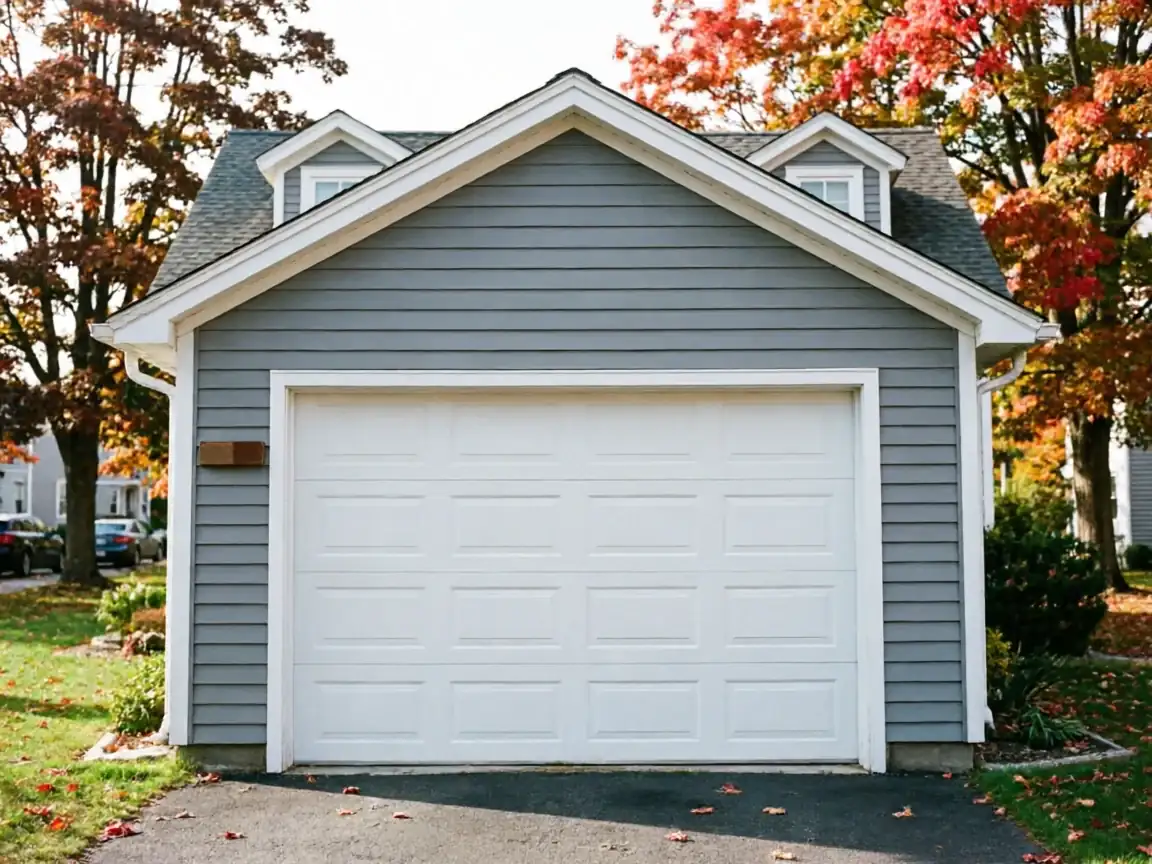
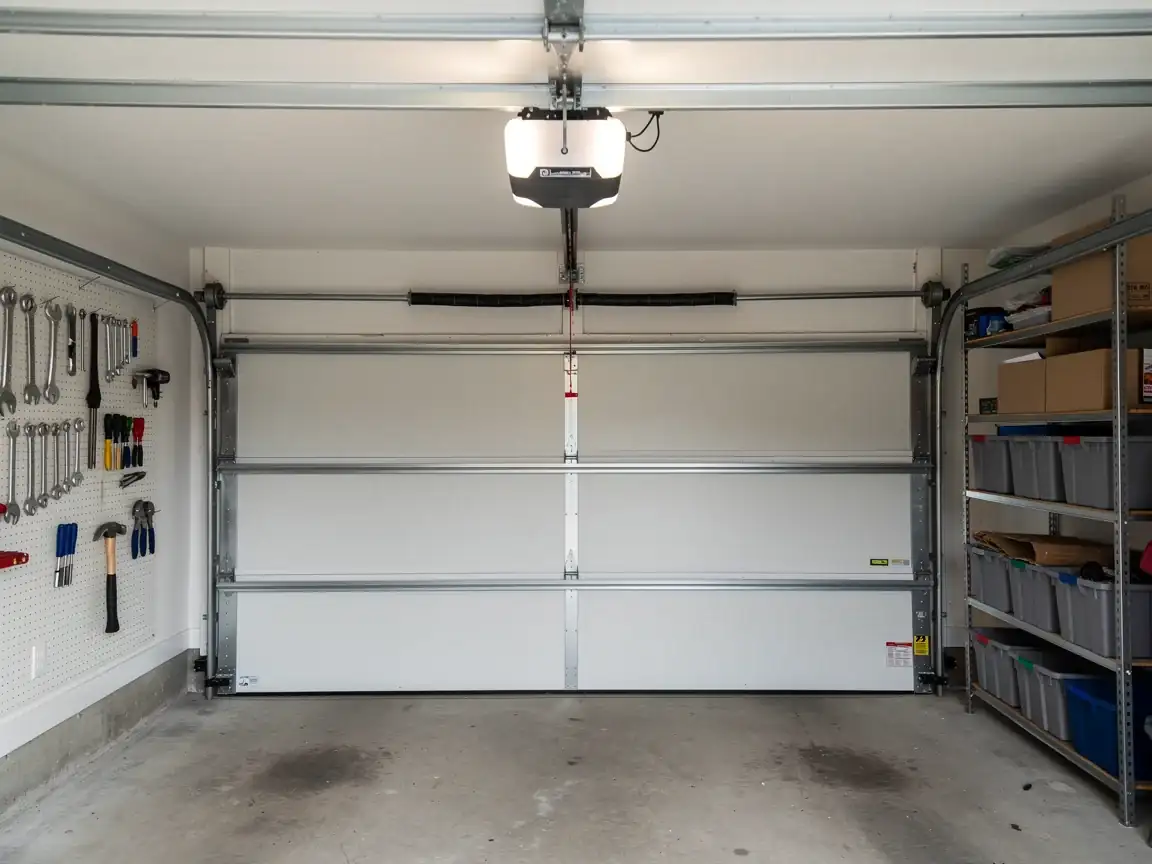
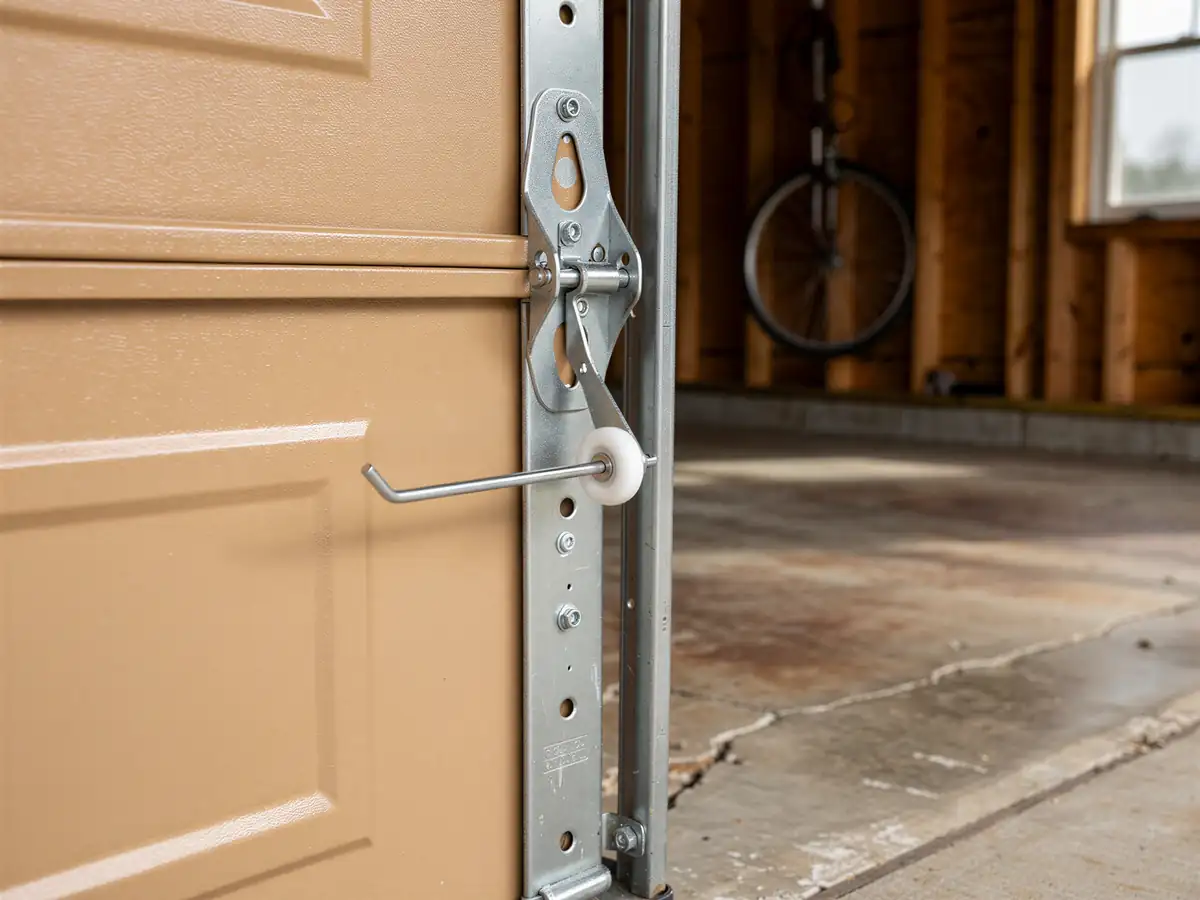
Which puts the town squarely in the 1960s-70s band that covers most of this part of the service area. That era built a lot of single-layer steel doors on side-mounted torsion springs, sized to openings that were standard then but aren't always standard now. When one of those original doors finally fails, the track and spring hardware is often the obsolete piece, not the panel.
Connecticut's winters are the other half of it
This is a cold-climate zone with real seasonal swings, and a 50-year-old door with no insulation layer was never built to handle that efficiently. Replacing it isn't just about the hardware failing - it's about a door that was never insulated to begin with finally getting swapped for one that is.
Put those two things together
1970s hardware reaching the end of its run, and a cold climate that was never factored into the original door - and you get a town where installs cluster around age, not accidents.
What Is on the Truck
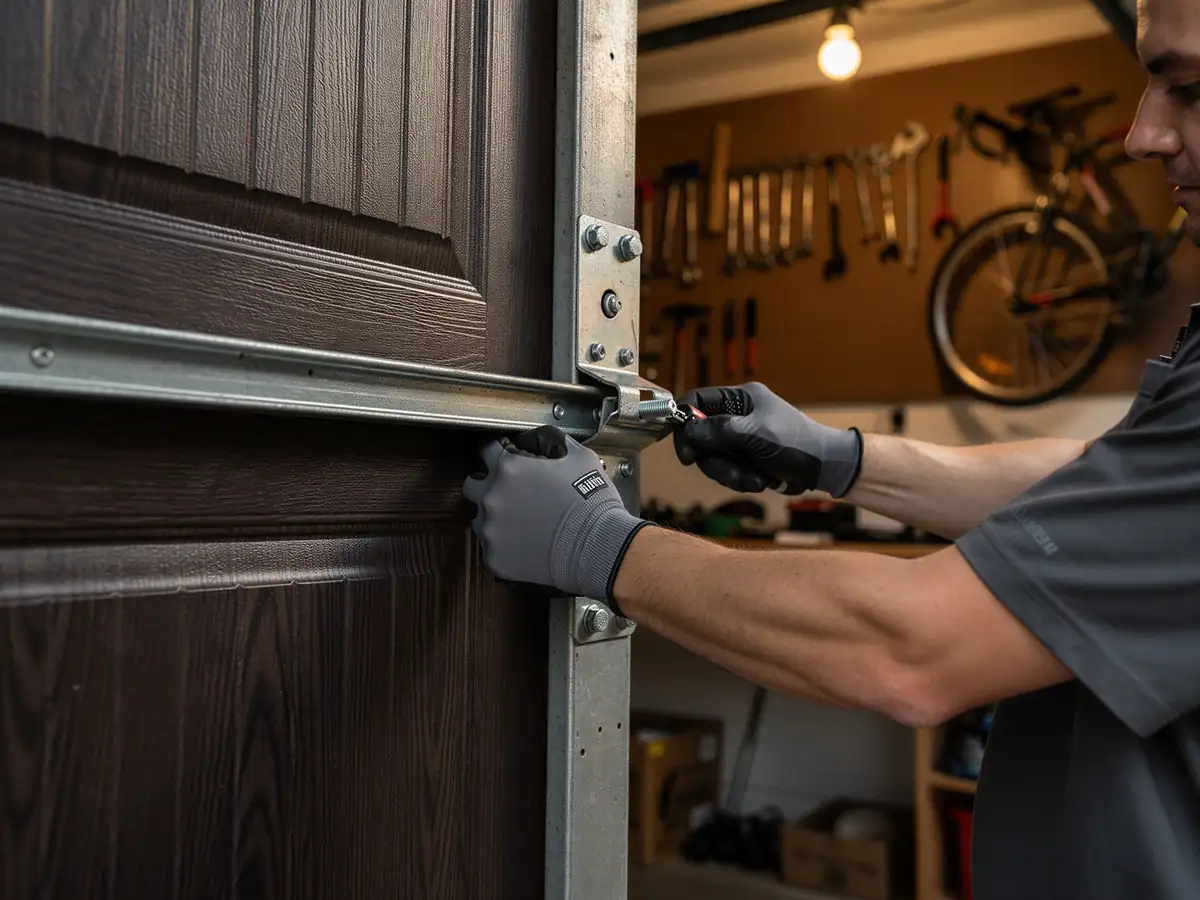
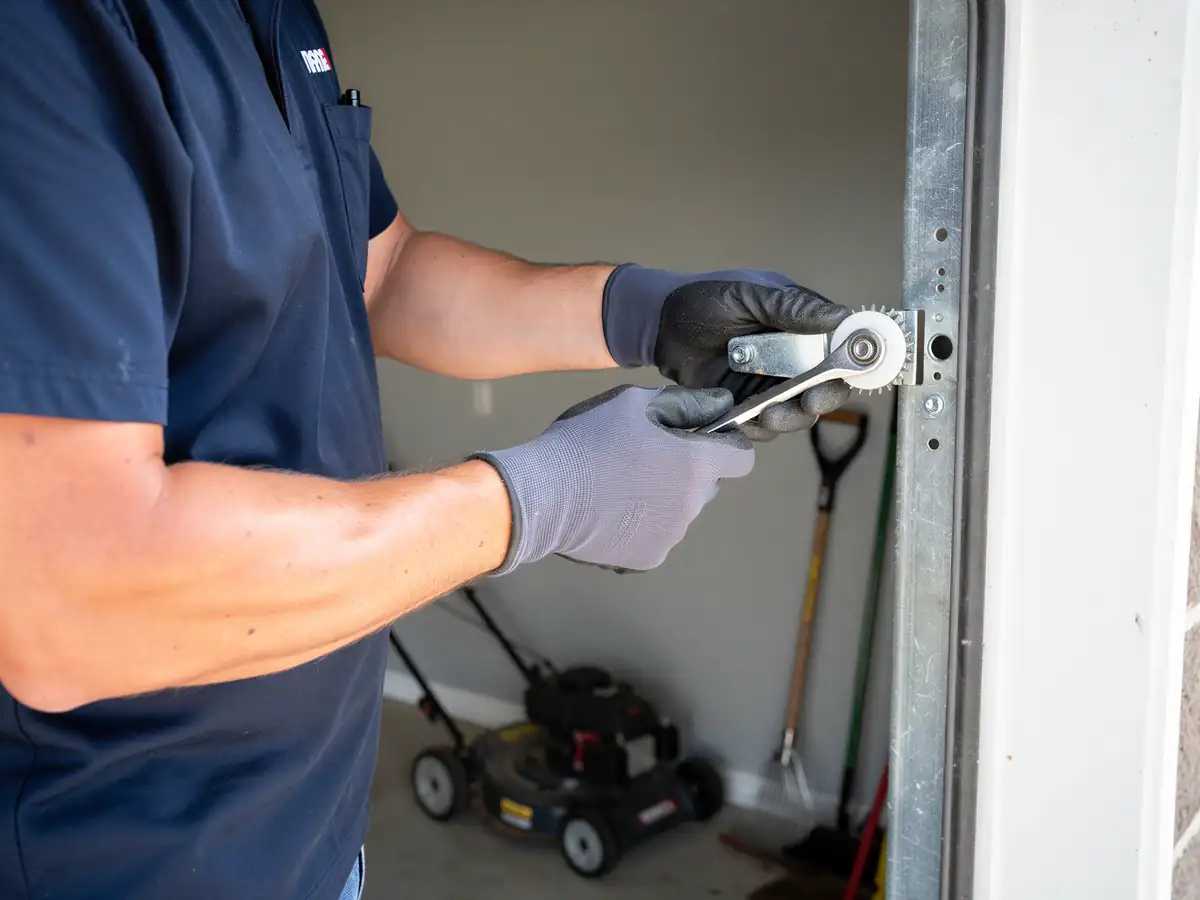
For a Plymouth install we're carrying insulated steel sections rated for a cold climate, torsion springs sized to the opening rather than a one-size parts-store spring, new track and rollers, and the fasteners and jamb hardware to deal with a header that's been settling for fifty years.
We don't carry every custom width on the truck - if your opening is nonstandard, which happens on some of the older lots around here, that panel gets ordered and the install becomes a two-visit job: one to confirm measurements, one to set the door. We'd rather tell you that upfront than show up short a panel.
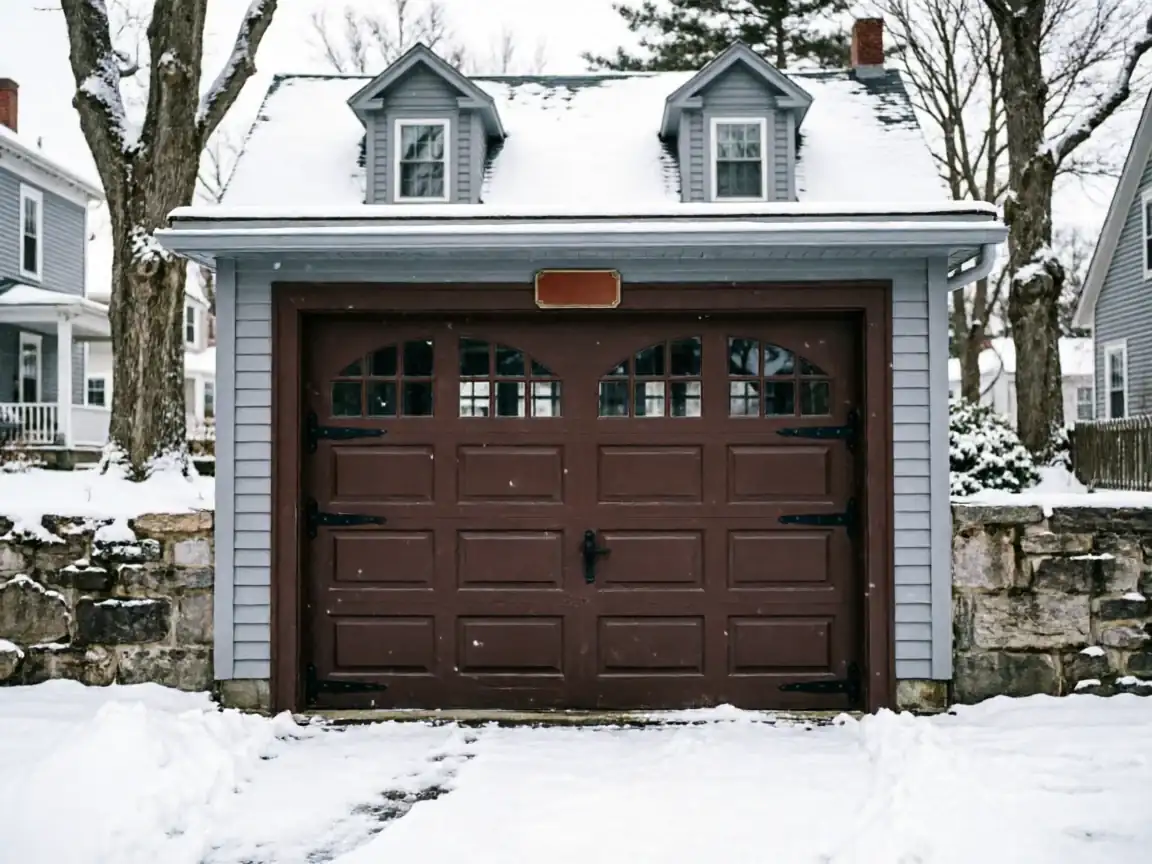
We also don't stock wood or carriage-style doors as a rule; if that's the look you want, we'll talk through what's available and what the lead time looks like before you commit to a date.