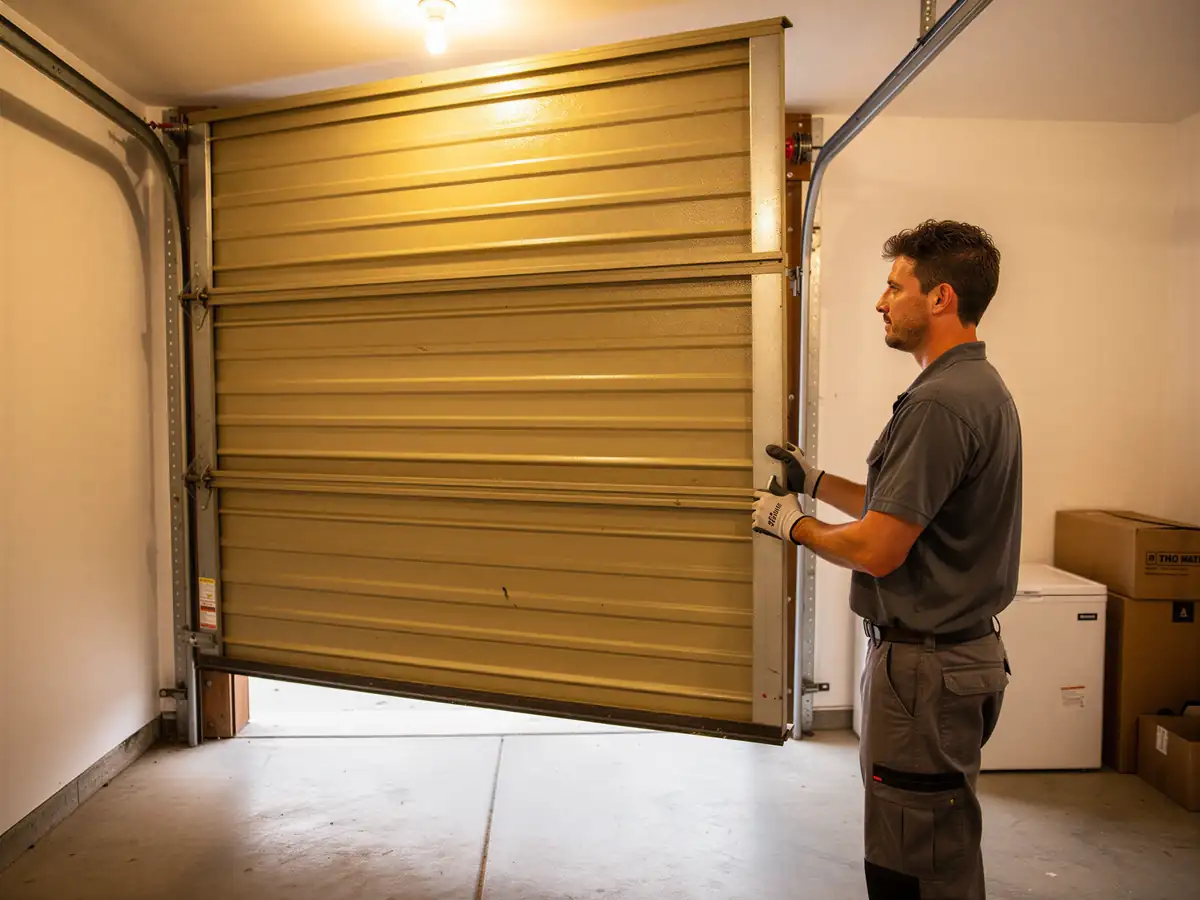
The Symptom
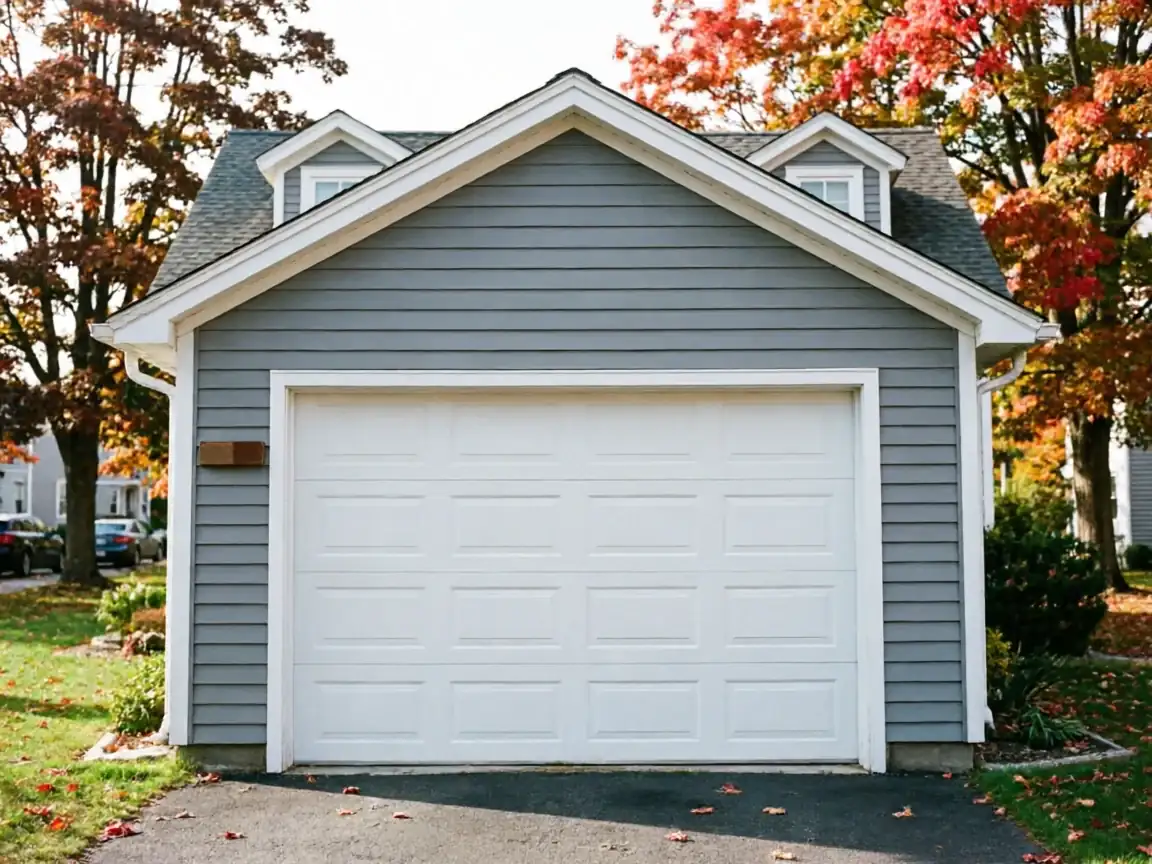
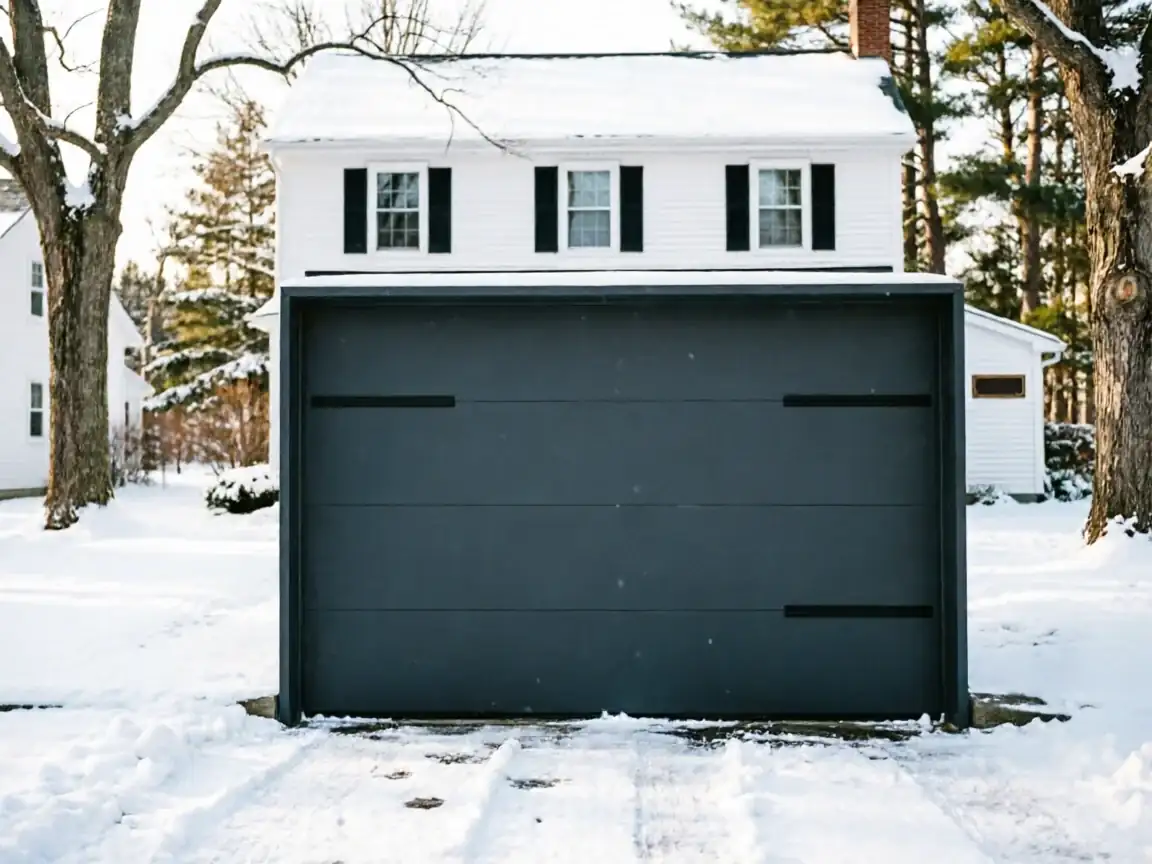
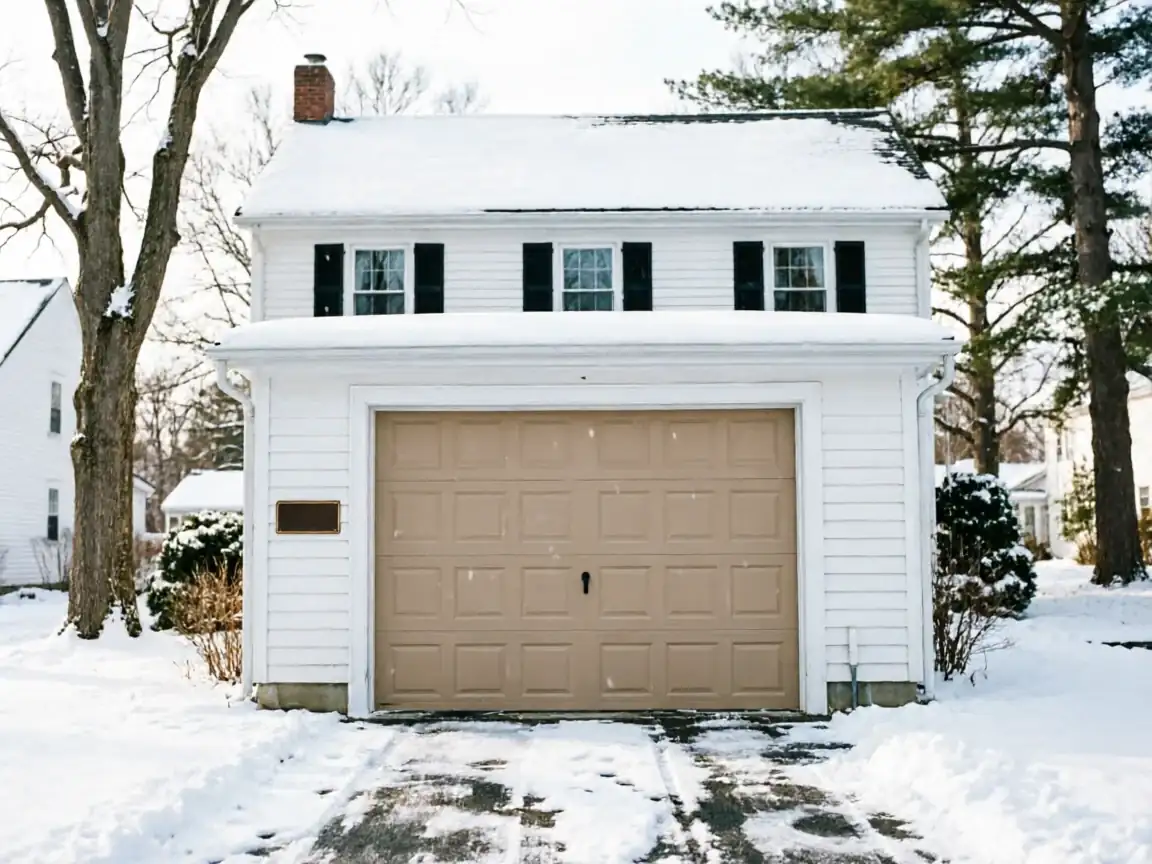
Drive through Plymouth and you're looking at a town built in one stretch, not several. Most houses here went up around 1970, a tight window compared to Bristol overall, where the broader service area's housing runs from 1938 clear through 1986. That matters for maintenance because it means the garage doors aren't a mixed bag of eras - they're almost all the same door, the same opener generation, the same hardware, just at different stages of wear.
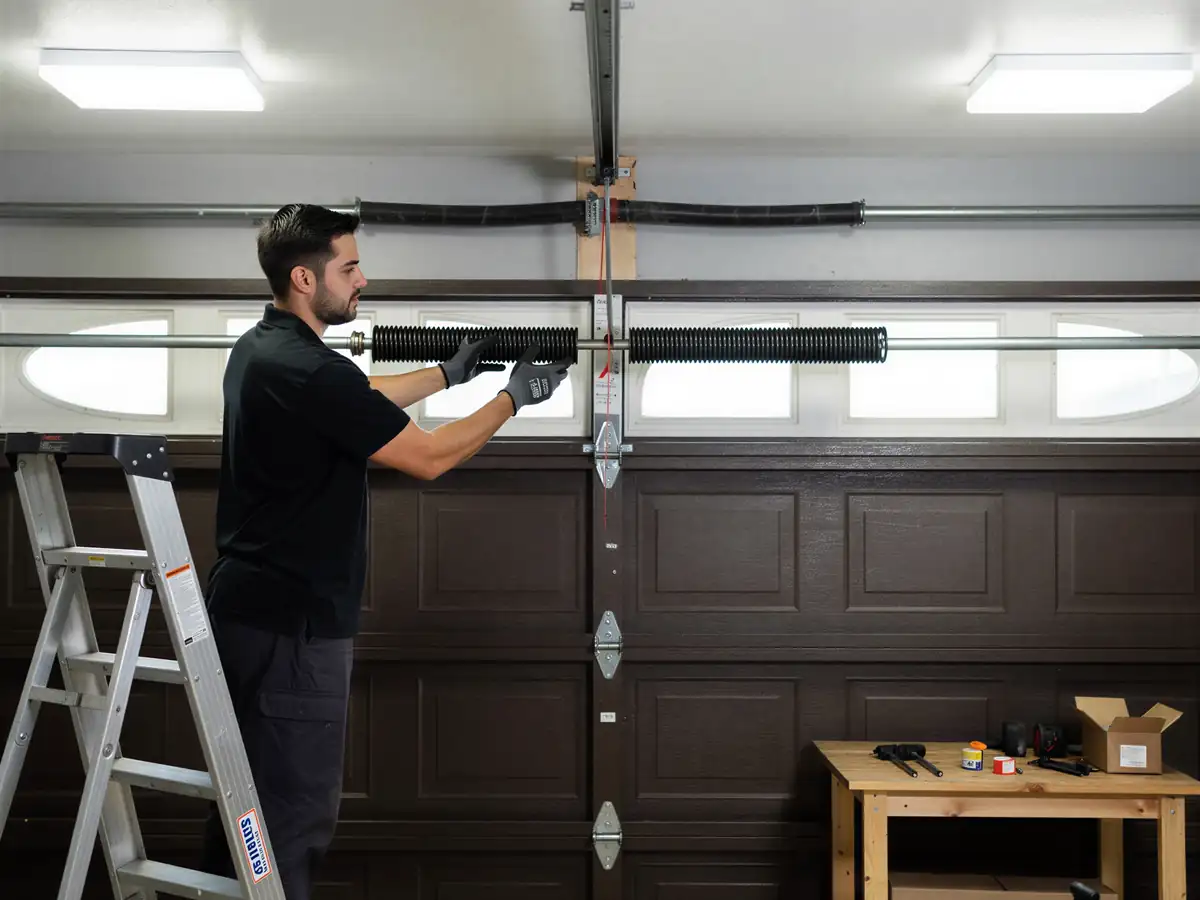
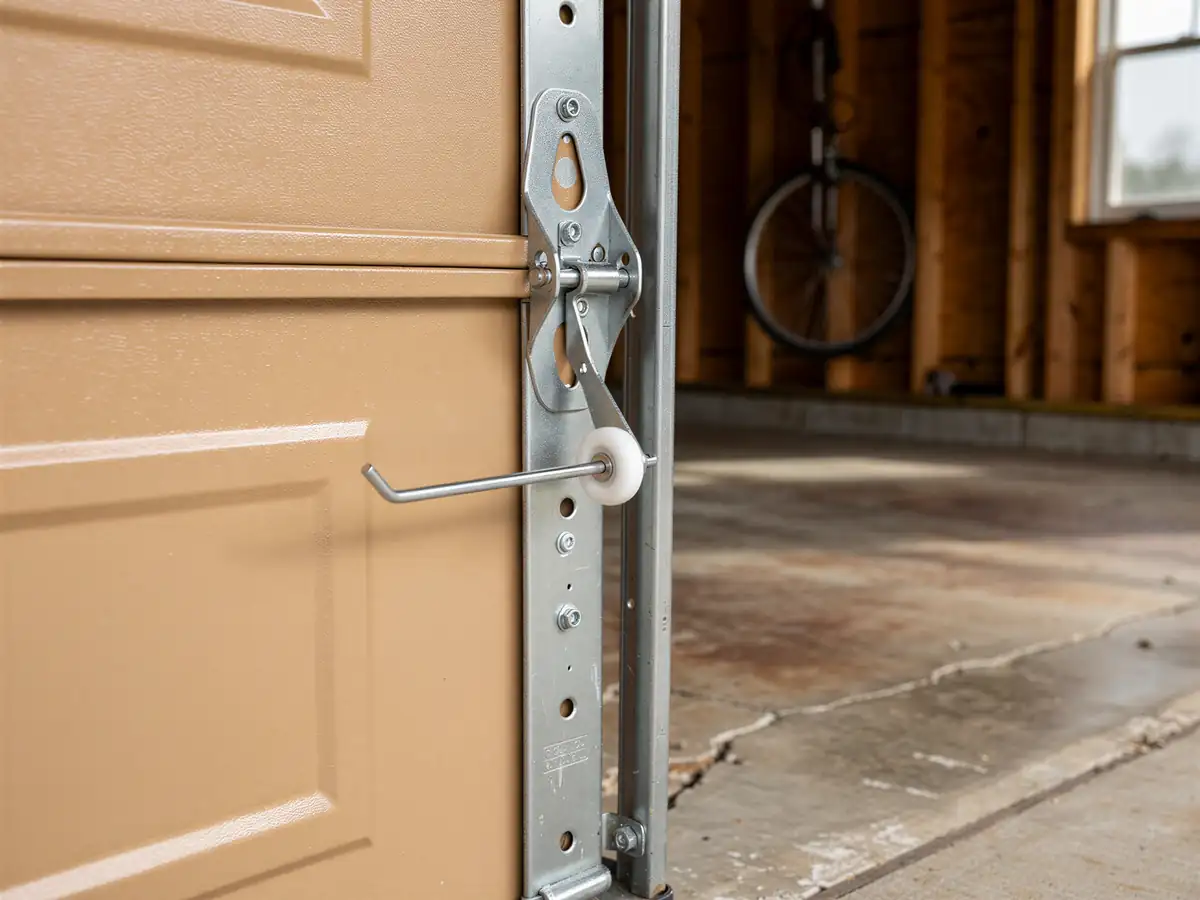
What that looks like on a service call: a torsion spring that's lost maybe 20% of its lift over fifty years, galvanized track that's pitted from decades of temperature swings, and rollers original to the house grinding instead of rolling. The symptom owners describe is usually the same - the door feels heavier than it used to, or it shudders a few inches up before catching. That's not one bad part. That's an entire system aging out together, on a schedule the whole street is probably running close to.
We don't guess at this. A door built when these homes went up behaves differently from one installed in the last decade, and treating it like a newer system - lubricant alone, no spring check, no track measurement - misses what's actually failing.
Time on the Job
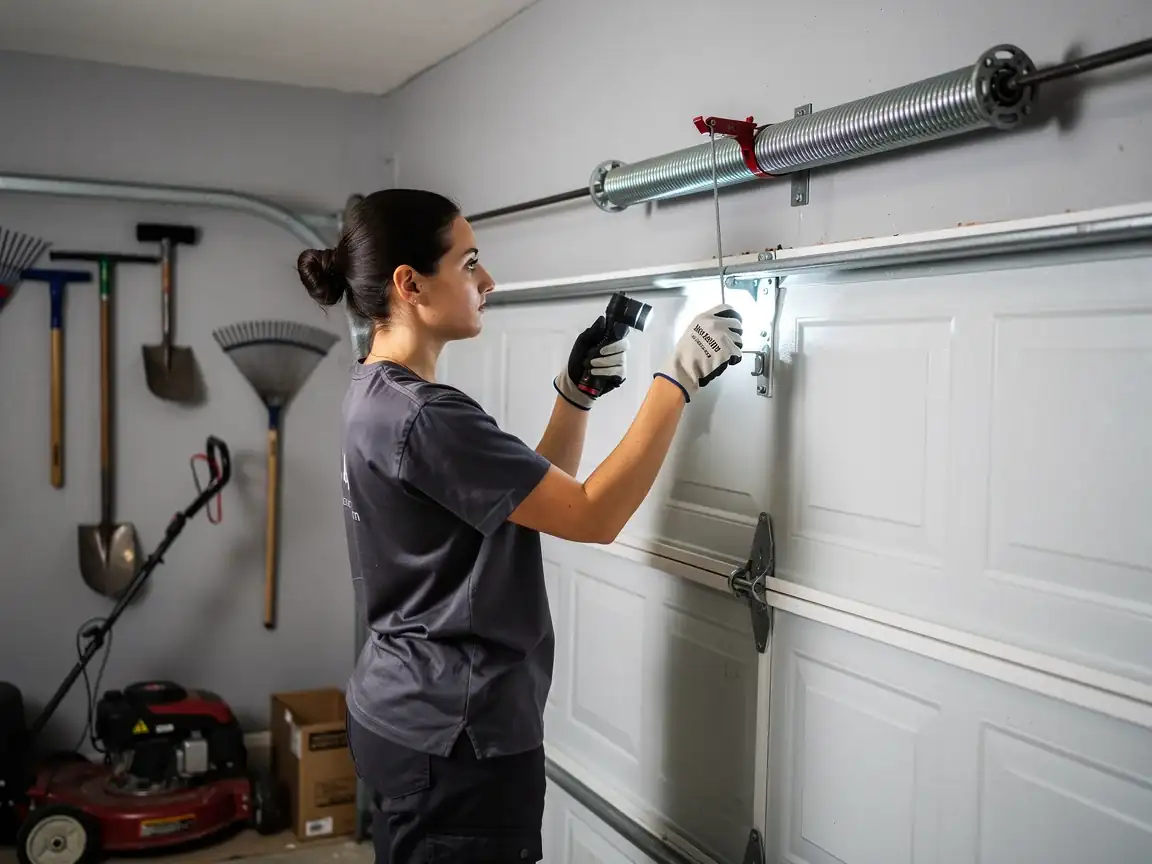
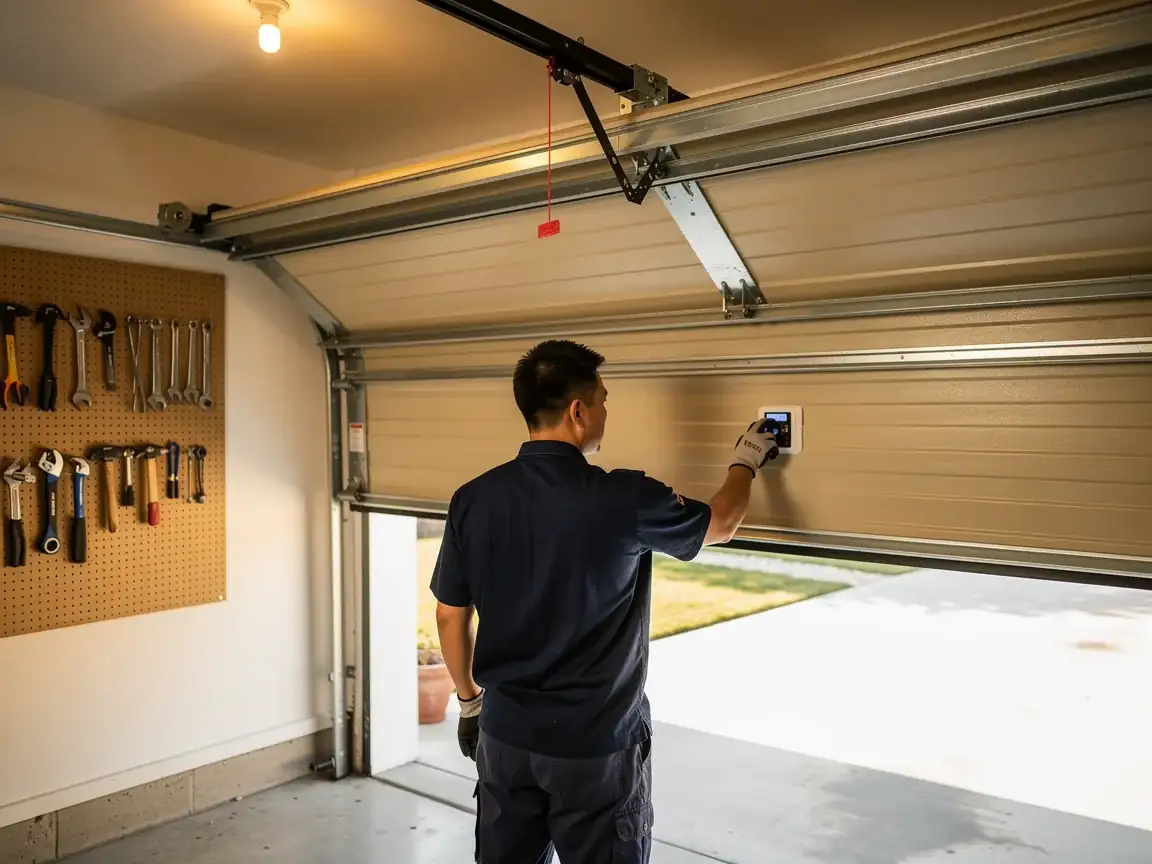
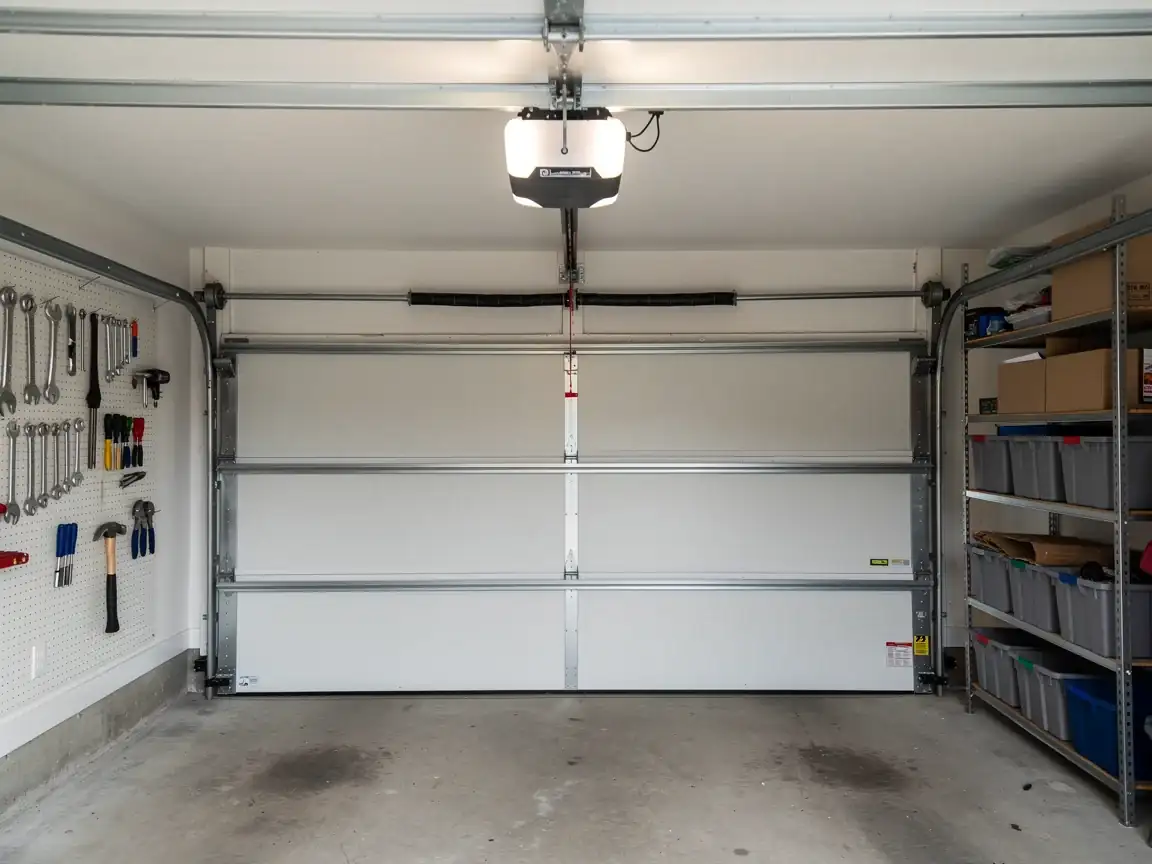
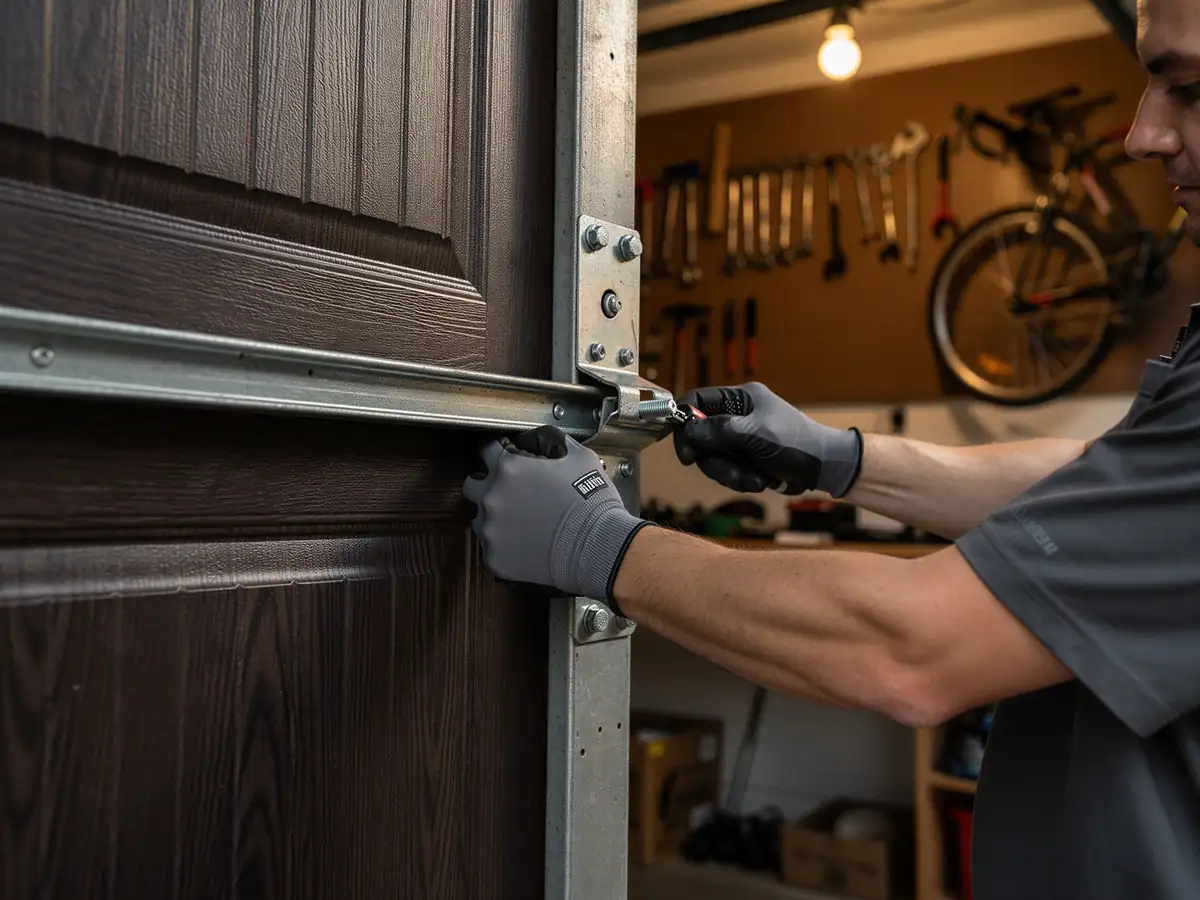
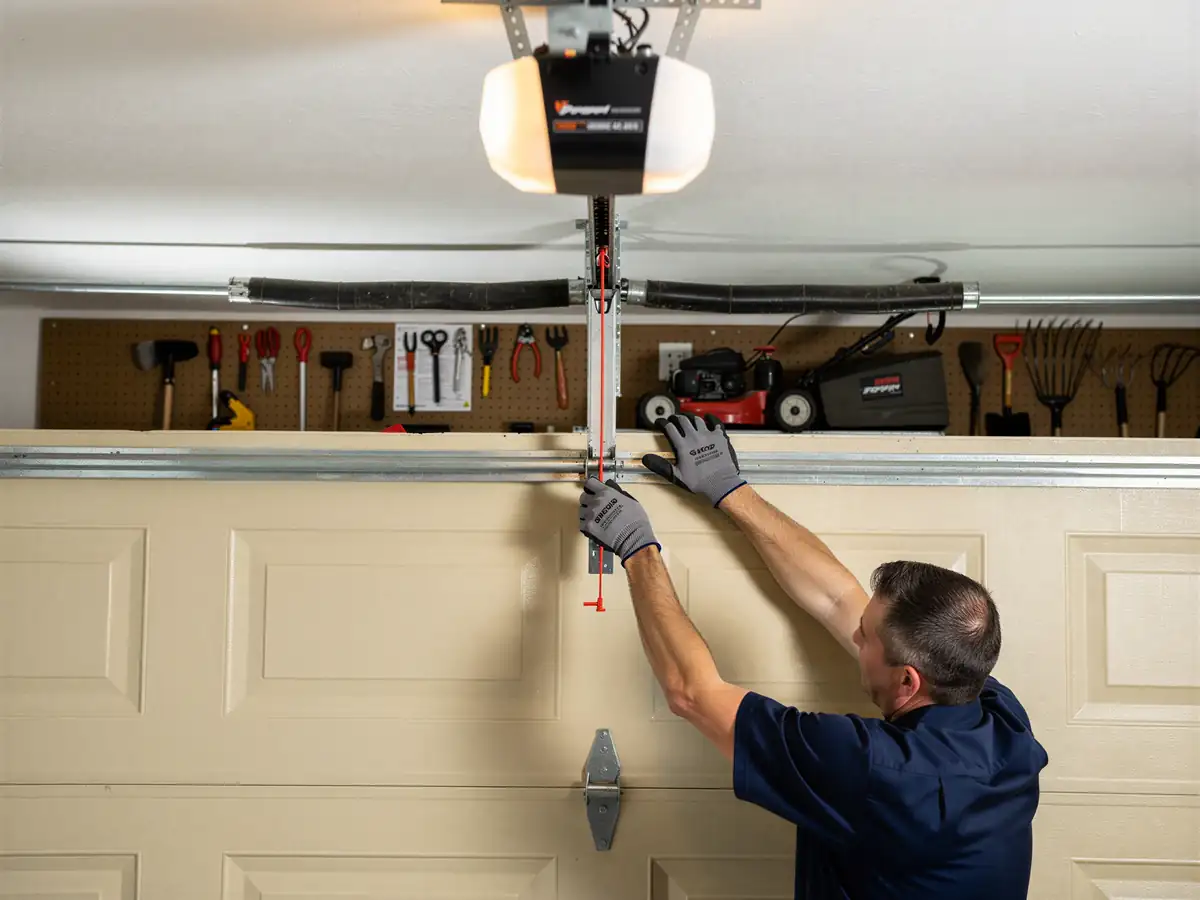
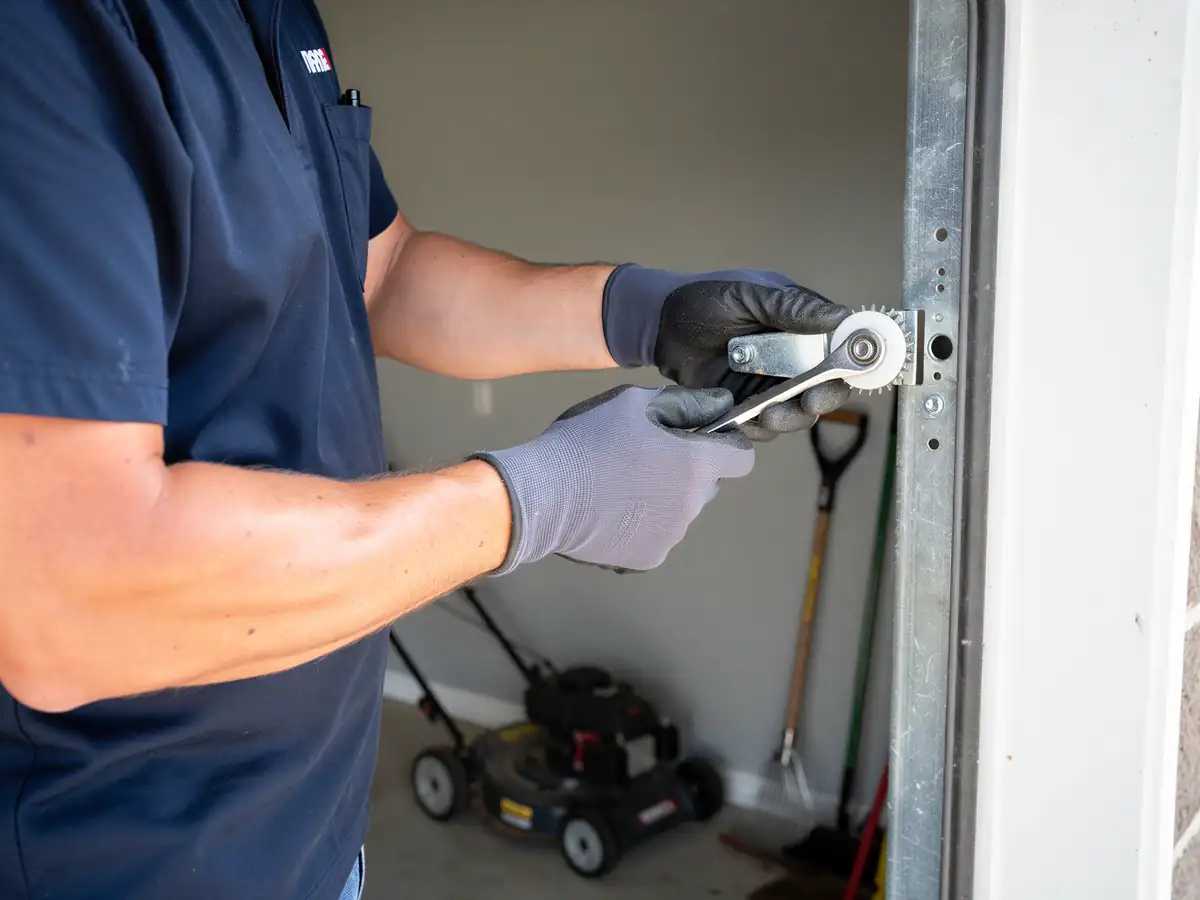
Plymouth sits about 4 miles from our shop in Bristol, so the drive isn't the variable - the door is. A standard maintenance visit runs through the same sequence regardless of address: spring tension check, track alignment, roller and hinge inspection, opener force and limit settings, weatherseal condition, and hardware torque on the bolts that back out over time with vibration.
On a house from the 1970 era, that inspection usually takes a little longer than on newer construction, because there's more to actually check - original springs sized for doors that may have been reinforced or replaced once already, tracks that were installed to a code and a door weight that don't always match what's hanging there now. We're not rushing through a checklist. We're confirming the parts on this specific door still match the spec they were built to, and flagging anything that's drifted from it.
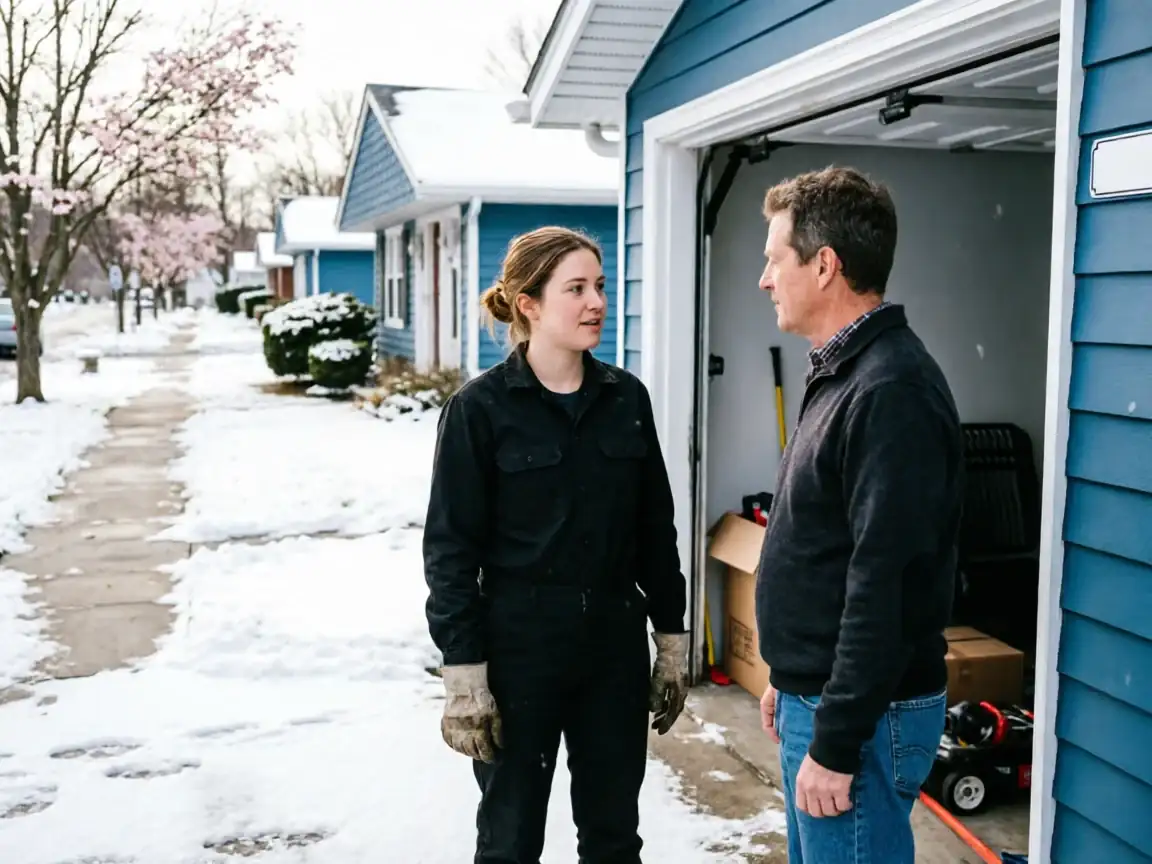
We won't pad the visit. If the door is tracking straight, the spring's holding tension, and the opener's cycling clean, the call is short and that's the right outcome - not every visit needs to turn into a parts sale.
Why It Happens Here
Two things compound in Plymouth
First, the age cluster: with roughly 4,609 households built mostly in one era, a lot of garage door hardware is reaching the same point of fatigue at close to the same time, which is why maintenance calls in town tend to come in waves rather than evenly spread through the year.
- 4,609 households
Second, the climate
This area sits in a cold-severe band, and steel panels and torsion springs installed when these houses were new have been through fifty winters of contraction and fifty summers of expansion. Springs lose tension gradually under that cycle; they don't usually snap without warning, they sag. Panels can develop hairline seam gaps that let more cold air through than the door did when it was installed.
Income plays into the decision more than people expect
Plymouth's median household income runs around $99,797, a bit under the wider service area's $107,435, and that gap shows up in which repairs make sense. A worn roller set or a spring adjustment is a maintenance call. A door with three bent panels and a cracked bottom seal is a different conversation - at some point, patching an original 1970s door costs more over two years than replacing it once.
What Is on the Truck
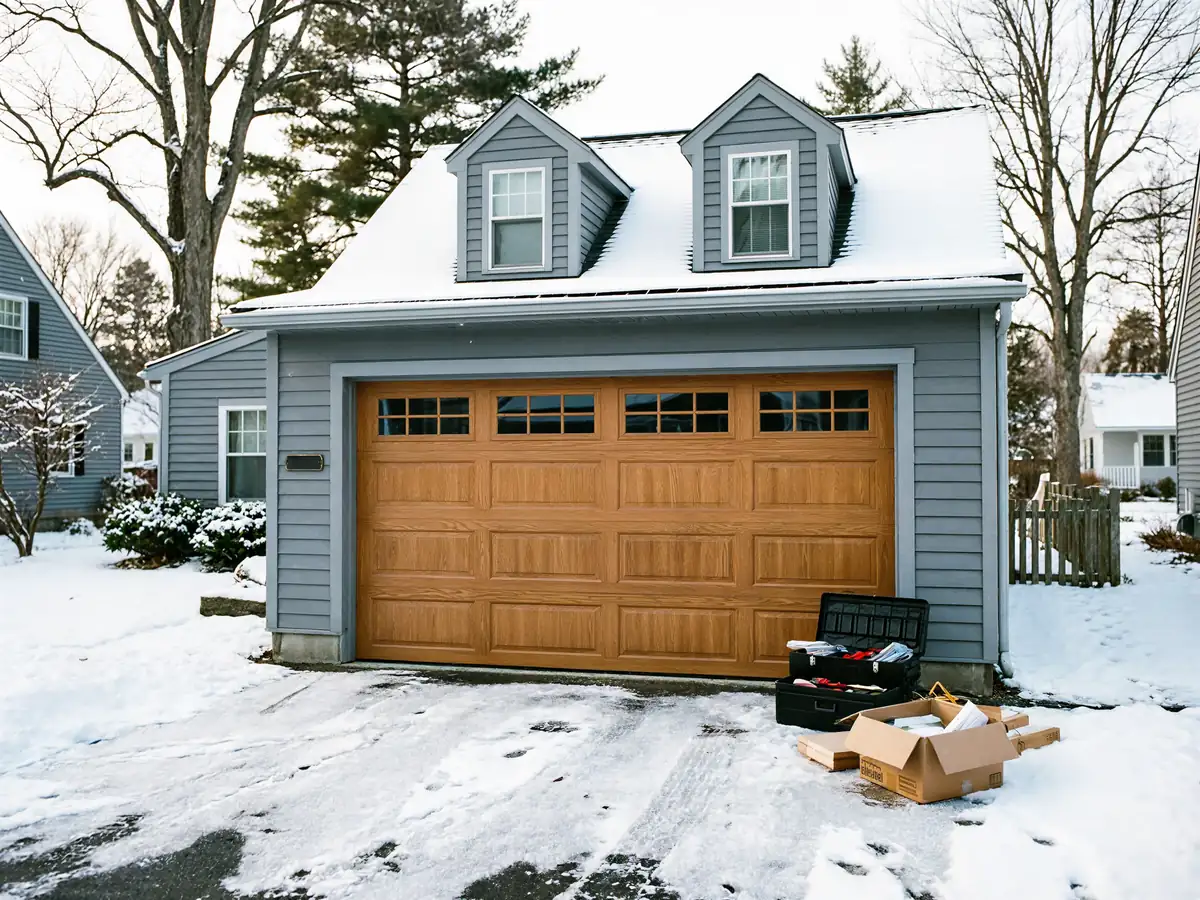
For a town running mostly original or first-replacement hardware from the early 1970s, the truck carries standard torsion springs in common residential sizes, nylon and steel roller sets, galvanized track sections, and weatherseal in the widths that fit doors from that construction period rather than only current models.
The honest limitation: if a door still has its original, non-standard spring size or a track profile that hasn't been made in decades, that part isn't riding on the truck. Some older hardware has to be special-ordered, and that can mean a wait of several days rather than a same-visit fix. We'll tell you that on the spot instead of promising a part we don't have in hand.
Lubricant, hinge pins, cable, and basic opener sensor hardware are stocked for any visit. What changes house to house is the spring and track work, which is why the first few minutes of any maintenance call go to measuring, not guessing.