The Symptom
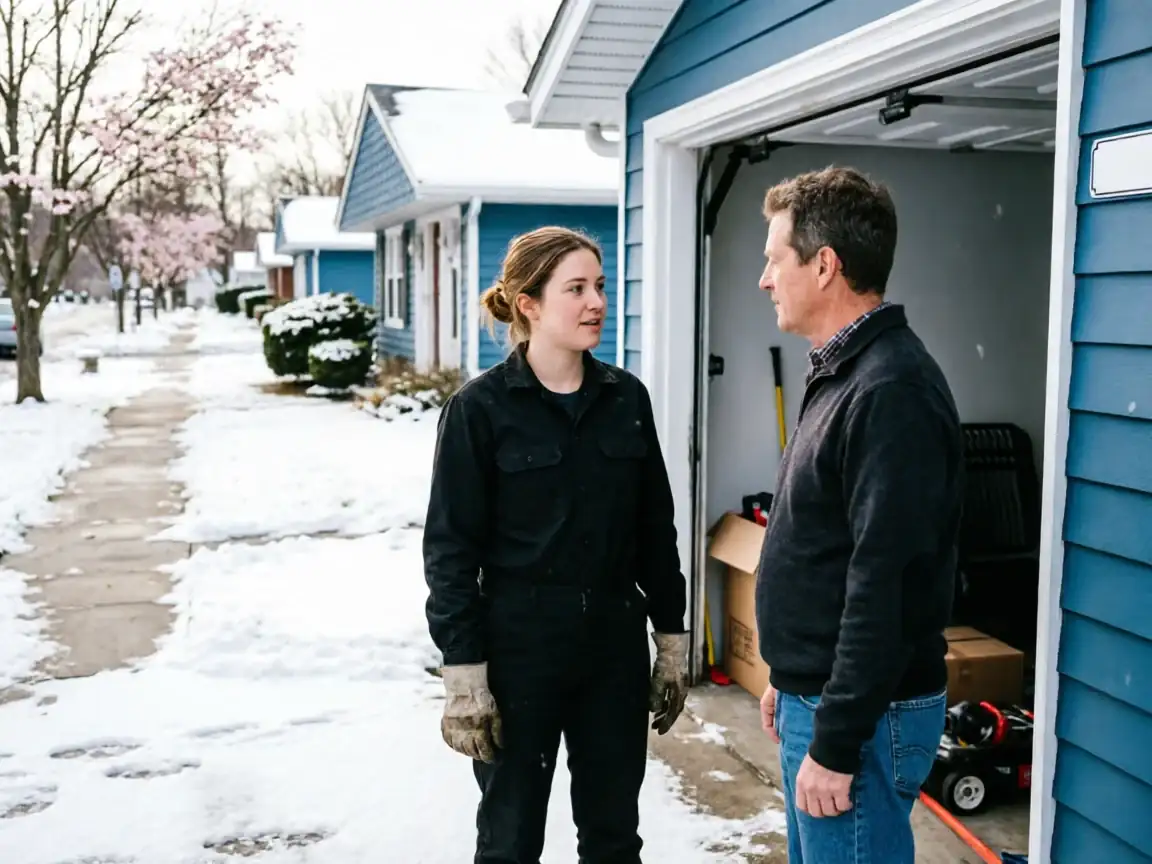
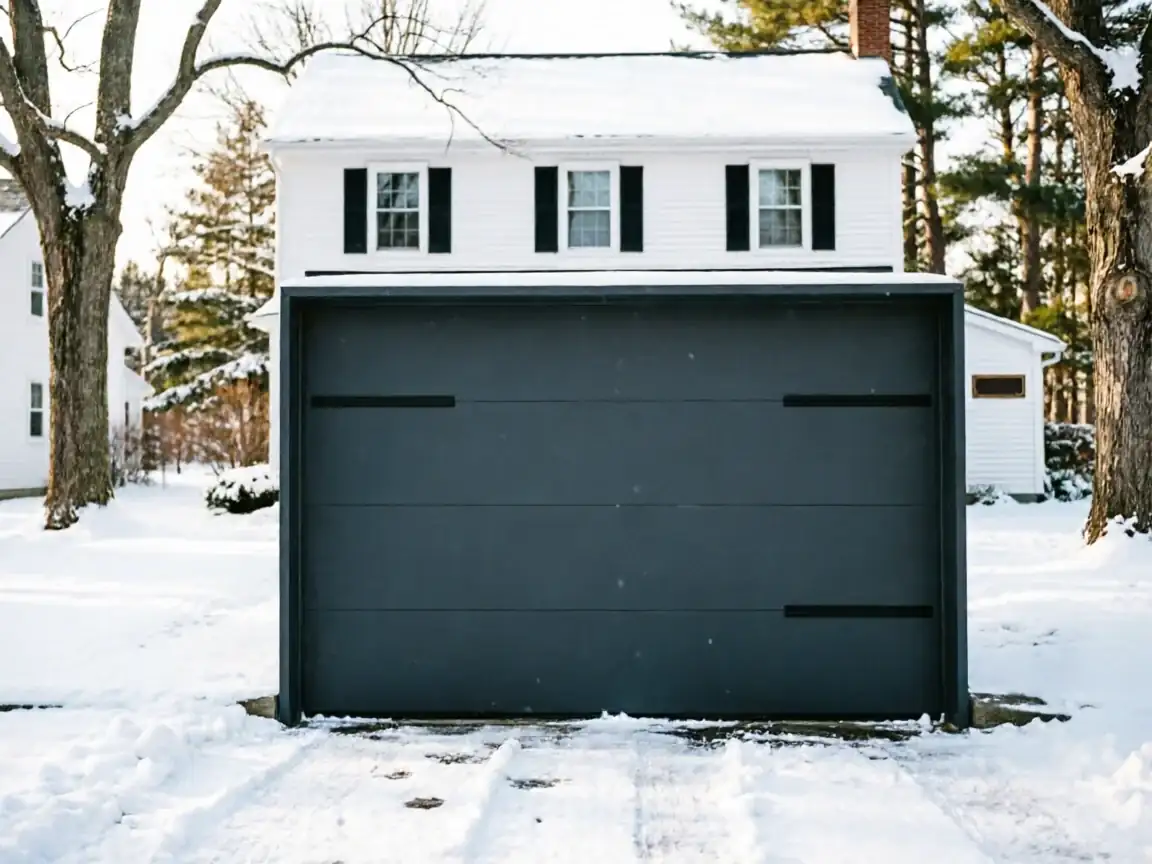
Plymouth is a small town - about 4,609 households, not a sprawling suburb - so the calls we get here tend to repeat themselves rather than cover every possible failure. A door that groans and sticks a third of the way up. A spring that lets go on a cold morning. An opener that runs but the door barely moves, or moves and then reverses for no clear reason. With a town this size, we see the same handful of setups again and again, which means we usually have a good guess at what's wrong before we unload the truck.
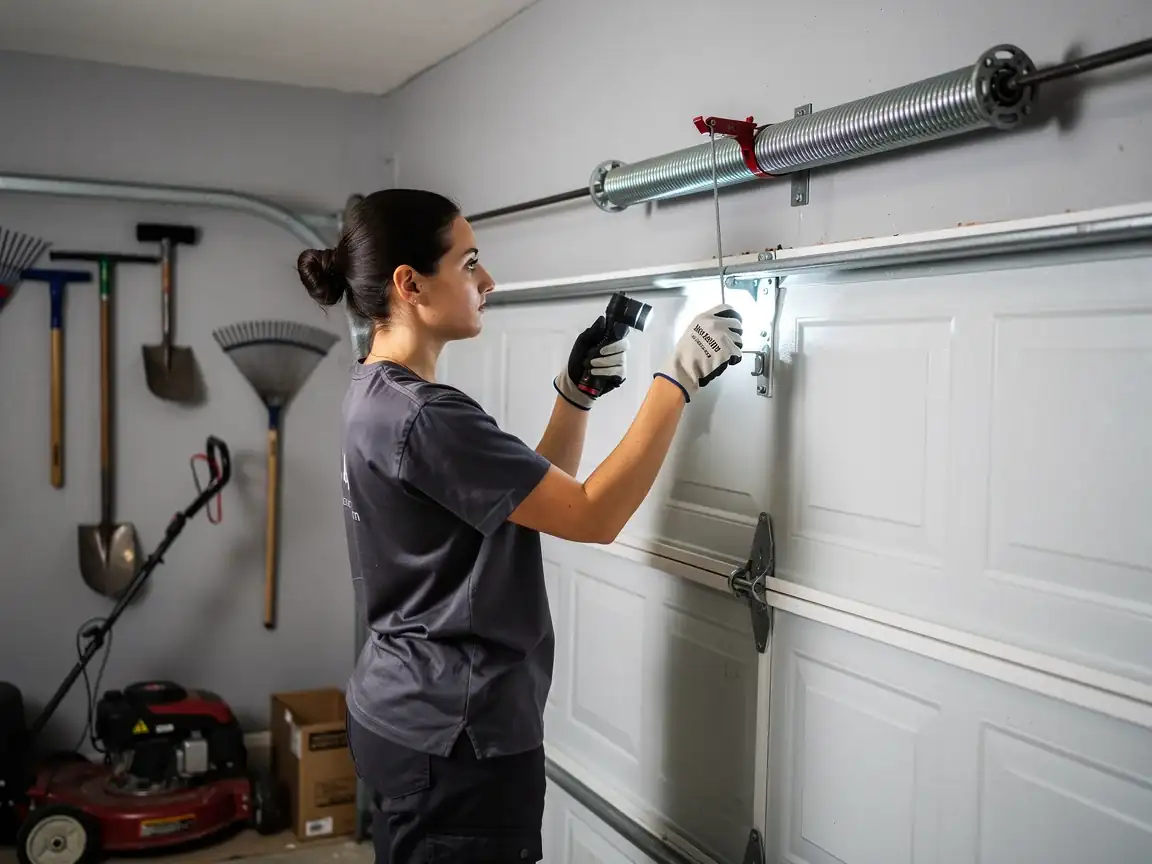
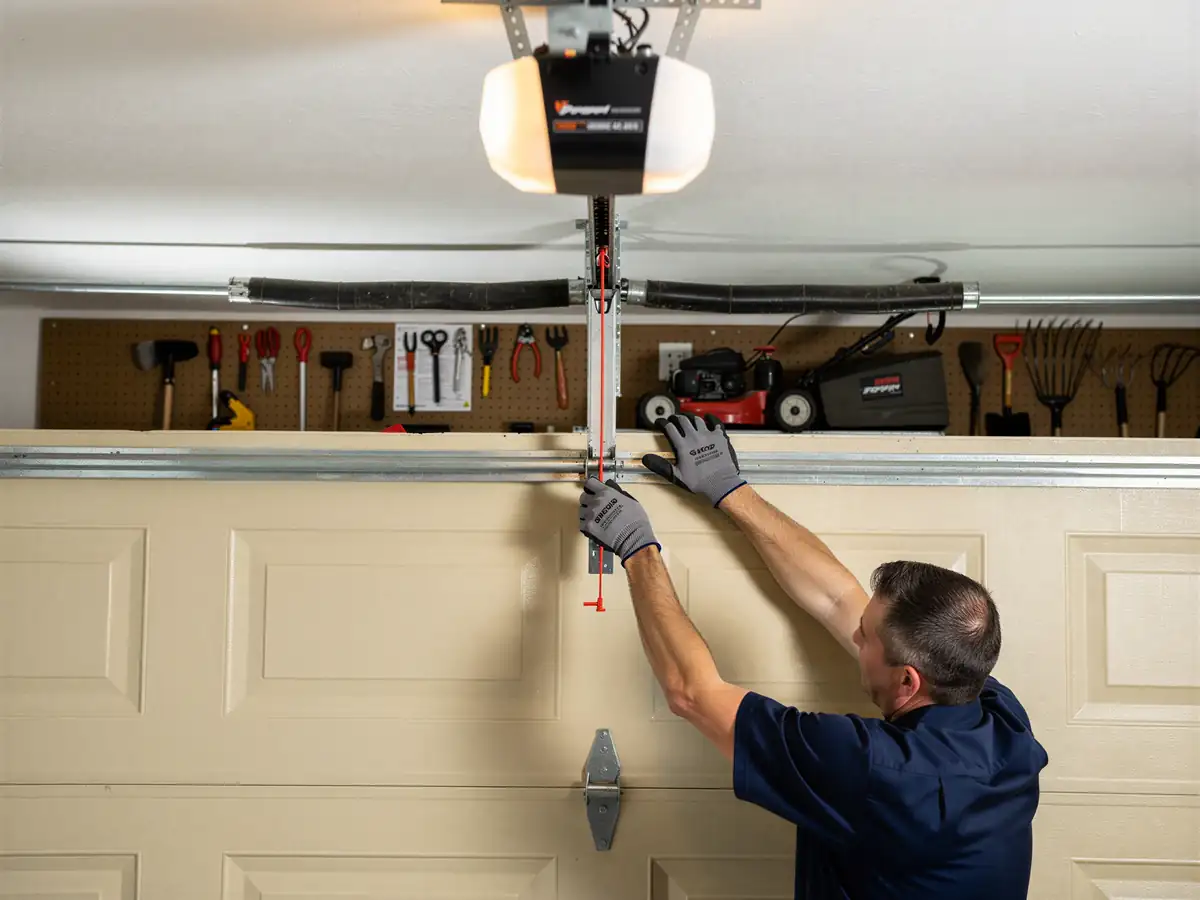
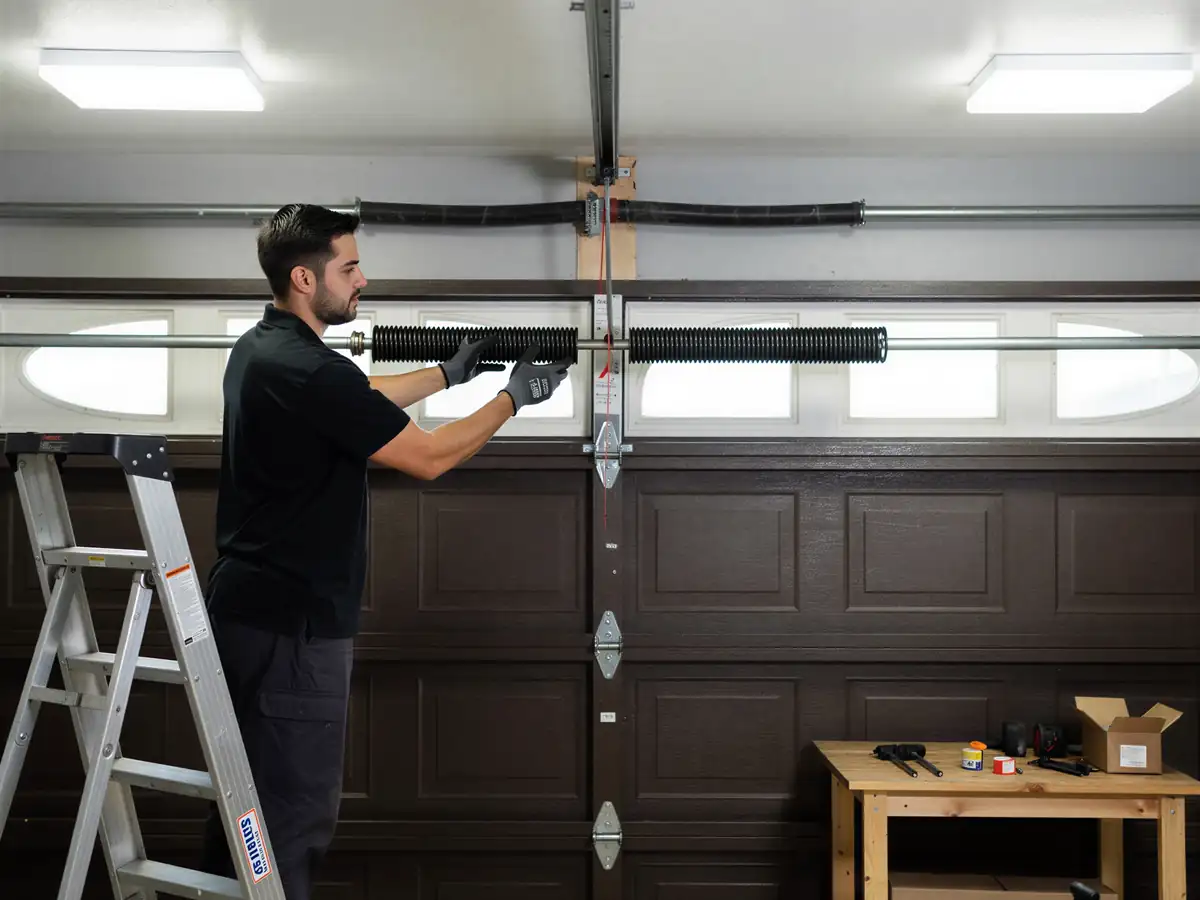
The most common symptom we hear from Plymouth owners is a door that's gotten noticeably heavier to lift by hand, or an opener that strains and clicks off partway through the cycle. That's almost always a spring losing tension, not a motor problem, and it's worth saying plainly: if your opener is doing the straining, don't keep running it. A motor fighting a bad spring burns out faster than people expect, and then you're paying for two repairs instead of one.
Time on the Job
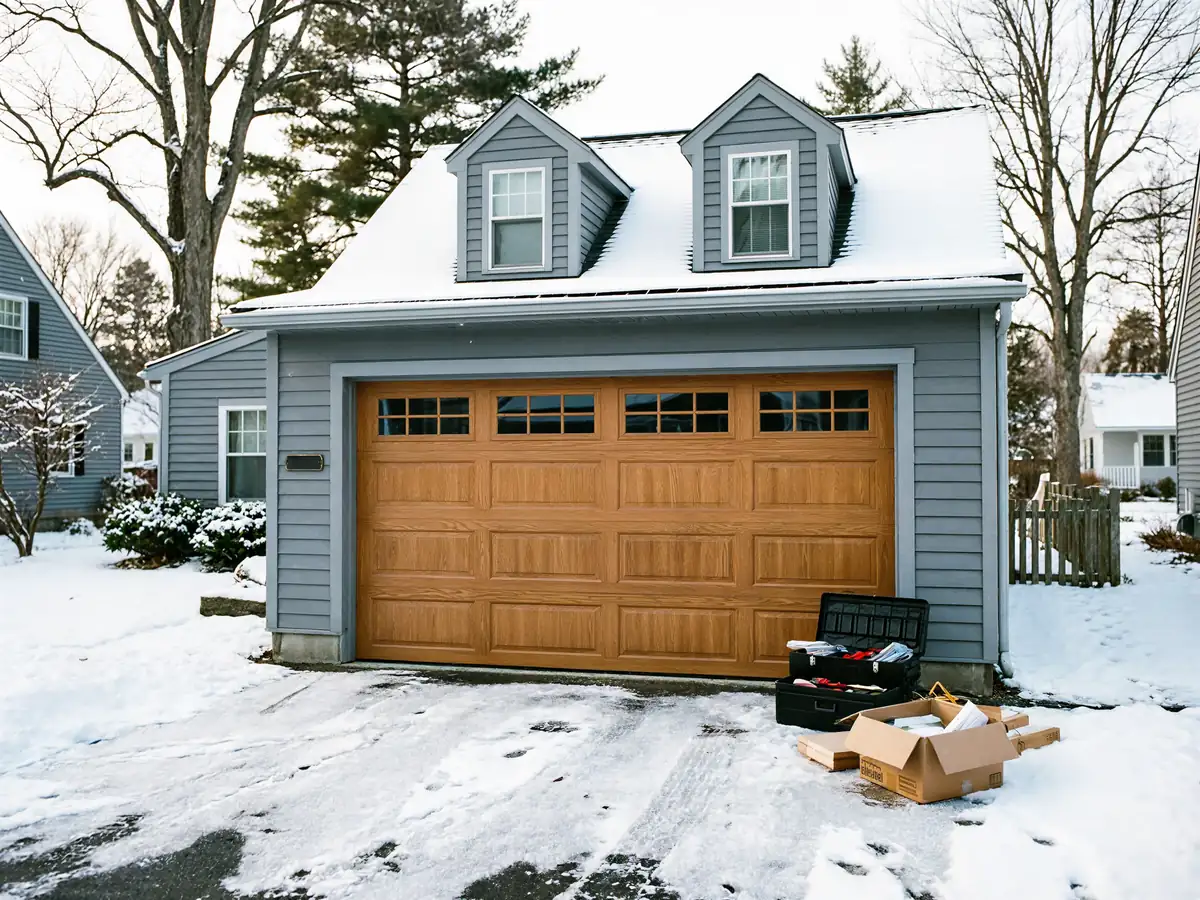
We work out of Bristol, four miles from Plymouth, so there's no separate branch or depot here - just a short drive before the truck's in your driveway. That distance doesn't change what the job looks like once we're there. A torsion spring swap, a cable replacement, or an opener tune-up takes about the same time whether the house is in Bristol proper or just over the line in Plymouth.
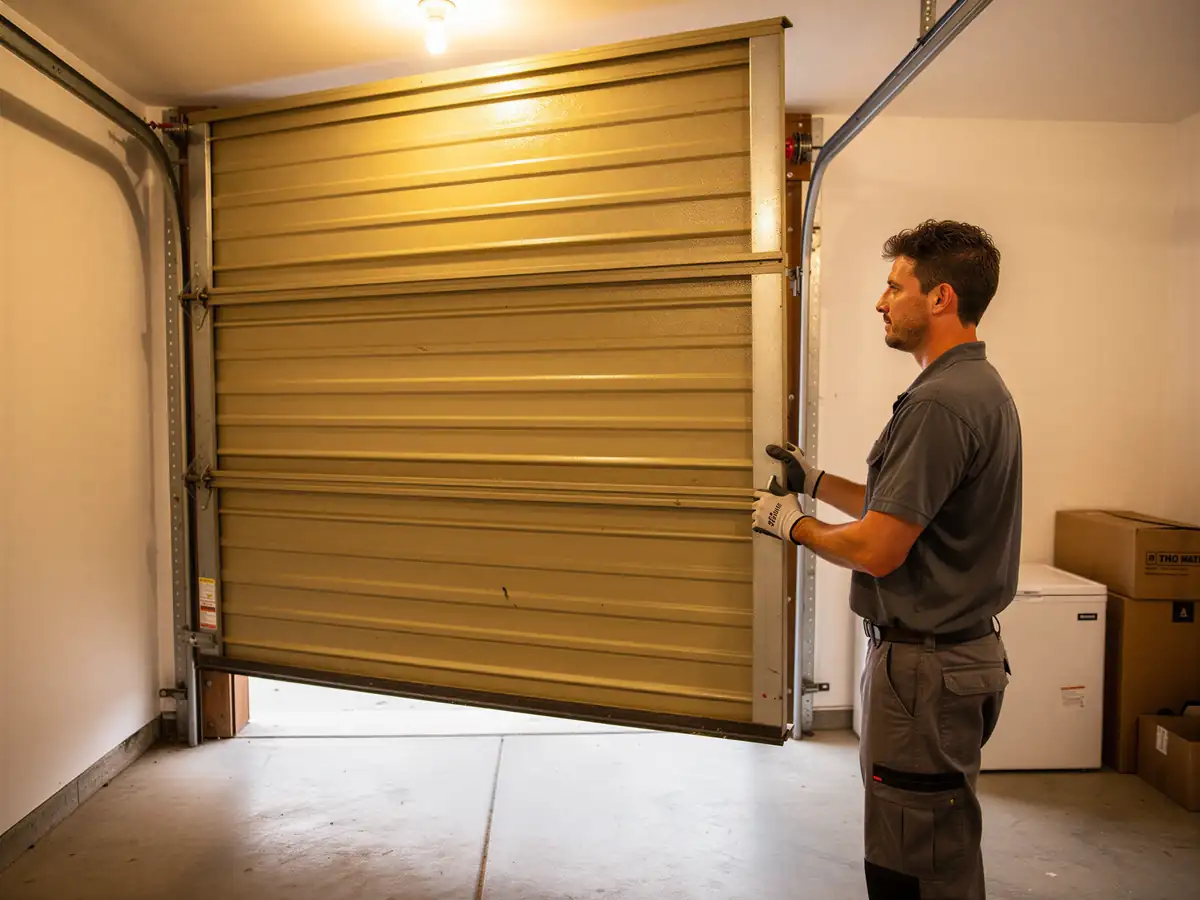
What does change the job, more than the drive does, is the age of the door itself. Plymouth's housing stock sits mostly in that 1960s-70s band common across the wider area, with a median build year right around 1970. A door from that era on original hardware isn't a quick parts swap in every case - sometimes the track spacing or the spring size doesn't match anything current, and we have to adapt rather than grab an off-the-shelf part.
Why It Happens Here
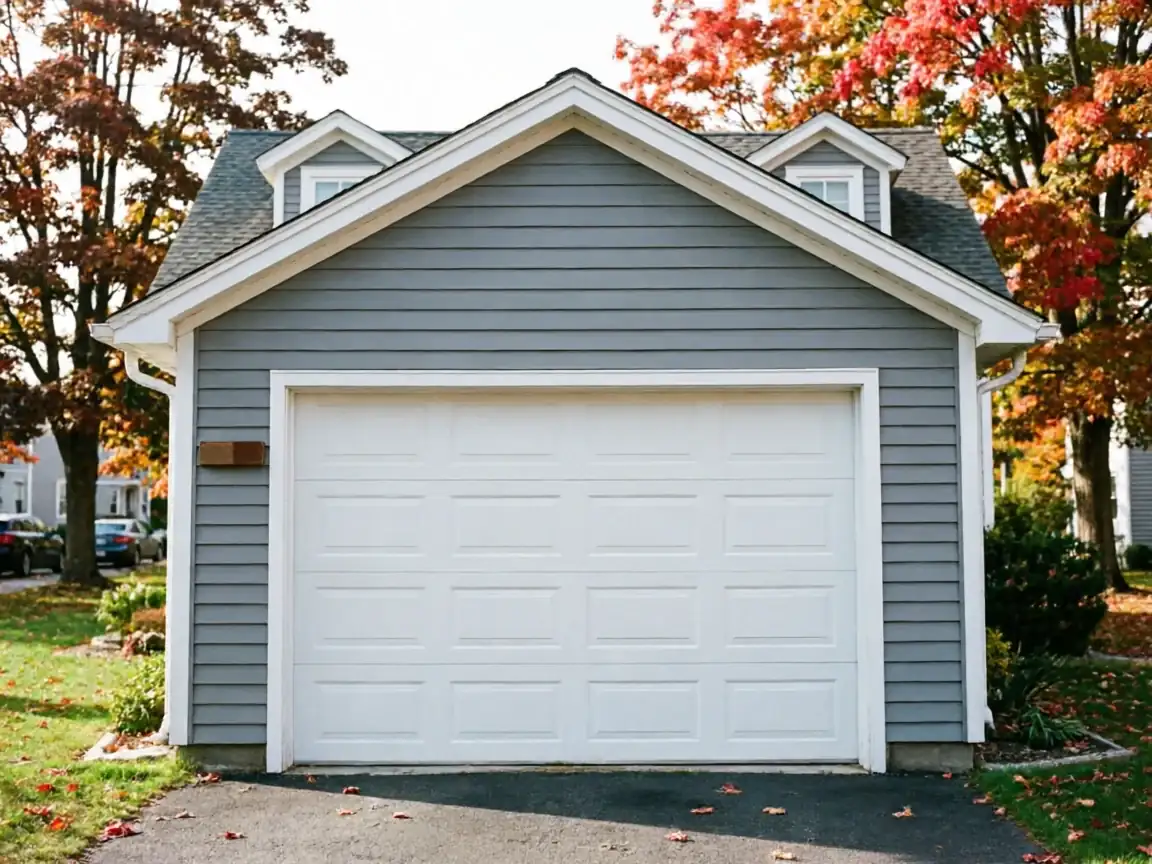
Plymouth's houses are old enough that most garage doors and their hardware have already outlived at least one owner
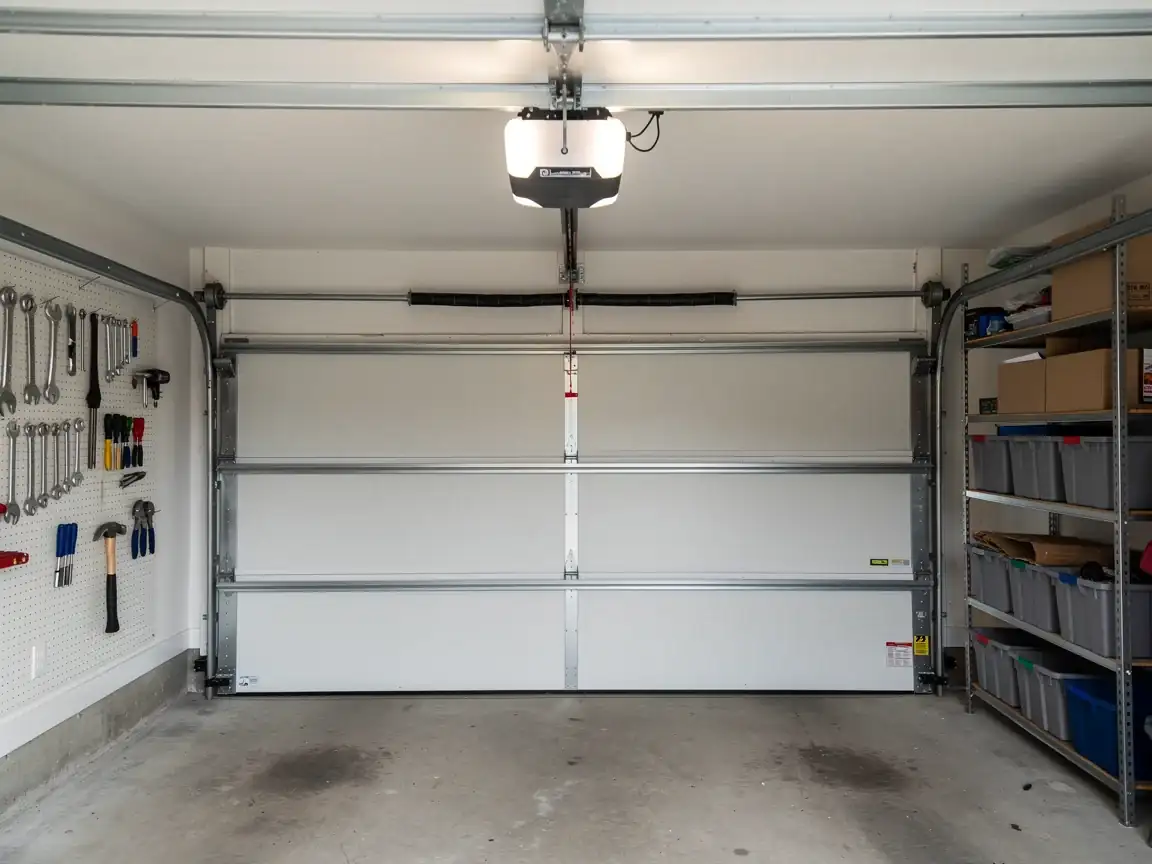
A median build year of 1970 means the original torsion springs, if they're still in place, are well past the point where a spring is supposed to last. Steel fatigues on a cycle count, not a calendar, and a 50-plus-year-old door has usually seen enough open-close cycles to be living on borrowed time regardless of how it looks.
Cold is the other half of it
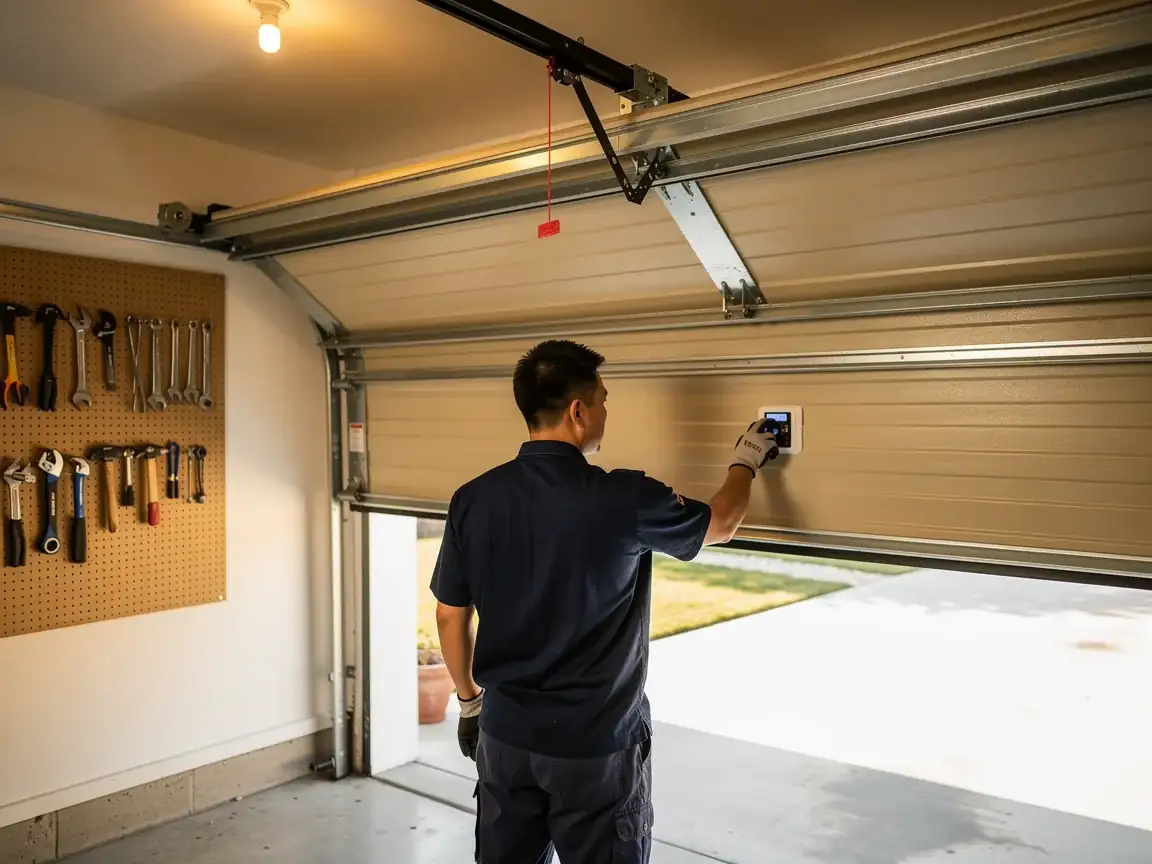
This area sits in a severe cold climate band, and cold steel is brittle steel - a spring that's been slowly weakening for years is far more likely to snap on a 10-degree morning than a mild one, because the metal has less give. We also see cold affect garage door openers themselves: lubricant in the chain or belt drive thickens, sensors get sluggish, and a door that worked fine in October starts hesitating in January. None of this is unique to one house - it's what happens to doors built in this era, in this climate, after enough winters.
What Is on the Truck
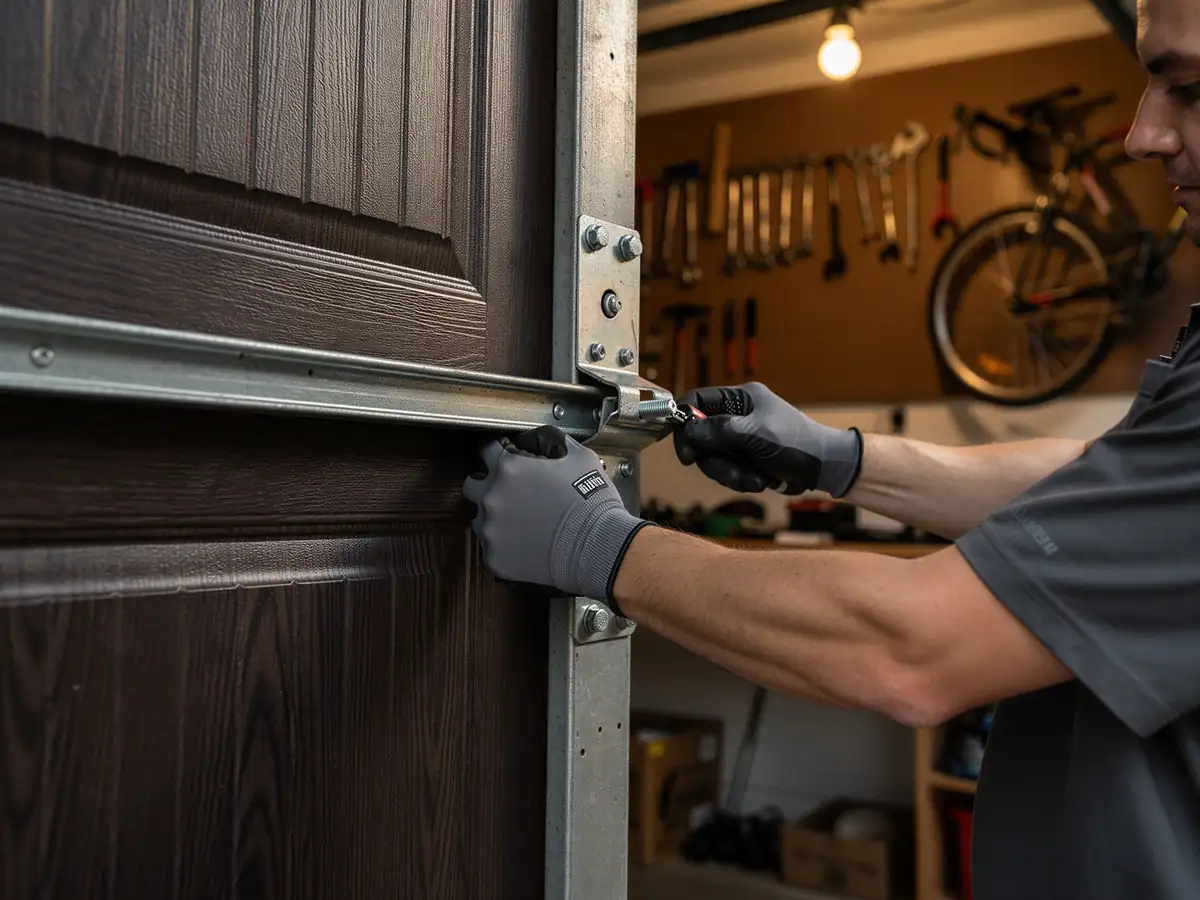
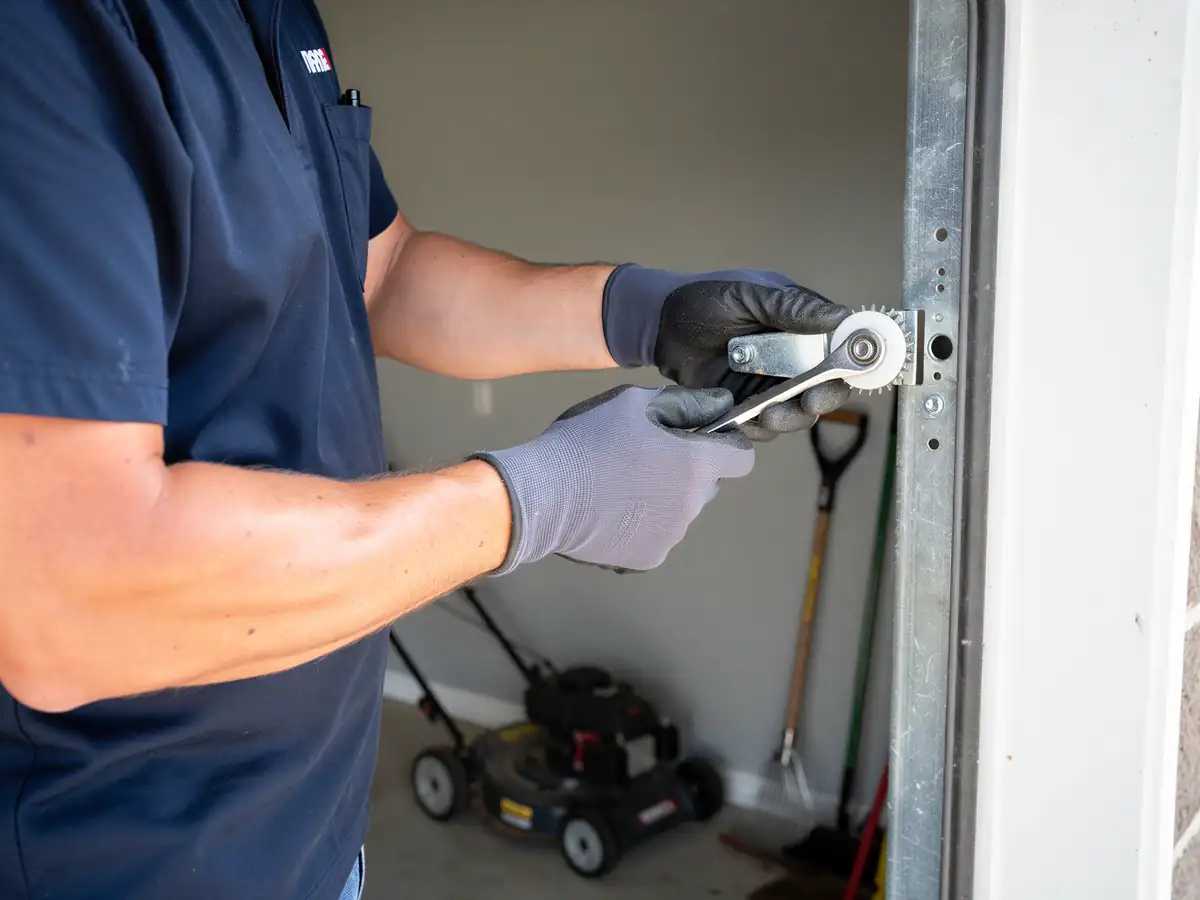
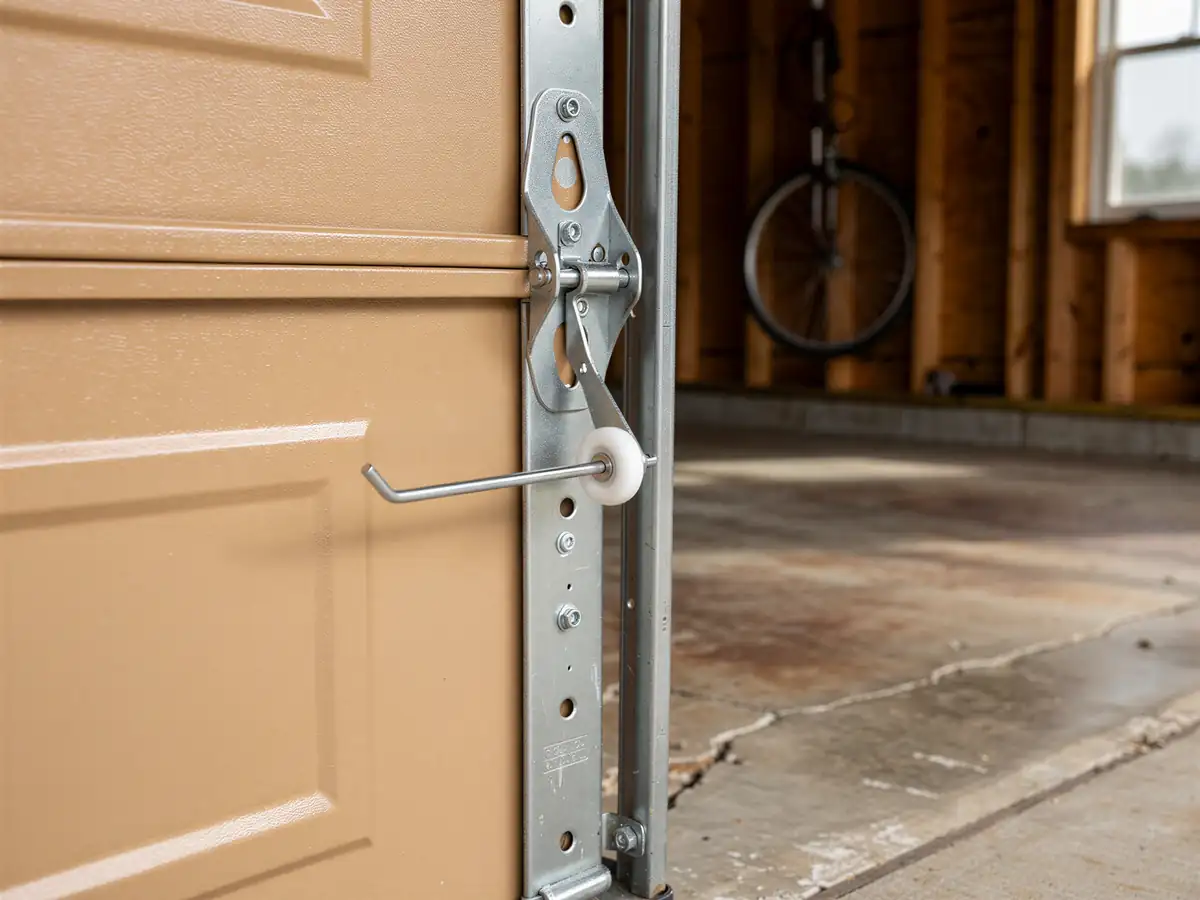
Given what we see most in this part of the service area, the truck carries torsion springs sized for the common openings on 1960s-70s era doors, replacement cables, rollers, and the opener parts that fail most in cold weather - drive gears, sensors, and the belts and chains that stiffen up in low temperatures. We also carry standard panel and track hardware for routine repairs.
Where we're honest with people: if a door needs a part that was custom to a build we don't carry stock for - an odd-width panel or obsolete track hardware from an original installation - that's not a same-visit fix. We'll tell you straight if we need to order it rather than pretend we can improvise a fit. On a door that old, sometimes the more sensible call is replacement over repair, and we'll say that too if the repair cost starts creeping toward what a new door runs.