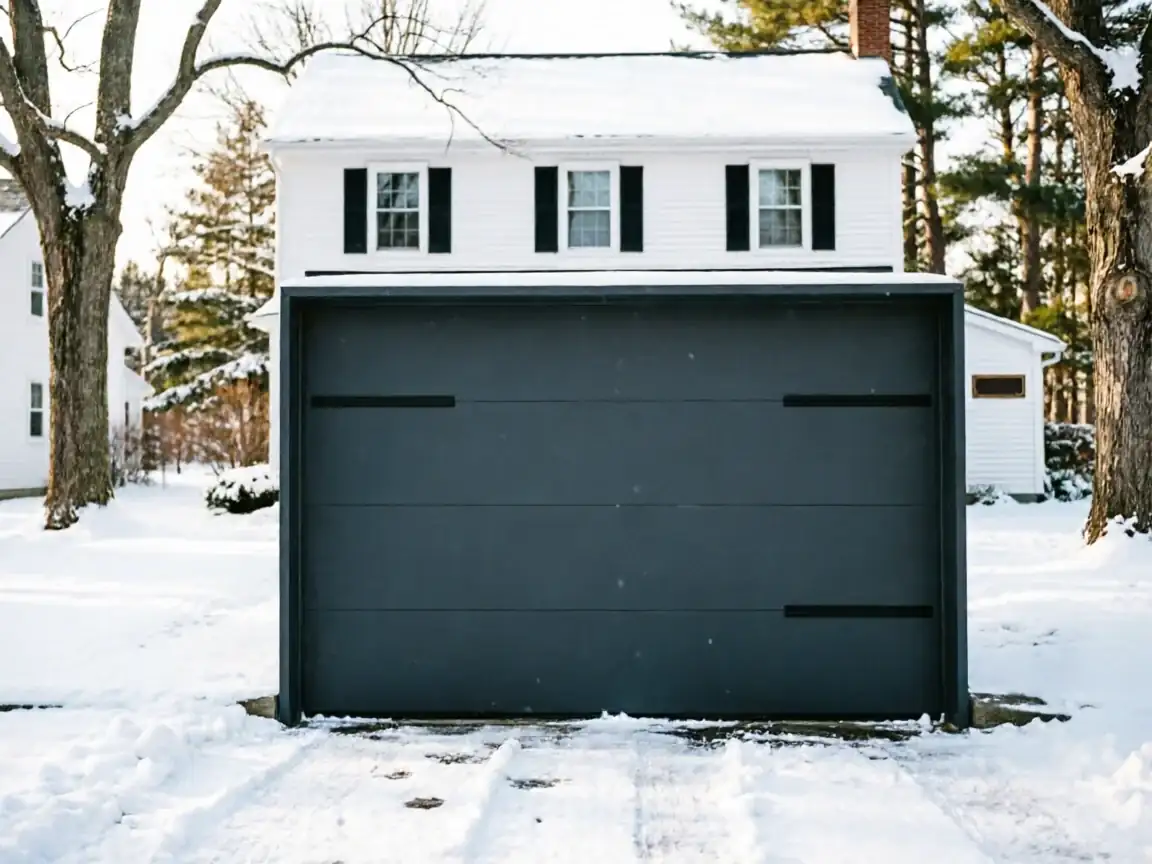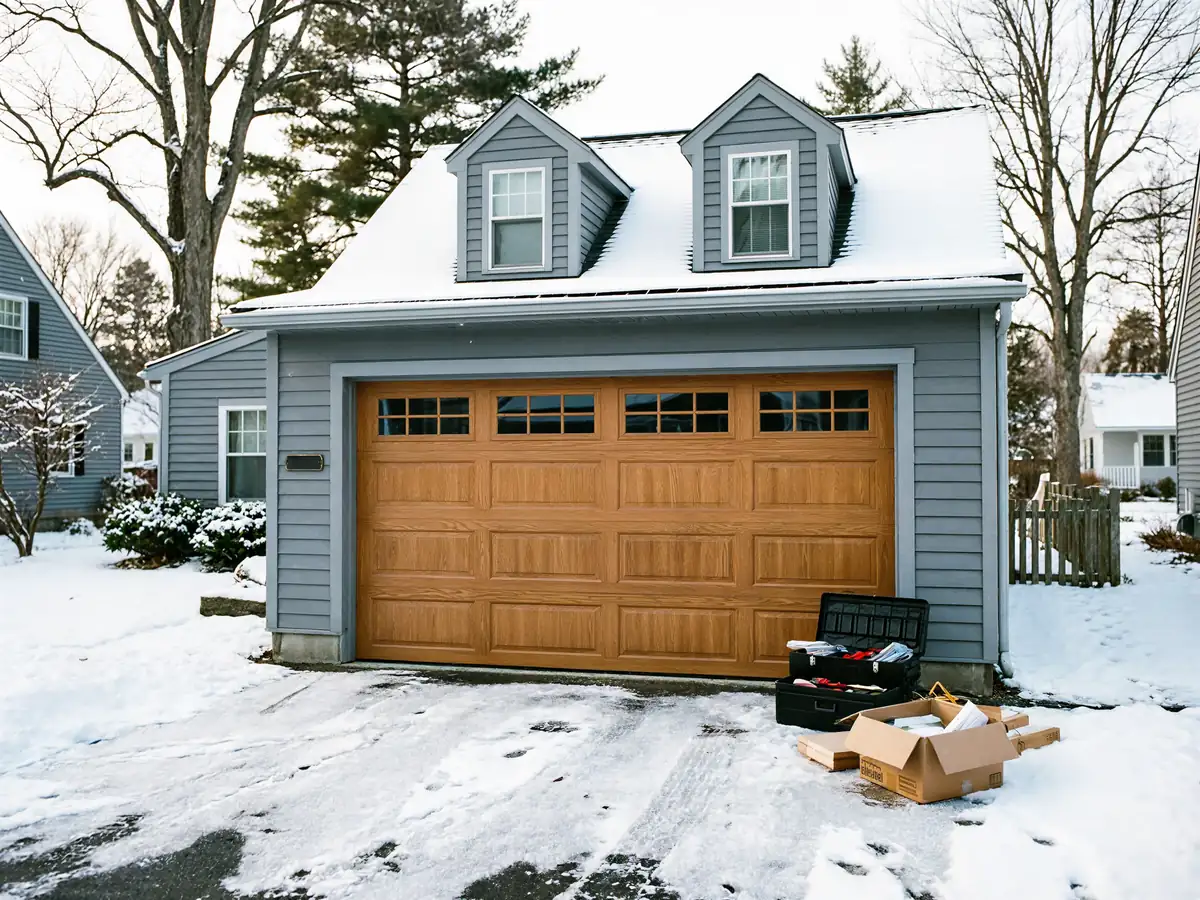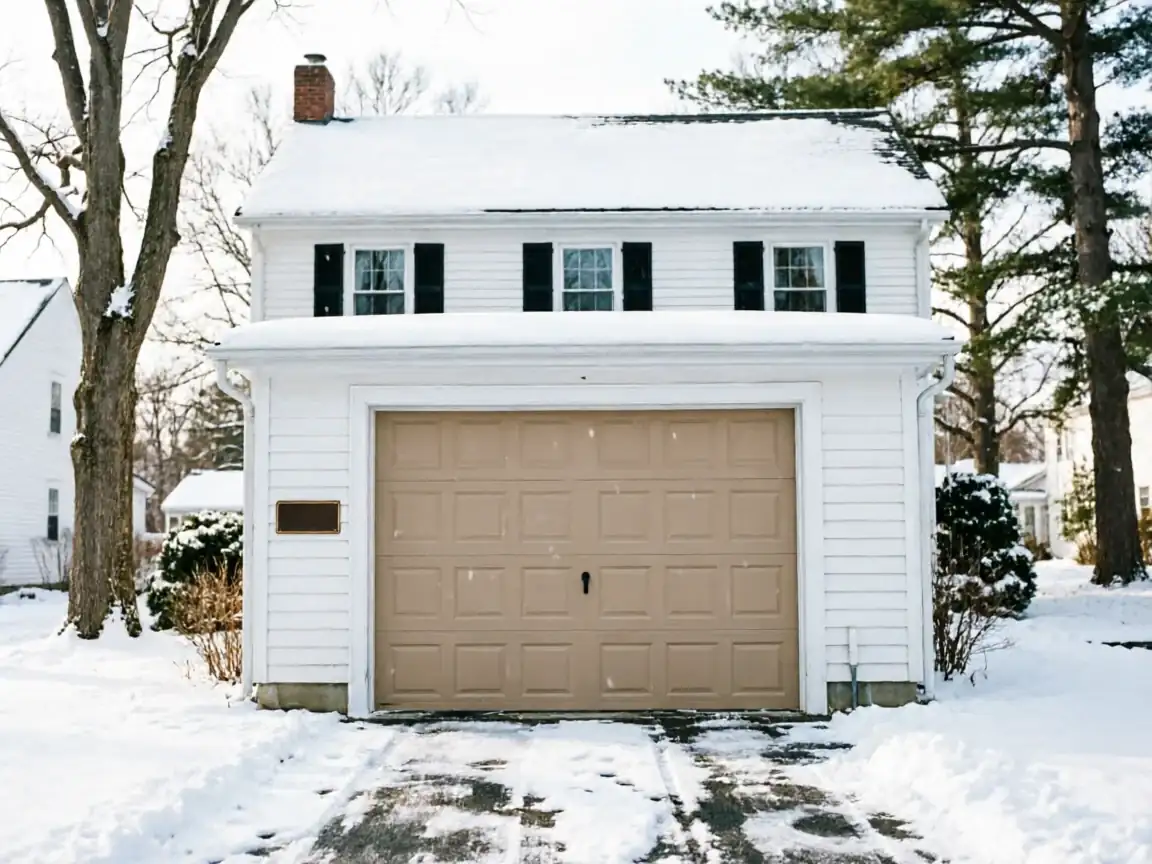
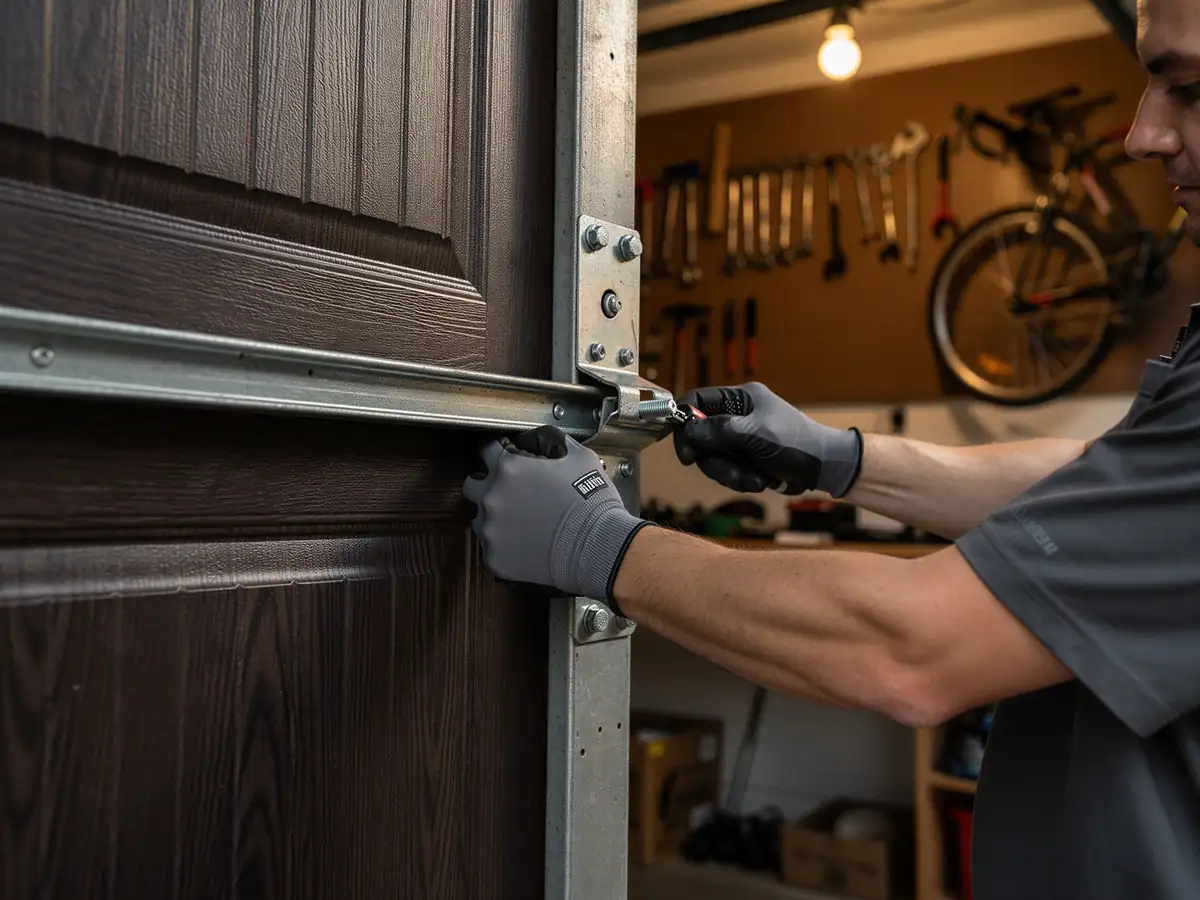
The Symptom
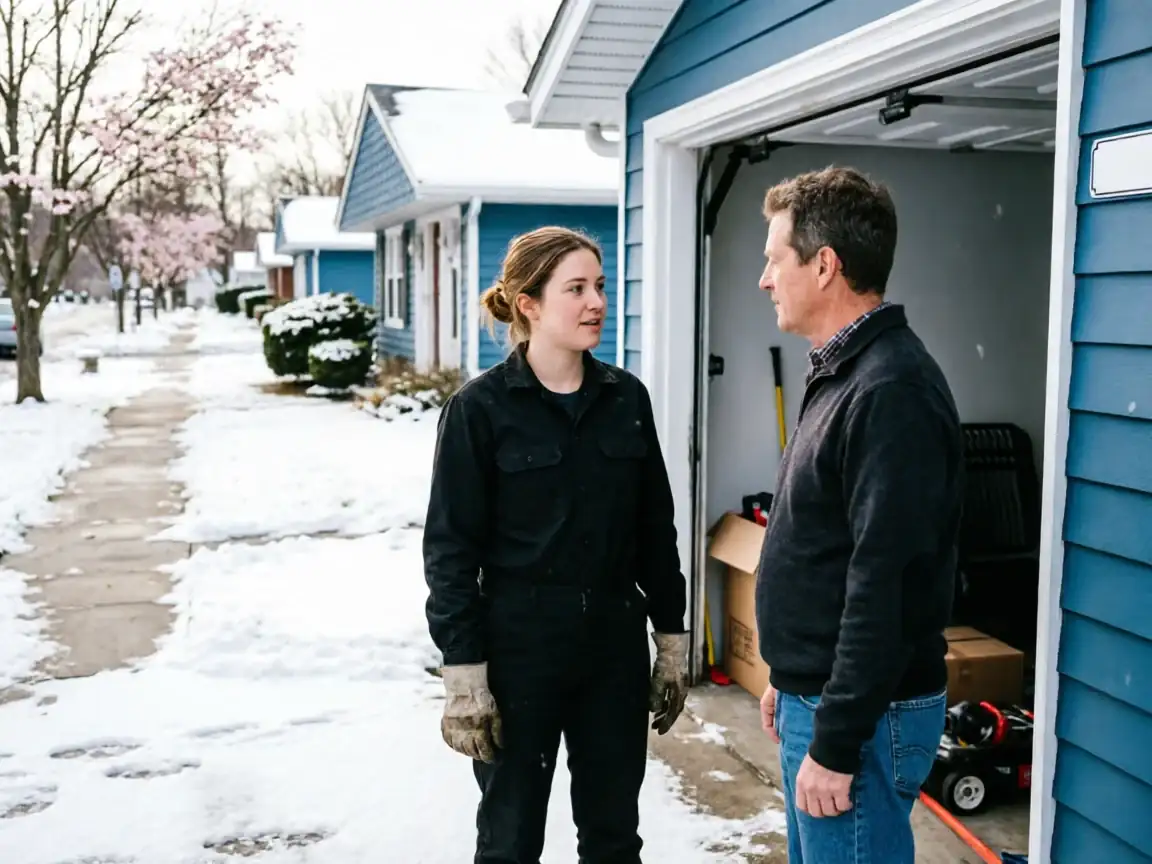
Plymouth sits four miles west of our shop in Bristol, a straight shot that puts a truck in your driveway without the stop-and-go you'd get heading into a bigger town. That matters for what kind of call this actually is. A four-mile run means we're not guessing at a diagnosis over the phone and hoping we packed the right spring - we can swing by, look at the door, and come back with the part the same day more often than not.
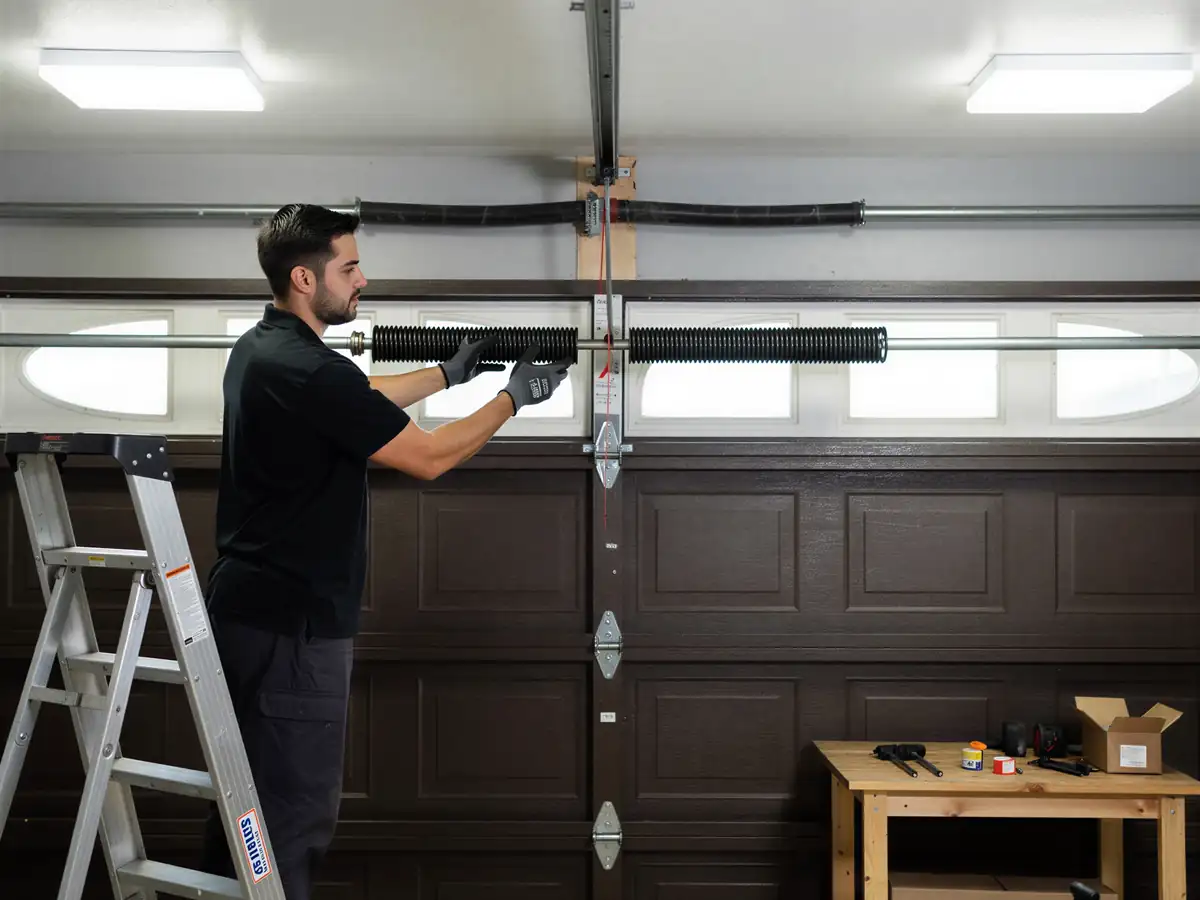
Most calls out here start the same way: a door that won't open past a foot off the slab, a slam on the way down, or a opener that runs but the door doesn't move. On a house built around 1970, which is the median year for this area, that's usually a torsion spring that's given out or a cable that's frayed through at the drum. Those doors were built solid, but forty-plus years of cycling on original hardware catches up with every one of them eventually.
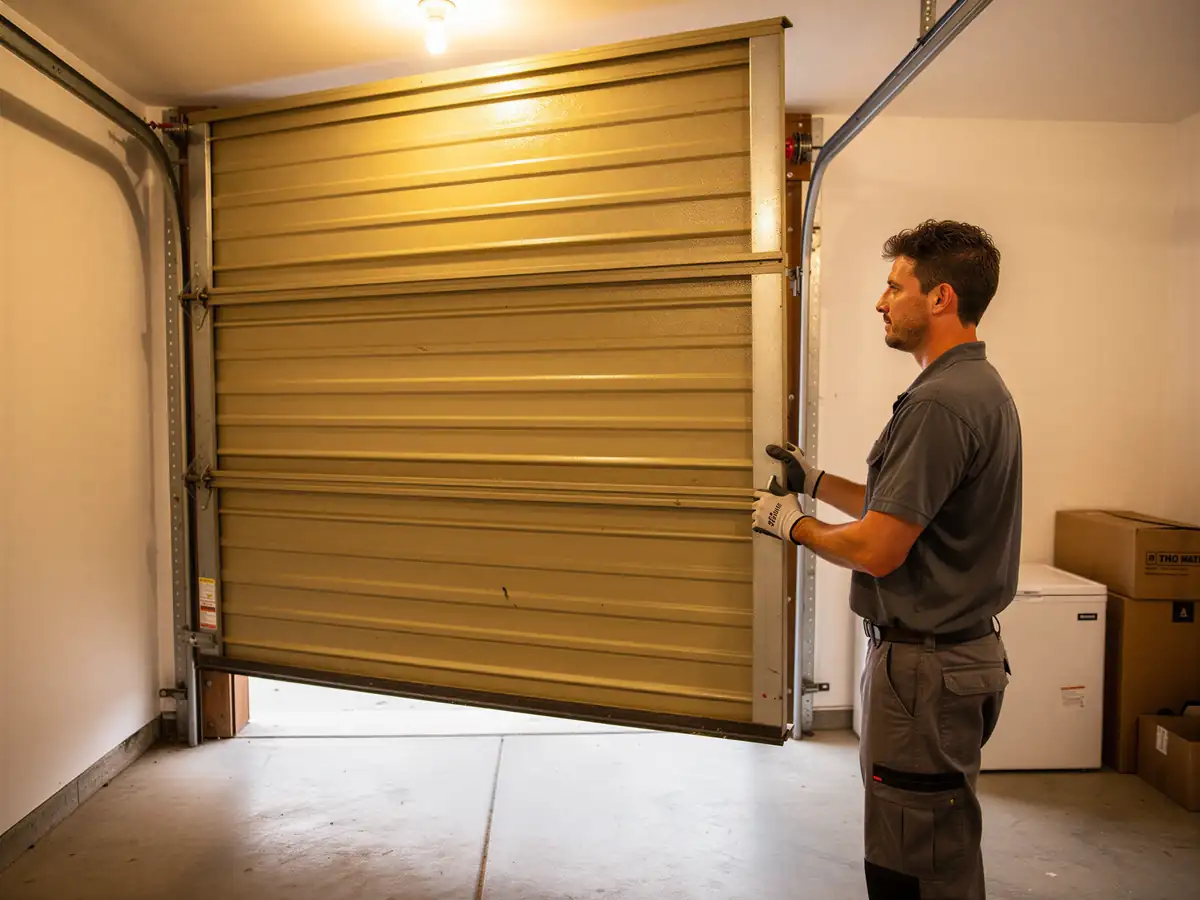
What we don't do on a first visit is assume. A door that binds could be a bent track, a spring, or a jamb that's shifted with the house settling - and in this stock, foundations shift more than people expect.
Time on the Job
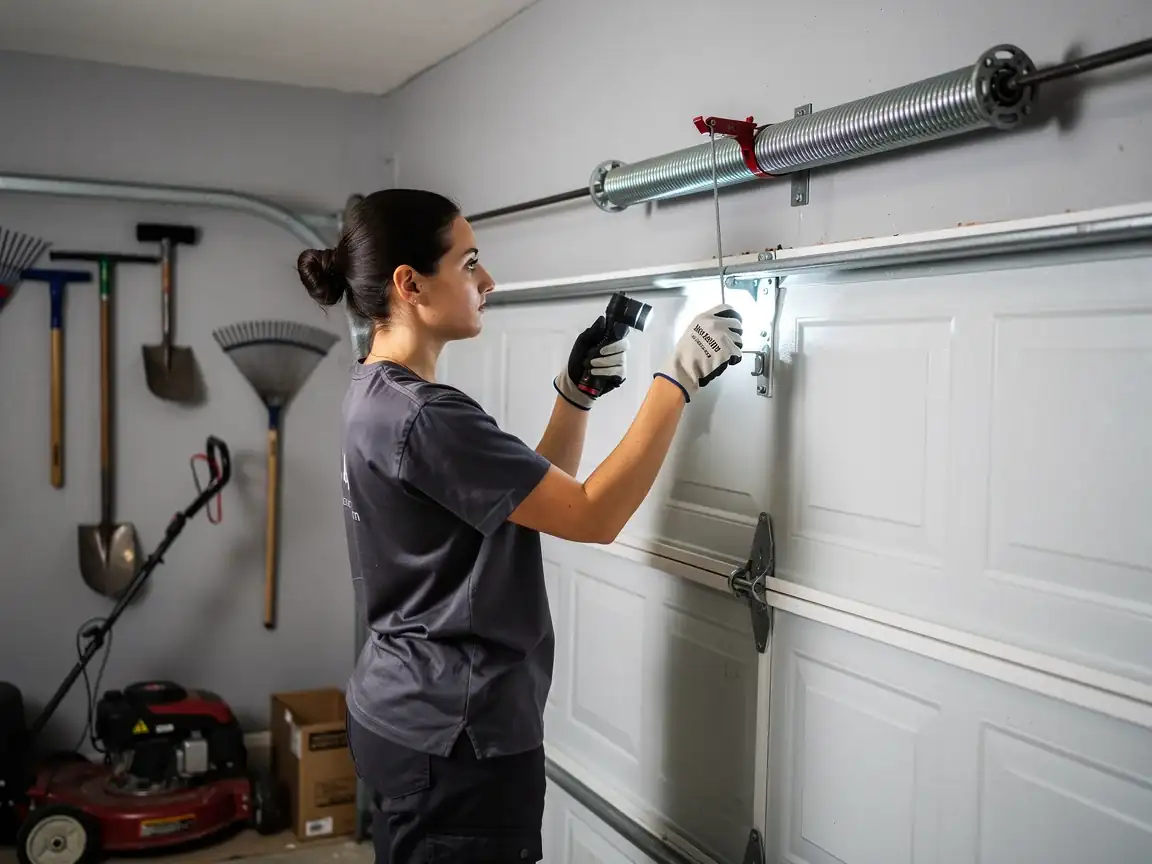
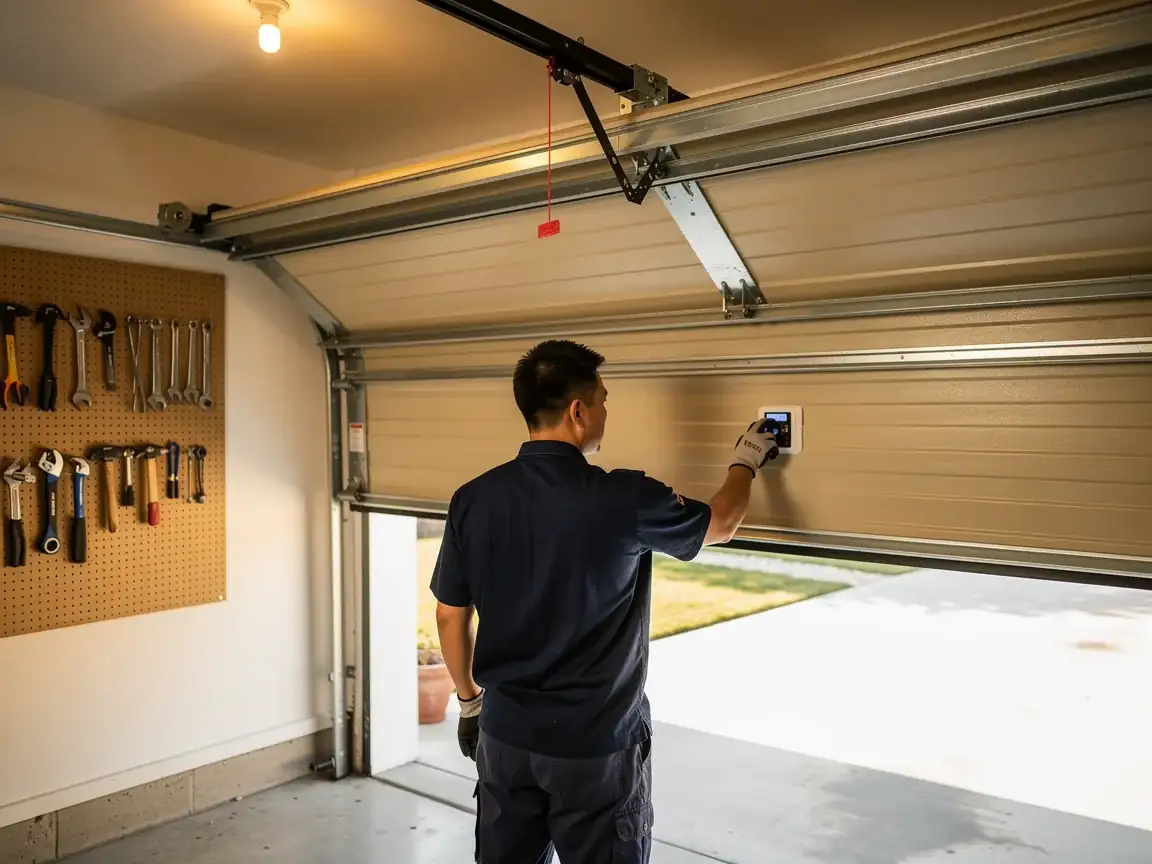
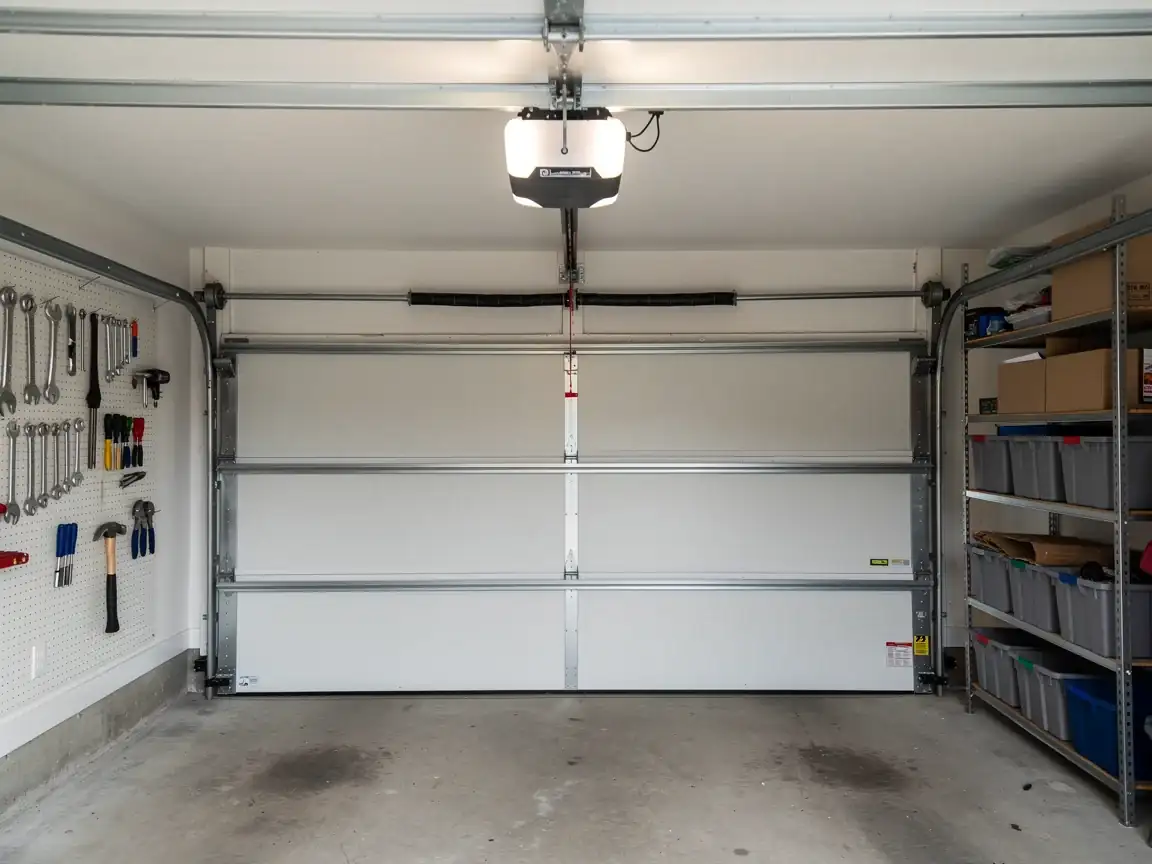
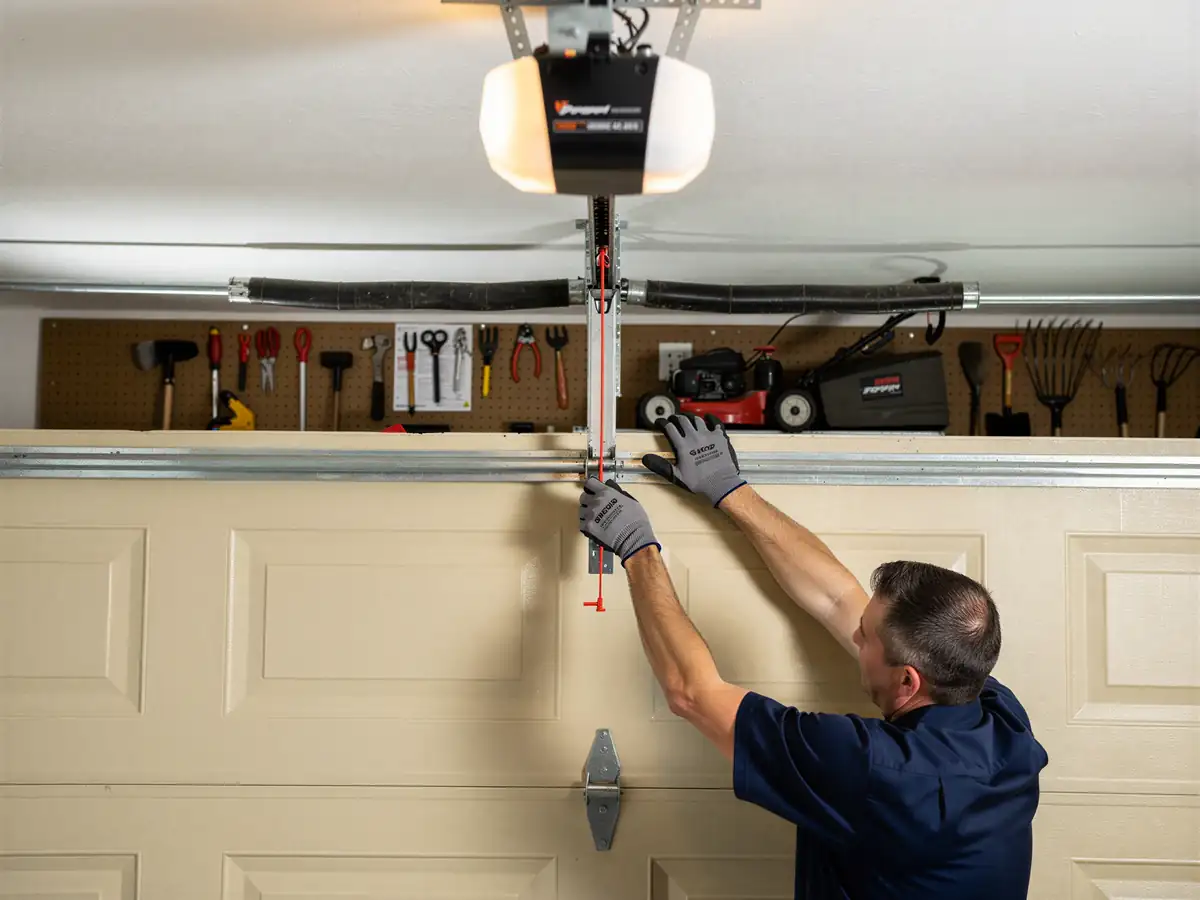
The drive from Bristol is short enough that the job itself is where the time actually goes, not the commute. A broken torsion spring on a double door is a straightforward fix once we're on site - pull the old spring, wind in the matched replacement, check the cable and drums while we're in there since they wear at the same rate. An opener swap takes longer, mostly because houses from this era often have the door hung with hardware that predates the opener bracket being standard, so we're fabricating a mount instead of bolting to a factory point.
We won't pad a quote with work the door doesn't need, and we also won't rush a torsion spring job - those carry real tension and doing it fast is how people get hurt. If a part isn't something we carry on the truck, we say so up front rather than make a second trip look like bad planning.
Why It Happens Here
The housing in this area was built mostly between 1938 and 1986
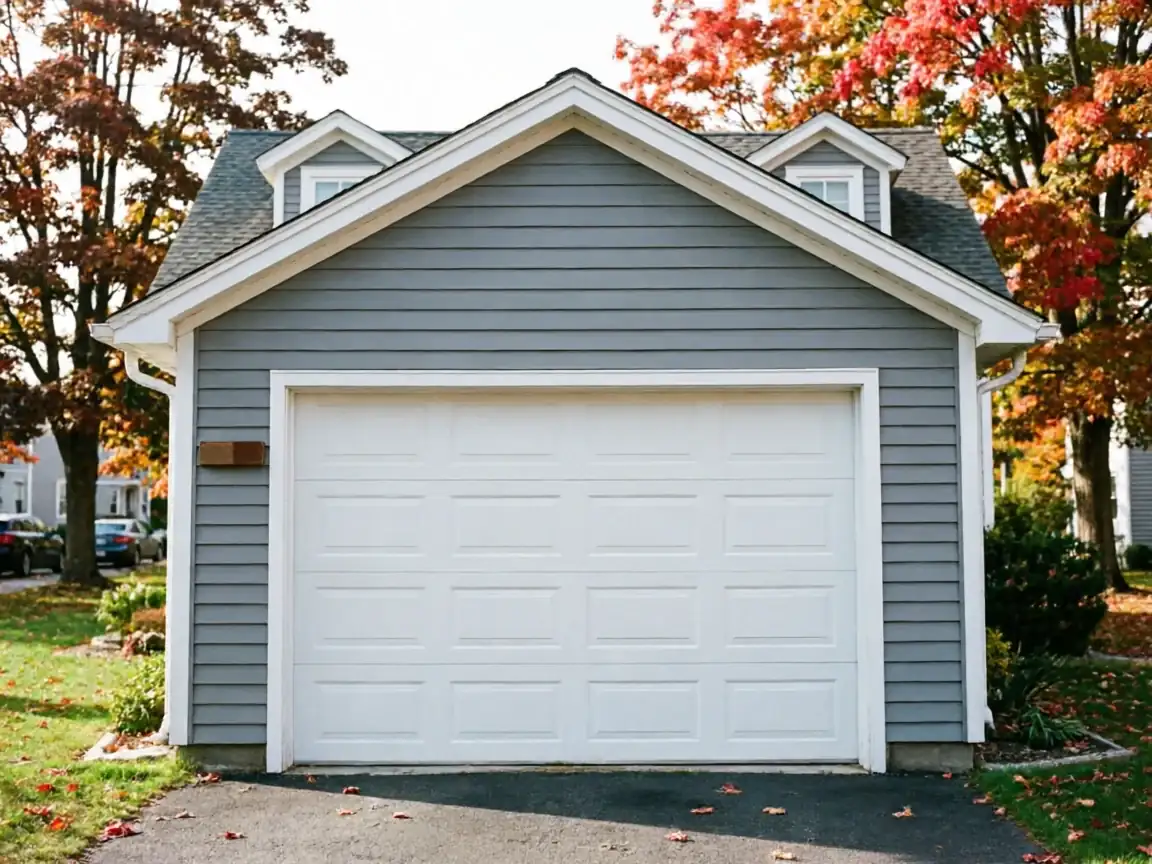
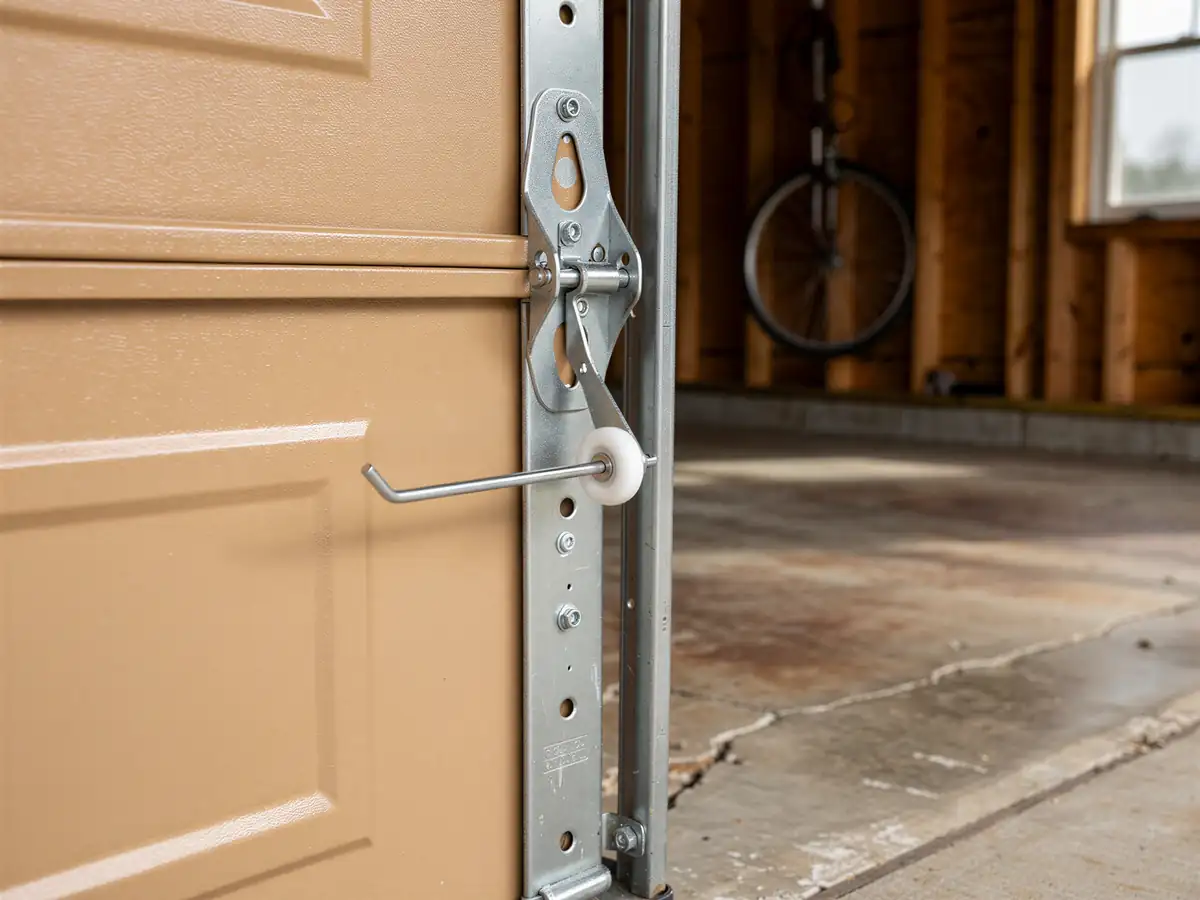
With 1970 as the typical year across Plymouth itself. That means a lot of doors and openers here are either original installs nobody's touched since, or a second-generation replacement put in sometime in the 80s or 90s - both of which use hardware that's no longer the industry standard. Torsion springs sized for a lighter wood door, drums that don't match what's sold today, track brackets lagged straight into framing that's shifted a little with four decades of frost.
The cold is the other half of it
This area sits in a severe cold climate band, and steel springs and cables lose flexibility in deep cold the same way anything metal does - a spring that's been weakening slowly can finally snap on the first hard freeze of the year, not because the cold caused it but because it was the day the margin ran out. Garage doors in this area take that cycle every winter, year after year, on hardware that was never swapped out.
What Is on the Truck
Because the stock in this part of the area skews older, the truck carries springs and drums sized for doors built well before the current manufacturer defaults - not just the newer standard sizes. That's less about guessing and more about knowing what a 1970-built door in this area is likely to be running.
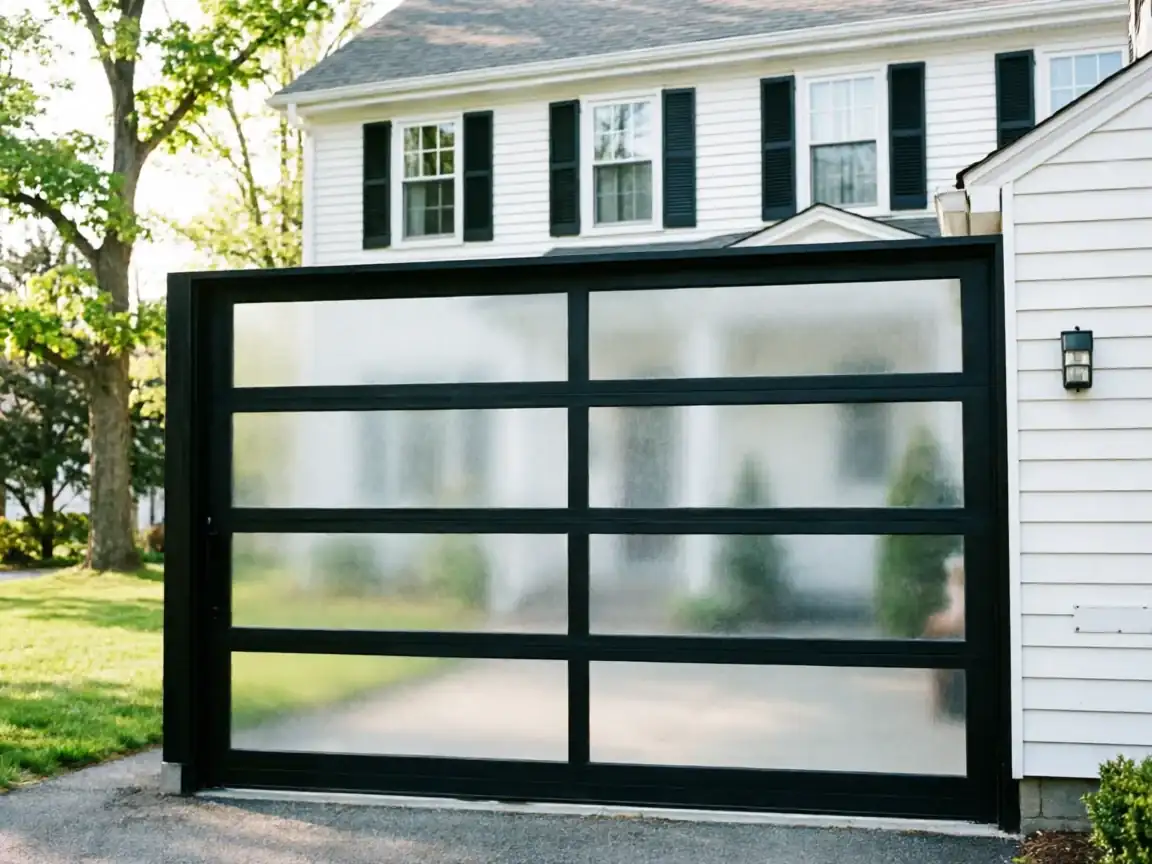
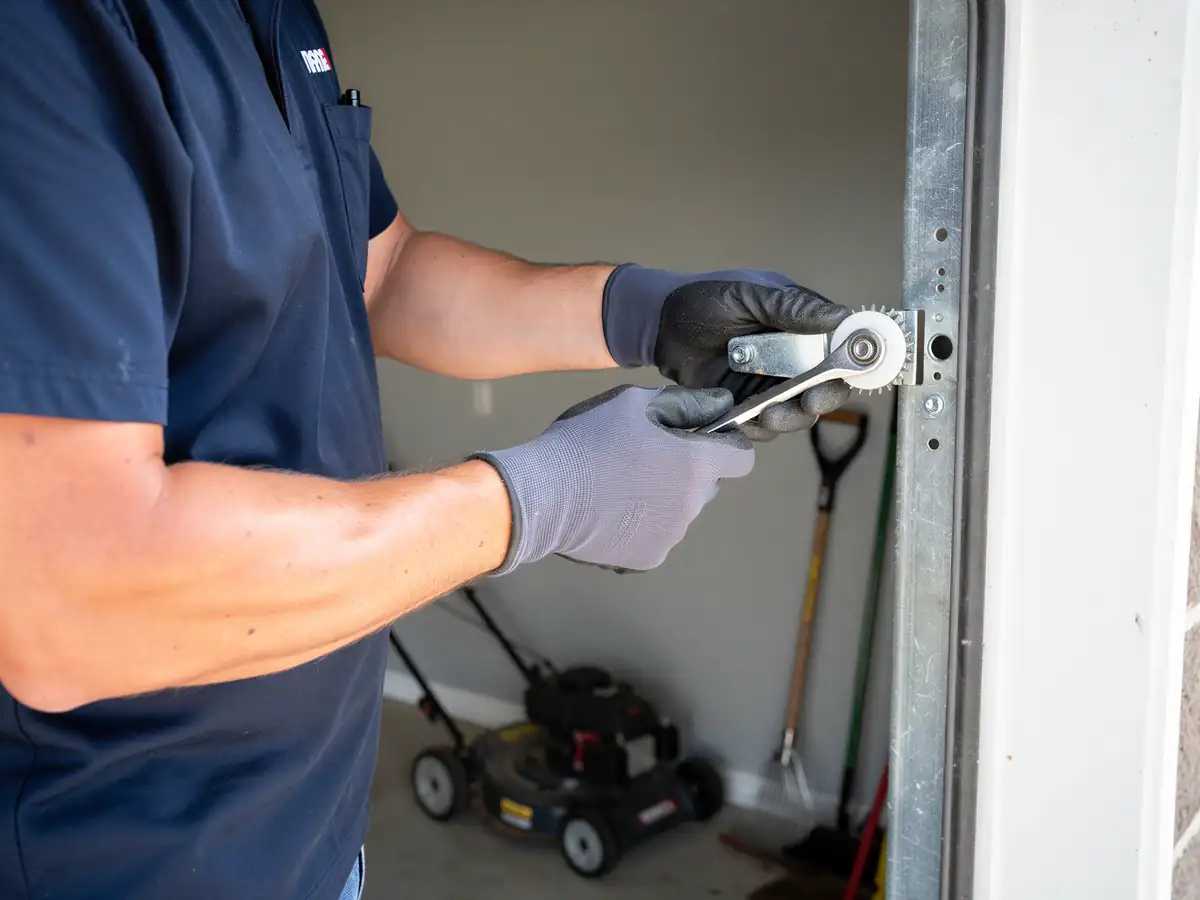
What we don't stock is anything specialty-ordered - certain glass-panel inserts or odd-width custom doors sometimes need a part that has to come from a supplier, and we'll tell you that lead time straight rather than quote a same-day fix we can't deliver. For the common failures - springs, cables, rollers, a misaligned track - the parts are already on the truck before we leave Bristol.