What Can Go Wrong
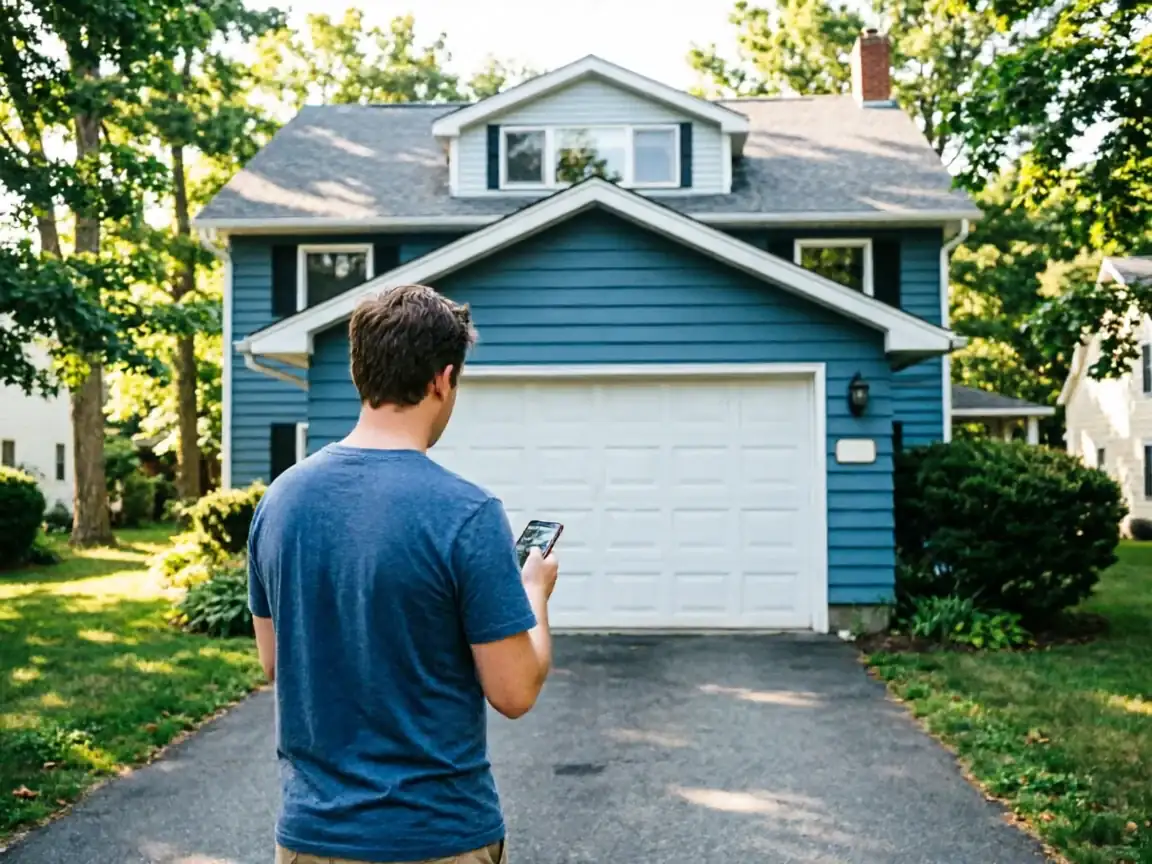
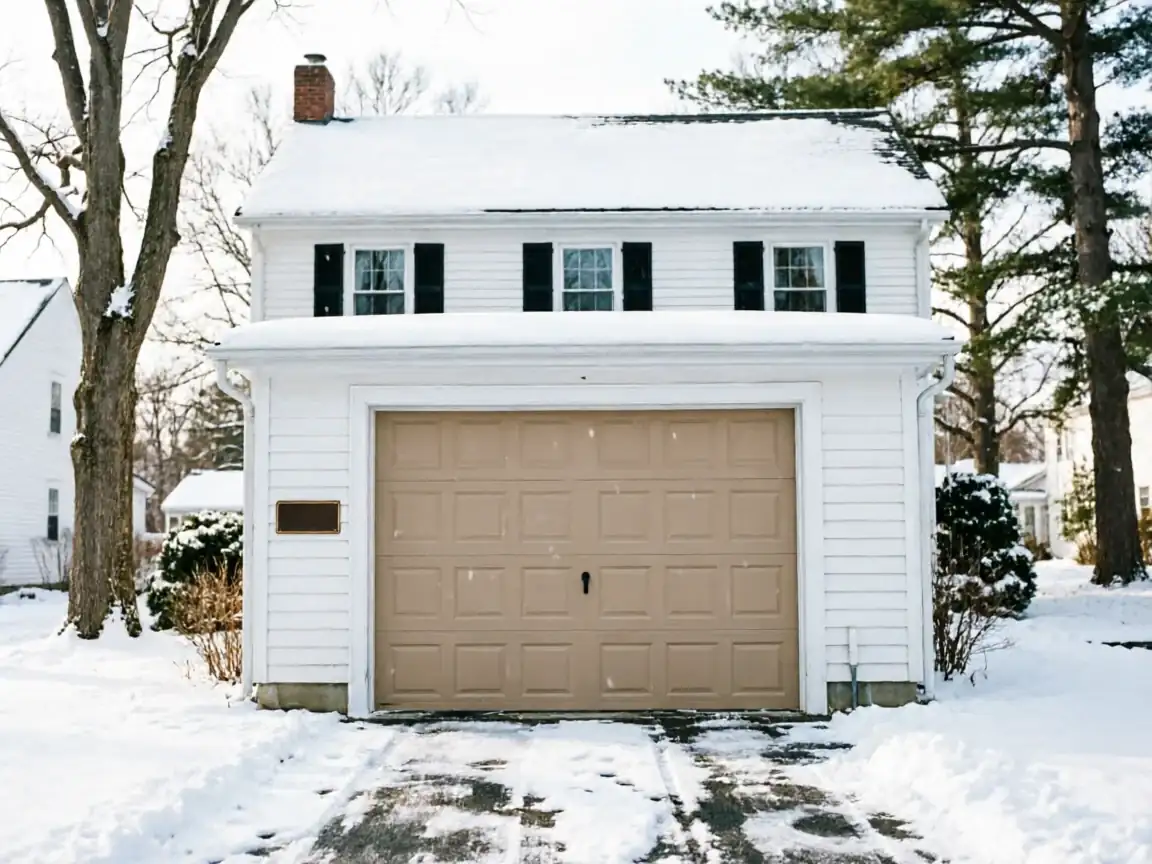
Farmington's housing stock runs newer than most of the towns we cover out of Bristol. Across the wider service area the median home was built around 1971, with most of the stock dating to the 1960s and '70s. Farmington's own median sits closer to 1980, which puts a lot of its garage doors into a different generation than what we see in the older neighborhoods nearby.
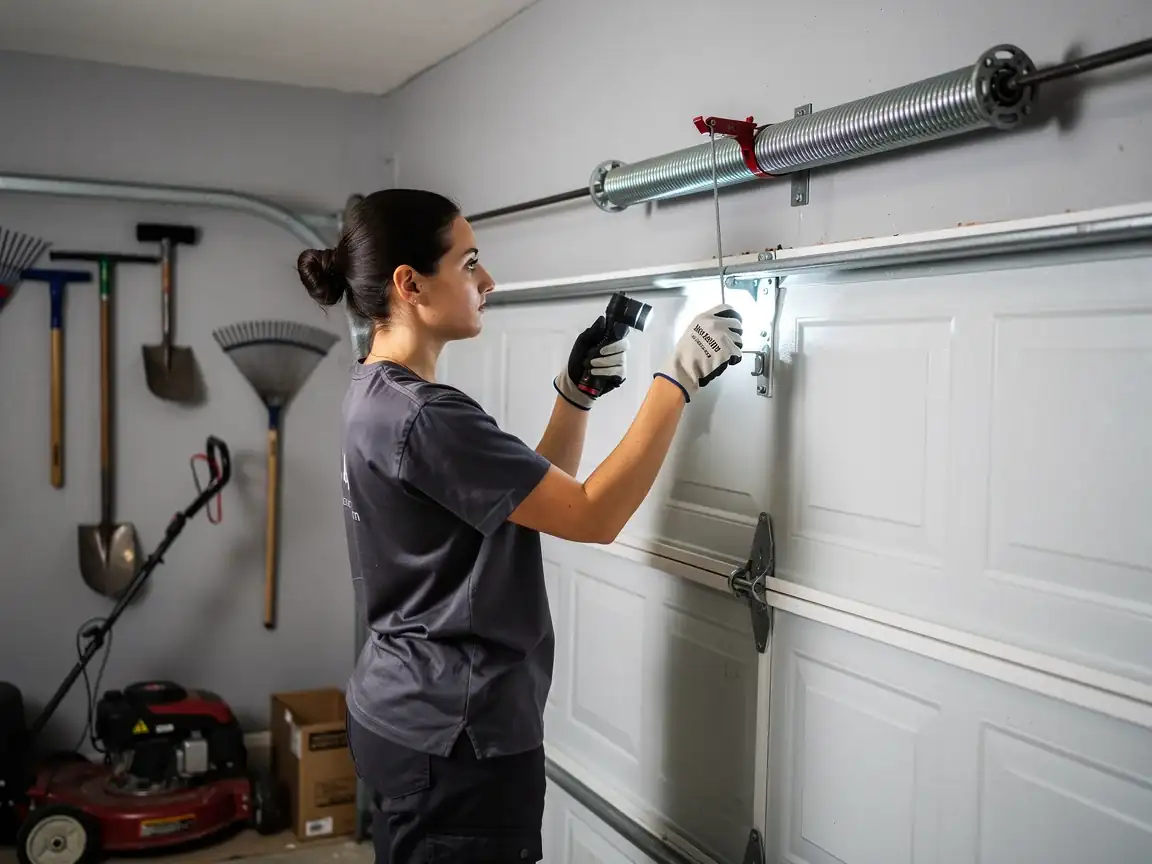
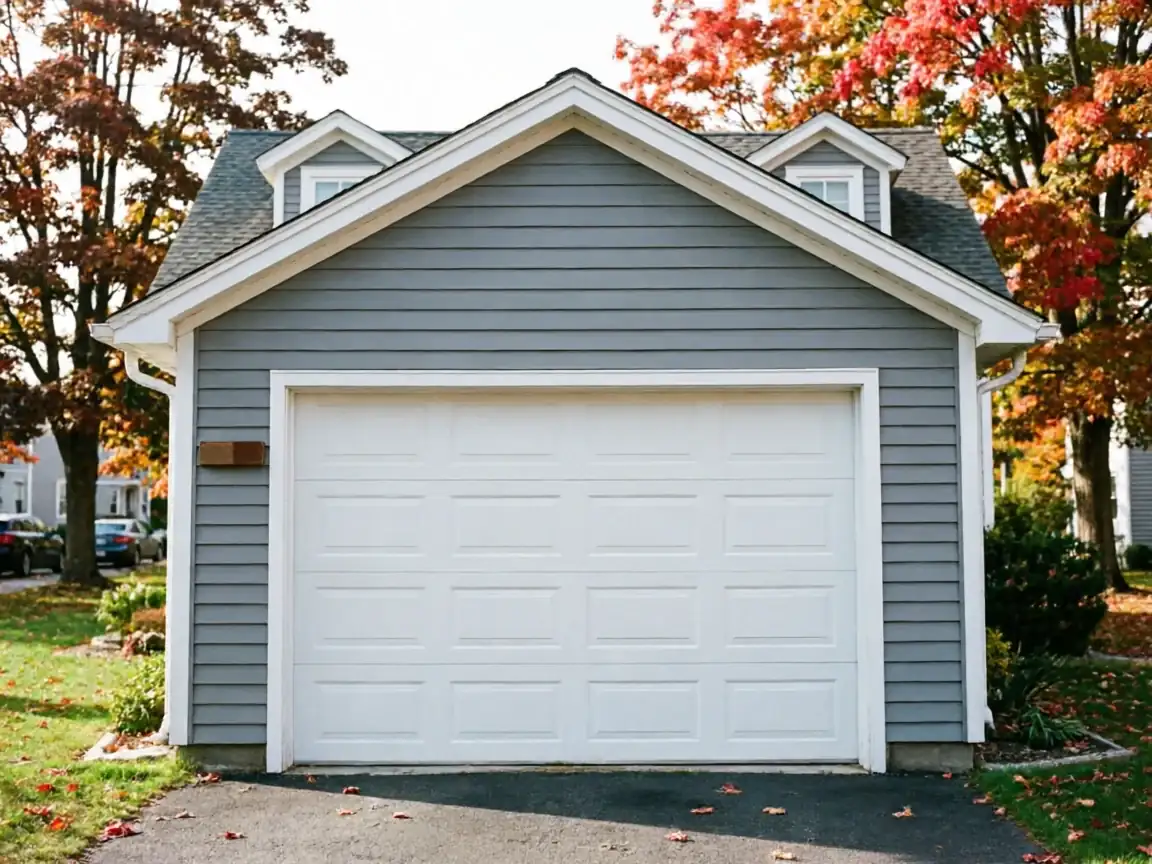
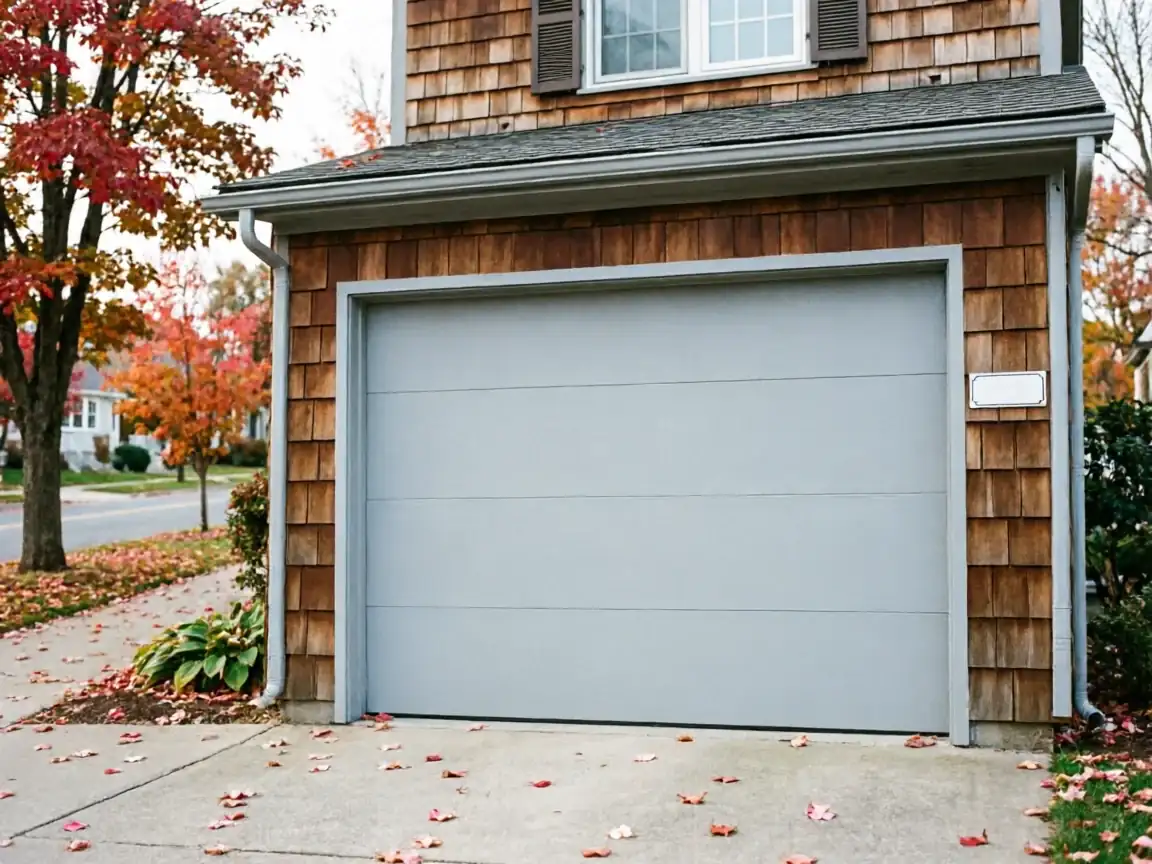
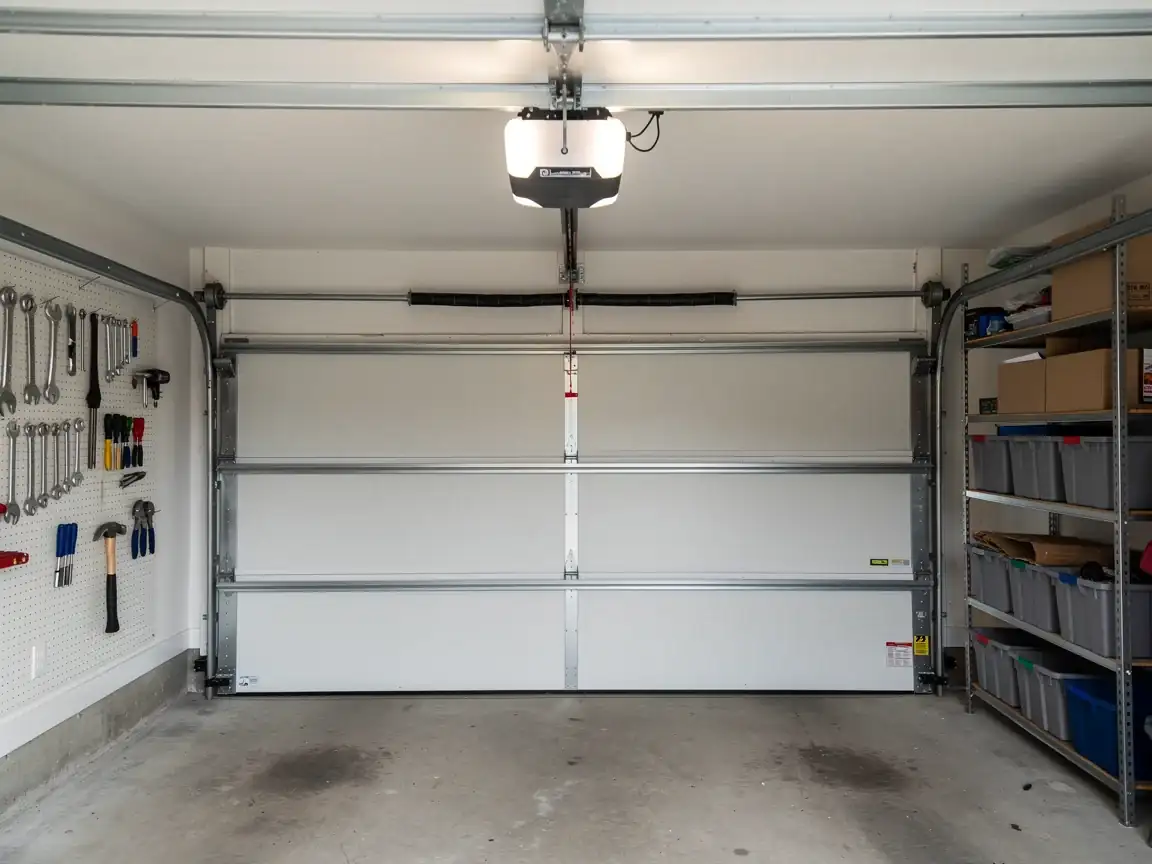
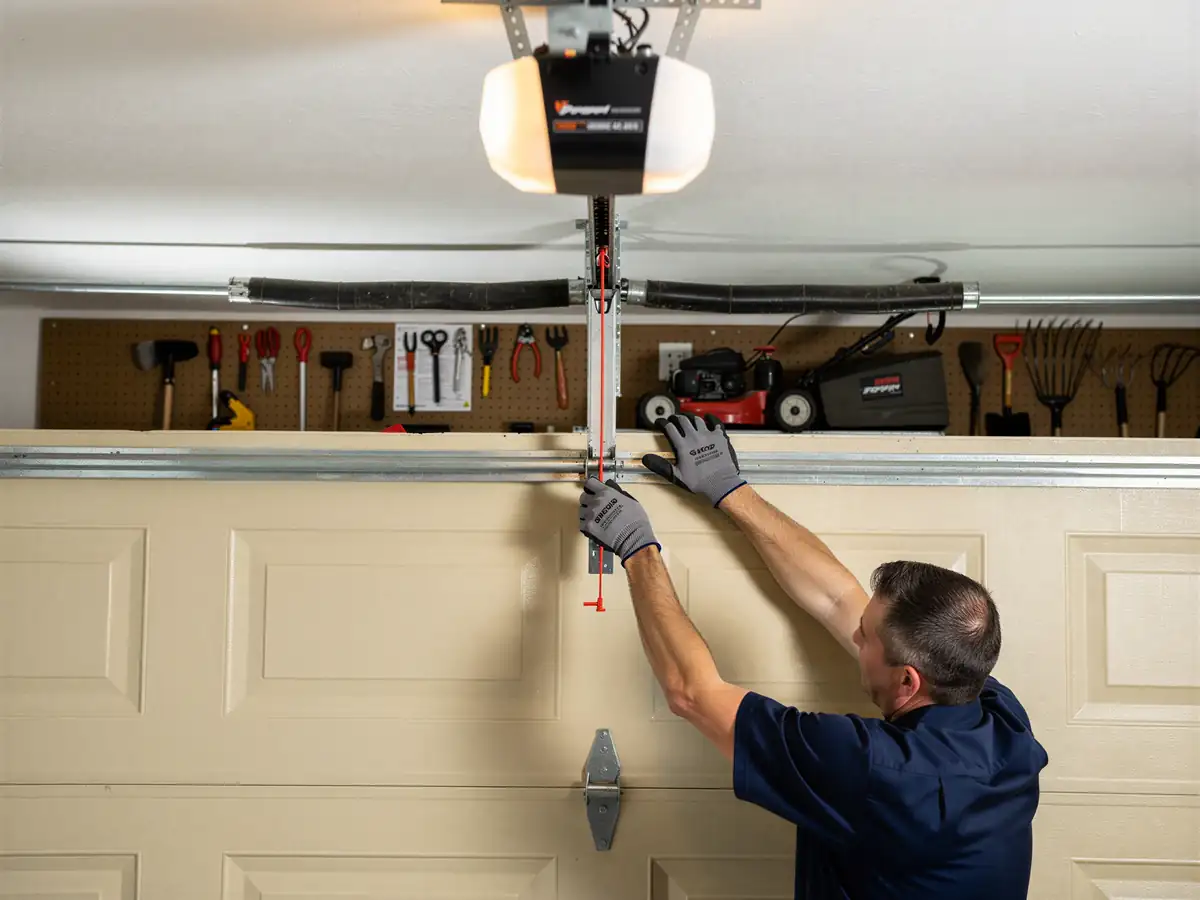
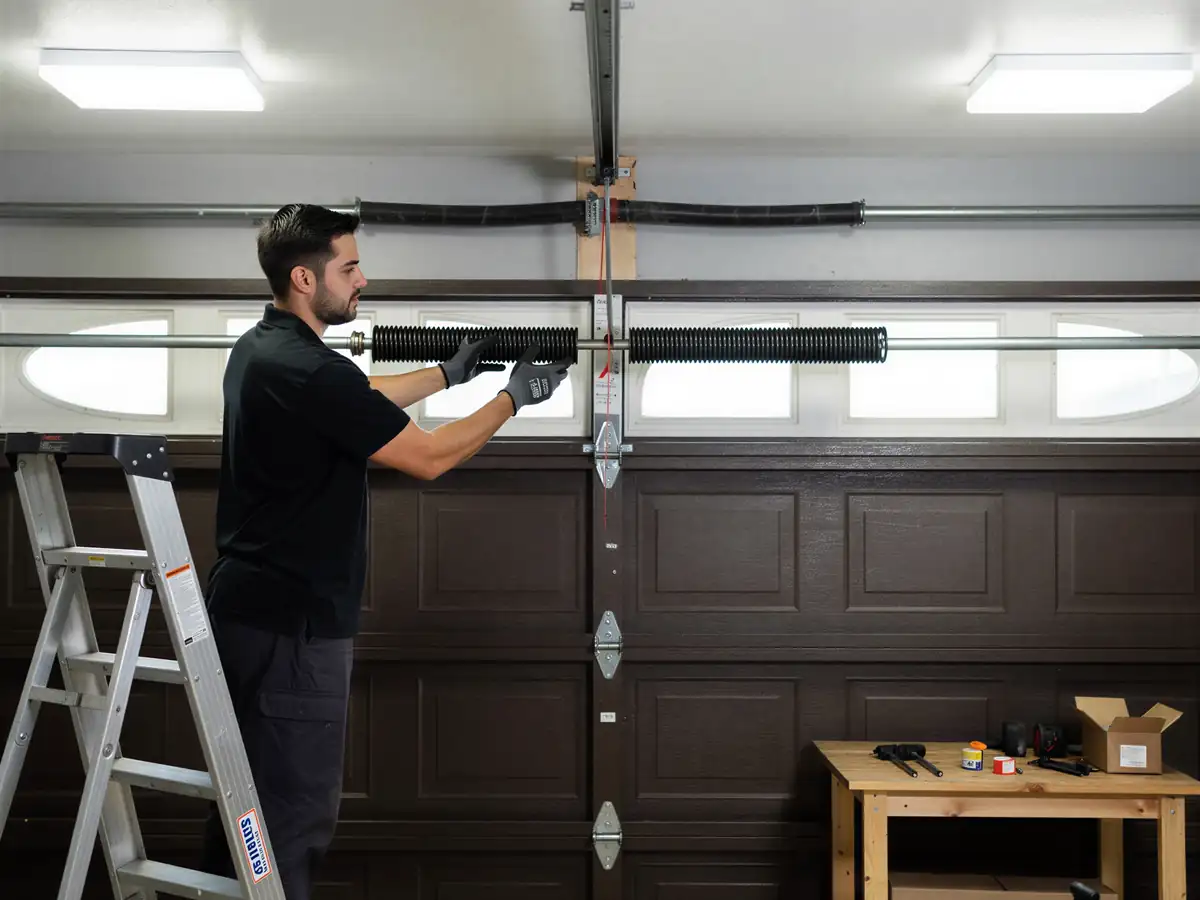
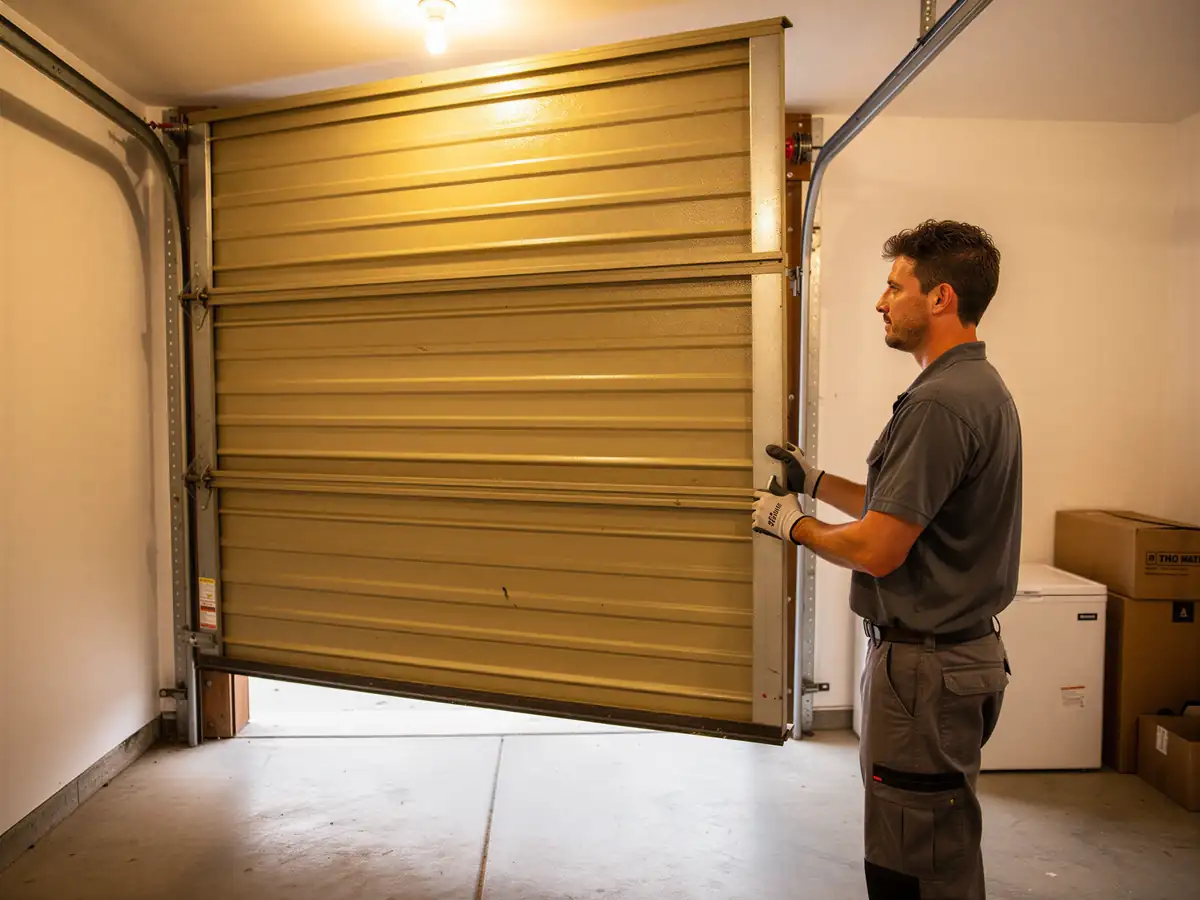
That later build date usually means steel sectional doors instead of the older one-piece wood slabs, and chain-drive openers from the early-to-mid '80s rather than the belt and screw units that came later. The springs on those doors are original or close to it in plenty of cases, and a torsion spring doesn't last forever no matter how well the door was built. When one lets go on a cold morning, the door won't lift, or it slams down hard when you try.
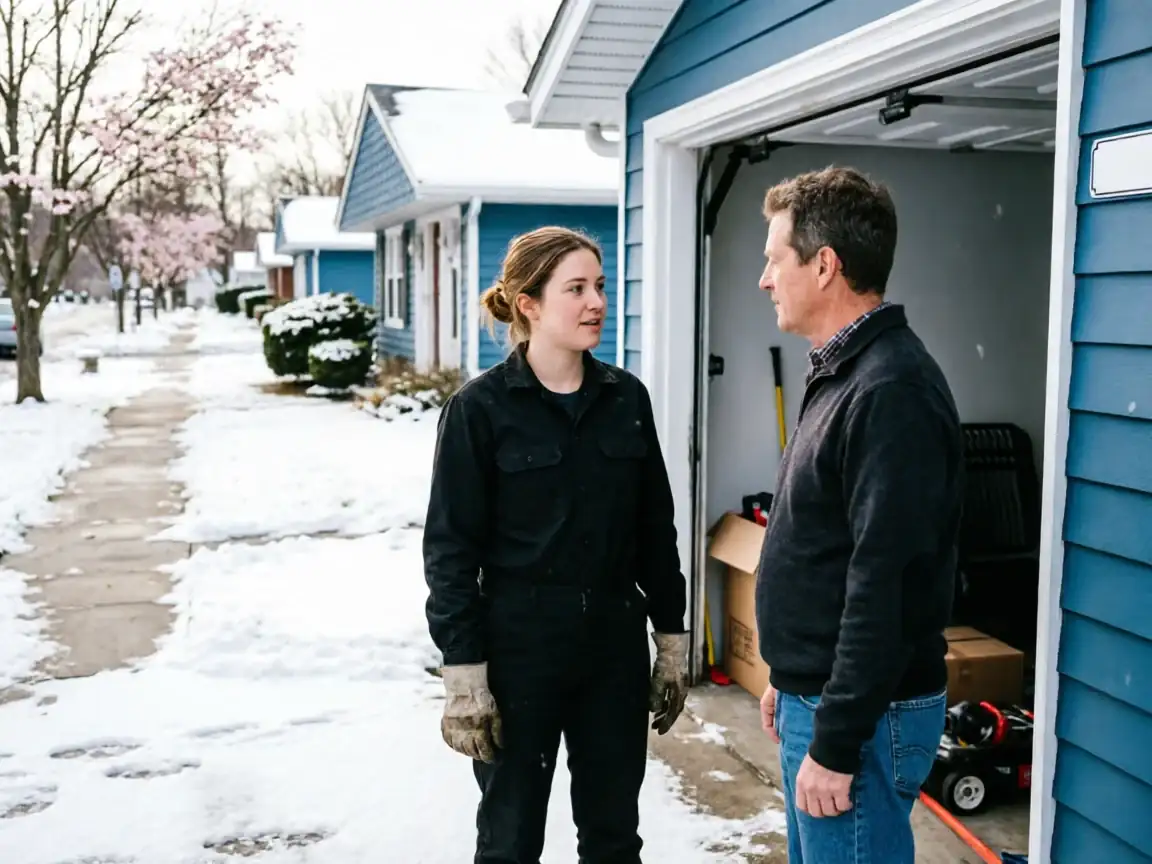
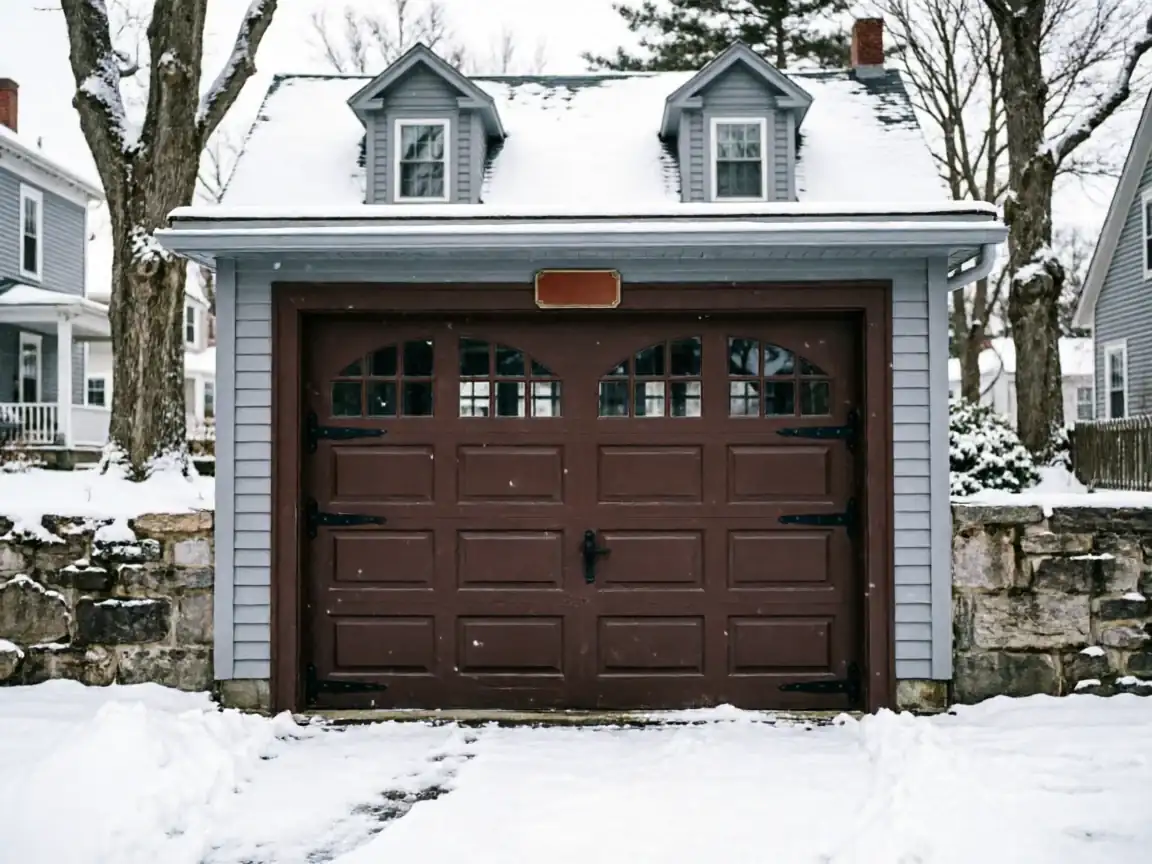
The winters here are the other half of the story. We're in a cold climate zone with real freeze cycles, and that cold stiffens up old lubricant in rollers and hinges, shrinks seals, and makes a weak spring fail faster than it would in a mild month. A door that's been limping along in October can seize up completely once the temperature drops.
Doing It Yourself
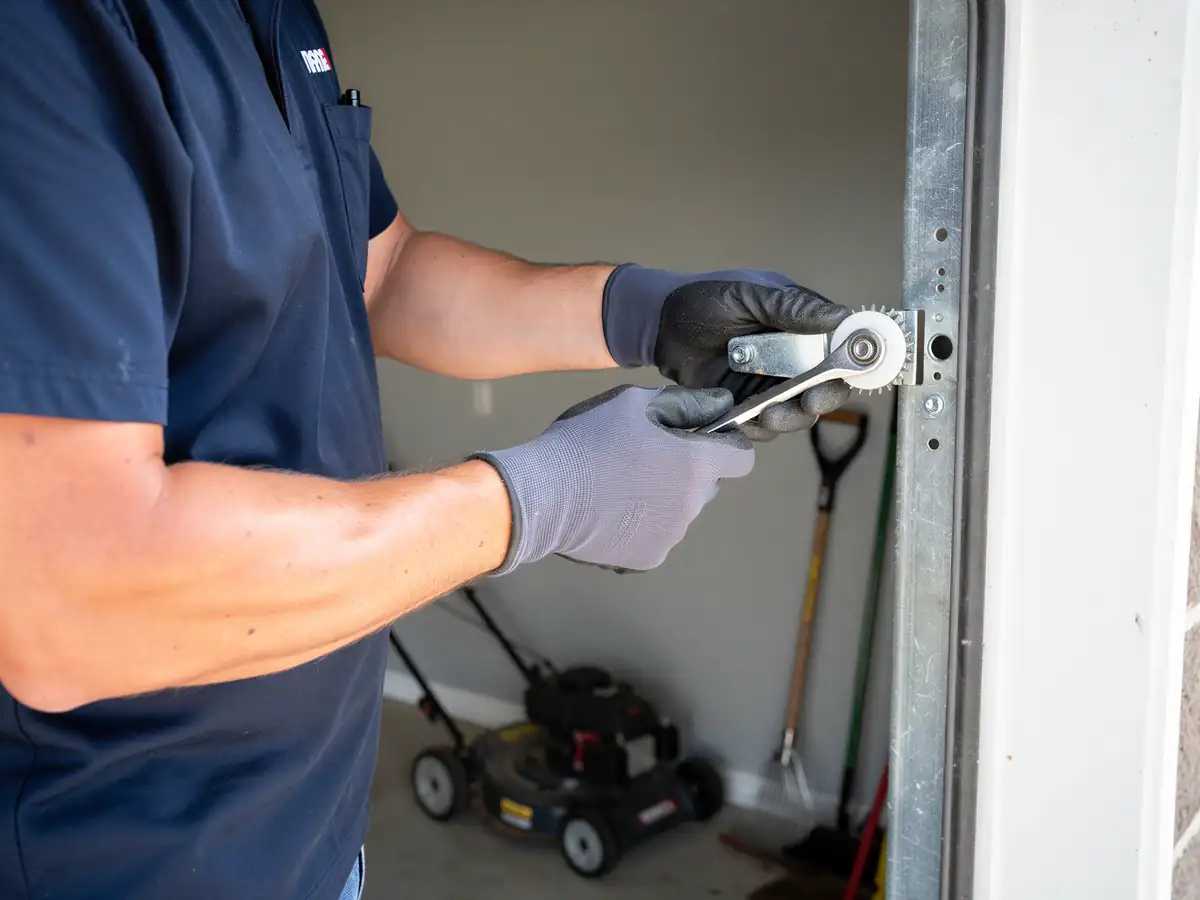
There's real work a homeowner can do safely. Vacuuming track debris, wiping down and lightly lubricating rollers and hinges, checking that the weatherstripping along the bottom panel isn't cracked or pulled away, tightening loose hardware you can reach with the door down - all of that is reasonable and worth doing once or twice a year, especially before the cold sets in.
What we don't recommend you touch is the spring system. A torsion spring on a standard residential door is wound under several hundred pounds of tension, and the tools to adjust or replace one safely aren't something most garages have lying around. Every year people get hurt trying to save a service call on exactly this job. If your door is heavy to lift by hand, won't stay open on its own, or makes a loud bang followed by the door going slack, that's a spring, and that's not a DIY afternoon.
Opener logic boards and circuit boards are the other thing to leave alone unless you're comfortable with electrical work. Swapping a remote battery or reprogramming a keypad code is fine. Chasing a wiring fault inside the unit isn't worth the risk of making it worse.
How We Fix It
We come out from Bristol, about six miles from Farmington
So the truck is stocked before it ever pulls out of the lot rather than restocked on the way. For a spring call, that means we're carrying standard torsion spring sizes that match the doors common to Farmington's late-'70s-into-'80s construction, along with the matching cables and drums.
For openers, a lot of what we see on these homes is either an aging chain-drive unit that's finally worn out its gears
Or a newer unit installed as a replacement somewhere along the way. We diagnose which one we're dealing with before quoting anything, because swapping a whole opener when the fix is a worn drive gear or a bad sensor wire is money a homeowner doesn't need to spend.
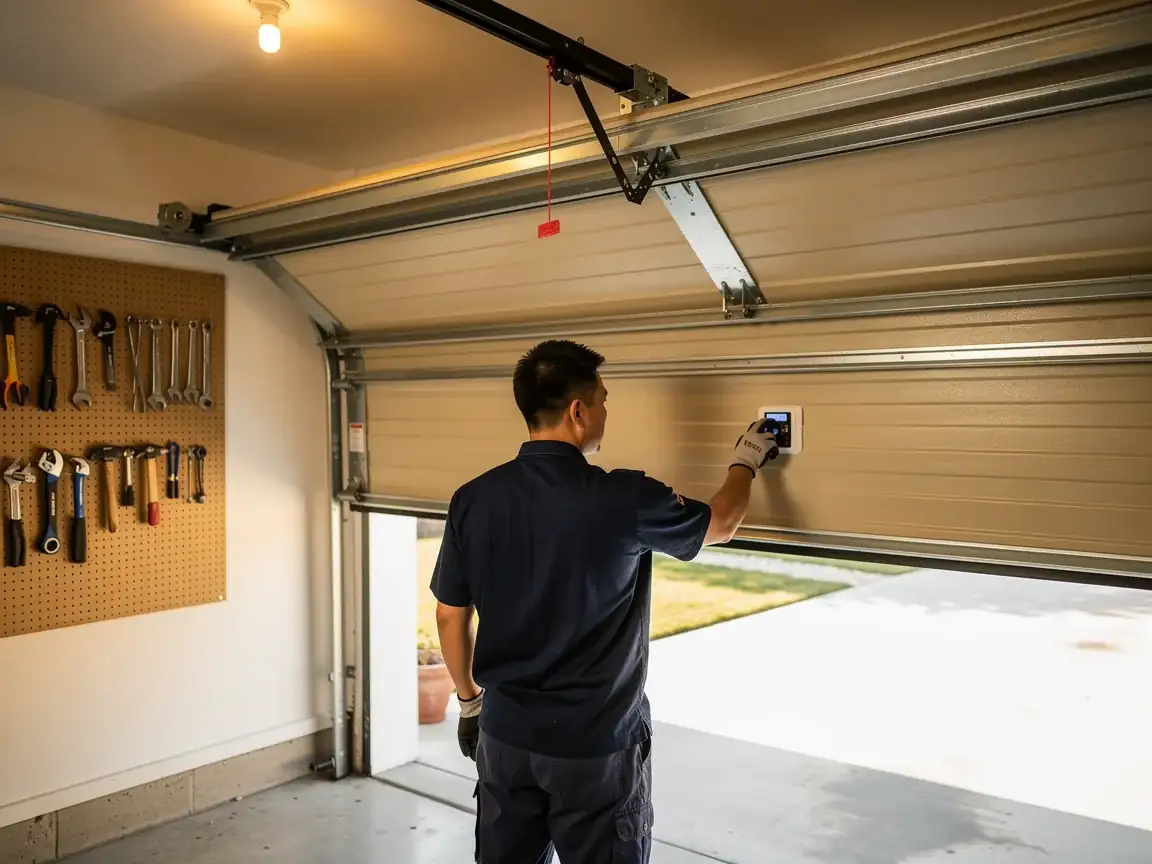
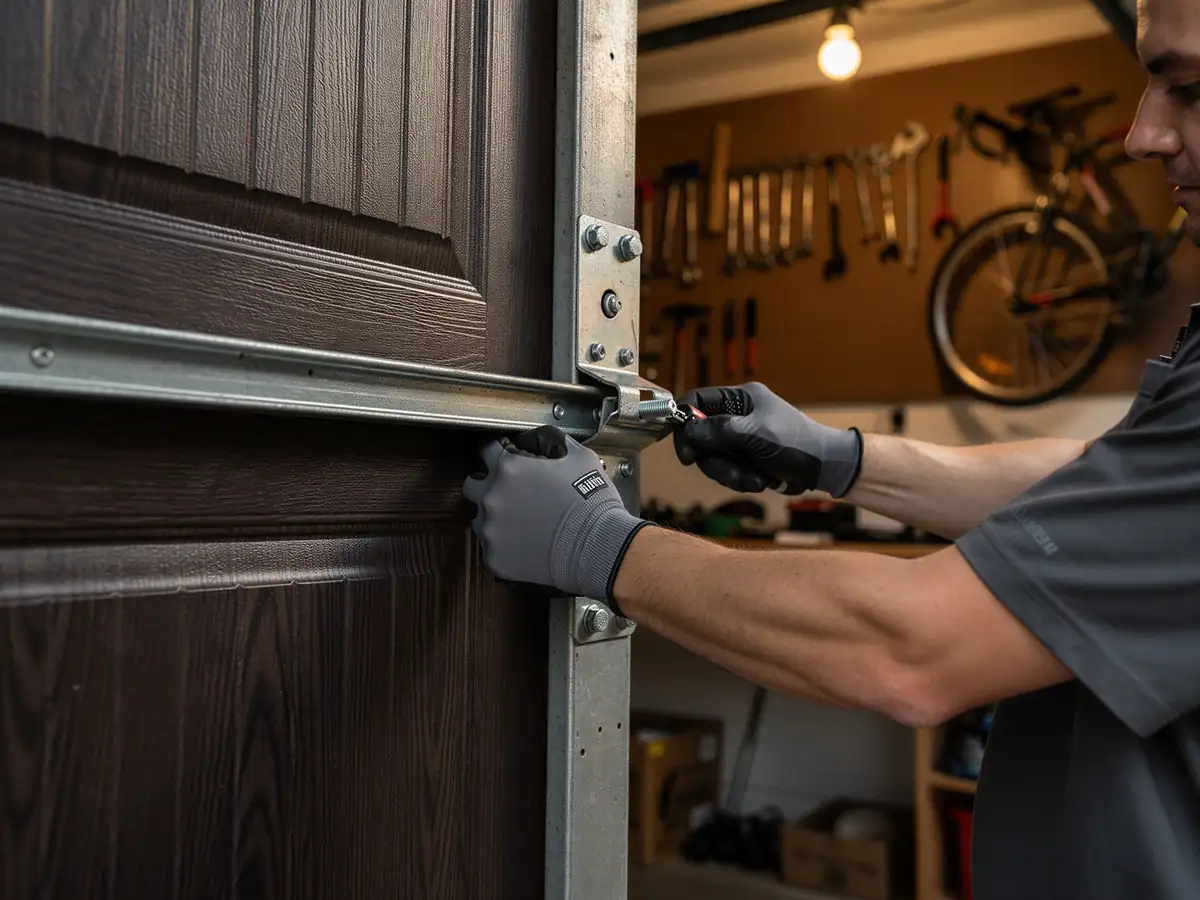
We balance the door, check the track alignment
And test the auto-reverse safety function before we call a job done. On a steel door with a damaged panel, we look at whether a single-panel replacement is realistic for that model or whether the door's old enough that matching panels aren't being made anymore, in which case we'll say so plainly instead of chasing a part that doesn't exist.
How to Book
The fastest way to get a Farmington visit on the schedule is through our Farmington service page, where you can describe what the door is doing and get a call back to set up a time. If you want to see the full list of what we handle across the area we work out of, that's on our Bristol garage door service page.
When you call or submit the form, it helps to have a few things ready: the approximate age of the door if you know it, whether it's a steel or wood panel, and what exactly it's doing - won't open, opens but won't stay up, makes noise, opener runs but the door doesn't move. That lets us bring the right parts on the first trip instead of a second one.
We travel to Farmington from Bristol for every job; there's no local branch or drop-in counter here, so booking ahead rather than walking in is how this works.
Time on the Job
Most spring replacements on a standard double door take under two hours once we're on site, start to finish, including balancing the door and running it through a full cycle test. A single-panel door with an original 1980s-era opener sometimes runs a bit longer if the opener's internal gear has worn down and needs replacing along with whatever brought us out in the first place.
Opener-only jobs, like swapping a dead logic board or replacing worn drive components, usually run faster than a spring job because there's no tensioned hardware to work around.
We don't give a fixed response time for how soon we can get to Farmington on a given day, because that depends on where the truck already is and what's ahead of it on the schedule. What we can tell you is that the trip from Bristol is short, around six miles, so once a slot is set we're not losing half a day to the drive.
What Is on the Truck
Given what's common on Farmington's housing stock
The truck carries standard torsion spring sizes sized for the steel sectional doors that make up most of what was installed through the late '70s and into the 1980s, plus the cables, drums, and end bearing plates that go with them.
We stock the small parts that fail most often regardless of door age
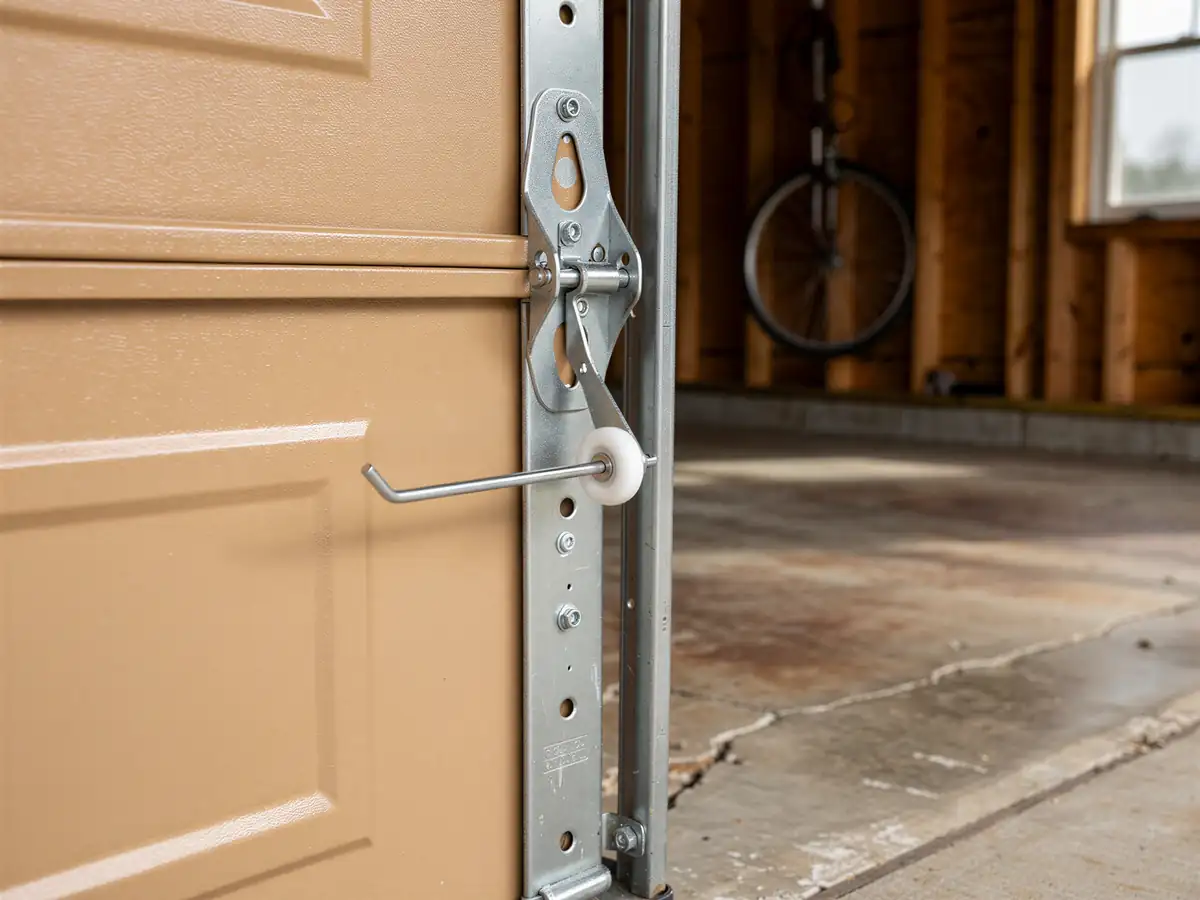
Rollers, hinges, bottom brackets, weatherstripping in standard widths, and safety sensor units for openers. For openers themselves, we carry common replacement logic boards and drive gears that fit the chain-drive units still running in a lot of these homes.
What we don't carry stock of is custom panel inserts or discontinued window styles
If a door needs a specific decorative panel matched to a model that's been out of production for decades, that's something we'd need to source rather than pull off the truck, and we'll tell you that up front rather than string out a visit pretending otherwise.