What Can Go Wrong
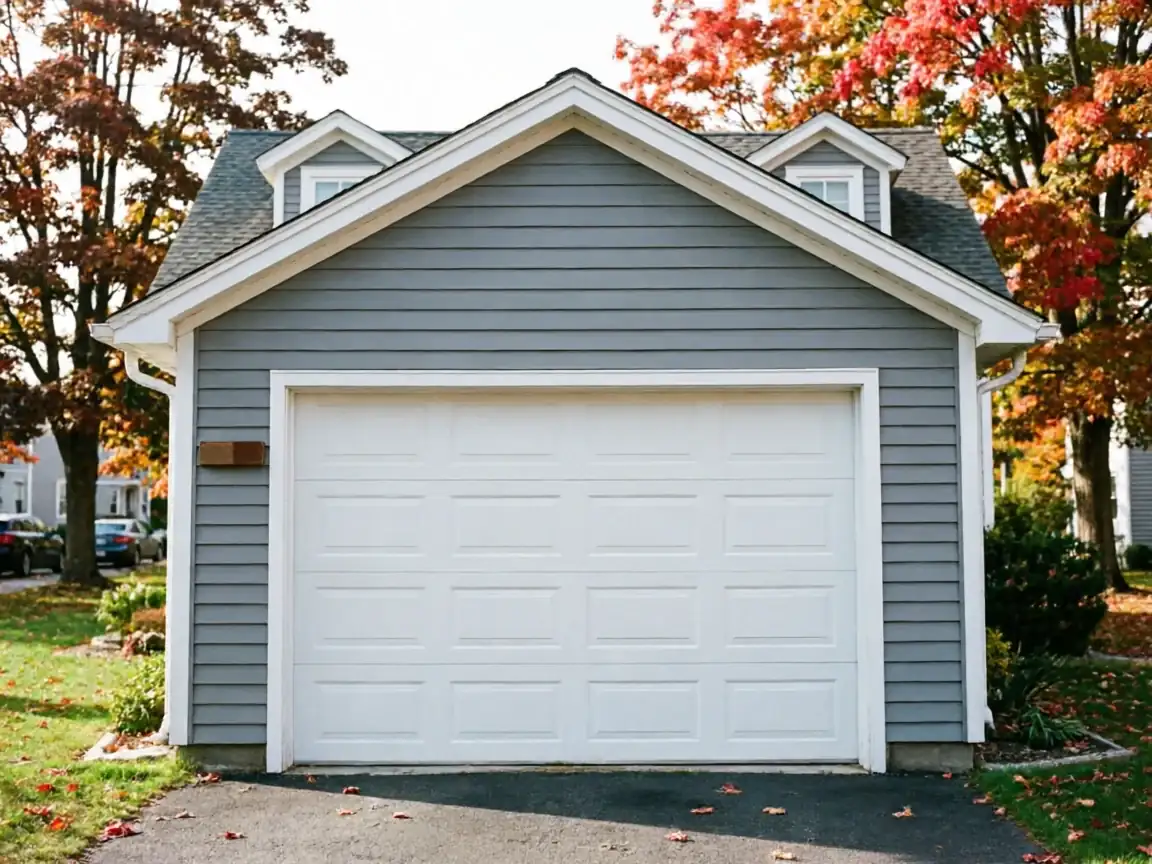
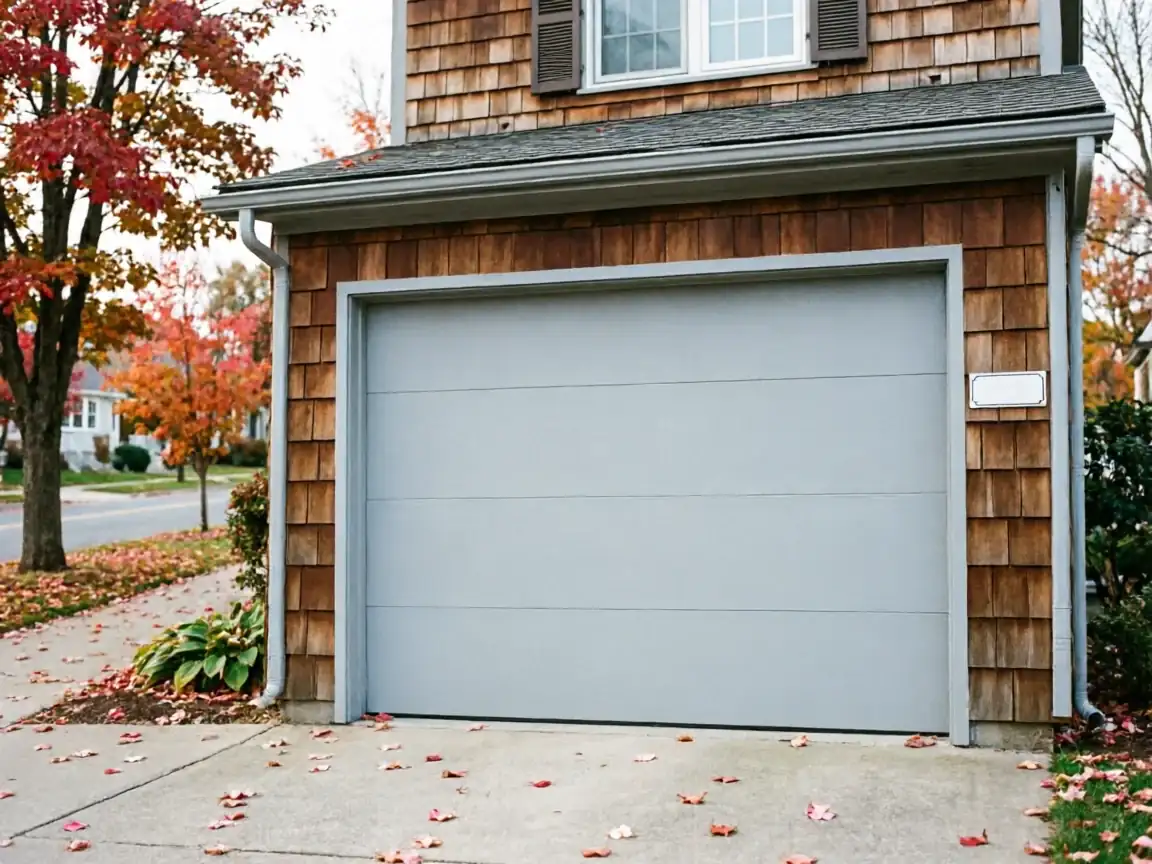
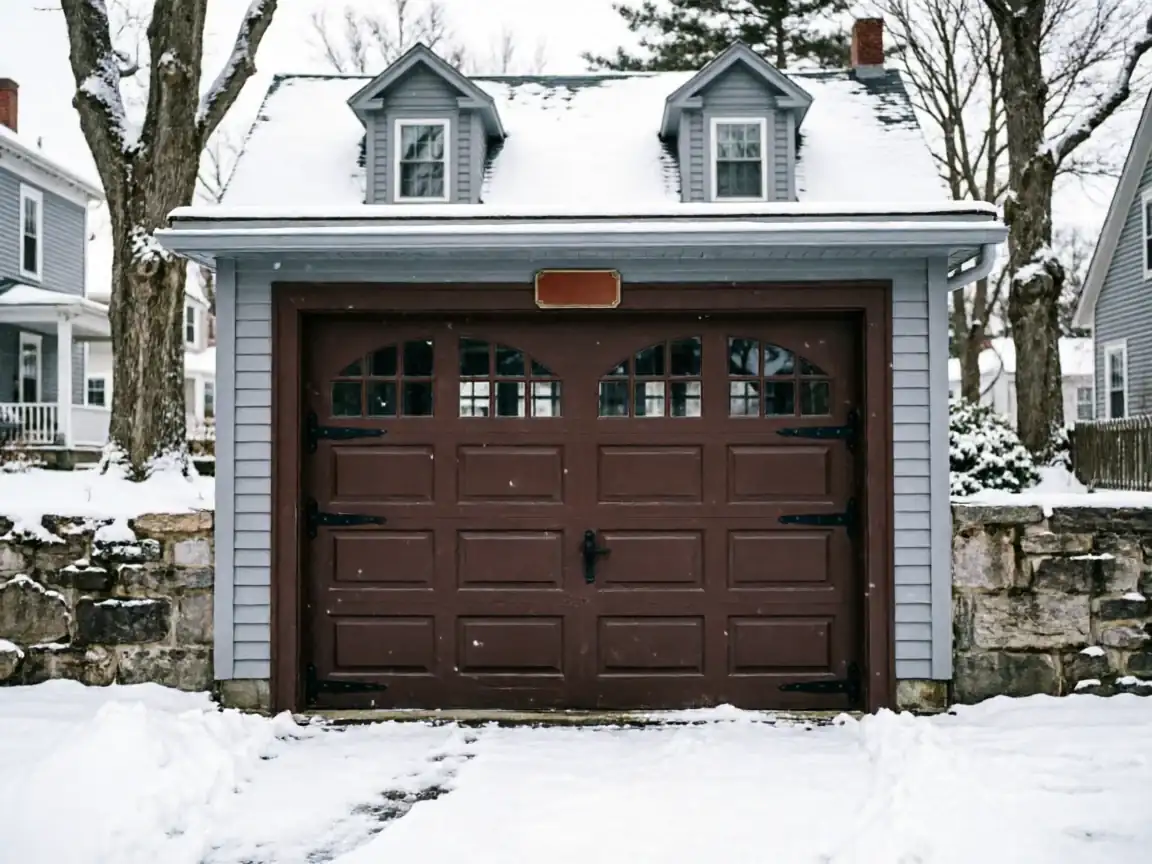
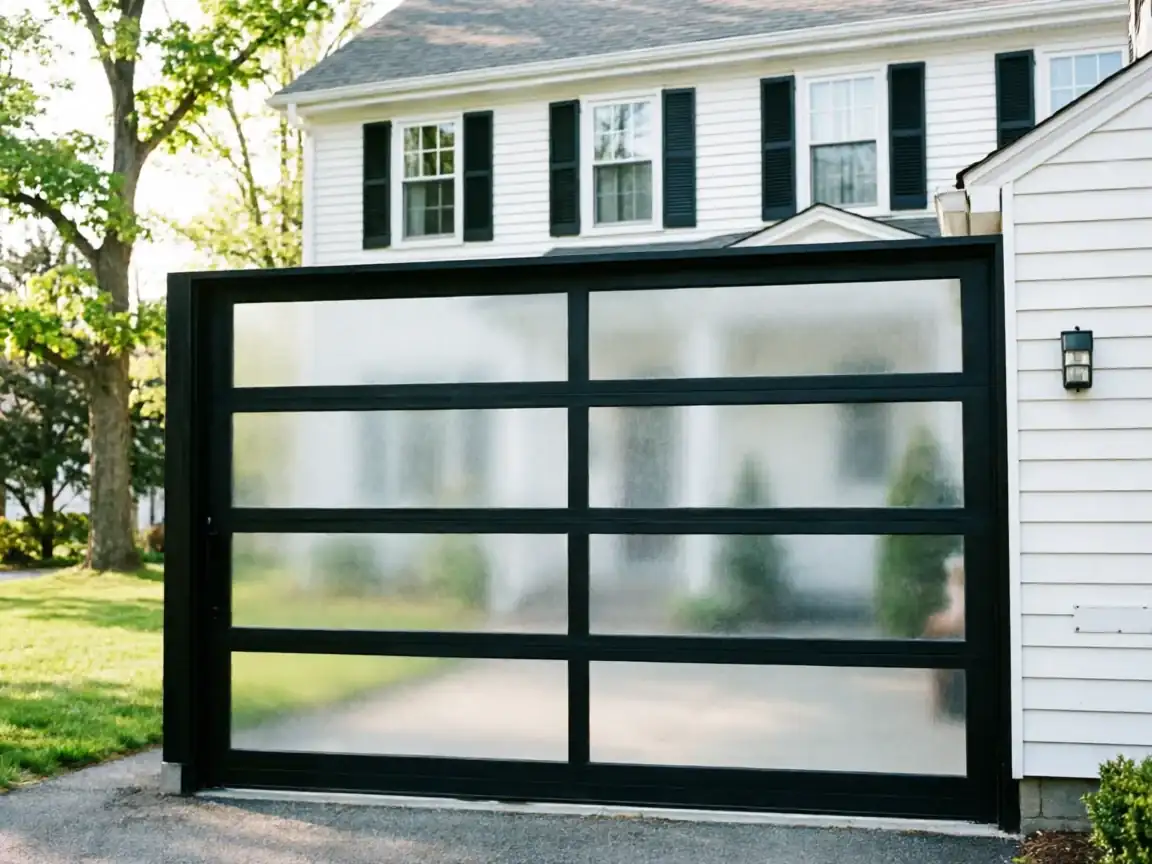
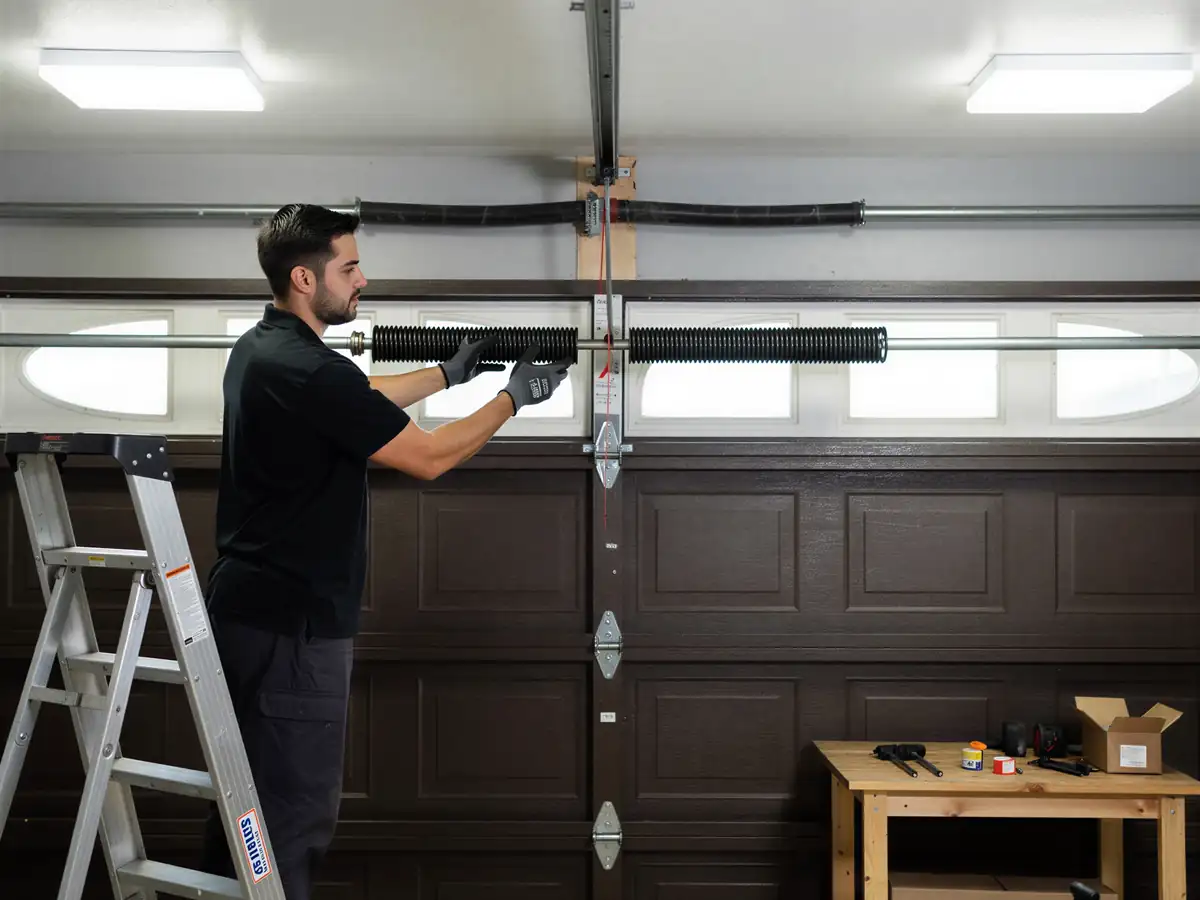
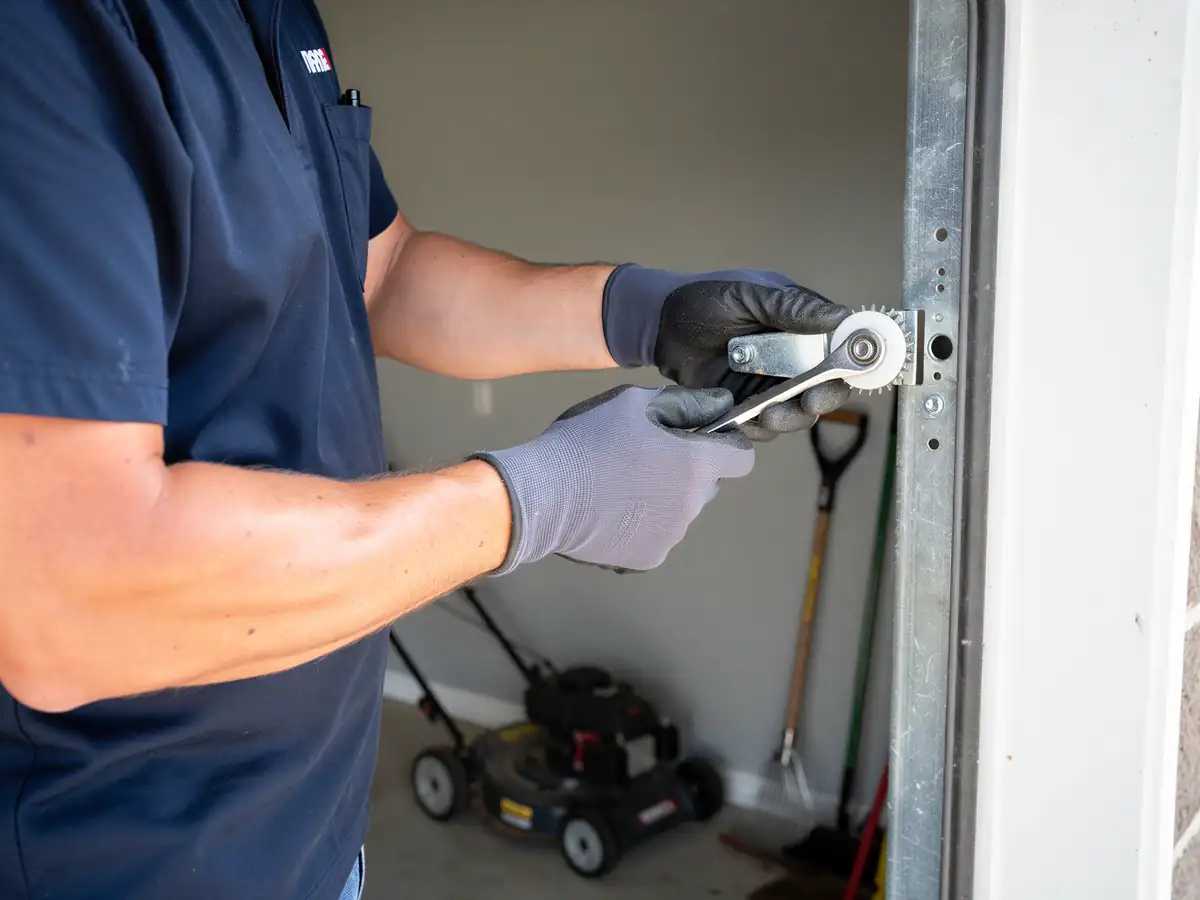
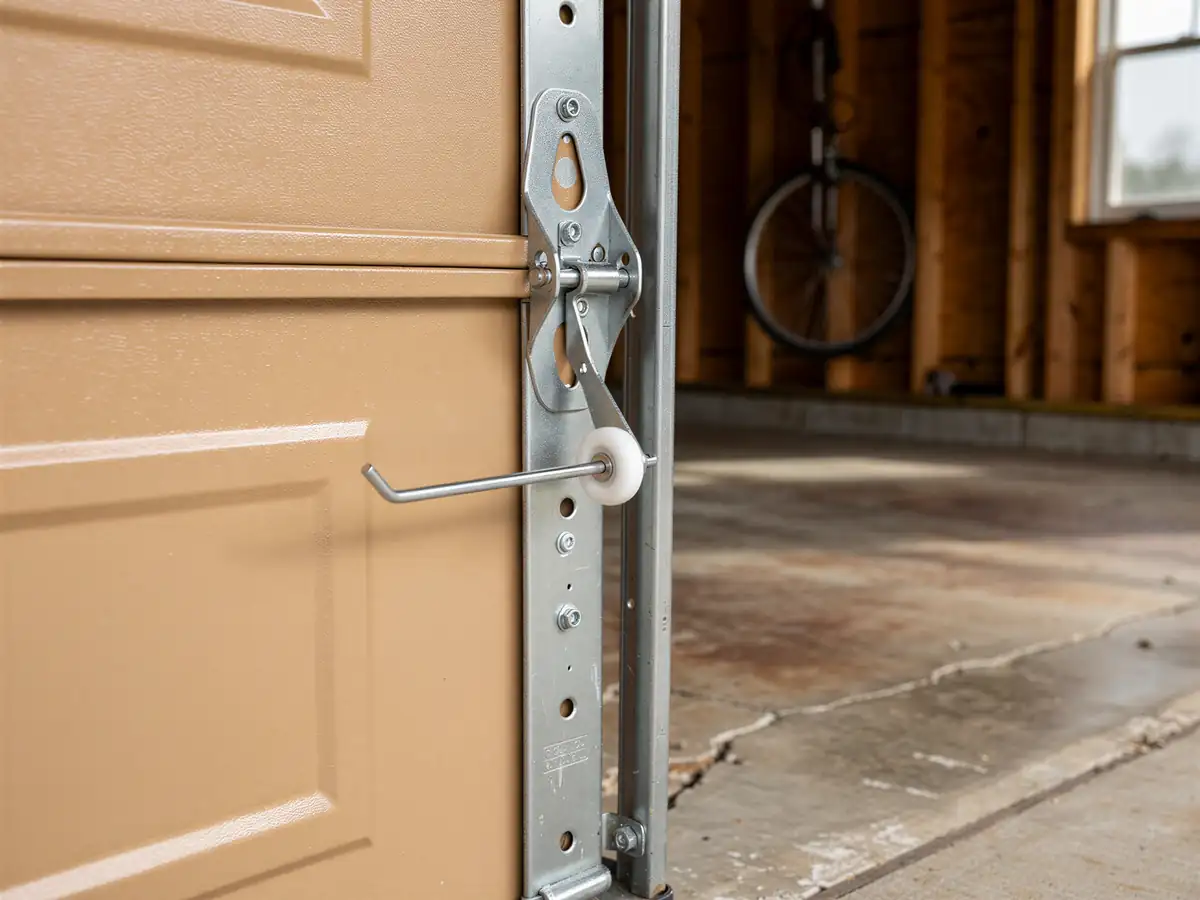
Farmington's housing stock skews newer than the rest of the area we cover out of Bristol. Where the broader service territory centers on homes built around 1971, Farmington's median year built is closer to 1980 - meaning a good share of garage doors here are later-generation steel sectional doors on extension or torsion systems installed during the 1980s boom, not the older one-piece doors still common closer to Bristol's core. That matters for what breaks. A 1980s torsion spring has usually been replaced once or twice by now, and the openers from that era - if original - are chain-drive units with worn drive gears and sensors that predate today's safety-reversal standards. Cold-climate stress (this whole area sits in a severe cold band) is hard on these older openers' circuit boards and on nylon rollers that have gone brittle. We also see cable fraying on drums that were never resized when a heavier insulated door replaced a lighter original. The fix differs depending on which decade's hardware you've got, which is exactly why guessing off a city-wide page doesn't serve this town well.
Doing It Yourself
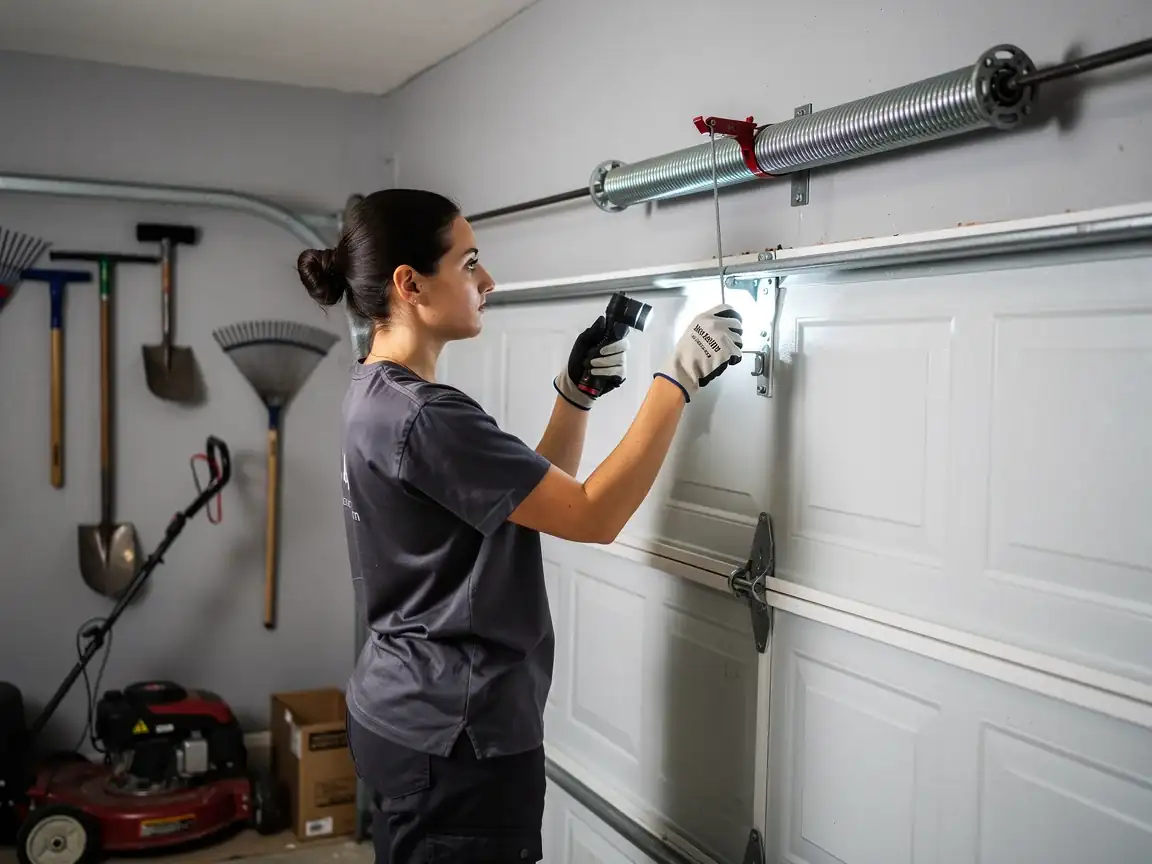
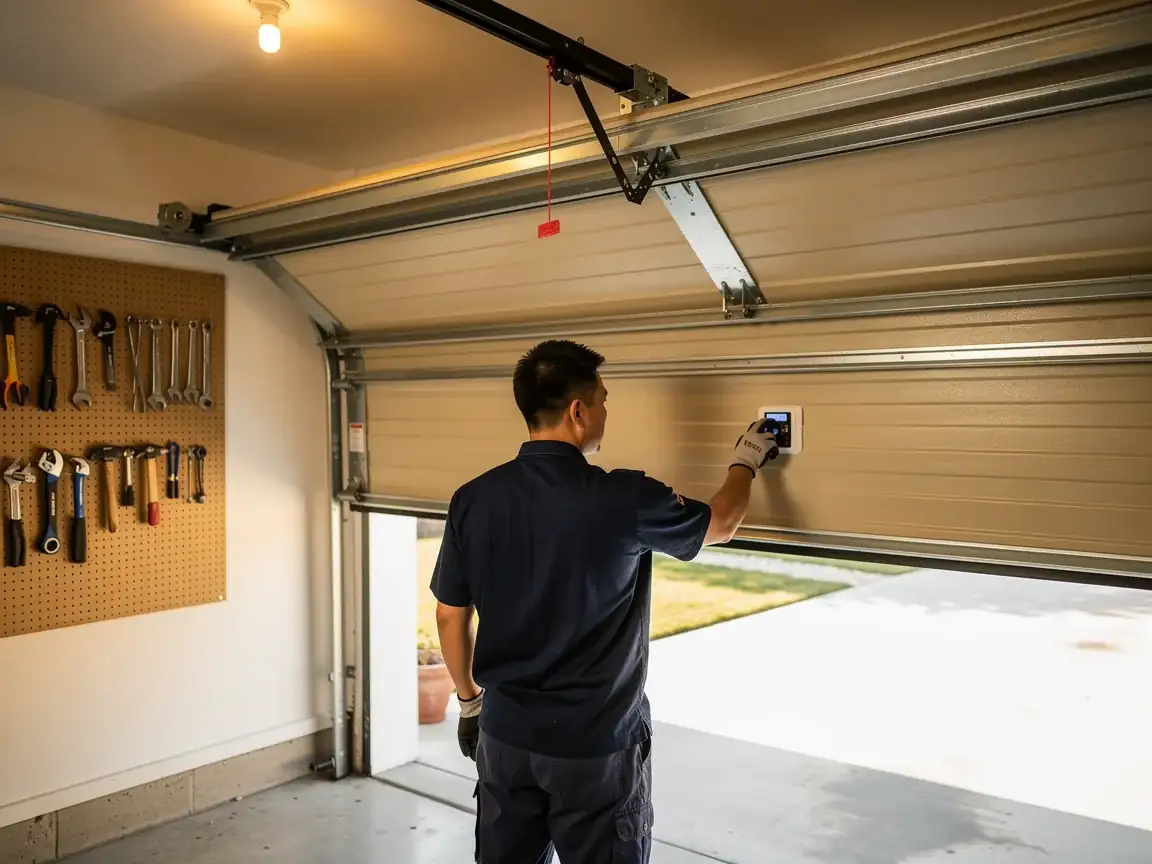
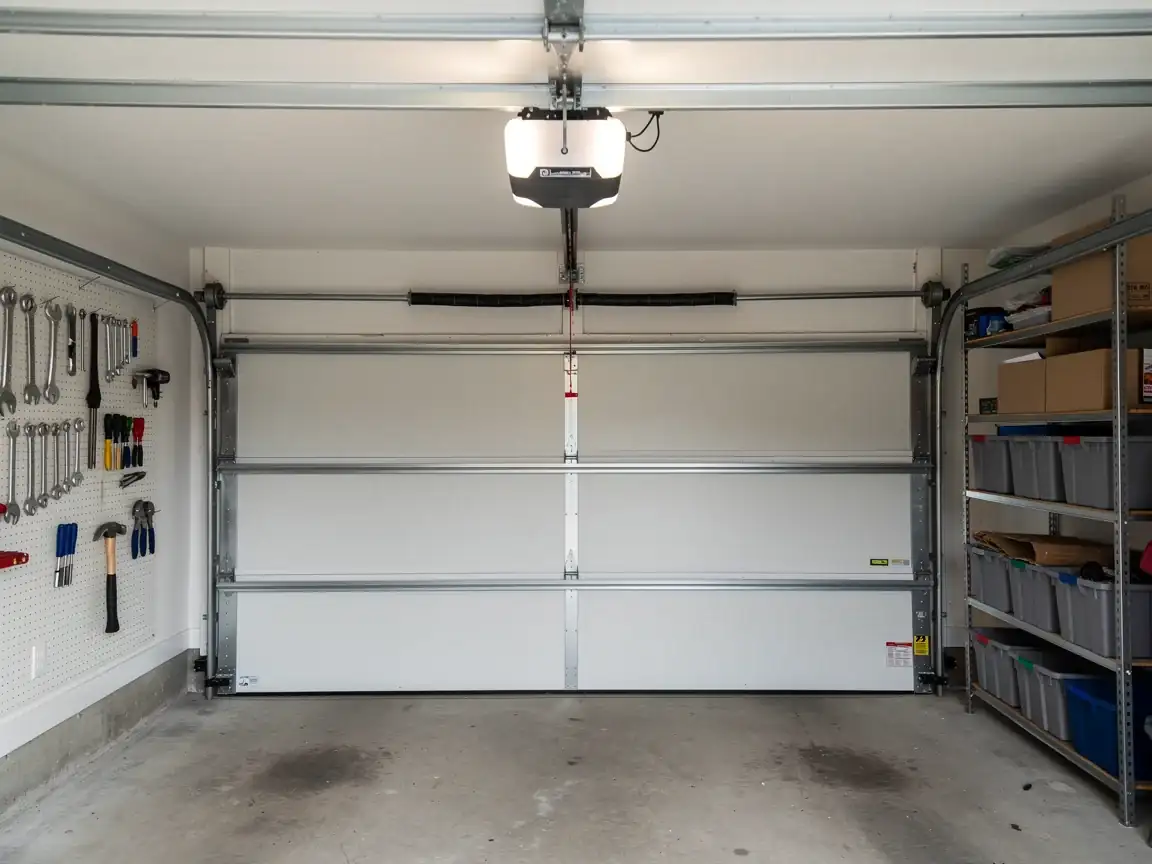
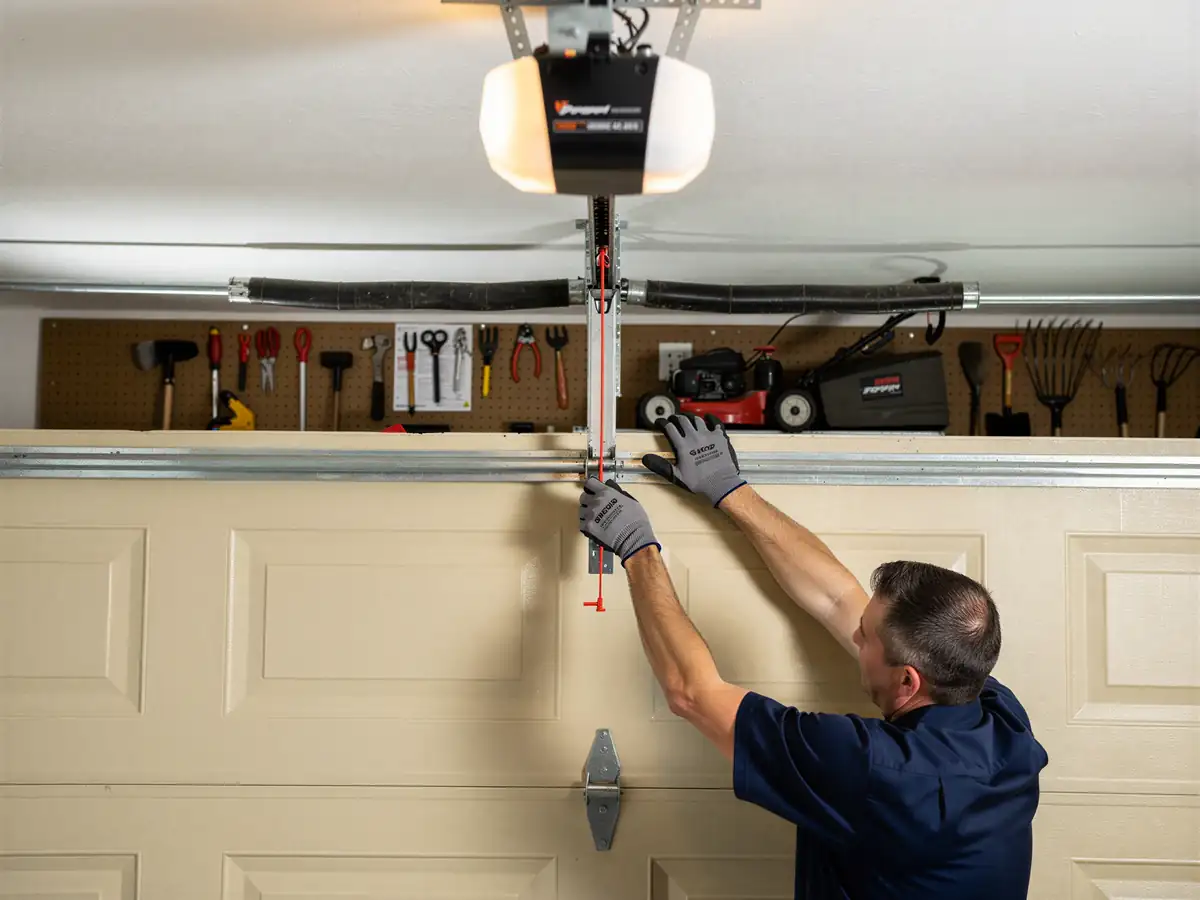
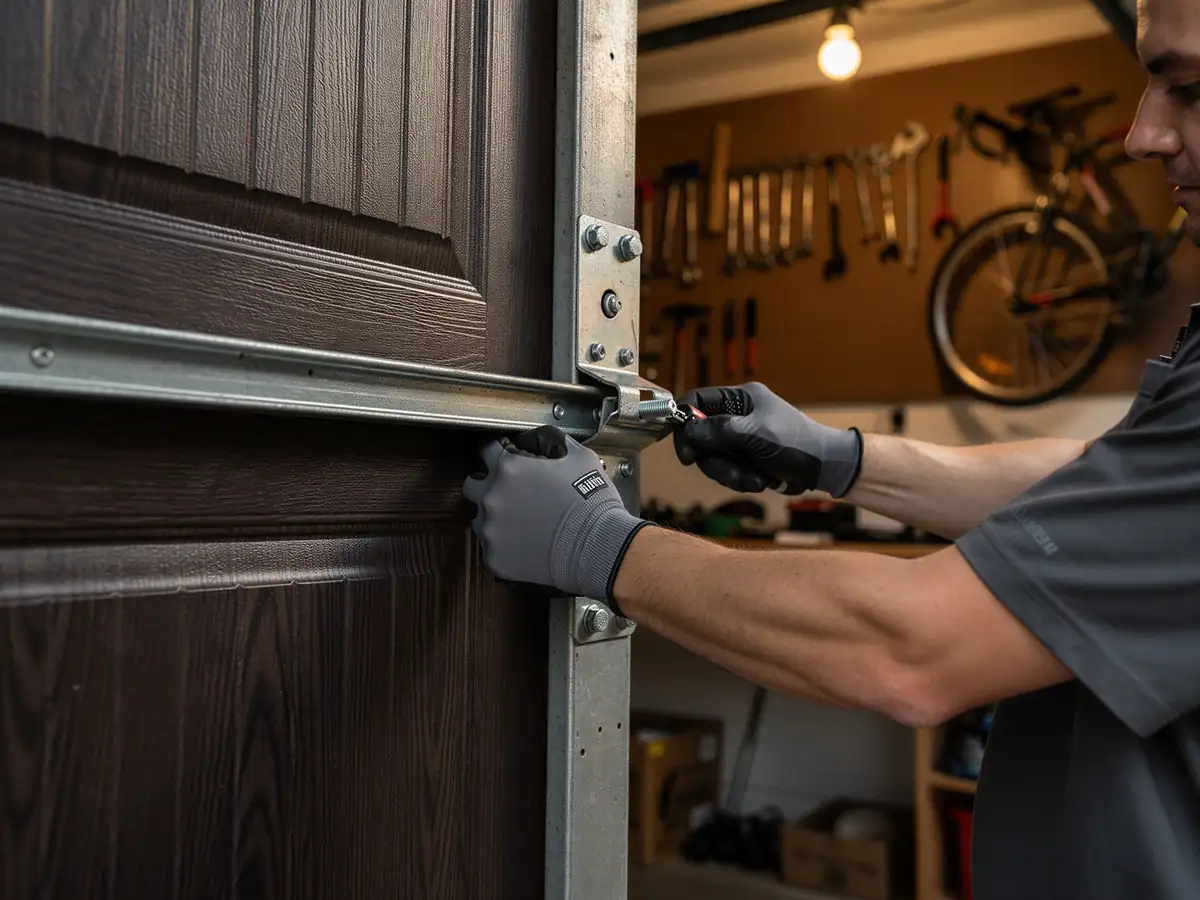
If your door won't open and the opener light is blinking a code, check the sensor alignment first - a stray cobweb or a half-inch bump out of true will throw a 1980s-era photo-eye system every time, and that's a two-minute fix with no tools. Beyond that, be careful. A torsion spring under tension on a newer, heavier insulated door - common in homes built around 1980 - stores more force than the lighter doors from decades earlier, and winding or unwinding one without the right bars is how people end up in the ER. Lubricating hinges and rollers with a silicone-based spray (not WD-40, which attracts grit) is safe and worth doing twice a year given the cold-season swelling and contracting these doors go through. If the door is off-track or a cable has jumped the drum, stop and call - that's not a weekend project, that's a torque-loaded piece of steel waiting to let go.
How to Book
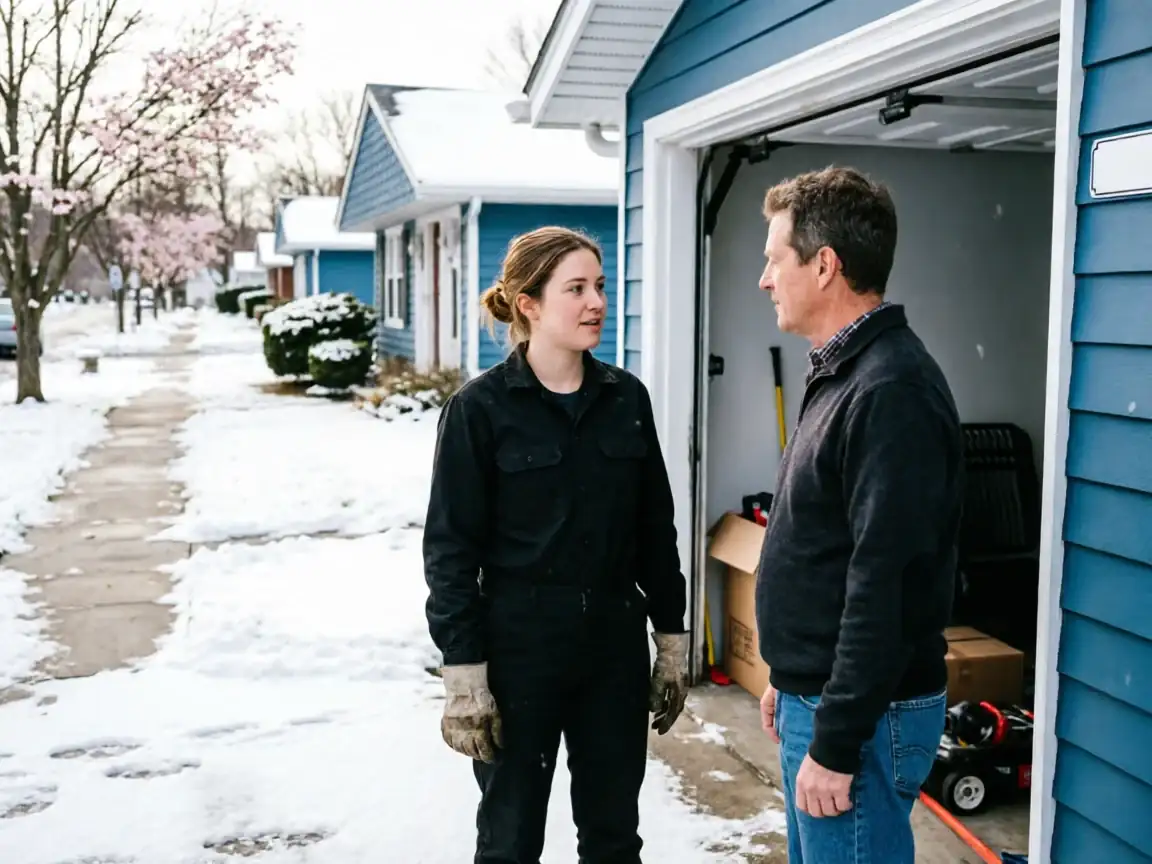
Call and tell us the door's rough age if you know it, along with what it's doing - won't open, opens partway, makes a grinding noise, opener runs but nothing moves. For Farmington jobs we ask because the hardware generation changes what we load on the truck before we leave Bristol. If you're not sure of the age, a quick look at the spring (is it one thick coil or two thinner stacked springs) or the opener's logic board sticker tells us a lot over the phone. We'll walk you through what to check and get a job scheduled from there.
Time on the Job
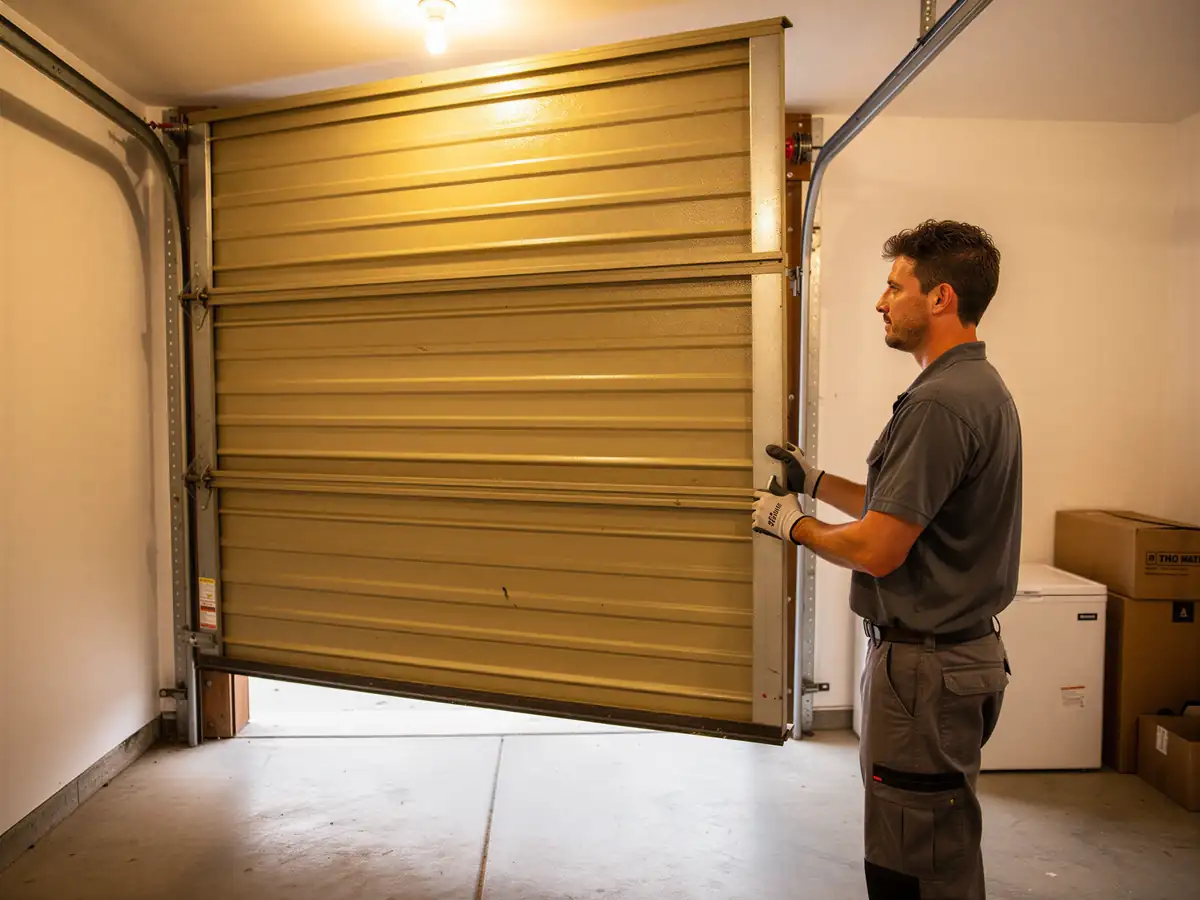
A standard torsion spring swap on a newer insulated door runs differently than it does on an older, lighter door, because the heavier panel requires a different spring wind and sometimes a drum change to match - that's typically still a same-visit job once we're on site. Opener repairs or sensor realignment are usually quick. Where it stretches out is when a 1980s-era opener needs full replacement rather than a part swap; we don't keep every obsolete control board in stock, and we won't pretend a patch will hold. Full door panel replacement, if cold-season steel fatigue or a wreck has taken out a section, takes longer since panels have to be ordered to match the existing door rather than pulled off the truck.