The Symptom
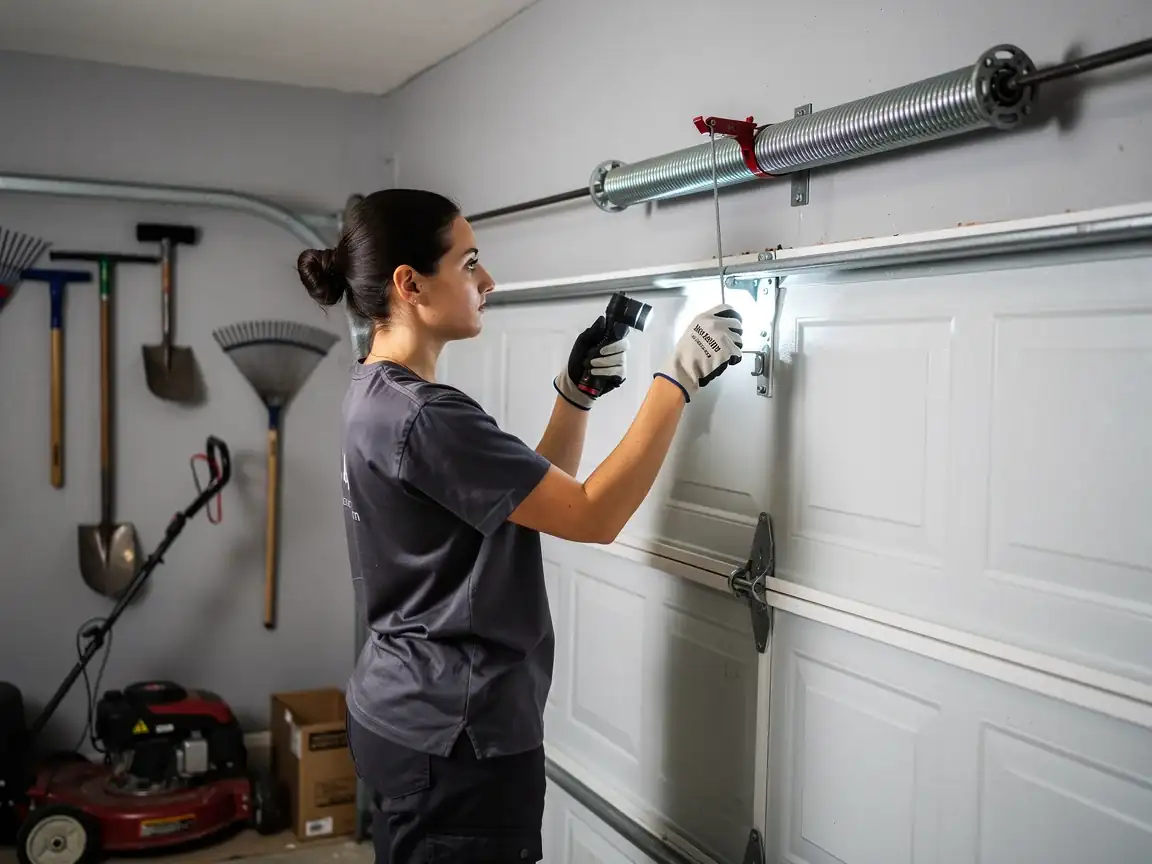
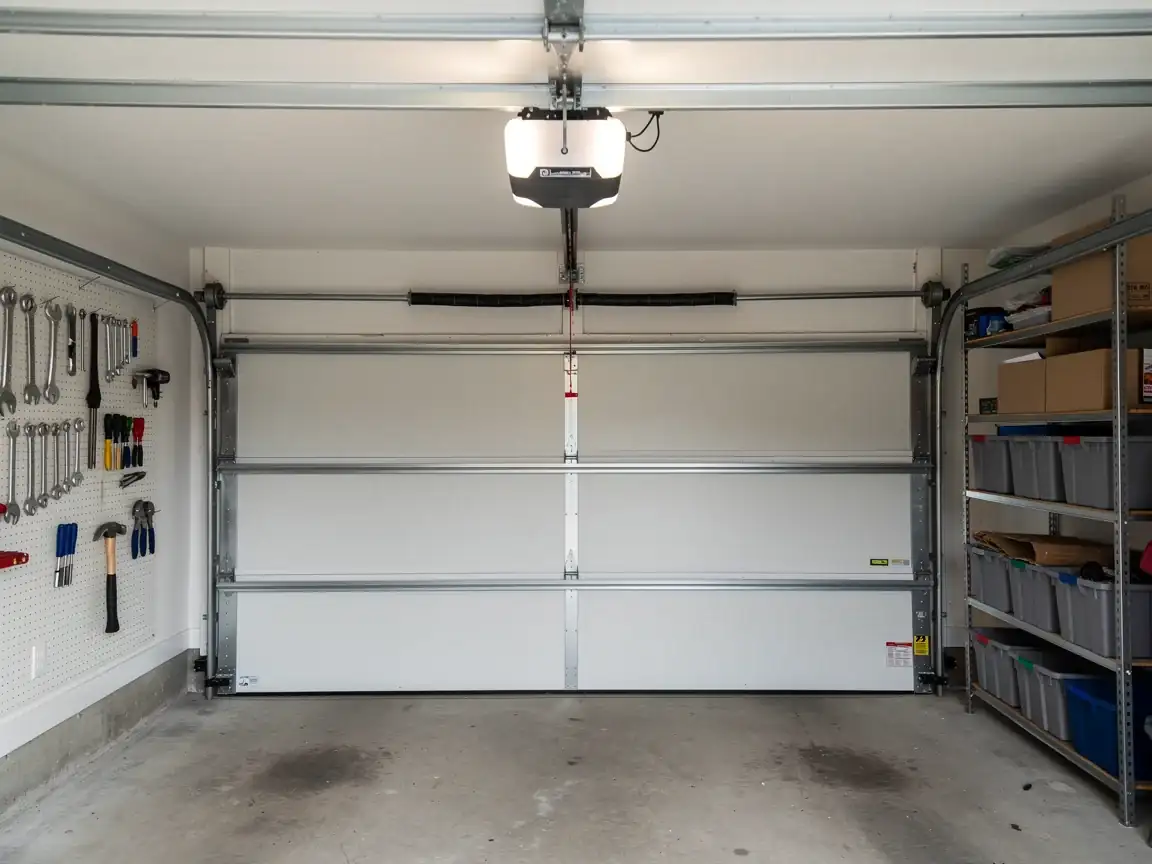
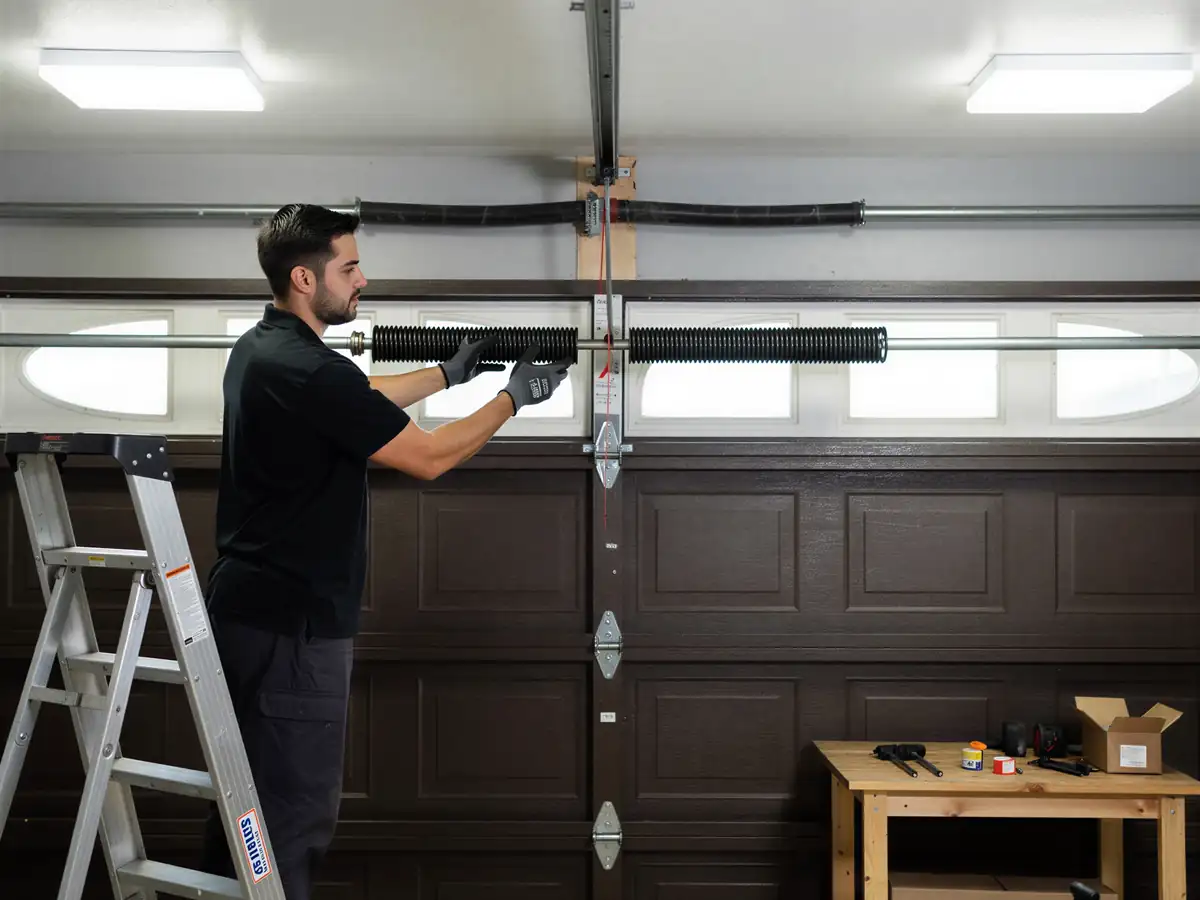
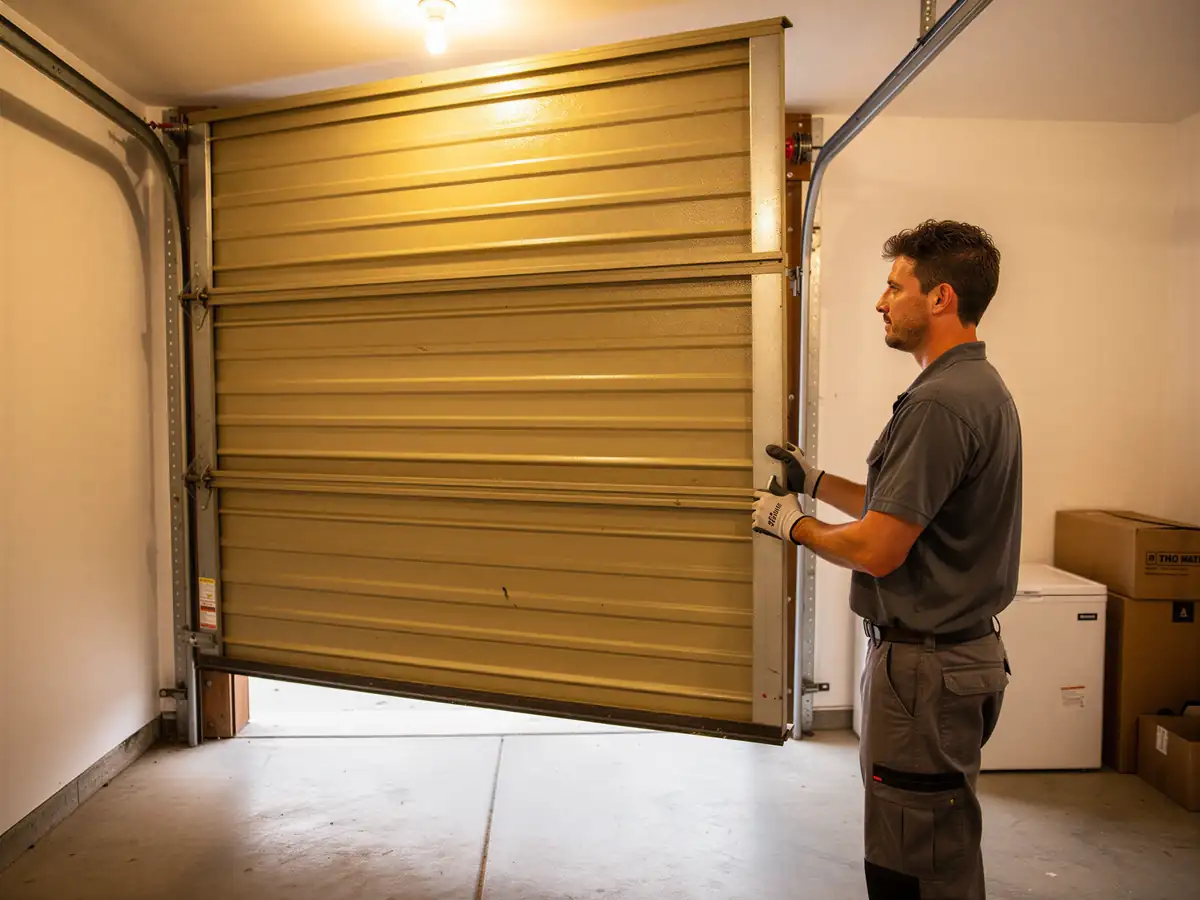
The call we get most from Kensington is a door that's started slamming the last six inches instead of settling, or one that shudders on the way up like it's fighting itself. Both point to the same root cause: aging torsion springs that have lost tension unevenly, so the door isn't balanced anymore and the opener is doing work it was never built to do.
This isn't random. Kensington's housing stock centers on 1962, squarely in the early-1960s wave that put up a lot of this part of the state. A door installed with that house is pushing six decades old, even if it's had an opener swapped on at some point. Original torsion hardware from that era was built to a standard that doesn't match today's heavier insulated panels, and the springs themselves have a service life measured in cycles, not years. At that age, they're well past it. You get noise first, then slow sag, then a snapped spring on a Saturday morning with the car trapped inside.
What It Costs
We're not going to quote a number here that isn't grounded for this neighborhood, but we can tell you what drives the cost up or down. A straightforward tension adjustment and lubrication on a door that's been maintained along the way runs less than a job where we're also replacing rusted cable or a bent track. Kensington sees roughly 4,336 households, and at a median income around $105,000, most owners are maintaining a mid-size single or two-car door, not a commercial-grade system, which keeps parts cost down.
What pushes a job to the higher end is almost always the age of the hardware itself. If your springs date to the original build, replacement parts in that older wind and wire gauge aren't something every supplier stocks off the shelf, and that adds time to the job, not just material cost. We'll tell you on site, before we touch anything, whether you're looking at a tune-up or a hardware swap.
How We Fix It
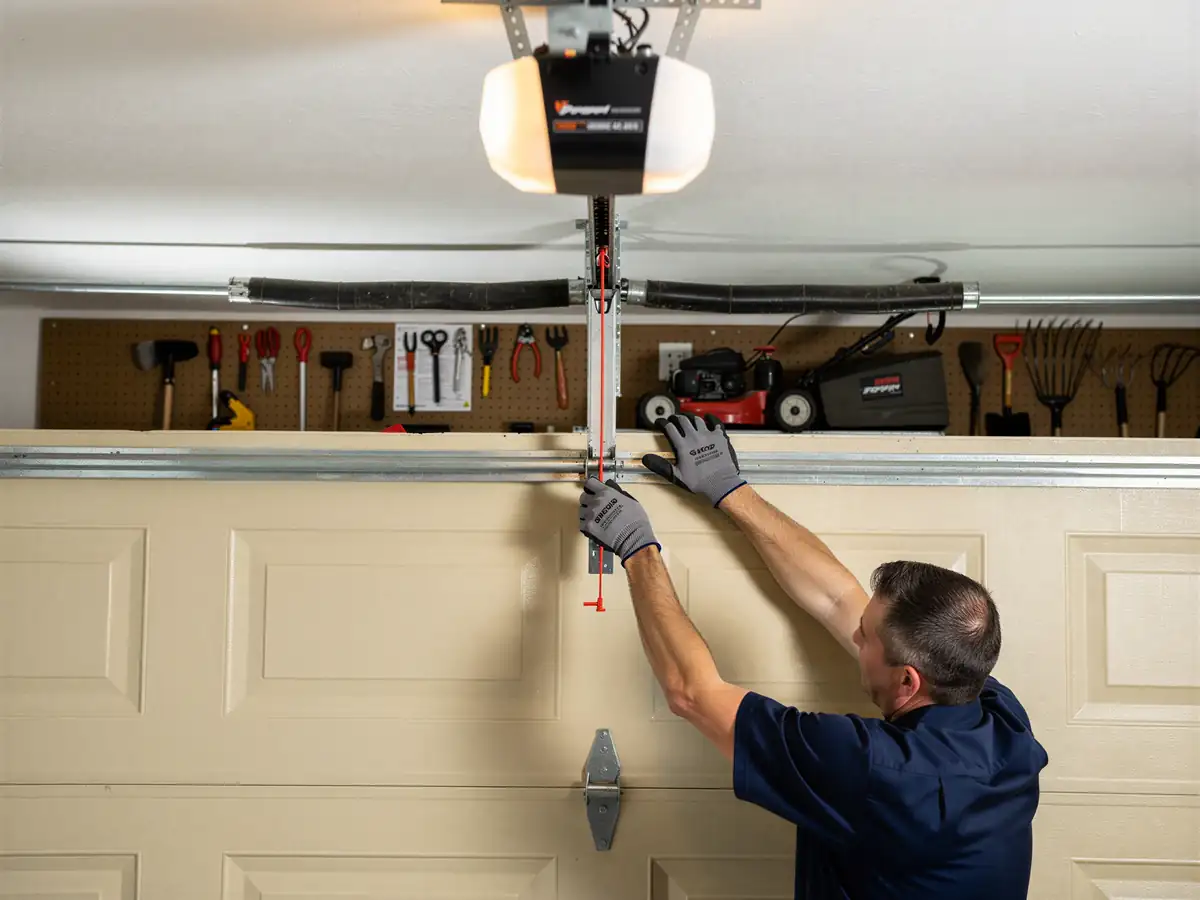
First thing we do is check balance
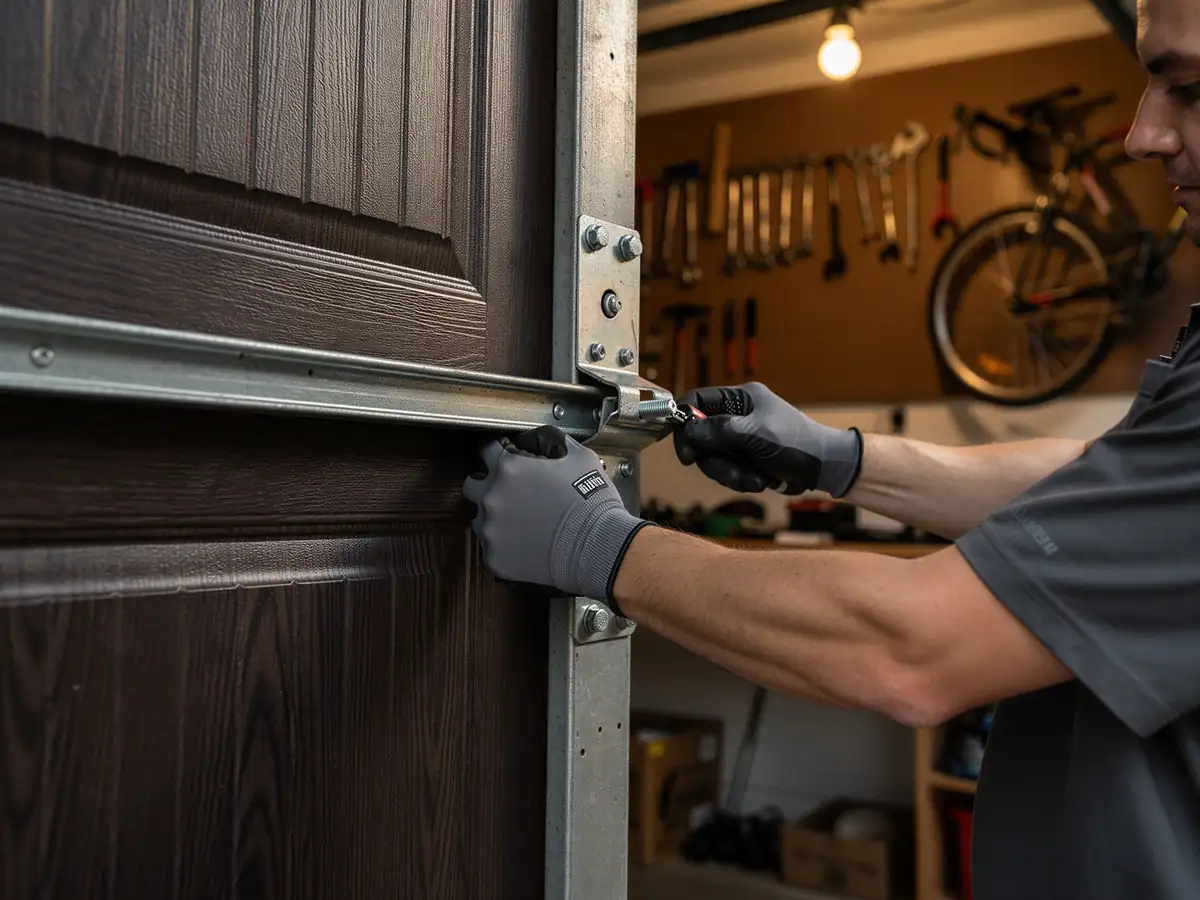
Disconnect the opener, lift the door by hand, see where it stops on its own. A door built in the early 1960s that hasn't been serviced in years almost never balances correctly anymore; the springs have drifted apart from each other even if neither has broken yet.
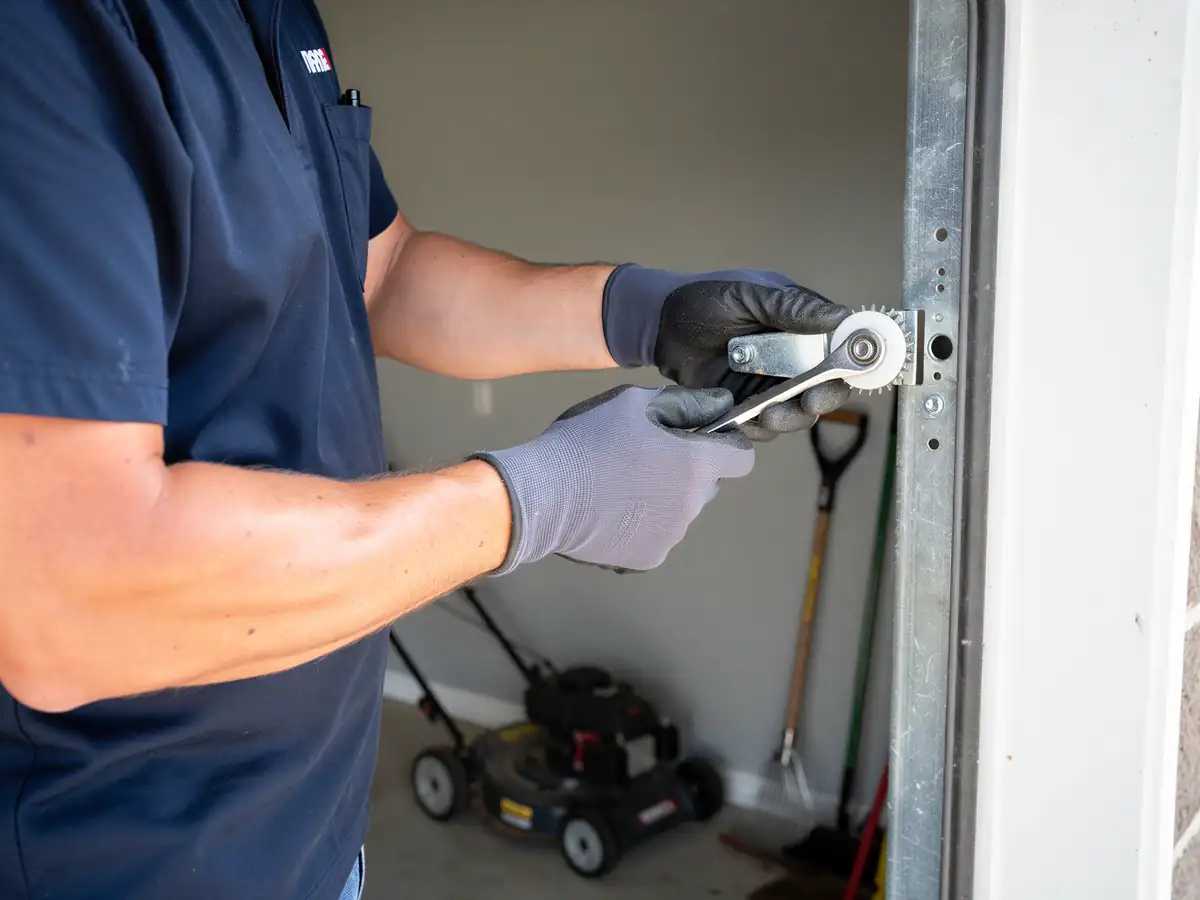
From there we inspect rollers and track alignment
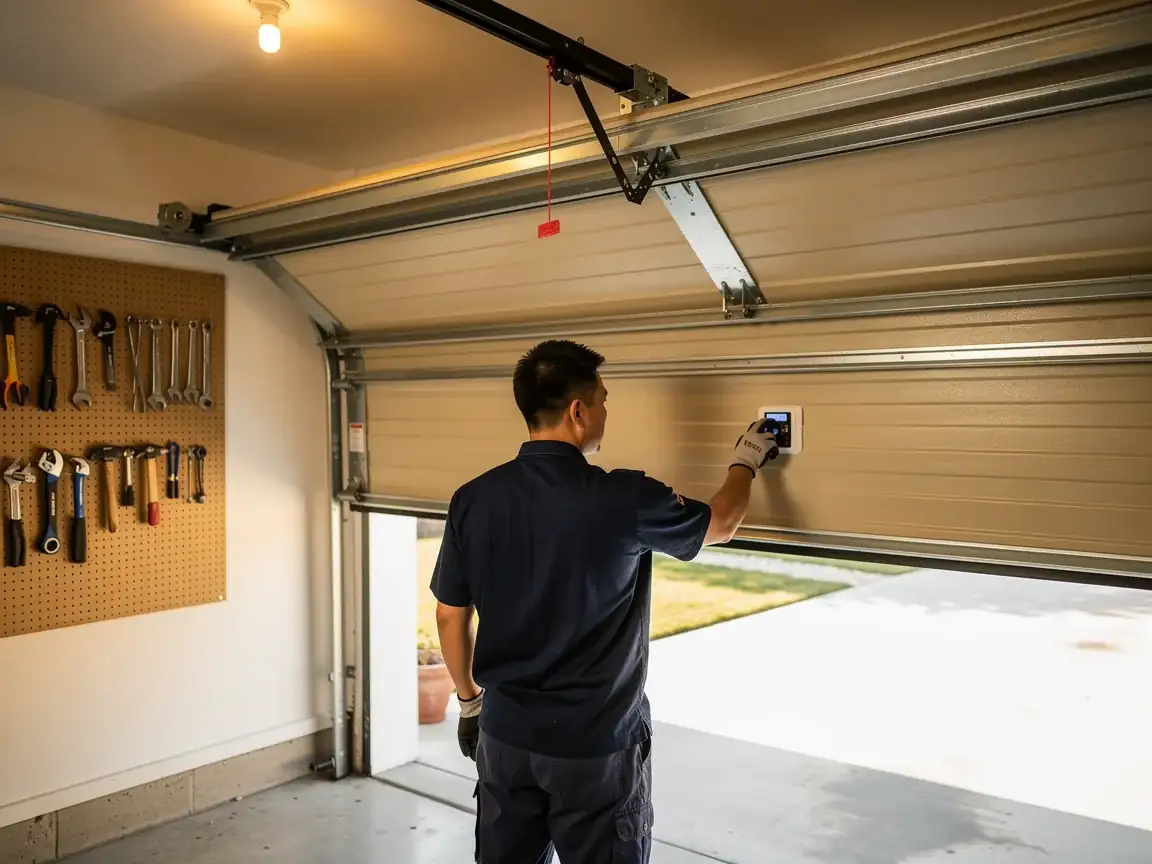
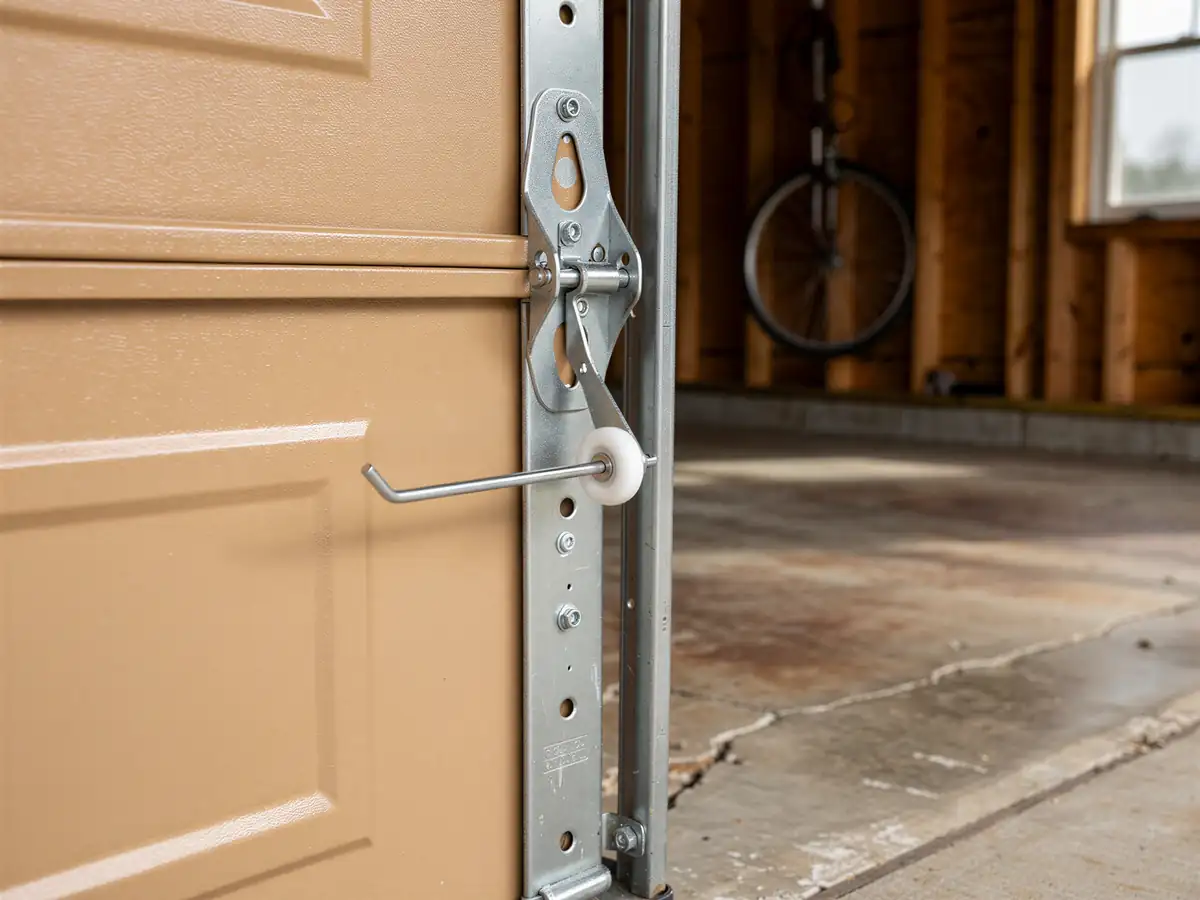
Which matters more here than it would on newer construction. Houses from this build era often have steel rollers instead of nylon, and steel wears grooves into track that then need straightening or replacing, not just cleaning. We also check cable fray at the drum, since cable from an older install has had a lot more open-close cycles than anything installed in the last fifteen years.
The one thing we won't do is talk you into a full door replacement when a spring and roller service will get you another several years
If the door panel itself is still sound, we fix what's wearing, not what's working.
What Is on the Truck
Because Kensington sits about 10 miles from our shop in Bristol, we stock the truck before we leave, not after we find out what we're dealing with. That means torsion springs in a range of wind sizes to match older hardware, not just the common modern sizes, along with galvanized cable, steel and nylon rollers, and track sections in standard widths.
Winters here fall into the cold-severe band for this region, and cold steel contracts - a spring that's borderline in October can snap in January. We carry lubricant rated for that temperature swing rather than the general-purpose stuff that gums up below freezing. What we don't carry is custom millwork for a door panel itself; if a wood panel from an original 1960s install needs matching, that's a specialty order we'd have to source separately, and we'll say so up front rather than pretend otherwise.
How to Book
If your door is sticking, slamming, or just sounds different than it used to, that's worth a look before it becomes a stuck-in-the-garage morning. We travel out from Bristol to Kensington for maintenance calls; there's no local branch here, so we bring the parts with us based on what you describe over the phone.
Tell us the rough age of the house if you know it - it helps us guess the spring size before we even load the truck. You can see what else we cover for the area on our Kensington garage doors page, or check general maintenance info for the wider service area on the Bristol maintenance page.