The Symptom
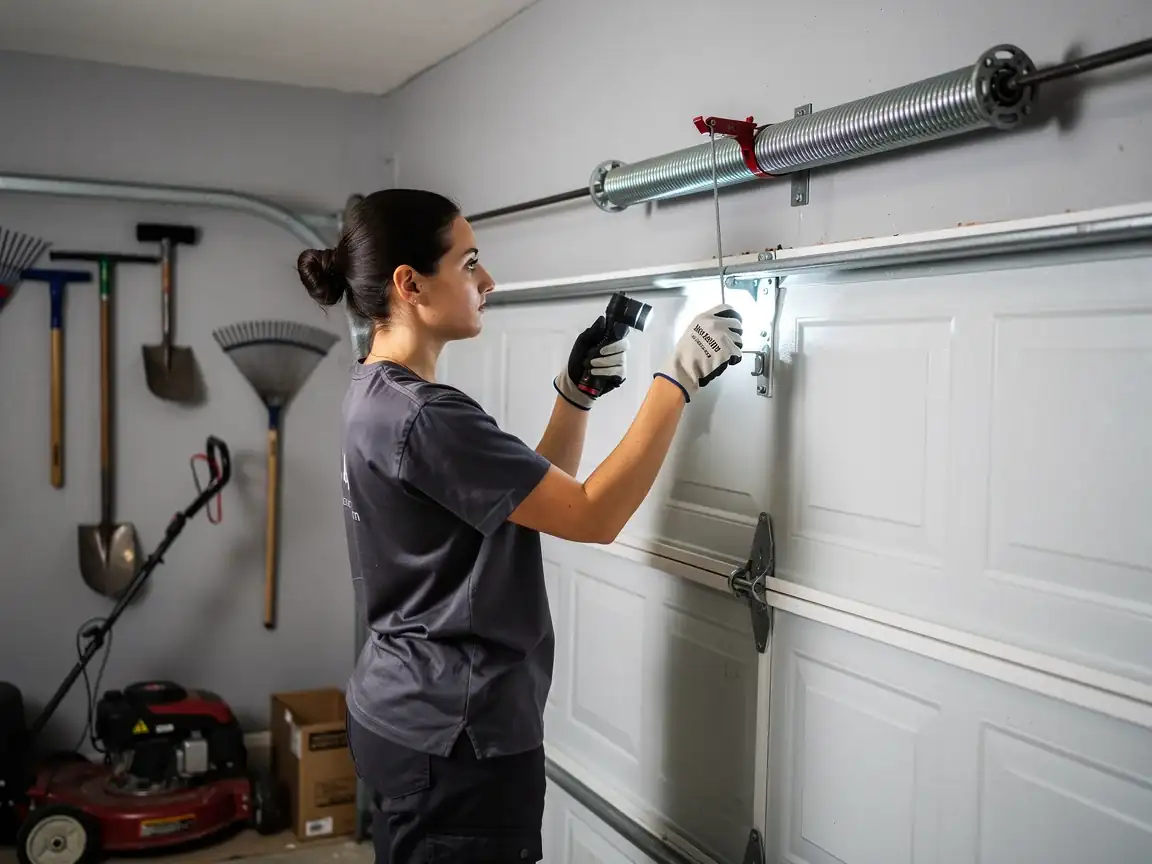
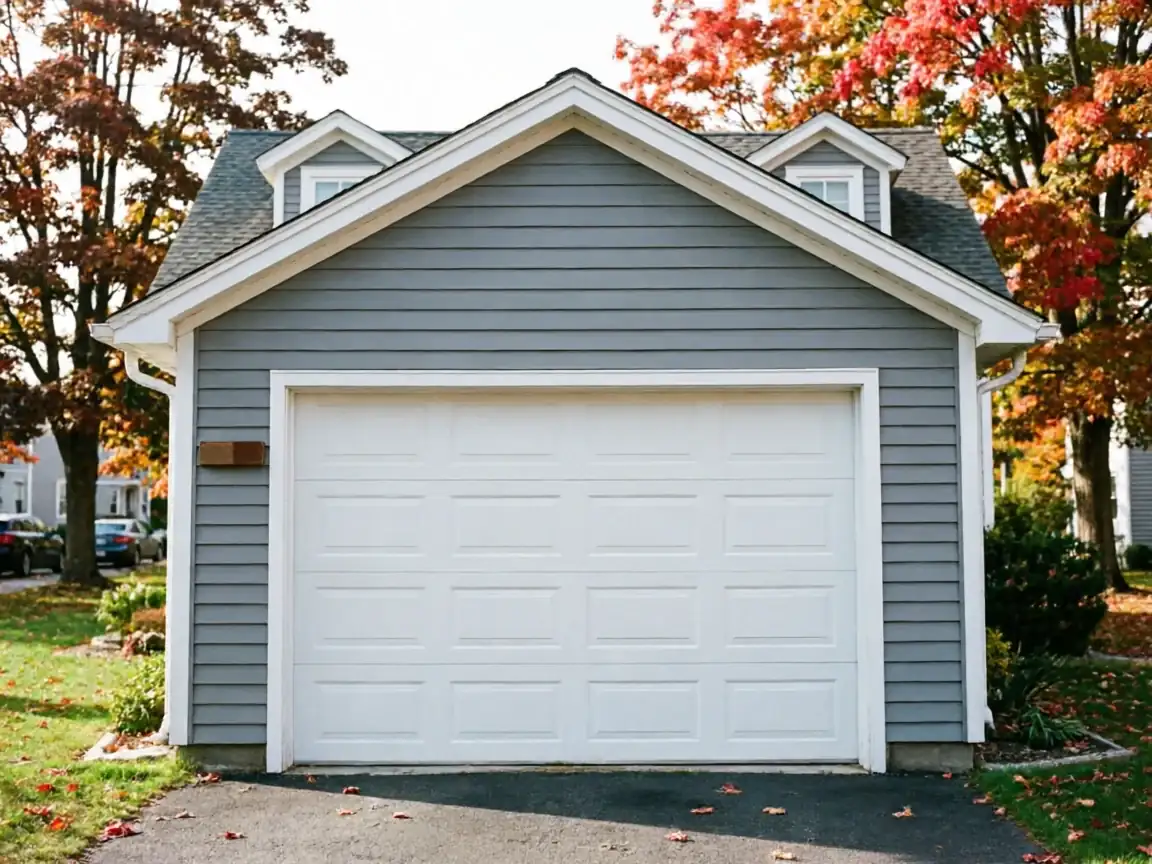
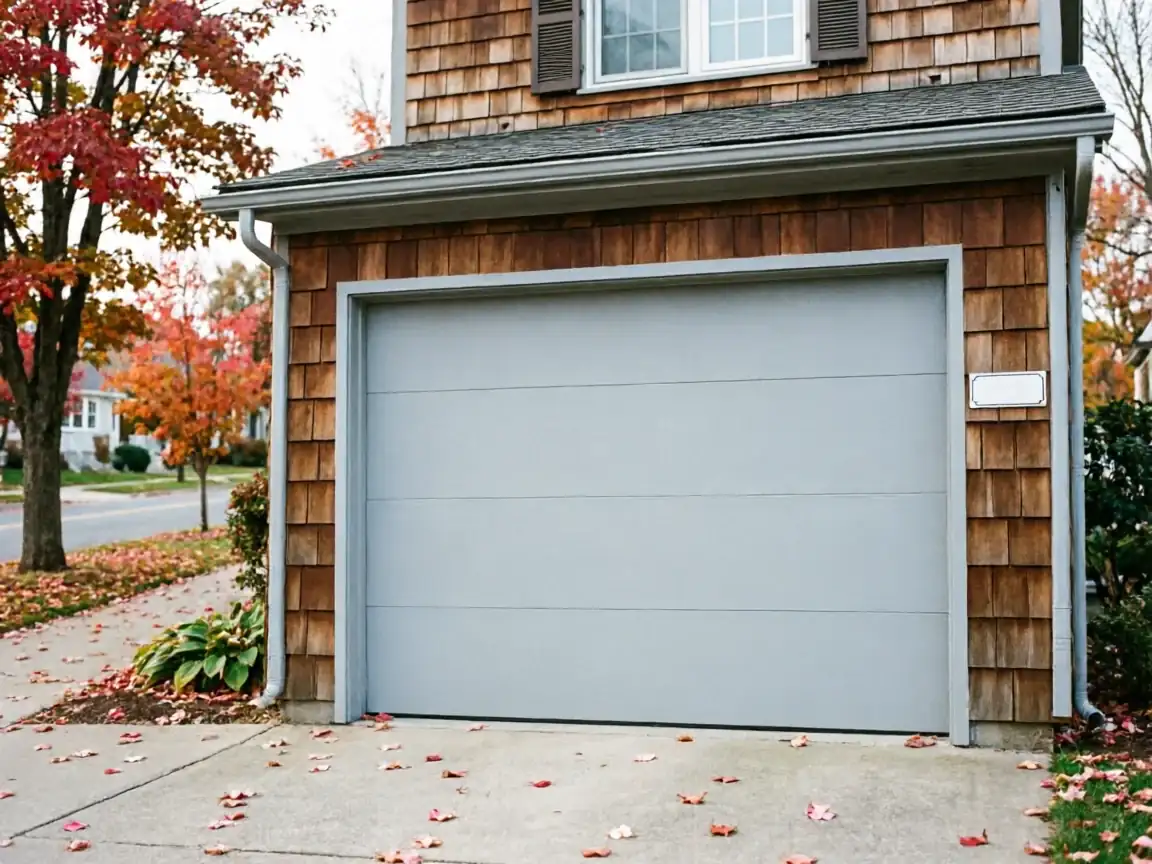
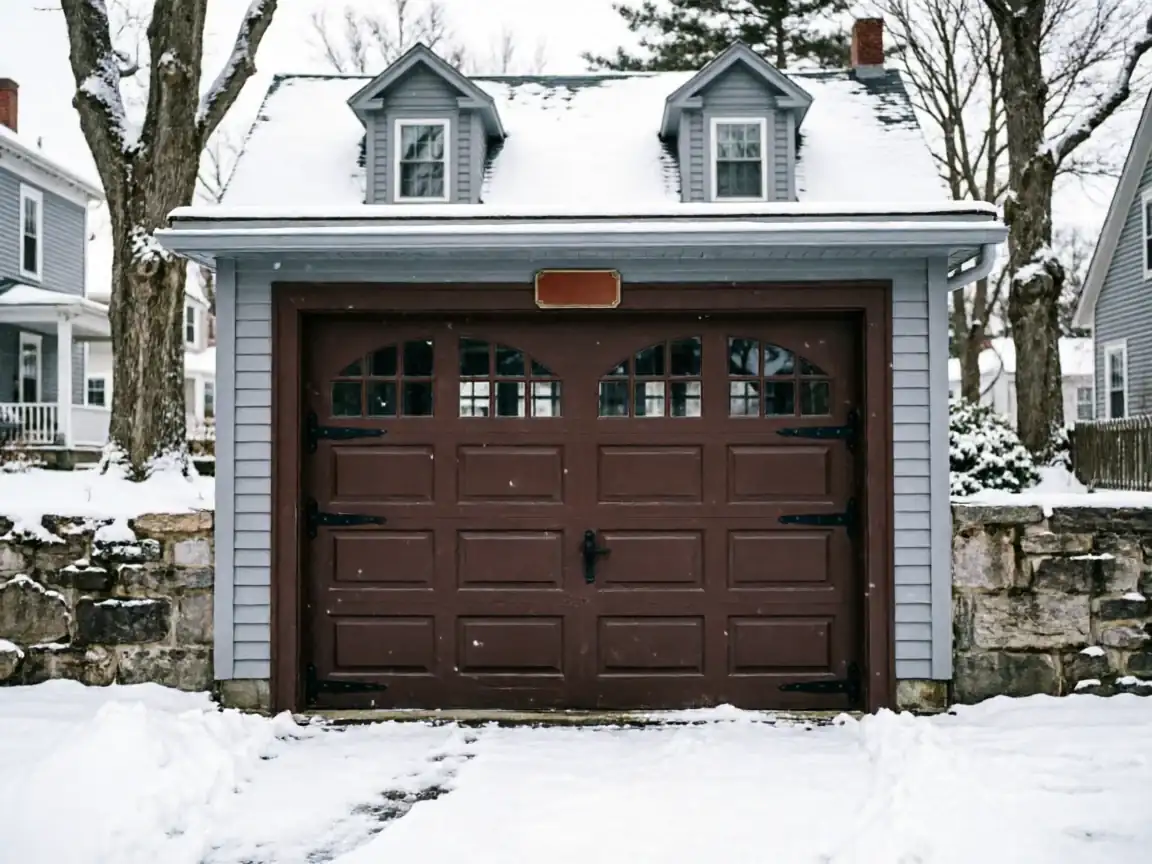
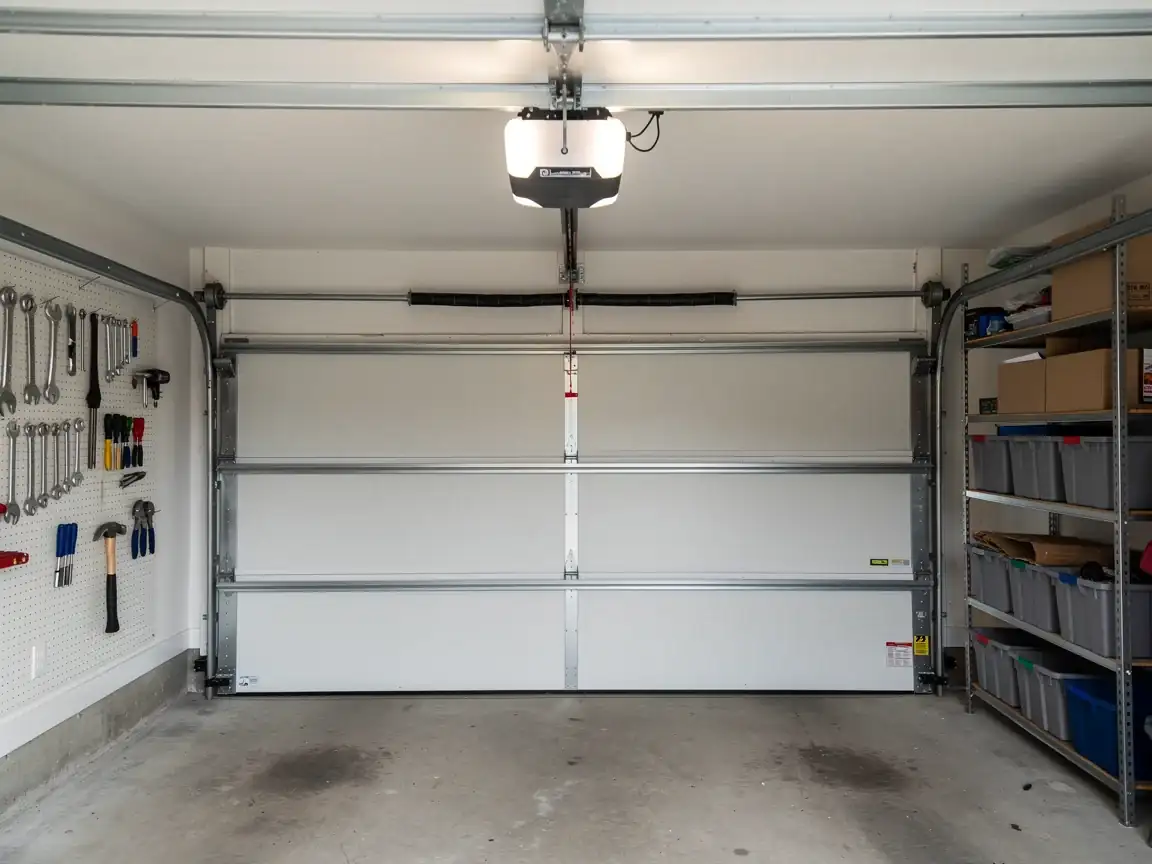
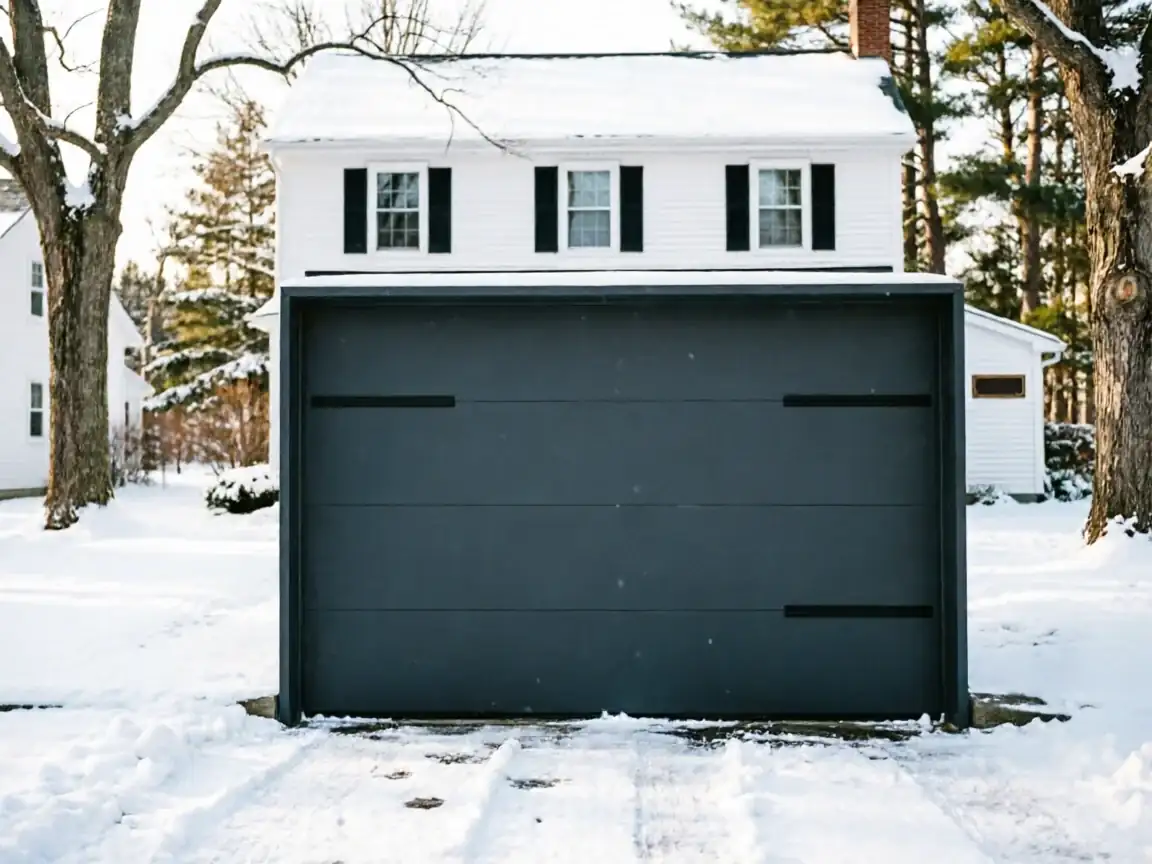
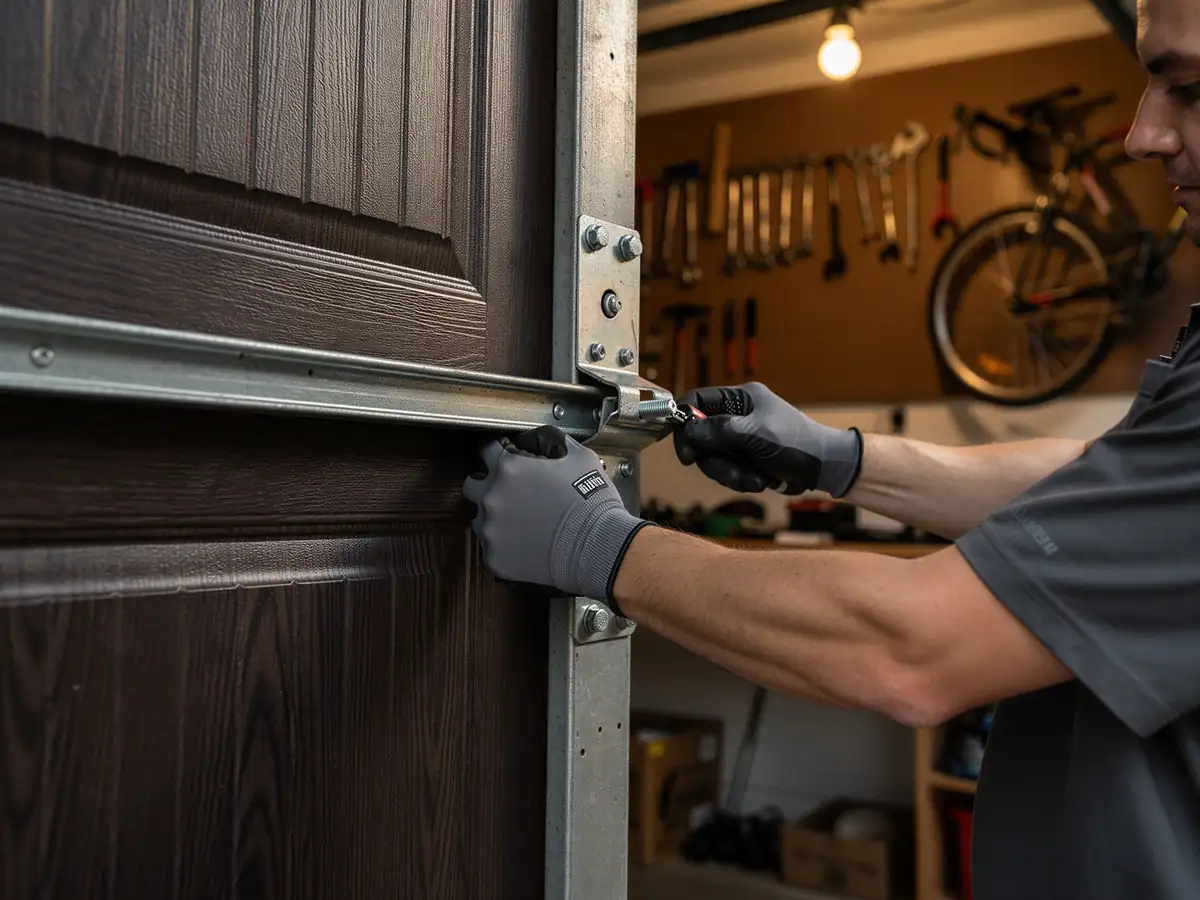
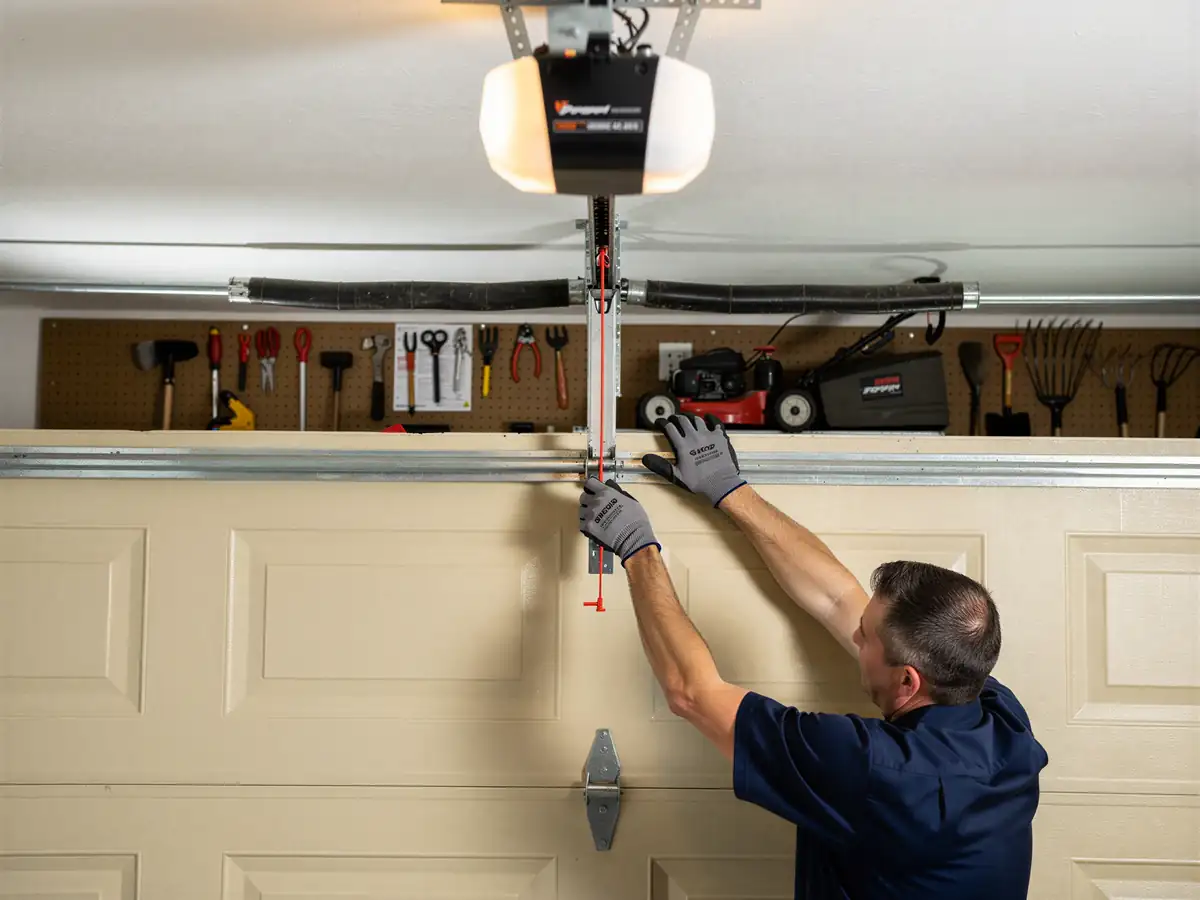
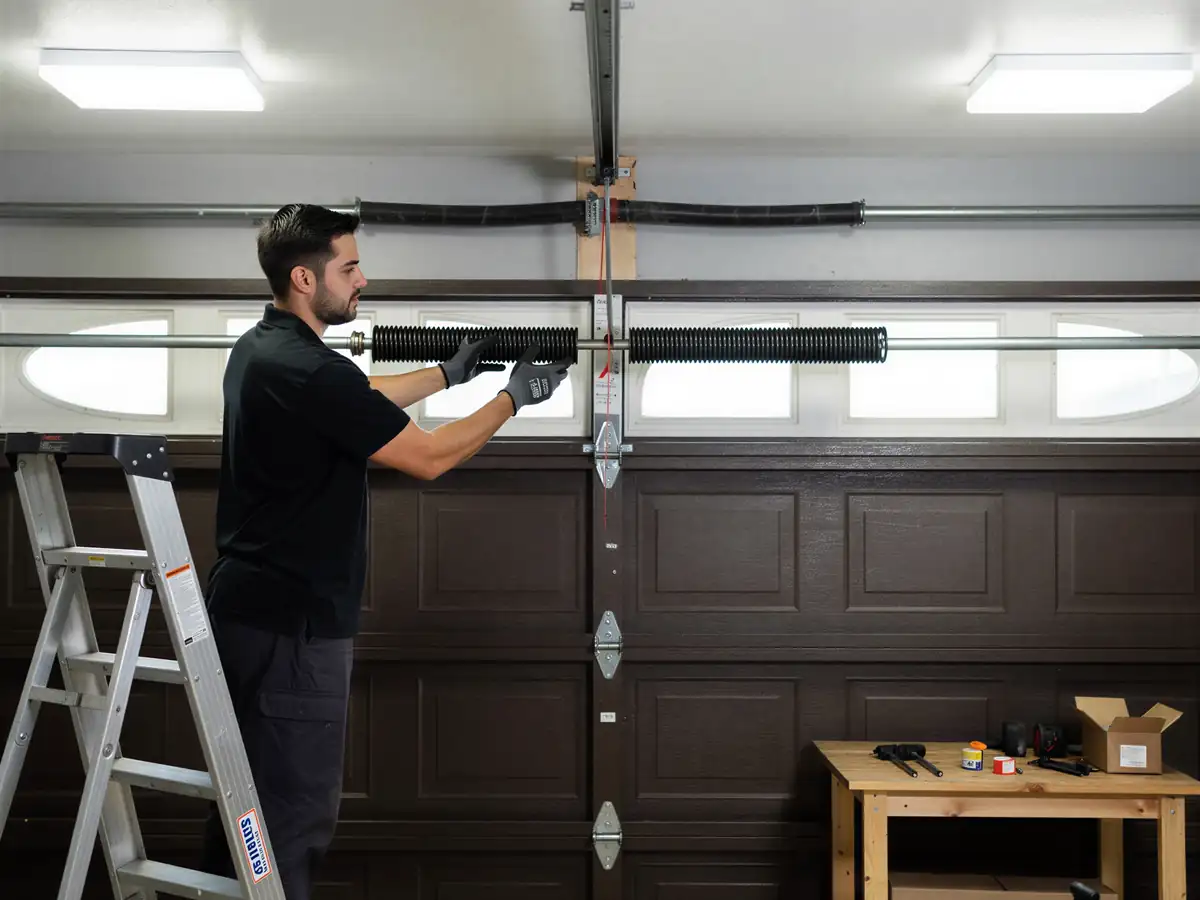
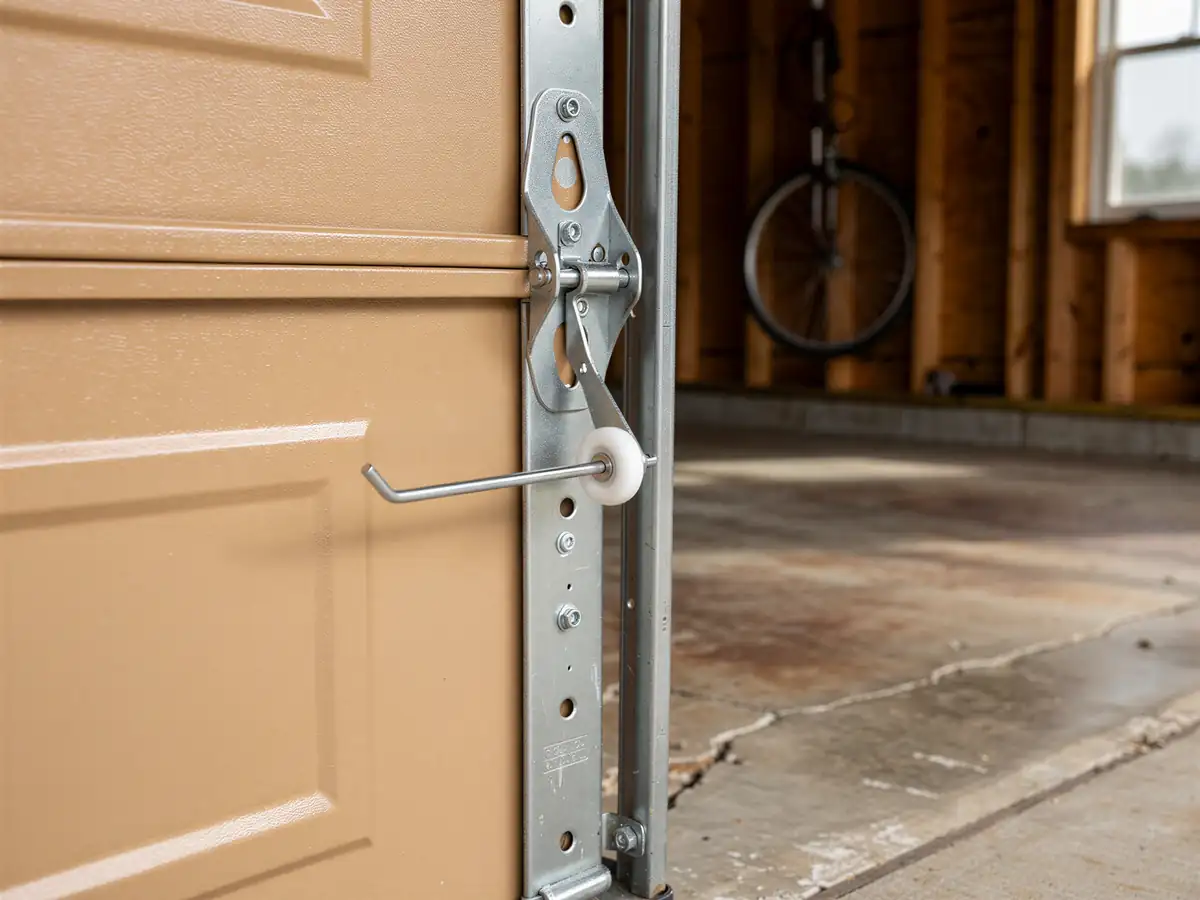
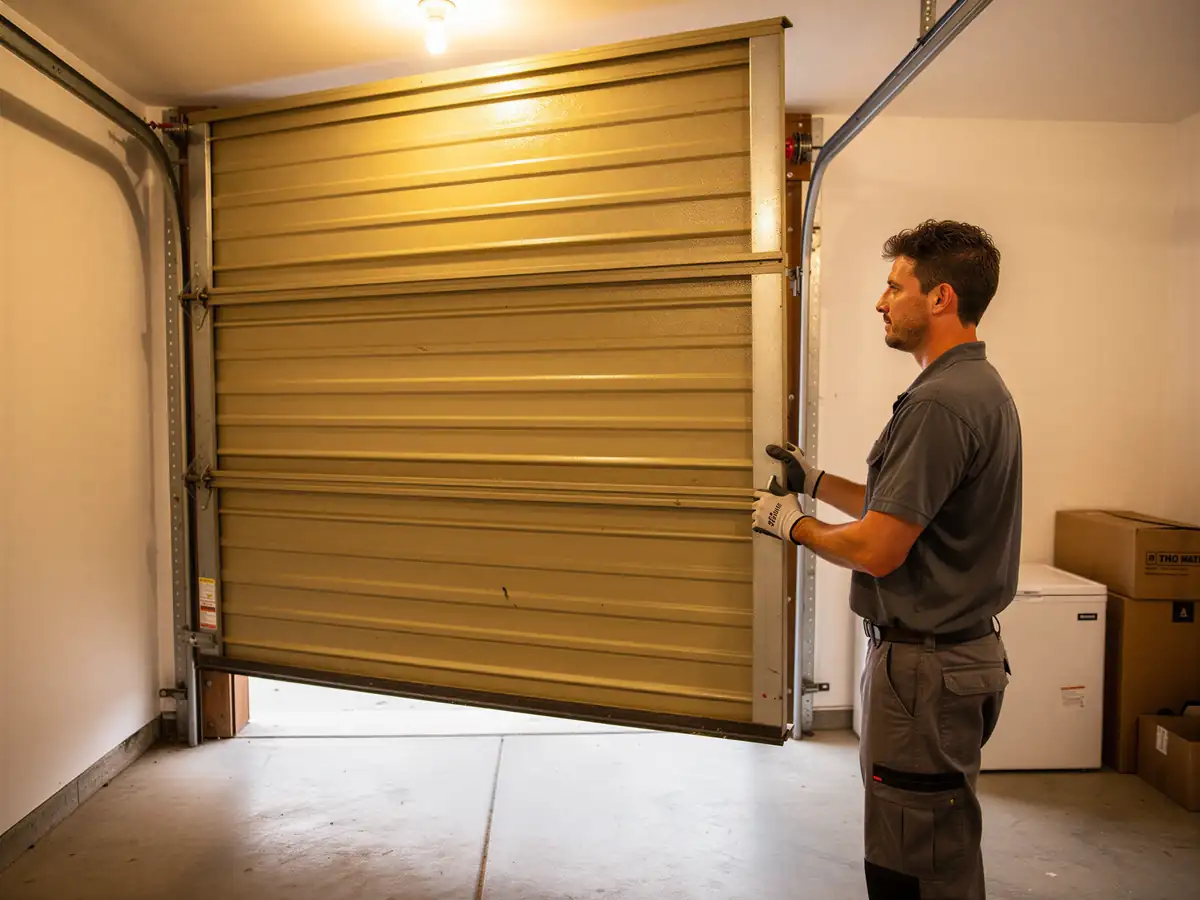
The median house in Kensington went up around 1962, right in the thick of the 1938-1986 window that covers most of the area we work in. That means a specific kind of door: steel panels on torsion springs mounted the way manufacturers did it before the hardware standardized in the 80s and 90s. When a Kensington owner calls us, the symptom is usually familiar to anyone who's worked these builds - a spring that's lost tension gradually rather than snapping clean, rollers that have gone from steel to a cracked nylon replacement somewhere along the way, or a cable that's stretched just enough to let the door hang crooked in the track. Connecticut's winters are hard on this hardware. Cold, severe-climate conditions make steel brittle and grease stiff, so a door that's been marginal all fall will often fail in the first real cold snap. If your door is groaning on the way up, catching halfway, or reversing for no clear reason, that's not random - it's a 60-year-old spring doing what 60-year-old springs do in a cold-climate house built in 1962.
What It Costs
Kensington's median household income runs around $105,000, a little under the $107,435 median across our wider service area. That's enough to make full replacement a real option for most owners here, but it doesn't mean replacement is always the right call. A single broken torsion spring on an otherwise sound 1960s door is almost always a repair, not a replacement - the door itself, if it's been maintained, can easily outlast another spring cycle. Where the math shifts toward replacement is when the opener, the track, and the springs are all original and all tired at once; patching one piece just means the next piece fails within a year or two. We don't publish a price list on this page, and we won't quote a number sight unseen - too much depends on spring size, door weight, and what's actually failed. What we can tell you is that we price the job after we're standing in front of the door, not before.
What Is on the Truck
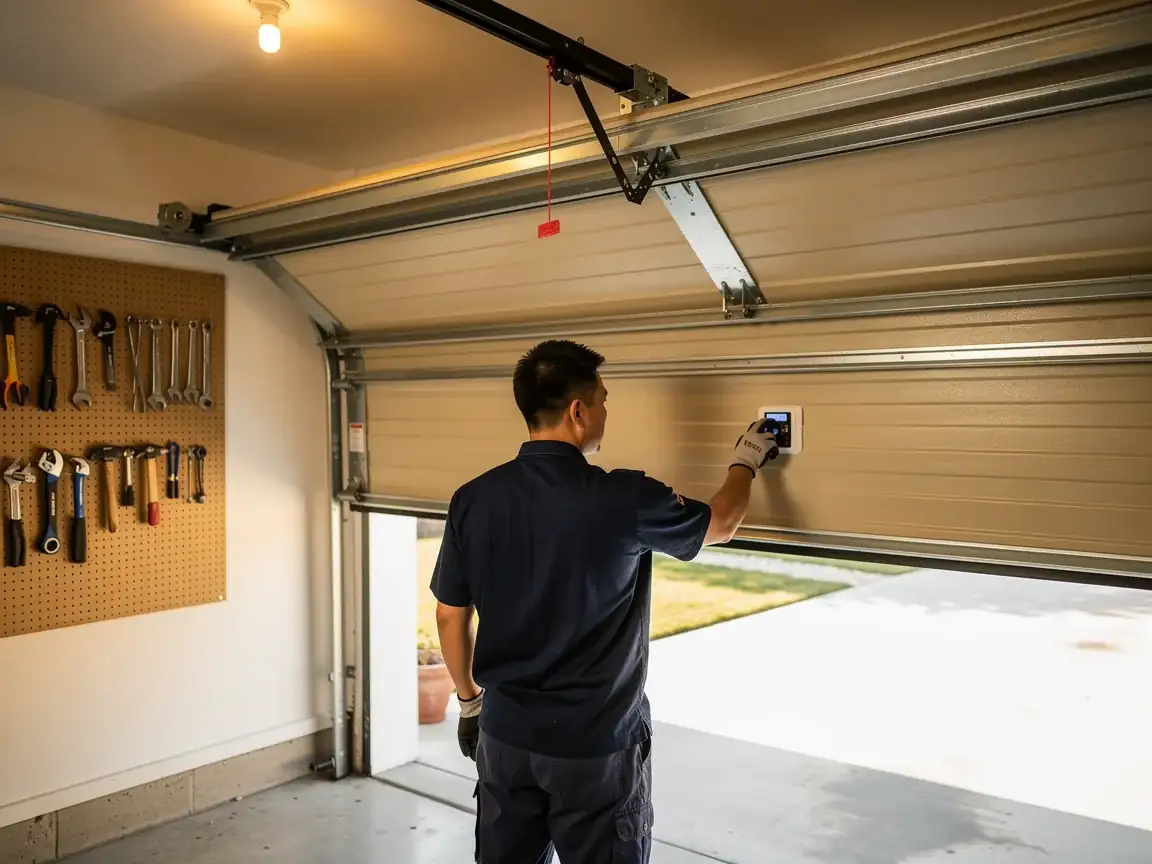
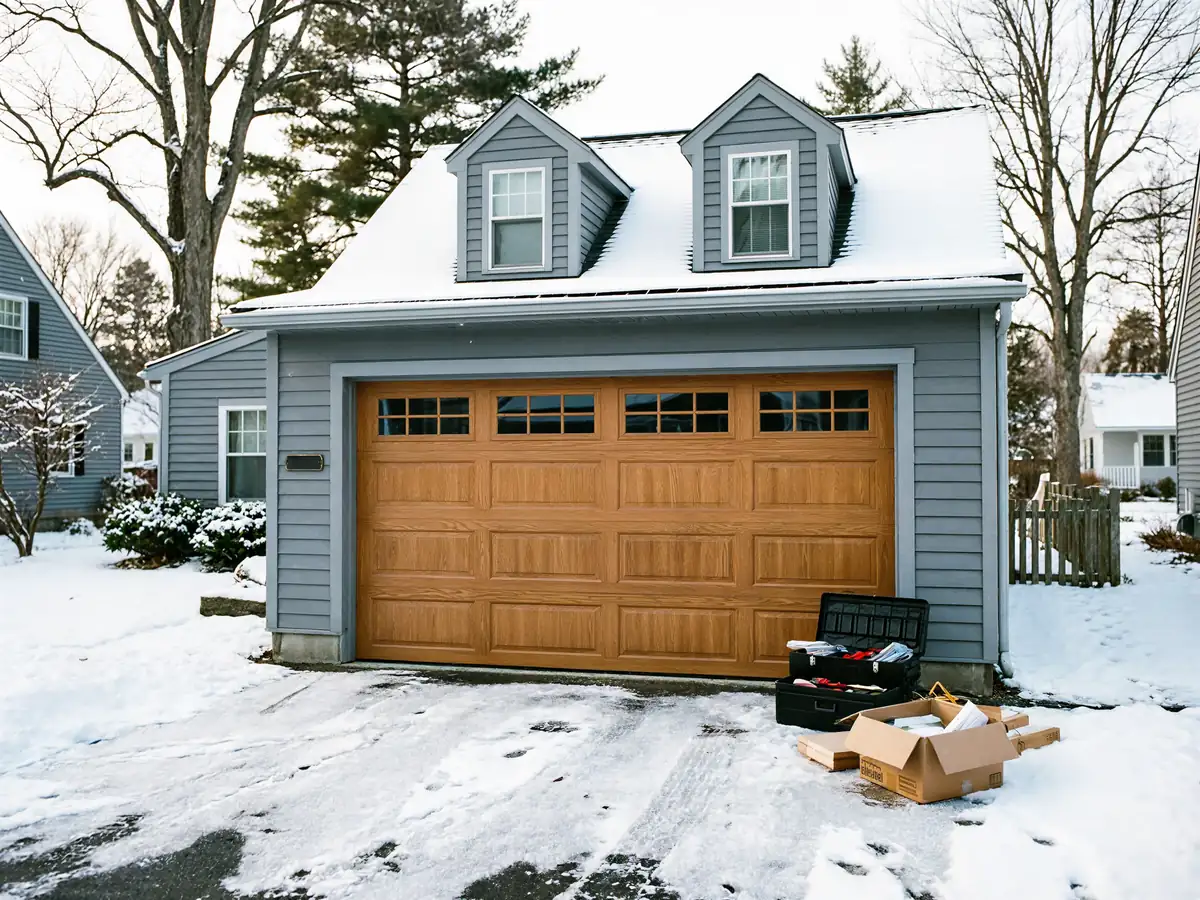
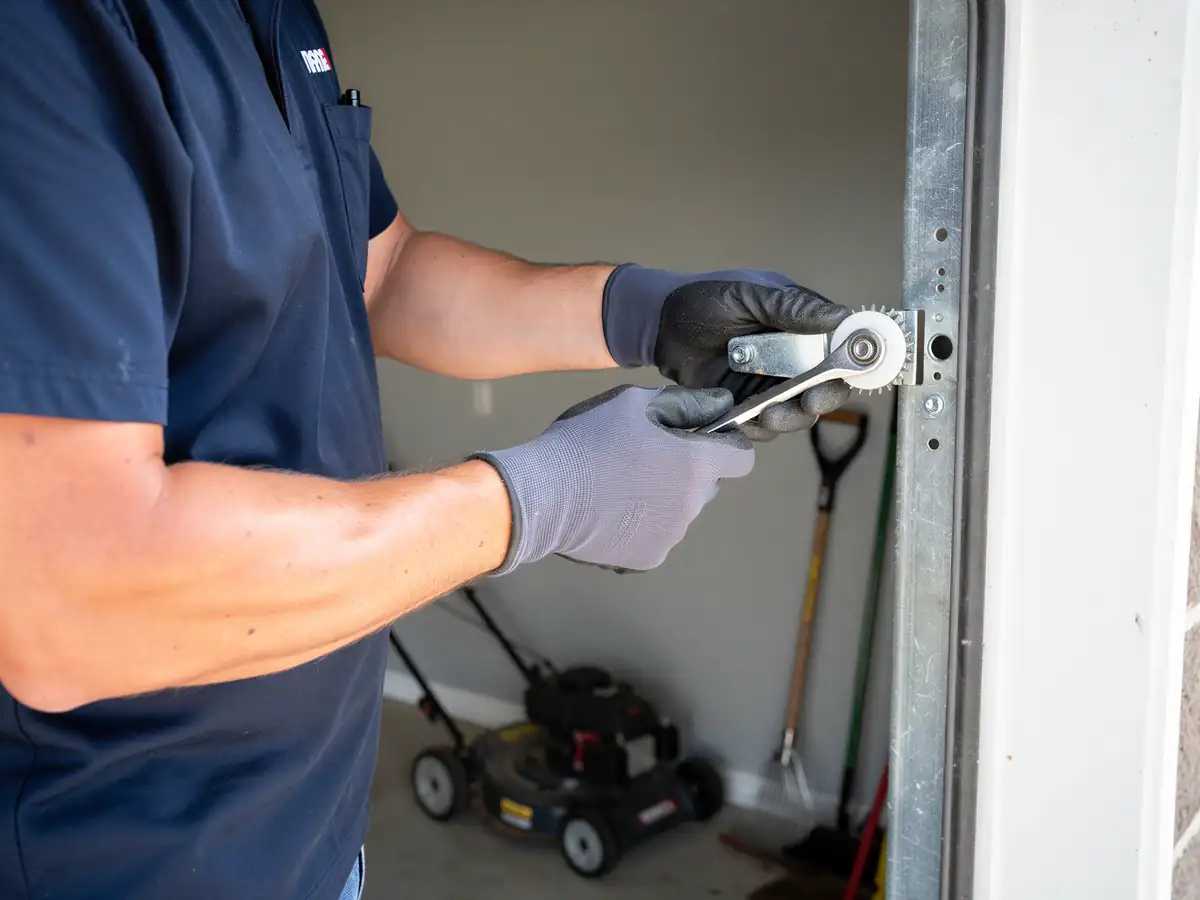
For Kensington calls we carry torsion springs across the common sizes that fit 1960s and 70s steel doors, along with the galvanized cable and drums that pair with them - the parts that wear out together rather than one at a time. Rollers come in both steel and sealed-bearing nylon, since a cold-climate door does better with rollers rated for the temperature swings this area gets rather than whatever was cheapest when the door was built. We stock standard torsion hardware and common opener parts, but a less common opener model or a specialty panel sometimes means ordering in, and we'll tell you up front if that's the case rather than make you wait at the curb to find out. One honest limit: if a part is obsolete enough that nobody makes it anymore, repair stops being an option and we'll tell you that instead of pretending otherwise.
How to Book
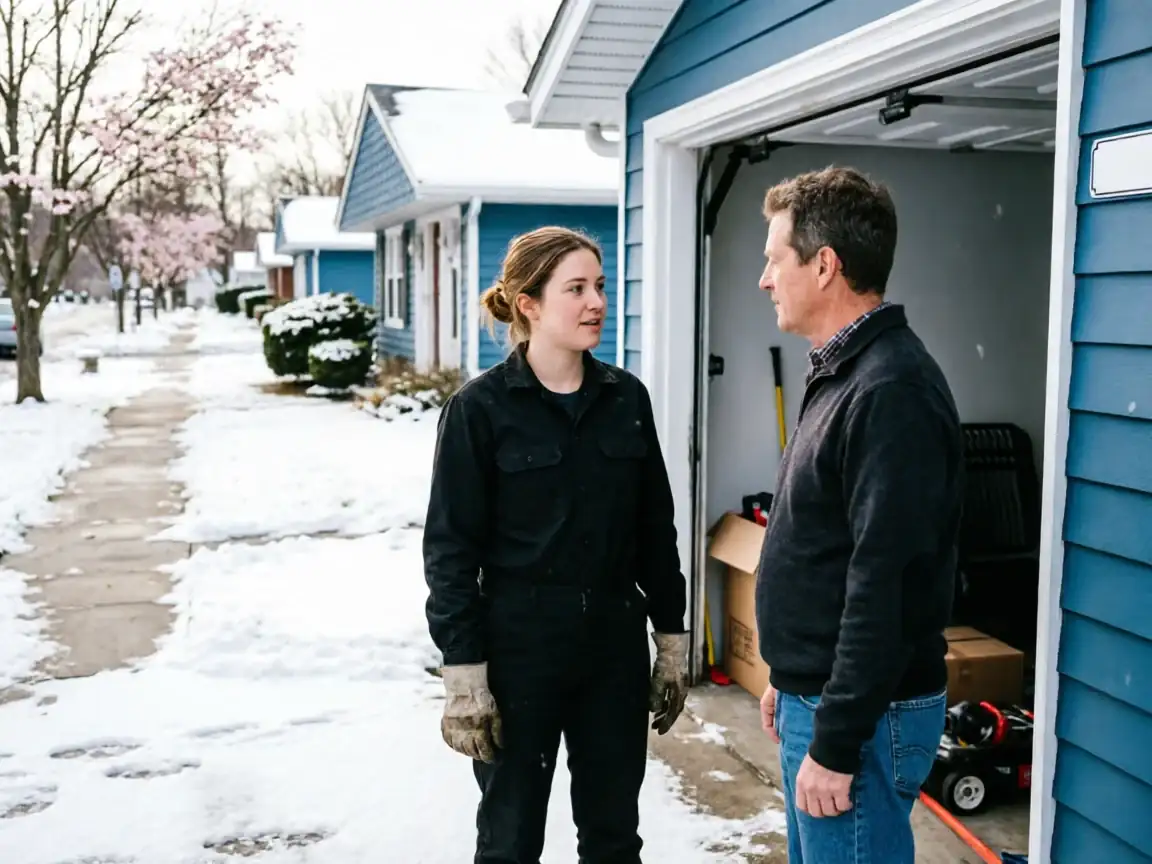
If your door is sticking, grinding, or hanging crooked, describe what it's doing when you call - which side binds, whether it's louder going up or down, whether the opener strains before it gives up. That tells the tech what to bring before the truck leaves Bristol. You can see more on how we handle Kensington calls specifically at Garage Doors in Kensington, or look at the full scope of what we run out of Bristol at Garage Door Service in Bristol, CT. We don't keep a branch in Kensington - every job here is a dispatch from Bristol, about 10 miles out, so timing depends on where the truck is that day.